REVIEW · SA PA
Sapa: Muong Hoa Mountain Views and Villages Trek with Lunch
Book on GetYourGuide →Operated by HELEN · Bookable on GetYourGuide
Rice terraces meet serious mountain walking. This Sapa Sa Seng trek delivers big panoramas plus a real village-culture stop, not just a quick photo loop. I especially liked the sweeping top-of-the-mountain views and the family-run lunch that feels like a meal you’re invited into, not a tourist add-on.
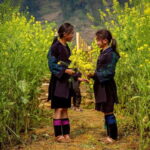
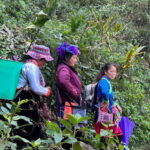
You’ll also spend real time in Black Hmong villages, with your guide explaining daily life and Hmong customs like marriage traditions. (If you’re lucky, you may meet Su, listed in some schedules as Châu A Su.) The trade-off: this is a challenging, steep-incline walk, and it’s not a good fit if you have issues with heights, vertigo, back problems, or mobility.
In This Review
- Key highlights worth your time
- The real draw: mountain views plus Black Hmong culture
- Hoàng Văn Thụ start point and the 9:00 pickup rhythm
- Climb to Sa Seng: the steep part and the big payoff
- Hang Da village (Black Hmong): farm life you can actually see
- Lunch at a local family restaurant: simple, filling, and timed right
- Hau Thao village: daily field work and Hmong marriage traditions
- Giang Ta Chai and the 15:30 return: finish strong
- Price and what you truly get for $20
- Guides: Su (Châu A Su) is the kind of person who makes the day
- Who should book, and who should skip
- What to bring so you don’t suffer for the views
- Should you book this Sapa trek with villages and lunch?
- FAQ
- How long is the Sapa trek?
- Where is the meeting point?
- Is round-trip transportation included?
- Is lunch included?
- Will I have an English-speaking guide?
- How large is the group?
- What should I bring for the hike?
- Is the tour suitable for pregnant travelers or mobility issues?
- Is smoking allowed, and is cancellation possible?
Key highlights worth your time
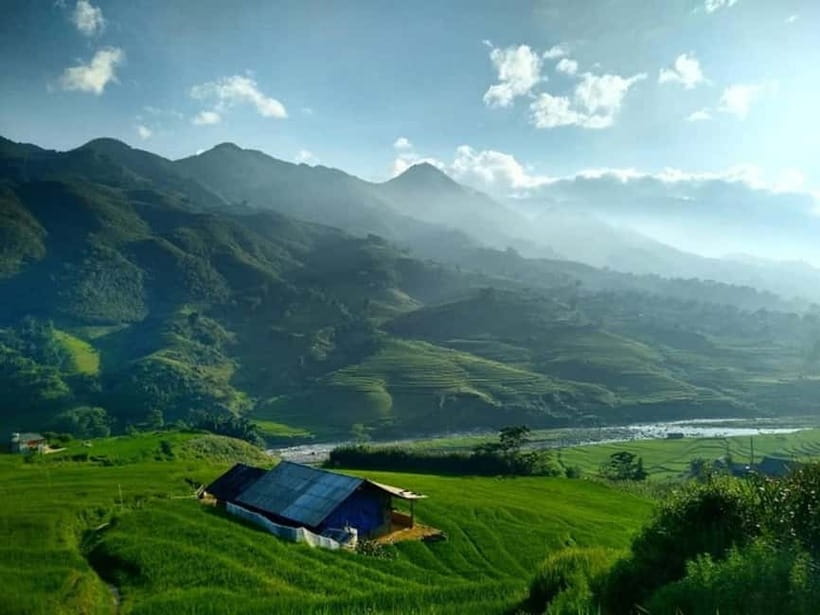
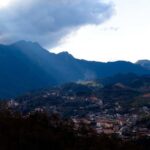
- Sa Seng Mountain summit: Get views toward Fansipan (3,143m, highest in Indochina) and across Sapa town
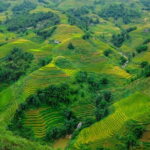
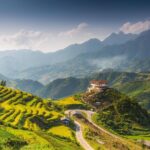
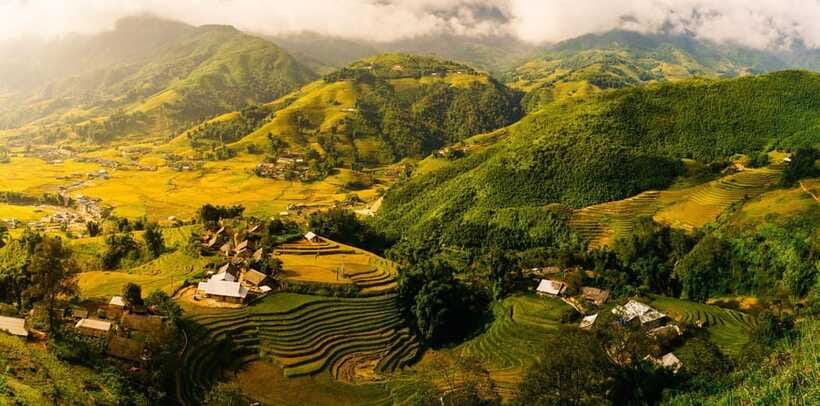
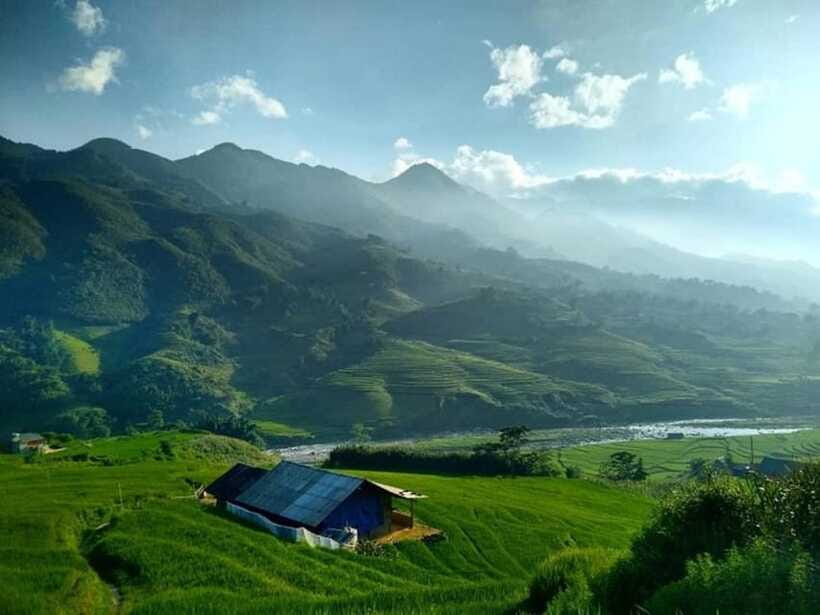
- Muong Hoa rice terraces viewpoint: Look down over the valley’s famed terraced fields
- Hang Da village: Learn village life in a Black Hmong community and see local farm animals
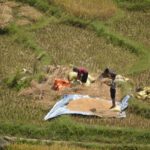
- Hau Thao village: Watch daily work in the fields if timing lines up for planting/harvesting
- Hmong marriage traditions: Hear how customs connect to community life
- Included lunch with a local family: A straightforward, satisfying meal during the walk
The real draw: mountain views plus Black Hmong culture
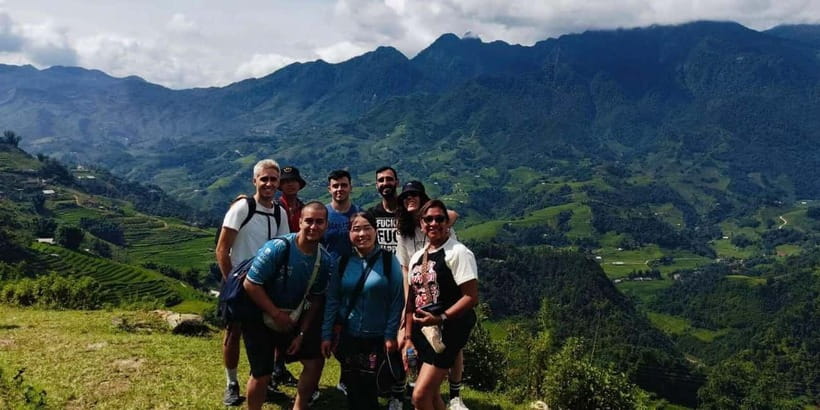
If you’ve only seen Sapa from a viewpoint road, this trek changes the feeling fast. You’re doing the walking to reach the high vantage point first, then moving down into village life. That order matters. It means the views don’t feel like a random stop; they’re the payoff for the effort.
I like how the day balances effort and meaning. You get a physical experience (steep trail, long walking day), but you’re also given context—why the rice terraces matter, how house-building and work routines connect to the communities you visit, and how marriage traditions show up in everyday life.
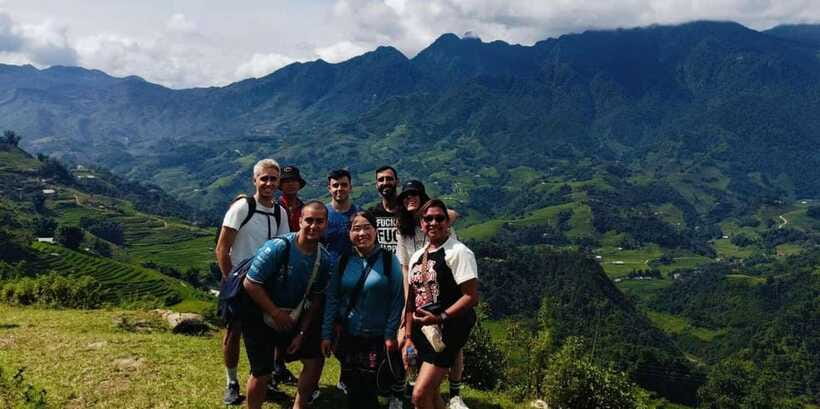
This tour is also built for small groups—limited to 10—so you’re less likely to feel like a numbered dot in a line. You’ll have a live English-speaking guide and a van handling the back-and-forth transport.
You can also read our reviews of more tours and experiences in Sa Pa.
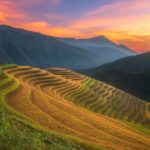
Hoàng Văn Thụ start point and the 9:00 pickup rhythm
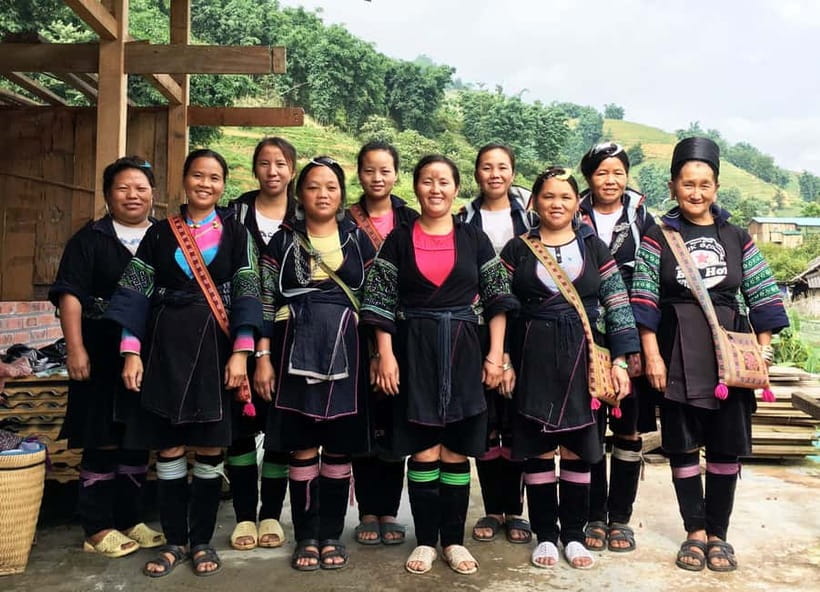
The meeting point is Massage Lits, 01 Hoàng Văn Thụ in Sapa. Your day starts when the van and guide pick you up around 9:00. From there, you’ll do a short introduction, then head out on foot.
Why this matters for your planning: the day is long—about 9 hours total—and it starts with movement quickly. If you’re trying to squeeze in other plans the same day, this isn’t a light morning stroll. You’ll want to keep your afternoon open for the return back to Sa Pa.
Climb to Sa Seng: the steep part and the big payoff
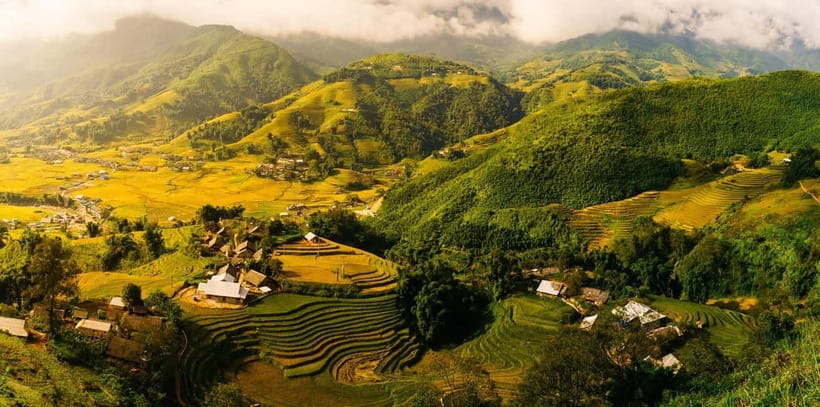
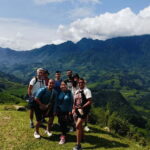
The trek begins with about 1km uphill on a small trail. You’ll be walking hard for around an hour before reaching the top of Sa Seng Mountain.
At the summit, the view list is specific and worth getting up for:
- Fansipan (3,143m), noted as the highest mountain in Indochina
- Sapa town, visible from above
- The Muong Hoa valley rice terraces, including the most significant terraced views in Vietnam
- The biggest river and valley in Sapa, visible from the vantage point
This is the moment you’ll understand why the day is structured this way. The views are the reward for the climb, and the vantage point is high enough that you’re not just looking at one valley—you’re getting a wider sense of how the terrain controls the way people farm and live.
Practical note: the tour description is clear that this is a challenging trek with steep inclines. Come with comfortable shoes and a steady pace. If you’re the type who slows down when breathing gets hard, build in patience early—because once you’re at the top, you’ll want time to look around.
Hang Da village (Black Hmong): farm life you can actually see
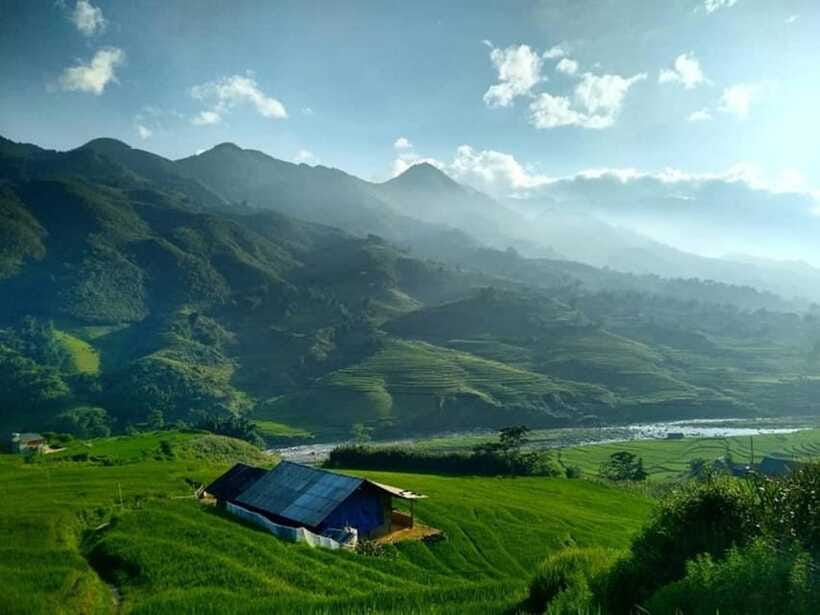
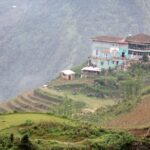
After the summit, the tour continues down along the mountainside toward Hang Da, described as a Black Hmong minority village.
This section feels different from the climb. The trail is still walking, but the focus shifts to observation. You’ll have time for:
- Photo stops
- A guided look at village life
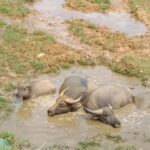
- A chance to spot farm animals such as buffaloes and pigs
What I like about this stop is that it’s not just a “look and go.” The guide is there to translate what you’re seeing into everyday meaning—how people work, why certain animals matter, and how the rhythms of the community relate to the surrounding hills and fields.
Downside for some people: you’ll spend part of the day walking downhill and uneven terrain, which can be tougher than it sounds on tired legs. If your knees don’t love steep descents, bring trekking gear and plan for slower steps.
Lunch at a local family restaurant: simple, filling, and timed right
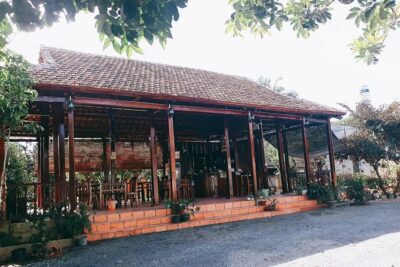
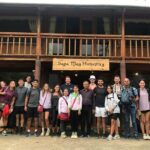
Lunch is included, served at a small restaurant run by a local family. This is one of the day’s strongest practical benefits. After a hard climb and morning walking, you’re not stuck hunting for food or paying tourist prices in a hurry.
The experience here isn’t about fine dining. It’s about a working meal during a trek—something warm, filling, and convenient. In many days on foot around Sapa, lunch quality is where tours quietly win or lose. Here, the inclusion of a local-family lunch is a big part of the value.
If you’re the type who eats lightly in the morning, consider that the day keeps going after lunch. You’ll want enough energy to keep walking toward Hau Thao and beyond.
Hau Thao village: daily field work and Hmong marriage traditions
After lunch, the group heads down a small road to Hau Thao, another Black Hmong ethnic minority village.
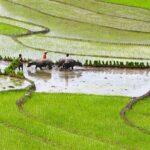
This part of the day is built around daily life. Your guide will show you what’s going on when you arrive, and if the timing is right, you may see people actively working on the rice fields—planting or harvesting.
You’ll also get explanations that make the village stop more than sightseeing:
- Hmong marriage traditions
- How rice field work fits into community life
- House-building techniques
This is one reason I’d choose this tour over a quick village visit. The guided interpretation helps you connect the physical landscape you saw earlier (rice terraces, valleys) to the human systems that keep it running.
One caution: this is still a walking day. If you’re dealing with vertigo or fear of heights, you’ll want to take the “not suitable” warning seriously. The summit climb and the overall steep terrain make this more intense than casual village tours.
Giang Ta Chai and the 15:30 return: finish strong
After spending time at Hau Thao, the tour includes a walk to Giang Ta Chai village, where the transport is waiting on the main road. Then you’ll ride back to Sa Pa, with the tour ending around 15:30.
This end section matters because it’s easy to underestimate. You’ve already climbed high, walked downhill, eaten, and continued through village time. By the time you’re walking to Giang Ta Chai, your legs are likely ready for a break.
My practical advice: hydrate before you feel thirsty. The tour advises bringing water and staying energized, and that’s exactly what you’ll need here.
Price and what you truly get for $20
At about $20 per person for a roughly 9-hour day, this tour is priced as a value option—especially since the essentials are included:
- Round-trip van transportation with a driver
- A live English-speaking guide
- Lunch at a local family restaurant
- A 20% discount voucher for massage at Massage Lits, 01 Hoàng Van Thu (after your trip)
That massage discount is a smart little bonus. A trek day around Sapa can leave your calves asking for mercy, and having a known nearby place to recover can be helpful.
So is it worth it? If you want:
- A summit viewpoint with Fansipan sightlines
- Real time in Black Hmong villages with guided context
- A included lunch that doesn’t add stress
…then yes, the package feels like it delivers. If you want an easy day with mostly flat walking, you’ll likely feel like you paid for something too physical.
Guides: Su (Châu A Su) is the kind of person who makes the day
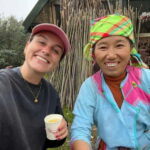
One theme shows up clearly: guides can make this tour feel friendly and understandable instead of like a checklist. Su is highlighted in some schedules as Châu A Su, and the tone around this kind of guide experience tends to be positive—lots of conversation, explanations, and practical pointers about what you’re seeing, plus a focus on nature and the area.
Even with a small group, a good guide keeps the day moving smoothly: where to look, what questions matter, and how to connect rice terraces, village work, and customs to the scenery you’re looking at from multiple angles.
Who should book, and who should skip
This tour is best for travelers who:
- Want a challenging trek and don’t mind steep sections
- Like cultural context as much as views
- Can walk for most of a 9-hour day
- Prefer small-group pacing (limited to 10)
It is not suitable for:
- Pregnant women
- People with back problems
- People with mobility impairments
- People afraid of heights
- People with vertigo
If any of those apply, it’s smarter to choose a gentler Sapa experience. The summit hike and overall terrain make this tour more intense than many people expect when they see village photos.
What to bring so you don’t suffer for the views
The tour’s prep list is spot-on. Bring:
- Comfortable shoes with grip
- A hat
- Sunscreen
- Water
- Camera
- Trekking gear (especially useful for steep trails)
A small but real tip: pack water where you can grab it quickly. During steep sections, you don’t want to waste effort digging for a bottle.
Also note: smoking isn’t allowed.
Should you book this Sapa trek with villages and lunch?
I’d book it if you want one day that combines two things Sapa does best: high views and village life. The included family lunch and small-group setup make it a strong value, and the guide-led explanations (including Hmong marriage traditions and how work connects to the rice terraces) are exactly the kind of context that turns a hike into a story you understand.
Skip it if you’re looking for easy walking, or if heights/vertigo/back issues are in the picture. The trek is clearly described as steep and challenging, and the route includes a summit.
If you do book, arrive at the meeting point on Hoàng Văn Thụ / 01 Hoàng Văn Thu with time to spare, and keep your energy up—this is a full day.
FAQ
How long is the Sapa trek?
The tour lasts about 9 hours.
Where is the meeting point?
The meeting point is Massage Lits, 01 Hoàng Văn Thụ, Sapa.
Is round-trip transportation included?
Yes. The tour includes round-trip transportation by van, plus a driver.
Is lunch included?
Yes. Lunch is included at a small restaurant run by a local family.
Will I have an English-speaking guide?
Yes. The live tour guide is listed as English.
How large is the group?
It’s a small group limited to 10 participants.
What should I bring for the hike?
Bring comfortable shoes, a hat, a camera, sunscreen, water, and trekking gear.
Is the tour suitable for pregnant travelers or mobility issues?
No. It is not suitable for pregnant women, people with back problems, people with mobility impairments, people afraid of heights, or people with vertigo.
Is smoking allowed, and is cancellation possible?
Smoking is not allowed. You can cancel up to 24 hours in advance for a full refund.