REVIEW · KAMPALA
3 Days Gorilla trekking tour
Book on Viator →Operated by Karumuna Safaris · Bookable on Viator
Bwindi gorillas are the main event, but the journey is part of it. This 3-day private tour links pickup from Entebbe or Kampala, a scenic drive that crosses the equator, and an organized visitor-center briefing before you set out on foot toward mountain gorillas in Bwindi Impenetrable National Park.
What I like most is how the itinerary builds in real downtime around the long overland day: you drive through dramatic scenery, check in for dinner and sleep, then do the trek the next morning. I also like that meals are handled (breakfast, lunch, dinner, plus afternoon tea) and that the tour includes park-related costs in the price, so you’re not constantly doing math mid-trip.
One consideration: the schedule is built around early starts and long car time, and the success of the gorilla experience depends on permits being secured correctly. In the real world, I’ve seen both glowing accounts of punctual, helpful guide service and serious complaints tied to permit problems—so do your homework before you pay.
In This Review
- Key highlights worth marking on your map
- What you’re really signing up for in 3 days
- Pickup and the 6:30am rhythm that shapes everything
- The equator stop: short but memorable
- The road to Bwindi: where comfort and timing matter
- Bwindi Impenetrable Forest: your first night near the trek
- The visitor-center briefing and gorilla trekking day reality
- Lake Bunyonyi stop: why a change of scenery helps
- Night one vs night two: what the two lodges signal
- Day 3 back to Entebbe: keeping the end smooth
- Price and value: what $2,300 per person is covering
- The guide factor: where Richard’s name shows up
- Packing and readiness for gorilla trekking
- Who should book this gorilla trekking package?
- Should you book Karumuna Safaris for 3-day gorilla trekking?
- FAQ
- What time does the tour start?
- Will I be picked up from my hotel?
- How long is the tour?
- Where does the gorilla trekking happen?
- What’s included in the price?
- What is not included?
- Are entrance tickets included?
- What physical fitness level do I need?
- Are there options for dietary restrictions?
- Can I cancel and get a refund?
Key highlights worth marking on your map
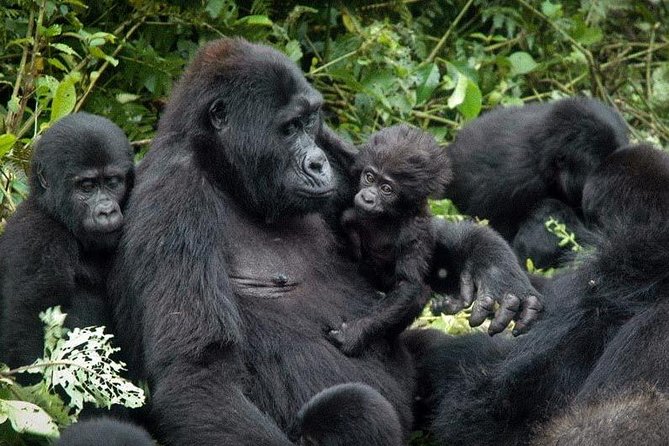
- Equator stop on the way to Bwindi for a fun, quick reality-check photo moment.
- Visitor-center briefing before trekking, which sets expectations for safety and timing.
- Overnights at Gorilla Mist Camp and Gorilla safari lodge, so you’re positioned for an early start.
- Meals and bottled water included, plus afternoon tea to keep energy steady.
- Private tour format, meaning only your group participates.
- Guide support in-country, including a driver/guide and local guide (and sometimes a multi-lingual guide).
What you’re really signing up for in 3 days
This is a classic gorilla-trek format: you travel from the Entebbe/Kampala area to Bwindi, sleep near the park, and then do the trekking day. The trip is priced at $2,300 per person, which is the kind of number you pay when permits, park fees, and transport all pile up. What makes this package feel “worth it” is that it tries to take the friction off: transfers, lodging for two nights, and most meal costs are included.
Just remember what can’t be speed-run. Gorilla trekking depends on where the gorillas move and what the rangers decide. That means your day is guided and structured, but not rigid in the way a theme park is. If you’re the type who wants zero waiting, bring a patient mindset.
You can also read our reviews of more tours and experiences in Kampala.
Pickup and the 6:30am rhythm that shapes everything
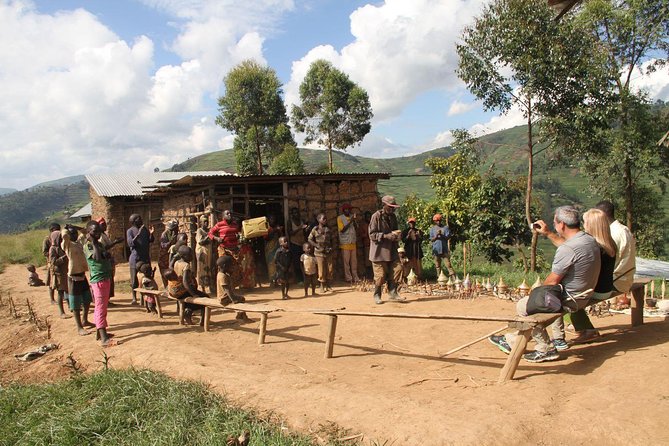
The tour’s meeting point is Entebbe Airport at 6:30am, and you’ll be picked up from your accommodation in Kampala or Entebbe. That early start matters because Bwindi is not a quick hop. You’ll spend hours in the car on the way in, with a few purposeful breaks along the route.
What I like about leaving early is that it makes the day more predictable. What you should watch for is fatigue: long drives turn even a comfortable vehicle into “arrive sore.” If you hate feeling stiff after transportation, pack a light layer and consider simple back stretches before and after stops.
The equator stop: short but memorable
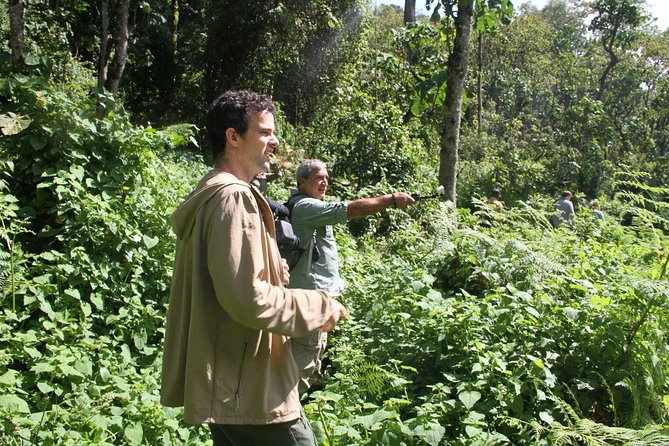
One of the itinerary’s built-in moments is stopping at the equator so you can experience the odd satisfaction of standing with one foot in each hemisphere. This is more than a postcard stop. It’s a quick reset in a long day, and it gives you something fun to do that isn’t just sitting and watching the countryside roll by.
Don’t expect it to fill the whole day, but do expect it to be a good break. If you like small, meaningful moments between big events, this one lands well.
The road to Bwindi: where comfort and timing matter
After the equator stop, the drive continues toward Bwindi, with a lunch break in Mbarara on the way in (and in some cases Masaka depending on timing during the return day). This matters because the drive is long enough that where and when you eat really affects how you feel the next morning.
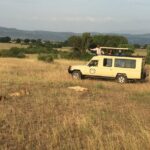
The tour includes a driver/guide and local guidance, plus live commentary on board. That combo is practical: it turns the drive from “getting there” into “understanding where you are.” Even if you’re not a big talker, you’ll still come away with better context for Uganda’s geography and what Bwindi means locally.
Bwindi Impenetrable Forest: your first night near the trek
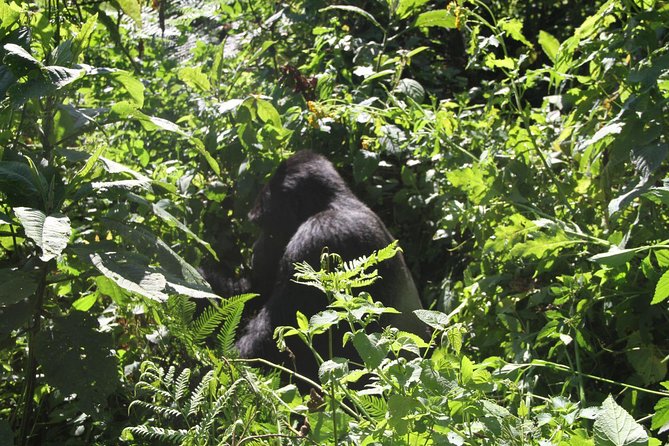
Once you reach Bwindi Impenetrable National Park, the flow is simple: check in, dinner, and sleep. The itinerary lists Gorilla Mist Camp as the overnight after the drive in, with dinner and breakfast included as part of the package.
I like this approach for two reasons. First, it reduces stress. You’re not trying to squeeze hotel changes and travel-time uncertainty into your trekking day. Second, a camp near the park area usually means you wake up closer to the starting point, which is exactly what you want when gorilla time is the clock that counts.
Dinner is included, and bottled water plus beverages are part of what’s on hand. That’s helpful because trekking days can leave you low on patience for complicated food decisions.
The visitor-center briefing and gorilla trekking day reality
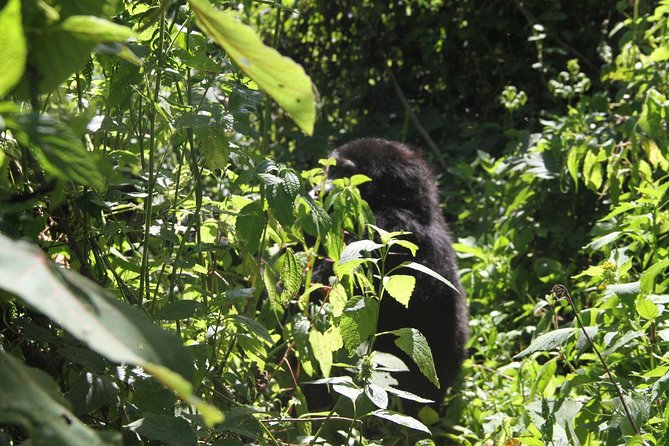
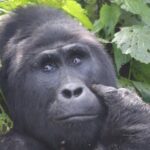
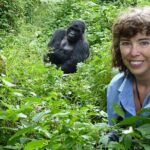
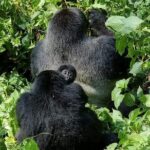
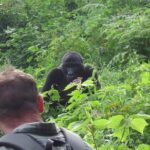
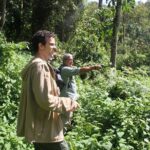
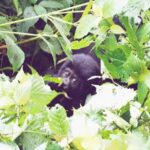
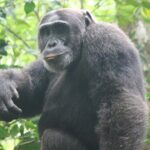
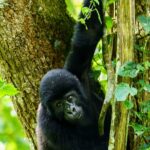
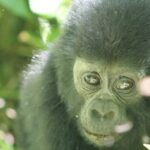
Day 2 is the main event: you go to the visitor center after breakfast for a briefing, then head out for the trek. The trek itself runs through jungle terrain toward where the gorillas are located, and that’s the part nobody can fake. Your experience will depend on how the gorillas move, how fast you cover the distance, and how the rangers manage safety.
Here’s why the briefing matters so much. It’s where you learn how to behave in the gorilla zone: how close you should get, how to respect spacing, and what to do with the “what if we’re delayed” moments. When the briefing is done well, you spend less time guessing and more time watching.
A note on fitness: the tour calls for moderate physical fitness. That doesn’t mean you need to be an athlete, but it does mean you should feel comfortable with uneven, muddy ground and a slow-but-steady uphill style hike that can surprise you.
Lake Bunyonyi stop: why a change of scenery helps
The itinerary includes Lake Bunyonyi as a stop, though the details in your provided outline don’t spell out exactly how long you’ll spend there. Still, including Bunyonyi in a gorilla trek plan makes sense.
Bwindi days can be intense—early mornings, dense forest air, and the emotional weight of seeing the animals up close. A lake stop can be the mental exhale. Even if it’s short, it gives you a different view: softer light, calmer pacing, and a chance to reset before your return journey.
If you’re the kind of person who likes balance—one big hike, then one gentle scenic moment—this is the right kind of structure.
Night one vs night two: what the two lodges signal
The itinerary lists Gorilla Mist Camp for night one and Gorilla safari lodge for night two. I can’t promise the exact room style from the information provided, but I can tell you what the two-night structure does.
You’re not trekking and then turning around immediately. You sleep at least once after the trek, which helps you recover enough to sit in a car on Day 3. That’s a small detail, but it affects how enjoyable the overall trip feels.
Day 3 back to Entebbe: keeping the end smooth
On Day 3, after breakfast, you head back toward Kampala and finish with a drop-off in Entebbe. The tour includes another lunch stop along the route in Mbarara or Masaka depending on time. The return trip is described as about an 8-hour journey in the provided info.
The best way to enjoy the last day is to treat it like recovery travel, not a sightseeing sprint. Your legs may feel it after the trek, and the car will become your main activity. If you want photos, bring a phone strap or camera grip you can use one-handed during stops. If you want rest, plan for that too—because the drive will be the day.
Price and value: what $2,300 per person is covering
Let’s talk value in plain terms.
This price includes a lot that’s easy to overlook on gorilla trips:
- Accommodation for 2 nights
- National park fees
- Admission ticket (listed as included)
- Environmental Management Charge (Reef Tax)
- Fuel surcharge and taxes
- Driver/guide and local guide
- Meals as per itinerary (breakfast, lunch, dinner)
- Afternoon tea, beverages, and bottled water
- Airport/departure tax
- Live commentary on board
That means you’re paying for more than a vehicle and a guide. You’re also paying for the pieces that can blow up your budget if you try to piece them together yourself. The private format matters too: it’s only your group participating, not a crowded shared safari shuffle.
My practical take: $2,300 is high, but it’s in the range where “included costs” are the difference between a smooth trip and a stressful one. If you can confirm that permits are handled correctly and on time, this kind of “transport + lodging + fees + meals” package can be a smart way to control expenses.
The guide factor: where Richard’s name shows up
Several of the accounts tied to this trip mention Richard Kisembo as a guide. The positive notes are consistent: people describe him as punctual, attentive, friendly, and helpful—someone who handled the experience from pickup to drop-off and made the trekking day feel well managed.
At the same time, I also saw serious complaints connected to the same name, including claims of permit problems and one experience where a vehicle broke down and stranded guests for hours before help arrived. I can’t verify which version is accurate for your future trip from the info here. But I can tell you what I’d do if this were my trip: ask for written confirmation (email or WhatsApp) that your gorilla permits are secured correctly and that the provider has a backup plan for vehicle breakdowns.
In other words: respect the good reputation where it exists, but don’t ignore the red flags. Gorilla trekking is too expensive to treat permits and logistics like a gamble.
Packing and readiness for gorilla trekking
You won’t need luxury gear for gorillas. You need practical gear and enough comfort to move through uneven ground. From the structure of this tour, here’s what matters most:
- Expect early mornings and a trek that can involve slippery or muddy patches.
- Bring layers for cool early air and warmer conditions during the walk.
- Plan for a day where you’ll be focused, so keep essentials easy to reach (rain protection, water access, basic snacks).
Also remember the tour requires passenger details: at booking time, you’ll need your passport name, number, expiry date, and country. That’s not just paperwork theater—gorilla tracking and park procedures need accuracy.
Who should book this gorilla trekking package?
This tour fits best if you:
- Want a private gorilla trekking experience with meals and lodging handled.
- Like an itinerary that includes a meaningful break (the equator stop and the Lake Bunyonyi stop).
- Are traveling as family, friends, or couples and want one group, one plan, one guide team.
You might reconsider if:
- You’re extremely sensitive to long car days. This trip is built around road time.
- You have zero flexibility if permits or logistics hit a snag. The tour includes admission and park fees, but the trekking experience depends on things outside anyone’s control once you’re in the system.
Should you book Karumuna Safaris for 3-day gorilla trekking?
If you’re trying to make a gorilla trek feel organized from start to finish, this package has the right ingredients: park fees included, lodging set for two nights, a visitor-center briefing, and guided support with meals and water included. I also like that the itinerary builds in small humane breaks—the equator moment and the lake stop—to keep you from feeling like you’re only traveling and trudging.
But I’d book only after you confirm two things in writing:
1) Your gorilla permits are secured properly and tied to your group details.
2) Your pickup and transfer plan is confirmed for your exact start time and route.
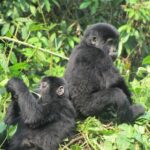
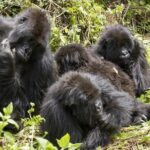
Do that, and you’ll be set up to focus on what you came for: a serious walk in the Bwindi forest and the life-changing moment of seeing mountain gorillas in their world.
FAQ
What time does the tour start?
The meeting point is Entebbe Airport at 6:30am.
Will I be picked up from my hotel?
Yes. The tour notes that pickup is offered from accommodations in Kampala or Entebbe.
How long is the tour?
It’s listed as 3 days (with transfer durations described as approximate, depending on traffic and time of day).
Where does the gorilla trekking happen?
The trek takes place in Bwindi Impenetrable National Park, with briefing at the visitor center before you start trekking.
What’s included in the price?
The tour includes 2 nights accommodation, meals (breakfast, lunch, dinner as per itinerary), bottled water, beverages, afternoon tea, driver/guide and local guide, and park-related fees such as national park fees and the Environmental Management Charge.
What is not included?
Not included: alcoholic drinks (available to purchase) and souvenir photos (available to purchase).
Are entrance tickets included?
Yes. The itinerary indicates admission tickets are included.
What physical fitness level do I need?
The tour says travelers should have a moderate physical fitness level.
Are there options for dietary restrictions?
Yes. The tour states it can accommodate vegetarian, vegan, and gluten-free dietary restrictions.
Can I cancel and get a refund?
Yes. The experience has free cancellation, with a full refund if you cancel at least 24 hours before the experience start time.