REVIEW · MOSHI
7 Day Trek To The Roof Of Africa Kilimanjaro via Machame Route
Book on Viator →Operated by Soraka Tours · Bookable on Viator
Kilimanjaro doesn’t do easy. The Machame Route gives you a real mix of rainforest, heather moorland, and high-alpine desert, plus the serious comfort of daily altitude health checks with an oximeter and emergency oxygen.
I also like that you’re not guessing about sleep and food: you get 4-season tent accommodation, warm sleeping mats, and three prepared meals each day on the mountain. One possible drawback: this isn’t a budget trek, and personal gear like sleeping bags and hiking boots is on you (and single tent space costs extra).
If you’re up for steady, sometimes steep walking, this route has the feel of a full Kilimanjaro course—hard work, smart pacing, then the payoff.
In This Review
- Key highlights that matter on Kilimanjaro
- Why the Machame Route feels like a full Kilimanjaro lesson
- Price and what you’re really paying for at $3,190
- Moshi base camp: airport pickup and a real hotel bed
- What each climb day feels like (and why the camps are chosen)
- Machame Gate to Machame Camp: rainforest grind to 9,875 ft
- Machame Camp to Shira Camp: moorland zones and higher altitude pressure
- Shira Camp to Barranco Camp: acclimatization hike to Lava Tower
- Barranco Camp to Karanga Camp: the Barranco Wall moment
- Karanga Camp to Barafu Camp: high alpine desert to summit staging
- Barafu Camp to Uhuru Peak, then down to Mweka Camp
- Mweka Camp to Mweka Gate, then hotel and transfer
- Safety systems that are more than paperwork
- Food, sleep, and comfort: the details that change the mood
- Meals
- Sleep setup
- Water and logistics?
- Guides and crew: why names like Baltasari and Baraka stick with people
- What to bring (because key gear is not included)
- Who this trek suits best
- Should you book this Machame trek with Soraka Tours?
- FAQ
- How long is the trek on the mountain?
- Where does the trip start?
- What’s included for accommodation and meals?
- Does the package handle airport transfers?
- Are dietary restrictions accommodated?
- Is medical support included?
- What group size is this tour?
- What gear do I need to bring?
- Is a single tent available?
- What’s included in the price, and what’s not?
- What is the cancellation window for a full refund?
Key highlights that matter on Kilimanjaro
- Daily oximeter health checks + specific questions: you’ll get watched closely, not just counted on the trail.
- Certified Wilderness First Responder guides: strong focus on medical readiness for altitude surprises.
- 4-season Mountain Hardware tents (2 per tent) + warm sleeping mats: camp sleep is built in, not improvised.
- Barranco Wall time: one section that’s famous for views and effort, not just walking.
- Lava Tower acclimatization with glacier/Breach viewpoints: a higher-elevation test that helps your body learn.
- Max group size of 15: big enough to keep energy up, small enough to stay organized.
Why the Machame Route feels like a full Kilimanjaro lesson
The Machame Route is popular for a reason: it moves fast enough to feel like adventure, but it still gives your body chances to adjust. You’ll climb from rainforest into moorland, then into harsher high terrain—so you don’t just gain altitude, you learn how altitude changes everything: breathing, sleep, appetite, and mood.
This is also a route where good guiding makes a big difference. When your plan includes acclimatization moments (not just summit-chasing), you’re more likely to arrive with the energy you’ll need later.
The “Roof of Africa” goal is real motivation, but the smarter win here is learning how to pace. Go too hard early, and the mountain collects its fee. Go steady, and you’ll feel the journey get smoother—camp to camp.
You can also read our reviews of more tours and experiences in Moshi.
Price and what you’re really paying for at $3,190
At $3,190 per person, this trek is priced like a serious, full-service operation—not a bare-bones expedition. The value isn’t just the guides or the scenic goal. It’s the built-in mountain infrastructure and safety support.
Here’s what you’re paying for, in practical terms:
- Park, rescue, and camping fees handled up front (so you’re not dealing with paperwork mid-trip).
- 3 daily meals on the mountain—freshly prepared, included in the package.
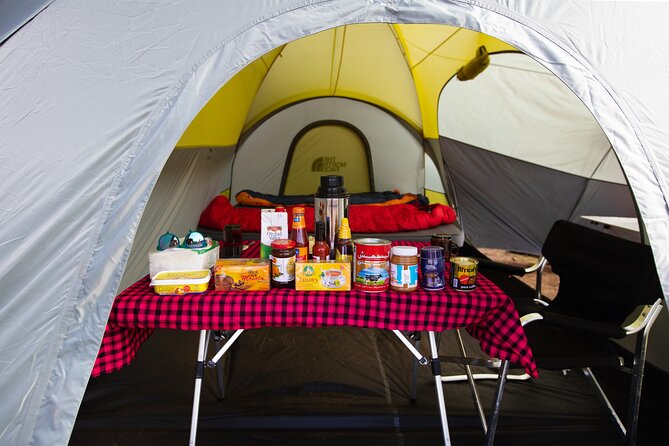
- Professional lodging and gear on the mountain: 4-season tents, dining setup, table/chairs/cutlery, and warm mats.
- Medical readiness: Wilderness First Responder guides, an emergency oxygen canister, and a medical kit.
- Daily altitude check-ins with an oximeter and guided health questions.
The big “watch-outs” for value:
- Visa, airfare, and travel insurance are not included, so your real total will be higher once you plan the full trip.
- Tips for mountain staff are not included, and that’s a normal part of responsible trekking in Tanzania.
- Your personal gear is not provided (sleeping bag, hiking boots, and other essentials).
If you want a smoother experience—meaning less to manage yourself—this price starts to make sense fast.
Moshi base camp: airport pickup and a real hotel bed
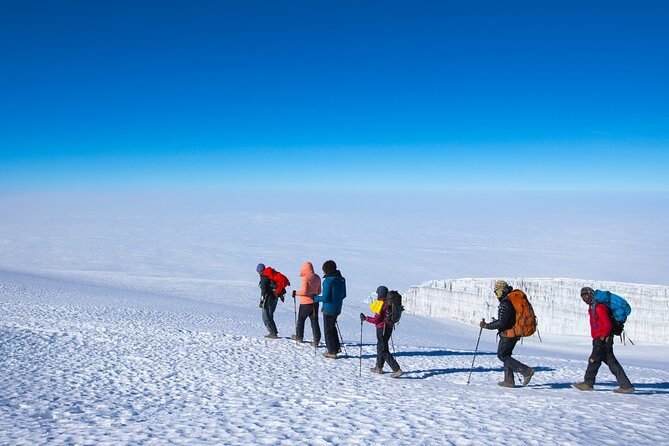
Your trip anchors in Moshi. You get JRO airport pickup and drop-off, plus 2 nights at Kili Wonders Hotel or similar, with breakfast included. For a mountain climb, this matters more than people think. Sleep near the start reduces stress, and the hotel break between trekking days is what keeps you from getting worn down before you even hit altitude.
This also keeps logistics simple: you’re not coordinating random taxis and hoping the driver understands the plan. The package is designed so the mountain portion runs on time.
Group size is capped at 15 travelers, which is a sweet spot for Kilimanjaro. You’ll have a shared vibe on the trail, but you won’t feel like you’re inside a crowded slow-moving bus.
What each climb day feels like (and why the camps are chosen)
Kilimanjaro is all about the rhythm: walk, breathe, rest, recover, repeat. The Machame plan is built around shifting terrain and gradual altitude pressure.
Machame Gate to Machame Camp: rainforest grind to 9,875 ft
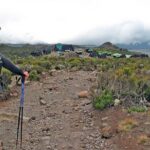
You start at Machame Gate at 5,905 ft and trek up to Machame Camp at 9,875 ft. Expect the early forest feel—steady climbing as the air thins. It’s not the day to “win.” It’s the day to get your pace and breathing consistent.
This first camp sets the tone. If you treat it like a warm-up, later days feel more controlled.
Machame Camp to Shira Camp: moorland zones and higher altitude pressure
Next you go from 9,875 ft to Shira Camp at 12,600 ft. The route shifts into heather and moorland zones. The air gets drier; your body works harder for the same steps.
This is where I’d focus on small wins: slow steps, steady water intake, and staying mentally calm when the air feels tight.
Shira Camp to Barranco Camp: acclimatization hike to Lava Tower
From 12,600 ft you reach Barranco Camp at 12,960 ft, with an acclimatization hike to Lava Tower at 15,190 ft. This is one of the clever parts of the Machame strategy. You get a higher-altitude stimulus, then return to sleep lower than the hike’s peak.
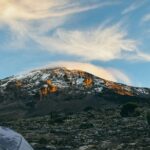
You also get payoff views. The hike offers chances to see the Western Breach and Southern Glacier. That’s a big moment because you’re not just training—you’re seeing what you’re working toward.
A note to plan for: acclimatization hikes cost energy. You’ll benefit most if you treat this as training, not a race.
Barranco Camp to Karanga Camp: the Barranco Wall moment
You’ll trek from 12,960 ft to Karanga Camp at 13,270 ft, with time along the Barranco Wall. This section is famous because it feels exposed and scenic, but also because it demands attention. Feet placement matters more here, and your brain gets busy.
I like this day because it’s where the climb stops feeling purely vertical. You start moving with intention.
Karanga Camp to Barafu Camp: high alpine desert to summit staging
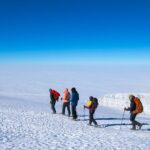
Next is 13,270 ft up to Barafu Camp at 15,190 ft. The environment shifts again into high alpine desert—less forgiving, colder at night, and generally more “no excuses” about pacing.
This is your final camp before summit night. Don’t spend your energy testing yourself. Save it.
Barafu Camp to Uhuru Peak, then down to Mweka Camp
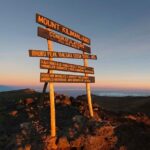
Summit morning starts at 15,190 ft with the goal of Uhuru Peak at 19,341 ft, then descent to Mweka Camp at 10,170 ft.
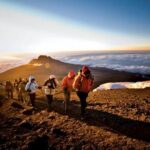
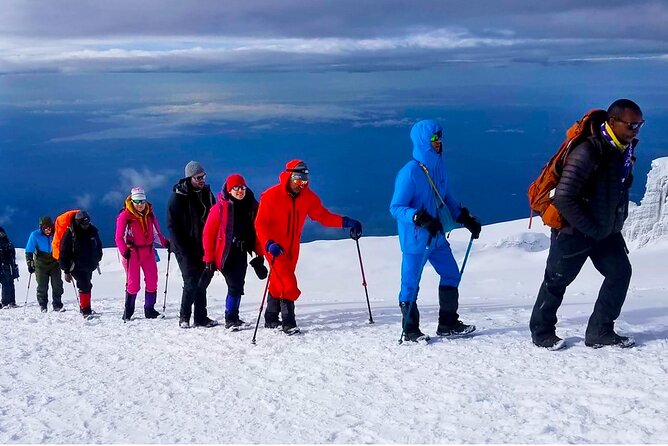
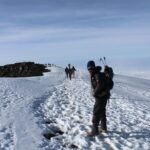
The key detail here is the timing: you’re out early enough to experience sunrise and watch the glaciers and surrounding terrain come alive in the light. That moment is the reward for every slow step you took earlier.
The most underrated part is the descent. After a summit, the mountain can still be dangerous—especially for knees and balance. A good team keeps the group moving carefully down to recover sleep and strength.
Mweka Camp to Mweka Gate, then hotel and transfer
You drop from 10,170 ft to Mweka Gate at 5,380 ft, then you connect to an end-of-trek hotel night and airport transfer or safari adventures. This is where you’ll feel the “finished” part: less altitude stress, more relief, and time to rehydrate properly.
Safety systems that are more than paperwork
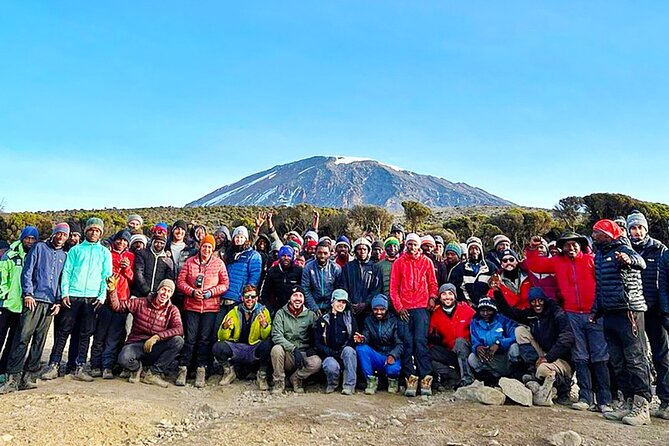
This is where the package feels unusually serious.
You get certified Wilderness First Responder guides (each with over 10 years of climbing experience). That matters because altitude problems are often early and subtle. The more prepared the team is, the faster they can respond if someone struggles.
You also get:
- Emergency oxygen canister and a medical kit
- 2 daily health checks using an oximeter, plus guided health questions geared toward your situation
That second item is the practical one. You’re not just relying on the obvious signs of sickness. Someone is checking oxygen levels and asking the right questions every day, which can change decisions before a situation gets worse.
Food, sleep, and comfort: the details that change the mood
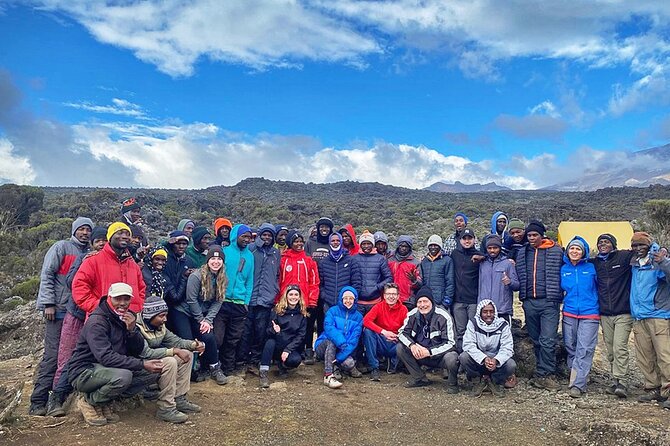
On Kilimanjaro, you can be physically fit and still suffer if your camp setup is weak. This trek includes the stuff that keeps you from losing the battle to exhaustion.
Meals
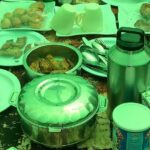
You get 3 freshly prepared daily meals on the mountain. You’re also covered for special diets: vegetarian, gluten-free, halal, and kosher meal plans. That removes a common stressor for many climbers—knowing you can eat enough without guessing.
Sleep setup
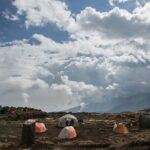
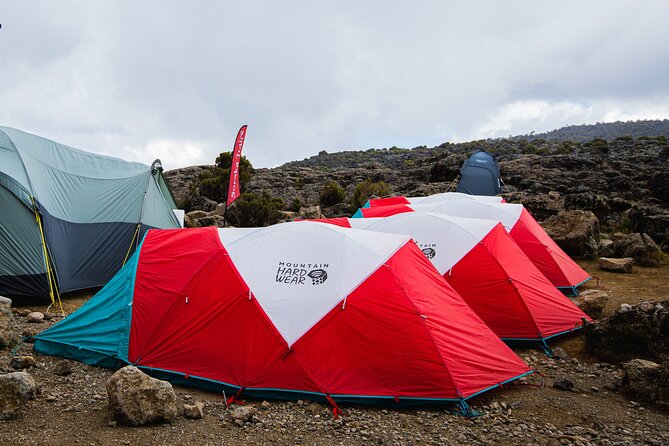
You get Mountain Hardware 4-season tent accommodation with warm sleeping mats, with 2 people per tent. You also have dining tents with table and chairs plus cutlery.
If you’ve ever done a trek where you sleep on thin padding, you already know what this saves you from. Better camp sleep can mean the difference between waking up flat and waking up ready.
Water and logistics?
The provided info doesn’t list specific water handling details, so you’ll want to follow the crew guidance on hydration and daily routines.
Guides and crew: why names like Baltasari and Baraka stick with people
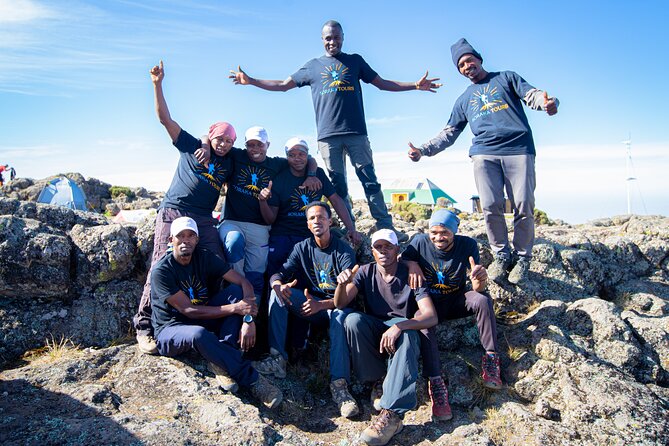
What comes through in the human side is the guiding style. The head guide role has been filled by Baraka, and other named guides include Baltasari. That’s not just trivia—strong leadership affects how people pace, react to altitude, and handle the summit push.
This operator also highlights experienced, professional climbing crew, and notes that mountain crew are paid fair wages as set by KINPA. I put weight on that because it usually correlates with steadier operations and better care for travelers on the mountain.
Bottom line: you’re not just buying the hike. You’re buying competent people who handle the daily rhythm.
What to bring (because key gear is not included)
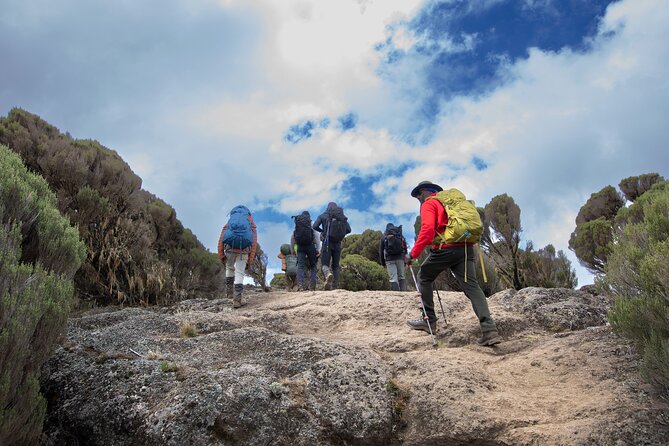
The package does not include personal climbing equipment, including sleeping bags and hiking boots. That’s the big one. Don’t plan to rent or improvise at the last minute.
Also bring personal items you know you need for multi-day trekking:
- Warm layers for higher elevations and possible snowy zones
- A system for keeping warm at camp and during summit night
- Anything you personally require for comfort and hygiene
This matters because “included tents” still don’t replace your own sleeping bag. And at high altitude, comfort isn’t a luxury. It’s recovery.
Who this trek suits best
This works for people with moderate physical fitness, including first-timers who are ready to take altitude seriously. You don’t need to be an expert mountaineer, but you do need patience for long days and a willingness to follow guidance.
It’s also a good fit if you value:
- Clear structure and pacing
- A smaller group size (max 15)
- Medical readiness and daily altitude monitoring
- Included camp comfort rather than roughing it
Should you book this Machame trek with Soraka Tours?
I’d book it if you want a Kilimanjaro climb with real support: medically minded guides, daily oximeter checks, solid camp setup, and meals handled for you. The Machame route itself is a smart choice because it mixes terrain while still giving your body room to acclimatize.
I’d think twice if you’re trying to minimize total costs, because insurance, visa, airfare, tips, and your personal gear can add up. Also be honest about the effort: this is a challenging mountain, and you’ll feel it.
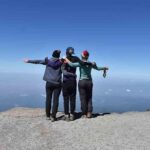
If you’re ready to treat Kilimanjaro like a serious physical goal—and not a casual walk—you’ll likely love the way the Machame route builds toward that sunrise moment on Uhuru Peak.
FAQ
How long is the trek on the mountain?
The climb portion is described as a 7-day trek, with the overall trip running about 9 days including arrival, hotel time, and transfer.
Where does the trip start?
The start point is Kilimanjaro Airport in Tanzania, with pickup included.
What’s included for accommodation and meals?
On the mountain you get 4-season tent accommodation (2 people per tent) with warm sleeping mats, plus 3 freshly prepared meals per day. In Moshi you get 2 nights at Kili Wonders Hotel (or similar) with breakfast included.
Does the package handle airport transfers?
Yes. It includes JRO (Kilimanjaro International Airport) pickup and drop-off.
Are dietary restrictions accommodated?
Yes. The trek can accommodate vegetarians, gluten-free diets, halal, and kosher meal plans.
Is medical support included?
Yes. The guides are certified Wilderness First Responders, and the trek includes an emergency oxygen canister and a medical kit, along with 2 daily health checks using an oximeter.
What group size is this tour?
The maximum group size is 15 travelers.
What gear do I need to bring?
Personal climbing equipment is not included, including sleeping bags and hiking boots (plus other personal gear you use for trekking).
Is a single tent available?
Yes, single accommodation is available for an extra charge.
What’s included in the price, and what’s not?
Included: park fees (including rescue and camping fees), mountain meals, hotel nights (with breakfast), airport pickup/drop-off, and ground transportation. Not included: visa fee, airfare, travel insurance, tips, alcoholic beverages, and hotel lunch/dinner.
What is the cancellation window for a full refund?
Free cancellation is available up to 24 hours before the experience’s start time for a full refund.