REVIEW · MOSHI
Top 6 Days Mt. Kilimanjaro Bike trek Tour by Marangu-Kilema Route
Book on Viator →Operated by #1 Best Kilimanjaro Bike Tour Operators | BURIGI CHATO SAFARIS C.O L.T.D · Bookable on Viator
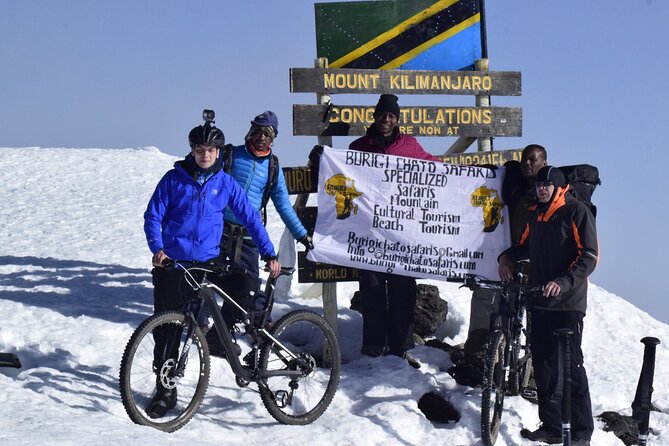
Bike-summiting Kilimanjaro is the real deal.
This Mount Kilimanjaro bike trek tackles the famous volcano on the Kilema route, with hut nights, big-altitude riding, and an early-morning summit push that turns into a speedy downhill day. I like that the plan mixes real cycling with smart pacing for the altitude, and that you’re not guessing where you should be on a mountain this massive. One thing to consider: this is for people with mountain biking skills and strong legs, because some sections are rocky and seriously cold.
Two big wins for me are the built-in logistics and the way the itinerary is paced for acclimatization. You get hassle-free transfers from Moshi, gate handling at the park, and a crew who keeps the day moving (including support you’ll appreciate on summit night). In an account from a rider guided by Gabriel, the motivation and on-mountain help made a difference—exactly what you want when oxygen gets thin. The only drawback is the cold-and-technical reality: expect freezing temps at altitude, and plan for battery/water issues and long days that don’t feel like a normal bike ride.
In This Review
- Key things to know before you pedal Kilimanjaro
- Why biking Kilimanjaro on the Kilema route actually makes sense
- The challenge: it’s not a mountain bike tour
- Price and value: what you’re paying for (and what you’re not)
- Moshi to the park gates: smooth starts help on summit night
- Day 1: Kilema Gate to Horombo Hut (16 km, first altitude reality check)
- Day 2: Alpine desert riding toward Mawenzi and back to Horombo (short distance, big work)
- Day 3: the rocky start, the Saddle, and the push toward Kibo Hut
- Practical takeaway
- Day 4: Kibo Hut, orientation on the summit path, then night preparation
- Day 5: 4:00 am zigzags, Hans Meyer’s Cave, Gilman’s Point, then riding to Uhuru Peak
- Day 6: the final descent to Kilema gate and out to Moshi (across alpine and rainforest)
- Gear and body tips that matter for this specific ride
- Is this tour for you? Best fit (and who should skip)
- Should you book the Top 6 Days Mt. Kilimanjaro Bike trek via Marangu-Kilema?
- FAQ
- FAQ
- What route does this Kilimanjaro bike trek use?
- Where does the tour start, and what time does it begin?
- Is summit training part of the schedule?
- Can I do a non-summit version?
- What’s included in the price?
- What is not included?
- What fitness level and riding ability do I need?
- What happens if the weather is poor?
Key things to know before you pedal Kilimanjaro
- The Kilema route is the only bike-accessible option in this itinerary, so you’re riding a different kind of Kilimanjaro.
- You’ll mix alpine desert riding with tougher, rocky sections—your tires and your technique matter.
- Summit morning follows a classic climb rhythm, then you ride again near the top to Uhuru Peak.
- Hut stays and full meals reduce decision-making and help you focus on climbing and recovery.
- Cold prep matters: you’ll want a headlamp ready and spare batteries for the night push.
- You’ll be transferring between Moshi, gates, and huts, so timing and packing discipline are key.
Why biking Kilimanjaro on the Kilema route actually makes sense
Most Kilimanjaro trips feel like hiking with rest stops. This one flips the script: you climb with your legs, but you also get to ride where others have only walking trails. That matters because it changes the whole experience. On this Marangu-Kilema route plan, you’re cycling through distinct zones—alpine desert, colder high passes, and sections that feel more exposed than you’d expect.
I also like that it’s not just about the summit stamp. The itinerary includes time in mountain huts (like Horombo and Kibo), so you can adapt, reset, and keep your body working instead of getting broken early. And once you’re near the top, the plan doesn’t waste the momentum—you get that big downhill payoff after reaching Uhuru Peak and Stella Point.
You can also read our reviews of more tours and experiences in Moshi.
The challenge: it’s not a mountain bike tour
This is still Kilimanjaro. Even with cycling, you’ll deal with low oxygen, cold hands, and thin air that turns small efforts into big ones. Some sections are described as very rocky or eroded, especially early in the higher-altitude days. So if you’re thinking this is like riding a rugged trail at home, adjust your expectations.
Also, bike control isn’t optional. You’ll be riding on surfaces that can be loose and uneven, and the itinerary specifically calls out that good fitness, bike skills, and attention to road conditions are important.
Price and value: what you’re paying for (and what you’re not)
At $3,668 per person for about 6 days, this isn’t a budget trip. But it’s priced like a full-service mountain operation, not a self-guided adventure.
Here’s what you get that often costs extra when you piece things together:
- Private transportation and gate transfers
- Airport pickup and drop-off (included in the package terms)
- All fees and taxes
- Mountain hut support: all accommodations plus porter-provided support
- Meals: dinner (6), lunch (6), breakfast (5)
- Hotel time before and after the trek (you can book it directly or through the operator)
What’s not included is also important:
- Flights
- Tipping crew
- Visas
- Trekking mountain bike hiring
- Personal trekking gear
So the value question becomes simple: if you want fewer decisions (and less arranging on the ground), this package structure is the point. If you already have flights, your own bike setup, and you prefer to manage everything, you might find cheaper. But for most people, the convenience is a big part of paying for this.
Moshi to the park gates: smooth starts help on summit night
The tour starts in Moshi, Tanzania with pickup offered, and the day’s start time is listed as 9:00 am. From there, you transfer to the park around 45 minutes to the Marangu gate, where everyone must register before moving on.
Then it’s on to the Kilema gate. This sequence matters because it builds a rhythm. On Kilimanjaro, paperwork delays and last-minute sorting can snowball into exhaustion. Here, you’re given a clear flow: register, then cycle prep, then set off.
At the Kilema gate, you’ll do a final check of your daypack items. The plan calls for at least drinking water, a lunch pack, and extra clothing in your daypack. You’ll also do a final bike check. I like that this is spelled out. When it’s cold and your fingers are numb later, having a checklist mindset early saves time and stress.
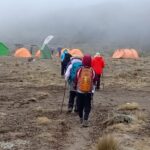
Day 1: Kilema Gate to Horombo Hut (16 km, first altitude reality check)
On day one, you ride about 16 km from the Kilema gate (around 1,950 m) up to Horombo hut (about 3,705 m). The schedule estimates around 6 hours, and the guide rides with you on a mountain bike. You’ll feel elevation quickly, even though it’s only the first push.
Why this day matters:
- It establishes your pace and bike handling on climbing terrain.
- You learn how your body reacts before you stack multiple higher days together.
- You get practice managing stops without losing momentum.
A note on packing: you’re expected to have the essentials in your daypack and be ready for the bike check before moving out. If you’re used to touring with a relaxed vibe, you’ll want to shift into mission mode for this first climb.
Day 2: Alpine desert riding toward Mawenzi and back to Horombo (short distance, big work)
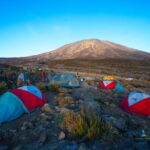
Day two is described as about 10 km total cycling, and the key detail is the environment: around 90% “alpine desert vegetation.” You’ll ride toward Mawenzi hut and return to Horombo.
Short distance trips can still be hard at altitude. On day two, the work is more about steady climbing effort and dealing with cold exposure than about raw speed. If you ride only with downhill adrenaline in mind, you may end up fighting the day on the way up. Instead, treat it like training for the higher-altitude grind.
If your legs feel strong and your bike handling is solid, this becomes a confidence builder. If not, it’s still useful because your body learns the tempo early.
Day 3: the rocky start, the Saddle, and the push toward Kibo Hut
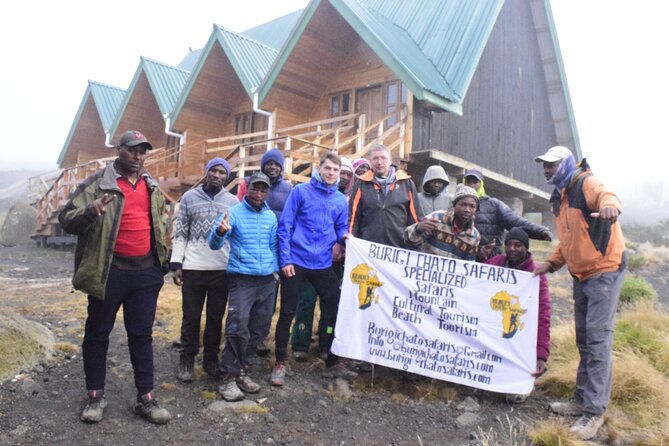
Day three is where you start to feel the route turn more serious. The itinerary describes a very rocky first 3 km that makes cycling difficult due to stony, eroded trail. Then things improve, and cycling becomes more possible again.
After that, you reach the Saddle, the area between Mawenzi and Kibo. Here, the route is described as relatively flat, and cycling is easier. That section is a mental break as much as a physical one.
Then comes the hard part: the 7 km toward Kibo hut is strenuous because of high altitude, low oxygen, and cold conditions. The final kilometer before reaching Kibo is especially hard.
What I like about this design is that it gives you a rhythm: difficult beginnings, a calmer middle, then a real altitude push. It helps you break the day into chunks rather than facing it as one giant wall.
Practical takeaway
If you’re someone who likes to push speed early, this is the day to resist. You’ll do better with controlled effort and steady drinking. The plan explicitly reminds you to slow down and drink enough water before the toughest final stretch.
Day 4: Kibo Hut, orientation on the summit path, then night preparation
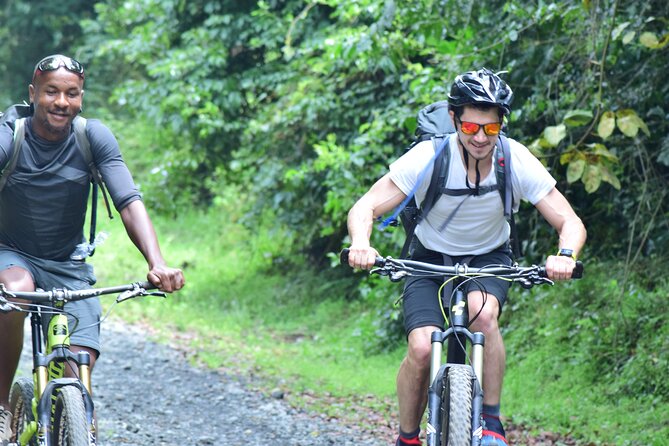
Day four starts with an early wake and a packing check for your duffel bags. After breakfast, the plan heads back up to Kibo hut, with the final 7 km described as having a good biking trail.
After lunch, there’s a built-in rest. The schedule also notes that around 16:00, it may be possible to hike partially up the summit path to orient yourself for the summit attempt later that night. This isn’t about fitness bragging. It’s about not feeling lost when visibility and nerves are both high-stakes.
Then the real work begins: Uhuru Peak is 1195 m higher, and the final ascent happens the same night. You’ll prepare equipment for the summit bid, and the plan calls out items that people often forget:
- thermal clothing
- checking your headlamp
- replacing camera batteries
- bringing a spare set to prevent a cold-weather battery disaster
This is also the day where I’d advise you to get strict about organization. Cold makes everything harder: zippers, lenses, gloves, and anything that requires fine motor skills.
Day 5: 4:00 am zigzags, Hans Meyer’s Cave, Gilman’s Point, then riding to Uhuru Peak
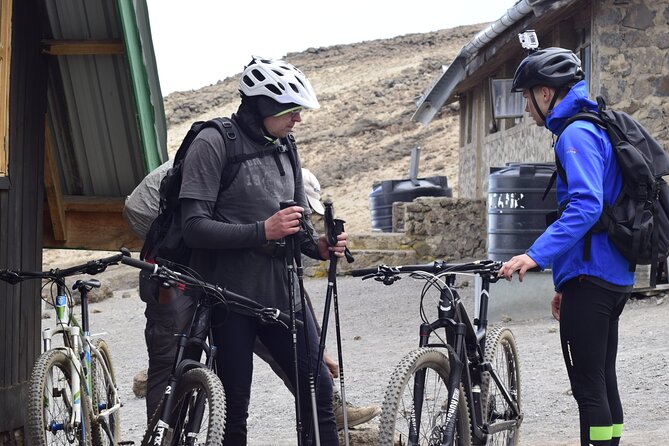
Day five is the summit day, and it’s laid out clearly.
You’ll be awakened at 4:00 am and start the zigzag trek up the long screen slope. After about two hours, you reach Hans Meyer’s Cave. Then the gradient gets steeper. From there, you continue for roughly another three hours to Gilman’s Point.
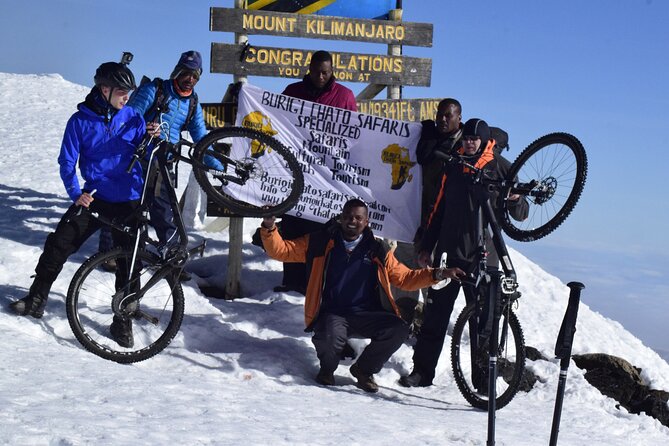
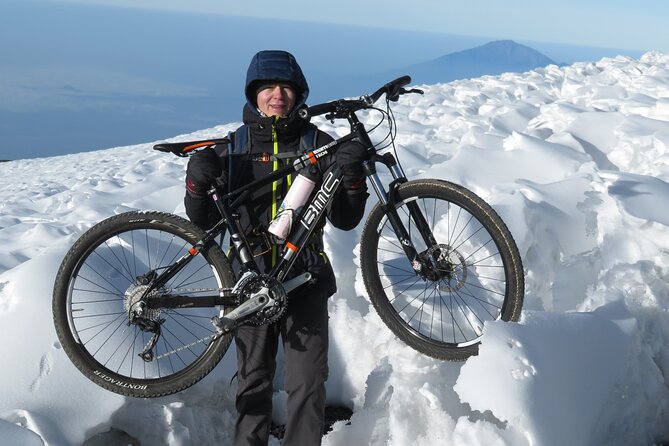
Here’s where the “bike trek” part becomes real: you take your bike from the porters and ride toward Uhuru Peak. You’ll arrive, spend a few minutes (plus photos), and then ride down to Stella Point. After lunch, you ride down to Horombo.
Why this segment can feel intense even after summit success:
- You’ve already spent hours climbing in cold air.
- Then you’re asked to ride again near the top.
- Downhill still requires control because traction can be unpredictable.
Also, cold isn’t just uncomfortable—it’s functional. One rider’s account tied to the same operator notes how a camelback of water froze on summit night. That’s a good reminder to plan around the cold, not just endure it.
Day 6: the final descent to Kilema gate and out to Moshi (across alpine and rainforest)
Day six is the payout day. After breakfast, you make your final riding down to the Kilema gate, crossing alpine and then rainforest terrain on the way down.
Once you reach Kilema gate, you transfer to the Marangu gate for check out, then head to your hotel in Moshi. The ride segment is estimated at around 2 hours.
This is when the trip feels different. Your body may still be tired, but the mountain becomes more forgiving. And seeing the vegetation change—alpine to rainforest—helps you understand you didn’t just climb one place. You moved through Kilimanjaro’s different climate zones.
Gear and body tips that matter for this specific ride
Because this trip includes real night climbing and techy riding at altitude, don’t pack like it’s just a daylight hike.
Think in categories:
- Cold management: thermal layers, gloves, and clothing you can actually move in
- Light and power: headlamp with working batteries plus spares
- Hydration strategy: keep water accessible and plan for cold effects
- Bike readiness: you’ll do bike checks at the start, and riding sections can be rocky and eroded
And one more thing: pacing. The itinerary repeatedly signals to slow down and drink enough water, especially as you get closer to Kibo and on the hardest final sections.
Is this tour for you? Best fit (and who should skip)
This Kilimanjaro bike trek is best for you if:
- you have moderate physical fitness and you’re comfortable building altitude effort day after day
- you ride bikes and can handle uneven surfaces
- you can manage cold and night conditions
- you want the summit experience but also want that unique bike element on Kilimanjaro
You might want to reconsider if:
- you’re looking for a relaxed sightseeing ride
- you don’t have mountain bike confidence, especially for rocky/eroded sections
- you struggle with cold-weather gear management at night
Also, note that there are non-summit itineraries available. If your goal is the route and hut experience but you’d rather not commit to the summit push, you can ask about the option that matches your comfort level.
Should you book the Top 6 Days Mt. Kilimanjaro Bike trek via Marangu-Kilema?
I’d book it if you want something unusual and honest: Kilimanjaro on a bike, with the route designed around real acclimatization, hut nights, and a defined summit schedule. The fact that meals and accommodations are included, plus transfers and park handling, is the kind of “less admin, more mountain” value that makes high-altitude trips smoother.
I wouldn’t book it if you want a purely scenic, easy biking holiday. This is technical enough and cold enough that you need to come prepared to work.
If you’re on the fence, think about your strongest skill. If your strength is endurance plus bike handling, this route can be thrilling. If your strength is flat-road comfort only, you might find the rocky sections and altitude pace too demanding.
FAQ
FAQ
What route does this Kilimanjaro bike trek use?
This trip is the Marangu-Kilema route, cycling in the Kilema access area and summiting via Uhuru Peak.
Where does the tour start, and what time does it begin?
It starts in Moshi, Tanzania, with a listed start time of 9:00 am. The end is back at the meeting point.
Is summit training part of the schedule?
Yes. The itinerary includes an early-morning summit attempt to Uhuru Peak.
Can I do a non-summit version?
Non-summit itineraries are available, so you can choose not to complete the summit portion.
What’s included in the price?
Included items cover private transportation, crew wages, gate transfers and airport pickup/drop-off, all fees and taxes, hotel accommodation before and after, and meals (dinner 6x, lunch 6x, breakfast 5x).
What is not included?
Not included are flights, tipping the crew, tips, visas, trekking mountain bike hiring, and personal trekking gear.
What fitness level and riding ability do I need?
You should have at least moderate physical fitness and good mountain biking skills. Some sections are rocky and difficult, especially at higher altitude.
What happens if the weather is poor?
The experience requires good weather. If it’s canceled due to poor weather, you’ll be offered a different date or a full refund.
If you want, tell me your current bike experience (road, gravel, mountain, and any previous altitude treks), and I’ll help you sanity-check whether this route fits your comfort level.