REVIEW · MEXICO CITY
Trekking Through The Volcanoes
Book on Viator →Operated by México Travesías · Bookable on Viator
Volcano trekking outside Mexico City has a special feel. This small-group hike (capped at 13) takes you between Iztaccíhuatl and active Popocatépetl with a professional guide and frequent scenic pauses.
The best part for me is the built-in comfort: lunch is included, plus you start the trek with a backpack and gear so you’re not juggling basics on uneven ground.
One possible drawback: it’s not a stroll. You’ll be hiking at high altitude and on mixed footing, so altitude and steep sections can make the day feel more demanding than the distance alone.
In This Review
- Key takeaways before you go
- Volcano Views From Paso de Cortés: Why This Hike Works
- Getting There From Condesa: The 7:00 am Start and the Drive
- The Route: Forest Steps, Cerro Altzomoni Views, and Amalacaxco Ravine
- Step 1: Paso de Cortés and the forest approach
- Step 2: Up to Cerro Altzomoni for Popocatépetl fumaroles
- Step 3: Down toward Amalacaxco ravine
- Step 4: Back to Paso de Cortés, then the market lunch
- What’s in Your Backpack: Poles, Snacks, and the Included Lunch
- Altitude Reality Check: It’s Moderate Distance, High Effort
- Guide Style and Group Size: Personal, With Varying Talk Time
- Best Timing and Photo Tips for Popocatépetl
- Is This Tour Worth It for Your Budget?
- Who Should Book This Mexico City Volcano Trek?
- Should You Book Trekking Through The Volcanoes?
- FAQ
- What’s the meeting point for this tour?
- What time does the tour start?
- How long is the trek?
- How much does it cost?
- What’s the group size limit?
- Is lunch included?
- What hiking gear is provided?
- Is private transportation included?
- What language is the tour offered in?
- What happens if the weather is bad?
- Are service animals allowed?
Key takeaways before you go
- Small group of up to 13 keeps it personal and easier to manage at altitude.
- Paso de Cortés to Cerro Altzomoni is the payoff route for major volcano views and Popocatépetl fumaroles.
- Amalacaxco ravine adds a change of scenery with flora and chances to spot wildlife.
- Packed food + lunch at a traditional market means fewer stops for hunger later.
- Trekking poles and a backpack provided cut down on what you need to carry yourself.
- Weather matters because you need clear conditions for the views and safe hiking.
Volcano Views From Paso de Cortés: Why This Hike Works
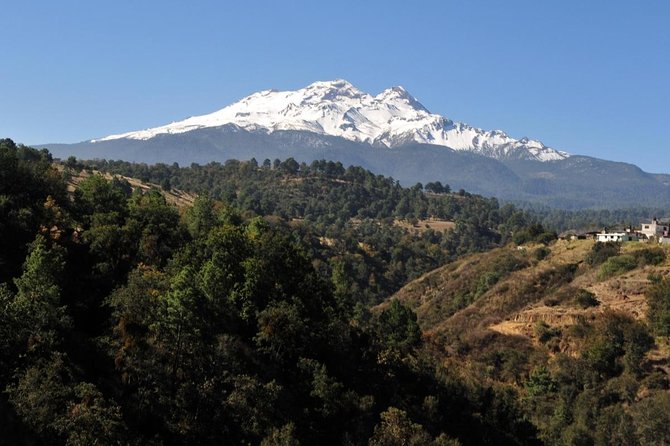
This trek is built for people who want more than a quick “look at a volcano” photo. You’re walking between two giants in Iztaccíhuatl–Popocatépetl National Park, starting at Paso de Cortés, then heading up and down in a route designed for big perspectives.
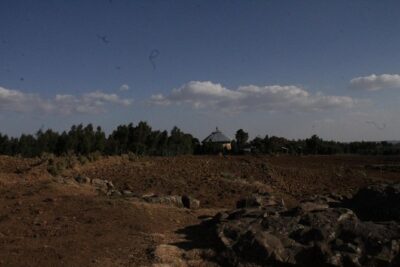
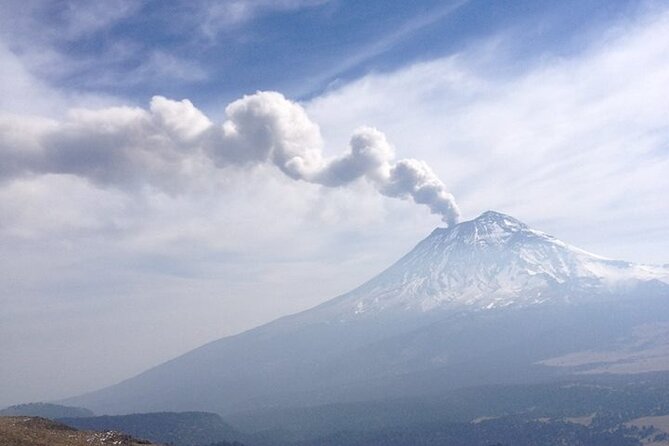
What makes it feel worth the effort is the mix of terrain and viewpoints. You’re not just climbing toward one summit. You’ll move through forested sections, then reach a higher point at Cerro Altzomoni where the views open up dramatically toward Popocatépetl, including fumaroles (the steaming volcanic vents that can look eerie and incredible). After that, the trek drops toward Amalacaxco ravine, where the vibe shifts—less “big peak, big sky,” more plant life, ravine character, and quiet nature time.
Also, the day is structured so you’re rarely guessing what comes next. The route has clear start and finish points at Paso de Cortés, so the hike feels like a loop with purpose rather than a wandering outing.
The main thing to keep in mind: it’s a serious hike at altitude, not a casual nature walk. If you come in thinking it’ll be like a park stroll, the mountain will humble you.
You can also read our reviews of more tours and experiences in Mexico City.
Getting There From Condesa: The 7:00 am Start and the Drive
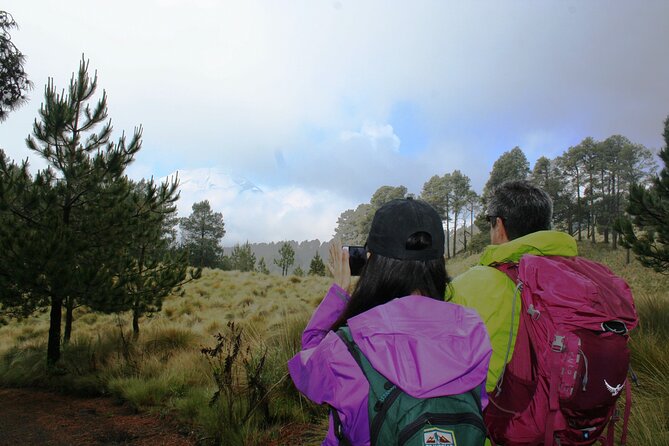
You meet in Colonia Condesa, at Av. Vicente Suárez 38, starting at 7:00 am. Then you’re picked up and driven to the Iztaccíhuatl–Popocatépetl National Park area. Expect a couple of hours each way on winding roads.
This matters because the “trip day” starts early. In many months, the morning can feel cold, and by the time you’re hiking you’ll likely warm up. A simple strategy works best: dress in layers so you can shed as you go.
If you’re sensitive to car rides, plan for the drive. Several hikers note the roads can feel winding enough to trigger car sickness, so it’s smart to think about that in advance (especially since you’re leaving early).
There’s usually a restroom stop during the drive, but you should not count on facilities during the hike itself. The trail is out in the park, so treat this like a day where you use the built-in breaks and then just focus on walking.
The Route: Forest Steps, Cerro Altzomoni Views, and Amalacaxco Ravine
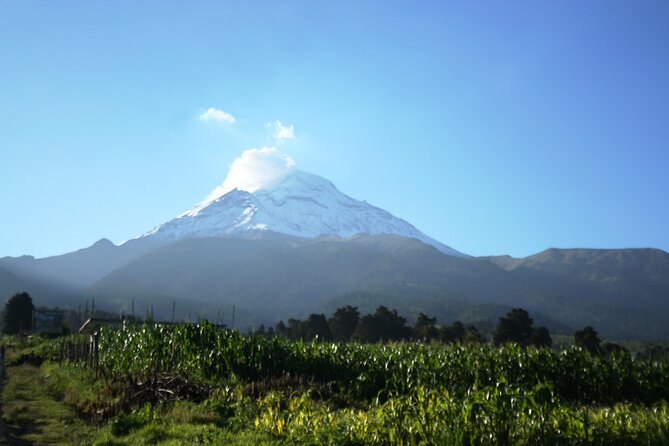
This is the heart of the experience. The day’s walking sequence is clear, with meaningful stops instead of random photo breaks.
Step 1: Paso de Cortés and the forest approach
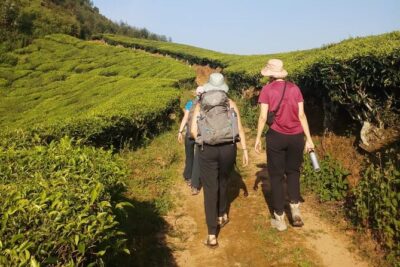
You begin at Paso de Cortés. From there you walk through forest with Iztaccíhuatl in front of you. It’s a great early stretch because it feels grounded—cooler shade, steady footing, and that slow “we’re really out here” transition away from Mexico City.
This is also where your guide’s pacing matters. You’ll want to settle into rhythm early because the air at altitude is thinner from the start. Even if the path looks manageable, you’ll feel the climb in your breathing.
Step 2: Up to Cerro Altzomoni for Popocatépetl fumaroles
Next comes the climb to Cerro Altzomoni. This is where the route earns its reputation. The hike rises toward major views of Popocatépetl, including the fumaroles. If the weather is clear, this section becomes pure perspective—wide sky, long sightlines, and that focused volcanic energy you just don’t get from city views.
It’s also a moment for patience. You might be breathing hard, but you’ll still want to take photos and slow down enough to actually look. The guides (you might be with someone like Bernardo or Carlos) tend to keep groups moving but also making time for the stops that matter.
Step 3: Down toward Amalacaxco ravine
After the viewpoint high point, you descend toward the Amalacaxco ravine. This is where the trek becomes more about variety. Instead of only looking up at volcano walls, you’ll start noticing the ground-level stuff: flora changes with altitude and exposure, and the ravine setting brings a more intimate feel.
There can be opportunities to spot fauna, but it’s never guaranteed. The value here is the change in scenery and the chance to slow down, look at plant life, and enjoy the quiet.
Step 4: Back to Paso de Cortés, then the market lunch
Once you reach Paso de Cortés again, the hiking portion wraps up. On the way back, you stop to eat at a traditional market for a well-deserved lunch, with options including tacos and quesadillas.
This matters because the day ends with real food energy, not just a packaged snack and a shrug. The market lunch helps you finish strong and keeps the whole day feeling like a proper outing, not a “tour that happens to include food.”
What’s in Your Backpack: Poles, Snacks, and the Included Lunch
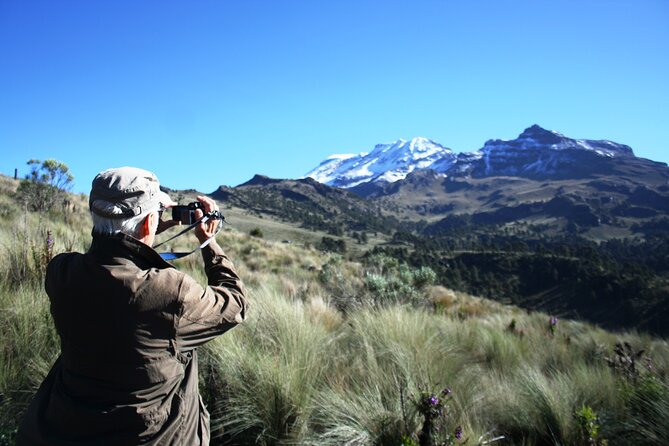
One reason this tour feels practical is that the essentials show up with you.
You’re provided with trekking poles and a backpack. The pack includes your lunch components and drinking essentials: 1 liter of water, 600 ml of energy drink, a chocolate energy bar, peanuts, and a fruit snack.
You also get lunch as part of the tour price. The hike begins with the backpack snacks, so you’re not waiting until the end to eat. Then the day’s proper meal happens later at the traditional market, where you’ll eat Mexican tacos and quesadillas.
Why this is valuable: altitude hiking burns calories fast. It also makes you more sensitive to timing. When snacks are already planned into your day, you can focus on pacing instead of thinking about when you’ll find food.
A couple of practical notes:
- Wear comfortable boots or shoes with grip. Some sections can feel rocky or slippery, especially with changing terrain.
- If you’re sensitive to dust, know that hiking can kick up fine grit. A few hikers recommend bringing something to cover your mouth, especially if air quality and dust are noticeable on the day.
Altitude Reality Check: It’s Moderate Distance, High Effort
This is the big consideration. The hike is often described as not technically extreme, but the altitude makes it feel harder than you might expect.
Even when the elevation gain isn’t huge, your body works harder at thinner air. Expect it to tug at your breathing and slow your pace, especially on uphills. Many people doing this trek come in as “active travelers,” not couch potatoes, and that’s a good match. You don’t need to be a mountaineer. You do need to be comfortable walking uphill for a sustained period.
You may also see a choice in hike length—some versions are discussed as a shorter ~9 km option or a longer ~13 km route. The longer choice is ideal if you want more time on the trail and more of the scenery arc.
Key altitude tips that help:
- Pace slower than you think you should.
- Take short breaks when the guide stops (don’t be the person who pushes through and then panics).
- Plan layers for the morning and early wind. Even when you warm up later, you might start cold.
Guide Style and Group Size: Personal, With Varying Talk Time
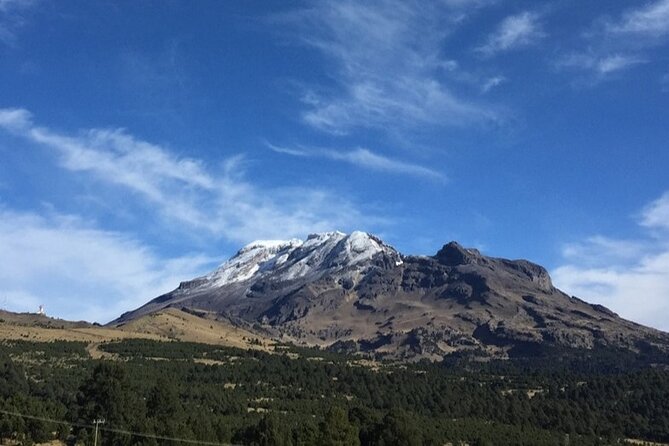
The tour keeps the group small—maximum 13 travelers—and that can change the whole day. In a smaller group, the guide can check in more easily, adjust pacing, and keep everyone together without turning the trek into a race.
Guide quality also shows in the logistics and safety focus. The tour provides security equipment with the guides, and they handle the route planning so you’re free to just hike.
On the human side, guide style can vary. Some guides (for example Alan, Sergio, or Alberto are names you might hear associated with this experience) are described as very supportive and extra attentive, with explanations about what you’re seeing. Other days, you might get less talk than you’d hoped and more silent guiding. Either way, you’ll still benefit from having someone watch pacing and help you manage altitude.
If you’re the kind of traveler who likes questions, bring them. Ask about the plants, the volcano features, or the way the terrain changes with elevation. You’ll learn more that way, even if the guide is naturally quieter.
Best Timing and Photo Tips for Popocatépetl
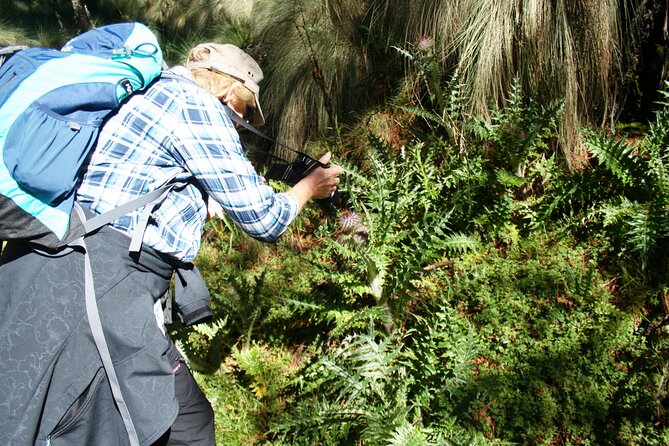
You’re going for volcano views, including Popocatépetl activity signs like fumaroles. That means the best conditions are about clear skies and good visibility.
This also explains why the tour requires good weather. If conditions aren’t right, you can miss the views you came for. The good news is the day is structured so you still get a meaningful hike even if the top-end views are less dramatic.
Photo tips that actually help on a hike:
- Start early photos, then keep shooting during viewpoint stops. Waiting until the final view can lead to rushed shots.
- Bring sunglasses and a hat. Higher altitude light can feel sharp.
- Consider a warm layer for the start. Several hikers note it can be chilly at first, then comfortable later.
If you want the volcano to be your main subject, position yourself when the guide calls for a stop. Those moments are timed for visibility, not just for convenience.
Is This Tour Worth It for Your Budget?
At $133.34 per person for roughly 9 hours, you’re paying for more than transportation. You’re paying for:
- a guided route inside the national park,
- provided trekking poles and a backpack with planned food and drinks,
- private transportation,
- and a lunch stop at a traditional market.
For Mexico City day trips, this price lands in a reasonable zone, especially if you compare it to the cost and hassle of arranging a guide, getting gear, and figuring out where to eat during a high-altitude hike.
Think about value like this: the tour reduces friction. You show up at 7:00 am with the right shoes and clothing, and most of the rest is handled.
If you already own poles and love DIY hikes, you might be able to recreate parts of this outing. But you’d still be budgeting time for logistics, route safety, and timing the snack plan for altitude.
Who Should Book This Mexico City Volcano Trek?
This hike is a great fit if:
- you’re comfortable with a physically demanding day,
- you like scenic payoff stops,
- and you’re happy to spend a full morning and early afternoon away from the city.
It’s also a good choice for solo travelers who want a small-group experience, not a crowd trek. The route is designed for shared walking time but still feels personal because the group stays capped.
If you get car sick easily, plan for the winding drive and talk to your doctor about what you can take. If you struggle with altitude or have limited hiking stamina, this might still be doable with a slower pace and smart breaks, but you should be honest with yourself before committing.
Should You Book Trekking Through The Volcanoes?
Book it if you want a real volcano day: forest hiking, big viewpoints, fumaroles, and a market lunch that feels like a proper Mexican meal, not a snack stop.
Pass or rethink if you:
- expect an easy walk like a city park,
- can’t manage high altitude effort,
- or need constant narration and entertainment. Some days the guide is more focused on guiding and pacing than talking nonstop.
If you’re generally healthy, you hike a bit, and you’re okay dressing in layers, this is one of those Mexico City trips that changes your day in the best way—less city, more sky, and two volcano icons right in front of you.
FAQ
What’s the meeting point for this tour?
You meet at Av. Vicente Suárez 38, Colonia Condesa, Cuauhtémoc, 06170 Ciudad de México, CDMX, Mexico.
What time does the tour start?
The start time is 7:00 am.
How long is the trek?
The duration is about 9 hours.
How much does it cost?
The price is $133.34 per person.
What’s the group size limit?
The activity has a maximum of 13 travelers.
Is lunch included?
Yes. Lunch is included, and you’ll eat at a traditional market. Your lunch is tacos and quesadillas, and your lunch includes water and snacks.
What hiking gear is provided?
Trekking poles and a backpack are provided.
Is private transportation included?
Yes. Private transportation is included.
What language is the tour offered in?
It’s offered in English.
What happens if the weather is bad?
The experience requires good weather. If it’s canceled due to poor weather, you’ll be offered a different date or a full refund.
Are service animals allowed?
Yes, service animals are allowed.