REVIEW · MEXICO CITY
From Mexico City: 2-Day Pico de Orizaba Summit Trek
Book on GetYourGuide →Operated by Travesías México · Bookable on GetYourGuide
Pico de Orizaba earns its reputation fast. What I like most is the way you climb the highest peak in Mexico with professional guides and proper gear, plus that early start aimed at the sunrise over the glacier. The only real drawback is the altitude and effort: this is a serious 2-day mountaineering trek that needs top-notch fitness and the right medical fit.
In practice, the experience runs like a well-run field operation: a 4×4 ride up toward Piedra Grande, a night in a mountain hut, then a long summit push before dawn. Names like Bernardino, Alan, and Carlos come up again and again in feedback for being calm, supportive, and focused on safety, and a driver named Bentito is praised for the 4×4 side of the adventure.
In This Review
- Key things to know before you go
- Pico de Orizaba at 5,700m: why this trek is different
- Day 1: Mexico City to Tlachichuca and up to Piedra Grande
- Night at the hut: what “simple” really means for your comfort
- Day 2: before dawn start and the glacier sunrise payoff
- Summit day: what the climb actually demands (and how guides help)
- Descent, hut recovery, and the ride back to Mexico City
- Guides, gear, and safety systems that make a glacier trek work
- Price and value: is $599 fair for a 2-day summit trek?
- Who this trek suits best (and who should skip it)
- Packing checklist: what to bring so day 2 doesn’t feel worse
- Meeting point and how to plan your time in Mexico City
- Should you book the Pico de Orizaba 2-day summit trek?
- FAQ
- Where is the meeting point in Mexico City?
- How long is the Pico de Orizaba summit trek?
- How big is the group?
- What meals are included?
- What safety and mountaineering equipment is provided?
- Is accident insurance included?
- What altitude do you reach on the summit?
- Does the itinerary include sunrise?
- Is alcohol included in the price?
- Who should not join this trek?
- Is previous mountaineering experience recommended?
Key things to know before you go
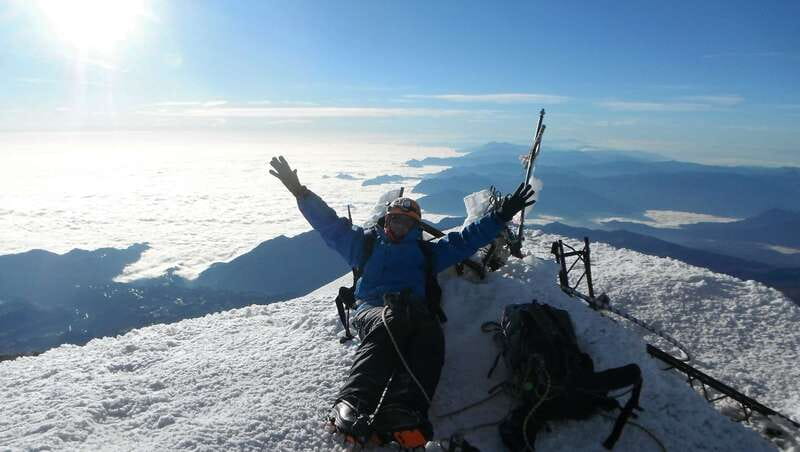
- Highest peak in Mexico (5,700m) with a route centered on glacier travel
- Sunrise over the glacier with you positioned before the light hits the crater area
- Crampon + ice axe practice early in the trip, not on summit day when you’re stressed
- Small group size (up to 15) means you’re not just a number in a line
- Simple hut overnight in Piedra Grande with real food service to help you recover
- All the heavy safety gear is included—head lamp, helmet, crampons, ice axe, plus safety equipment
Pico de Orizaba at 5,700m: why this trek is different
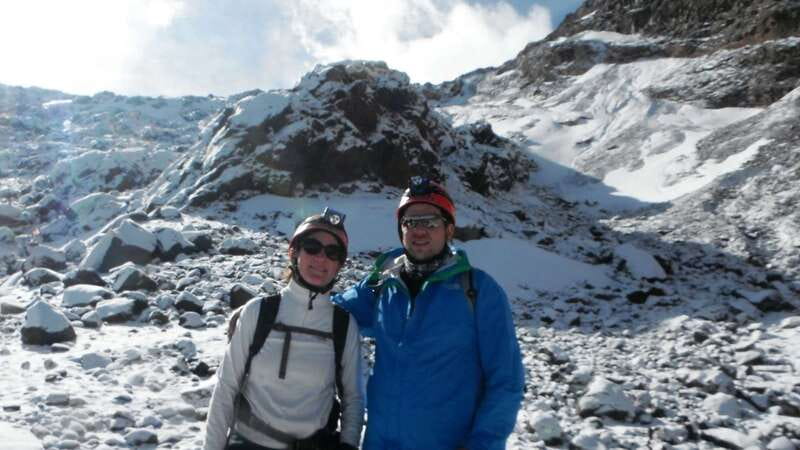
Pico de Orizaba is the highest peak in Mexico, around 5,700 meters, and the climb feels like true alpine terrain—not a walk-up. The route includes glacier travel, so you’re dealing with traction, footwork, and ice conditions, even when the view looks easy.
What you’ll love is how the trip is built around safety and competence. You aren’t just dropped onto a mountain; you get guided instruction and you travel with the right equipment from the start. In feedback, guides like Bernardino and Alan are repeatedly described as patient and supportive, which matters because altitude days punish mistakes.
The other big reason this trek stands out is the timing. Starting bright and early means you’re not hiking just for distance—you’re hiking for the moment when the glacier catches the first light and you can see the valleys spread out around you.
You can also read our reviews of more tours and experiences in Mexico City.
Day 1: Mexico City to Tlachichuca and up to Piedra Grande
You’ll meet in Mexico City at the corner of Vicente Suarez and Michoacan, at the benches in front of the market. From there, the day shifts quickly from city pace to mountain pace.
The first transfer takes you from Mexico City to Tlachichuca, Puebla, then you switch to a 4×4 to reach the mountain hut area in Piedra Grande. That 4×4 leg is more than convenience. It reduces the “dead weight” miles and helps you arrive at the hut with energy for what actually matters: acclimatization and learning glacier basics.
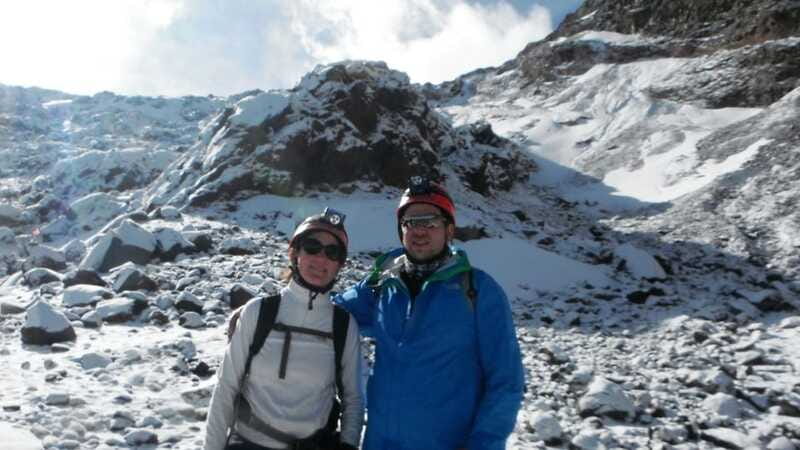
Once you reach the hut, you get an acclimatization walk and practice with crampons and an ice axe. This is the kind of step that can feel slow at first—until you’re later on a steep or icy section. Doing it early lets you focus on technique instead of panic.
Dinner is served back at the hut. The hut setup is described as simple, and the food gets called out as a highlight—especially the Mexican-style dinner made with the camping kitchen setup. After dinner, you prep for the ascent and aim for a good night’s sleep.
A practical note: your sleeping bag is required from you, and your “warm clothing” matters here. High-altitude nights can be cold even when the afternoon feels fine.
Night at the hut: what “simple” really means for your comfort
You’re staying one night at a mountain hut in Piedra Grande. The vibe is functional: you’re there to rest, recover, and get ready. Reviews point out the hut as a standout because it keeps the trip grounded—no fancy hotel distraction, just the essentials done well.
What I like about this approach is that it keeps your energy focused. You can’t waste it on comfort. Instead, you spend your time where it counts: sleeping, eating, and getting yourself ready to move carefully on ice.
Also, crampon practice the first night is a big deal for confidence. One report specifically notes that learning crampon and ice axe use wasn’t a problem, even for someone who hadn’t used them before. That’s a sign the guiding style is hands-on and not based on assumption.
For you, the big comfort strategy is simple:
- Layer up for warmth (thermal + warm clothing is on your required list)
- Bring gloves and a hat so you’re not fighting numb hands
- Keep a change of clothes ready so you’re not stuck damp from the day
Day 2: before dawn start and the glacier sunrise payoff
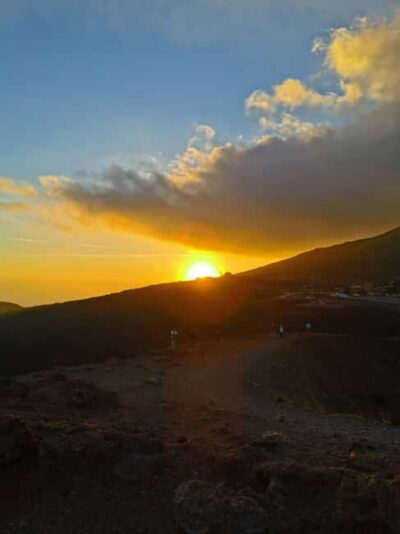
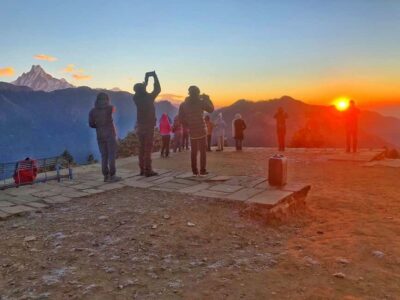
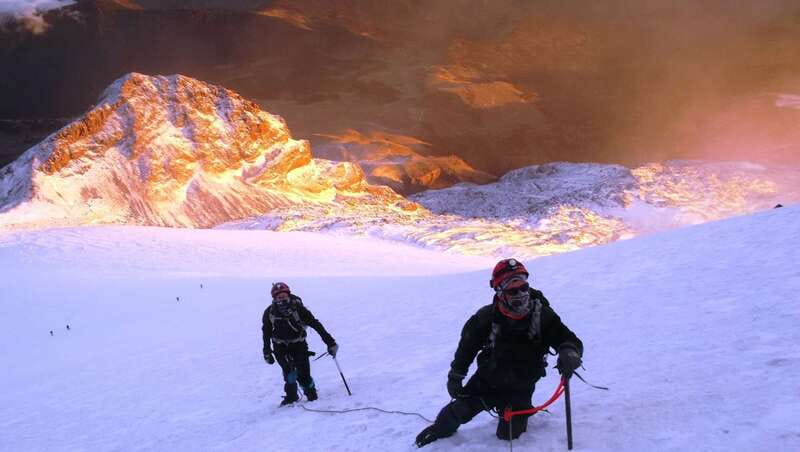
Your summit day begins before dawn. The plan is to start early enough that, by sunrise, you’re already in a strong position to enjoy views across the valleys and see the glacier in the crater area light up.
You’ll follow the glacier upward toward the summit. That “follow the glacier” phrase sounds straightforward, but in real life it’s where your early practice pays off. Crampons and ice axe technique aren’t optional decoration. They help you move with control, especially when the ground is icy and the footing changes.
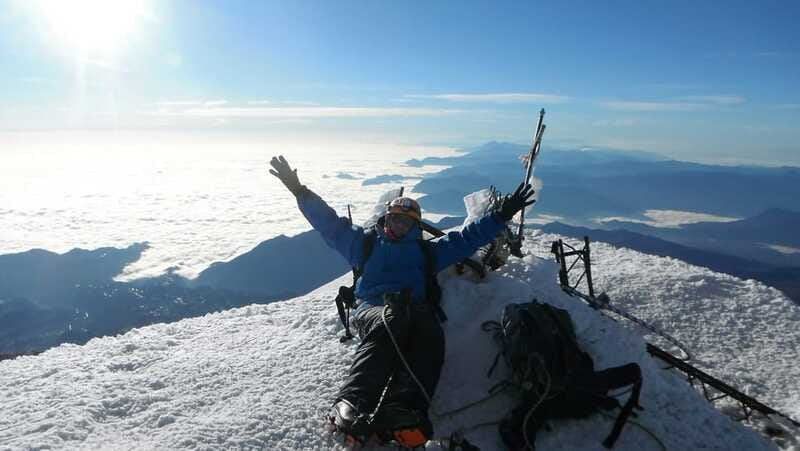
As the sun rises, you’ll see the first rays glinting off the glacier that leads toward the crater area. This is one of those moments where the hard work pays back fast. Even if you’ve done other hikes, glacier sunrise changes the whole emotional tone of the day.
Your summit is around 5,700 meters, the highest point in Mexico and also listed as the third-highest in North America. At this altitude, your pace slows naturally—so the guide’s job becomes even more about steady decision-making than speed.
Summit day: what the climb actually demands (and how guides help)
The ascent is hard. Multiple accounts describe it as extremely difficult, and the time can vary based on conditions and group pace. One example noted a faster day around 9 hours, while larger groups can take longer—up to about 15 hours of constant hiking on tough terrain.
That range is your real takeaway: plan for a long day. This isn’t a “quick summit” outing. You’re hiking continuously over challenging ground, and you’ll feel it in your legs and lungs.
This is where having experienced guides matters. Feedback repeatedly praises guides for making people feel safe, explaining what’s happening, and supporting each person’s pace. One report credits Alan with super supportive guidance and going at a pace that helped the climber stay comfortable and safe.
Safety gear is included, so you should show up expecting to use it properly:
- Helmet and head lamp
- Crampons and ice axe
- Other safety equipment provided as part of the program
You still need good physical condition. The trip explicitly says it’s recommended you have previous mountaineering experience, and it also calls out that you must be in excellent physical shape. If you’re strong, but new to icy traction, the training and practice help—but you should not assume you can wing it.
Descent, hut recovery, and the ride back to Mexico City
After enjoying the summit views, you descend back toward the hut. Descents can be tricky because your legs are tired and the surface conditions still require careful foot placement.
Once you return to the hut, your transport back to Tlachichuca is waiting. After that, you’ll eat a restorative meal and then head back toward Mexico City.
What I value here is that the trip doesn’t just stop at the summit. It includes the recovery part—food, downtime, and getting off the mountain while the fatigue is still manageable. You’re not left improvising logistics after a tough day.
For many people, the hardest part is psychological: the summit feels like the peak moment, but the descent is where you prove you can stay steady. Good guiding turns that into a controlled finish.
Guides, gear, and safety systems that make a glacier trek work
This is a guided, small-group trek (limited to 15 participants) with qualified leaders. You’ll get English/Spanish support from a live tour guide, and the group size helps keep the guiding personal—especially on icy terrain where spacing and rhythm matter.
Safety coverage includes accident insurance, plus you get the key technical equipment: head lamp, helmet, crampons, ice axe, and safety equipment. That coverage and gear package is part of the value of this specific tour price, because buying the equipment yourself can be expensive—and renting can be a hassle when your timeline is tight.
In feedback, the service side is a recurring theme:
- Bernardino is described as amazing and well-explained
- Alan is praised for support and comfort at an individual pace
- Carlos is credited with beyond excellent overall service, from food to knowledge
- Bentito gets shout-outs for the 4×4 driving
You should still take responsibility seriously. The tour’s medical caution list is specific: it’s not suitable for pregnant women, people with haemophilia, people with heart problems, or people with back problems. If any of those apply, it’s smart to skip this and choose a different kind of outing.
Price and value: is $599 fair for a 2-day summit trek?
At $599 per person for two days, it can look steep at first glance—especially if you’re used to day hikes. But for a glacier-based summit route at high altitude, the price is built around real costs you’d otherwise have to cover or manage yourself.
Here’s what your money buys:
- Qualified guides over two days in difficult terrain
- Safety gear you don’t have to source or gamble on (crampons, ice axe, helmet, head lamp)
- Transport from Mexico City to Tlachichuca and 4×4 up toward Piedra Grande
- Meals: lunch and dinner day 1, breakfast and lunch day 2
- One night accommodation in the hut
- Entrance fees
- Accident insurance
- Small group size (max 15), which affects guiding time and attention
The only obvious omission is alcohol (not included). If that’s your only “extra,” you’re actually in good shape. The bigger value is that you’re paying for competence and logistics at altitude, not just for scenery.
Who this trek suits best (and who should skip it)
This trek suits you best if:
- You’re in excellent physical condition
- You’re comfortable with the idea of a long, intense climb over hard ground
- You’re open to learning glacier basics quickly (crampons and ice axe practice happens early)
- You want high-altitude achievement without self-planning the whole operation
This trek is not the right match if:
- You’re pregnant
- You have haemophilia
- You have heart problems
- You have back problems
- You can’t realistically handle a demanding mountaineering-style schedule
Also, the tour notes it’s recommended you have previous mountaineering experience. If you don’t, your success depends on how you adapt during the practice and acclimatization time—and how honest you are about your fitness and endurance.
Packing checklist: what to bring so day 2 doesn’t feel worse
The required packing list is straightforward, and it’s worth following it closely:
- Sleeping bag
- Towel
- Hiking shoes
- Daypack
- Change of clothes
- Thermal clothing
- Warm clothing
- Gloves
- Hat
- Sunglasses
- Sunscreen
- Rain gear
- Toiletries
Two packing tips, based on how these conditions usually hit people:
- Pack layers so you can adjust as you warm up during the ascent.
- Keep essentials where you can reach them quickly, because you’ll be moving in cold, dark conditions on summit morning.
If you show up without the sleeping bag or you underpack warmth, you’ll feel it at the exact wrong time—right before a long summit push.
Meeting point and how to plan your time in Mexico City
Meet at the corner of Vicente Suarez and Michoacan at the benches in front of the market. That location matters because you’ll be leaving Mexico City for the mountain route.
Since the trek is two days, plan for a full schedule rather than expecting a half-day activity. The summit start is before dawn, so getting a proper night’s rest the day before (in Mexico City) is part of your success plan.
Should you book the Pico de Orizaba 2-day summit trek?
If you want an honest mountaineering-style challenge with real glacier travel, this is a strong option. The combination of included gear, guided instruction (including crampon and ice axe practice), and a summit day paced around sunrise views makes the experience feel complete, not thrown together.
I’d book it if you:
- Have the fitness to handle a long, hard day
- Are willing to take training seriously
- Want the structure that keeps safety and logistics handled
I’d think twice if:
- Your schedule or health makes altitude risk a concern
- You’re looking for a casual hike rather than technical terrain
- You haven’t trained for cold, steep hiking and you’re hoping the guide will fix everything
Bottom line: Pico de Orizaba is not a casual checkbox. But done with the right guides and gear, it’s the kind of trek that leaves you with a real sense of accomplishment—and a sunrise memory you’ll replay on the walk back down.
FAQ
Where is the meeting point in Mexico City?
Meet at the corner of Vicente Suarez and Michoacan at the benches in front of the market.
How long is the Pico de Orizaba summit trek?
The tour lasts 2 days.
How big is the group?
It’s a small group with a maximum of 15 participants.
What meals are included?
Lunch and dinner are included on the first day. Breakfast and lunch are included on the second day.
What safety and mountaineering equipment is provided?
The tour includes safety equipment, plus a head lamp, helmet, crampons, and an ice axe.
Is accident insurance included?
Yes, accident insurance is included.
What altitude do you reach on the summit?
The summit is at about 5,700 meters.
Does the itinerary include sunrise?
Yes. You start before dawn so you can enjoy the sunrise, described as happening on the glacier.
Is alcohol included in the price?
No. Alcoholic drinks are not included.
Who should not join this trek?
It is not suitable for pregnant women, people with haemophilia, people with heart problems, or people with back problems.
Is previous mountaineering experience recommended?
Yes. The tour says it requires excellent physical condition and it is recommended that you have previous mountaineering experience.