REVIEW · SICILY
ETNA – Trekking to the Craters Eruption of 2002
Book on Viator →Operated by Gruppo Guide Etna Nord · Bookable on Viator
One wrong turn on Etna, and you’re in a different planet. This guided hike takes you along the 2002 eruptive fracture with up-close views of lava ground and side craters near Piano Provenzana, in a small-group setting. I love that it is built for real sightseeing on foot, not just a drive-by.
What I really like: you get telescopic poles included, which helps a lot on volcanic terrain, and the guides clearly connect the dots between the scenery and the science. Guides like Fabio, Sylvia, and Giuseppe bring strong volcanic knowledge and keep the pace steady so you can actually take it in. The only drawback to consider is that you should plan around wind and sulphur near the craters, plus the tour requires good weather.
In This Review
- Quick hits before you go
- Why the 2002 crater trek from Piano Provenzana hits different
- The timing and 2–3 hour structure (so you can plan your day)
- Following the 2002 eruptive fracture: lava, woods, and a bottoniera
- Guides on Etna Nord: what makes the explanations land
- Gear you get (and what you still should bring)
- Price and value: what $36.14 gets you
- Wind, sulphur, and keeping your hike enjoyable
- Who should book this Etna hike (and who should be cautious)
- Should you book the ETNA trek to the Craters of the 2002 eruption?
- FAQ
- How long is the ETNA trekking to the Craters Eruption of 2002?
- Where does the trek start?
- What’s included in the ticket price?
- What should I bring since water and snacks aren’t included?
- Is the tour offered in English?
- What happens if the weather is bad?
Quick hits before you go
- Small-group Etna hike: maximum 12 travelers, typically the kind of group size where questions actually get answered.
- 2002 eruptive fracture route: lava field walking plus forest sections through beech and laricius pine.
- Side craters called a bottoniera: you’ll get to see these smaller craters along the way, not just the main viewpoint.
- Admission included: the ticket is part of the experience, not an extra line item.
- Gear support: telescopic poles are included, and guides may help with extra wind/rain comfort depending on conditions.
Why the 2002 crater trek from Piano Provenzana hits different
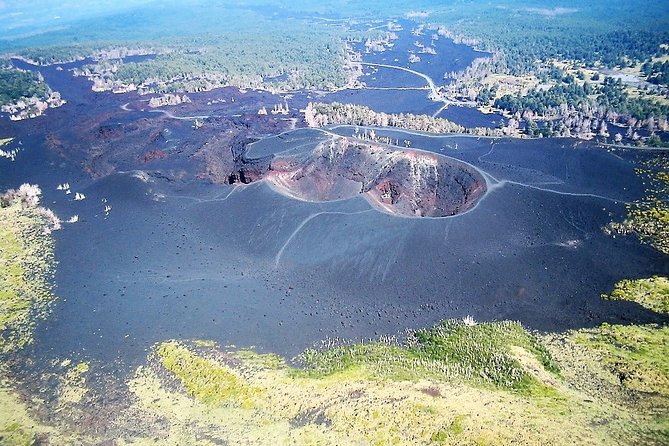
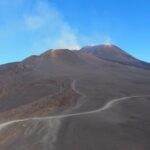
If you like volcanoes because they’re real and messy, this route makes sense. The focus here is the 2002 eruption area. You’re not walking through a themed park. You’re walking across ground shaped by a specific event, following the line of the 2002 eruptive fracture as the trail leads you through both open lava and pockets of woodland.
That mix is one of the best parts. Lava fields are exposed and stark. Then the path shifts into beech and larcicio pine woods, which softens the experience and gives your eyes a break. It’s the kind of variety that helps the 2–3 hour duration feel full instead of repetitive.
The other big plus is the sense that the guide is driving the learning. In the best cases, you’ll hear explanations that connect what you’re standing on—lava, fracture lines, crater formations—to why it matters. Guides such as Fabio and Marco are noted for passionate, detailed explanations, including volcanic activity and even how the chemistry fits into what you’re seeing.
You can also read our reviews of more tours and experiences in Sicily.
The timing and 2–3 hour structure (so you can plan your day)
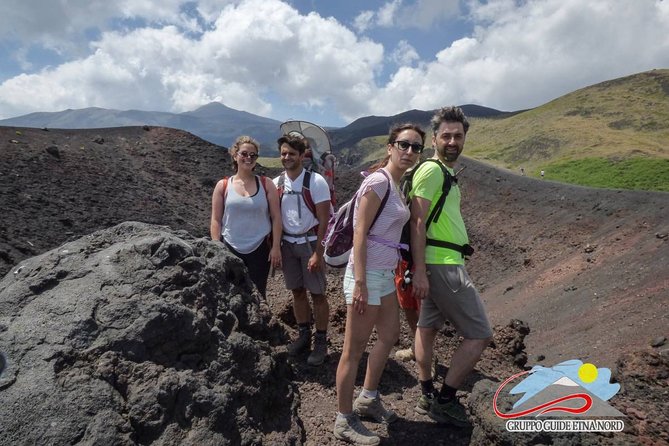
The hike starts at 10:00 am from Piano Provenzana (Etna Nord, Via Provenzana, 95015 Linguaglossa CT, Italy). It runs about 2 to 3 hours, and you return back to the meeting point at the end.
That timing matters. Midday on Etna can bring stronger wind and harsher air near volcanic areas, so the morning start gives you a better shot at calmer walking and clearer conditions. It also helps if you’re trying to fit Etna into a longer Sicily itinerary. With a morning half-day, you can still do a late lunch in Catania or base yourself around Linguaglossa without feeling like you lost the whole day.
You’ll be on foot the entire time, with the guide setting the pace. One practical note: the tour is described as having a maximum of 12 travelers, which usually means you’re not getting stuck waiting for a giant line to move. Still, volcanic areas can funnel you into slower segments, so plan your expectations around steady walking rather than sprinting between viewpoints.
Following the 2002 eruptive fracture: lava, woods, and a bottoniera
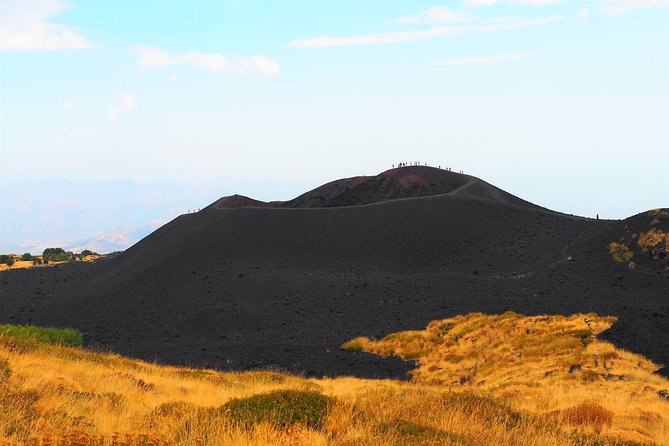
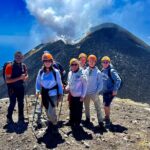
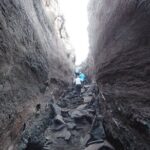
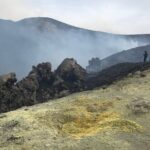
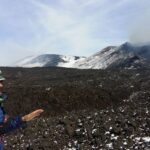
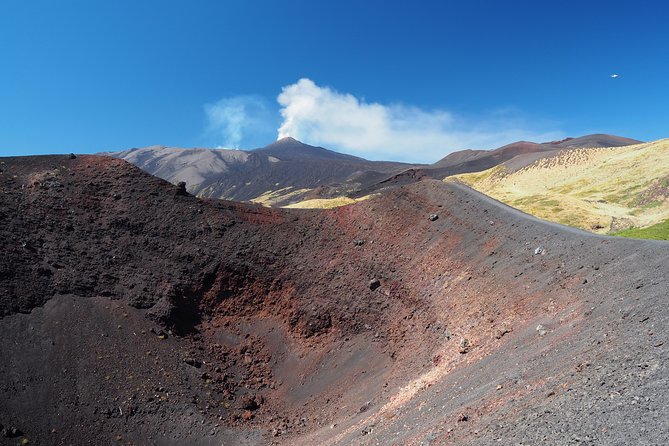
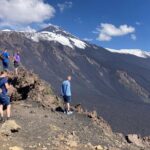
The itinerary centers on a single main idea: walk the 2002 eruption trace. Stop 1 is Piano Provenzana, and from there the route follows the eruptive fracture line. You’ll spend time on a lava field, where the ground looks and behaves differently than normal hiking trails—solid, uneven, and sometimes visually tricky in how it pulls your attention.
Then the hike shifts into wooded sections, including beech and laricius pine areas. This is more than scenery credit. Forest pockets change the temperature and the sound around you. They also give you brief recovery moments for your legs and lungs if the air is intense near open crater zones.
One of the signature features is the inclusion of side craters called a bottoniera. These are smaller than the headline craters, but that’s exactly why they can feel special. They show variety in how the eruption shaped the terrain, and a good guide will help you see the pattern rather than treating it as random holes in the ground.
Expect the trail to be active and outdoors-focused. Even if you’re not a hardcore hiker, keep your focus on footing and breathing. Etna is an environment with its own rhythm, and the route is designed to help you notice it.
Guides on Etna Nord: what makes the explanations land
On volcano hikes, your guide makes or breaks the experience. Here’s the good news: the guides are consistently described as passionate and organized, and they don’t just point—you get context.
You’ll hear names like Fabio, Sylvia, Giuseppe, and Marco. Fabio’s style is described as deeply knowledgeable, with a focus on volcanic activity and even chemistry. Sylvia is mentioned for sharing stories and information about the volcanoes while helping people through more difficult parts of the route. Giuseppe is praised for managing the group well and maintaining a safe pace, with lots of information along the way. Marco is noted for being prepared and for lecturing on Etna’s flora in addition to the volcanic story.
What you should take from this, as a traveler: if you want your Etna walk to feel like a real education without being a lecture hall, this format works. You’ll likely get frequent stop-and-explain moments, especially as you approach crater areas where the terrain and wind change fast.
Also, the tour is offered in English, but guides may speak other languages too. Even if your language isn’t English, the experience is built around interpretation, not just silent hiking.
Gear you get (and what you still should bring)
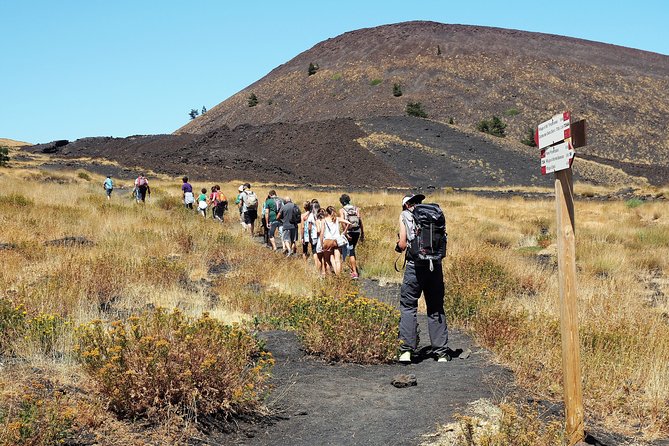
The experience includes telescopic poles, which is a smart inclusion for this type of ground. Telescopic poles can help on uneven volcanic surfaces and on descents where your knees take the hit. If you like hiking with support, this is already handled for you.
What’s not included is equally important:
- Bottled water
- Coffee and/or tea
- Snacks
So I’d plan like you’re hiking, not like you’re attending a coffee break. Bring water you can drink during the trek, plus a small snack if you’re the type who gets hungry after walking in cold or windy air. If you tend to feel sluggish without caffeine, pack what you need since coffee isn’t included.
Weather and comfort matter on Etna. The tour requires good weather, and near craters you’ll want to handle wind. Even though the only explicitly listed gear is poles, there are reports of practical help like windbreaking layers and even loan of walking shoes from guides when conditions demand it. Don’t assume it will be available every day—just do what’s smart anywhere on Etna: dress in layers and bring a wind layer.
Finally, you’ll receive a mobile ticket, and confirmation comes at booking. The start is in the Etna Nord area near Linguaglossa, so give yourself time to arrive without rushing.
Price and value: what $36.14 gets you
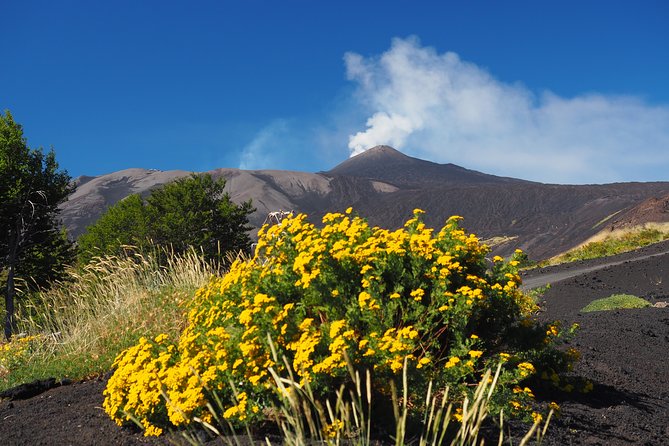
At $36.14 per person, this hike is priced like an organized, guided half-day—not a big-ticket summit expedition with private transport. For the cost, you’re getting:
- A guided trek through a specific eruption area
- Admission ticket included
- Telescopic poles included
- A structured route lasting 2 to 3 hours
- A small group cap of 12
That’s the value story: you’re paying for access and interpretation. The admission piece means you’re not scrambling to add another ticket once you’re already on Etna. And the guide’s job is to keep you oriented so you don’t just walk across lava and shrug.
If you’re traveling in Sicily on a budget, this is the kind of experience that makes sense because it stays time-efficient. You get the Etna payoff without turning the day into a full logistics marathon.
If you’re comparing options, don’t just compare the price. Compare what’s included (poles and admission here) and how long it lasts. A shorter guided hike can be better value than a longer outing that requires you to source gear and snacks separately.
Wind, sulphur, and keeping your hike enjoyable
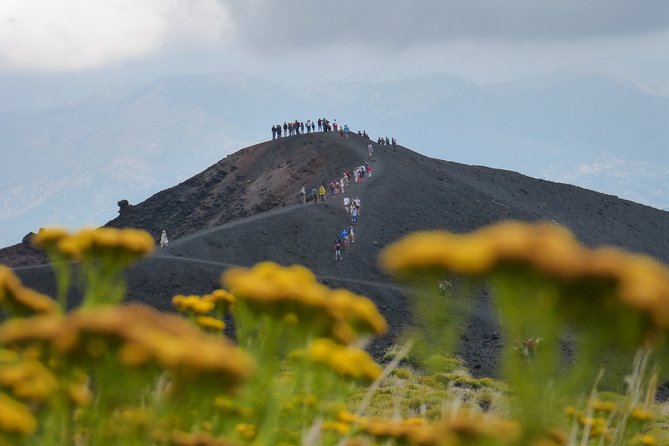
This route is close enough to crater areas that conditions can shift fast. Wind and sulphur are part of the experience near the craters, and a good guide will manage how long you spend at the most exposed parts.
Here’s what I recommend so you don’t end up miserable:
- Dress for wind, not just sun. Layers beat one bulky jacket.
- Expect the air to feel sharper closer to craters.
- Use the guide’s pacing. If the guide pauses often, it’s usually for safety and visibility.
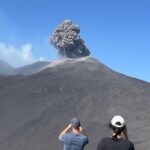
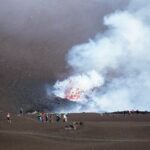
Photo-wise, the crater areas and lava ground are exactly what makes Etna look dramatic. One trip tip from the experience style: if your goal is craters, choose accordingly within the Etna options you’re deciding between. People who want the adrenaline and the sound of volcanic activity tend to prefer the crater-focused approach over more distant viewpoints.
Who should book this Etna hike (and who should be cautious)
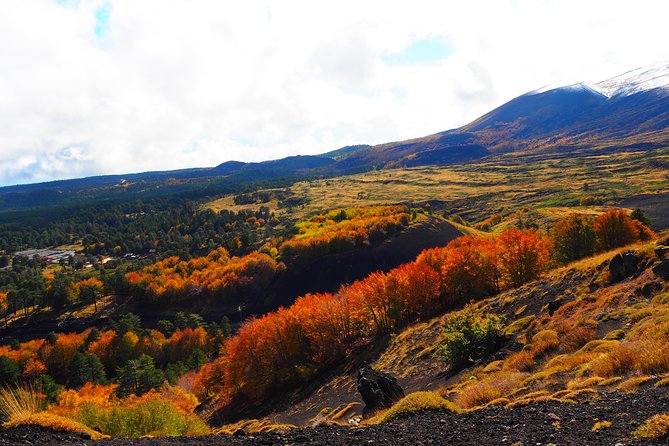
This experience is described as having most travelers can participate. It also allows service animals. One review notes the hike is about 5 km and not difficult, which suggests it’s approachable for many people who can walk on uneven terrain.
That said, volcano terrain is still terrain. Even if the hike is not labeled extreme, you should be prepared for:
- Uneven lava ground
- Walking outdoors for 2–3 hours
- Wind exposure near crater zones
If you have knee problems, plan on taking it slow and using the poles. If you get stressed in open, windy environments, this is something to consider ahead of time.
Best match: couples, families with teens who can walk, and anyone who wants an Etna experience with real explanation rather than just a stamp on a checklist.
Should you book the ETNA trek to the Craters of the 2002 eruption?
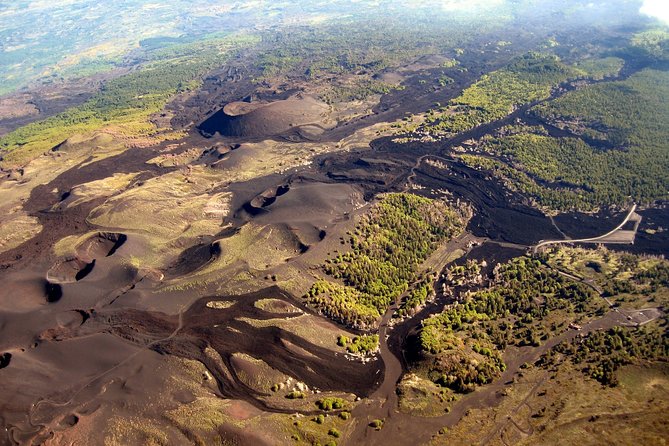
Book it if you want:
- A focused Etna 2002 experience
- A guided walk with small-group attention
- Included admission and included poles
- Morning timing that leaves the rest of your day open
I’d skip or rethink it if:
- You hate being outside in wind and changing air conditions
- You’re not comfortable walking on uneven volcanic terrain
- You don’t want to manage water and snacks yourself
For most people based in eastern Sicily, this is a practical, high-payoff way to see a real eruption trace and learn what you’re looking at.
The bottom line: this isn’t just about reaching a crater. It’s about understanding the eruption line as you walk it—lava, forest, and the side craters called a bottoniera—with guides who keep the experience safe and meaningful.
FAQ
How long is the ETNA trekking to the Craters Eruption of 2002?
Plan for about 2 to 3 hours, with the activity starting at 10:00 am and ending back at the meeting point.
Where does the trek start?
The meeting point is Piano Provenzana – Etna nord, via Provenzana, 95015 Linguaglossa CT, Italy.
What’s included in the ticket price?
The tour includes a mobile ticket, an admission ticket, and telescopic poles.
What should I bring since water and snacks aren’t included?
Bottled water, coffee/tea, and snacks are not included, so bring what you need for a few hours outdoors.
Is the tour offered in English?
Yes, it is offered in English.
What happens if the weather is bad?
This experience requires good weather. If it’s canceled due to poor weather, you’ll be offered a different date or a full refund. The tour can also be canceled if a minimum number of travelers isn’t met, with an alternative date/experience or a full refund.