REVIEW · CUSCO
4-Day Salkantay Trek to Machu Picchu
Book on Viator →Operated by Bamba Travel · Bookable on Viator
A Salkantay pass hike is a real reality check. This 4-day route strings together Humantay Lake first, then the big Salkantay high pass day, ending at a very early Machu Picchu morning with a guide. I love how the trip stays organized without feeling like a factory: small group size (max 16, avg 4) and real time on the trail with a bilingual guide. I also like that you get camp support (tents, sleeping pad, foam mat, first-aid kit, even an emergency oxygen bottle) plus meals, including a vegetarian option. One possible drawback: this is demanding. You’ll go through big altitude swings and cold nights at the highest campsite.
The best part is the mix of big scenery and practical logistics. You start in Cusco at 5:30am, tackle the steep days with a clear pace, then land in Aguas Calientes with time to reset before Machu Picchu. I really appreciate the team approach—guides like Percy and Francisco were praised for explaining the geography and plant life in plain English, not just reading facts off a card. For the food side, cooks such as Geraldo and Bennie are credited with solid Peruvian meals even on multi-day camping days. Still, you’ll want to plan for extra costs on top of the base price for permits and optional hikes.
Here’s the takeaway: if you want a guided Salkantay trek that feels personal and turns into Machu Picchu the same week, this is a strong value. Just come fit, bring the right gear, and accept that some days are long, cold, and uphill.
In This Review
- Key things that make this Salkantay trek worth your time
- From Cusco at 5:30am to Mollepata and Challacancha: getting set up right
- Day 1: Humantay Lake, Soraypampa lunch views, and your first cold-night test
- Day 2: the Salkantay high pass (around 4,650m) and the downhill grind
- Day 3: from upper jungle valleys to Santa Teresa warmth, then on to Aguas Calientes
- Day 4: Machu Picchu at first bus, a guided 2-hour walk, and then free time
- Price and value: what your $810 really buys, and what it doesn’t
- Guides and camp support: small-group pacing that can save your energy
- Who should book this Salkantay trek (and who should think twice)
- Should you book this 4-day Salkantay Trek to Machu Picchu?
- FAQ
- What time are you picked up in Cusco?
- What meals are included, and is vegetarian food available?
- Where do you sleep during the trek and on the final nights?
- Do you include permits and Machu Picchu tickets?
- Is Huayna Picchu included?
- Can I rent a horse on the trek?
- How do you get back to Cusco after Machu Picchu?
- What is the cancellation policy?
Key things that make this Salkantay trek worth your time
- Small-group feel with an avg group size around 4 (max 16), so the pace is more human.
- High-pass day at about 4,650m with huge Andes views, plus an optional horse rental to get to the pass.
- Humantay Lake + Salkantay Trail in one package, so you’re not just doing the classic route and calling it a day.
- Camp comfort basics included (tent, basic sleeping pad, foam sleeping mat) plus mules/horsemen to carry equipment.
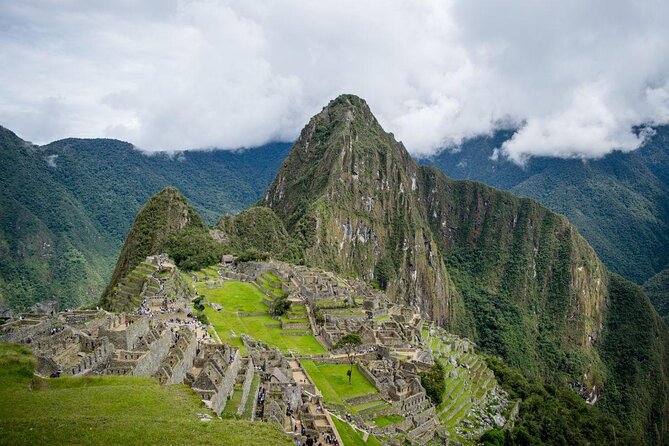
- Early Machu Picchu timing with a bus departure around 5:30am and a guided walk of about 2 hours.
- Support on the trail, including a first-aid kit and emergency oxygen bottle.
From Cusco at 5:30am to Mollepata and Challacancha: getting set up right
The trip starts early in Cusco—pickup at 5:30am—because the Andes reward people who move with the day, not against it. You’ll ride by tourist-class bus to Mollepata (2,900m), where you can stretch, grab snacks, and get your legs moving before the trekking portion begins. Then it’s onward by car to Challacancha, your staging area where you double-check equipment and do final prep.
Why I like this start: it reduces the common pre-trek chaos. You’re not trying to figure out what to pack or how to walk with your shoes while the group is waiting. Plus, the early bus means you’re not burning daylight on logistics.
One practical note: the first day involves walking in the 3,920m range at the highest campsite of the trip. Even if you feel okay in Cusco, you’ll still want water, layers, and a steady pace.
You can also read our reviews of more tours and experiences in Cusco.
Day 1: Humantay Lake, Soraypampa lunch views, and your first cold-night test
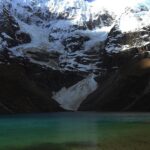
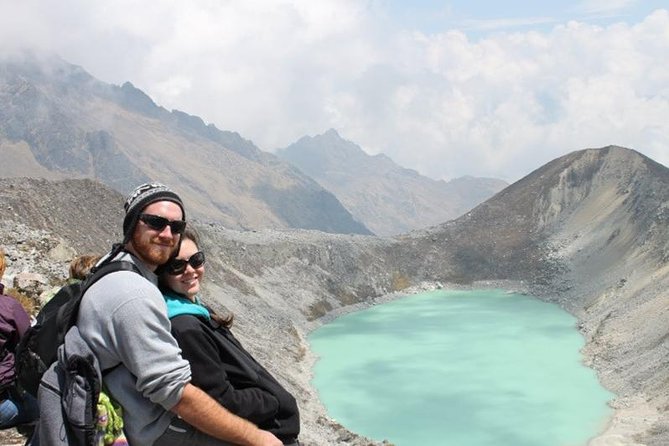
Day 1 has two key parts: a scenic approach and a payoff view at Laguna de Humantay.
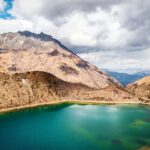
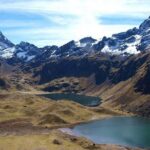
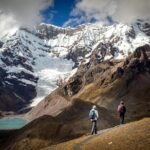
First, you hike about 3 hours to Soraypampa (3,920m), where lunch comes with panoramic Andes views. Then you go on to Laguna de Humantay, which is about 1.5 hours each way. Plan for wind and chill here—high-elevation lakes can feel colder than you expect, even in daytime.
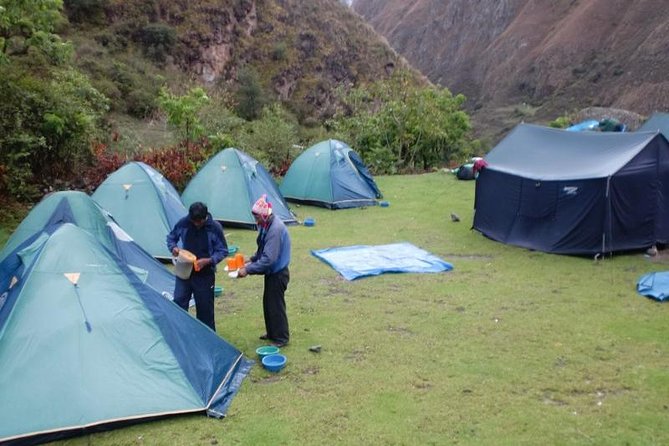
You end the day back at camp at 3,920m, and this campsite is the coldest and highest of the trek. That matters because sleep quality affects everything that comes next. If you’re counting on willpower only, you’ll suffer more than you need to. If you’re prepared with the right sleeping layers, you’ll wake up ready for day 2.
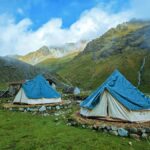
The included meal pattern is simple: lunch and dinner on Day 1, plus you get the basics for sleeping (tent, basic pad, and a foam sleeping mat). The trip also mentions that horsemen and mules carry cooking and camping equipment—so your personal load is not meant to be massive.
Drawback to keep in mind: this is not a gentle “warm-up.” Day 1 is beautiful, but it already gets you working at altitude.
Day 2: the Salkantay high pass (around 4,650m) and the downhill grind
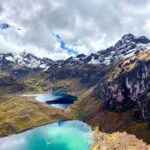
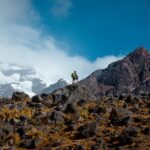
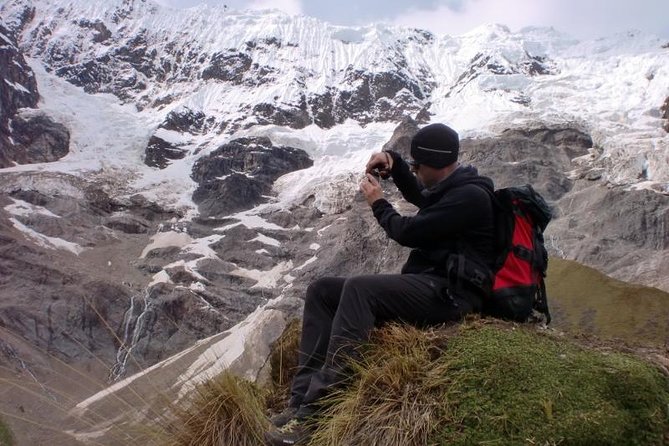
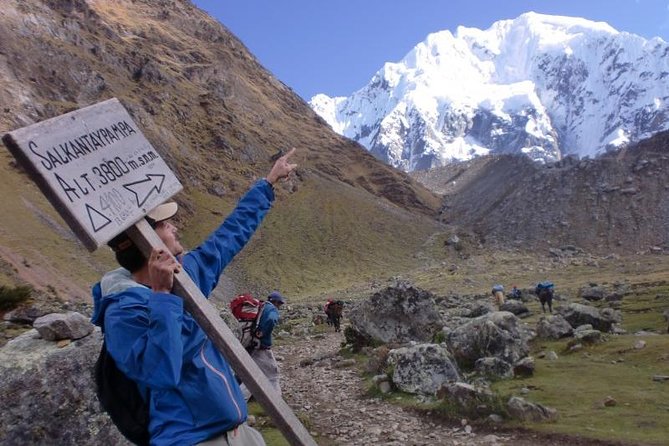
Day 2 is the one most people remember. You’ll have breakfast around 6:00am, then begin the 4-hour hike to the highest pass on the trek, at about 4,650m. The pass sits between two huge peaks—Salkantay on the right and Humantay on the left—so the viewpoints are dramatic even if you’re not a hiking-photography person.
After reaching the pass, you do a 2-hour downhill to Huayracpampa for lunch, then continue for another 3 hours to camp near the start of the high jungle region, around 2,900m (at Challhuay or Colcapampa, depending on the operation’s setup).
Optional help is available on this day: you can rent a horse to reach the high pass for 100–120 soles. That’s a useful option if you can hike most of the trail but want to save your legs for the downhill and the next days.
The “why this works” part: the day is structured in phases—climb, crest, recover with lunch, then transition to lower altitude. That pacing makes the challenge feel manageable rather than random.
The one consideration: the pass day is physically serious. The tour itself notes important temperature changes tied to altitude swings, including from roughly 4000m down toward 2000m across the route. So pack for cold mornings and warmer afternoons, and don’t wait until you feel uncomfortable to adjust layers.
Day 3: from upper jungle valleys to Santa Teresa warmth, then on to Aguas Calientes
Day 3 shifts from classic high-Andes hiking into rivers, valleys, and a warmer climate. After breakfast around 6:30am, you trek through the upper jungle area crossing the Santa Teresa River and a series of small brooks. You’ll pass through valleys with views of waterfalls, plus tropical plants and fruit you can’t see on the high-pass days.
Lunch happens at La Playa (2,200m), then the day warms up with car travel to Santa Teresa (1,700m). That drop matters because it changes how your body feels. You’ll still be working, but the air is less punishing than the 4,000m+ range.
From Santa Teresa, you take another car to the Hydroelectric Station (about 40 minutes), then walk roughly 3 hours to Aguas Calientes. This is a long enough walk that it’s worth keeping your snack strategy together—but it’s also a relief compared with repeated steep climbs.
Once you arrive in Aguas Calientes, you’re in a small city designed for Machu Picchu logistics. There are cafes, shops, and places to relax. The tour includes 1 night in a 3-star hotel in Aguas Calientes, plus breakfast, lunch, dinner, and snacks.
There’s also an optional transport shortcut: from Hydroelectric Station to Aguas Calientes by train for $30. If your legs are cooked, it can help you arrive fresher.
One more practical point: this is your day to manage energy. Tomorrow you’ll be up early again.
Day 4: Machu Picchu at first bus, a guided 2-hour walk, and then free time
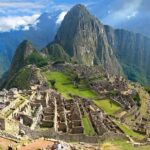
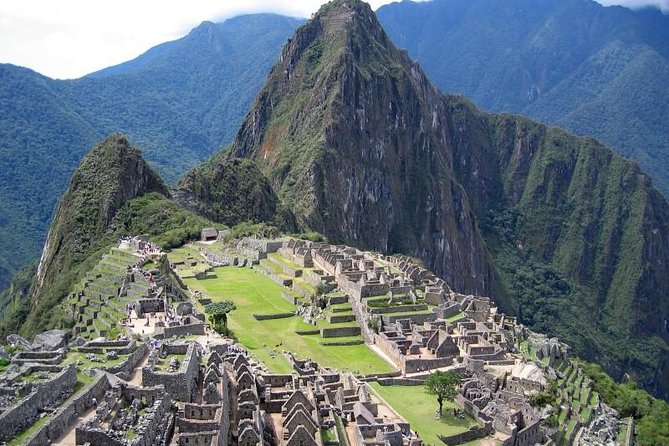
The plan on Day 4 is built around light and crowd control. You catch one of the first buses to Machu Picchu around 5:30am so you can appreciate the site as mist dissipates. Then your guide leads a walking tour of about 2 hours.
What I like about having that guided window first: Machu Picchu is easier when someone helps you spot patterns—how different areas relate, what the Inca planners were thinking, and why certain sightlines matter. The trip’s format is also meant to get you answers quickly, then give you time to wander on your own after.
After the guided tour, you explore independently. If you want extra altitude and views, you can climb Huayna Picchu, but you need advance booking and an extra fee. The info provided notes 400 people per day allowed up, and you’re asked to request the extra ticket by email.
Afterward you return to Aguas Calientes by bus, which runs frequently (every 15 minutes from the entrance). There’s also an option to walk down to town (about 1 hour).
Then comes the travel bridge back to Cusco: train from Aguas Calientes to Ollantaytambo, then bus to Cusco. You’re dropped off late in the day at Plaza San Francisco, and you’ll handle the final leg to your accommodation on your own.
A small but important detail: Day 4 includes breakfast but not lunch and dinner. Plan on buying a meal in town after your return, depending on your timing and hunger levels.
Price and value: what your $810 really buys, and what it doesn’t
At $810 per person, the value here comes from bundling the heavy logistics. You get the core trek guidance (professional bilingual guide, local-led), camping accommodation during the trek (tent plus sleeping pad basics), a night in a 3-star hotel in Aguas Calientes, plus most transport that matters: bus up to the trailhead, car segments on Day 3, the Machu Picchu bus, and the train back to Ollantaytambo and bus to Cusco.
The price also covers meals across the days (the package lists 3 breakfasts, 3 lunches, 3 dinners, plus 2 snacks). That matters more than it sounds. In the Andes, feeding people reliably is a big part of why some treks feel smooth and others feel chaotic.
What’s not included is where you should do the math before you book:
- Trekking permit for the Salkantay Trail (PEN 133.00 per person)
- Machu Picchu entrance (PEN 48.00 per person)
- Optional upgrades like Huayna Picchu or Machu Picchu Mountain hike (listed at PEN 200.00 each for mountain hike options)
- The optional Hydroelectric Station to Aguas Calientes train transfer ($30)
- Tips (optional, and customary; the guide suggests recommended ranges)
- Bottled water
- Sleeping bag rental (optional, $15 per person)
Also note the tour’s equipment support: horsemen and mules carry cooking/camping gear plus a total of 7 kilos for each trekker (with 3 kilos allocated for sleeping bag and mattress and 4 kilos for personal items). That reduces the backpack burden, but you still need to pack smart within that limit.
Guides and camp support: small-group pacing that can save your energy
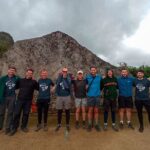
This trip is designed for a group size that stays small. The operation lists a maximum of 16 travelers and an average around 4. In practice, that’s the difference between a guide who can adjust the pace and a guide who is constantly herding people.
The guides also get credit for more than route-planning. Names that show up in the provided feedback include Percy and Francisco, both noted for answering questions and explaining the site and local geography. Other guides mentioned include Cesar, Junior, Chino, and support from Ruth. You’ll also meet cooks like Geraldo and Bennie and a horse care taker such as Florian in some groups, which reinforces that the camp runs on a real team, not just a single guide and hope.
Add to that tangible safety basics: a first aid kit and an emergency oxygen bottle are included. That doesn’t remove risk from altitude, but it’s the kind of practical support that makes you feel more secure when conditions turn.
Who should book this Salkantay trek (and who should think twice)
This is a great fit if you:
- Want the Salkantay high-pass day with the option to reduce the steep climb via horse rental
- Like the idea of camping with basic comfort instead of roughing it with no structure
- Want a guided Machu Picchu morning early enough to enjoy it with less stress
- Are okay paying extra for entrance fees and optional viewpoints so your base trek price stays reasonable
You might think twice if you:
- Are dealing with serious altitude concerns. The route repeatedly changes elevation, and the tour calls out important temperature shifts from around 4,000m toward 2,000m.
- Want a fully gentle vacation. This is a demanding hike, even with support.
Should you book this 4-day Salkantay Trek to Machu Picchu?
I’d book it if you want one coherent package that takes you from Cusco up into the Andes, down toward the high jungle, and then into Machu Picchu with a guide and an early start. The value is strongest because so much is included: bilingual guiding, small-group pacing, camping gear basics, hotel in Aguas Calientes, and the key transport pieces.
I’d hesitate only if you’re unsure about your fitness. If you’re the type who trains a bit, brings layers, and accepts that day 2 is the grind, this trek can feel like a life highlight. If not, consider choosing a less altitude-heavy alternative.
FAQ
What time are you picked up in Cusco?
You’re picked up at 5:30am and the first transfer begins from Cusco.
What meals are included, and is vegetarian food available?
Meals are included across the trek and hotel stay (with typical menus). A vegetarian option is available if you tell the operator at booking.
Where do you sleep during the trek and on the final nights?
During the trek, you camp with included camping accommodation (basic sleeping pad and tent setup). On Day 3, you get 1 night in a 3-star hotel in Aguas Calientes.
Do you include permits and Machu Picchu tickets?
No. Salkantay Trail trekking permit (PEN 133.00) and Machu Picchu entrance (PEN 48.00) are not included. Optional viewpoints like Huayna Picchu or Machu Picchu Mountain also require extra entrance fees.
Is Huayna Picchu included?
Huayna Picchu is not included automatically. If you want to climb it, you need to request the extra ticket in advance, and there is an additional fee. The information provided notes 400 people allowed up per day.
Can I rent a horse on the trek?
Yes. There’s an option to rent a horse to reach the high pass for 100–120 soles.
How do you get back to Cusco after Machu Picchu?
After visiting Machu Picchu, you return to Aguas Calientes by bus (every 15 minutes) or you can walk down. Then you take the train to Ollantaytambo and a bus to Cusco (drop-off at Plaza San Francisco).
What is the cancellation policy?
This experience is non-refundable and cannot be changed for any reason.
If you want, tell me your hiking level and whether you prefer the horse option on the high pass. I can help you sanity-check if the timing and altitude profile match your comfort zone.