REVIEW · CUSCO
Cusco: 5-Day Salkantay Ultimate Trek to Machu Picchu
Book on GetYourGuide →Operated by Inkayni Peru Tours · Bookable on GetYourGuide
Five days above 4,000 meters sounds wild. It’s even better when you swap a packed highway view for real Andes air and see Machu Picchu from an Inca trail angle.
I love how this trek mixes big viewpoints with quieter moments: Humantay Lake at sunrise-style height, then a long descent through mist and waterfalls. I also like the practical support—your gear rides on horseback, you get camp comfort basics, and you’re guided through Machu Picchu by someone who explains what you’re actually looking at. One thing to consider: this route is physically tough and it climbs high, so altitude and effort are real parts of the deal.
You’ll feel the thin air most around Salkantay Pass and during the steep days, so pace yourself early. The upside is the pay-off—towering peaks, cloud forest, and that first view setup before you even get to the main site.
In This Review
- Key Things I’d Plan Around
- Why This 5-Day Salkantay Trek From Cusco Feels Like Real Peru
- Day 1: Soraypampa Climb and Humantay Lake’s Turquoise Payoff
- Day 2: Salkantay Pass (4,630 m) and the Jump Into High-Altitude Jungle
- Day 3: Cloud Forest Descent, Waterfalls, and Lucmabamba
- Day 4: Llactapata Terraces First Look at Machu Picchu
- Day 5: Guided Machu Picchu Tour, Then Optional Peaks
- Value and Logistics: What You’re Really Paying For
- Packing Tips That Actually Matter on This Route
- Who This Trek Fits Best (and Who Should Skip It)
- FAQ
- How long is the Cusco Salkantay Ultimate Trek to Machu Picchu?
- What’s the maximum group size?
- Where do you sleep during the trek?
- Is hotel in Aguas Calientes included?
- What meals are included?
- Do I need a sleeping bag or trekking poles?
- Is Huayna Picchu included?
- Is Machu Picchu entrance and transport included?
- Should You Book This 5-Day Salkantay Trek to Machu Picchu?
Key Things I’d Plan Around
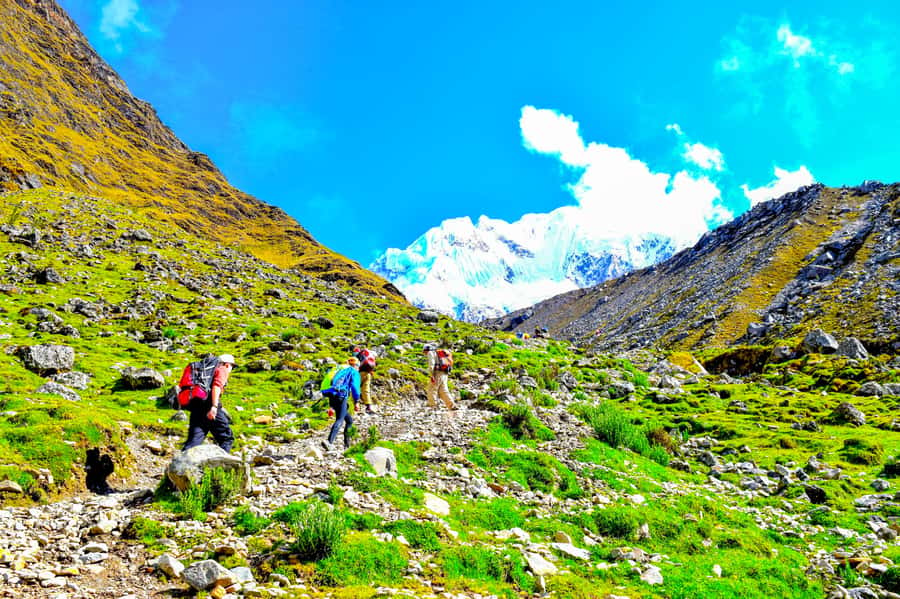
- Salkantay Pass views: your “top of the trek” moment comes before the scenery drops into a jungle-like world.
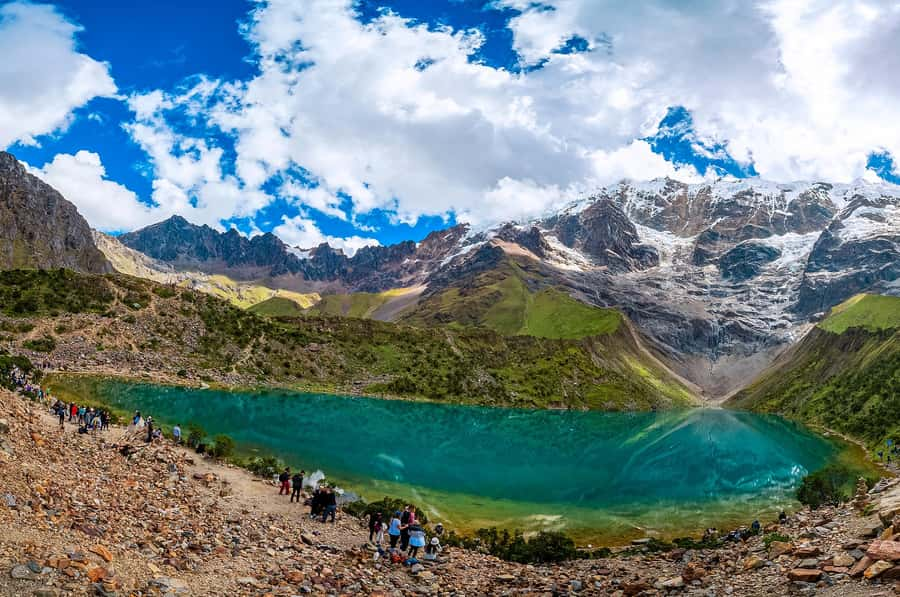
- Humantay Lake: that turquoise glacial-water color shows up after an uphill day that starts with mountain giants in front of you.
- Lucmabamba family stop: you’re not just hiking through—there’s a real local coffee-farm connection in the mix.
- Llactapata first look: you reach Machu Picchu from a less common angle, then you earn the descent.
- Horse support and meal structure: fewer weight worries, plus meals and wake-up tea keep the day moving.
Why This 5-Day Salkantay Trek From Cusco Feels Like Real Peru
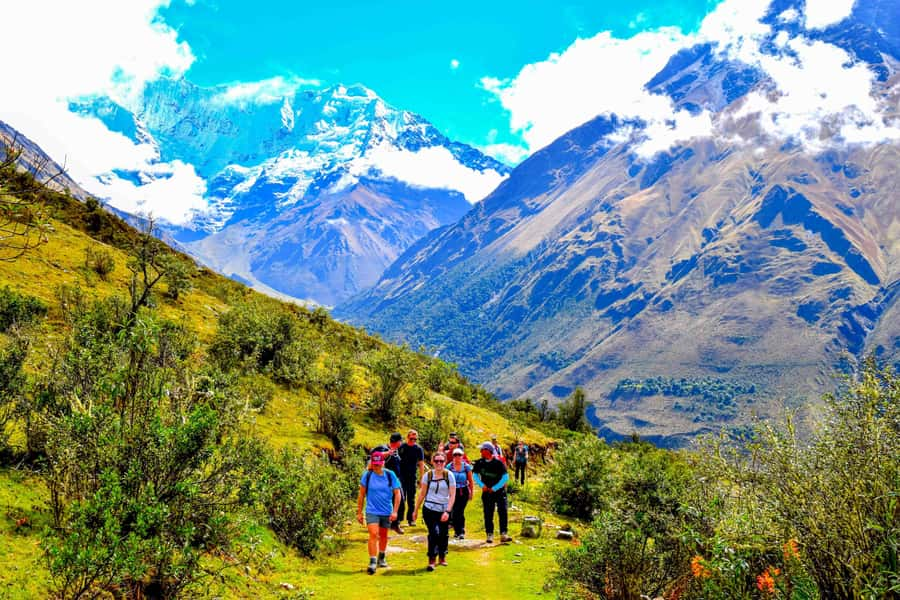
This isn’t a “walk a bit, take selfies, done” kind of trip. You’re walking through changing ecosystems—high, cold Andean heights to cloud forest and down toward the river valley world—so each day feels different. And instead of only approaching Machu Picchu like everyone else, you’re pulled toward it via Llactapata, with terraces and a first sight that lands better.
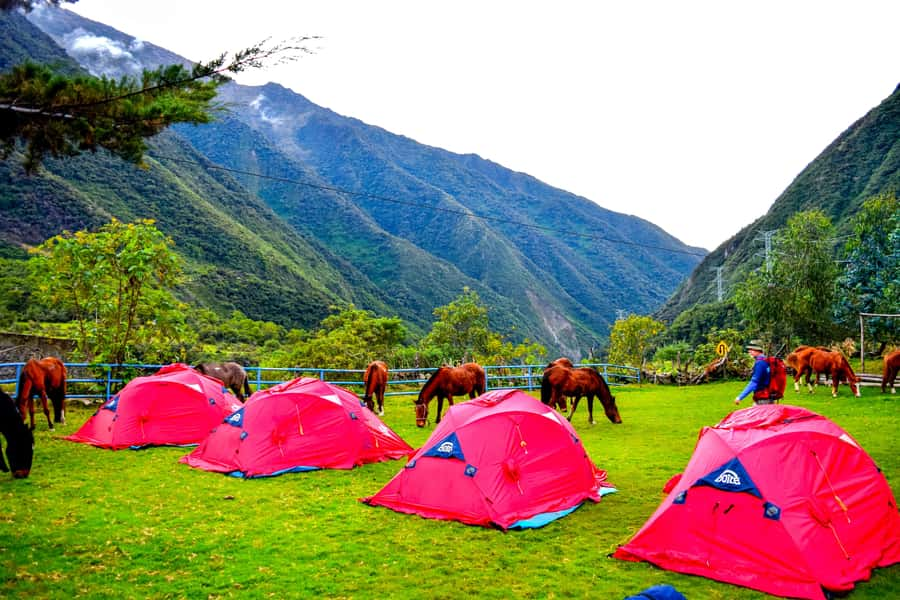
The tour also strikes a smart balance between effort and comfort. You carry only what you need while horses move most equipment, and you’ll sleep in camping tents before switching to a hotel in Aguas Calientes. It’s the kind of structure that helps you focus on the walking, not the logistics.
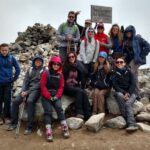
One more practical win: your group stays small (maximum 10 people). With that size, the guide can actually keep an eye on pacing—especially important on days where altitude and steep trail sections make everyone feel it.
You can also read our reviews of more tours and experiences in Cusco.
Day 1: Soraypampa Climb and Humantay Lake’s Turquoise Payoff
You start with a hike toward Soraypampa (3,800 m / 12,467 ft), with Salkantay and Humantay mountains dominating the skyline. As you ascend, the air gets crisp fast. You’re not just “going up,” you’re changing how the mountains feel—bigger, sharper, and closer.
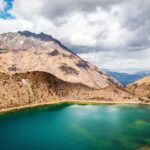
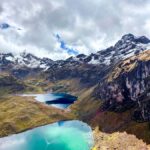
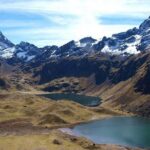
Midday you stop for a classic Peruvian lunch, prepared with fresh local ingredients. Then the trek pushes onward to Humantay Lake (4,200 m / 13,780 ft). This is one of the days where your legs can complain, but your eyes don’t get bored: the glacial lagoon reflects the peaks above, and the whole scene looks almost unreal because of the height.
You’ll return to camp after taking it in, with dinner waiting and time to look up at the stars. Night in the Andes can feel crisp and clear, and you’re at a height where even simple camp moments feel like part of the adventure, not downtime.
Practical consideration: water is included except for the first 4 hours of the trek, so don’t assume you’ll get refilled immediately. Plan to bring what you need at the start.
Day 2: Salkantay Pass (4,630 m) and the Jump Into High-Altitude Jungle
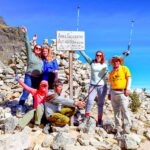
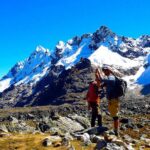
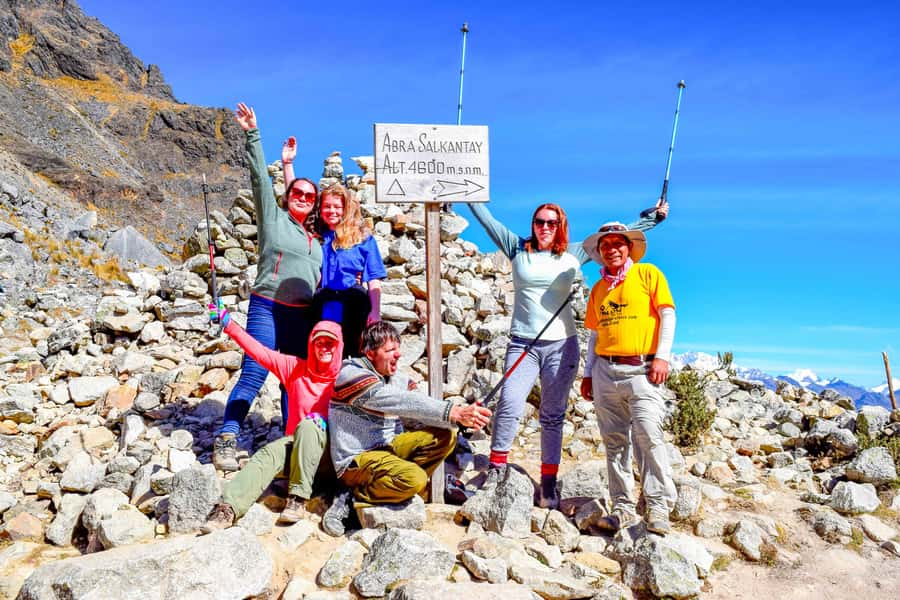
Day 2 is built around your hardest “high point” moment: Salkantay Pass (4,630 m / 15,190 ft). The trail climbs steadily and the air thins, which can turn a normal hiking pace into a slower, breath-focused shuffle. But you’re rewarded with snow-capped peaks, jagged ridges, and deep valleys stretching far out.
This is also where the tour’s guiding matters. Having a professional English-speaking guide helps you connect the scenery to what you’re seeing—mountain structure, geography, and why that pass has the kind of legendary weight it does. It’s not just a photo stop; it’s a “pause and understand” stop.
After the pass, you descend into a lush high-altitude jungle zone. The contrast is dramatic: icy summits behind you, then greener vegetation coming into view as the altitude drops. It’s one of the most memorable “day-to-day identity changes” you’ll get on a trek.
You end at camp surrounded by nature sounds. Translation: it’s quiet enough to hear the outdoors doing its thing, and you’ll probably sleep well—assuming your body survives the pass.
Day 3: Cloud Forest Descent, Waterfalls, and Lucmabamba
On day 3 you wake up to jungle calls and start descending into cloud forest. Misty air rolls into the trail sections, and you’ll pass cascading waterfalls, fruit-laden trees, and pockets of exotic plants and wildlife. This is the day when the trek stops feeling like just “climbing” and starts feeling like “moving through a living place.”
After about five hours, you reach Playa Sahuayaco (2,200 m / 7,218 ft). From there, you enter a region described as the “eyebrow of the Amazon,” known for a lot of life packed into the area’s elevation band. Then in the afternoon you arrive at Lucmabamba (2,000 m / 6,562 ft).
Lucmabamba is your final campsite and also where the ancient Inca Trail leading to Llactapata begins. And it’s not only about trail access: you also stay with a family in Lucmabamba to learn about their local coffee farm. That matters because it turns a trek through mountains into a trek through community life—how people farm, how they work, and how coffee fits into daily routines.
If you’re wondering why that’s valuable: it makes the whole “Andes adventure” feel less like a checklist and more like contact with how the region survives and thrives.
Day 4: Llactapata Terraces First Look at Machu Picchu
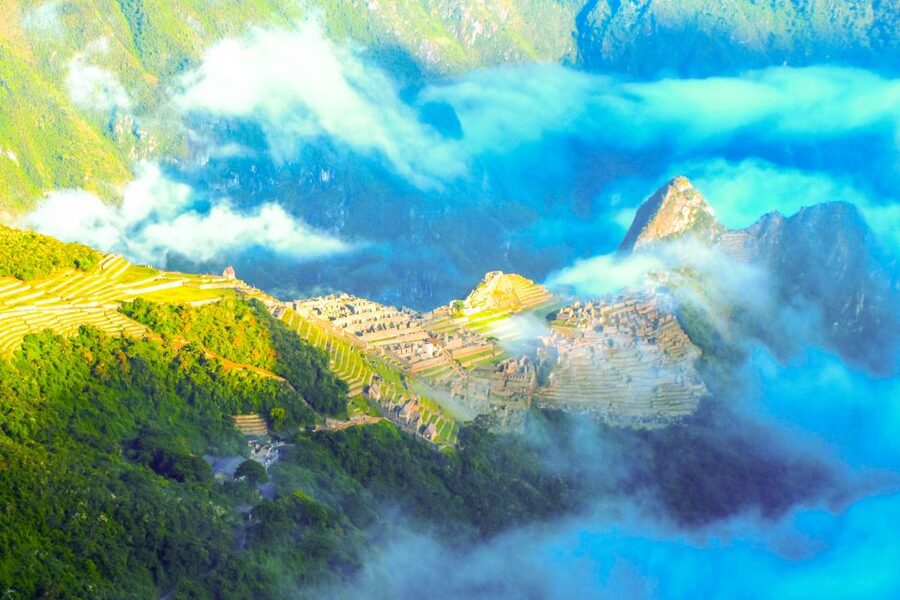
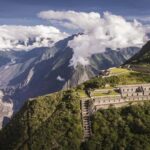
Day 4 starts with a breakfast and then a 2-hour uphill hike along an original Inca trail to Llactapata ruins (2,840 m / 9,318 ft). Llactapata is lesser-visited than Machu Picchu, and the big reason to go is the timing: you get a stunning first view of Machu Picchu from this angle.
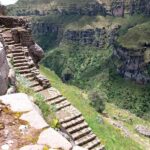
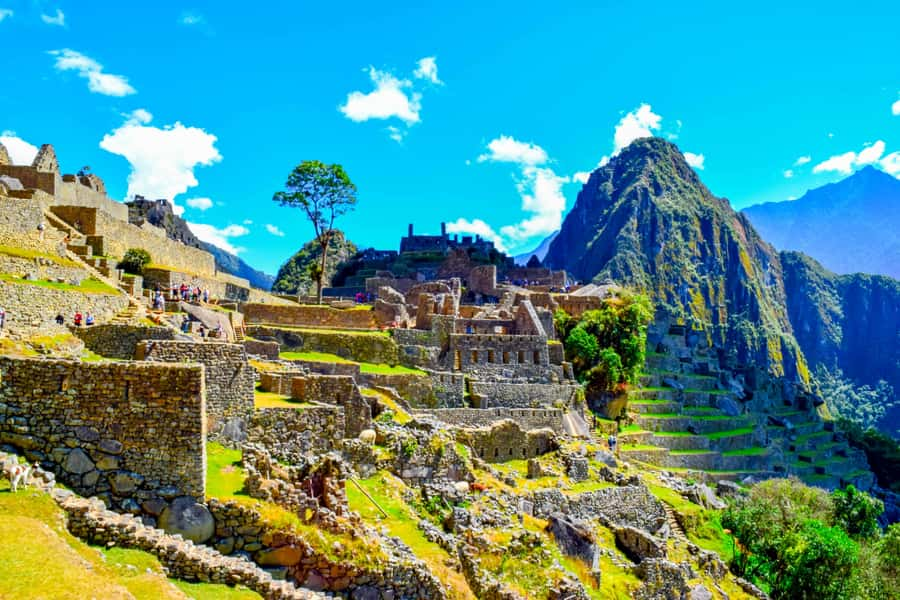
Exploring Llactapata gives you context before you ever reach the main citadel. Terraces, stonework, and positioning start to make sense because you’re seeing how the Incas used elevation and sightlines. You’re not just staring at Machu Picchu later without orientation—you’ve already earned your “aha.”
After that, you descend through cloud forest to the Hydroelectric Station (1,890 m / 6,200 ft) with about a 1.5-hour trek from there to Aguas Calientes (2,040 m / 6,693 ft). It’s a long transition day, but it’s also the one that sets up your final Machu Picchu morning without rushing you.
You end day 4 in Aguas Calientes with a comfortable evening. That hotel night is a real quality-of-life difference after camping, and it helps you wake up fresher.
Day 5: Guided Machu Picchu Tour, Then Optional Peaks
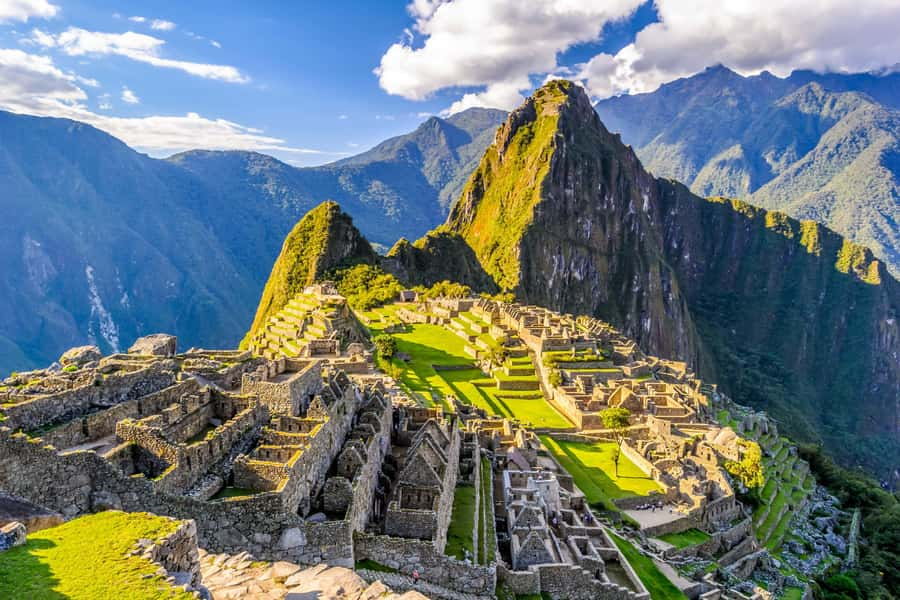
Your Machu Picchu day begins early with breakfast, then a morning bus ride up to Machu Picchu (2,430 m / 7,972 ft). Upon arrival, your guide leads a detailed tour focused on how the site works—temples, ceremonial areas, terraces, and storage buildings. That’s where a guide earns their pay. Without explanations, Machu Picchu can turn into “cool stones.” With guidance, it becomes a functioning city layout you can follow.
After the guided portion, you’ll have time at the citadel and then the option to hike for bigger views: Huayna Picchu costs an extra US$85, while Machu Picchu Mountain is offered as another hike option for views. If you’re sensitive to altitude or you’re already cooked from the trek, you can also keep it simple and enjoy the site from the main areas.
Later, the group returns to Aguas Calientes for a short rest and lunch. In the afternoon you train to Ollantaytambo, then a van takes you back to Cusco. It’s a clean end to a long journey: you get the big site, then you’re off the mountain and back into town.
Value and Logistics: What You’re Really Paying For
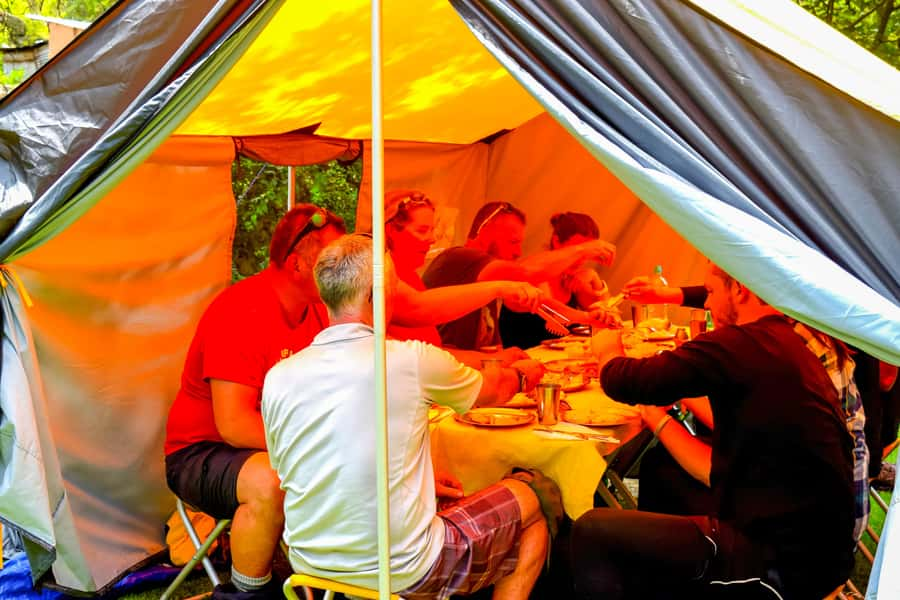
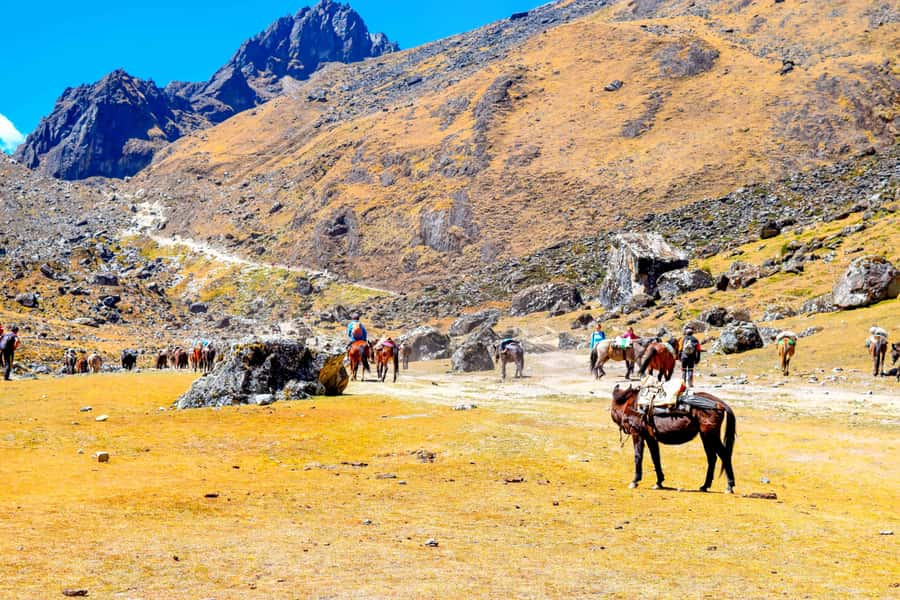
The price—$669 per person for 5 days—can sound steep until you match it with what’s included. You get a professional guide and a professional cook, plus support staff for camp and meals. You also get horses to carry equipment and 7 kg of your personal items, which makes the trek more doable without feeling like you’ve been turned into a passive passenger.
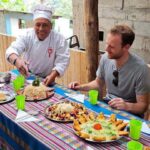
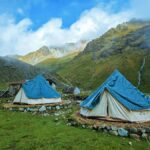
Meals are also structured: 4 breakfasts, 4 lunches, 4 afternoon snacks, and 4 dinners, with Day 1 breakfast and Day 5 lunch/dinner not included. Camping gear is part of the package too, including 4-man tents for every 2 trekkers and double-thickness foam sleeping mattresses. There’s also an oxygen bottle, a first aid kit, and a wake-up-tea routine that adds a surprisingly nice rhythm to each morning.
Now the trade-offs. You still have altitude and steep trail days; this is not a gentle stroll. If you need a sleeping bag or trekking poles, you’ll want to hire them because they’re not included. And if you want Huayna Picchu, budget that extra entrance cost.
Dietary requests are handled if you tell the supplier upon booking and re-confirm at the pre-departure briefing, so you’ll want to be clear early.
Packing Tips That Actually Matter on This Route
You’ll want to bring practical basics because you’re at high elevations where weather can change quickly. The essentials listed are: passport or ID, sun hat, sunscreen, rain gear, and comfortable clothes.
A few things to keep in mind from the way the trek runs:
- You’ll have mornings starting at height, so protect against sun even when it feels chilly.
- Bring a rain layer you’ll actually use. The cloud forest days can mean misty, damp trail conditions.
- Water is included except for the first 4 hours of the trek, so plan for that start.
Also note what you can’t bring: pets, weapons or sharp objects, and alcohol and drugs. And you’ll need that valid passport during the activities.
One more point: you’re camping most nights. You don’t need to think like a mountaineer, but you do want to think like someone who respects cold nights and uneven sleep.
Who This Trek Fits Best (and Who Should Skip It)
This trek is ideal if you want the full Salkantay-to-Machu Picchu story with real hiking and real scenery changes. You’ll especially like it if you enjoy guides who can explain what you’re seeing, and if you want that extra Machu Picchu “from Llactapata” first-view angle.
It’s not a fit for everyone. It specifically notes it may not be suitable if you have back problems, experience altitude sickness, or if you’re over 70. If any of those apply, it’s worth talking with a medical professional before committing—because the itinerary includes elevations like 4,630 m and intense days.
If you’re a confident hiker and you can handle cold mornings, this is the kind of trek that stays with you for years.
FAQ
How long is the Cusco Salkantay Ultimate Trek to Machu Picchu?
It runs for 5 days.
What’s the maximum group size?
The tour is a small private group with a maximum of 10 people.
Where do you sleep during the trek?
You’ll camp for multiple nights, and you’ll also have a hotel stay in Aguas Calientes.
Is hotel in Aguas Calientes included?
Yes, the hotel in Aguas Calientes is included.
What meals are included?
You get 4 breakfasts, 4 lunches, 4 afternoon snacks, and 4 dinners. Day 1 breakfast and Day 5 lunch and dinner are not included.
Do I need a sleeping bag or trekking poles?
Sleeping bag and trekking poles are not included, but they can be hired.
Is Huayna Picchu included?
Huayna Picchu entrance costs US$85 and is not included.
Is Machu Picchu entrance and transport included?
Yes. Machu Picchu entrance is included, and the bus to Machu Picchu is included as well.
Should You Book This 5-Day Salkantay Trek to Machu Picchu?
If you want a trek that feels like you’re actually moving through Peru—not just visiting spots—this is a strong choice. The mix of Humantay Lake, the Salkantay Pass crossing, cloud-forest walking, and the Llactapata first view makes the trip feel earned. Add in horse support, camp structure, and a real Machu Picchu guide, and the value starts to make sense fast.
I’d book it if you’re a reasonably fit hiker and altitude doesn’t scare you. I’d think twice if you’re prone to altitude sickness, have back issues, or fall into the age range the tour lists as not suitable—because the highs on this itinerary are the whole point.