REVIEW · CUSCO
Trek to Choquequirao 4 days
Book on GetYourGuide →Operated by Exploor Trip E.R.L · Bookable on GetYourGuide
Choquequirao is harder than it looks on a map. This 4-day hike in the Cusco region takes you to an archaeological site often called Machu Picchu’s sister city, with a real sense of mystery and discovery. I love that the route mixes steep Andean walking with Choquequirao exploration time, and that the day pacing is clear so you know what you’re working toward each morning. One thing to consider: this is a serious trek in Cusco country, with long uphill and downhill sections and early starts.
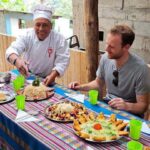
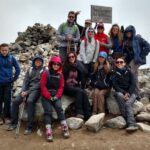
What really wins me over is how much care goes into food and guiding. You get multiple camp meals plus lunch logistics that keep you fueled while cooks and mule teams handle the heavy lifting. The small-group size (up to 15) also matters here, because you’re not just hiking in the dark for four days—you’re spending enough time together for the trip to feel like a team effort.
In This Review
- Key Points You’ll Care About
- Choquequirao’s “Machu Picchu Sister” Feel, Without the Crowds
- Day 1: Cusco to Capuliyoc Viewpoint, Down to Chiquisca, Then Santa Rosa Camp
- Day 2: Maranpata to Choquequirao, Plus Lunch Logistics That Keep You Moving
- Day 3: Apurímac River Canyon Descent and Chiquisca’s Sugarcane Tradition
- Day 4: The 5:00am Climb Back to Mirador Capuliyoc and Return to Cusco
- Price and Value: What $366 Covers (and What It Doesn’t)
- What Packing Actually Matters on a Hard 4-Day Trek
- Who Should Book This Trek to Choquequirao
- Should You Book It?
- FAQ
- FAQ
- How long is the Trek to Choquequirao?
- Where does the trek take place?
- What time do you start on Day 1?
- Are meals included?
- Do I need an entrance ticket for Choquequirao?
- Is rehydration water included?
- Is water for canteens included?
- Are trekking poles included?
- Is horseback riding included?
- Is there hot shower access?
Key Points You’ll Care About
- Choquequirao access with guided explanation plus time to wander on your own
- Camp-to-camp hiking built around realistic day segments (down, up, then down again)
- Chef-driven meals and camp setup support, so you can focus on walking
- Small group size up to 15, keeping the experience personal
- Early-morning climbs to beat harsh sun, especially on Day 4
- Hard trek reputation is earned, so plan your fitness honestly
Choquequirao’s “Machu Picchu Sister” Feel, Without the Crowds
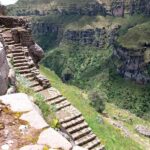
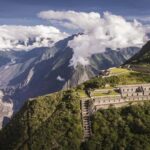
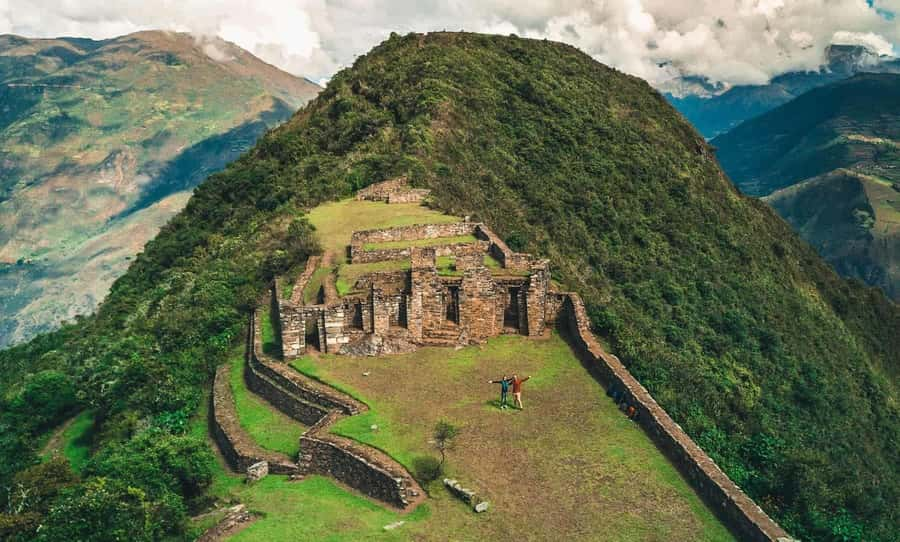
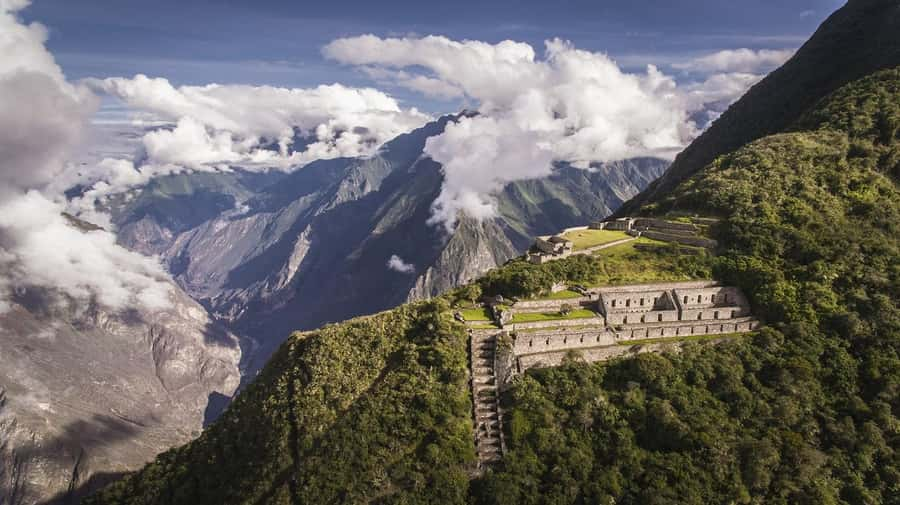
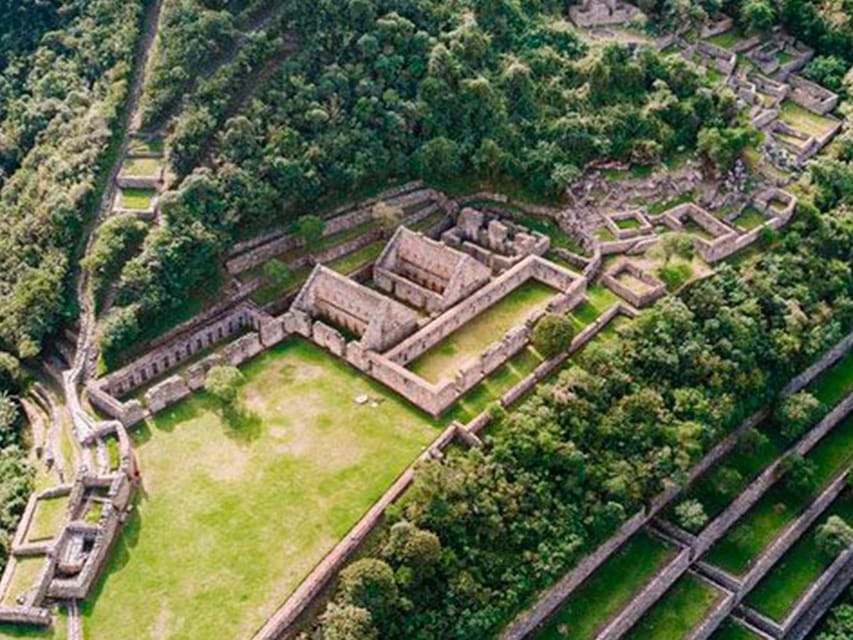
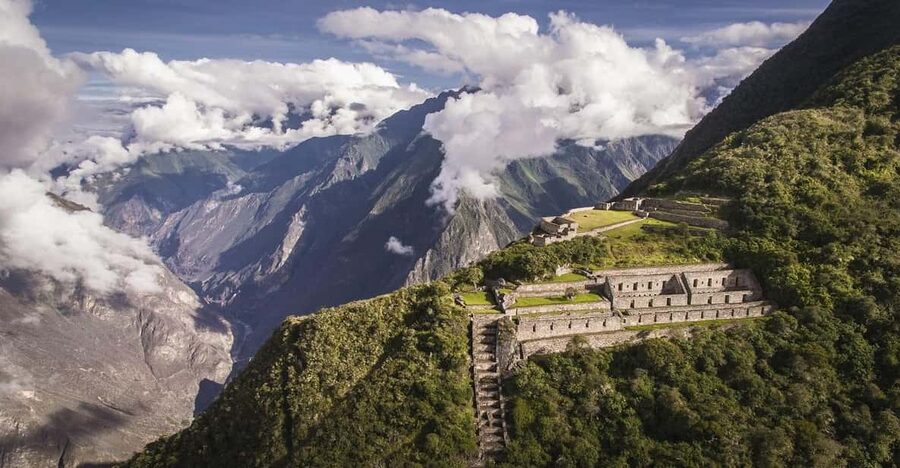
If Machu Picchu is the polished headline, Choquequirao is the quieter story. You’re visiting a major archaeological complex in Peru’s Andes that many people compare to Machu Picchu because of the Inca-era scale and the way the site seems to reveal itself as you approach. Even before you arrive, the trek builds suspense: the trail rhythm, the river canyon on Day 3, and the changing views all set you up to understand why this place feels remote.
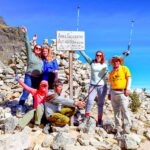
The big value here isn’t just reaching the stones. It’s reaching them under your own power. You’ll start with long descents and climbs, then arrive at Choquequirao around 9:30am on Day 2. That timing gives you a calmer window for photos and exploration, plus the guide time to set the context before you walk freely.
The route also emphasizes “mystery” in the practical sense: you’re not rushing through. You get guidance on what you’re looking at, and then enough time to explore at your own pace.
You can also read our reviews of more tours and experiences in Cusco.
Day 1: Cusco to Capuliyoc Viewpoint, Down to Chiquisca, Then Santa Rosa Camp
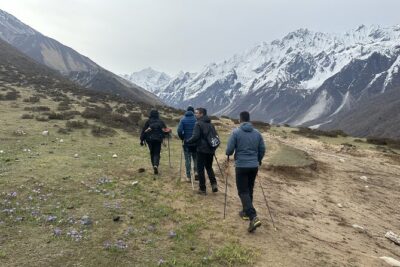
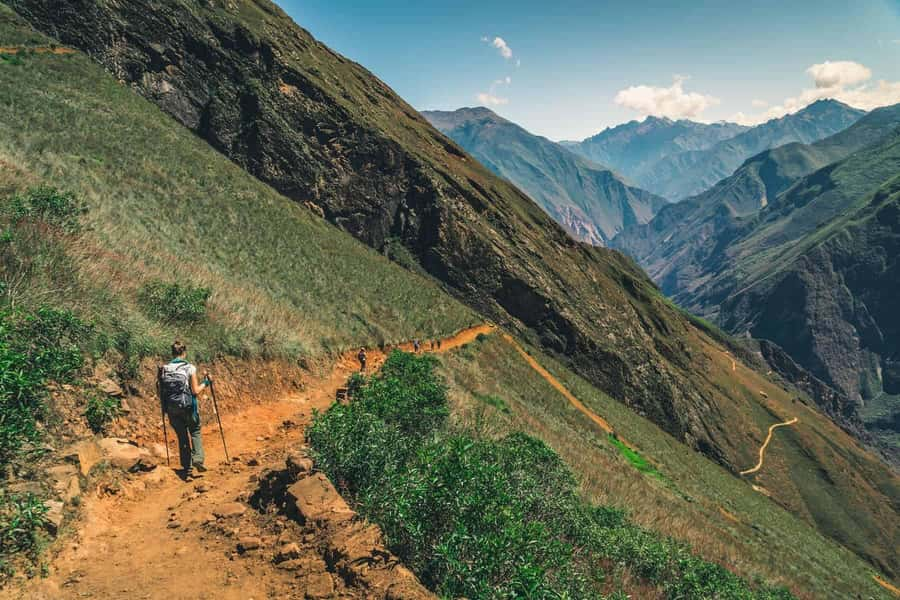
Day 1 is the classic setup day: travel, views, then a long descent that teaches you the trail’s personality fast. You’ll be picked up at the meeting point at 5:00am, ride about 3 hours to Curawasi, and stop for breakfast. Then it’s about 1 more hour to Capuliyoc Viewpoint, where the hike starts.
From there, you begin a descent for about 3 hours to Chiquisca, the lunch spot. This matters because it’s not a quick snack stop. Lunch is prepared by the cooks waiting for your group, and you’ll refuel before continuing the walking. It’s one of those details that turns a hard day into a manageable day.
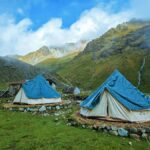
After lunch, you continue descending to Playa Rosalinas for a rest, then you switch gears. You’ll climb for about 2 hours to Santa Rosa camp. By the time you reach camp, you set up the campsite, eat dinner, and sleep in rural accommodation for the night.
What you should watch for: that first day is intentionally physical—descent first, then a climb. If you’re the type who overpaces early, Day 1 will remind you to slow down and protect your legs.
Day 2: Maranpata to Choquequirao, Plus Lunch Logistics That Keep You Moving
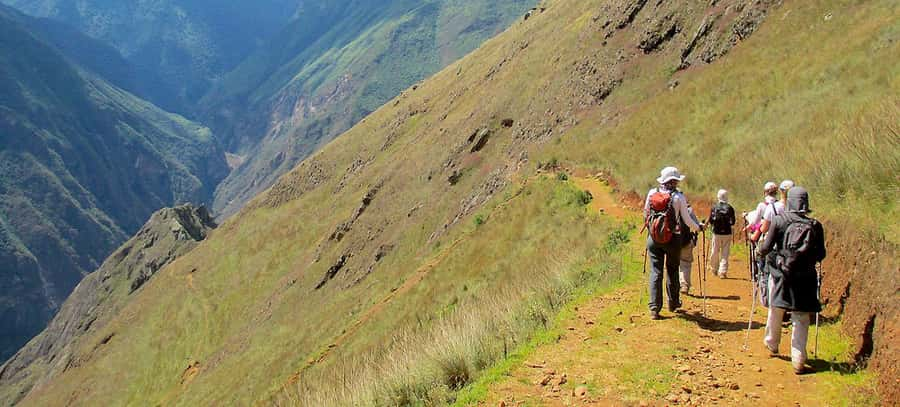
Day 2 starts with an early wake-up—your cooks will serve hot coca tea, followed by breakfast at camp. After that, you walk uphill for about 2 hours to Maranpata. This is an important day structure: it gets you up toward the site area, but it doesn’t try to cram everything into one brutal push.
Once you’re at Maranpata, the support team takes care of the “meals while you explore” problem. Cooks, muleteers, and horses stay behind to prepare lunch and bring it to Choquequirao for the group. That means when you’re done listening and exploring, you’re not scrambling for food. It’s also a big comfort for people who struggle with decision fatigue on treks—you follow the plan, and the plan includes recovery.
You’ll arrive at Choquequirao around 9:30am, and your guide explains what you’re seeing. Then you’ll have time to explore on your own. I like this mix because it respects both types of travelers: those who want interpretation, and those who want quiet wandering and photos without feeling rushed.
In the afternoon, you return to Maranpata for dinner and another night in camp accommodation.
Possible drawback: your day includes both the hike and the archaeological time, so it’s not a “rest day.” Even though you’re exploring, you’ll still feel your legs from the earlier climbs.
Day 3: Apurímac River Canyon Descent and Chiquisca’s Sugarcane Tradition
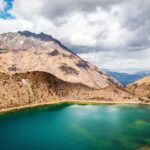
If Day 2 is about reaching the site, Day 3 is about the dramatic terrain around it. You’ll get up around 8:00am for breakfast at camp, then start walking toward the Apurímac River canyon. The descent lasts about 3 hours, and once you reach the river you’ll get time to relax.
That relaxation piece is small but meaningful. It breaks the nonstop “walk-walk-walk” feeling and gives your body a chance to reset before the climb begins. Lunch is prepared by expert chefs at the river, which keeps the pacing smooth and avoids the hunger spiral that can happen during long downhills.
After lunch, you climb for about 2 hours to the third camp in Chiquisca. When you arrive, you’ll have dinner and spend the night in camp. You’ll also have a chance to interact with locals and taste a typical drink made from sugar cane.
That sugarcane detail is exactly the kind of thing that turns a trek from a physical challenge into a human one. You’re not just collecting altitude and ruins. You’re meeting people where the trail ends for the day.
Day 4: The 5:00am Climb Back to Mirador Capuliyoc and Return to Cusco
The last day starts early again. After breakfast, you begin the final part of the hike around 5:00am, heading back to Mirador Capuliyoc. The tour starts that early to avoid the intense sun common in the area.
You’ll walk uphill for about 4 hours, then arrive at Mirador Capuliyoc. You’ll wait for lunch while enjoying views over the surrounding mountains and the Apurímac canyon. After lunch, you head back by car to Cusco, arriving around 4:30pm.
Day 4 is when you’ll feel the total effort. Even if you’re keeping a steady pace, the last uphill can tax your calves and knees. The upside is that it’s also the most scenic “finish line” moment: a big viewpoint payoff before you’re done.

Price and Value: What $366 Covers (and What It Doesn’t)
At $366 per person for 4 days, this trek is priced for real logistics. You’re not just buying a trail. You’re buying transportation from Cusco to the starting area and back, guided archaeology time, multiple meals, and multi-day rural accommodation. You also get mule support for extra luggage: a Dafort bag (up to 5kg) plus a mule for the group’s additional gear.
Value also comes from the way the team manages food timing. Lunch gets delivered to Choquequirao on Day 2, and meals are handled by cooks at set points rather than leaving you to improvise during steep walking hours.
The parts you should budget separately are clear:
- Choquequirao entrance ticket: 60 soles adults, 30 soles students
- First breakfast (before the trek day really begins)
- Last dinner
- Rehydration water and water for canteens
- Hot shower and towels (40 soles per person)
- Wi-Fi (20 soles)
- Trekking poles (30 soles per pair)
- Horseback riding (not included; 200 soles)
If you come prepared with water plans, trekking poles (or your own), and the entrance ticket, the trip feels like a solid deal for the difficulty level and the amount of human support involved.
What Packing Actually Matters on a Hard 4-Day Trek
This trek is hard enough that small omissions feel big. Here’s what you should plan for based on what’s included and what’s not.
Bring or arrange:
- Water strategy: water for canteens is not included
- Rehydration: rehydration water is not included
- Trekking poles if you need them: you can rent for 30 soles per pair
- Entrance ticket payment for Choquequirao
Plan for camp reality:
- You’ll have 3 nights in rural accommodation, but hot shower and towels cost extra
- You will set up camp on Day 1, so bring a mindset that this is part of the experience
And one more practical note: with a trek this physically demanding, it’s worth choosing footwear you already trust. The itinerary includes multiple hours of descent and ascent each day, and you’ll want traction you can count on.
Who Should Book This Trek to Choquequirao
Book it if you want an authentic high-effort route to a major Inca site, and you like the feeling of earning your arrival. This tour is a good fit if:
- You’re comfortable with a very challenging trek in the Cusco area
- You want a bilingual guide (English and Spanish) explaining Choquequirao before you roam
- You value meals and support that keep logistics from draining your energy
- You prefer a small group (max 15) over big-tour crowds
I’d think twice if you’re looking for a light hike, because the itinerary includes long descents and climbs on multiple days, plus early morning starts. Also consider your tolerance for basic camp setups. You can pay for a shower and towels, but that’s extra.
Should You Book It?
Yes—if you’re serious about a hard trek and you want Choquequirao with real guided context, good food, and enough time on site to feel like the place is more than a stop. The combination of small group, meal support, and a guide who explains what you’re looking at makes this a stronger choice than “just transportation to ruins.”
Skip or reconsider if you need an easy itinerary, if you don’t want to plan around entrance tickets and water needs, or if long uphill and downhill days will likely push you beyond your limits.
FAQ
FAQ
How long is the Trek to Choquequirao?
It runs for 4 days.
Where does the trek take place?
It’s in the Cusco Region, Peru.
What time do you start on Day 1?
You’re picked up from the meeting point at 5:00am.
Are meals included?
Meals are included for the trek, but the first breakfast and the last dinner are not included.
Do I need an entrance ticket for Choquequirao?
Yes. The entrance ticket is 60 soles for adults and 30 soles for students.
Is rehydration water included?
No, rehydration water is not included.
Is water for canteens included?
No, water for canteens is not included.
Are trekking poles included?
No. Trekking poles are available for rent for 30 soles per pair.
Is horseback riding included?
No. Horseback riding is not included, and it costs 200 soles.
Is there hot shower access?
Hot shower and towels are not included. You can pay 40 soles per person for them.