REVIEW · CUSCO
Cusco: 4-Day Lares Trek to Machu Picchu with Panoramic Train
Book on GetYourGuide →Operated by TreXperience · Bookable on GetYourGuide
Four days, one huge payoff. I really like the Lares hot springs and the Vistadome train ride, all capped by Machu Picchu at sunrise. It’s a trek with proper time in the mountains, plus enough comfort to make the whole thing feel doable.
You also get hands-on cultural stops, from visiting Andean weaving communities to meeting families in Canchacancha and learning a few Quechua phrases. On trips I’ve seen run by guides like Manolo (and also Filio in other groups), the pacing tends to stay friendly, and the food gets treated seriously—yes, even vegan requests.
One thing to plan for: altitude and cold are real. You’ll reach 4,750 m at Condor Pass, and camp nights can feel chilly—this isn’t the kind of itinerary where you should fake fitness or tough it out with poor gear.
In This Review
- Key things I’d clock before you go
- Why this Lares-to-Machu Picchu route feels worth the effort
- Day 1: From Cusco-area markets to Lares Hot Springs and Blue Lagoon
- Day 2: Condor Pass at 4,750 m, plus a village night in Canchacancha
- Day 3: Sacred Valley downhill hike, Maras salt mines, and Ollantaytambo
- Day 4: Machu Picchu sunrise, a guided walk, then Vistadome back to Ollantaytambo
- Price and what you actually get for about $690
- What to pack (and why altitude gear matters here)
- Who should book this trek, and who should skip it
- Should you book this Lares Trek to Machu Picchu with panoramic train?
- FAQ
- How long is the Lares Trek to Machu Picchu?
- Does this include Machu Picchu entrance?
- Are Huayna Picchu or Machu Picchu Mountain tickets included?
- What kind of lodging do you get during the trek?
- Are meals included?
- What about camping gear like sleeping bags?
- How do you travel to Machu Picchu and back?
- What languages are the guides?
- Who is this trip not suitable for?
Key things I’d clock before you go
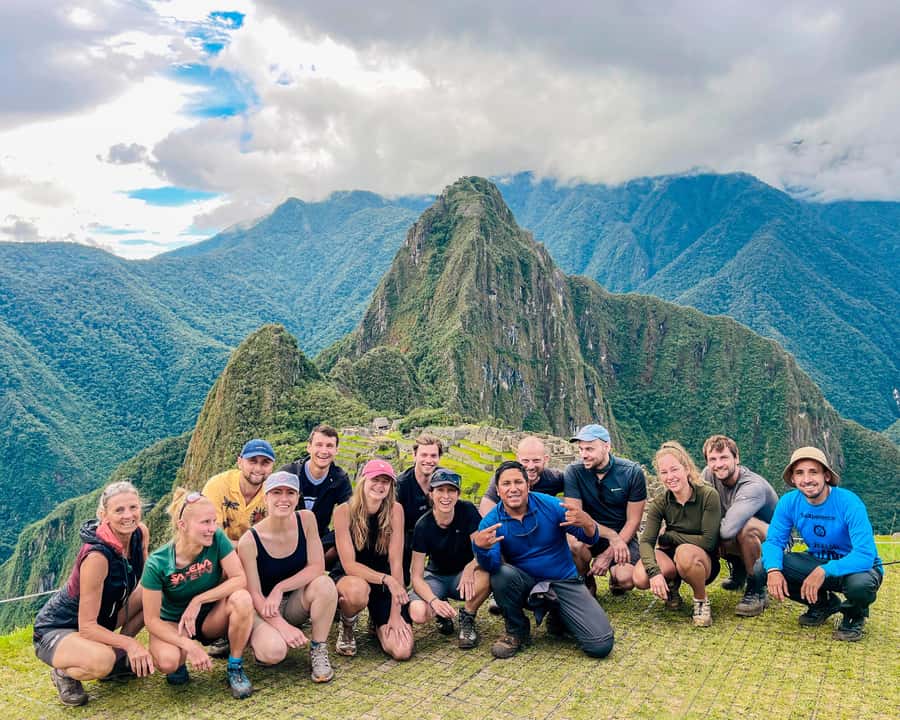
- Hot springs first, then trekking: you earn that warm soak after a day of driving and an acclimatization-style hike start.
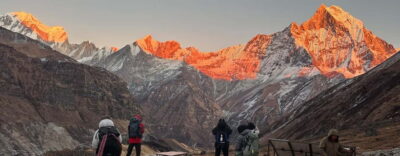
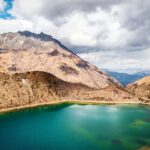
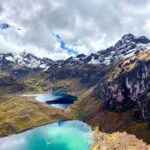
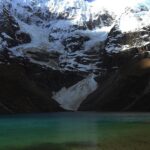
- Condor Pass views are the big milestone: sweeping peaks and turquoise lagoons, then a descent into village life.
- Textiles and cooperatives feel practical, not staged: you learn how people make Andean textiles while meeting the women-run side of the work.
- Your gear is carried: horses and muleteers move food and equipment, and you keep your load lighter with a duffle bag limit.
- Sunrise Machu Picchu + guided walking tour: you’re at the citadel early, then spend 2–3 hours with a guide.
- The train ride adds a “slow down” finish: Vistadome views make the return day feel like a travel day again.
Why this Lares-to-Machu Picchu route feels worth the effort
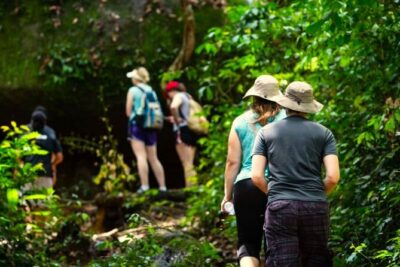
This isn’t just “trek to a landmark.” The Lares route gives you long mountain moments before you reach the big finale, and it spreads the day-to-day effort across four days instead of one giant push. You’ll also get a mix of high passes, village encounters, and iconic Sacred Valley stops—so the trip feels like a journey, not a checklist.
I also like the balance of work and rest. The camp nights aren’t a luxury hotel experience, but the structure is clear: meals are planned, chefs cook, and you’re not hauling heavy gear yourself. Then, on the Machu Picchu day, you swap effort for sightseeing plus a very scenic train ride back toward Cusco.
You can also read our reviews of more tours and experiences in Cusco.
Day 1: From Cusco-area markets to Lares Hot Springs and Blue Lagoon
Your day starts early with pickup from your Cusco accommodation or the Sacred Valley area. After you settle in, you’ll hit the Calca market, then stop at the Inca site of Ancashmarca—a good way to ease into the region’s history before you start climbing for real.
Then comes the “high plateau” moment: you’ll look for the rare Puyas de Raimondi while you’re at altitude. It’s a reminder that the Andes aren’t just big peaks—they have their own living rhythms, and plants like this only make sense when you’re working at these elevations.
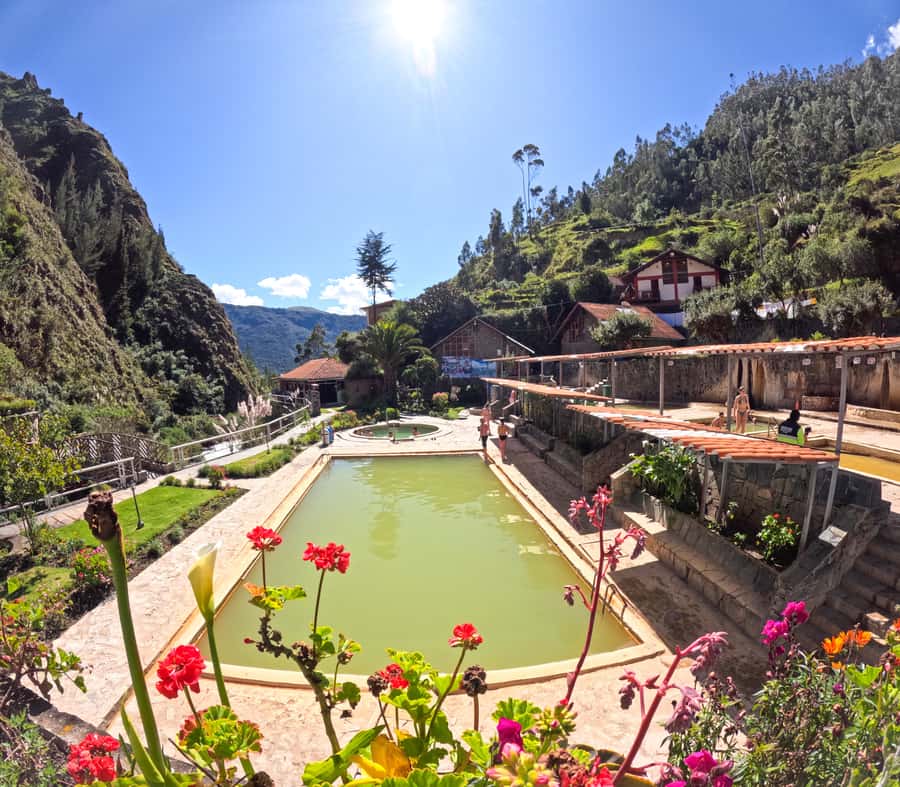
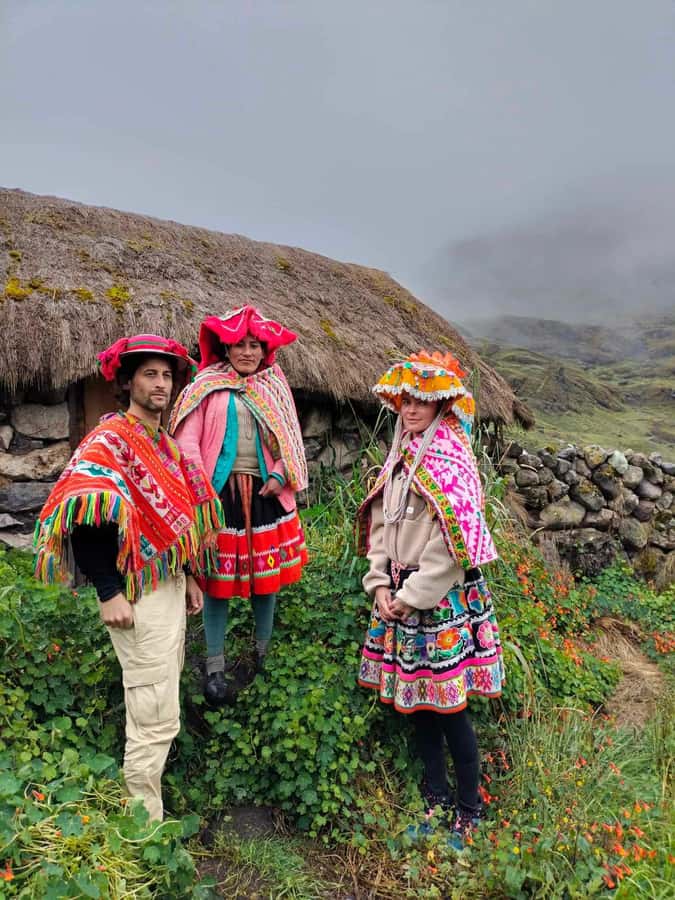
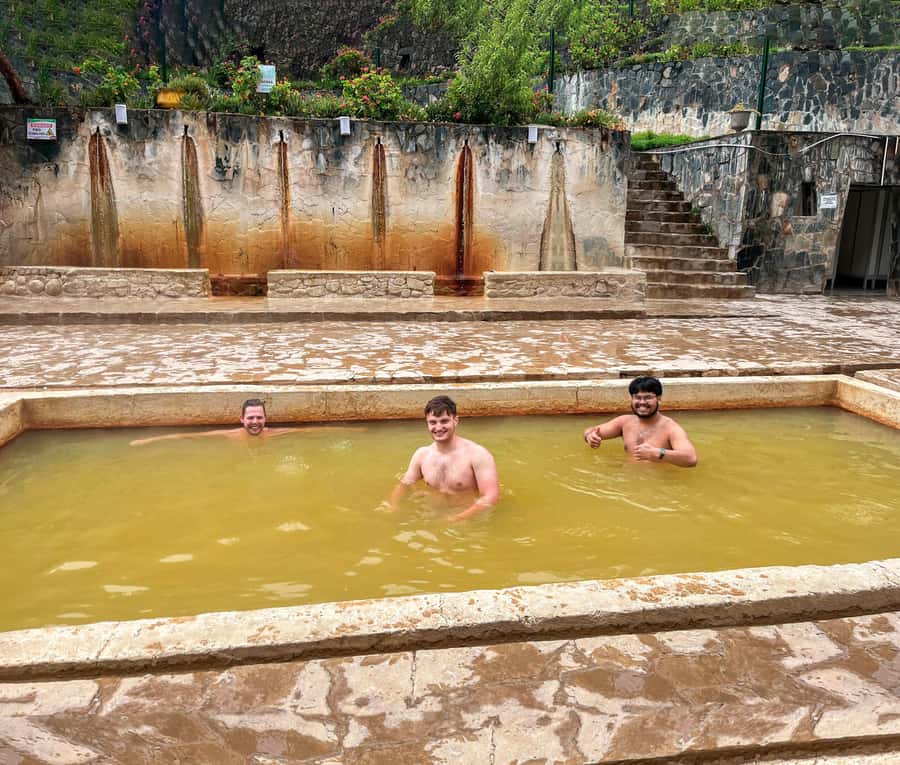
After that, you unwind in Lares Hot Springs with mountain views. It’s not just pretty; it’s smart. A warm soak helps your body recover, and it sets a calmer tone for the hike that follows. Later, you visit a weaving cooperative to learn Andean textile traditions—this is where you’ll notice the trip values skill and craft, not just photos.
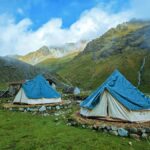
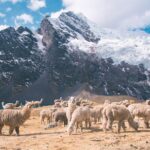
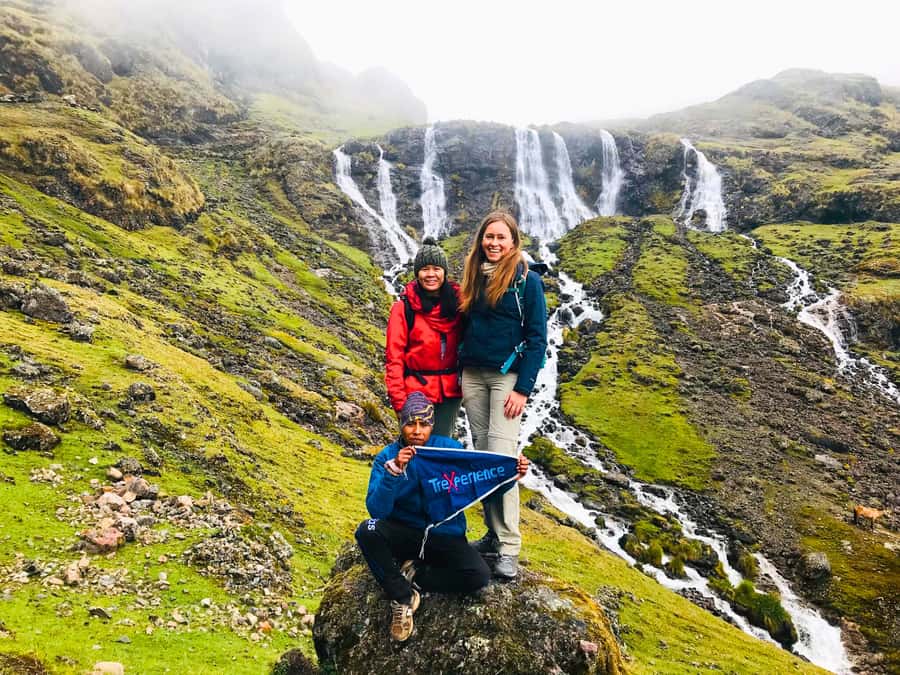
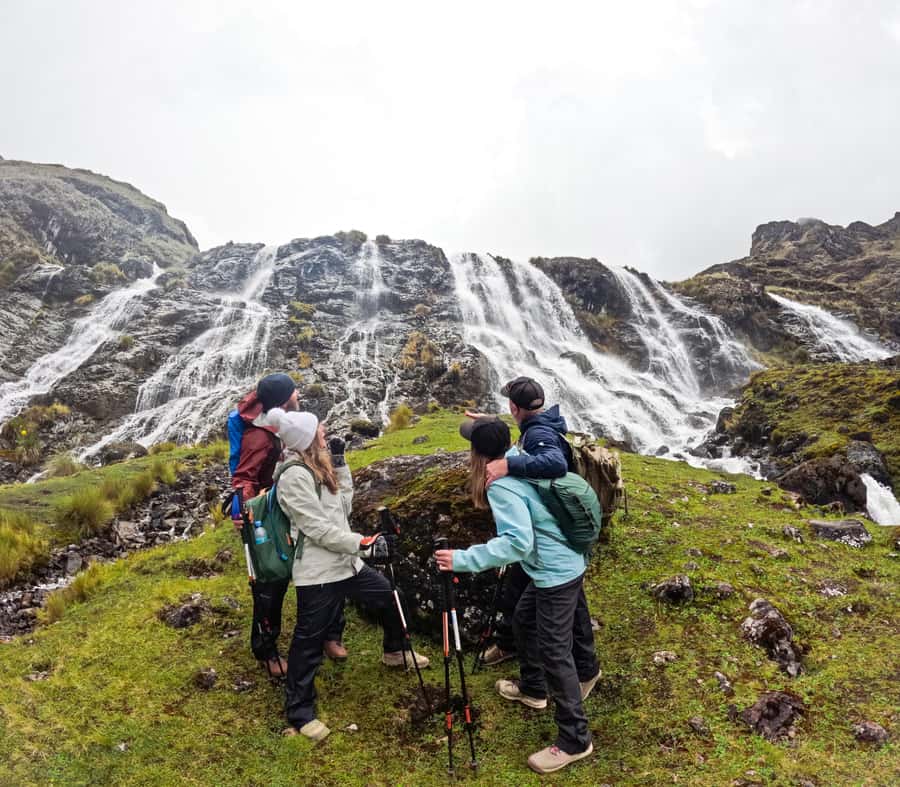
The trekking portion starts through alpaca-dotted valleys and potato fields, with stops like Kiswarani for a fresh lunch. You’ll follow a waterfall trail to your campsite at about 3,900 m, where the plan includes coca tea, dinner, and stargazing time. The stargazing is the classic Andes bonus, but the practical part is this: night temps can drop fast, so you’ll want to wear what you brought for cold.
Day 2: Condor Pass at 4,750 m, plus a village night in Canchacancha
Day 2 begins at camp with coca tea or coffee, then breakfast. You start climbing steadily through valleys with lakes and Andean wildlife, which helps keep the day from feeling like one endless upward stair-step. The best way to handle this day is slow and steady—there’s a clear logic to the route, and you’ll be happier if you keep your breathing calm.
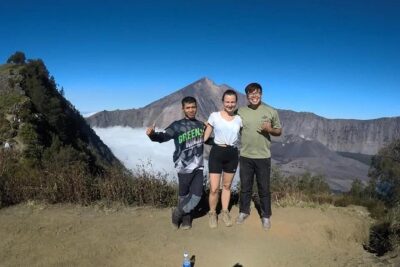
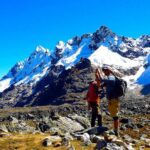
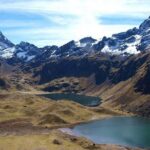
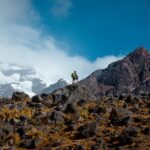
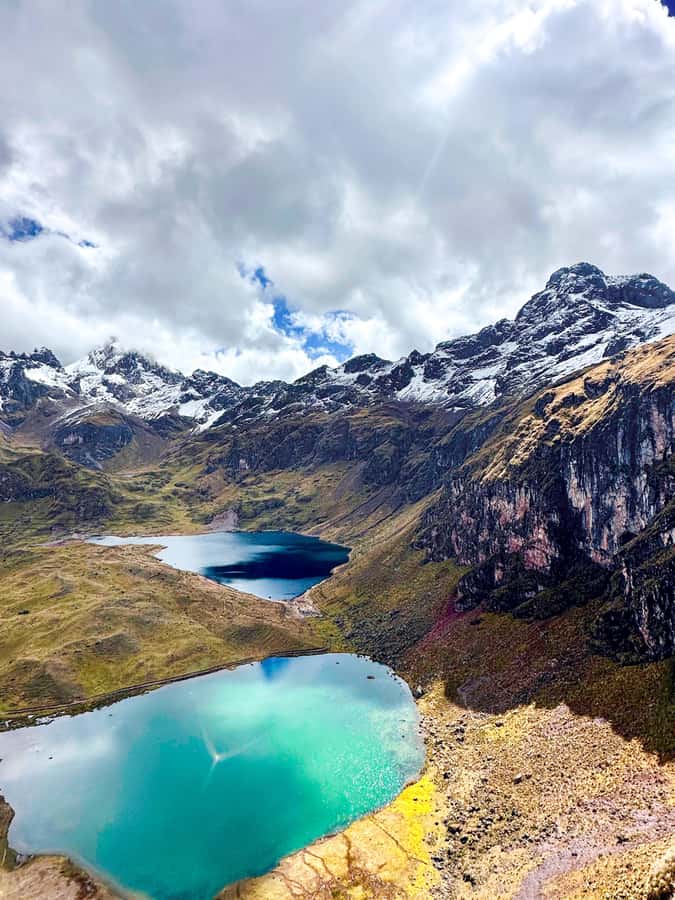
At Condor Pass (4,750 m), you’re rewarded with sweeping views of snowy peaks and turquoise lagoons. This is the emotional high point of the trek, but also the altitude test. You’ll take part in a traditional offering ceremony before descending, which adds a meaningful cultural moment right when your body feels the effects of altitude.
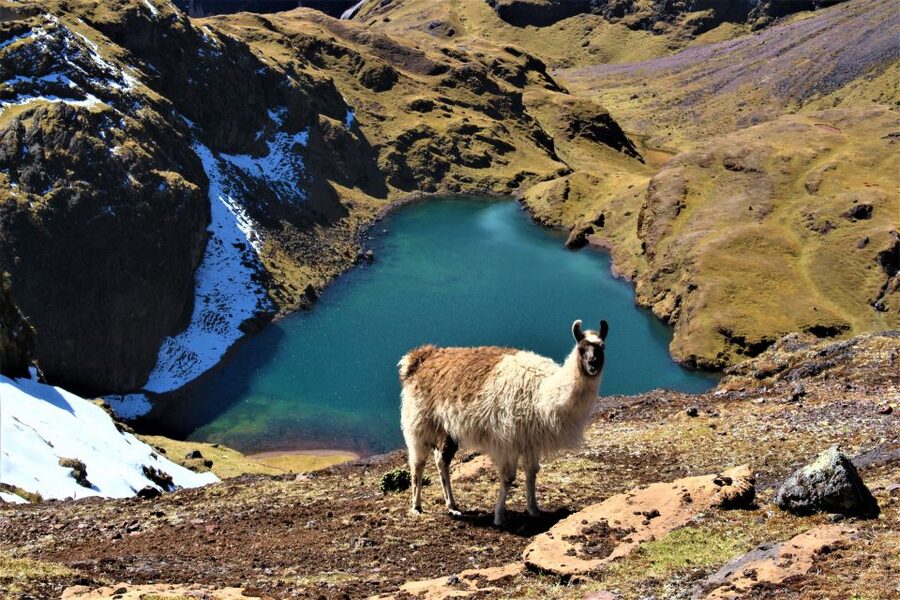
After the pass, you hike toward Acopata for a hot lunch. Then the route threads through scenic valleys where llamas and alpacas show up along the way, and you’ll finish at Canchacancha village around 3,750 m. The highlight here is meeting local families and getting a chance to learn a few Quechua phrases—small, personal interactions that make the trek feel connected to real daily life.
You’ll end the day with dinner and mountain views. This is also where you want to be honest about your energy levels. In past groups, the combination of thin air and cold nights has reduced people’s physical capacity, and the good news is the guide’s pacing can be adjusted so you don’t feel rushed.
Day 3: Sacred Valley downhill hike, Maras salt mines, and Ollantaytambo
Day 3 starts with breakfast and mountain views from the campsite area. You’ll then spend time back in Canchacancha, including visiting homes and the school, with an option to donate supplies if you brought them (or if you’re allowed to contribute through what’s arranged).
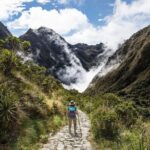
The trekking then turns into a long downhill day into the Sacred Valley, described as about a 4-hour descent. This is a relief compared with the earlier climbs, and it also changes what you see: potato fields shift toward crops like corn and avocado. The timing matters here because it’s easy to rush downhill and beat up your knees—take short steps and watch your footing.
You’ll arrive in Huaran (about 2,700 m) for a picnic lunch, and this is also where you say goodbye to muleteers and the chef. That handoff moment is more than sentimental. It signals the transition from your trek “bubble” into valley sightseeing mode.
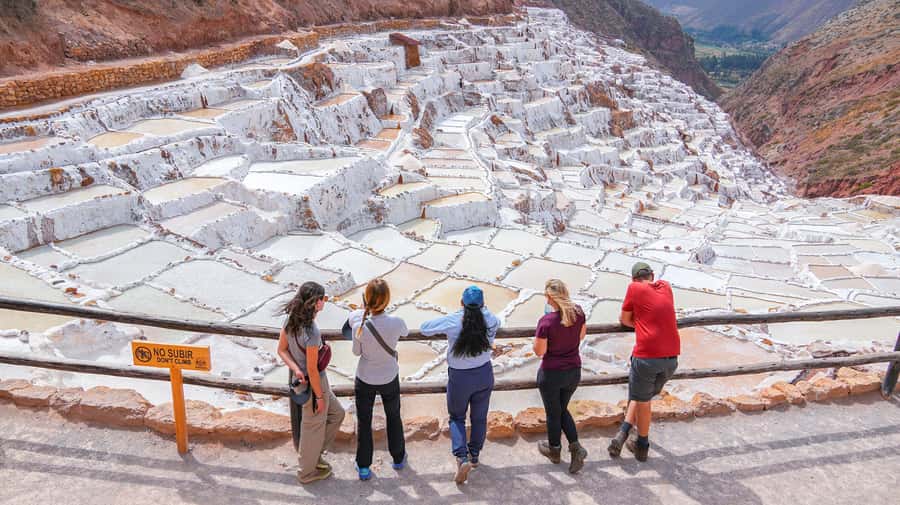
Next, you ride by private van to the Salineras de Maras salt mines. Here you learn about traditional salt harvesting, which is one of those local systems that sounds simple until you see how it’s done over time. Then you continue to Ollantaytambo, known as the last living Inca town, where you can feel how long history stays in people’s routines.
Finally, the day ends with dinner and boarding the train to Aguas Calientes, plus a night in a comfortable 3-star hotel. After two camp nights, the hotel night is a real reset, and it helps a lot on sunrise Machu Picchu day.
Day 4: Machu Picchu sunrise, a guided walk, then Vistadome back to Ollantaytambo
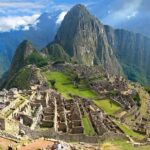
You start early with breakfast at the hotel, then catch the bus to Machu Picchu. The plan is to arrive just as the sun is rising over the citadel, which changes everything—light is kinder, crowds feel more manageable, and photos come out cleaner.
You’ll pause at iconic viewpoints for panoramic shots, then join your guide for a 2–3 hour walking tour through key parts of the site. This is not a “walk around alone” situation. The benefit is you get help connecting the architecture to daily life and Inca engineering, rather than just staring at stones and hoping it clicks.
After your guided time, you head back to Aguas Calientes for lunch and leisure. Then comes the fun travel payoff: you board the scenic Vistadome train to Ollantaytambo, followed by a private transfer back to Cusco by evening. If you’ve been climbing all week, that train ride feels like a well-timed exhale.

Price and what you actually get for about $690
At $690 per person, the value is in how many moving parts are handled for you. You’re paying for a real guided trek structure: certified guide support, entrance fees (including Machu Picchu, Maras Salt Mines, and Lares Hot Springs), meals across the trekking days, and transportation that would be annoying to coordinate yourself.
Here’s what’s especially good value:
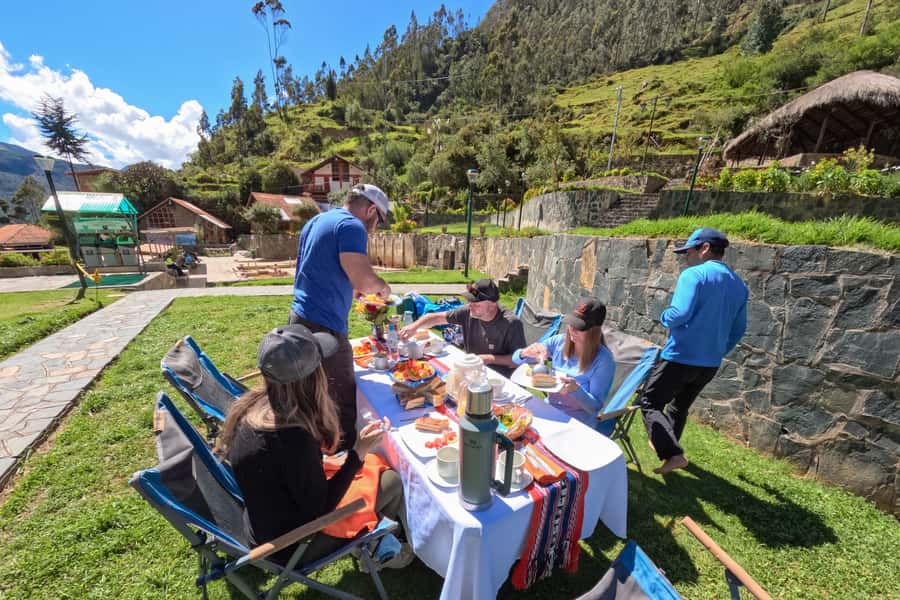
- Two camping nights + one 3-star hotel night with chefs and planned meals
- Horses and muleteers to move food and equipment
- Your camping load reduced by a personal duffle bag limit of up to 7 kg / 11 lb
- Round-trip bus to Machu Picchu and the Vistadome return train included
- Pickup and drop-off included in the Cusco area (with clear timing rules)
What’s not included helps you plan your budget too. Sleeping bag, air mattress, and trekking poles aren’t included, though you can rent them. Also, lunch on the final day in Aguas Calientes is not included, so bring some cash for that.
One practical note: the experience is listed as non-refundable, so you’ll want to book only when you’re confident about dates and fitness.
What to pack (and why altitude gear matters here)
This trek lives in the Andes, so “warm enough” and “comfortable enough” are two different things. Bring layers for cold nights at camp, plus rain gear because weather can change quickly. Also pack sunscreen and sunglasses—high altitude sun is not polite.
Your list should include:
- Passport (required; details need to be provided at booking)
- Comfortable hiking shoes (and ideally proper hiking pants)
- Sun hat, sunglasses, sunscreen
- Rain gear and insect repellent
- Camera
- Toiletries, tissues/hand sanitizer
- Cash for personal needs
If you don’t own trekking poles or a sleeping bag, you can request rentals, including an air mattress. Do that early if possible. Cold nights are one of the more common make-or-break issues, and I’d rather you show up with the right gear than gamble on being fine.
For pickup, plan to be ready 10 minutes before your scheduled time in your hotel lobby. The driver uses a sign with your last name. If your hotel is outside the Cusco district, you’ll need to go to a meeting point near the main square.
Who should book this trek, and who should skip it
This is a solid fit if you want:
- A manageable multi-day trek with campsites, not a day hike
- Real time with communities (textiles, cooperative visits, school and village encounters)
- The big finish of Machu Picchu with sunrise timing and a guided tour
- A scenic train ride that’s not just transportation
This is a poor fit if you are pregnant, have back problems, mobility impairments, heart problems, or you use a wheelchair. The route involves significant altitude and walking time, including the high Condor Pass day.
Fitness-wise, plan to be comfortable with the idea of thinner air and long days. In past groups, people found it helpful to be in decent condition going in because altitude and cold can reduce performance.
Should you book this Lares Trek to Machu Picchu with panoramic train?
If your dream is Machu Picchu, but you also want the Andes to feel like a real journey, I think this is a strong booking choice. The combo of Lares hot springs, village visits, salt mines, and then sunrise Machu Picchu gives you more than one kind of payoff.
Book it if you’re ready for altitude reality and you’ll bring cold-weather gear. Skip it if you want a purely low-effort trip, because the trek days are genuine, and the pass at 4,750 m is not a stroll.
One last practical tip: if you have dietary needs, tell the operator at booking. The way meals are handled by the trek chefs has been a highlight in the past, including for vegan requests.
FAQ
How long is the Lares Trek to Machu Picchu?
The experience runs for 4 days.
Does this include Machu Picchu entrance?
Yes, entrance to Machu Picchu is included.
Are Huayna Picchu or Machu Picchu Mountain tickets included?
No. Those are optional add-ons and entrance tickets are not included.
What kind of lodging do you get during the trek?
You get 2 nights of scenic camping and 1 night in a comfortable 3-star hotel.
Are meals included?
Yes. You get 4 breakfasts, 3 lunches, and 3 dinners. Lunch on the final day in Aguas Calientes is not included.
What about camping gear like sleeping bags?
Sleeping bag, air mattress, and trekking poles are not included, but you can rent them upon request.
How do you travel to Machu Picchu and back?
You use a round-trip bus to Machu Picchu, and the return includes the scenic Vistadome train back toward Ollantaytambo.
What languages are the guides?
The tour is guided in Spanish and English.
Who is this trip not suitable for?
It isn’t suitable for pregnant women, people with back problems, people with mobility impairments, people with heart problems, or wheelchair users.