REVIEW · KAMPALA
4 Days Gorilla and Chimps trek safari
Book on Viator →Operated by Kaara Adventures · Bookable on Viator
Some tours feel like a checklist. This one feels alive. You get gorilla tracking in Bwindi Impenetrable Forest and a chimp trek in Kibale, with expert briefings that help you read what’s happening in front of you. I also like how the trip is paced around real wildlife time, not just driving, and how guides such as Farouk, Gerard, and Tomson are described as patient with questions. The one drawback to weigh is that treks can take a while (the gorilla search can be 1–8 hours), so you’ll want moderate physical fitness and a calm attitude about moving through dense forest.
If you’re the type who wants more than a sighting photo, you’ll appreciate the extra primate and nature stops, including Lake Bunyonyi and the Bigodi swamp eco-walk. One guest even highlighted how the guide team makes you feel safe on the road, like Ronnie who was praised for that steady, reassuring style.
In This Review
- Key things to know before you go
- Why this 4-day Uganda primate trek works for first-timers
- Day 1 from Kampala to Bwindi Impenetrable Forest (plus the Equator stop)
- Day 2 gorilla tracking in Bwindi: briefing, the search, and that one-hour encounter
- Lake Bunyonyi transfer: cooling off after the main event
- Day 3 Kibale National Park and Bigodi swamp eco-tourism walk
- Day 4 chimpanzee trekking at 8:00 am: rules, half-day search, and more primates
- Broadbill Forest Camp and why lodge choice matters on primate treks
- Price and value: what $2,470 per person is really buying
- Guides on the ground: why names like Ronnie, Tomson, and Farouk keep coming up
- Practical tips that make a gorilla and chimp trek feel easier
- Should you book this 4-Day gorilla and chimps trek safari?
- FAQ
- FAQ
- What is the start time for the tour?
- How long is the safari?
- Does the price include pickup and drop-off from hotels?
- What meals are included during the 4 days?
- Is alcohol included?
- Is this a private tour or shared with other people?
- Does the tour include transportation and accommodation?
- What cancellation options do I have?
- Is the tour dependent on good weather?
Key things to know before you go
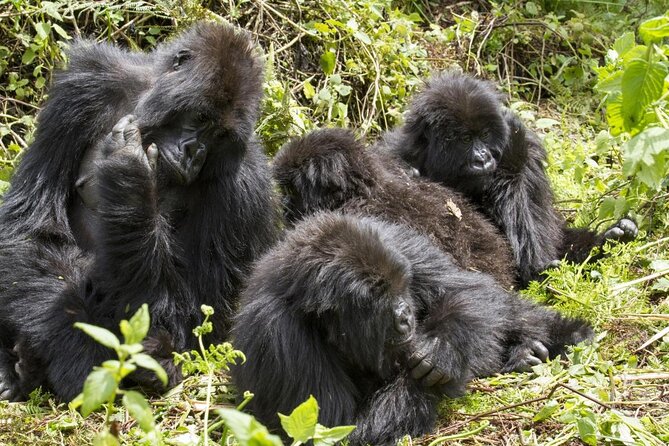
- Gorilla briefing at 7:45 am sets the tone for how the trek works and what to expect once you find them
- Gorilla time window: you’ll get one hour with the gorillas after locating the group
- Kibale + Bigodi swamp adds birds and plants, including Great Blue Turacco and Narina Trogon
- Chimp trek starts at 8:00 am with rule reminders, then a half-day search in the forest
- Service details matter: guides like Tomson, Gerard, and Farouk were singled out for being helpful and answer-focused
- Price includes the hard parts: pickup/drop-off, transport, accommodation, and your scheduled lunches and dinners
Why this 4-day Uganda primate trek works for first-timers
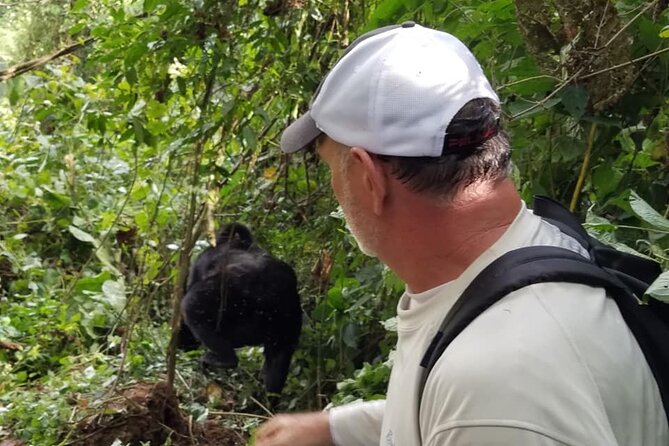
This tour is built around the two big primate moments people come to Uganda for: gorillas in Bwindi and chimpanzees in Kibale. What makes it more than a bucket list is the rhythm. You don’t just “arrive and hope.” You get briefed, you trek with guides, and you’re given real time where it counts—especially that one-hour gorilla encounter after your group is found.
The trip also makes smart use of the geography. You’re moving west from Kampala to Bwindi for the gorillas, then heading toward Lake Bunyonyi, and then north to Kibale. Along the way you’ll get human-scale breaks like a lunch stop in Mbarara and another lunch in Fort Portal. That matters because these days are long, and you’ll be happier if you eat on schedule instead of crashing from hunger.
Value-wise, the package is positioned as an all-in logistics deal for 4 days: hotel pickup and drop-off, transportation, accommodation, plus 2 lunches and 2 dinners. The big thing to keep in mind is that you’re paying for primate expertise and the day structure that makes the sightings possible—not just for a car and a room.
You can also read our reviews of more tours and experiences in Kampala.
Day 1 from Kampala to Bwindi Impenetrable Forest (plus the Equator stop)
Day 1 is the long day: you’ll leave Kampala after an early breakfast and drive roughly 9–10 hours west to Bwindi Impenetrable National Park. The drive is where the “plan” of the safari begins. You’re not going straight to gorillas with no buffer. Instead, you build toward it through a mix of stops and scenery that helps break up the distance.
One fun, photo-friendly pause is the brief stop at the Equator, where you can stand in both hemispheres at the same time. It’s a small moment, but it’s also a good reset before you go back into “long-drive mode.” Later, you’ll take lunch in Mbarara town, then continue on to Bwindi.
You’ll arrive late in the afternoon and settle in for dinner and overnight at Broadbill Forest Camp. That late arrival is not a mistake; it’s normal for this route. What it means for you is simple: don’t schedule anything intense for the evening. Get an early sleep. If you’re rested on Day 2, you’ll handle the trek day way better.
Day 2 gorilla tracking in Bwindi: briefing, the search, and that one-hour encounter
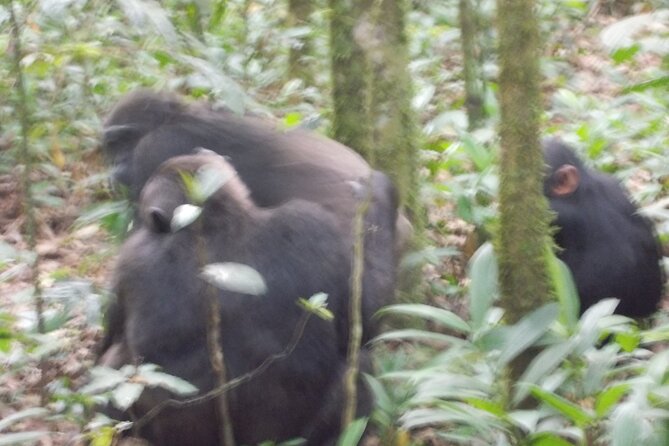
This is the day you’ve been waiting for. You’ll start after an early breakfast by heading to the park headquarters and joining other trackers for a briefing on gorilla trekking rules at 7:45 am. Those rules are important because the gorillas are wild animals in a fragile, controlled situation. Following them isn’t about “being polite.” It’s how you keep yourself and the animals safe.
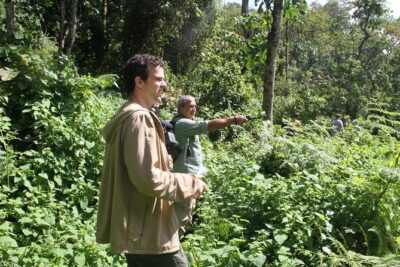
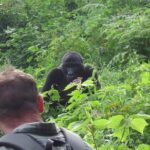
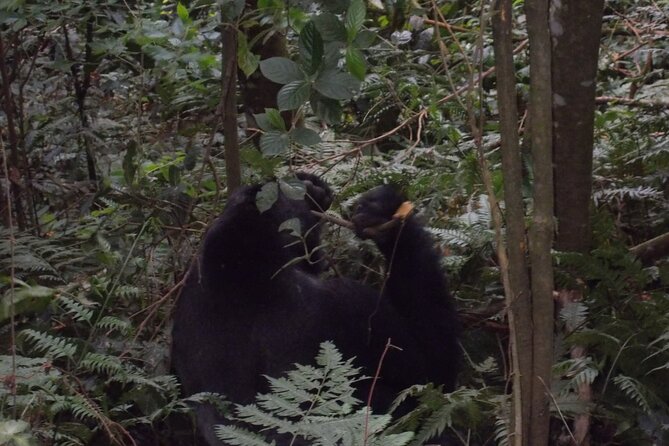
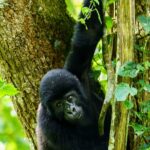
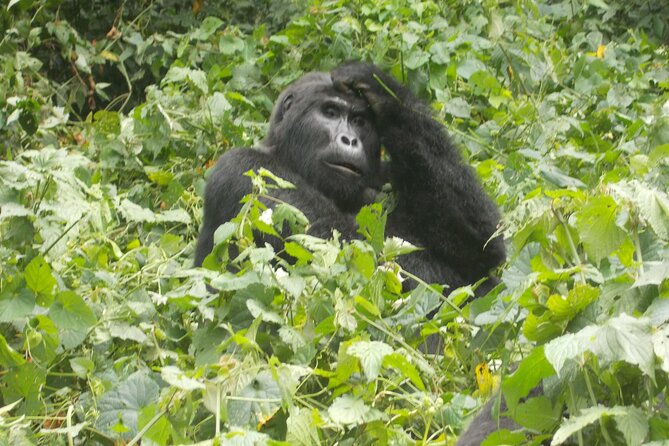
Then comes the trek. Your guide will lead you through thick vegetation and undergrowth, and the time to find the gorillas can take anywhere from 1 to 8 hours. That range is wide, and it’s worth admitting up front: wildlife timing runs the show. You’ll likely walk along animal trails that give tourists access, even though the forest feels dense.
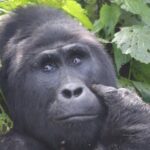
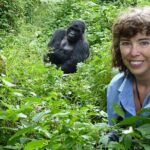
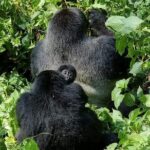
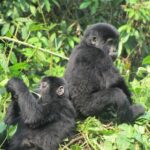
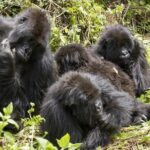
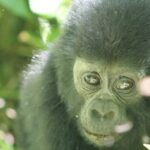
Once you locate the gorillas, you get one hour with them. That hour is the sweet spot. You’re close enough to see behavior clearly, but it’s still short enough to keep it special, not exhausting. After that, you’ll transfer toward Lake Bunyonyi.
Because Day 2 includes both a serious trek and a long travel day, you’ll want to pack for comfort and patience. Wear footwear that can handle muddy or uneven ground. And mentally plan for the day to move slower than you’d like.
Lake Bunyonyi transfer: cooling off after the main event
After gorillas, the itinerary shifts gears. You’ll move from the Bwindi area toward Lake Bunyonyi, and the driving part is described as especially scenic. This region is often called the Switzerland of Africa because of its cooler weather, even though it sits near the equator.
For you, that means a practical benefit: Day 2 can be tiring, and cooler air at Lake Bunyonyi can make the evening feel more manageable. It’s also a nice change of pace after the intense focus of gorilla tracking. Instead of only thinking about where your next footstep lands, you can start taking in the lake views and slower rhythm.
The tour’s structure here is also psychologically helpful. You already had your big primate moment, so the rest of the trip feels like a bonus rather than one nonstop push. That kind of pacing is one reason this route gets repeat love from families and solo travelers alike.
Day 3 Kibale National Park and Bigodi swamp eco-tourism walk
On Day 3 you’ll head to Kibale Forest National Park after breakfast, arriving in the early afternoon. Along the drive, you may spot the “Mountains of the Moon,” a landmark view on the road to Fort Portal. It’s one of those moments where the trip stops feeling purely logistical and starts feeling like a place you’ll remember later.
Lunch is in Fort Portal, then you go into the Kibale region for a visit to Bigodi swamp eco-tourism. This is where the tour gets fun for nature lovers who don’t only want mammals. The swamp walk is described as a chance to see uncommon plants and rare birds, with examples such as:
- Great Blue Turacco
- Little Bulbul
- Rwenzori Turaco
- Narina Trogon
I like this stop because it expands your safari brain. You’ll still be thinking primates, but your eyes also start tracking feathers, movement in shrubs, and what’s happening in wetland edges. It makes the whole day feel like more than “prime animal time.” And it’s a calmer pace after the physical effort of Day 2.
Dinner and overnight are included on Day 3, though the exact lodge name for the night isn’t fully spelled out in the details you provided. Still, the package is clear that accommodation is part of your booking, so you’re not left scrambling for nights once you reach Kibale.
Day 4 chimpanzee trekking at 8:00 am: rules, half-day search, and more primates
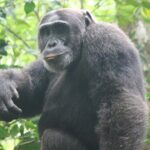
Day 4 begins with chimps, and the timing is set for an early start. You’ll go to Kibale Forest and the activity starts at 8:00 am with a briefing of the rule for trekking chimpanzees. After that, you set off to search for them in the forest.
The trek takes about half a day. That’s an ideal balance: long enough for a real search, but not so long that you’re wiped out at the end of the trip. Expect to hear and see signs before you see the animals, and know that the exact movement of chimp groups can be unpredictable.
On the way, you might spot other primates too, including:
- Grey cheeked Mangabeys
- Phoestes
- Red-Colobus
- Blue tailed and Red-tailed monkeys
A big advantage here is that your guide is there to translate the forest for you. You’ll get briefings not just on primates, but also on plants, insects, and butterflies. That kind of explanation helps you enjoy the walk even if the chimps take time to show up. It also gives you better photos, because you understand what you’re looking at.
After lunch at the lodge, you’ll head back to Kampala, arriving late in the afternoon.
Broadbill Forest Camp and why lodge choice matters on primate treks
Lodge quality isn’t just comfort. On a gorilla and chimp trek, your lodge becomes part of your success. It’s where you eat after long, physical days and where you recover before an early start.
For this itinerary, Broadbill Forest Camp is listed for Day 1 dinner and overnight. That at least gives you a real anchor for expectations on the first night, after your long drive. The other days say accommodation is included, but the lodge names aren’t fully specified in the details you shared.
What you can infer, practically, is this: because the trek days can be demanding, you’ll want a lodge with good rest, simple meals, and a location that doesn’t add extra transit time. In the feedback you shared, lodge selection was praised as good, which is comforting. People also emphasized how guides handled logistics smoothly, like keeping the group feeling safe during driving.
If you’re sensitive to sleep quality, pack earplugs and plan on early nights. You’ll be using your energy on Day 2 and Day 4, not in the lodge lobby.
Price and value: what $2,470 per person is really buying
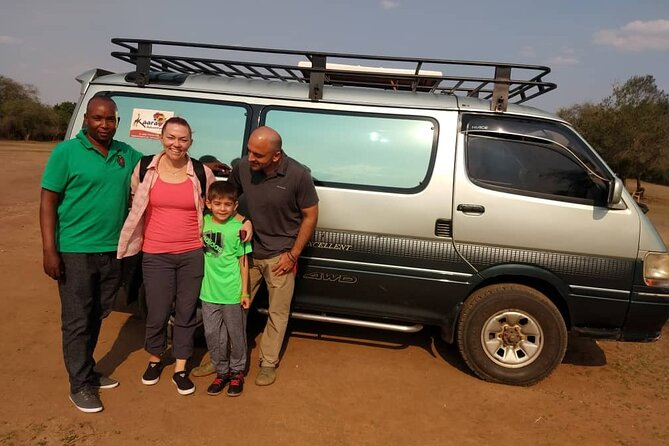
At $2,470 per person, this is not a budget safari. It’s a “pay for the whole package” trip. The good news is that the inclusions are clear and meaningful:
- Hotel pickup and drop-off
- Transportation and accommodation included
- Lunches and dinners included (2 lunches, 2 dinners)
- Private, customizable tour just for you
- Mobile ticket
- Group discounts (listed as a feature)
Alcohol is not included, which is common on safari packages. So if you drink wine with dinner or plan on cocktails, budget extra.
The biggest value driver is that primate trekking isn’t just a walk. It’s guide work, briefing work, and the ability to move through areas where access and timing matter. The guides you named in feedback (Farouk, Gerard, Ronnie, Tomson, Tom Apollo) were repeatedly praised for being helpful and supportive. When a guide is strong, your whole day feels less stressful, even when you’re still waiting for wildlife to appear.
One more detail worth noting: your itinerary notes “Admission Ticket Free” on the activity blocks shown. Still, I recommend you check your confirmation paperwork so you understand exactly what’s covered for each park activity under your final booking.
Guides on the ground: why names like Ronnie, Tomson, and Farouk keep coming up
On safari, the guide is half the experience. In the comments you shared, several guides and leaders were repeatedly mentioned with real specifics.
Ronnie gets credit for making people feel safe during the journey and being kind and steady. That matters more than it sounds, especially on long road stretches where you’re watching for comfort, timing, and stress levels.
Tomson stood out for friendliness, support, and wide knowledge. People highlighted that he answered questions and helped them get exactly what they wanted to see. Gerard also received praise for an outstanding gorilla experience and a good lodge selection.
Farouk was described as wonderful and very willing to talk about local towns and daily life in Africa. That’s a subtle kind of value. You’re not only seeing wildlife. You’re also learning how the region works beyond the forest gate.
And then there’s leadership. Several comments mention a manager named Jovia Kaara for hospitality and coordination. When you’re in a private tour set-up, that kind of responsiveness makes a difference, especially if plans shift because wildlife timing or weather can change how the day feels.
Practical tips that make a gorilla and chimp trek feel easier
First, pack for weather and for walking. You need moderate physical fitness, and the gorilla search can be long. Even if you’re fit, the forest terrain can slow you down. Wear footwear you trust, and bring layers because conditions can shift as you move between regions and elevations.
Second, plan for early mornings. The gorilla briefing is at 7:45 am, and chimps start at 8:00 am. If you don’t sleep well, you’ll feel it. Set yourself up for success with an early dinner and minimal evening scrolling.
Third, protect yourself from sun and insects. One guest specifically advised sun cream. In a forest edge and around lake areas, you’ll still want basics like sunscreen and bug protection.
Fourth, keep your camera and patience ready. The best wildlife moments usually come after waiting. When guides brief you properly, you’ll know what to do during the search, not just what to hope for.
Finally, be flexible about timing. The gorillas can take 1–8 hours to locate, and chimps can be a half-day effort that depends on where the animals move.
Should you book this 4-Day gorilla and chimps trek safari?
You should book if you want a focused primate itinerary with real guidance, not just transport. The route makes sense, the schedule protects your rest time, and the guide team quality is a recurring strength. The private, customizable format can also be a plus if you’re traveling as a couple, family, or small group that wants fewer compromises.
Skip or reconsider if you know you struggle with long, uncertain treks through dense forest. Gorilla tracking is the key risk: your time in the search depends on where the gorillas are, not on your timetable.
Also, if you want luxury as the priority, this is more about the wildlife and the trekking experience than a spa-style safari. You’re paying for primate time, logistics, and expert help on the ground.
FAQ
FAQ
What is the start time for the tour?
The tour start time is listed as 8:00 am.
How long is the safari?
It runs for 4 days (approx.).
Does the price include pickup and drop-off from hotels?
Yes. Hotel pickup and drop-off are included.
What meals are included during the 4 days?
Your package includes 2 lunches and 2 dinners.
Is alcohol included?
No. Alcohol is not included.
Is this a private tour or shared with other people?
It’s described as a private tour/activity, meaning only your group participates.
Does the tour include transportation and accommodation?
Yes. Transportation and accommodation are included.
What cancellation options do I have?
Cancellation is free if you cancel up to 24 hours in advance for a full refund. If it’s canceled due to poor weather, you’ll be offered a different date or a full refund.
Is the tour dependent on good weather?
Yes. The experience requires good weather.