REVIEW · KAMPALA
8 days Murchison Falls, Chimpanzee & Gorilla Trekking Safari
Book on Viator →Operated by Simba African Expeditions · Bookable on Viator
Uganda hits hard early. This 8-day safari mixes rhino tracking, Big Five drives, and prime primate time into one tight circuit. I like how it moves you from open savanna to river wildlife to dense forest without wasting days.
Two things I really enjoy: the chance to track white rhinos at Ziwa and the way the big wildlife moments are built around real viewing time. The only drawback to weigh is the pace: you start very early on multiple days, and the long drives between parks can feel like a lot if you prefer slower travel.
In This Review
- Key Highlights You Should Know
- Four Ecosystems, One Uganda Safari Route
- Ziwa Rhino Sanctuary Day 1: White Rhino Trek in Real Bush Country
- Murchison Falls Day 2: Morning Game Drive, Afternoon Nile Launch Cruise
- The Drive to Kibale: Why Albertine Rift Stops Matter
- Kibale Day 4: Chimp Tracking + Bigodi Swamp’s Bird and Primate Time
- Bwindi Travel Day 5: Ishasha Tree-Climbing Lions If You Get Lucky
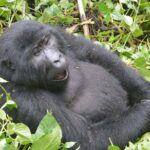
- Bwindi Day 6: Gorilla Trekking With a Strict One-Hour Limit
- Lake Bunyonyi Day 7: Canoe Relaxation on One of the Deepest Lakes
- Day 8: Back to Entebbe for Flight Time and Equator Photo Moments
- Hotels, Guides, and the Human Part of the Safari
- Permits and Meals: What’s Included (and Why That Helps Your Budget)
- Price and Value: Is $4,209 Fair for This Much Uganda?
- Who This Safari Fits Best
- Should You Book This Safari?
- FAQ
- What’s the duration of this safari?
- Where does the safari start and end?
- What permits are included?
- Are meals included?
- What isn’t included in the price?
- Is this a private tour?
- Do I get a ticket on my phone?
- Is there a cancellation window for a full refund?
Key Highlights You Should Know
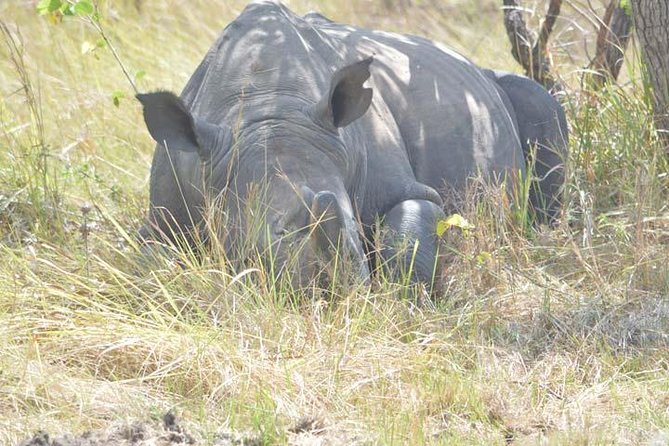
- White rhino tracking at Ziwa Rhino Sanctuary sets the tone for the whole trip
- Big Five game drive at Murchison Falls paired with a Nile launch cruise
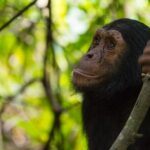
- Chimpanzee tracking in Kibale Forest with a morning briefing and forest trek
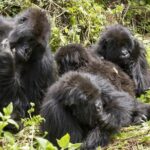
- Gorilla trekking in Bwindi with a strict one-hour limit with the gorillas
- Batwa community visit + Lake Bunyonyi canoe ride adds culture and downtime
Four Ecosystems, One Uganda Safari Route
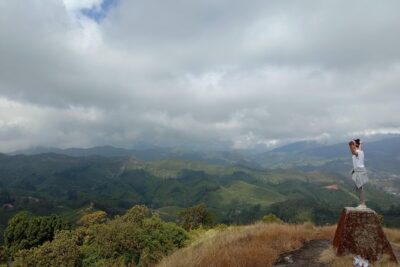
If you want Uganda at full volume, this itinerary is built for that. You get savanna animals around Murchison Falls, Nile wildlife at the falls area, chimps and birds in Kibale, and gorillas deep in Bwindi’s forest. Then you cool down at Lake Bunyonyi before flying out of Entebbe.
What makes this route work is the pacing of wildlife encounters. You’re not just driving between parks and hoping for miracles. Key days are structured around morning starts, briefings, and specific wildlife activities.
The other thing I appreciate is that it includes the permits you actually need for the primate days. That matters because chimpanzee and gorilla tracking aren’t the kind of add-ons you want to plan at the last minute.
You can also read our reviews of more tours and experiences in Kampala.
Ziwa Rhino Sanctuary Day 1: White Rhino Trek in Real Bush Country
Your first morning starts with an early breakfast, then pickup from your hotel around 7:00 am. The drive heads north toward Ziwa Rhino Sanctuary, and the day quickly shifts into a hike for tracking white rhinos.
This is a good “set your expectations” day. At Ziwa, you’re not sitting in a vehicle waiting for an animal to appear. You’re trekking close enough to track movements, while still seeing other wildlife the sanctuary supports, including hippos, bushbucks, oribis, and plenty of birds.
Practical tip: rhino tracking works best when you accept that the goal is to find signs and follow the route as conditions allow. Even when you do everything right, wildlife doesn’t run a schedule.
Later, you’ll continue on to Masindi for lunch, then roll into Murchison Falls National Park for check-in, dinner, and rest.
Murchison Falls Day 2: Morning Game Drive, Afternoon Nile Launch Cruise
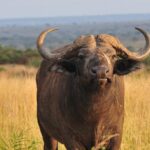
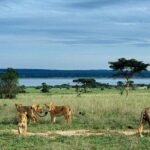
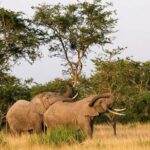
Day 2 begins early with tea or coffee around 6:00 am, then you’re out for a game drive at 6:30. The drive is set for about four hours, and the target is broad: lions, elephants, buffaloes, giraffes, plus Jackson’s hartebeests, Uganda kobs, warthogs, and lots of savanna birds.
I like this morning format because it gives you time. One short drive can feel like a tease; four hours gives you more chances to spot animals at different distances and light levels.
In the afternoon, you switch gears completely. You’ll take a launch cruise along the Nile to the base of Murchison Falls, with wildlife such as hippos, crocodiles, buffaloes, elephants, and water birds along the river. Then, at the base of the falls, you can opt for a launch-and-hike plan to reach the top of the falls. You meet the driver at the top afterward and return to your lodge.
This combo is where the route gets special. The savanna drive feels like classic safari. The Nile portion feels like a different planet—wet, busy, and full of animals that survive by sticking close to water.
The Drive to Kibale: Why Albertine Rift Stops Matter
After breakfast on Day 3, you check out and head to Kibale National Park. The drive follows the Albertine rift valley, and you’ll stop en route for lunch before continuing.
A short stop for lunch matters more than it sounds. It keeps the day from feeling like nonstop “in the car,” which is a real factor on this kind of safari. You also get to arrive with enough energy to enjoy your evening around Kibale.
You’ll stay at accommodation just outside the park, then have dinner and overnight there.
Kibale Day 4: Chimp Tracking + Bigodi Swamp’s Bird and Primate Time
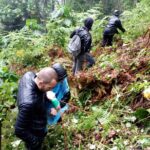
You’ll wake early again—breakfast is around 6:30 am—and then head to park offices for briefing by about 8:00 am. This briefing is important. It sets expectations for the trek and helps you understand how to move once you’re in the forest.
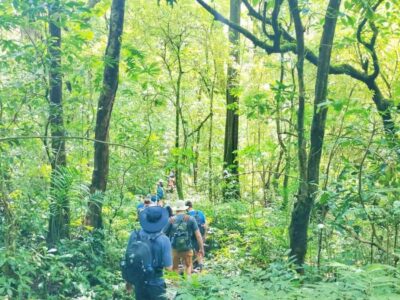
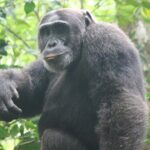
Once you’re trekking into Kibale Forest, the goal is chimpanzee sightings, and you also have a chance to see lots of other wildlife. Returning for lunch gives you a clean reset before the afternoon.
Later, you go to Bigodi Swamp for a nature walk. This is where the vibe shifts from big primates to smaller, active forest life. You’re looking for primates and birds in and around the swamp area.
For many people, chimp tracking is the main event. For me, the Bigodi walk is the “bonus day” feeling. It’s the slower pace where you can notice movement in the branches, calls you might miss from a vehicle, and the busy mix of species that keep the ecosystem running.
Bwindi Travel Day 5: Ishasha Tree-Climbing Lions If You Get Lucky
Day 5 heads south to Bwindi Impenetrable National Park. En route, you pass through the Queen Elizabeth park region called Ishasha, which is known for tree-climbing lions. The itinerary is written as a chance, not a guarantee—if you’re lucky, you’ll see them.
That’s the right way to think about Ishasha. You’re changing locations, and you’re also squeezing in a wildlife specialty that depends on behavior and timing. Even if you don’t find the lions, you still get a meaningful wildlife corridor day.
After lunch on the way, you check into accommodation in the Bwindi area for dinner and overnight.
Bwindi Day 6: Gorilla Trekking With a Strict One-Hour Limit
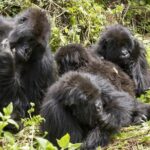
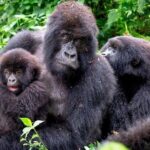
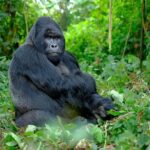
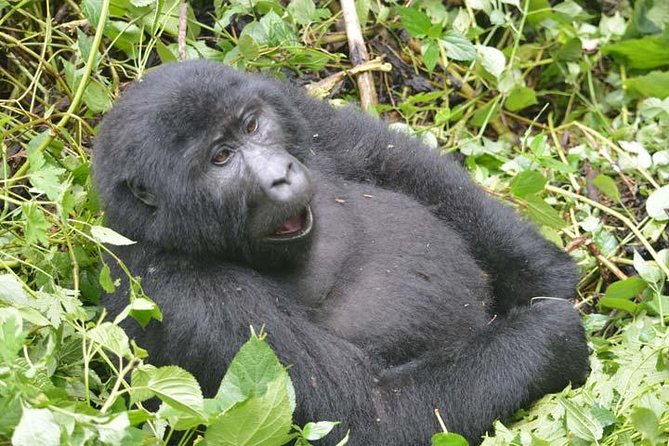
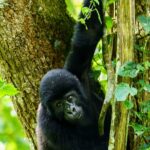
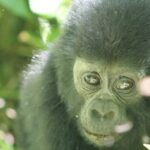
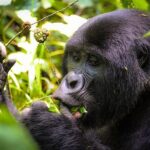
This is the centerpiece of the whole trip for most people, and the structure shows why. After breakfast, you pick up a packed lunch and head to park offices for briefing by the ranges. You’re assigned a gorilla group to track.
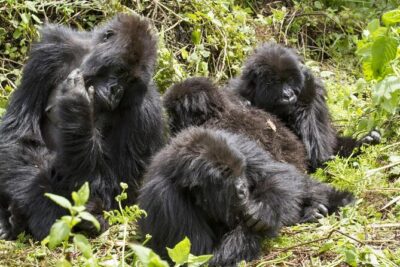
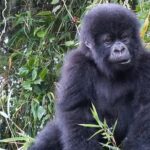
Gorilla tracking starts at about 8:00 am. Once you find your group, you’re allowed no more than one hour with them. Then you return to meet your driver, go back for a snack and refresh, and later visit a local Batwa community to learn about indigenous ways of living.
That one-hour limit matters. It keeps the encounters respectful and sustainable, and it also shapes your mindset. You don’t “do gorillas” for half a day. You focus, watch carefully, and absorb what you can during that short window.
Also, note the emotional design of this day. The gorilla trek is intense. The Batwa community visit is grounded. It turns the experience from wildlife viewing into a fuller understanding of people and place in the region.
Lake Bunyonyi Day 7: Canoe Relaxation on One of the Deepest Lakes
On Day 7, you shift from trekking and tracking to rest. You transfer to Lake Bunyonyi, arrive for lunch, then relax for the afternoon. Later you take a canoe ride on one of the deepest lakes in the world.
You can ride the canoe yourself or go with a guide. Either way, this is a “reset day” built into the itinerary.
I like this kind of break because it prevents fatigue from turning your last big moments into a blur. By the time you reach Lake Bunyonyi, you’ve already had major wildlife days. Canoeing gives you quiet water time and a chance to process what you saw.
Day 8: Back to Entebbe for Flight Time and Equator Photo Moments
Your final day is straightforward. Wake up, have breakfast, then check out and drive back to Entebbe. Lunch is en route, and you’ll stop at the Equator point for picture moments.
This day is designed to fit an evening flight back home, or to drop you off at your desired destination. If you’re tying the safari to a strict flight schedule, this is the day where you’ll want to be extra clear with your timing and pickup plan.
Hotels, Guides, and the Human Part of the Safari
A safari isn’t only animals. It’s also who you spend the long hours with.
Across the feedback, what comes up again and again is professionalism and friendliness. People also praised patience and a guide who tries hard to meet your needs and still keep the plan moving. In at least some trips, a guide named Meddie Buwendo stood out for being helpful and focused on getting the best experience. Another driver-guide named Tom was also described as patient and positive.
That matters because the schedule depends on cooperation: early mornings, long drives, and briefings that keep everyone safe. When the guide-driver team communicates well, you spend less time wondering what happens next and more time enjoying what’s in front of you.
Permits and Meals: What’s Included (and Why That Helps Your Budget)
This safari includes one chimpanzee tracking permit and one gorilla tracking permit. It also includes meals: breakfast (7), lunch (8), and dinner (7).
For budgeting, this is a real advantage. Primate permits are a major cost category on these kinds of journeys, and having them included reduces the risk of surprise expenses later. It also means your day planning feels clearer: you’re not negotiating extra meal bills or scrambling for permit logistics during the trip.
One item not included is airport or departure tax. That’s the only major “watch for this” note in the provided details.
Price and Value: Is $4,209 Fair for This Much Uganda?
At $4,209 per person for about 8 days, the value comes down to concentration. This route packs multiple high-demand activities into a single trip: rhino tracking, Big Five game viewing, a Nile launch cruise, chimp trekking, and gorilla trekking.
When permits are included and meals are covered for most of the trip, your spending becomes more predictable. You’re paying for experiences that are restricted by permits and park rules, not just for transportation.
The other value factor is time. You’re not piecing together separate trips. You’re moving across Uganda with a plan that links parks efficiently enough to keep your “big moments” from getting scattered across weeks.
If you’re the type who hates early mornings and long drives, the pace might feel steep for the price. If you like structure and you want maximum variety without doing a second trip later, it’s easier to see why this route gets booked well in advance.
Who This Safari Fits Best
This works best for you if:
- You want multiple signature wildlife experiences in one run
- You’re comfortable with early starts
- You value having chimp and gorilla permits handled as part of the plan
- You like pairing wildlife with a cultural stop (Batwa community) and downtime (Lake Bunyonyi canoe)
It may be less ideal if you’re hoping for a slow, lounge-focused holiday. The itinerary is active, and the travel days are real.
Should You Book This Safari?
I’d tell you to book if your main goal is to check off Uganda’s wildlife highlights in a single, well-organized circuit. The combination of Ziwa rhino tracking, Murchison’s Big Five and Nile cruise, Kibale chimps, and Bwindi gorillas is a lot to fit into eight days, and it’s the kind of concentration that usually turns into life-long memories.
I’d also book if you care about how the trip feels day-to-day. The reported strengths—helpful admin support, friendly guide-driver energy, and patience—are exactly what you want when the schedule includes treks, briefings, and long drives.
If you dislike early mornings or you’re sensitive to fatigue, think hard before committing. This trip is built for people who want to get up, go out, and make the day count.
FAQ
What’s the duration of this safari?
It’s listed as 8 days.
Where does the safari start and end?
It starts in Kampala, Uganda. On the last day you travel back to Entebbe for an evening flight, or you can be dropped off at your desired destination.
What permits are included?
One chimpanzee tracking permit and one gorilla tracking permit are included.
Are meals included?
Yes. Breakfast is included 7 times, lunch 8 times, and dinner 7 times.
What isn’t included in the price?
Airport or departure tax is not included.
Is this a private tour?
Yes. It’s described as private, with only your group participating.
Do I get a ticket on my phone?
The tour notes say features include a mobile ticket.
Is there a cancellation window for a full refund?
Yes. You can cancel up to 24 hours in advance for a full refund. If you cancel within 24 hours of the start time, the amount paid is not refunded.