REVIEW · DHARAMSALA
Indrahar Pass Trek with Manu Adventures India
Book on Viator →Operated by Manu Adventures India · Bookable on Viator
One ridge, one big payoff: Indrahar Pass near Dharamshala. This 4-day Himachal trek starts in McLeodganj and walks you through Triund, past Lahesh Cave and Laka, then up toward a high Himalayan pass at about 4,342m in the Dhauladhar range.
What I like most is how the route mixes classic Dharamsala viewpoints with a real high-pass day. I also love the setup: you get meals (breakfast, lunch, dinner, plus snacks and tea/coffee) and you sleep in tents—so you’re not spending the whole trip figuring out basic comforts.
The main drawback to consider is that the trek asks for a strong fitness base and good conditions. The higher you go, the more weather and footing matter, and you’ll want to confirm what gear (especially for cold or icy ground) you should bring or expect.
In This Review
- Key highlights to know before you go
- Indrahar Pass Trek: what makes this route special from Dharamshala
- Route walk-through: McLeodganj to Triund to Lahesh Cave to the pass
- Leg 1: McLeodganj to Triund through Dhramkot and Galu Devi
- Leg 2: Triund to Lahesh Cave via Laka
- Leg 3: Lahesh Cave toward Indrahar Pass on the north east ridge face
- What’s included (and why it matters on a 4-day trek)
- Meeting point, timing, and the practical flow
- Guide style and safety: what to expect from Manu Adventures India
- Price and value: is $108.15 a fair deal for this trek?
- Fitness and gear reality for Indrahar Pass
- Who should book this trek (and who might not)
- Should you book Indrahar Pass with Manu Adventures India?
- FAQ
- Where is the meeting point for the Indrahar Pass trek?
- What time does the trek start?
- How long is the Indrahar Pass trek?
- What does the package include?
- What is not included?
- Is a mobile ticket provided?
- What are the requirements for travelers?
- What happens if the weather is poor?
Key highlights to know before you go
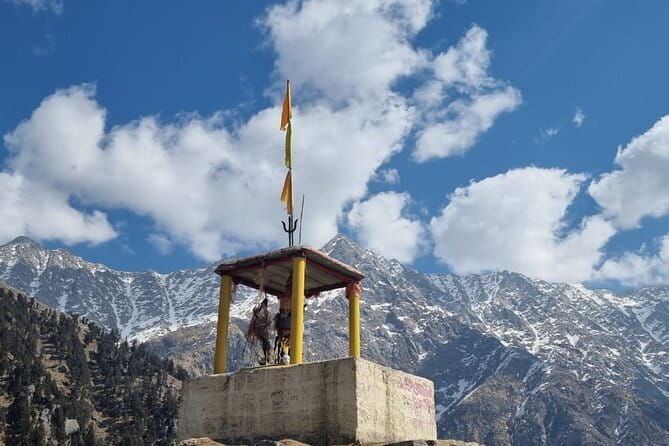
- McLeodganj to Triund via Dhramkot village and Galu Devi for sweeping Kangra Valley views
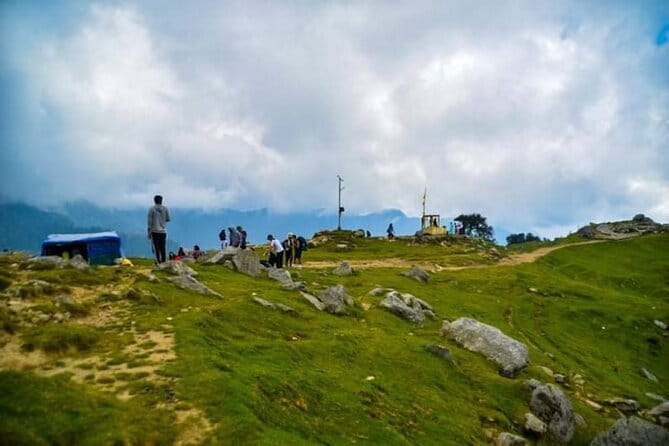
- Lahesh Cave + Laka route through a meadow scattered with boulders before the pass push
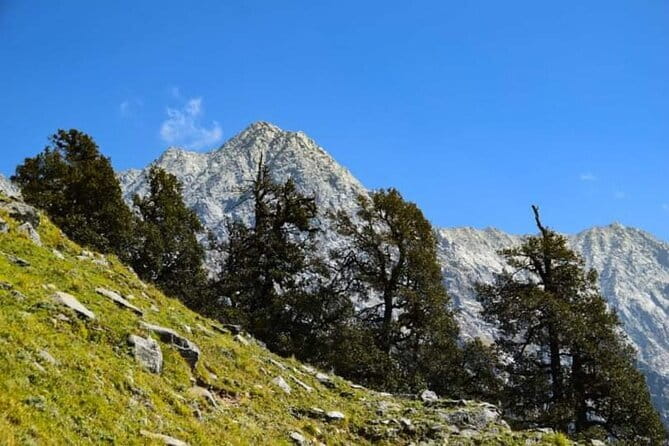
- The Indrahar Pass approach across rocks on the north east ridge face, with steep walls nearby
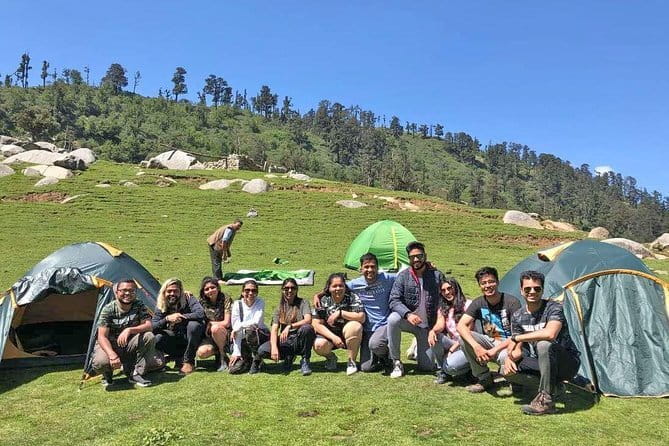
- 3-night tent camping style with included breakfasts, lunches, dinners, and snacks
- Small group feel with a maximum of 21 travelers
- Good-weather dependent planning with an alternative date or refund if conditions fail
Indrahar Pass Trek: what makes this route special from Dharamshala
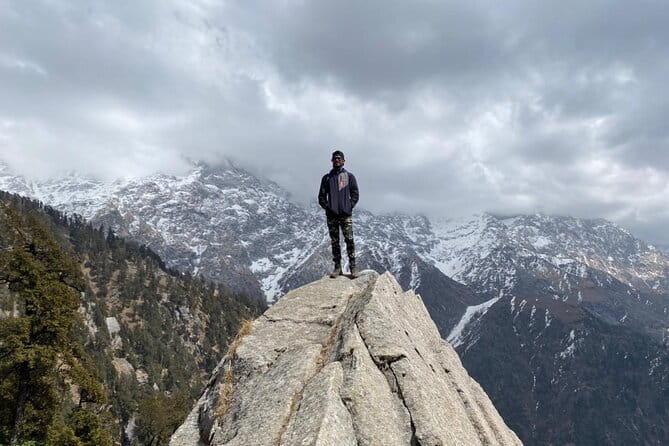
Indrahar Pass sits in the Dhauladhar range near Dharamshala, at roughly 4,342 meters. It forms a boundary between Kangra and Chamba districts, so you’re not just hiking scenery—you’re crossing a real geographic line in the mountains.
The trek’s first charm is the Dharamsala start. You begin in McLeodganj, known as the seat of the Dalai Lama, then gradually shift from foothill trails into higher terrain. That transition matters because it helps you settle into altitude work without jumping straight into the hardest day.
The second thing I like is the way the route is built around “layers” of viewpoints. You get the Triund experience—big valley views over Dharamshala below—then you move toward Lahesh Cave and the Laka area, and finally you tackle the pass section. It’s a progression that feels earned, not just a single long grind.
You can also read our reviews of more tours and experiences in Dharamsala.
Route walk-through: McLeodganj to Triund to Lahesh Cave to the pass
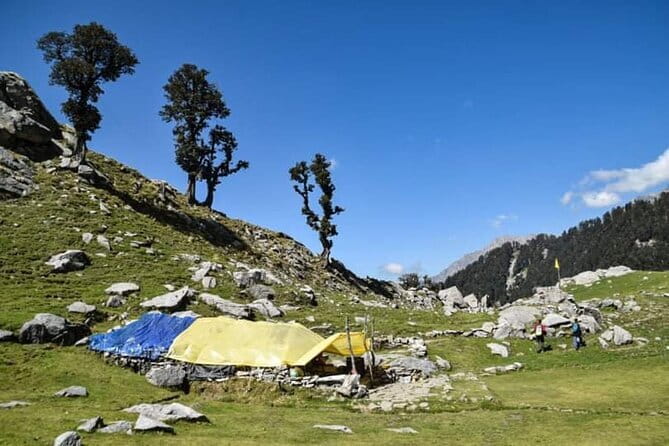
Your trek’s spine is clear: McLeodganj to Triund first, then onward toward Lahesh Cave via Laka, and finally the walk to Indrahar Pass.
Leg 1: McLeodganj to Triund through Dhramkot and Galu Devi
You’ll start from McLeodganj and head toward Triund at about 2,875 meters. The route goes via Dhramkot village and Galu Devi, two spots that help break up the climb and add local texture to the day. This section is often described as easy to moderate, which is exactly what you want early on—enough work to warm up your legs, without draining you before the bigger movement.
What you’ll feel here is the shift in air and visibility. As the trail climbs, Dharamshala and the Kangra Valley start to open up beneath you. If you like photos, you’ll understand why Triund is a trekking staple: it gives you a wide-angle perspective that’s hard to recreate elsewhere in India.
Possible consideration: expect a steady “trail time” day. If you want frequent, dramatic breaks, you might have to work for them with your own pacing and water/food rhythm.
Leg 2: Triund to Lahesh Cave via Laka
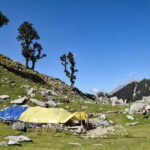
From Triund, the trail bends toward Lahesh Cave using Laka as part of the route. You’ll pass through a meadow dotted with boulders, which can be fun to walk over but also makes footing a bit more attention-demanding than a smooth path.
This is where the trek starts to feel more “mountain” in the best way. The scenery becomes more rugged, the air tends to feel sharper, and the day has that slow-building sense that you’re approaching the high ground. Lahesh Cave is also a meaningful milestone on the way to the pass, because it’s a point where the terrain starts to look more serious.
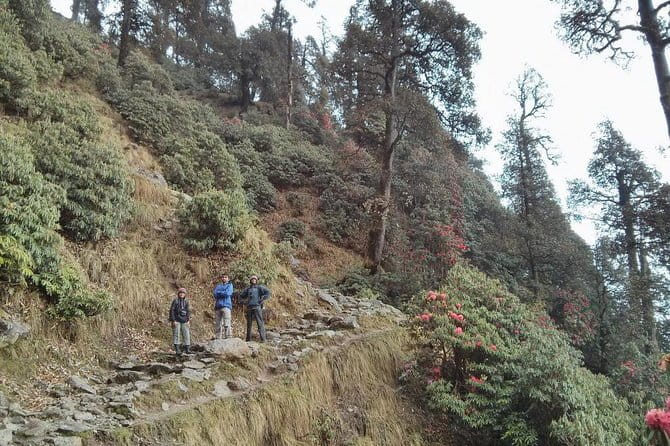
Possible consideration: because the route includes rocky and boulder-strewn sections, you’ll want shoes with solid grip and ankle support. Trekking footwear isn’t a luxury on this one.
Leg 3: Lahesh Cave toward Indrahar Pass on the north east ridge face
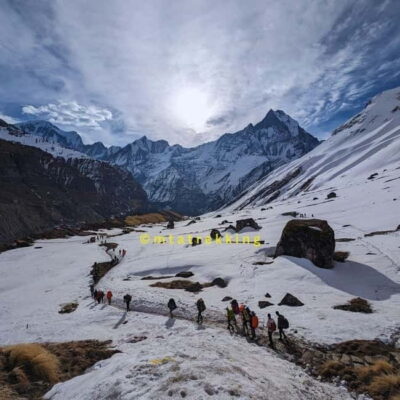
From Lahesh Cave, your pass day begins. You’ll walk over rocks straight on the north east face of the ridge, keeping the steep wall of Mon to your right. That kind of description matters: it tells you the terrain isn’t just “a trail that goes up.” You’re dealing with exposed rocky ground and sustained attention on balance.
The route then continues over the crest and brings multiple ascents. Even if you’re fit, this is the part where pacing becomes everything. Slow and steady usually beats fast starts here.
If the weather is clear, the views from the pass area are exactly the kind that make people remember the effort. If the weather turns, you’ll still get something valuable: a strong sense of achievement and a better understanding of how Dhauladhar’s ridges operate.
What’s included (and why it matters on a 4-day trek)
This trek is built to keep logistics simple once you’re on the trail.
You’ll have:
- Breakfast, lunch, dinner
- Snacks and coffee and/or tea
- Tents for sleeping
That’s a lot more than “some meals.” It’s real trip value because it prevents a common trekking trap: spending your energy (and money) on gaps in food, gear, and comfort. When meals are handled, you can concentrate on hydration, pacing, and rest—three things that make the difference between finishing strong and finishing wrecked.
Also, sleeping in included tents supports a more authentic camping rhythm. You’re not in a hotel schedule. You’re living on the trek’s timing: eat, hike, rest, repeat.
One note: private transportation isn’t included. The experience starts back at the meeting point, so you should plan how you’ll get there and how you’ll return without relying on someone else’s car.
Meeting point, timing, and the practical flow
Your meeting point is Manu Adventures India, Bhagsu Nag, Dharamshala, Himachal Pradesh 176219. The start time is 9:00 am, and the trek ends back at the meeting point.
Starting in the morning is a practical choice for a high-altitude trek. It gives you more stable daylight, more time to adjust if the route conditions change, and more breathing room if you need a slow stretch break on the rocky sections.
The group size is capped at 21 travelers, which usually means you’re not stuck with a huge, slow-moving crowd. Smaller groups tend to move with fewer bottlenecks and more flexibility for route tweaks when conditions require it.
Guide style and safety: what to expect from Manu Adventures India
Manu Adventures India runs the experience, and the name “Manu” comes up directly in feedback. In at least some cases, guides named Manu and Anil have been mentioned as part of the team, which suggests an operation with consistent leadership rather than rotating strangers.
What I value in a guiding company for treks like this is not just “guides exist,” but whether the team supports you when plans meet reality—like weather, slower hikers, or tricky trail sections. The best sign here is that the trek is positioned as guided from start to finish and is organized with food and tent lodging included.
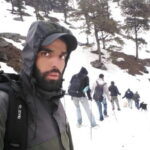
Still, here’s the thing I’d treat as non-negotiable: ask specific questions about cold or icy conditions. One prior booking raised a concern about snow equipment not being offered before departure. Even if that turns out to be an edge case, it’s smart to confirm what you should bring for your trip dates—especially if you’re going in a season when snow or ice could appear on higher ridges.
Price and value: is $108.15 a fair deal for this trek?
At $108.15 per person, this trek is fairly priced for what you’re getting—especially because the package includes multiple meals and tents. Many cheaper-looking treks fall apart once you add the cost of food, sleeping setup, and basic trail support.
Here’s how I’d think about value:
- If you can’t easily source trekking meals and tent lodging on your own at the same level of organization, the package price becomes a bargain.
- If you’re traveling light, having tents and meal planning included saves you from carrying extra gear or dealing with unclear food options.
- If you already have good trekking setup and you’re experienced, you may feel the “extra service” mostly shows up as convenience. But for first-timers, that convenience can protect your enjoyment.
So yes, I think this price makes sense if you want a guided, structured trek with real trail-day support. It’s not the cheapest option, but it’s also not priced like a luxury expedition—more like a practical mountain experience.
Fitness and gear reality for Indrahar Pass
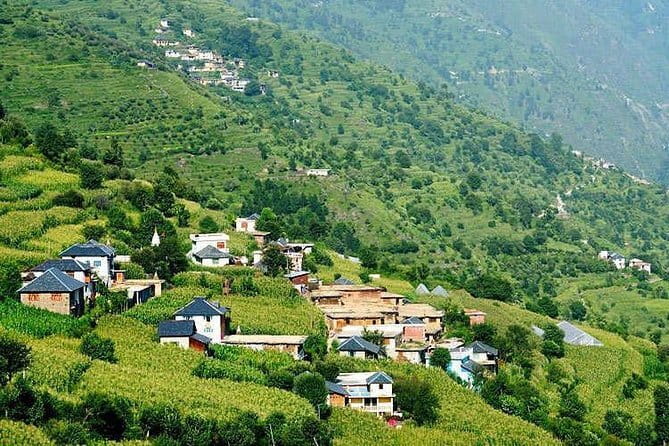
The experience description is straightforward: you should have a strong physical fitness level. That matters because Indrahar Pass involves multiple ascents and a rocky ridge approach.
What “strong fitness” should mean in practice:
- You can hike for hours with only short breaks.
- You can handle uneven footing without rushing.
- You can keep your breathing under control during steep segments.
Gear-wise, you’ll want to plan for cold at high altitude and for rocky footing. The description already hints at it: rocky terrain toward the pass, and a meadow with boulders earlier. Footwear grip is critical, and so is having layers that you can adjust as the day warms and cools.
Also, remember: this is a good-weather dependent experience. Even if you’re fully prepared, the mountains don’t care about your schedule. The operator may offer a different date or a full refund if conditions are poor.
Who should book this trek (and who might not)
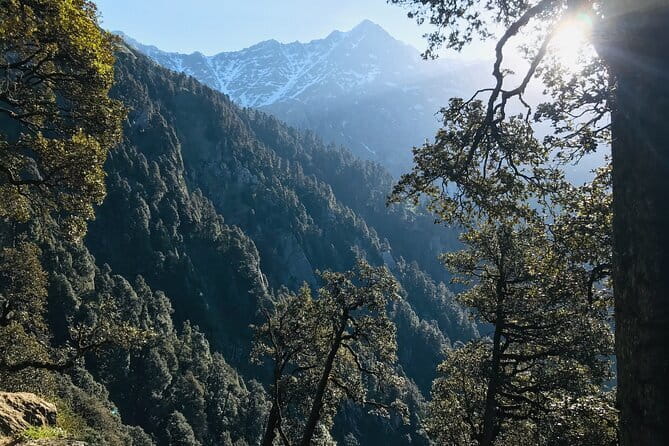
This trek is a good match if:
- You’ve done at least a few hikes and can walk for long stretches.
- You want the Triund-to-pass progression and not just a single viewpoint day.
- You’d rather focus on trekking than on meal planning and tent arrangements.
You might reconsider if:
- You’re looking for an easy, casual hike with minimal rocky sections.
- You’re sensitive to altitude or haven’t built up hiking stamina.
- You don’t have time buffers for weather-driven changes.
One more fit check: the trek allows service animals, and it’s described as near public transportation. If you’re planning logistics around accessibility needs or specialized support, it’s worth coordinating early so your arrival day goes smoothly.
Should you book Indrahar Pass with Manu Adventures India?
If you want a structured, guided trek around Dharamshala with real camping and meals handled, I think this is a strong option. The route has a classic start (McLeodganj), a well-known viewpoint stretch (Triund), and a higher, more demanding pass day toward Indrahar Pass with clear geographic character in the Dhauladhar range.
I’d book if:
- You have the fitness to handle multiple ascents and rocky ridges.
- You’re comfortable with a trek that depends on good weather.
- You prefer the simplicity of included food and tents.
I’d hesitate if:
- You’re not ready for steep rocky sections.
- You’re going at a time when snow/ice is likely and you haven’t confirmed gear expectations.
- You want private transport provided directly as part of the package.
If you’re prepared and you like the idea of earning high-altitude views step by step, this trek can be the kind of Himalayan trip that sticks with you for the right reasons.
FAQ
Where is the meeting point for the Indrahar Pass trek?
The trek meets at Manu Adventures India in Bhagsu Nag, Dharamshala, Himachal Pradesh 176219, India.
What time does the trek start?
The start time is 9:00 am.
How long is the Indrahar Pass trek?
The duration is listed as 4 days (approximately).
What does the package include?
It includes coffee and/or tea, breakfast, lunch, dinner, snacks, and tents.
What is not included?
Private transportation is not included.
Is a mobile ticket provided?
Yes, the experience includes a mobile ticket.
What are the requirements for travelers?
Travelers should have strong physical fitness. This tour also requires good weather, and it’s noted as having a maximum group size of 21 travelers.
What happens if the weather is poor?
This experience requires good weather. If it’s canceled due to poor weather, you’ll be offered a different date or a full refund.