REVIEW · DHARAMSALA
McLeod Ganj: Triund Trek with Manu Adventures India
Book on GetYourGuide →Operated by Manu Adventures India · Bookable on GetYourGuide
Triund trek is short, but the views hit hard. This two-day climb from McLeod Ganj pairs Bhagsunag waterfall with starlit camp vibes, then hands you big Dhauladhar panoramas from near the top. It’s one of those trips where you get a real Himalayan feel without needing a week off.
I especially like the way this route mixes instant scenery with small breaks. You pass the big Bhagsunag waterfall, then you reach Triund and the Kangra Valley outlook feels like a reward, not a tease. I also like the comfort you get for the price: dome tents, warm night setup, and veg meals on trek.
One thing to think about: it’s not a stroll. The trail has a few steeper sections, and guides strongly suggest a walking stick for the uneven ground.
In This Review
- Key highlights worth the hype
- A fast taste of Himalayan trekking near McLeod Ganj
- Starting point at Manu Adventures India: your day begins at 10:00 am
- Day 1 route: Bhagsu Nag to Triund (about 7 hours total on trek time)
- Bhagsunag waterfall stop and why it breaks the climb up nicely
- Cafes every so often: handy if you get low on energy
- Triund arrival: the viewpoint that makes the effort feel worth it
- A note on difficulty (and why a stick helps)
- Camping at Leta Village Camps: dome tents, warm nights, and a bonfire meal
- Day 2: sunrise is the big moment, and you start early
- Leta Village Camps back to Bhagsu Nag: early finish, waterfall time, and town freedom
- Price and value: what $18 covers (and what it doesn’t)
- Guides and the small stuff that makes it feel real
- What to bring: pack for cold mornings and rocky footing
- Who this trek suits best (and who should reconsider)
- Should you book the Triund trek with Manu Adventures India?
- FAQ
- How long is the Triund trek with Manu Adventures India?
- What time do we start from Manu Adventures India?
- Where does the trek go on Day 1 and where do we sleep?
- What meals are included during the trek?
- Is transportation to and from the trek included?
- Are tents provided and do they include warm sleeping gear?
- What should I bring for the trek?
Key highlights worth the hype
- Bhagsunag waterfall stop: the big waterfall moment near McLeod Ganj
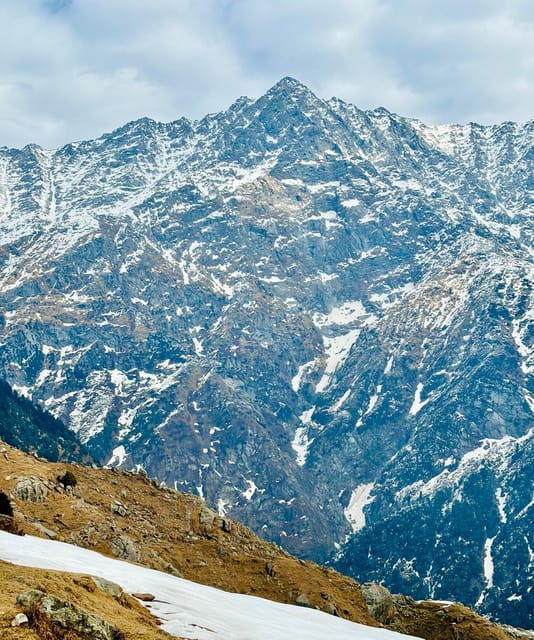
- Triund viewpoint at about 2,875 m with Dhauladhar range views
- Dome-tent camping at Leta Village Camps for a true overnight feel
- Sunrise session with early wake-up and hot breakfast
- Regular snack options along the way for water and light bites
- English-speaking team with a professional trek leader and support staff
A fast taste of Himalayan trekking near McLeod Ganj
McLeod Ganj sits in Himachal Pradesh, close enough that you can actually do a proper trek without spending your whole trip just getting there. This Triund trek runs for 2 days, and it’s built for people who want a real hike, but still need to be back in town early enough to enjoy Dharamsala afterward.
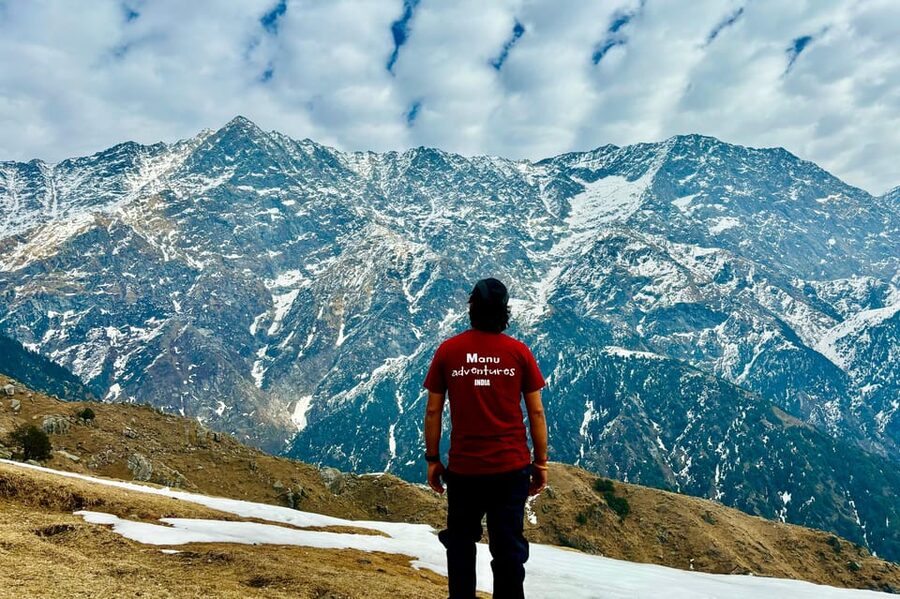
What makes this trek feel special is the mix of things happening in the same day. You’ve got village crossings, a standout waterfall, ridge walking, then a hilltop payoff that looks out over snow-capped peaks and the Kangra Valley side. And at night, the focus shifts to simple camp pleasures: dinner, a bonfire, and looking up at stars.
You can also read our reviews of more tours and experiences in Dharamsala.
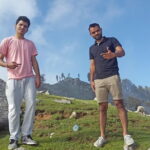
Starting point at Manu Adventures India: your day begins at 10:00 am
Your trek starts at the Manu Adventures India office at 10:00 am. That timing matters. You don’t have to wake up before sunrise just to get moving, but you’re still starting with daylight in your favor for the first climbing stretch.
The group route begins from the upper Bhagsu area. You’ll cross through village zones before you reach the waterfall. That early transition from town life to trail life is part of the charm. You see how local areas and trekking paths connect, then you gradually trade city noise for mountain quiet.
Day 1 route: Bhagsu Nag to Triund (about 7 hours total on trek time)
Day 1 is the climb: Bhagsu Nag to Triund (around 2,875 m) and onward to Leta Village Camps for the night. The trekking time is roughly 7 hours in the “Triund” block, which is a good reality check. You should expect steady effort, not constant flat walking.
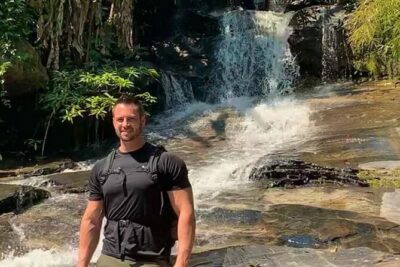
The route goes via upper Bhagsu, then onward toward Bhagsunag waterfall, which is described as the biggest waterfall of the area. After that, you continue up through Katrani Dhar toward Triund. The guide’s job here is important: they keep the pace manageable and help the walk stay interesting with local stories and context, so you’re not counting every step in silence.
Bhagsunag waterfall stop and why it breaks the climb up nicely
This is one of the clearest “you’re on the right trail” moments. Bhagsunag isn’t just a random stop. It’s the main waterfall hit near McLeod Ganj, and it gives your day a landmark. You’ll reach it after crossing the village area, and it works like a mid-trek reset before you push higher.
Right after the waterfall, there’s a chill break at Shiva Café for snacks. This is practical, not fancy. It helps you top up before the uphill continues, and it also gives you a chance to catch your breath while still feeling like you’re part of the day’s rhythm.
Cafes every so often: handy if you get low on energy
One helpful detail on this route: you can find cafés to buy snacks and water about every 20 minutes. That doesn’t mean you can skip bringing supplies, but it does lower the stress level if you run out of something. Still pack a basic plan, because café stops depend on what’s open and what you feel like eating.
Triund arrival: the viewpoint that makes the effort feel worth it
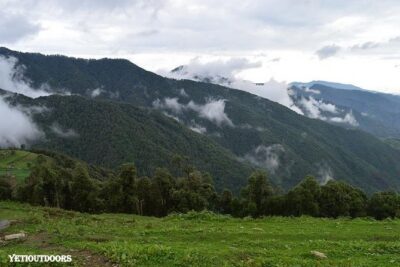
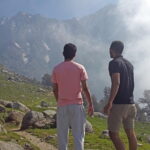
Triund is the goal. When you get there, you don’t just stand around. You spend time taking in the view, getting photos, and soaking up the quiet. The setting is known for looking out across snow-capped Dhauladhar scenery on one side and the Kangra Valley on the other.
Triund can feel like a switch flips. During the climb, you’re focused on footing and pacing. At the top, the mental mode shifts to “slow down.” You’ll want a camera ready, but also time to simply watch clouds drift over mountain ridges.
A note on difficulty (and why a stick helps)
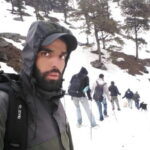
Even if the trek is described as one of the easier Himalayan options, it still has some steep, uneven parts. That lines up with what I’d tell a friend: take it seriously even if you’ve hiked before. One of the best pieces of advice from guides is to bring a walking stick or hiking poles. It helps on varied terrain and can reduce slips when the ground gets awkward.
If you’re truly brand-new to hiking, you might find this harder than the “short trek” label suggests. People do it, but plan for effort, not a casual walk.
Camping at Leta Village Camps: dome tents, warm nights, and a bonfire meal
After Triund, Day 1 doesn’t end the moment you reach the top. You trek back down to Leta Village Camps for overnight. That descent is part of the experience too. It’s often when people realize how much they relied on the uphill momentum—and also when having good shoes and careful steps matters most.
At camp, you get dome tents on twin sharing basis. Meals are included while on trek: dinner and breakfast (veg.). There’s also washroom availability, which is a big comfort factor when you’re camping.
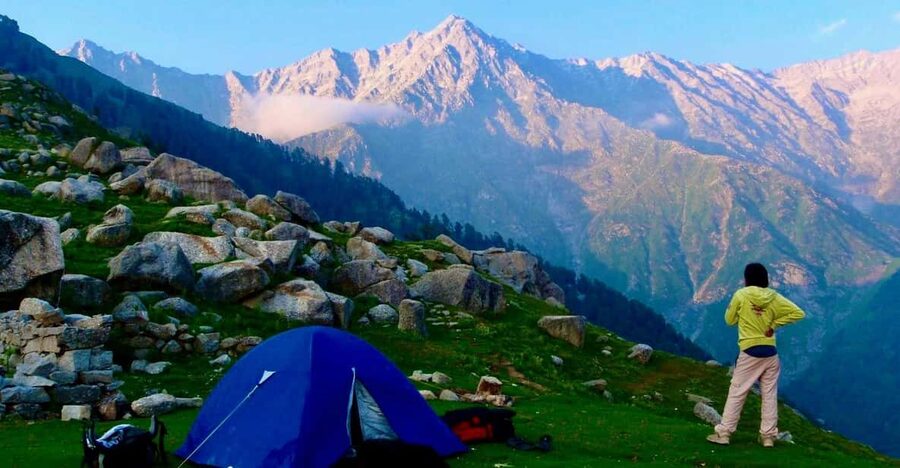
The night setup is a highlight. You’ll have a dinner near the bonfire, with soothing music, and then time under the starlit sky while the warmth keeps things cozy. Reviews specifically praised the sleeping setup, including having enough sleeping bags and blankets to stay warm—so don’t assume you’ll freeze just because it’s camping.
Day 2: sunrise is the big moment, and you start early
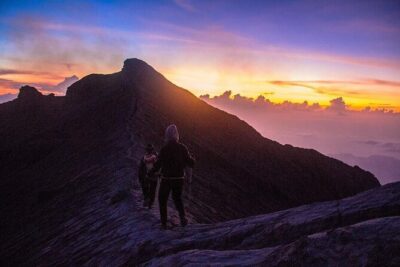
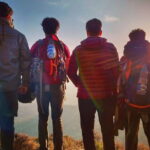
Day 2 starts with an early wake-up. Sunrise is described as the main highlight, so you get up in time to watch the golden light hit the mountain ranges. This is one of those “do it once and you remember it forever” moments, because it changes the whole color of the peaks and makes the trek feel bigger than just a hike on a map.
Then you’ll have a hot breakfast, with time for photos before you begin the trek back down. You’re aiming to reach McLeod Ganj by early noon.
Leta Village Camps back to Bhagsu Nag: early finish, waterfall time, and town freedom
From the camps, you trek back to Bhagsu Nag and then up toward McLeod Ganj. The schedule is set so you don’t get stuck hiking all afternoon. When you arrive near the waterfall, the guide will leave you there, which gives you a clear break from the structured program.
From that point, you can spend time at the waterfall, then check out the local Tibetan market and an ancient temple. After that, you’re free to rest and explore the city for the rest of the day—no rushed second trek required.
This loose time window is valuable. It turns your “trek day” into a full travel day, where you can actually enjoy McLeod Ganj rather than treating it like a waiting room.
Price and value: what $18 covers (and what it doesn’t)
At about $18 per person for a 2-day trek, the value is strong—especially because you’re not just buying a trail. You’re paying for logistics that can be hard to assemble alone: permits, a professional trek leader (mountaineering qualified), a guide and support staff, camp accommodation, and meals while on trek.
Here’s what you should expect is included:
- Dome tent accommodation (twin sharing)
- Veg breakfast and dinner
- All necessary permits
- First aid medical kits and stretcher
- Washroom availability
- English live tour guide
Here’s what’s not included (and where you might add extra planning):
- Transportation to/from the trek area
- Hotel in Dharamsala
- Porters/ponies for baggage (so travel light)
- Train ticket
- Any extra meals beyond breakfast and dinner
- Forest entry fee (not included)
- Any added costs from bad weather, landslides, or road blocks beyond control
For most people, the cost is less about the number and more about what you don’t have to manage. If you’re trying to avoid DIY stress and still get a real overnight Himalayan trek, this is a reasonable deal.
Guides and the small stuff that makes it feel real
The guides matter here because the day has long walking blocks. In the info you’re given, you’ll find that guides keep you entertained with stories so the trek doesn’t turn into one long grind. That’s not a luxury—on a steep or uneven section, it can be the difference between getting through with good energy or feeling drained.
In real life, guide names come up too. One guide named Anuc was praised for being gentle and helping make the experience connect to what you’re seeing. Another guide named Shivam was praised as well, and the sleeping setup was noted as a strong point. And the owner, Manu, was described as friendly—which fits with a small-operator style: clear communication, less “factory trekking,” and more care in the details.
What to bring: pack for cold mornings and rocky footing
This trek is short on paper, but the mountain requires you to pack like it’s the mountain. The essentials you should bring include:
- Comfortable, grippy shoes
- Warm clothing (especially for sunrise and night)
- Camera
- Snacks (even though there are café options along the way)
- Water
My practical tip: add a hiking stick/walking stick. It helps on steep and uneven segments, and it can save your balance. If you’re like me and you prefer not to think about your knees mid-climb, poles make the whole day feel safer.
Who this trek suits best (and who should reconsider)
This trek fits well if you want:
- A 2-day plan with real scenery and camping
- A short trek that still feels “Himalaya,” not just a walk
- A sunrise experience without committing to a full week
- A guided setup where you don’t need to arrange permits and logistics yourself
It may be a rougher fit if:
- You’re completely new to hiking and hate steep sections
- You expect flat, easy walking the whole way
- You don’t plan for warm early mornings and cooler nights
If you’re mid-level or even “first-timer but prepared,” it’s doable. Just don’t treat it like a casual stroll.
Should you book the Triund trek with Manu Adventures India?
If you want big views, an overnight camp, and a sunrise payoff—without turning your whole trip into a training session—this is a solid choice. The best reasons to book are the combination of waterfall scenery, Triund viewpoint, and well-organized camp support that focuses on practical comfort.
I’d book it if you’re ready for a little steep effort, you’ll bring warm layers, and you’ll consider a walking stick. I’d reconsider if you’re expecting beginner-level ease the whole time or you’re counting on transportation being included.
You get what matters for the price: the trek, the camp experience, meals while on trek, permits, and a team that helps keep the day smooth and safe. For a weekend-style Himalayan adventure, it’s a strong match.
FAQ
How long is the Triund trek with Manu Adventures India?
It runs for 2 days.
What time do we start from Manu Adventures India?
The meeting point is the Manu Adventures India office at 10:00 am.
Where does the trek go on Day 1 and where do we sleep?
Day 1 goes from Bhagsu Nag to Triund (around 2,875 m) and then continues to Leta Village Camps for the overnight stay in dome tents.
What meals are included during the trek?
Dinner on Day 1 and breakfast on Day 2 are included, and they are veg.
Is transportation to and from the trek included?
No. Transportation is not included.
Are tents provided and do they include warm sleeping gear?
Yes. You get dome tents on twin sharing basis, and the trek includes sleeping warmth through provided sleeping bags and blankets.
What should I bring for the trek?
Bring comfortable shoes, warm clothing, a camera, snacks, and water. A walking stick/hiking stick is also a smart idea for the terrain.