A mountain hike above Tuscany feels like a reset. This Lucca-area trek sends you into the Natural Park of Alta Valle del Sestaione, past Lago Nero, and finishes with a stomach-flipping pedestrian suspension bridge. I like how the higher air helps you escape the stuffy city feeling fast.
I especially love the way the guides handle the walk and the information. You might meet Michel or Bernando, and the pacing includes real break time without turning it into a slow slog. The pay-off is a big hit of 360-degree views and the kind of nature talk that makes birds and plants feel less like background noise.
One consideration: this is not a couch-to-summit stroll. You need moderate physical fitness, and the regular option includes at least 400m altitude gain plus around 3 hours of walking, and lunch not included.
In This Review
- Key highlights you should care about
- Why this trek feels like a Tuscan “roof” day
- Getting there smoothly: pickup and meeting points that actually work
- Lago Nero: where the day starts to slow down
- The Guinness pedestrian suspension bridge moment
- The gondola/cable car part that makes the views easier
- How long you’ll really walk (and what the altitude means)
- The guide experience: environmental info that stays practical
- What to do about lunch and food (because it’s not included)
- What to pack for a windy, higher-altitude day
- Price and value: is $60.67 a fair deal?
- Who should book this trek (and who might not)
- Should you book Trekking on the Roof of Tuscany?
- FAQ
- FAQ
- How long is the trekking experience?
- What time does the tour start, and where does it end?
- Is pickup offered?
- How much walking and climbing should I expect?
- Is lunch included?
- What if the weather is bad?
Key highlights you should care about
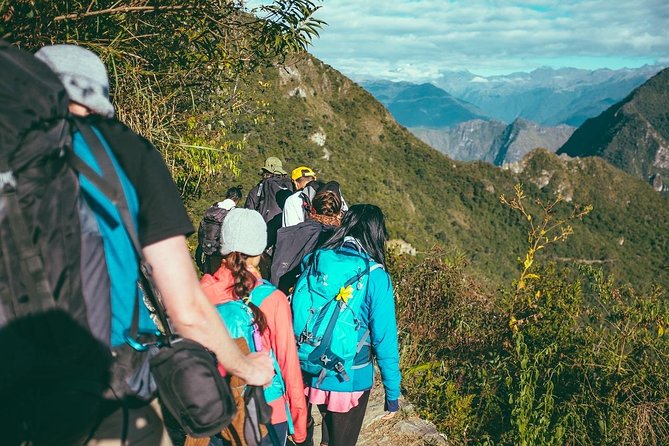
- Lago Nero in a protected high-mountain park for a quieter, wilder feel than most day trips
- The Guinness record pedestrian suspension bridge gives you that heart-in-your-throat moment
- Small group size (max 10 travelers) keeps the pace manageable and the guide’s attention focused
- English-speaking expert environmental guide who explains what you’re seeing (birds, plants, terrain)
- Cooler mountain air and wind that can feel like a reward on hot days in the valley
- Good views from higher sections after a short gondola/cable car ride
Why this trek feels like a Tuscan “roof” day
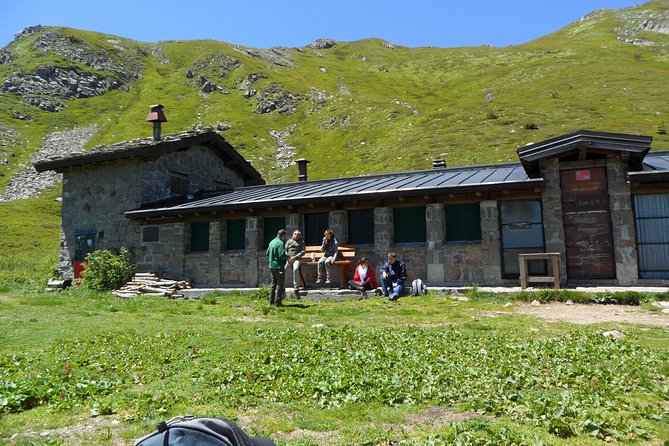
This is one of those day trips where you trade paved streets and crowd energy for mountain breathing room. You start in the Lucca area and move into the Alta Valle del Sestaione region, where the air thins out a bit and the scenery shifts from farmland into protected high terrain. The route is built for a satisfying hiking loop without requiring you to be a serious trail athlete.
The real charm is the mix: you get a calm natural spot at Lago Nero, then you jump to full-on drama with a record-holding suspension bridge. Even if you’re not chasing big mountain climbs, the contrast keeps your attention. And if you’ve been sweating through cities, you’ll appreciate the cooler, breezier conditions up high.
Getting there smoothly: pickup and meeting points that actually work
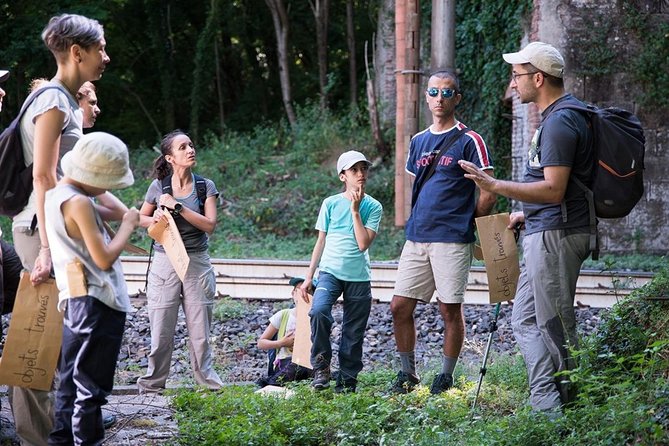
This tour is set up to be easy to join even if you don’t want to rent a car. The start time is 9:30 am, and the activity ends back at the starting meeting point.
You have a couple of pickup options: from the Pistoia train station or from Ponte Sestaione if you’re driving yourself. It also runs near public transportation, so if you’re already based around northern Tuscany rail lines, you can make logistics feel simple.
One practical tip: if you’re coming from a city like Florence or Lucca, plan for a short train + local transfer day. You’ll burn less mental energy, and you’ll get to the hike feeling ready instead of rushed.
Lago Nero: where the day starts to slow down
Your first main stop is Lago Nero, set in the Natural Park area. You’ll spend about one hour here, which is a smart amount of time: long enough to absorb the change in altitude and get photos, but not so long that you feel dragged when your legs are still warming up.
This is also a great place for “mountain mind” time. At altitude, sound changes. You hear wind more than traffic, and you notice water and rocks more clearly. If your hike group is moving at a steady pace (and with a guide who likes breaks), Lago Nero becomes the reset point before the bridge adrenaline.
The other hidden value: stop duration helps you judge your energy early. You’ll get a sense of whether you need to take breaks sooner, or whether you’re comfortable keeping a steady rhythm for the rest of the outing.
The Guinness pedestrian suspension bridge moment
After Lago Nero, you head to the Ponte Sospeso di San Marcello Pistoiese—a pedestrian suspension bridge known as a Guinness record bridge. This segment is shorter, about 30 minutes, but it’s the part many people remember because it’s so physical and immediate.
If you’ve never walked on a suspension bridge, here’s what to expect: it feels less like a bridge and more like a moving platform over open space. Your brain will do its own calculations—height, wind, and balance—while your feet try to stay relaxed.
This is also where a small group matters. When there aren’t dozens of people bunching up at the same time, the bridge feels safer and calmer. Go at your own pace. Look forward, not down. And if wind is stronger that day, slow your steps and grip the rhythm of your breathing.
The gondola/cable car part that makes the views easier
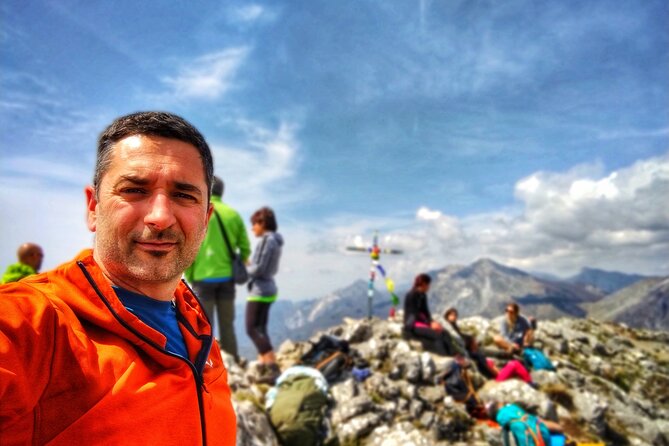
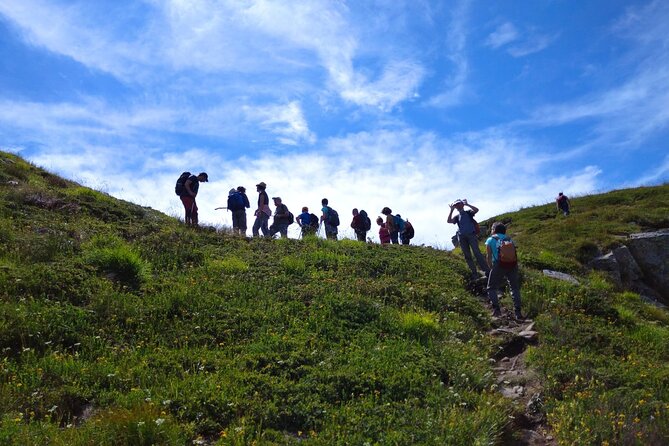
One thing I like about this experience is that it doesn’t force you to earn every view with pure leg power. You may take a gondola or cable car ride to reach an upper section of the route. From there, the hike continues with wide mountain views and a sense of being high above the valleys.
This matters because it turns the day into a balanced effort: you get to hike, but you also avoid the “only climb, no payoff” trap. On a hot day, that shortcut can be the difference between a fun outing and a miserable one.
And the best part is what you can learn while you’re there. With guides like Michel and Bernando (depending on the date), you’re more likely to understand what you’re looking at—things like how the area relates to the border between Tuscany and Emilia-Romagna, and the idea of watersheds and how terrain shapes routes and wildlife.
How long you’ll really walk (and what the altitude means)
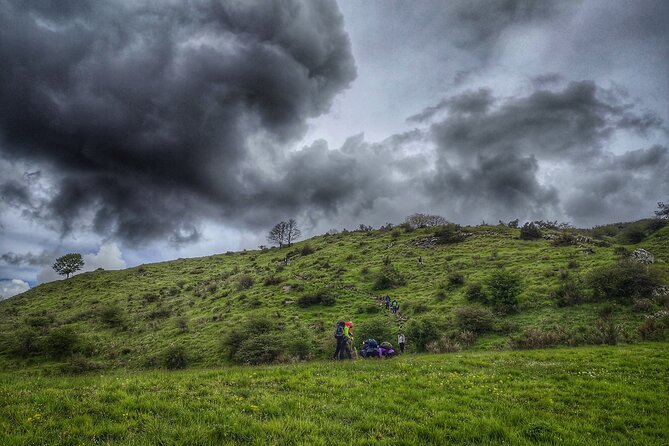
The official pace guidance is clear, and it’s worth reading before you commit. The regular option includes at least 3 hours of actual walking time, with about 400m of altitude difference gained and an elevation range roughly between 1300m and 1800m.
So even though the total experience is 5 to 6 hours, not all of that is trekking. Some time is built in for movement between points, enjoying views, and managing breaks with the guide.
Here’s how to think about it:
- 400m gain is enough to feel the climb, especially if you’re not used to hills.
- 1300–1800m can make breathing feel different, even on cool days.
- The good news: the route is designed for moderate fitness levels, and the guide’s style includes pacing with the group.
If you’re the type who stops often to take photos, you’ll probably love this format. If you prefer a nonstop hike, you might find the breaks slightly longer than you’d like—but that’s also what makes the day feel sustainable.
The guide experience: environmental info that stays practical
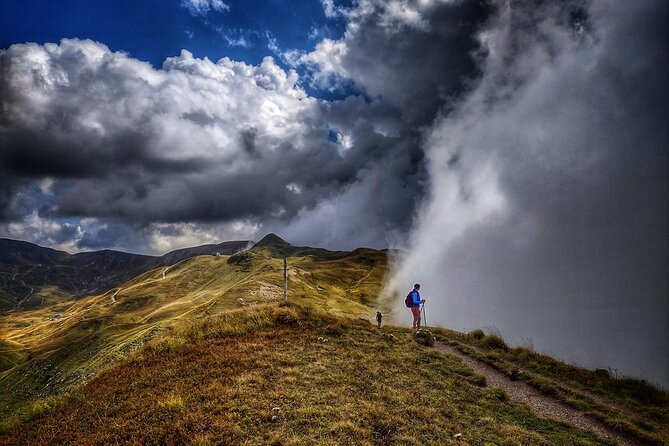
This is an expert environmental guide tour, and that’s not just a label. The best part is that the guide’s knowledge ties directly to what you’re walking through, so you don’t feel like you’re listening to facts for facts’ sake.
In the field, you’ll likely hear explanations about:
- local fauna and birds
- flora and plant patterns
- how terrain and watershed shape what grows and where water goes
- what makes the park area worth protecting
Equally important: pacing. The guides you may meet (including Michel and Bernando, based on past tour groups) are described as flexible—taking breaks as needed and keeping the group moving at a pace that works.
That combination—real info plus real pacing—is what turns a trek from exercise-only into a story you’ll remember.
What to do about lunch and food (because it’s not included)
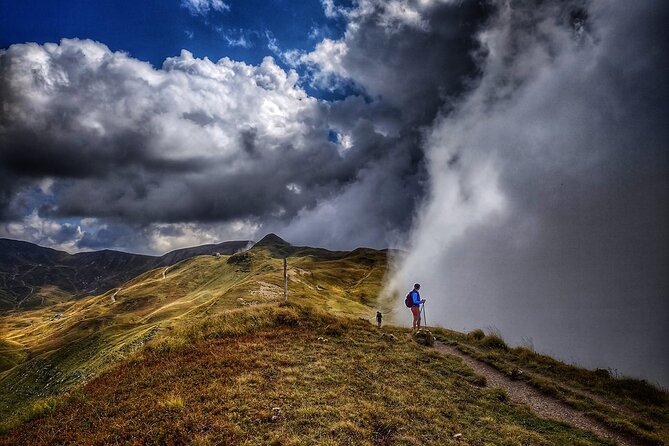
One downside is simple: lunch is not included. Depending on the day and the exact timing, you may want to plan for food at your own pace.
You might find food options at the top/lodge area, and there may be a restaurant serving homemade-style Italian dishes there. But since lunch isn’t bundled into the tour price, don’t count on having it handled for you.
My practical suggestion: bring a snack you like (something salty and something sweet). That way, if you’re hungry between stops, you’re not stuck waiting for a meal plan that isn’t guaranteed.
What to pack for a windy, higher-altitude day
This outing can feel cool up high, especially when wind picks up. Plan like you’ll go from sun to breeze, even if it’s warm down in the valley.
For gear, focus on:
- hiking shoes or grippy footwear (running shoes can work, but stable soles help)
- a light layer you can add or remove as the wind changes
- water for the trail and bridge walk
- sunscreen, even on cooler days (mountain sun can be sneaky)
Also, keep your phone accessible for photos—but don’t treat it like the main activity on the bridge. Balance first, pictures second.
Price and value: is $60.67 a fair deal?
At $60.67 per person, this tour can be a strong value if you want the full day-trip package without the hassle of managing guides and entry details yourself.
What you’re paying for that you can’t easily DIY:
- an expert environmental guide
- a route that includes Lago Nero and the Guinness suspension bridge
- small group size (max 10), which matters for safety and pacing
- the experience is structured for a half-day hiking rhythm (5–6 hours total)
What you’re not paying for:
- private transportation
- lunch
So the value comes down to this: if you’re already positioned near Pistoia (train area) or can use pickup, the price feels more reasonable because you avoid a big chunk of transport friction. If you’re trying to add taxis from far away, your total cost will rise.
Who should book this trek (and who might not)
This fits best if you:
- have moderate fitness and can handle hills and altitude changes
- want a guided day outdoors with nature explanations
- like the idea of small group hiking (not a giant crowd day)
- want a real contrast from city life, with cooler mountain air and wide views
It may be less ideal if you:
- need a very flat route with minimal climbing
- hate suspension bridges (even a short 30 minutes can feel intense)
- expect lunch to be handled for you
The upside is that the tour is built with breaks in mind. It’s not a “prove yourself on the mountain” day. It’s a “see Tuscany from above, with guidance” day.
Should you book Trekking on the Roof of Tuscany?
Yes, if you want an outdoorsy day that feels special without turning into a full-on expedition. The combination of Lago Nero, the record-holding suspension bridge, a cooler mountain setting, and an English-speaking environmental guide makes this a smart choice for a first-timer trek.
I’d book it when you have a flexible schedule and the weather looks solid. This experience depends on good conditions, and mountain days are better when the wind and visibility cooperate.
If you’re staying in northern Tuscany, it’s also a good way to get the mountain feel without spending your whole vacation on transport.
FAQ
FAQ
How long is the trekking experience?
It runs for about 5 to 6 hours total.
What time does the tour start, and where does it end?
It starts at 9:30 am and ends back at the meeting point.
Is pickup offered?
Yes. Pickup is available from Pistoia train station or from Ponte Sestaione if you have your own car.
How much walking and climbing should I expect?
For the regular option, expect at least 3 hours of actual walking time, about 400m altitude gain, and altitude around 1300m to 1800m.
Is lunch included?
No. Lunch is not included.
What if the weather is bad?
This experience requires good weather. If it’s canceled due to poor weather, you’ll be offered a different date or a full refund.