REVIEW · POKHARA
Pokhara: Majestic Mardi Base Camp Guided Trek with HotSpring
Book on GetYourGuide →Operated by Himalayan Nomad Treks Pvt. Ltd. · Bookable on GetYourGuide
Fishtail views start before sunrise. This 5-day Mardi Himal guided trek strings together big Annapurna panoramas with a quieter-feel route through rhododendron forests and high meadows, then cools you down (in the best way) at a natural hot spring beside the Modi River. I particularly like how the pace is short enough to stay realistic, yet high enough to feel like you’ve earned the views, even on a guided trip. The main thing to consider is altitude and early starts: you’ll be waking up around 4:00 am for the big morning climb, and you’ll reach about 4,300m.
If you want mountains without a crowd-heavy grind, this one fits. You’ll drive from Pokhara to Kande, trek toward Forest Camp (about 2,500m), push up to High Camp (about 4,000m), then descend to Jhinu Danda (about 1,600m) for hot spring soaking under the open sky. And yes, it’s a guided, licensed setup with all meals included on the package, so you’re not stuck figuring out permits or logistics mid-trek.
In This Review
- Key takeaways before you go
- Why Mardi Himal feels different in the Annapurna region
- Price and logistics: what $183 really covers
- Day 1: Pokhara to Forest Camp (about 2,500m) with a scenic start
- Day 2: Forest Camp to High Camp (about 4,000m) in dense jungle
- Day 3: The 4,300m viewpoint and Fishtail’s big reveal
- Day 4: Rest Camp down to Jhinu Danda natural hot spring at about 1,600m
- Day 5: Jhinu to Samrung, then back to Pokhara
- Guides, gear, and why the small details matter
- Comfort checklist: what to pack for this trek
- The hot spring at Jhinu Danda: the recovery move you’ll feel next day
- Who this trek suits best (and who should skip it)
- Should you book this Mardi Himal trek with hot spring?
- FAQ
- How high does this trek go?
- What are the walking times like each day?
- What’s included in the all-inclusive package price?
- Are porters included?
- What happens at the natural hot spring stop?
- Is this a private trek, and what languages are used by the guide?
Key takeaways before you go
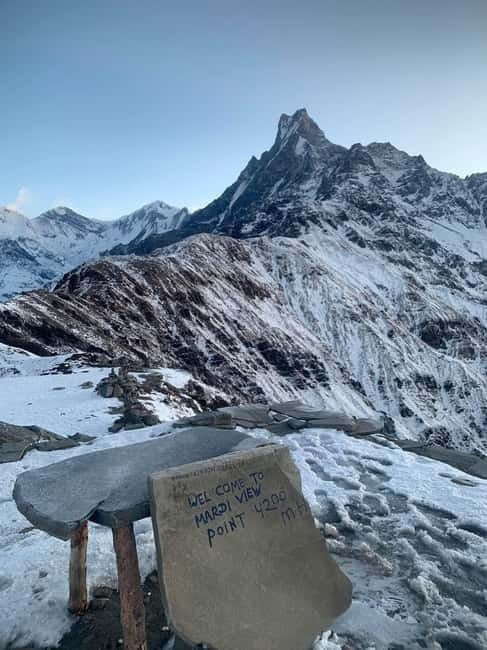
- Panoramas at 4,300m: a viewpoint hike early morning is built into the schedule for Fishtail and the Annapurna range.
- Forest-to-high-camp variety: you’ll move from lush jungle paths to alpine ridgelines and back down through greenery.
- Mardi River + Modi River payoff: the trail mixes quieter river scenery with the famous Jhinu hot spring area.
- Natural hot spring finish: soak at Jhinu Danda beside the roaring river after a long descent.
- Guides handle the details: licensed English-speaking guidance (English and Hindi) plus permits and paperwork taken care of.
- Private arrangements on trek nights: private accommodation during the trek is included, even though mountain tea houses stay basic.
Why Mardi Himal feels different in the Annapurna region
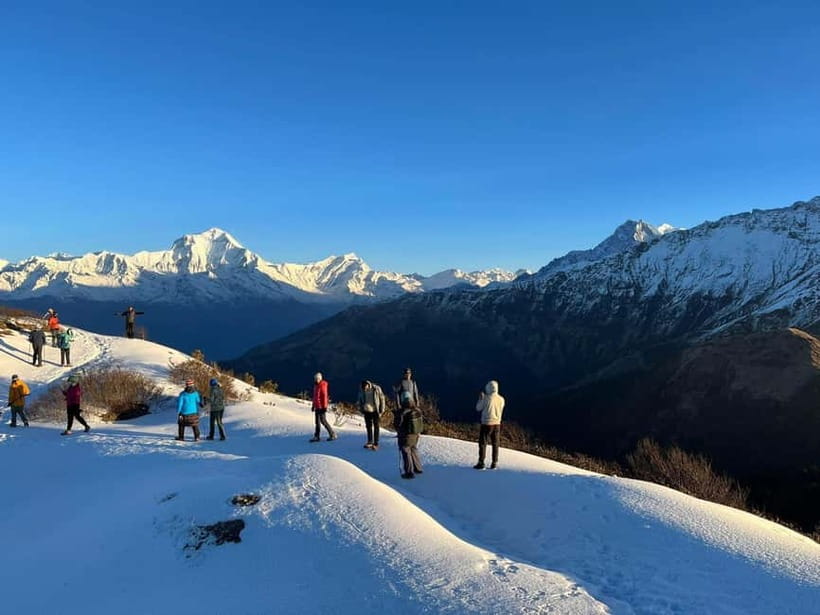
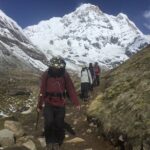
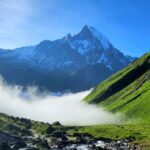
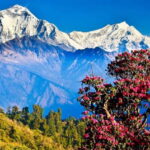
Mardi Himal is one of those treks that hits your brain in two ways. First, it’s visual: Machapuchare, locally known as Fishtail, shows up in dramatic ways as you climb. Second, it’s emotional: the route spends real time in rhododendron and jungle sections, where you’re paying attention to birds, trail texture, and the small shifts in air temperature as the elevation changes.
And because this is only five days, you don’t feel like you’re signing up for a whole season of trekking. You’re doing a strong, compressed circuit: up to High Camp, a morning push to a viewpoint around 4,300m, then down to the hot spring area at Jhinu Danda. That structure matters. It keeps the trek focused: climb, earn the view, recover in warm water.
You can also read our reviews of more tours and experiences in Pokhara.
Price and logistics: what $183 really covers
At $183 per person for a 5-day guided trek, the value is mostly in what removes hassle from your shoulders.
Included (the big-ticket items)
- Hotel pickup and drop-off in Pokhara
- Authorized licensed English-speaking guide (English, Hindi live guidance)
- Permits and required paperwork, including TIMS fee(s)
- All meals during the trek on the all-inclusive full package
- Private accommodation during the trek
- Luggage storage facility
- Trekking gear: trekking poles, sleeping bag, and duffle bag
- Deluxe transportation as per itinerary and number of people
- Staff costs like meals, accommodation, salary, equipment, insurance, and transportation
- All applicable government tax
Not included (the usual “plan for it” items)
- Soft and hard drinks
- Porters (you can request one for extra cost)
- Travel and rescue insurance
- International flights and Nepal visa fee
- Some extra domestic flight baggage charges (if you’re connecting by flight)
- Personal expenses like phone calls, laundry, bar bills, and extras like extra water or shower
Here’s how I’d think about value for your decision: if you’re comparing this to DIY trekking, the real savings aren’t just money. It’s time spent arranging permits, coordinating logistics, and figuring out what to carry. The gear package helps too. Trekking poles and a sleeping bag can reduce the pain of packing and the risk of arriving under-prepared. And private accommodation during trek nights is a real comfort upgrade in the mountains, where shared spaces can get tiring.
Day 1: Pokhara to Forest Camp (about 2,500m) with a scenic start
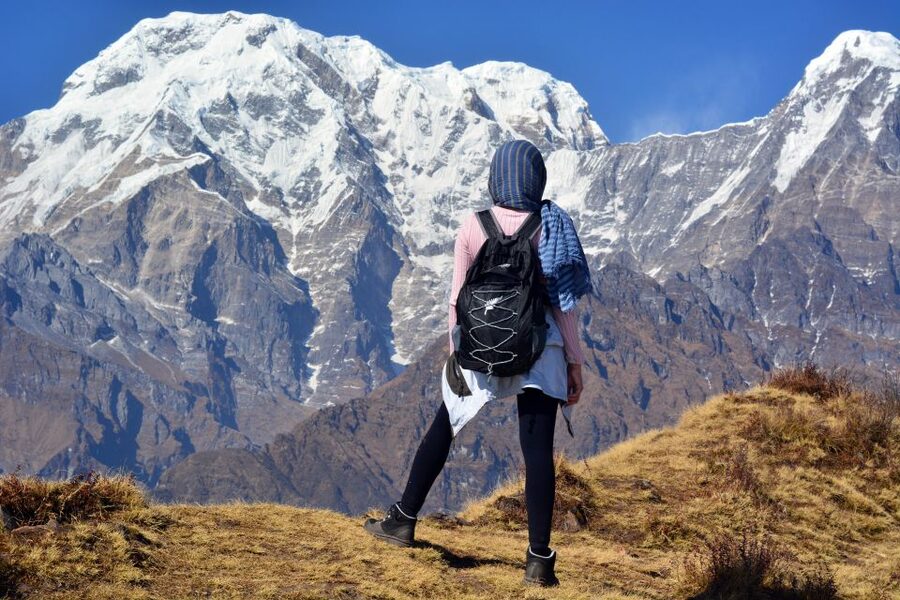
Your day begins early at 8:00 am with a drive out of Pokhara to Kande (around 1.5 hours). The drive is part of the experience: you’ll pass through scenic routes showing green fields, forested sections, the Seti River, and mountain views.
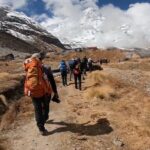
Then you switch from wheels to legs. You’ll trek for about 5 hours from Kande toward Forest Camp (about 2,500m). Lunch happens along the way at a tea house, so you’re not stuck doing a full day on an empty stomach. The trek itself is all about feeling the forest trail rhythm. You’re walking long-ish hours, but the elevation load is still manageable compared to later days.
Practical tips for this first walking day
- Start slow. The goal is finishing with energy, not arriving exhausted.
- Use your jacket early. Mountain air can feel cooler quickly once you’re out of the bus.
- If you’re bringing a phone, keep battery habits sensible. You’ll use it for photos, and towers aren’t consistent up the trail.
Day 2: Forest Camp to High Camp (about 4,000m) in dense jungle
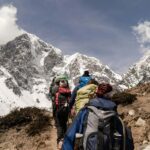
Day 2 is where the trek starts to feel serious. After breakfast at Forest Camp, you’ll hike for around 5 hours to Mardi Himal High Camp (about 4,000m).
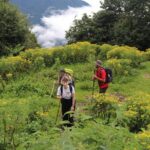
The trail is described as dense jungle, and that matters because jungle trekking can be humid and slow. You’ll likely notice changing sounds: more birdsong, more movement in the trees, and more of that “alive” feeling that comes when you’re deep in vegetation. The route also gives you a psychological shift. Day 1 is about warming up. Day 2 is about committing to altitude.
What I like about this setup is that it’s not random. You get one solid push to High Camp, then you sleep at elevation. That makes the following day’s early viewpoint hike more manageable because your body starts adapting right away.
Day 3: The 4,300m viewpoint and Fishtail’s big reveal
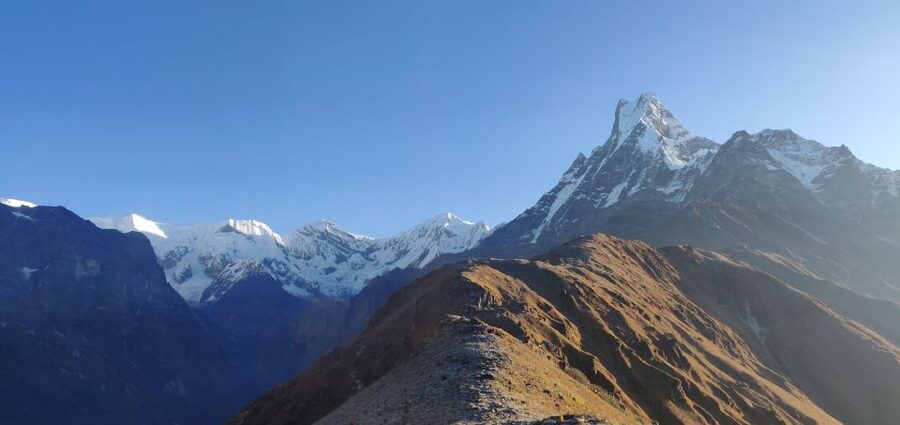
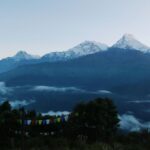
This is the morning you plan your energy for. You’ll wake up around 4:00 am and hike up for about 2 hours to a viewpoint around 4,300m.
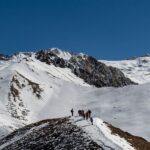
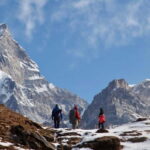
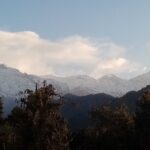
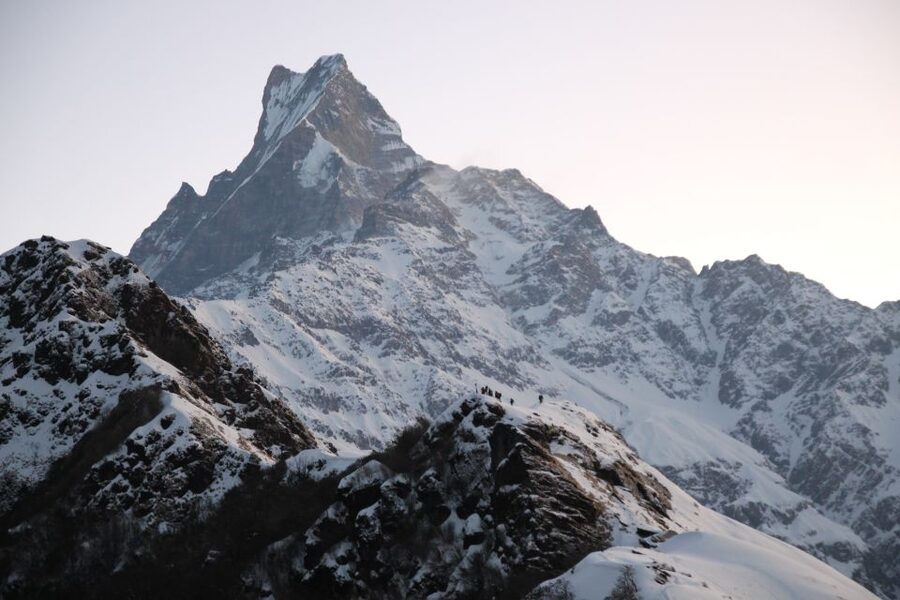
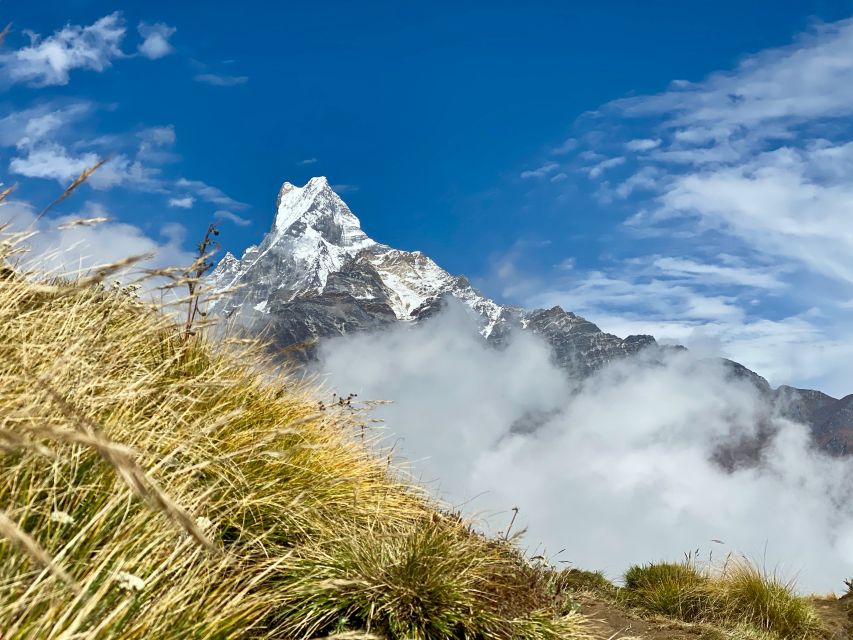
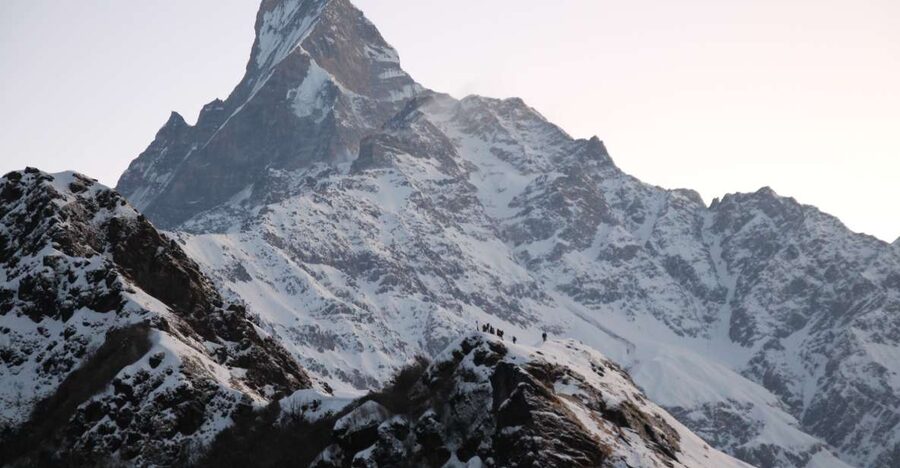
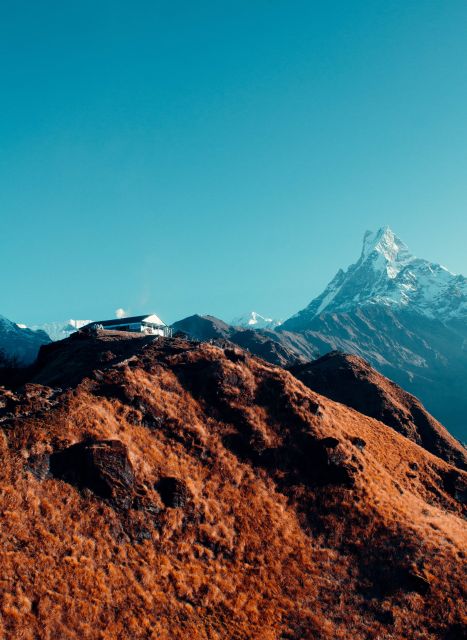
This is your prime “wow” segment. From that viewpoint, you get Mt. Fishtail (Machapuchare) and an Annapurna range panorama. The schedule has you eating breakfast after you hike back down toward High Camp first, then you retrace your path down to Rest Camp (about 2,700m) on a longer trek day—around 7 hours total.
The best part of this day is the balance between effort and reward. You’re not just climbing once and calling it a day. You get the early-morning summit feel, then you do a proper descent so you can recover before the hot spring finale.
The main consideration is the timing. A 4:00 am wake-up is not optional if you want the viewpoint experience. If you hate early starts, prepare a strategy: keep your sleep layers ready, and don’t try to “wait until the morning” to fix gear problems.
Day 4: Rest Camp down to Jhinu Danda natural hot spring at about 1,600m
If you like your trekking endings with a payoff, Day 4 is it.
You’ll have breakfast at Rest Camp, then descend through lush forest for about 4 hours toward Jhinu Natural Hot Spring (about 1,600m). Along the way, you’ll see the Modi River coming from the base of the Annapurna area and you’ll cross a suspension bridge over the Modi River.
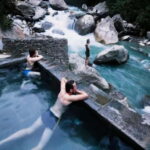
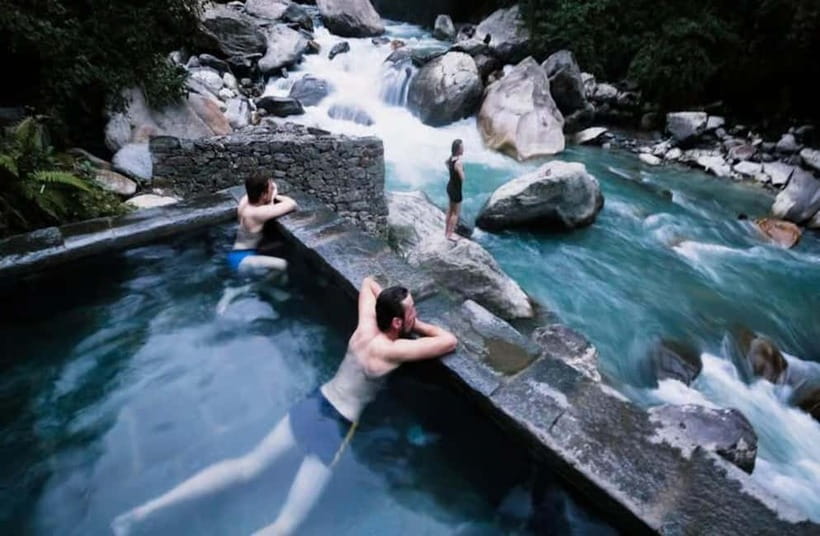
Then comes the moment you’ve probably been waiting for: a dip and rest in the natural hot spring beside the roaring river. Soak your tired muscles in warm water under the open sky. After that, you’ll overnight in Jhinu Village by the Modi River, where you get time to slow down and experience local village life.
What I like here is that it’s not a quick photo-stop hot spring. It’s built into the itinerary as your recovery reset. You descend all day, then you get warm water relief—an ideal pairing for sore legs from earlier altitude work.
Day 5: Jhinu to Samrung, then back to Pokhara
Day 5 is short and forgiving. After breakfast in Jhinu Village, you’ll trek to Samrung for about 30 minutes. Then you drive back to Pokhara for around 2.5 hours.
This is the day for practical closure. You finish the trail, you return to real comfort, and you get time to process what changed in your body after those climbs and descents. It’s also a good day for a low-key meal in Pokhara—something warm, something filling, and something you don’t have to carry in your pack.
Guides, gear, and why the small details matter
This trek is run with authorized licensed English-speaking guides and live guidance in English and Hindi. From a traveler’s perspective, that’s not a luxury. It affects how smoothly the hike runs and how quickly problems get solved.
You’ll also have gear support included: trekking poles, a sleeping bag, and a duffle bag. That’s a big deal for value and comfort. Poles help on descents (and Mardi Himal includes real descent time), and having a sleeping bag reduces the risk of arriving with gear that isn’t right for colder nights.
One more practical comfort detail: private accommodation during the trek is included. Mountain tea houses can feel simple, but private rooms generally help you actually rest instead of negotiating space and sleep.
And yes, guide personality matters. In the past, trekkers have highlighted guides such as Santosh and Prakash as caring, personable, and able to handle urgent needs using connections from lower camps. Another guide name that comes up is Jeet, noted for professionalism and knowledge. You can’t plan on specific individuals, but you can count on licensed guidance and a team mindset.
Comfort checklist: what to pack for this trek
You’ll want to pack for shifting weather and elevation swings. Mountain conditions can change fast, including rain or even snow at times, so layering is key.
Bring
- Passport or ID card
- Sunglasses and a hat
- Towel
- Sunscreen
- Sleeping bag (even if provided in gear pack, it’s listed as a bring item for this activity)
- T-shirt and shorts (plus long pants)
- Jacket
- Reusable water bottle
- First aid kit
- Hiking shoes
- Trekking gear
- In cold/early morning situations, a headlamp can be a lifesaver (it’s mentioned as an essential)
A smart habit: keep the basics accessible so you’re not digging through a duffle every time temperatures shift. In the mountains, convenience is safety.
The hot spring at Jhinu Danda: the recovery move you’ll feel next day
Here’s why this stop matters beyond the novelty of warm water.
You’ll hit Jhinu Danda after descending from Rest Camp through forest and across a suspension bridge near the Modi River. That means your legs have done work. Then you get open-sky soaking in the natural hot spring beside the roaring river.
A couple of ways to make this part work for you:
- Bring your towel so you’re not improvising after soaking.
- Expect it to be relaxing, not fancy. Focus on comfort and recovery.
- Plan to take it easy afterward. This isn’t the day to chase more exertion.
The hot spring is also a mental reward. After days of mountain time—Forest Camp, High Camp, viewpoint at 4,300m—the idea of warm water feels like your whole body exhaling.
Who this trek suits best (and who should skip it)
This is a good fit if you want
- A short 5-day trek with a strong mountain payoff
- A mix of forest trails, high ridgelines, and panoramic views
- An ending that includes real recovery time at Jhinu Natural Hot Spring
- Guided support for permits, meals, and logistics
You should think twice if
- You’re not comfortable with steep inclines and early starts. You’ll be hiking multiple days, with a very early morning on Day 3.
- You are pregnant. The activity is not suitable for pregnant women.
Should you book this Mardi Himal trek with hot spring?
I’d book it if you want a focused Annapurna experience without turning your whole vacation into a long-distance training plan. For the price, you get far more than a guide: meals, private trek-night accommodation, permits, and included gear reduce the usual friction that makes treks stressful.
I wouldn’t book it if you hate waking up at 4:00 am or you’re unsure about handling around 4,000m to 4,300m. This trek is short, but it’s not “easy mode.” It’s a clean, well-structured effort with a satisfying finish.
If you’re reasonably fit, ready to layer up, and excited to trade one big view for another—then finish with warm hot spring water beside the river—this one is a strong choice.
FAQ
How high does this trek go?
You’ll stay overnight at High Camp at about 4,000m, then hike to a viewpoint around 4,300m on Day 3. The hot spring area at Jhinu Danda is about 1,600m, and Rest Camp is about 2,700m.
What are the walking times like each day?
Day 1 is about 5 hours trekking. Day 2 is about 5 hours. Day 3 is about 7 hours. Day 4 is about 4 hours. Day 5 is a short walk of about 30 minutes before the drive back to Pokhara.
What’s included in the all-inclusive package price?
The package includes hotel pickup and drop-off in Pokhara, a licensed English-speaking guide, permits and paperwork, private accommodation during the trek, all meals during the trek, luggage storage, trekking gear (trekking poles, sleeping bag, duffle bag), and deluxe transportation as per the itinerary. Taxes are also included.
Are porters included?
Porters are not included in the package, but they can be arranged on request for an additional cost.
What happens at the natural hot spring stop?
On Day 4 you’ll descend to Jhinu Danda and cross a suspension bridge over the Modi River. Then you’ll soak in a natural hot spring beside the river, and you’ll overnight in Jhinu Village afterward.
Is this a private trek, and what languages are used by the guide?
Yes, it’s a private group trek. The live guide provides English and Hindi language support.