REVIEW · SA PA
1 Day Sapa Trek&Home-cooked Lunch HmongSisterHouse&Trekking
Book on GetYourGuide →Operated by GOWHERE VIET NAM JOINT STOCK COMPANY · Bookable on GetYourGuide
A footpath through Sapa that feels personal. This 1-day Hmong trek strings together classic village scenery, an English-speaking guide who explains what you’re seeing, and a home-cooked lunch with Zizi’s family in Hau Thao. The main thing to consider is the day ends at Zizi Mekhoo Sapa Homestay, about 9 km from town, so you’ll need to sort transport back.
I like that the route traces a path Hmong people used to walk to reach the Sapa market, so the walking has meaning beyond photos. I also like the small-group feel, capped at 10 people, which makes it easier to ask questions and move at a human pace. If you’re short on time in Sapa, you may feel a bit “contained” by the day schedule, especially because you finish away from the town center.
In This Review
- Key things that make this Sapa trek work
- Why this trek follows a Hmong market path (and not just a scenic loop)
- Price and logistics: what $19 really covers (and what it doesn’t)
- Starting from Sapa Town: how the morning sets your bearings
- Hau Thao Village: where the day turns from walking to village time
- Lunch at Zizi’s family home: included, local, and worth planning for
- Village views and the guide’s storytelling: what you should listen for
- Optional 7:00 pm family dinner: keep it simple or skip it
- The “ends at homestay” part: plan your return to Sapa town
- Who should not choose this trek (and who it suits well)
- What to bring: the real checklist for an easy day in Sapa
- Should you book this 1-day Sapa trek with Zizi Homestay?
- FAQ
- How long is the Sapa trek?
- Where does pickup happen?
- What’s included in the price?
- What does the tour end at?
- Is transportation back to Sapa town included?
- Is dinner included?
- How big is the group?
- Is the guide English-speaking?
- What should I bring?
- Who is this trek not suitable for?
Key things that make this Sapa trek work
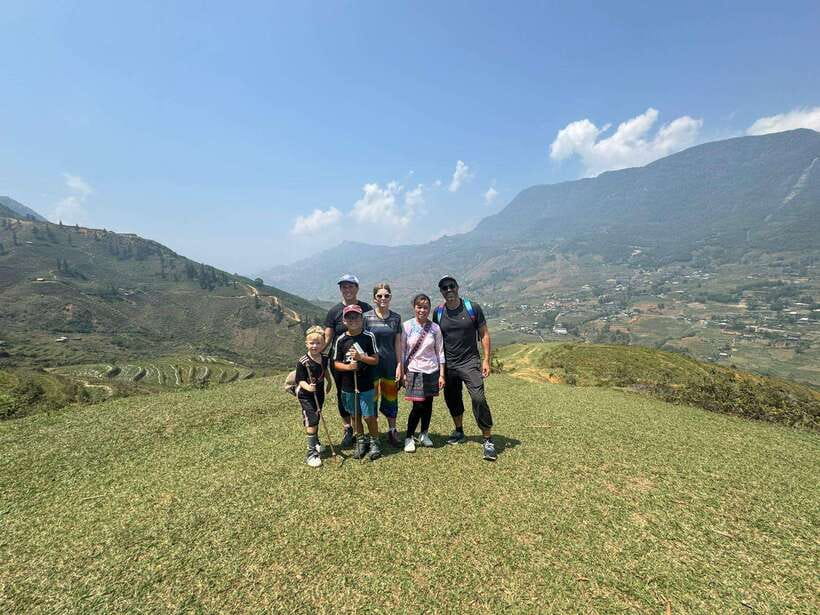
- A real Hmong route to the market: you walk the same kind of path Zizi’s family used long ago
- English-speaking guide storytelling: you learn the reasons behind the turns, not just the scenery
- Hau Thao village time: you get views plus time to explore around Zizi’s family home
- Lunch in a local home: included and served in a village setting, not a tour factory
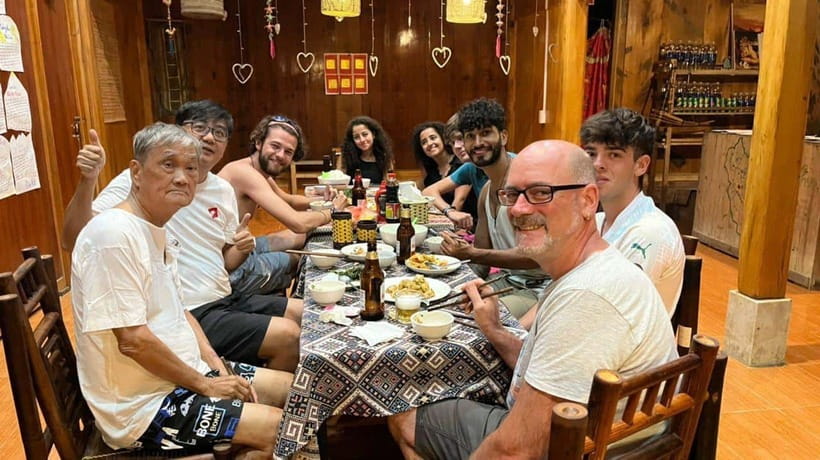
- Small group size (max 10): less crowd energy, more conversation energy
Why this trek follows a Hmong market path (and not just a scenic loop)
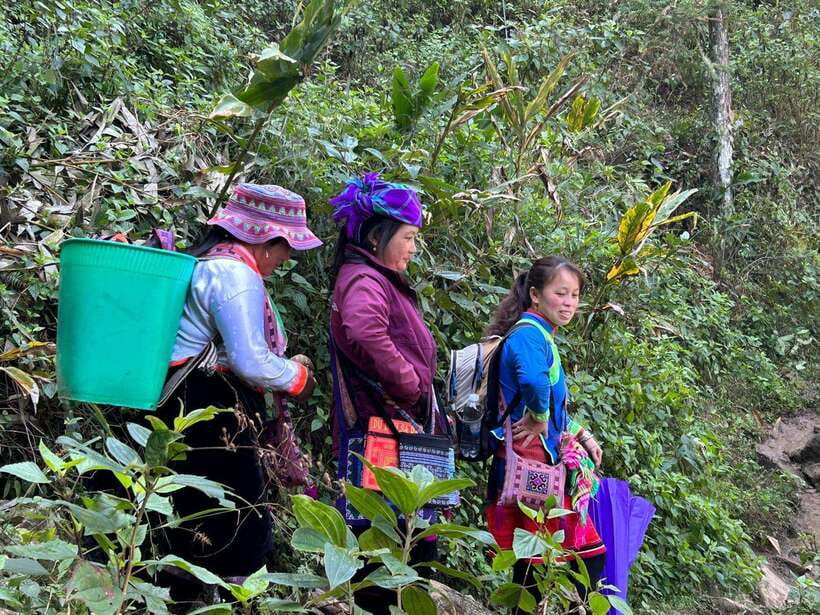
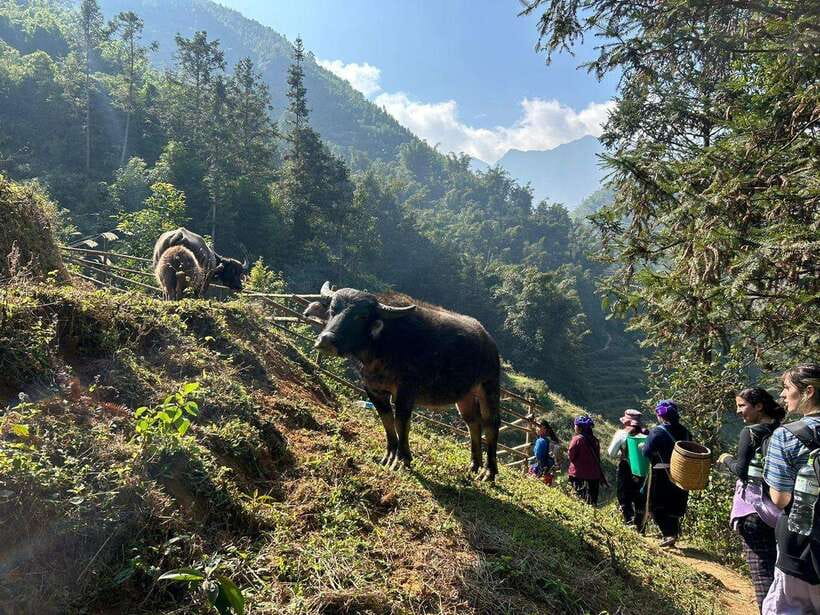
The heart of this day is the walk from Sapa Town area toward the village zone, following a route tied to how Hmong people used to travel. In earlier times, Hmong people would hike to the Sapa market from their villages, and this trek recreates that experience with a guide who can explain the story behind it.
That context matters. When you know what the path is for, you notice different things—how people might choose a route, what kinds of views they’d watch for, and how the village and farmland connect. You’re not just chasing a pretty angle; you’re walking through a working geography.
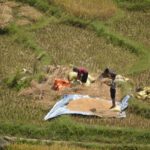
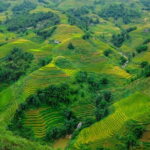
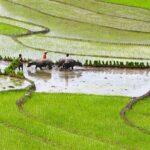
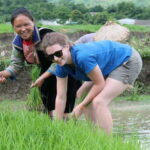
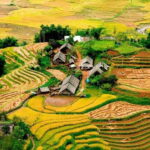
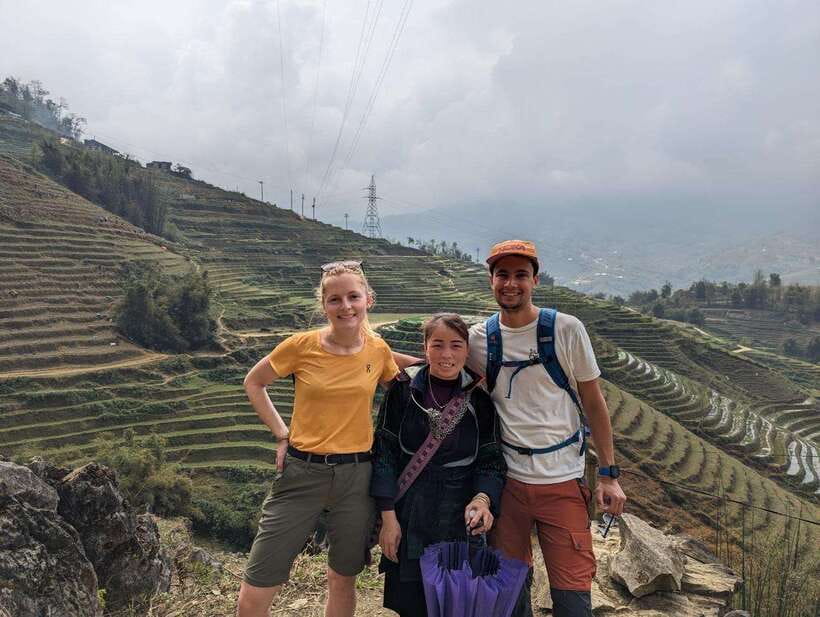
You’ll also spend time in rice paddy areas. Even if the fields look similar to you in every photo, the valley setting changes as you move—small shifts in height and direction can make the view feel brand new.
You can also read our reviews of more tours and experiences in Sa Pa.
Price and logistics: what $19 really covers (and what it doesn’t)
At $19 per person for a full day, the value is mainly in what’s included. You get an English-speaking local Hmong guide, valley entrance fees, lunch, and one water bottle per person. Pickup is also included from your hotel in Sapa town center, which removes a lot of hassle.
What you don’t get is transport back to town after the trek ends. The day finishes at Zizi Mekhoo Sapa Homestay, about 9 km from town, so you should plan that ride in advance (or be ready to pay for it). Also, dinner is optional and extra, and other drinks are not included.
One more practical note: the tour is limited to 10 participants. That small size can be part of the price you’re paying for—less crowding, more guide attention.
Starting from Sapa Town: how the morning sets your bearings
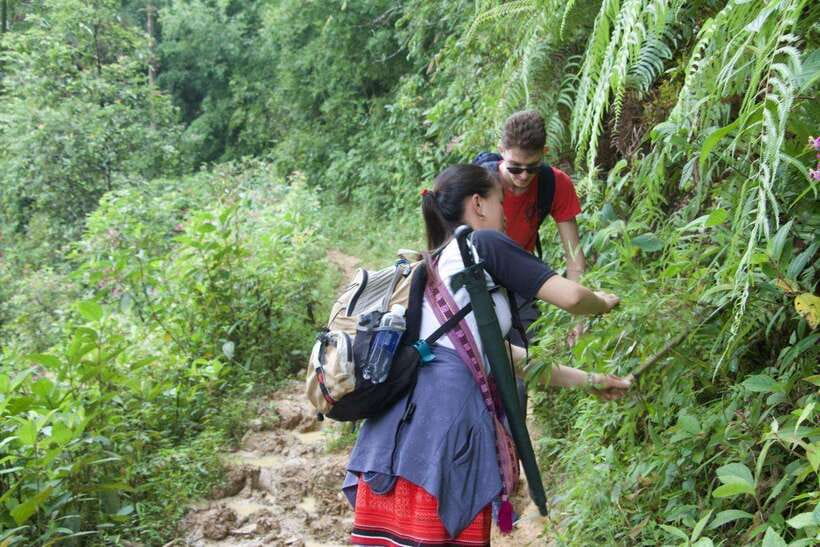
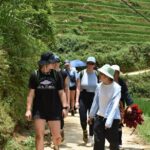
Your day begins with pickup in Sapa town center. From there, you start walking with your English-speaking Hmong guide, and the goal is a strong overview of the main village areas around the Sa Pa valley.
This part of the trek is where you get your bearings—both physically (how steep the day feels) and culturally (what you’re going to be seeing in the villages later). Your guide will explain the path’s story, village life, and Hmong culture, which is the difference between a walk you forget and a walk you remember.
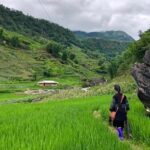
The route includes rice paddy walking as you head toward the village zone. Expect your comfort to depend on your shoes and your willingness to slow down for steps that can be uneven.
Hau Thao Village: where the day turns from walking to village time
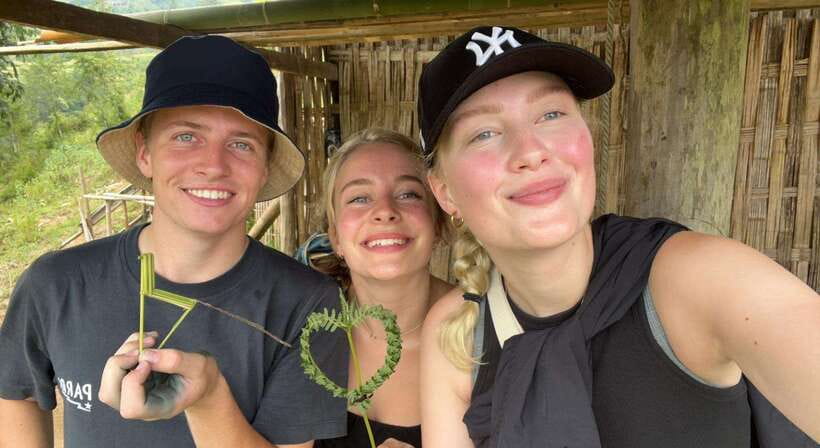
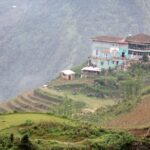
At the end of the trek, you arrive in Hau Thao village, where Zizi’s family lives. This is the shift point: the day changes from hiking-focused to people-focused.
The schedule mentions breakfast (with about 4 hours in Hau Thao). Even if you’re not sure exactly what form that meal takes, the key idea is you’re given time in the village rather than being rushed straight back out. You’ll enjoy the view, have time to explore the village, and settle into the slower rhythm of a home setting.
This is also where the guide’s explanations start to feel more grounded. Instead of hearing generalities, you can connect the story to what you’re seeing around you—how a village is arranged, and how daily life works in this valley.
Lunch at Zizi’s family home: included, local, and worth planning for
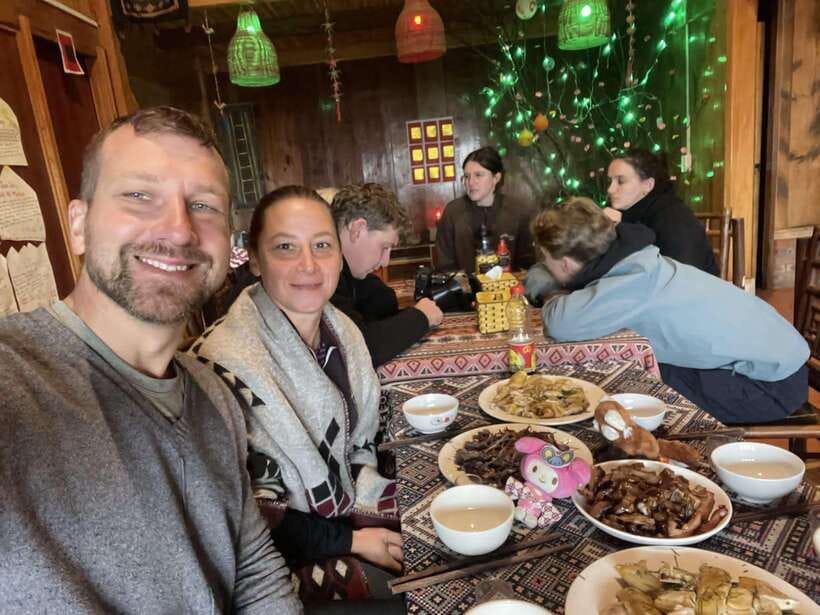
Lunch is one of the best parts of the day because it’s not just food—it’s the structure of the experience. You’ll have a home-cooked meal with Zizi’s family after arriving in Hau Thao, and it’s included in the tour price.
Why this matters: in Sapa, it’s easy to end up eating somewhere that’s optimized for tour groups. Here, lunch is tied directly to the homestay and village time, which means you get to slow down, ask questions, and experience hospitality in a setting that feels like someone’s everyday life.
Also, because lunch is built into the schedule, you don’t have to scramble for a meal or guess where to go. You can simply walk, arrive, and eat.



Village views and the guide’s storytelling: what you should listen for
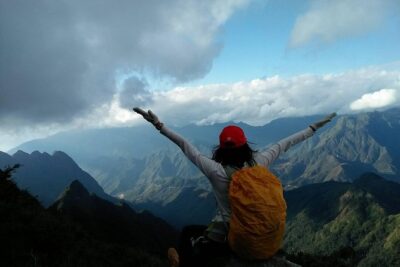
Hau Thao isn’t only a place to eat. You’ll enjoy a breathtaking view and have time to explore the village after lunch, guided by an English-speaking local who can explain what you’re seeing.
In the feedback, guides get praised by name—Bao and Su appear as standouts for being clear, friendly, and helpful throughout the day. That lines up with what this kind of trek depends on: the ability to translate the valley into something you can understand in real time.
When you’re listening, focus on three things:
- How the path and the valley connects to market travel
- How village life works day to day
- What Hmong culture looks like beyond the basics
If your guide does well at those points, you’ll feel like the trek turns into a lesson you can walk through.
Optional 7:00 pm family dinner: keep it simple or skip it
If you want to extend the day, there’s an optional family dinner at 7:00 pm cooked by Zizi Homestay. It costs $3 per person and is only if you choose to join.
This option is useful if you like lingering and you want more of the homestay atmosphere after the trek. If you prefer an early night, you can skip it because the main experience already includes lunch and village time.
The “ends at homestay” part: plan your return to Sapa town
One drawback to watch for is how the day ends. The tour finishes at Zizi Mekhoo Sapa Homestay, about 9 km from town. Transport back to Sapa town is not included.
So before you book, think about your evening plans. If you know you’ll want a restaurant, a drink, or a stroll in town after the trek, factor in that travel gap. If you’re happy with a quieter night at/near the homestay, this ending setup can feel perfectly fine.
Who should not choose this trek (and who it suits well)
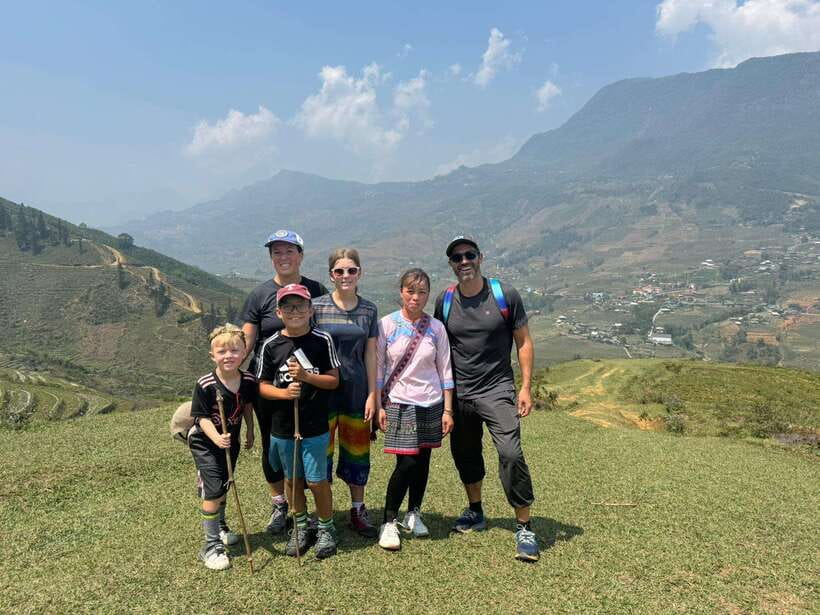
This experience is not suitable for children under 6, people with altitude sickness, or people over 70. That’s an important filter, not fine print. Sapa is high enough that comfort with altitude and walking matters.
This trek is a great fit if you want:
- A short but meaningful day walk (1 day total)
- A small group setting (max 10)
- Cultural context alongside scenery
- Included lunch in a village home setting
It’s also a good choice if you’re comfortable with practical travel days where you might not end exactly back where you started.
What to bring: the real checklist for an easy day in Sapa
You don’t need fancy gear, but you do need the basics. Bring comfortable shoes, sunglasses, a sun hat, and comfortable clothes. Since the day includes walking through rice paddy areas and around village paths, traction and ankle comfort make the biggest difference.
Also remember that the tour includes one water bottle per person. If you tend to drink more, consider carrying a small extra bottle yourself—but the tour at least gives you a starting point.
Should you book this 1-day Sapa trek with Zizi Homestay?
I’d book it if you want a full Sapa village day without turning it into a long multi-day project. For the price, the standout value is the combination of a local Hmong guide, entrance fees, included lunch, and a small group that keeps the day human.
Skip it or rethink it if your priority is a day that ends back in town smoothly, because transport back is not included and the homestay is 9 km from Sapa town. Also, if altitude is a concern for you, this is explicitly not suitable, so choose a safer option.
If you’re looking for a trek that mixes village time with real storytelling—especially around the Hmong route to the market—this is a strong match.
FAQ
How long is the Sapa trek?
The tour lasts 1 day.
Where does pickup happen?
Pickup is included from your hotel address in Sapa town center.
What’s included in the price?
It includes a local Hmong guide, valley entrance fees, lunch, and 1 water bottle per person.
What does the tour end at?
The tour ends at Zizi Mekhoo Sapa Homestay.
Is transportation back to Sapa town included?
No. Transport back to town is not included.
Is dinner included?
Dinner is not included. There is an optional family dinner at 7:00 pm for an extra $3 per person.
How big is the group?
The group is small, limited to 10 participants.
Is the guide English-speaking?
Yes, the tour includes an English-speaking guide.
What should I bring?
Bring comfortable shoes, sunglasses, a sun hat, and comfortable clothes.
Who is this trek not suitable for?
It’s not suitable for children under 6, people with altitude sickness, or people over 70.