REVIEW · IMLIL
Marrakech: 6 Day Trekking Tachedirt To Toubkal Via Ifni Lake
Book on GetYourGuide →Operated by Magical Toubkal Trek · Bookable on GetYourGuide
Toubkal starts with climb-by-climb confidence. This 6-day trek from Tacheddirt to Toubkal via Ifni Lake gives you views over the Imlil Valley and a real sense of progress as you gain altitude step by step. I especially like the way a quiet lunch in the mountains keeps you calm and focused, and the endgame payoff is the 360° sunrise from North Africa’s highest peak.
The only real drawback to plan for: it is a serious hiking program with steep days and early starts, so you should be ready for big exertion and cold-at-top conditions. It is also not suitable for children under 12, pregnant women, or anyone over 70, so it’s best when you can hike steadily for hours.
In This Review
- Key things that make this trek worth your time
- Why this trek works: Imlil access, then altitude building
- Day-by-day route: the High Atlas rhythm from Tacheddirt to Amsouzert
- Ifni Lake camp: the turquoise reward and the calm lunch break
- The big challenge: Tizi n’Ouanoums and a night at Toubkal Refuge
- Summit morning at 4,167m: sunrise, 360° views, and the feeling of completion
- Price and comfort: where the $795 actually goes
- What to expect from the guide and group setup
- What you should bring (so you don’t suffer twice)
- Who this trek suits best (and who should skip it)
- Should you book: the quick decision guide
- FAQ
- How long is the trekking route?
- What is the summit height of Mount Toubkal?
- Is the guide English-speaking?
- Are meals and water included?
- Do I need trekking gear, and can I rent it?
- What hotel pickup setup should I expect in Marrakech?
- Who is this trek not suitable for?
Key things that make this trek worth your time
- High passes for smart acclimatization: You cross major passes before the summit push.
- Ifni Lake adds a breather: A turquoise alpine lake and a camp on the lakeshore change the rhythm.
- Gîtes, guesthouses, and refuges: You get a mix of mountain sleeping styles rather than one-size-fits-all lodging.
- English-speaking local guide: You get route support and practical help along the way.
- All meals plus water included: Less hassle means more energy for the trail.
- Summit payoff at 4,167m: A sunrise ascent with wide views as far as the Sahara.
Why this trek works: Imlil access, then altitude building
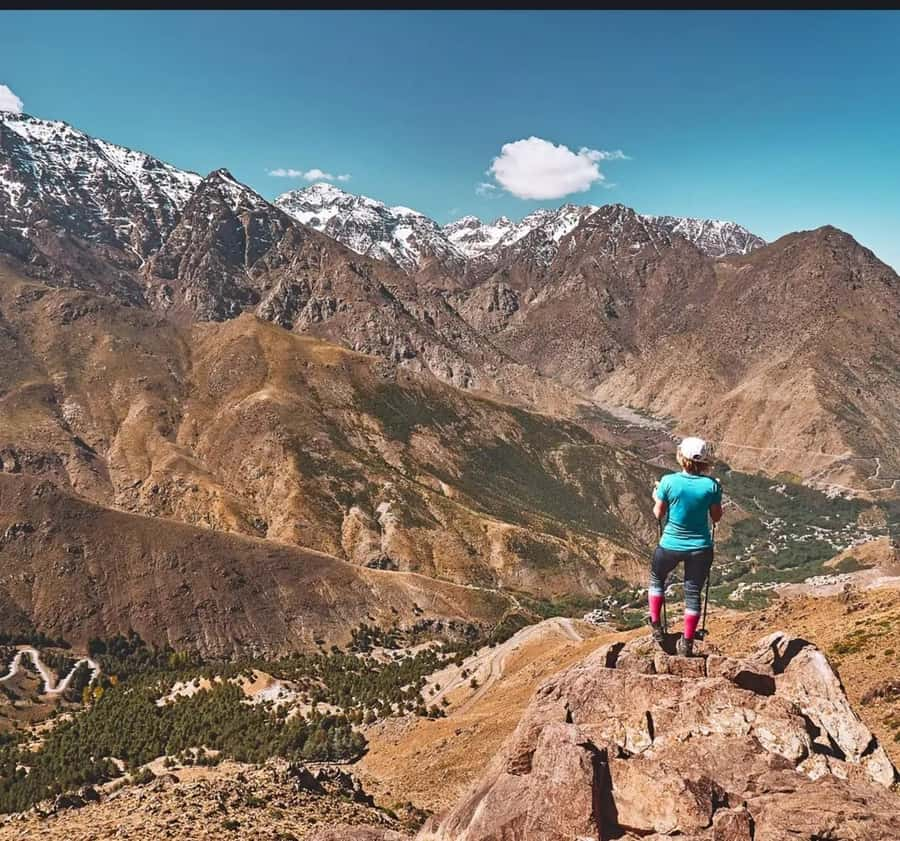
Most Toubkal adventures feel like a straight shot from Marrakech to the summit. This one starts with the drive and then quickly turns into a climb-your-way-up experience. You begin in Imlil (about 1,740m), then you walk into the Atlas with passes that force your body to adjust gradually instead of all at once.
What I like is the pacing logic. You’re not just grinding uphill every single hour; you get time to move, descend into valleys, and then climb again. That pattern is exactly what makes later steep sections feel more manageable.
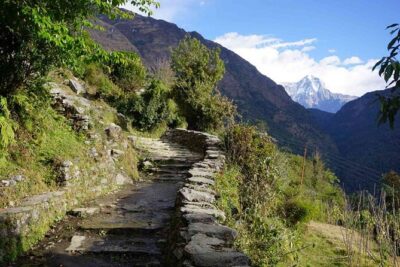
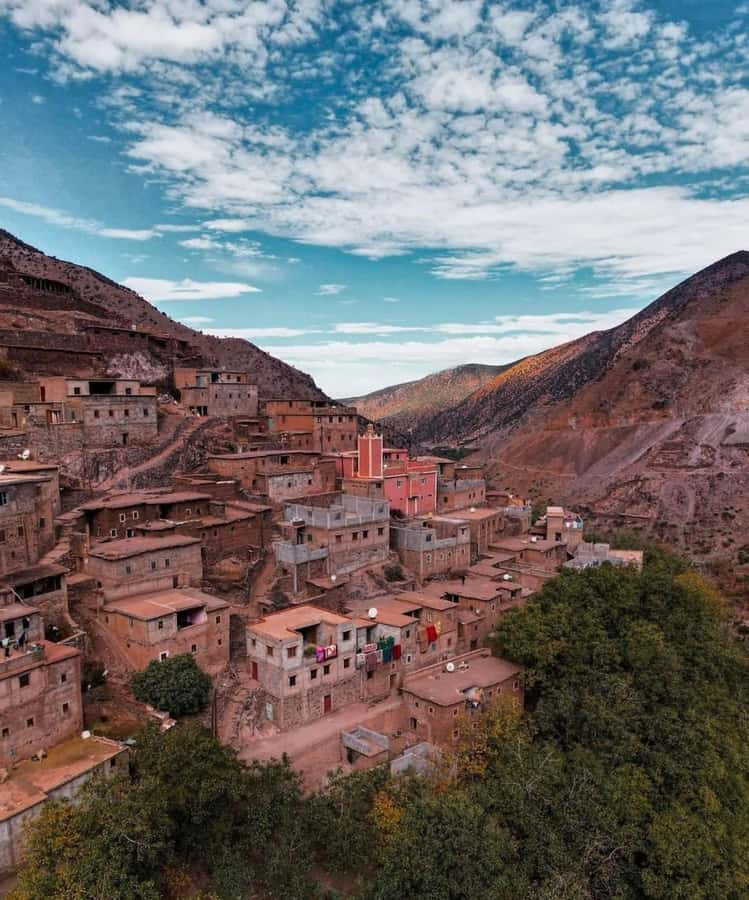
You’ll also feel how local the walking is. You pass through remote High Atlas valleys, see Berber villages, and move along traditional routes where the terrain does most of the navigation work for you.
You can also read our reviews of more tours and experiences in Imlil.
Day-by-day route: the High Atlas rhythm from Tacheddirt to Amsouzert
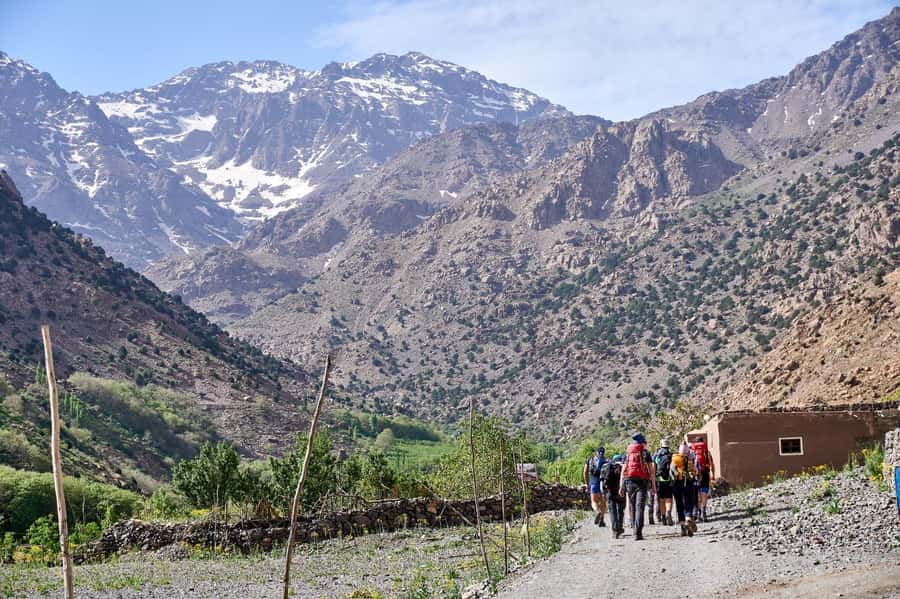
Day 1 sets the tone. You start from Imlil and hike for roughly 4–6 hours total, including a climb to Tizi n’Tamatert Pass (2,279m) and then a descent into the Imnane Valley. Then you reach Tacheddirt (around 2,400m) where you sleep in a gîte or camp. For me, this is the best first-day recipe: enough uphill to wake up your legs, followed by a descent that helps your body settle.
Day 2 continues the altitude work. You begin at Tacheddirt (around 2,300m) and climb to Tizi n’Likemt Pass (3,555m), a big jump that brings strong panoramic views. From there you descend to Azib Likemt (about 2,600m) and camp. It’s a classic mountain pattern: climb, open sky views, then a slower landing into shepherd country.
Day 3 flips the scenery and the altitude again. You trek through remote valleys and traditional Berber hamlets, then descend to Amsouzert (around 1,740m) for a night in a local guesthouse. This day matters more than it sounds. Dropping down can be easier on your breathing, and the village stop gives you a real reset before the higher, more exposed terrain ahead.
Ifni Lake camp: the turquoise reward and the calm lunch break
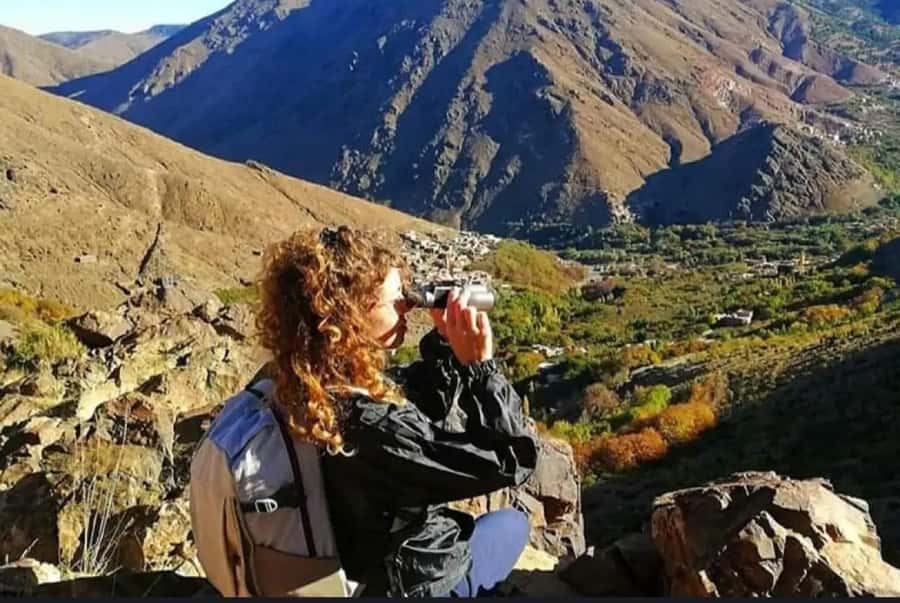
Day 4 is where the trip starts to feel like a true mountain journey instead of a checklist. You hike toward Ifni Lake, which sits at roughly 2,295m and is the only large lake in the High Atlas on this route. The description is specific for a reason: the lake’s color and the steep rocky walls around it make the area feel high and remote even when you’re not on the final summit push.
You’ll spend the night camping on the lakeshore. That means your day doesn’t end when the walking stops. You get that quiet moment where the mountains feel bigger than the trail, and the sky does what it does best up high.
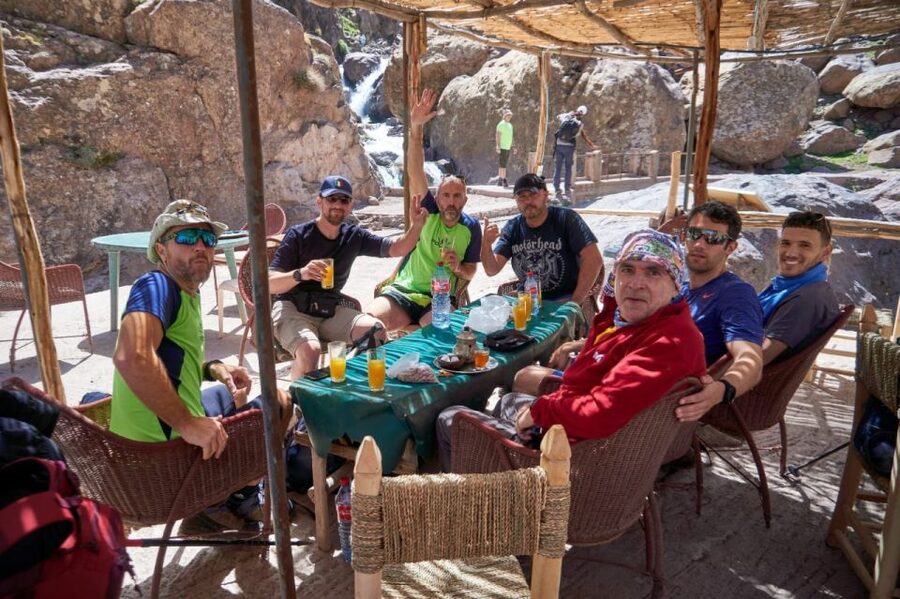
And yes, the lunch here is a highlight for a reason. A peaceful meal surrounded by alpine scenery gives your body time to recover and your mind time to reset. When you later hear about steep passes and a summit morning, you’ll appreciate having already built a calmer memory into the trek.
The big challenge: Tizi n’Ouanoums and a night at Toubkal Refuge
Day 5 turns serious. You leave the Ifni Lake area and hike up toward Tizi n’Ouanoums Pass (around 3,660m). The climb is described as steep, and it’s the kind of slope that tests pacing more than strength. Slow steps win here. If you push hard early, you’ll pay for it later.
After crossing the pass, you descend to Toubkal Refuge (about 3,200m) for the night. A refuge stay is usually about logistics: getting warm, eating, and sorting out your summit gear for the next morning. Even if you feel tired, this is when you want to stay methodical—drink water, eat what you can, and get as much rest as possible.
This is also the day where having a supportive guide really shows. On treks like this, the guide’s job is more than route finding. It’s checking that you’ve packed the essentials, reminding you to pace, and keeping you safe as the terrain narrows into a colder, more exposed world.
Summit morning at 4,167m: sunrise, 360° views, and the feeling of completion
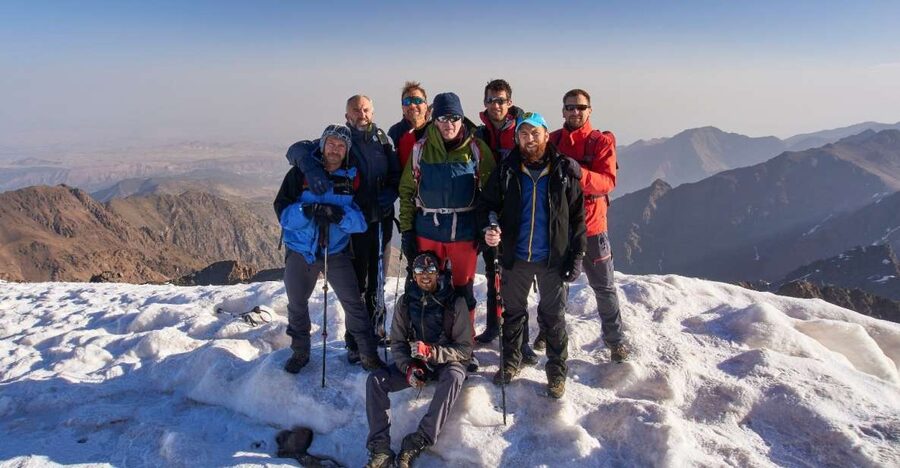
Day 6 is the reason people choose this trek. You start with an early ascent of Mount Toubkal (4,167m)—the climb is timed for sunrise viewing. When the cold air meets first light, the route feels sharper and the effort feels more purposeful.
From the summit, you get 360° views across the Atlas Mountains, with visibility reported as far as the Sahara. That wide horizon is part of the reward, but the bigger emotional payoff is finishing with a clear end point: you descend back to Imlil (down to about 1,740m) and then head back to Marrakech with a private transfer.
If you’re the type who likes to take photos, this is where you’ll want to stay focused on your rhythm. Sunrise views are short on mercy—you may have a few minutes of perfect light, then you’ll need to move on before the cold or wind starts slowing you down.
Price and comfort: where the $795 actually goes
At $795 per person for a 6-day program, the value is mostly in what’s handled for you. Your price includes Marrakech pickup and drop-off, transportation, all nights, a local guide, all meals during the trek, and water.
That matters because the cost of doing this style of trek on your own is rarely just guide fees. You also have to piece together lodging, meals, and logistics that fit the walking schedule. Here, you’re paying for a whole system to run while you focus on the trail and the altitude.
What’s not included is also clearly stated: trekking gear (available to rent) and personal expenses. So you should budget for gear if you don’t have it already—especially shoes, warm layers, and a hat that can handle wind.
In short: if you want a Toubkal summit trek without the planning headache, this pricing structure is on the right track for what you get.
What to expect from the guide and group setup
This trek is led by an English-speaking local guide. That’s a practical win on mountain days where clarity matters—especially when you’re deciding your pace, checking your pack, and handling route decisions at higher altitude.
Also pay attention to how support is built into the hike. The guide may help by making sure you carry the right things day-to-day, and you might find that heavier items are taken care of by the guide or a porter depending on how many trekkers are in the group. If you’re carrying a big bag, the idea is to keep you from turning the trek into a weight-bearing contest.
One thing to bring yourself: the guide can only help if you have a pack system that makes sense. Keep your daypack easy to open, and keep essentials reachable.
What you should bring (so you don’t suffer twice)
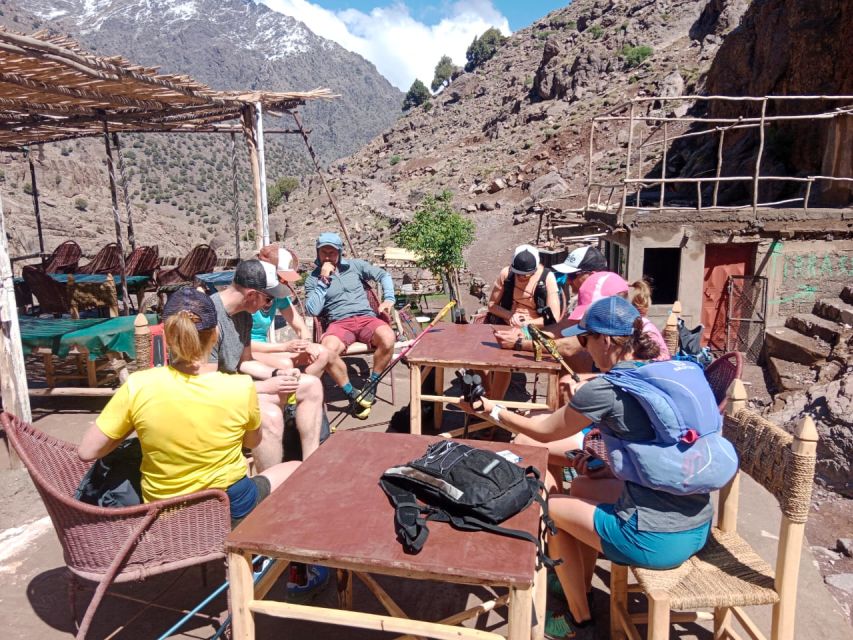
The gear list is solid and the main point is simple: you need layers for mountain weather and shoes that are already broken in. You’ll want passport, hiking shoes, comfortable shoes, daypack, jacket, hat, sunscreen, gloves, and a change of clothes. Bring a camera and a power bank if you rely on your phone.
Don’t skip the safety basics. Travel insurance is listed, and it’s smart here because you’ll be far from city help. A first aid kit and some cash are also included in the recommended list.
If you don’t have trekking gear yet, you can rent it, but don’t wait until the last minute if possible. Getting the right fit for shoes and a pack system can save you from blisters and wasted energy.
Who this trek suits best (and who should skip it)
This is best for hikers who want a structured mountain challenge and can handle long walking days with steep sections. You should be comfortable moving for hours, coping with changing altitude, and keeping steady on passes like Tizi n’Likemt and Tizi n’Ouanoums.
It is not suitable for children under 12, pregnant women, or people over 70. If any of those apply, choose a different trek that matches your body’s needs and reduces risk.
If you like the idea of hiking through Berber villages, spending nights in gîtes, camp, and a refuge, and then ending with a summit sunrise, this route fits that style very well.
Should you book: the quick decision guide
Book this trek if you want:
- a real chance at a sunrise summit experience on Toubkal
- built-in altitude pacing through valleys and high passes
- Ifni Lake camp as a memorable mid-trip highlight
- a guided, logistics-heavy plan where meals and water are handled
Consider another option if you:
- want a low-effort hike or limited altitude exposure
- prefer a route with fewer steep, high-pass days
- can’t commit to early morning starts and long hikes
If you’re a capable hiker who likes clear structure, this is the kind of trek where the effort feels earned. Each day adds a piece of the final picture, and the summit morning lands with real impact.
FAQ
How long is the trekking route?
The trek lasts 6 days.
What is the summit height of Mount Toubkal?
Mount Toubkal is 4,167m, the highest peak in North Africa.
Is the guide English-speaking?
Yes, there is a live tour guide in English.
Are meals and water included?
Yes. All meals during the trek and water are included.
Do I need trekking gear, and can I rent it?
Trekking gear is not included, but it is listed as available to rent.
What hotel pickup setup should I expect in Marrakech?
Pickup is included, and you should share the address of your hotel. The pickup happens at the nearest point accessible by van.
Who is this trek not suitable for?
It is not suitable for children under 12, pregnant women, and people over 70.