REVIEW · IMLIL
Climb Toubkal: 2-Day Atlas Trek with Local Berber Guide
Book on GetYourGuide →Operated by Atlas Mountains Hikes · Bookable on GetYourGuide
A 4,167 m summit in two days. I like the way this trek pairs a local Berber guide (often Hussein) with real village life, not just photo stops. You’ll move through Berber settlements toward the Toubkal Refuge, with mules and included meals making the hard parts more doable.
What I love most is the chance to summit Toubkal (North Africa’s highest peak) and stand there for 360-degree views of the Atlas Mountains. It’s a small, hands-on climb where you’re not just following a route—you’re hiking with people who know the mountain and the culture.
One consideration: this is strenuous, and the second day starts very early in the cold. If you’re not comfortable with steep, rocky ground and big altitude, think twice before booking.
In This Review
- Key highlights worth waking up for
- Mount Toubkal, North Africa’s highest peak, in a 2-day push
- Getting to Imlil and the start of the trek: where the trip turns real
- Day 1: Imlil to the Toubkal Refuge at about 3,200 m
- Overnight at the refuge: food, warmth, and what sleep is really like
- Day 2: the early summit attempt and the 360-degree payoff
- The return to Imlil: lunch, long descents, and closing the loop
- Guides, meals, and local life: what “authentic” looks like on the trail
- Equipment you don’t have to buy, and what you still should bring
- Fitness expectations: know what you’re signing up for
- Price and value: is $193 reasonable for a summit trek?
- Who this trek fits best (and who should skip it)
- Should you book this 2-day Climb Toubkal with a local Berber guide?
- FAQ
- How far is Imlil from Marrakech?
- What’s included in the trek price?
- Do I need to bring hiking equipment?
- What languages are the guides available in?
- Is the trek done year-round, and do I need crampons?
- Who shouldn’t book this trek?
Key highlights worth waking up for
- Summit Toubkal at 4,167 m and earn those 360-degree Atlas views
- Berber guide support from Imlil (often Hussein) with culture stories along the way
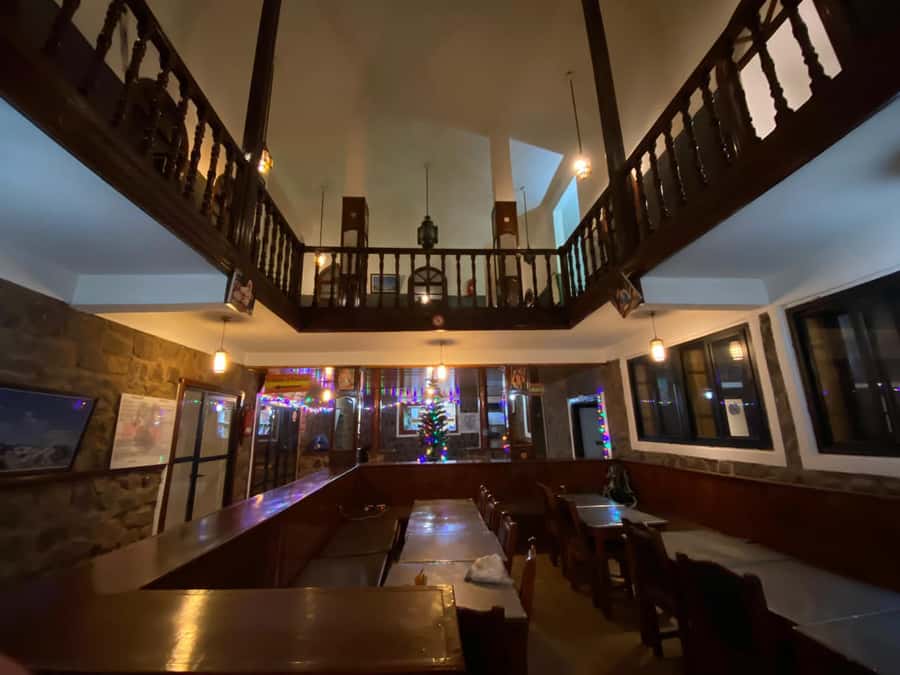
- Overnight at the Toubkal Refuge around 3,200 m, with traditional dinner and a proper reset
- Mules carry your heavy bags, so you can focus on your own legs and breathing
- Meals included all day from lunch to dinner and breakfast for the summit push
Mount Toubkal, North Africa’s highest peak, in a 2-day push
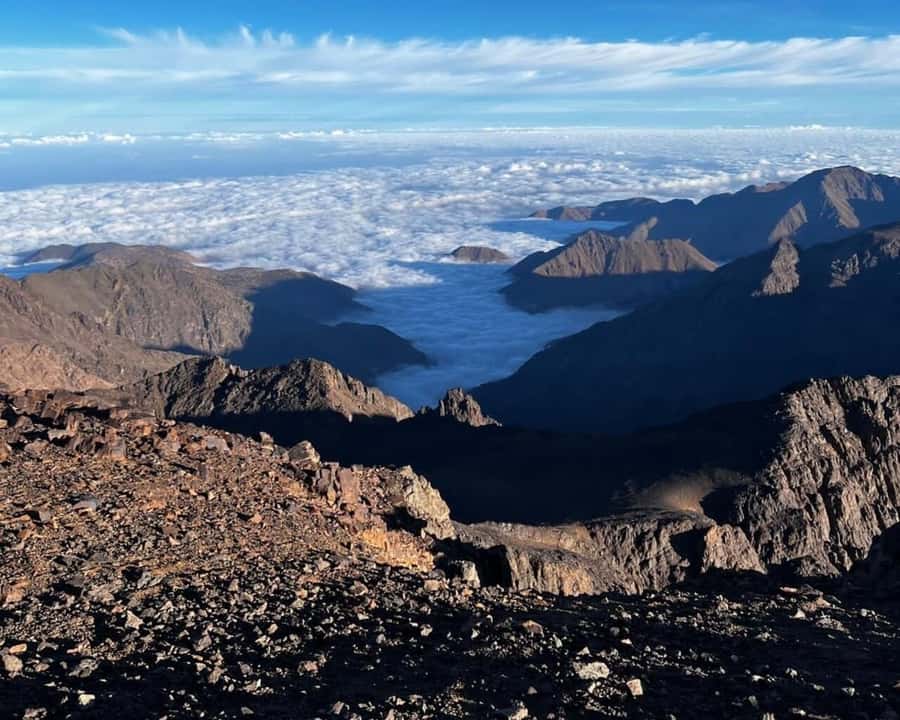
If you want one big summit goal without turning it into a week-long expedition, this two-day Mount Toubkal trek from Imlil is a clear option. You’re aiming for the top of North Africa’s highest mountain—Toubkal—at 4,167 meters. That height matters. Even if you’re in good shape, you’ll feel the altitude through exertion and slower breathing.
The real value here is that the climb is paired with human-scale moments: village roads, small community rhythms, and the kind of shared meal that makes the day feel longer—in a good way. You’re not only chasing a summit checkmark. You’re hiking through the Atlas in a way that keeps the focus on people and place.
Your pace is designed around a guided rhythm. In real life, groups can be small and flexible—some hikes run with about 10 people and more than one guide—so you’re less likely to get left behind. That said, the route still demands stamina. This isn’t a casual walking tour.
Getting to Imlil and the start of the trek: where the trip turns real
You’ll start in Marrakesh, with pickup from your hotel/riad or the nearest possible point by private car/van. The drive to Imlil is about 90 minutes, so you’re not burning half a day just to reach trailhead.
Then it’s time to meet your local Berber guide and the mule team. The mule support is more than a convenience. It changes what you’ll carry, and that matters when you’re going uphill with altitude in the mix. It also helps keep the hike feeling like a group experience rather than a survival exercise of who brought the lightest pack.
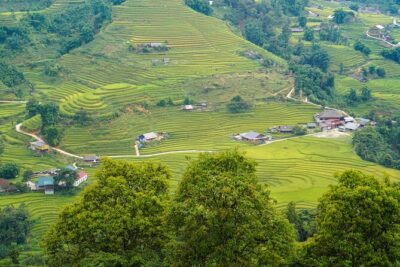
What I like about the first day is the gradual “Atlas-to-alpine” shift. You begin through valleys and terraced areas, moving between villages. You stop for lunch along the way, then keep climbing as the terrain steepens. Even when you’re working hard, you get repeated chances to look back and reset your effort.
Tip that’s worth taking seriously: you need warm layers early. High elevations cool fast, and the trek rises into colder air as the day goes on.
Day 1: Imlil to the Toubkal Refuge at about 3,200 m
Day 1 is all about position. Your goal isn’t the summit yet—it’s reaching the Toubkal Refuge at roughly 3,200 m, where you can eat, sleep, and prepare for the hardest push of the trip.
The hike starts in Berber village country. Expect stone paths, local homes and fields, and the kind of everyday scenery you rarely see from main roads. This is where your guide’s cultural knowledge becomes practical. You’re not just hearing stories. You’re learning what you’re walking past and why it’s built the way it is.
You’ll also get included meals—lunch on the way, then dinner at the refuge. Many treks include food, but what makes this one feel more grounded is that the dinner isn’t treated like a roadside snack. It’s part of the overnight routine, with a traditional setup that gives your body fuel for the night and early morning climb.
Once you arrive at the refuge, there’s time to settle in. Some nights can be noisy, especially in shared bunk-style rooms. That’s not a deal-breaker, but it is real. I’d pack earplugs if you’re a light sleeper, because you’ll likely need what rest you can get before the summit attempt.
Overnight at the refuge: food, warmth, and what sleep is really like
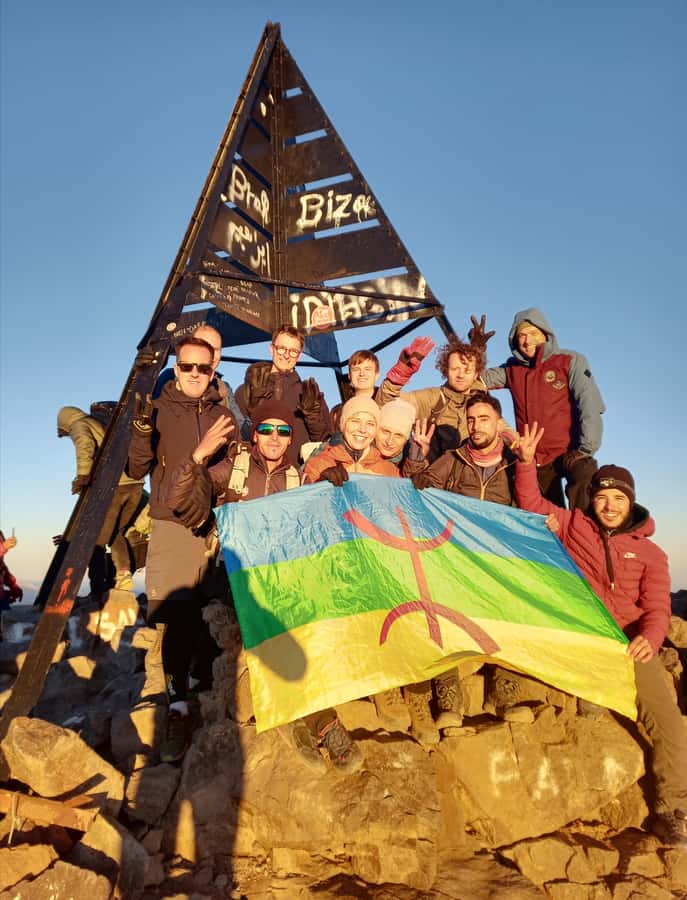
The overnight stay is included, and it’s one of the key parts of why the trek works in two days. You’re at high altitude, you’ll be tired, and your summit morning depends on you not burning all your energy too early.
Accommodation style can be basic. In at least some cases, you’ll be in bunkrooms, which means sleep quality varies. A hot shower may be available at the refuge, so if hygiene matters to you, ask your guide on arrival what facilities you’ll have that night.
Food is a strength of this trek. The meals provided include dinner the first night, and breakfast the next morning. On some treks, there’s also a cook following your group who prepares solid, non-fussy meals along the way. That’s helpful on summit day when you don’t want to experiment with your digestion.
A small gear note that can save you frustration: summit mornings can begin before sunrise, and headlamps are useful. If you forget one, local arrangements may be possible through your guide, but it’s better not to gamble. Bring what you need.
Day 2: the early summit attempt and the 360-degree payoff
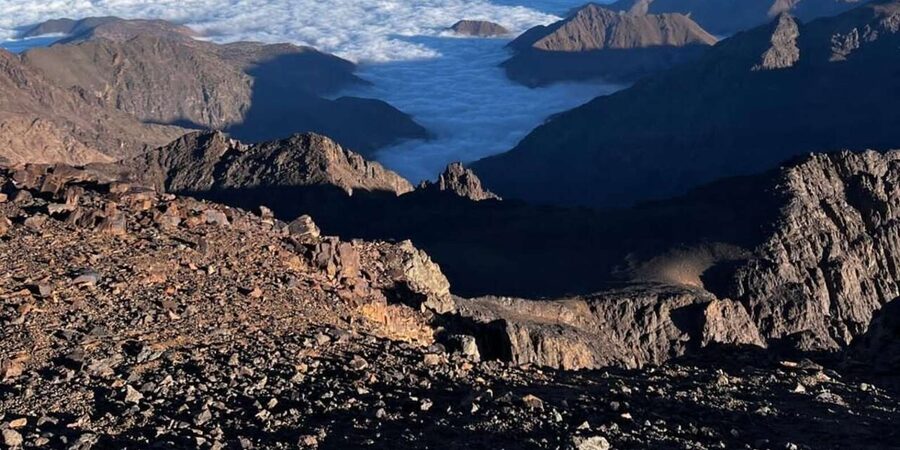
Day 2 starts early for one reason: you want to reach the summit while conditions are still manageable. In at least some real runs, people wake around 3 a.m., with trail time beginning around 4 a.m. That timing isn’t a marketing detail—it’s the structure of how these climbs work when you’re gaining high altitude fast.
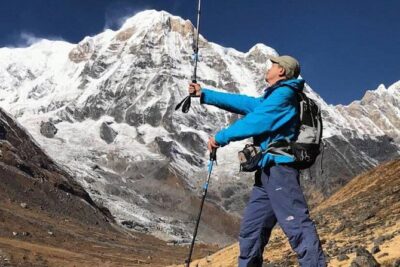
After breakfast, you start ascending along a rocky route. Expect steep sections and a steady pace requirement. This is where the guide earns their fee. A good mountain leader helps you pace yourself so you’re not sprinting at the wrong moment, and they keep the group moving safely over rough ground.
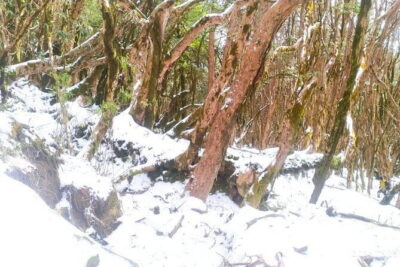
You may also encounter snow on the upper slopes depending on the season. If you’re trekking in winter months, crampons are required due to snow on the peak. Don’t assume your usual hiking shoes will handle it. If the conditions are right for crampons and you don’t have them, your guide won’t let you wing it.
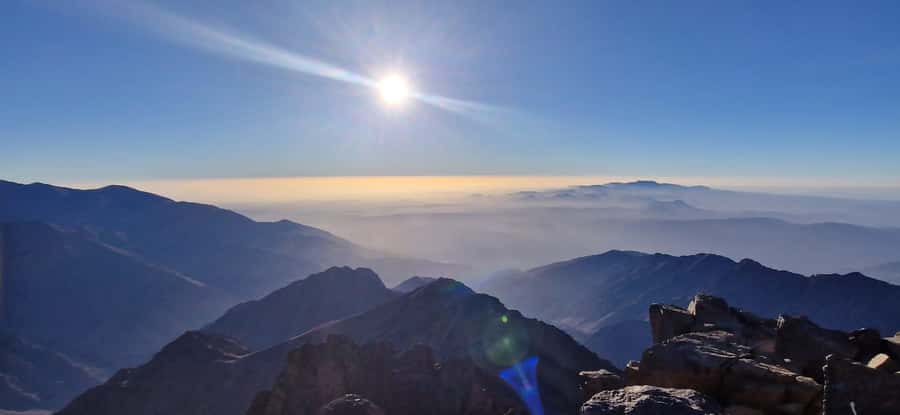
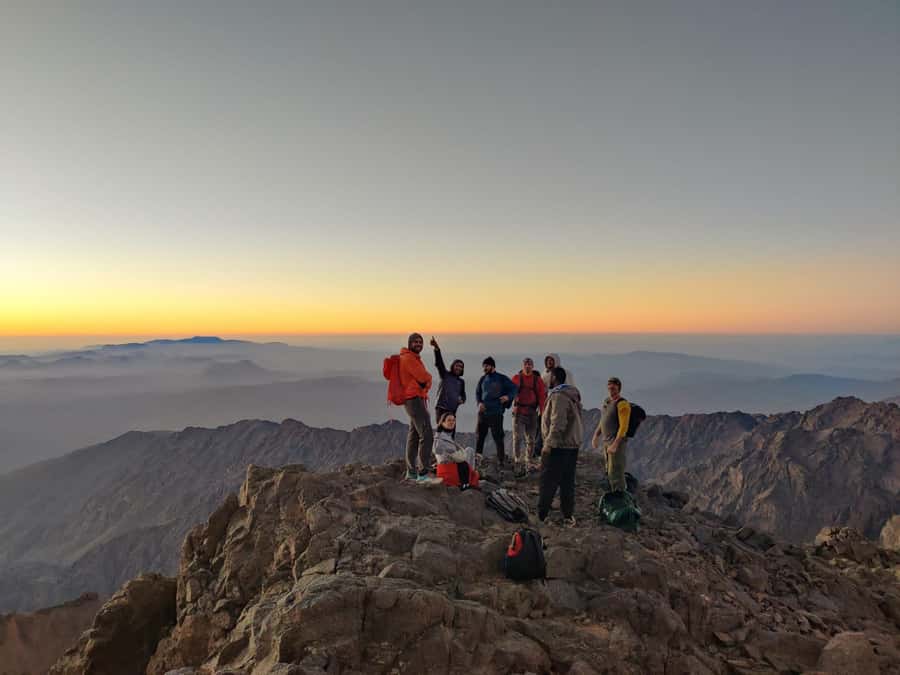
Eventually, you reach the summit of Toubkal and get those famous wide views. The feeling here is hard to explain until you’re standing there: 360-degree mountain views, the kind of horizon line you don’t get from cities or beach trips. You’ll take a break, photos will happen, and then the descent begins.
Then comes the other truth about Toubkal: descending is still work. People often underestimate how long the return takes. In one example climb, hikers walked a long day with a steep final descent even after summiting. Plan for a full-body workout, not a quick victory lap.
The return to Imlil: lunch, long descents, and closing the loop
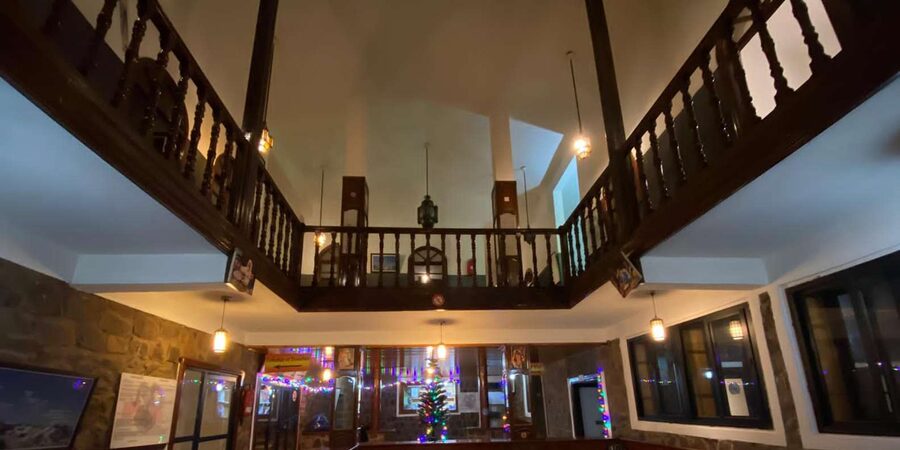
After you summit, you’ll descend back to the Toubkal Refuge area for lunch, then continue the long walk down to Imlil, where the trek ends.
This portion matters because it affects how you’ll feel when the trip is over. If you only think about the summit moment, you might be surprised by how much your legs still need after a cold night and a steep ascent. The second day can include a long stretch on rocky ground, so your footwear choice and your hydration habits from day 1 carry weight.
When you reach Imlil, transport back to Marrakech is included. It’s a nice finish: you don’t have to solve logistics after your body is done negotiating.
Guides, meals, and local life: what “authentic” looks like on the trail
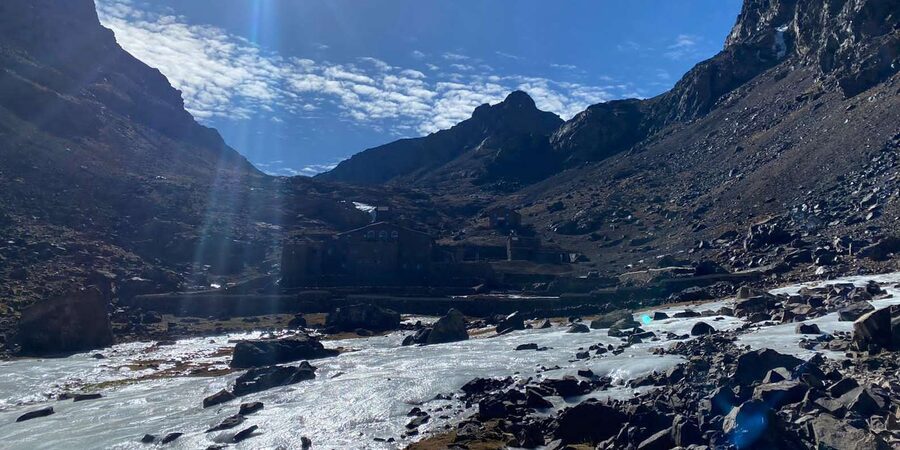
This trek leans hard into local Berber life, and that’s not just wording. The route runs through villages, and the meals are part of that connection. You’re eating what the community offers on that schedule—simple, filling, and geared toward people who work and hike in the Atlas.
The name you’ll often hear is Hussein (spelled various ways). In real experiences, he’s praised for both professionalism and for sharing cultural insight. That combination helps on the mountain: it builds confidence when you’re tired and gives context when you see a village, a valley route, or a way of farming that looks different than what you’re used to.
Also pay attention to dietary flexibility. If you have dietary needs, your guide may be able to adapt meals. In one case, the guide handled a dietary requirement well. Still, be clear ahead of time so expectations match what’s possible.
Equipment you don’t have to buy, and what you still should bring
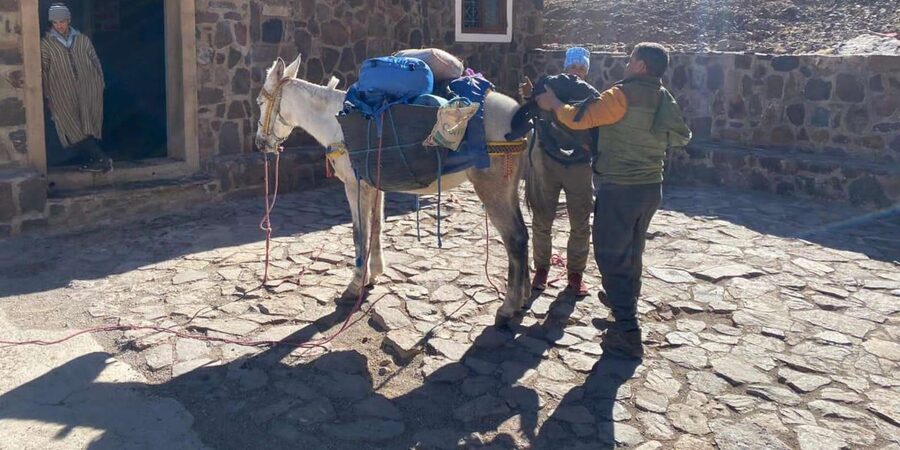
Equipment is not included, but rentals are available locally. That makes it easier if you’re traveling light, but you still need to show up prepared for mountain weather and for sleep at altitude.
Here’s what you should bring based on what’s recommended for this trek:
- warm clothing (high altitudes can be chilly)
- sun protection: hat and sunscreen
- hiking shoes
- daypack
- clothes that can get dirty
- sleeping bag
- water bottle
- basic hiking gear like a backpack/trekking poles if you use them
And for winter months:
- crampons may be required due to snow on the peak
If you’re missing something, renting locally can help. Headlamps are one of those items that might not be on your packing checklist until the moment you need them, and some guides can arrange rentals if needed.
Fitness expectations: know what you’re signing up for
The trek is demanding, and the provider lists it as not suitable for low fitness levels, children under 7, and people over 70. That’s not a legal formality; it matches how the climb feels.
Expect long days, rocky terrain, and a fast move toward extreme altitude. One account described the climb as about 40 km over two days and about 4,100 m of mountain height to deal with, with a brutally cold summit day experience in winter conditions (including wind chill down to around -30°C). Even if your weather isn’t that extreme, cold and wind are part of the reality at Toubkal.
Also plan for sleep disruption. A noisy camp doesn’t mean unsafe. It means you might wake up less rested. Then you start climbing again at night/early morning. If you’re sensitive to poor sleep, bring earplugs and use the first evening to settle.
Price and value: is $193 reasonable for a summit trek?
At $193 per person for a 2-day trip, the big question is what you’re getting for that money. Here’s what’s included:
- pick up from your hotel/riad in Marrakesh (or nearest point)
- transport to the trail area and back
- a local guide
- local food for all meals
- mule support for your bags
- base camp/refuge visit
- overnight stay
- the summit objective (reaching Toubkal is part of the plan)
What’s not included: equipment (with local rentals available).
In other words, you’re paying for the “whole system”: guide + logistics + food + overnight + mule help. That’s usually where the cost of big-group or city-based excursions climbs. Here, the setup is built around local mountain support, not just a desk selling a route.
If you’re comparing prices, do it carefully. When agencies cut costs, it’s often by removing the mule support, reducing meal quality, or adding you to larger groups. If those pieces stay in place, a price like this can be strong value for a real summit attempt.
Still, if your gear is missing, budget for rentals. And if you want crampons during winter, factor that in too.
Who this trek fits best (and who should skip it)
This is a great fit if:
- you want a real summit challenge (not just scenic walking)
- you’ll be comfortable with early starts and steep sections
- you value local Berber culture, village routes, and shared meals
- you want a guided trek where mules handle heavy bags
Skip it if:
- you’re currently dealing with low stamina or you avoid steep climbs
- you’re not willing to handle cold-weather clothing and mountain gear
- you’re outside the age range the provider lists (under 7 or over 70)
If you’re unsure about your fitness, be honest. The mountain doesn’t care how motivated you feel at 10 a.m. on day one—it shows up at 4 a.m. on day two.
Should you book this 2-day Climb Toubkal with a local Berber guide?
Yes, if you’re ready for a serious two-day hike that includes the planning support you need: pickup from Marrakesh, a local guide, mule-bag help, meals, an overnight at the refuge, and the push to the summit. The cultural side isn’t an add-on. It’s built into the route through Berber villages and the way meals are handled.
No, if you’re hoping for an easy nature walk or you don’t want to deal with steep rocky terrain, cold nights, and a very early summit attempt. Toubkal is famous for a reason—and that reason is effort.
If you book, pack warm layers, bring sun protection, and don’t forget the gear that makes early mornings safer and easier. Then put your energy into steady hiking. The summit payoff is real, and the Atlas experience sticks long after your return to Marrakech.
FAQ
How far is Imlil from Marrakech?
Imlil is about 90 minutes from Marrakech by car.
What’s included in the trek price?
Pickup from your hotel/riad in Marrakesh, transport, a local guide, local food (all meals), mule to carry bags, base camp/refuge visit, an overnight stay, and the summit objective.
Do I need to bring hiking equipment?
Equipment is not included, but you can rent gear locally. You still need to bring items like warm clothing, hiking shoes, a sleeping bag, and a daypack.
What languages are the guides available in?
The live tour guide is available in English, French, Arabic, and Spanish.
Is the trek done year-round, and do I need crampons?
The route may include snow depending on the season. During winter months, crampons are required due to snow on the peak.
Who shouldn’t book this trek?
It’s not suitable for children under 7, people with low fitness, and people over 70.