REVIEW · KATHMANDU
From Kathmandu: Private 14-Day Everest Base Camp Trek
Book on Viator →Operated by Cordial Trek Pvt. Ltd. · Bookable on Viator
Everest dreams, mapped into 14 steady days. This classic trek threads through Sherpa country toward Everest Base Camp, with the famous Lukla flight and high-altitude payoff days planned around acclimatization.
I like how the route builds in altitude breathing room, especially the acclimatization days in Namche Bazaar and Dingboche, so the climb feels less like a sprint. I also appreciate the included trekking kit (down jacket, sleeping bag, duffle bag) and the hands-on guidance from guides like Raj Tamang and Prakash Neupan, who focus on your day-to-day condition. The main drawback to plan for is weather: Lukla flights and summit timing can shift if conditions aren’t right.
In This Review
- Key highlights you should know before you go
- Everest Base Camp in 14 Days: What This Trek Gets Right
- Kathmandu Start: Transfers, Hotel Nights, and Getting Organized
- The Lukla Flight: The Short One That Everyone Talks About
- Namche Bazaar: Your First Big Altitude Checkpoint
- Deboche and Dingboche: The Route That Helps You Breathe
- Lobuche and Gorakshep: When the Trek Starts Looking Serious
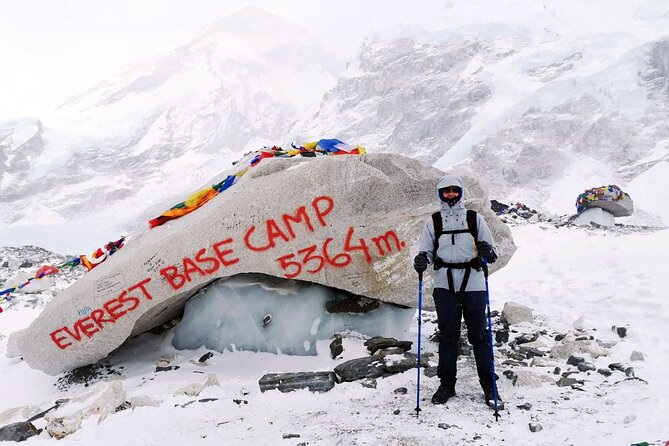
- Everest Base Camp at 5,364 m: The Payoff Moment
- Kala Patthar: The Sunrise-Style View Push to 5,545 m
- Heading Down: Namche via Tengboche, Then Lukla
- What You’re Really Paying For: Price vs. Included Value
- Gear, Meals, and Daily Reality on the Trail
- Guide and Porter Support: Why It Shows Up in the Reviews
- Who This 14-Day Everest Base Camp Trek Is Best For
- Should You Book This Everest Base Camp Trek?
- FAQ
- How long is the Everest Base Camp trek?
- Are the flights to Lukla included?
- Does the tour include airport transfers and pickup?
- What trekking gear comes with the package?
- Is Nepal visa included in the price?
- What should I have for altitude readiness?
Key highlights you should know before you go
- Lukla flight day is part of the experience: the short KTM–LUA hop is built into the schedule, not tacked on.
- Two real acclimatization stops: Namche Bazaar and Dingboche are scheduled days, not optional extras.
- Everest Base Camp is the headline: you reach EBC at 5,364 m after working your way up through the Khumbu.
- Kala Patthar is the big viewpoint push: an early walk from Gorakshep aiming for 5,545 m views.
- Private trek means more attention: it’s private for your group, with a guide and a Sherpa porter.
- Support staff names show up in real life: guides such as Raj Tamang and Prakash Neupan (and others like Pratip) are cited for calm, structured care.
Everest Base Camp in 14 Days: What This Trek Gets Right
The Everest Base Camp trek is popular for a reason. You’re chasing two things at once: altitude you can feel in your lungs, and mountain drama you can’t fake. This 14-day plan is the classic route, run as a private experience, with the pacing set up to help you acclimatize as you gain elevation.
What makes this particular trip easier to plan is the “support layer.” You’re not just given a trail map and wished luck. You get airport transfers, domestic flight tickets Kathmandu–Lukla–Kathmandu, trekking permits and park fees, plus a guide and Sherpa porter to manage the logistics and keep you moving at a safe rhythm.
The trek also aims at the core Everest moments: Namche Bazaar in the middle of Sherpa life, Everest View-area stops, Everest Base Camp itself, and the sunrise-style viewpoint push to Kala Patthar. If you want the full checklist with minimal decision-making, this is built for that.
You can also read our reviews of more tours and experiences in Kathmandu.
Kathmandu Start: Transfers, Hotel Nights, and Getting Organized
Day 1 is straightforward: you land at Tribhuvan International Airport, meet your Cordial Trek representative, and get picked up. Then it’s hotel time in Kathmandu before the mountains start demanding your attention.
This matters more than people think. Kathmandu is where you sort the basics that can make or break the first days: settling your sleep, double-checking your layers, and getting comfortable with how the trek will run. It also gives you a day to slow down before the Lukla flight and the first hiking pushes.
Because the trek includes airport transfers, you’re not juggling ride shares after a long travel day. It’s small, but it removes stress when you’re already tired.
The Lukla Flight: The Short One That Everyone Talks About
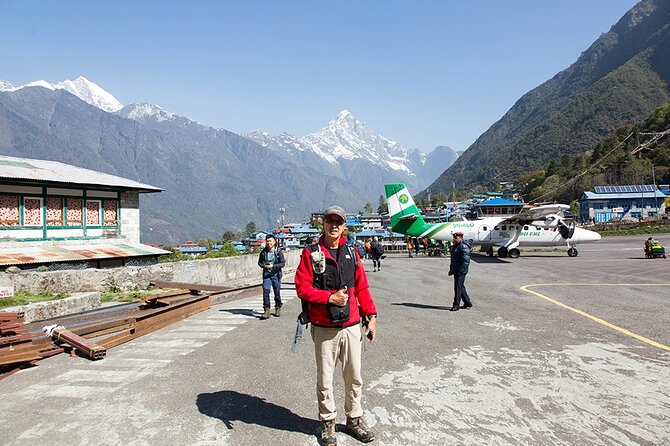
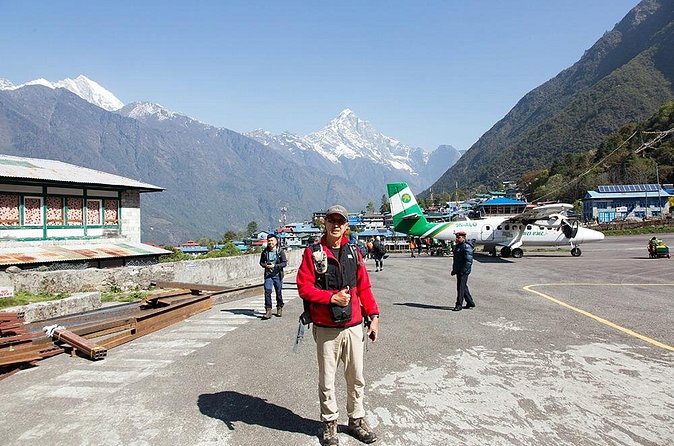
You’ll fly from Kathmandu to Tenzing Hillary airstrip in Lukla, with a flight time listed at about 30 minutes. Even with the short duration, Lukla is known as one of the tougher airports to operate, and the schedule reflects that reality.
Here’s the key planning point: this trek depends on good weather for flights. That doesn’t mean the operator is careless; it means you’re traveling into a system where cloud cover and wind can force changes. So keep your mindset flexible and avoid tying extra commitments to your Kathmandu departure day.
On the plus side, having the domestic flights included helps you avoid the most common budgeting headache. You’ll be dealing with weather, but at least you’re not also negotiating flight tickets at the last minute.
Namche Bazaar: Your First Big Altitude Checkpoint
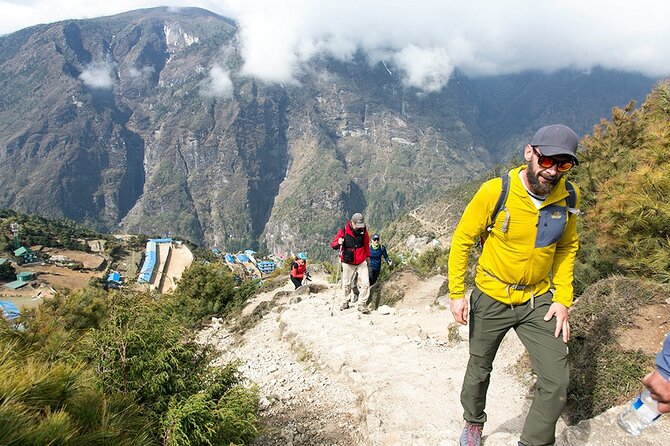
Your trek settles into the Everest rhythm with a hike from Phakding to Namche Bazaar, taking about 6 hours and reaching a max altitude around 3,438 m. This is where you’ll start feeling the air thin out, but it’s also where the trek becomes cultural, not just physical.
Namche Bazaar isn’t a background stop. It’s a hub at the edge of the Khumbu and a place to reset your pace. On your second Namche day, you explore town and handle acclimatization. That additional time is a big deal on Everest itineraries, because rushing acclimatization is the quickest route to bad nights and worse decision-making.
There’s also an Everest View-area stop connected with Hotel Everest View, noted for 360-degree views and its setting in the Sagarmatha National Park region (a UNESCO World Heritage Site). The viewpoint part isn’t just a photo break. It’s your early reward for climbing into this altitude zone.
Deboche and Dingboche: The Route That Helps You Breathe
From Namche to Deboche is about a 6-hour trek, topping around 3,820 m. This is another day where the schedule stays realistic: steady walking, time to absorb what’s around you, and forward movement without forcing a “go hard” mindset.
Next comes the move from Deboche to Dingboche (about 5 hours, max altitude around 4,360 m). As you gain elevation, your body gets louder. The trail continues to thread through river and valley sections, and the plan gives you a structured rest day in Dingboche.
That Dingboche acclimatization day is one of the best parts of this itinerary. You’re not just stopping because the calendar says so. You’re given time to explore and adjust to altitude before continuing upward. The route also includes a guide-led outing from Dingboche on that day, which tends to be helpful because you can keep your efforts controlled instead of freelancing.
In short: you earn the higher altitudes by doing the “boring” work first—slow breathing, steady pacing, and sleep that doesn’t feel like punishment.
Lobuche and Gorakshep: When the Trek Starts Looking Serious
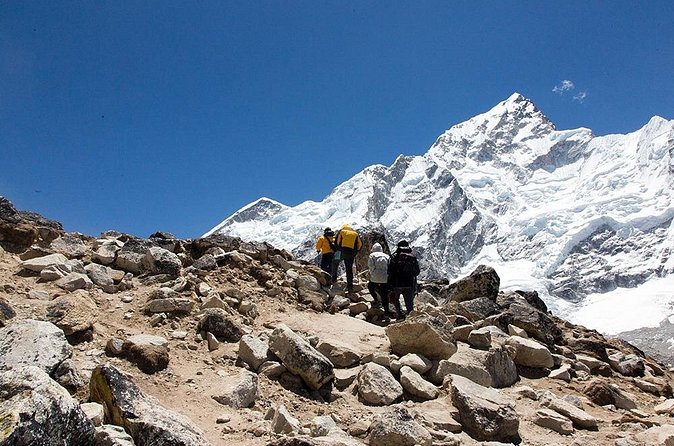
The day from Dingboche to Lobuche is listed at 4–5 hours with a max altitude around 4,940 m. Lobuche sits close to the Khumbu Glacier area, and that setting matters because the terrain and the feeling of “we’re really in it now” start to shift.
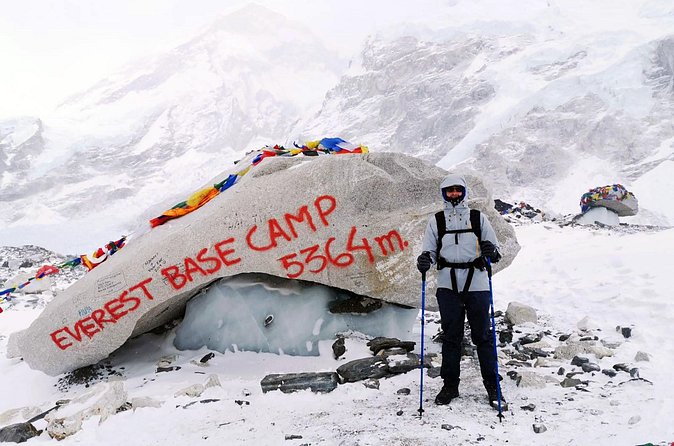
Then the route pushes to Gorakshep, a small settlement around 5,164 m, and from there you go for Everest Base Camp at 5,364 m. This is your major summit-adjacent day in a trek that isn’t actually climbing a summit. It’s a physical day, yes, but it’s also a psychological moment: you’re finally at the point the whole planning exercise has been leading to.
Two practical things help here. First, you’ll be walking at higher altitude than earlier days, so your effort will feel bigger. Second, your guide and Sherpa porter become more than logistics people. They’re the ones who help you keep things steady so you don’t blow up on a high-altitude push.
Everest Base Camp at 5,364 m: The Payoff Moment
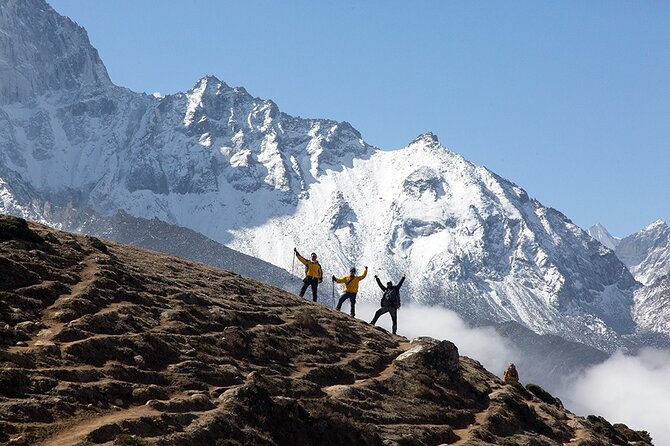
Reaching Everest Base Camp is what most people are chasing, and the trek gets you there as a dedicated part of the experience. The plan sets it after Gorakshep, which keeps the approach structured.
A trek like this draws about 40,000 people per year to the EBC area, so you’re not alone in the dream. But even with crowds, what hits you is the scale: you’re in a high-mountain staging world with an attitude of cold reality. This is less a “tourscape” than a place that reminds you you’re inside a real environment.
You’ll have a short time at EBC itself on the schedule. Don’t treat that time like a sprint. Use it for orientation, quick photos, and a calm check of how you feel. High altitude rewards steady behavior.
Kala Patthar: The Sunrise-Style View Push to 5,545 m
Early on Day 10, you’ll hike a 3-hour round trip to Kala Patthar via Gorakshep, aiming for a max elevation listed around 5,545 m. This is the high-stakes day—not because it’s dangerous by default, but because it’s hard and exposure is real at that altitude.
If you’re wondering why so many Everest trekkers talk about Kala Patthar: it’s your chance to see the mass of Everest from a viewpoint high enough that the mountain looks close and the valley looks wide. Even if weather muffles the perfect sky, the effort still tends to feel worthwhile because you’re earning the view with your legs.
The route helps by putting Kala Patthar after you’ve already reached Base Camp. You’re not doing it first as a shock move. You’re stacking it as a finishing-style push, which often feels more manageable because you already know you can reach the headline altitude.
Heading Down: Namche via Tengboche, Then Lukla
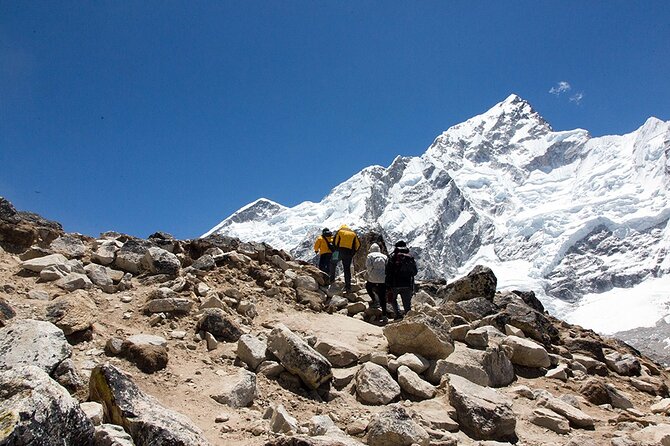
After the big EBC and Kala Patthar days, the trek turns into descent work and recovery.
You trek back toward Namche Bazaar from Pheriche via Tengboche, taking about 6–7 hours and then staying overnight back in Namche. Tengboche is listed as part of the highlights, and you’ll get that monastery-area flavor along the return route. This is a nice contrast day: you’re still moving in serious terrain, but you’re not chasing new maximum altitude.
Day 12 takes you from the higher zone back down toward Lukla via Phakding, listed around 7–8 hours. It’s a long walking day, but the good news is the schedule is aligned with the flight home on Day 13.
Day 13 flies you back to Kathmandu, then you get free time in the evening. That free time is important. After an altitude trek, your mind often feels ahead of your body. It’s a good moment to eat well, drink water, and stop thinking about the next step for a few hours.
Day 14 wraps with a Trip Certificate and a final airport drop about three hours before departure. It’s a clean finish.
What You’re Really Paying For: Price vs. Included Value
The price is $1,650 per person. On paper, that’s a lot of money for a trek that’s mostly walking. The value comes from what’s bundled into that cost.
Included items that matter:
- Domestic flights Kathmandu–Lukla–Kathmandu
- A guide and a Sherpa porter
- Permits and national park fees
- Accommodations along the way
- Airport transfers
- Down jacket, sleeping bag, and a duffle bag (gear you don’t want to buy or haul)
- Meals: 11 lunches, 12 dinners, and breakfast included across the trek days
- Basic trekking extras like a map, a company T-shirt, and a Trip Certificate
Not included items to plan for:
- Nepal visa
- Travel insurance (compulsory)
- Personal expenses
- Tips/gratitude for your guide and porter
- Any unspecified meals
- Solo traveler surcharge
So the budget question isn’t only the trek fee. It’s whether you’re saving yourself the hassle of assembling gear, permits, and flights yourself. If you’d rather focus on walking and acclimatizing instead of juggling logistics, this package is priced to reduce friction.
Gear, Meals, and Daily Reality on the Trail
You’re given a down jacket, sleeping bag, and duffle bag. That means you don’t have to guess which equipment will actually keep you warm at altitude. It also means you can pack more intelligently for Kathmandu and the first trekking days.
Still, your comfort depends on how you use the gear. Layers matter. Even with a warm jacket, you’ll be managing sun, wind, and cold depending on the hour and elevation. The best move is to dress in a way that lets you breathe while walking and protect yourself quickly when you stop.
Meals are partially included (multiple lunches, dinners, plus breakfasts). That’s helpful for energy, but you’ll still want a little budget for snacks and personal preferences. At altitude, extra calories can make you feel better, not just fuller.
Guide and Porter Support: Why It Shows Up in the Reviews
The consistent praise in guide performance is about care and structure—especially check-ins on how people are doing. Names that come up include Raj Tamang and Prakash Neupan. Another guide name you may see referenced is Pratip, plus staff like manager Ramesh.
There’s also mention of a systematic approach to help keep a successful trip on track. That often translates into practical behavior: pacing that matches your condition, advice on when to push and when to slow down, and assistance if your body gives warning signs.
This trek uses a guide and Sherpa porter model. The porter matters because your bag weight and walking rhythm affect how you sleep and how you feel the next day. Less strain usually means better acclimatization behavior, and that’s what you want in Everest country.
Who This 14-Day Everest Base Camp Trek Is Best For
This is designed for people with moderate physical fitness. The hiking days are long enough to be a real trek, but the itinerary includes acclimatization and recovery time that reduces the “improvise your way through altitude” problem.
You’ll like this trek if:
- You want the classic Everest Base Camp route with the major viewpoint day to Kala Patthar
- You’d rather have flights, permits, and support organized for you
- You value a private setup for your group, with a guide and Sherpa porter
You might want a different plan if you’re extremely time-crunched. This trek is built around altitude management. Skipping acclimatization would be the wrong move, even if it feels tempting.
Should You Book This Everest Base Camp Trek?
If your goal is the standard Everest Base Camp experience, with less logistics stress and more structured altitude pacing, I think it’s a solid booking choice. The included gear and flights take away the biggest pre-trek uncertainties, and the schedule’s acclimatization days help you arrive at EBC with energy instead of dread.
I’d book it if weather flexibility is okay for you. The plan depends on good conditions for Lukla. When the weather cooperates, this itinerary hits all the right icons: Namche Bazaar, Everest Base Camp, and Kala Patthar.
If you’re the kind of person who panics when a schedule changes, then add extra buffer days around the trek and keep your expectations grounded.
FAQ
How long is the Everest Base Camp trek?
The trek is listed as 14 days, starting in Kathmandu and ending back in Kathmandu.
Are the flights to Lukla included?
Yes. Domestic flight tickets are included for KTM–LUA–KTM.
Does the tour include airport transfers and pickup?
Yes. Airport transfers are included, and pickup is offered.
What trekking gear comes with the package?
The package includes a down jacket, sleeping bag, and a duffle bag, listed as returnable necessary equipment.
Is Nepal visa included in the price?
No. Nepal visa is not included.
What should I have for altitude readiness?
The tour data says travelers should have moderate physical fitness. It also includes acclimatization days in Namche Bazaar and Dingboche as part of the plan.