REVIEW · SA PA
Sapa: Eco Adventure Terrace Fields and Local Villages Trek
Book on GetYourGuide →Operated by Da Nang Happy Tour · Bookable on GetYourGuide
Rice terraces, village paths, and real conversation start at 9:00. This Sapa eco trek is a long, scenic walk that also teaches you daily life among local minorities, with stops built around the Hmong and Zay communities.
I love the way the route moves through Muong Hoa Valley and layered rice country, then turns into actual village time at Y Linh Ho, Lao Chai Sang, Lao Chai, and Ta Van. I also like that your day includes a home-cooked lunch and cultural lessons, not just photos and exits.
One drawback to plan for: this is a proper hike. You’re covering about 10–12 kilometers, and the first hours can be muddy or slippery depending on the weather.
In This Review
- Key Highlights You Should Know
- Starting at Sapa Church and Getting Your Day on Track by 9:00
- Fansipan Peak Viewpoint: Fog-Proof Expectations
- Muong Hoa Valley Rice Terraces: Where the Scenery Becomes a Story
- Y Linh Ho Village and Lao Chai: Hmong Daily Life on a Walking Schedule
- Lunch at Lao Chai Sang: Home-Cooked Food and Real Hospitality
- Hmong Clothing-Making Lesson and Cultural Time in Lao Chai
- Ta Van Village (Dzay) and the Second Half of the Cultural Picture
- Walking Realities: Mud, Pace, and What to Pack
- Price and Value: Why $27 Can Make Sense
- Who This Trek Fits Best (and Who Should Skip)
- Should You Book This Sapa Eco Trek?
- FAQ
- Where do I meet the guide?
- How long is the trek?
- How far will I walk?
- What’s included in the price?
- What should I bring?
- Is it suitable for everyone?
Key Highlights You Should Know
- Small group (up to 10) keeps the day calm and makes it easier to ask questions.
- 10–12 km on foot with no vehicle support during the trek means you’ll feel the hills and valleys.
- Fansipan Peak viewpoint gives you that Sapa start, even if fog changes the view.
- Y Linh Ho (Hmong) plus Lao Chai Sang (Hmong) is where the culture becomes personal.
- Lunch with a local Hmong family is a big part of why the day feels meaningful.
- Ta Van (Dzay) adds a second minority culture before you return to Sapa around 3:30.
Starting at Sapa Church and Getting Your Day on Track by 9:00
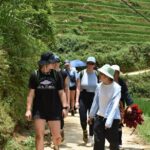
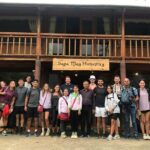
The day begins in the center of Sapa, right in front of Sapa Church. Plan to arrive a bit early so you’re not rushing when everyone gathers. Your guide will keep the group moving and help with pacing, which matters on a route this long.
With a start time of 9:00 AM and an end around 3:30 PM, you get a full daylight trek. That helps you see more than one side of Sapa: sometimes fog softens the morning, and later the valley opens up.
A nice bonus: the tour is led by a live English guide, and the group is limited to 10 participants. Based on guide names you might encounter like Chai, Vu, Wu, Le, or Rou, you’ll likely get someone who can explain what you’re seeing in plain terms, including clothing, customs, and village routines.
You can also read our reviews of more tours and experiences in Sa Pa.

Fansipan Peak Viewpoint: Fog-Proof Expectations
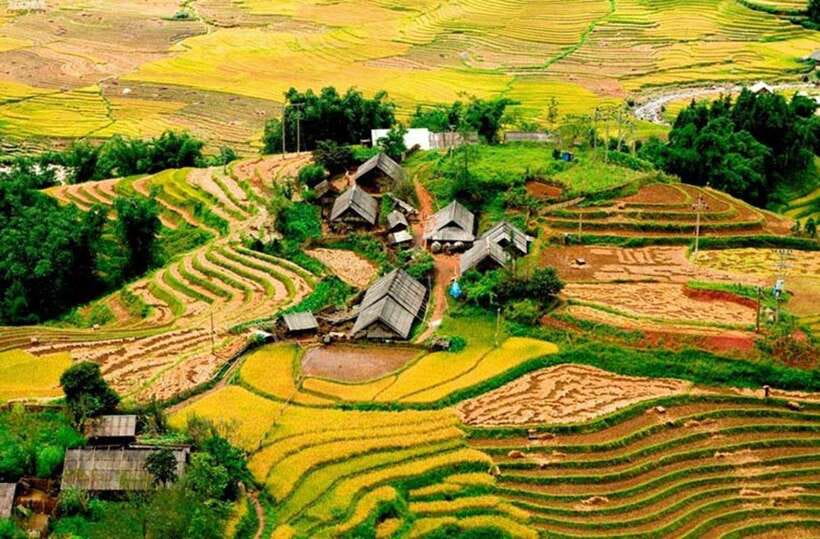
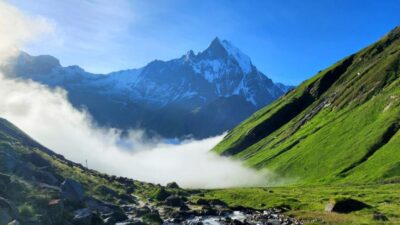
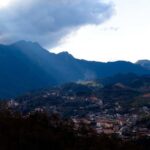
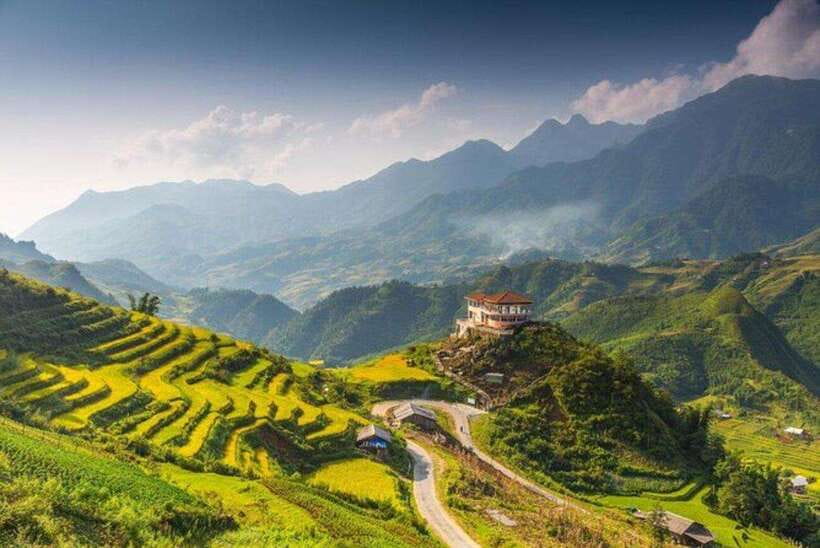
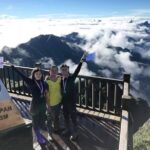
Your first stop is a small hill viewpoint with sweeping views toward Fansipan Peak. Here’s the practical part: in Sapa, visibility can change fast. If it’s misty early, don’t panic. You’re not locked into one view forever, because the trek continues into Muong Hoa Valley where conditions often improve by midday.
This viewpoint is worth it because it sets the “why” of the whole day. When you can see the mountain backdrop—even partially—you understand why people farm these terraces and why village life is shaped by elevation and weather. If you can, take a few photos early, then pack your camera away and enjoy the walk without constantly checking the sky.
Muong Hoa Valley Rice Terraces: Where the Scenery Becomes a Story
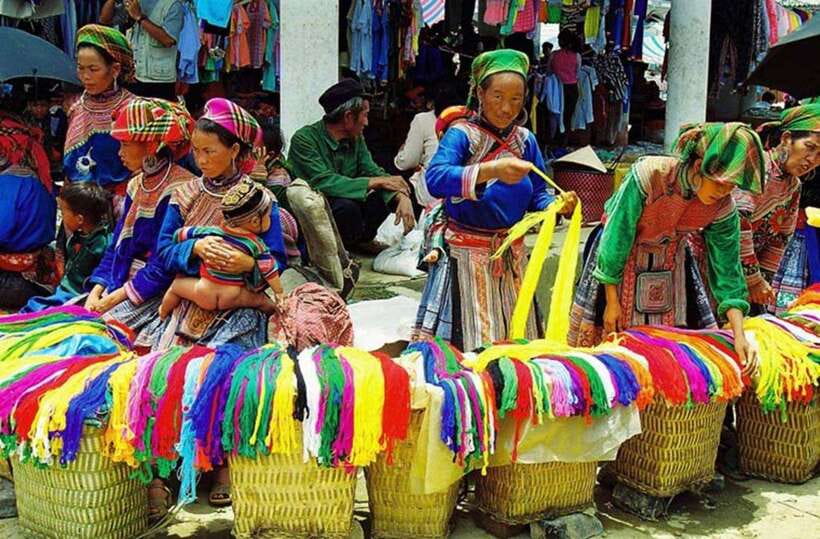
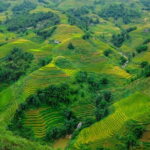
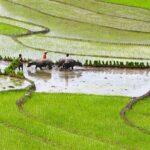
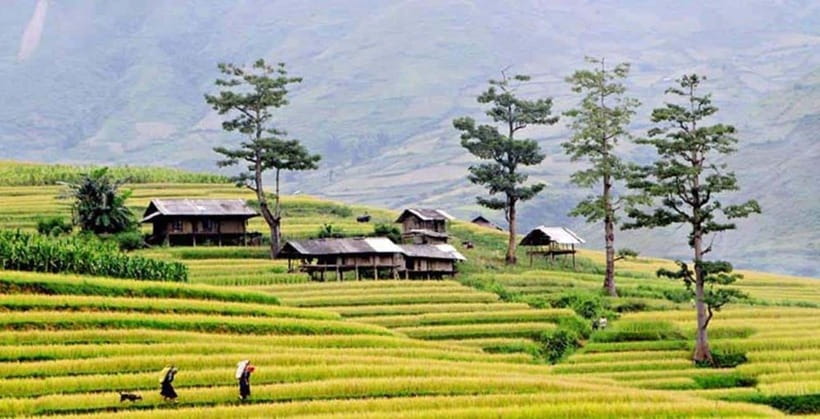
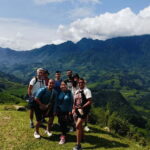
From the viewpoint, you move into Muong Hoa Valley, famous for its layered rice terraces and dramatic mountain scenery. This part of the trek is scenic, but it’s also functional: you’re walking along routes that connect river crossings, wooden houses, and working farmland.
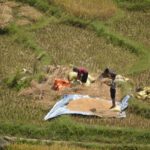
One reason I like this section for first-time visitors is that it feels real. You’re not only passing viewpoints. You’re passing along paths where farmers and families live with the landscape day after day. You may see fields at different stages (planting or harvesting, depending on the season), and you’ll likely notice how trails and water shape where homes and fields sit.
A few practical notes:
- Wear hiking shoes you can trust on slick ground.
- Expect stairs and slopes, even if parts look gentle at a distance.
- If the morning is damp, plan for mud, not just “wet grass.”
Y Linh Ho Village and Lao Chai: Hmong Daily Life on a Walking Schedule
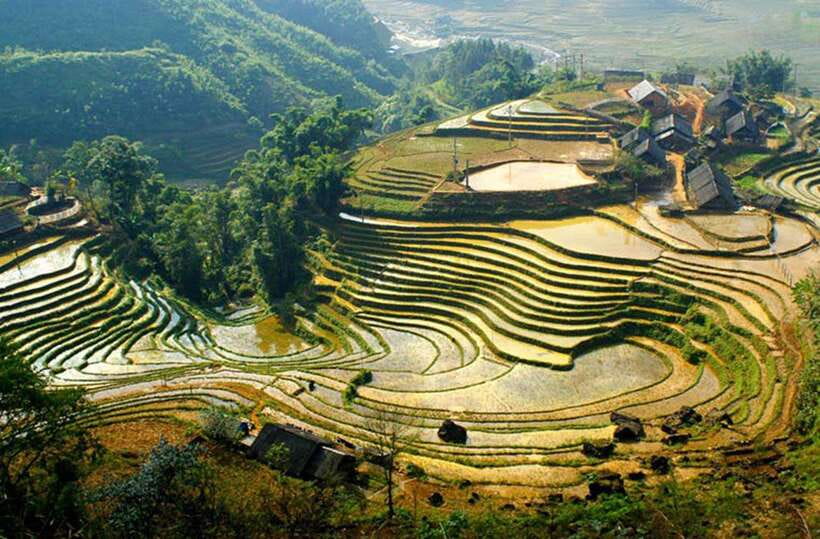
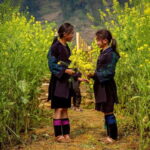
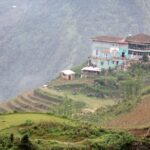
Around late morning, you arrive at Y Linh Ho Village, home to the Hmong ethnic minority. After crossing a small bridge over a scenic river, you continue along trails toward Lao Chai Sang, framed by rice fields and towering mountains.
This is where the day shifts from “walk and look” to “walk and understand.” The best part isn’t a single landmark. It’s the rhythm: you’re traveling between village clusters while your guide explains how traditions connect to daily work. That’s also why the route feels better with a small group. You can hear the explanation without competing with a crowd at every stop.
You may also see village life details that are easy to miss if you just drive through the area. In some treks, you get glimpses like animals around homes or water buffalo grazing, plus everyday routines near the fields. You won’t control what you see, but the chance is real on this kind of walking route.
Lunch at Lao Chai Sang: Home-Cooked Food and Real Hospitality
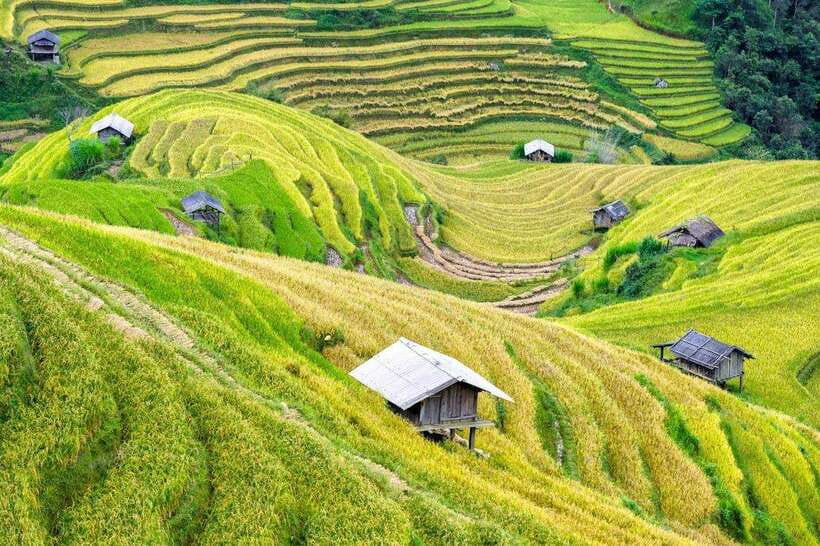
At about 12:30 PM, you enjoy lunch with a local Hmong family in Lao Chai Sang. This is one of the strongest reasons to book this particular trek.
A home-cooked meal does two things for your day:
- It gives you energy without needing a separate plan.
- It creates a pause where you can experience hospitality as part of the culture, not just a performance for tourists.
In terms of practical value, lunch is included. So you’re not doing the annoying math mid-trek about where to buy food and how much time it will steal from the route. Some meals may also come with vegetarian options, so if that matters to you, tell your guide ahead of time.
If you’re sensitive to timing, this is your anchor point. After lunch, you still have afternoon village visits and a clothing-related cultural experience, so you’ll want the meal to fully reset you.


Hmong Clothing-Making Lesson and Cultural Time in Lao Chai
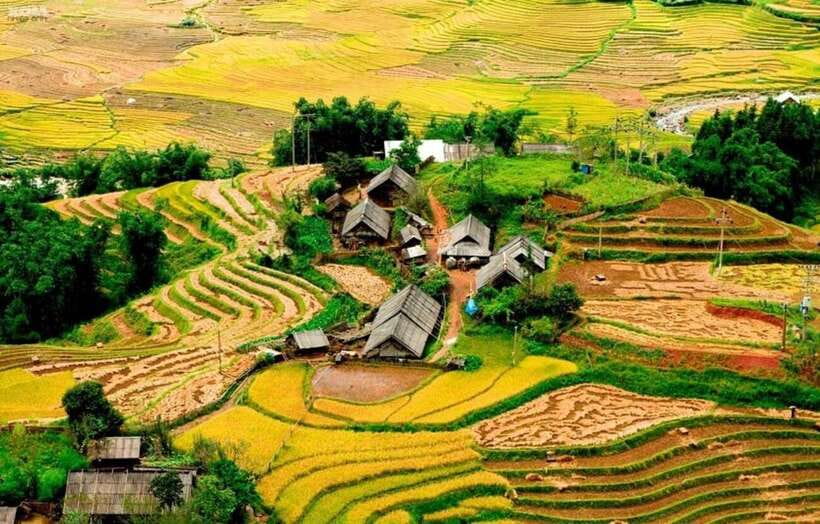
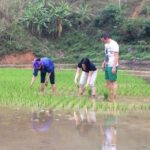
After lunch, you continue toward Lao Chai Village. Depending on when you go, you might see villagers planting or harvesting rice. Either way, it’s a useful reminder that farming isn’t a backdrop here—it’s daily work.
Later in the afternoon, you’ll have a cultural experience tied to Hmong daily life and traditional clothing-making. This is the kind of activity that’s easy to reduce to a photo if you treat it like a stop. But with a good guide, it becomes more practical: you’ll understand what clothing means in terms of identity, craft, and community.
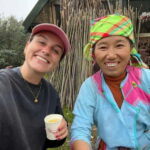
This is also where I’d encourage you to slow down. Ask questions, and listen to how your guide links the stories to what you’re seeing in front of you. Guides you might meet on this route include people like Chai and Vu, and the common theme in the better days is that they connect culture to real choices—what people make, wear, and how they pass skills along.
Ta Van Village (Dzay) and the Second Half of the Cultural Picture
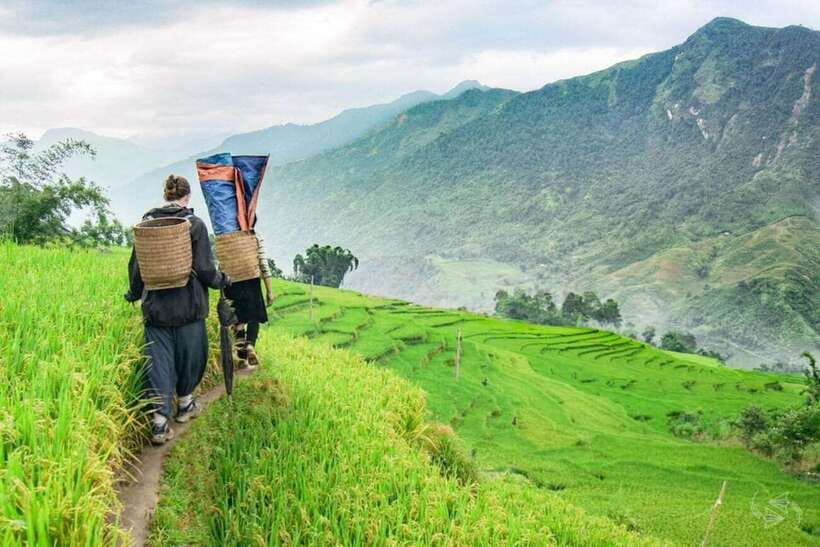
The trek continues to Ta Van Village, home to the Dzay minority. This part matters because it adds another cultural layer before you end your day back in Sapa.
If you came to Sapa mainly for photos, Ta Van is where your “aha” moment often happens. You start realizing that the valley isn’t just a pretty place; it’s a patchwork of communities with different traditions. By the time you reach Ta Van, the walk has already taught you how elevation and agriculture shape life, and now you add cultural differences on top.
The day typically wraps up around 3:30 PM, with a return back to Sapa. It’s long, but it doesn’t feel rushed, because your route is built around multiple stops rather than one long transfer and a single highlight.
Walking Realities: Mud, Pace, and What to Pack
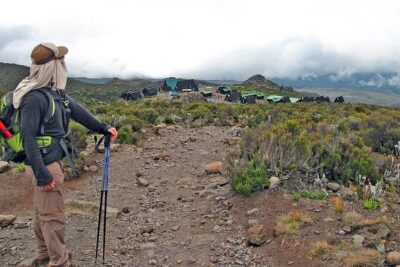
This trek covers 10–12 km, and that distance is not just numbers on a map. It includes slippery downhills, village trails, and sometimes muddy stretches early in the day. Several people report that even in dry-ish weather, the first part can be seriously muddy.
Here’s the practical truth: you should plan to get dirty.
- Bring warm clothing. Sapa can feel cold even when the sun appears.
- Wear hiking shoes you don’t mind washing later.
- Pack insect repellent, especially if you’re hiking during warmer months.
- Consider renting gumboots or wellies if you’re concerned about mud. In some cases, you can find boot rental options nearby, and it can make the hike more comfortable fast.
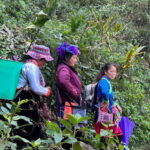
One more good-to-know detail: local help often shows up where the ground is hardest. You might be supported by local women helping guide people through tricky mud sections. That support can be the difference between a stressful start and a fun day.
Also, if you want an easier option for some parts, ask your guide. On some treks, groups have the chance to choose a road-side or easier route during the tougher sections, which can help if your knees don’t love steep descents.
Price and Value: Why $27 Can Make Sense
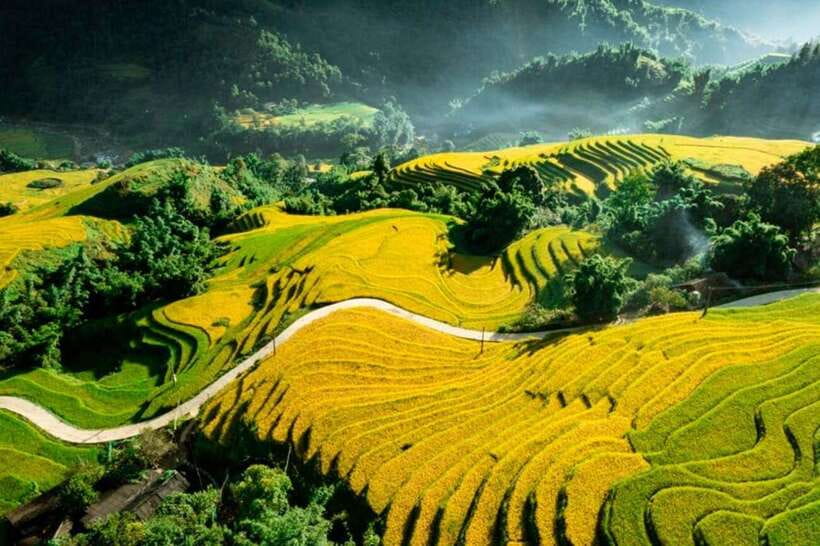
At about $27 per person, the price is low enough that you should look closely at what’s included. The value here comes from three things:
- A local ethnic English-speaking guide
- Entrance tickets
- A local lunch
You’re not just paying for movement. You’re paying for guidance that turns a walk into an understanding of ethnic village life—Hmong customs, daily routines, and clothing-making culture—plus a second community in Ta Van.
What’s not included matters too:
- Drinks
- Hotel transfer service
Also, you’ll want a little cash. You may have chances to buy handmade items from village women and crafters along the route. Some sellers are careful and not pushy, but the opportunity is there, and it’s one of the more direct ways to support the people whose time and craft you’re learning about.
If you’re doing Sapa on a budget, this is one of the better ways to spend money because the trek includes food and guided cultural time in one package.
Who This Trek Fits Best (and Who Should Skip)
This tour is best for people who want a day that blends active walking with real cultural context. If you like asking questions, chatting with guides, and walking through working rice terraces instead of only visiting viewpoints, you’ll feel at home.
It’s not suitable for:
- children under 5
- pregnant women
- people with mobility impairments
- wheelchair users
- people over 75
If you’re unsure about your fitness level, remember the key number: 10–12 km with uneven footing. The route can be manageable, but you need to respect the mud and slopes.
Should You Book This Sapa Eco Trek?
If you’re choosing between a quick Sapa photo loop and a longer day, I’d lean toward this trek—especially if you want more than scenery. The combination of rice terraces, Hmong village stops, a home-cooked lunch, and the clothing-making cultural experience gives you a full picture in one day.
Book it if:
- you want a small group experience (up to 10)
- you’re comfortable walking 10–12 km
- you want cultural learning tied to daily life, not just sightseeing
- you can dress for cold and mud
Skip it if:
- you hate wet, slippery ground
- you need a mostly flat, low-effort plan
- your schedule can’t handle a full morning-to-mid-afternoon commitment
If you do book, pack smart, start early, and keep your eyes up as much as your feet. The best parts of this day aren’t only the views toward Fansipan Peak—they’re the moments where village life becomes clear, one path and one conversation at a time.
FAQ
Where do I meet the guide?
You meet your guide in front of Sapa Church.
How long is the trek?
The total duration is 390 minutes (about 6.5 hours), typically starting at 9:00 AM and returning around 3:30 PM.
How far will I walk?
The trek involves about 10–12 kilometers of walking and hiking.
What’s included in the price?
Included are a local ethnic English-speaking guide, entrance tickets, and a local lunch.
What should I bring?
Bring warm clothing, hiking shoes, and insect repellent.
Is it suitable for everyone?
It is not suitable for children under 5, pregnant women, people with mobility impairments, wheelchair users, or people over 75.