REVIEW · SA PA
Sapa 1 Day Long Trek: Trek to Hau Thao and Sa Seng Villages
Book on GetYourGuide →Operated by Cat ba memories · Bookable on GetYourGuide
Peak views can hide in the fog. This one-day trek around Sapa mixes a real mountain climb with Black Hmong village time and those famous Muong Hoa Valley panoramas toward Mount Fansipan. If you want a shorter trek that still feels like countryside life, this route is a strong pick.
I especially like the way the day is paced: a steady uphill start to Sa Seng Mountain for big-distance sightlines, then a calmer village-and-farm walk later. I also like that lunch isn’t just a stop—it’s a home-style meal at a local family-run place, and your guide explains day-to-day farming and house-building along the way.
One possible drawback: visibility can swing. On foggy or rainy days, the views toward Fansipan and the valley can get muted, and muddy footing shows up on some stretches.
In This Review
- Key highlights worth showing up for
- How a 1-day Sa Seng trek gives you more than photos
- What you’re actually signing up for
- From your Sapa pickup to Sa Seng Mountain: the first climb
- A practical note on footing
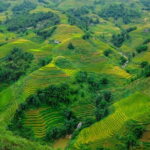
- Muong Hoa Valley viewpoints: rice terraces from above
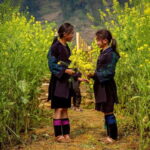
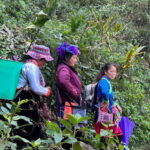
- Hang Da Village: meeting Black Hmong life mid-trek
- Expect animals and open-air farm life
- The lunch break that actually matters
- Hau Thao Village and the cultural walk: houses, farming, rituals
- A note on what season can change
- The end point: Giang Ta Chai
- What the trek feels like in real weather: fog, rain, and mud
- Shoes and gear that make sense
- Price and value: why $24 can feel fair here
- Who this trek is best for (and who should skip it)
- One last heads-up: shopping moments on the trail
- Should you book this Sapa 1-day trek?
- FAQ
- How long is the Sapa 1-day trek?
- What does the $24 price include?
- What time does the tour start?
- Where does the pickup happen?
- Which villages does the route visit?
- Do I get to eat during the trek?
- Is the tour in English?
- What should I bring?
- Is it suitable for people with mobility or health issues?
- Is bottled water included?
Key highlights worth showing up for
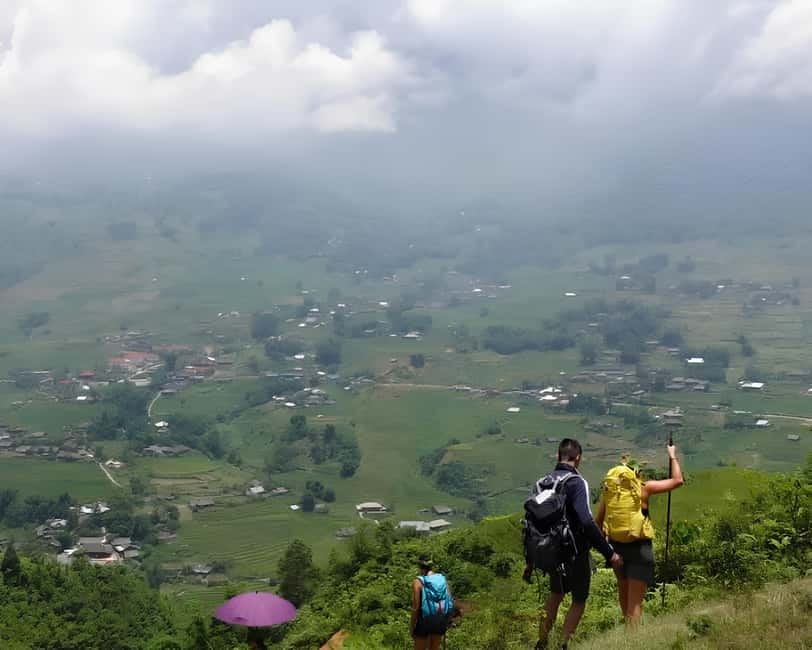
- Sa Seng Mountain viewpoints for distant sights of Mount Fansipan and the Sapa Valley below
- Muong Hoa Valley rice terrace angles from above, not just from the roadside
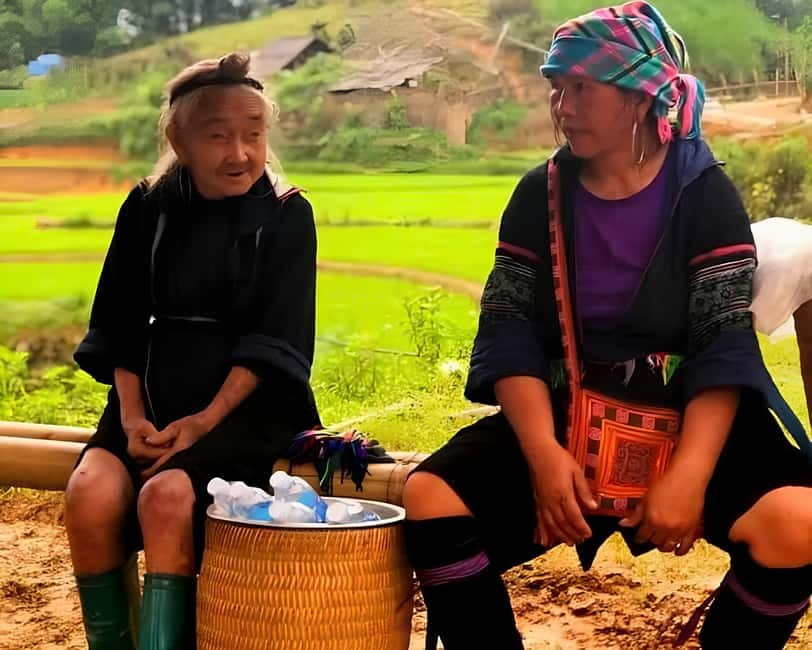
- Black Hmong village visits at Hang Da and Hau Thao, plus a guided look at daily life
- Real farm moments like planting/harvesting depending on the season, with animals along the route
- Family-run lunch that feels local instead of tour-canned
- Small group energy with an English-speaking guide who keeps things moving
How a 1-day Sa Seng trek gives you more than photos
Sapa gets famous for views, sure. But the best part of this trek is that it doesn’t treat villages like a quick photo stop. You’re walking through the same zones where people farm, travel on foot, and build homes—then you get guided context for what you’re seeing. That turns the day from a scenic hike into a clearer sense of how mountain communities work.
The itinerary is built around a simple idea: start high enough to earn the pay-off, then spend the middle of the day around village life and the edges of rice country. By the time you’re walking back, you’ve already connected the dots between the valley layout, the terracing, and why certain places matter.
You can also read our reviews of more tours and experiences in Sa Pa.
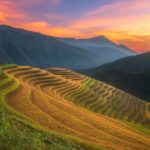
What you’re actually signing up for
This is a 7–10 hour day with a long walk and elevation gain. It’s described as a 1-day trekking route with moderate trekking segments. Expect uphill work early, downhill later, and paths that can get slippery in bamboo or wet conditions. In good weather, the views feel like the kind of distance you can’t capture in a single frame.
Guides are English-speaking and local. Names show up in recent guide feedback like Mao / Mama Mao, Su, Zo / Zo Zo, Tung, and Chili—and the common thread is energy and practical explanations about the villages.
From your Sapa pickup to Sa Seng Mountain: the first climb
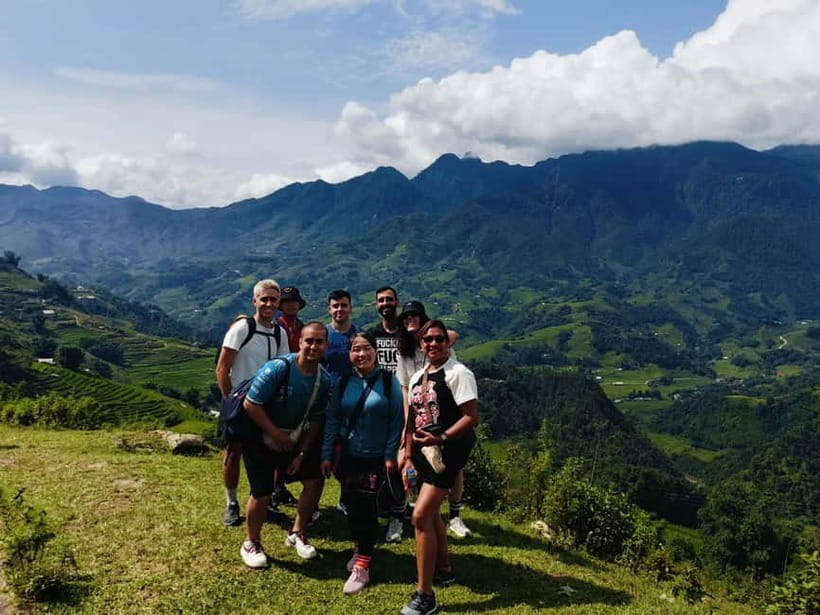
The day starts in the morning—pickup around 9:00 AM. If you’re staying in Sapa Town, the tour includes pickup at your accommodation. If you’re further out, you’ll need to meet the group at town meeting points (listed for specific hotels/homestays) or arrange pickup with a fee.
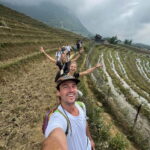
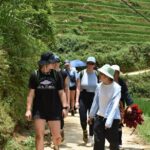
From there, you’ll start walking on a mountain trail. The day begins with about a 1 km uphill walk, then continues for roughly an hour to reach the top of Sa Seng Mountain.
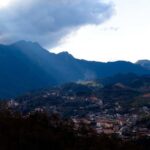
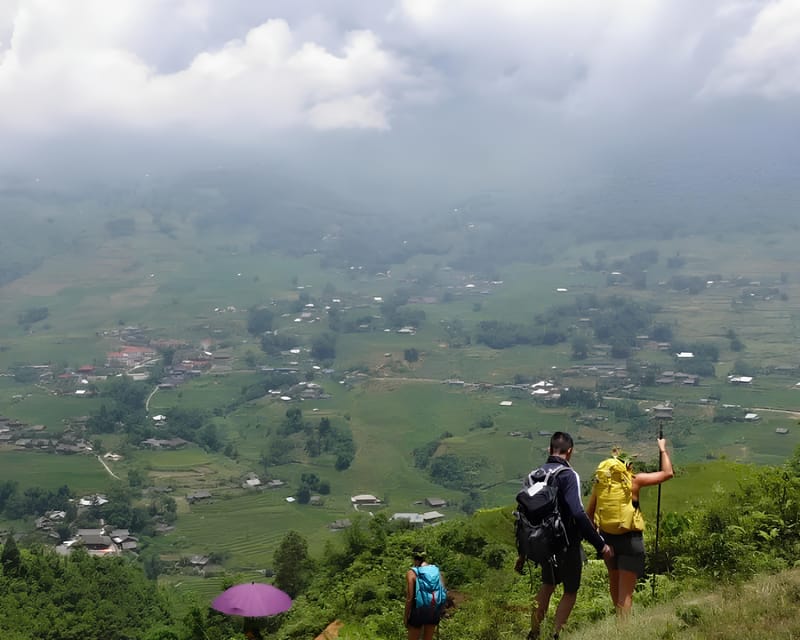
Here’s what that climb does for you: it gets you above the haze and rooftops fast enough to understand the geography. Even when weather is less than perfect, the effort matters because you’re looking down at:
- Sapa Valley
- The wider Muong Hoa Valley
- Distant Mount Fansipan (3,143 m) when visibility allows
In reviews, people consistently mention that the “above the clouds” feeling can be a highlight. So yes, you might hike through mist. But that’s also how you get those layered mountain views.
A practical note on footing
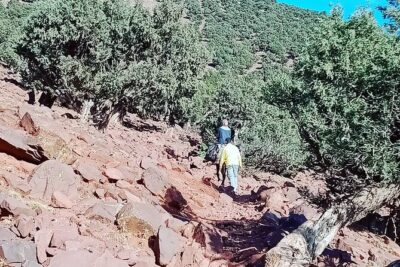
That early uphill can be uneven. If you’ve ever done treks in humid mountain areas, you already know what comes next: damp earth, slick patches, and stones that don’t always look like they’ll move—until they do. That’s why good hiking shoes matter more than fancy trekking gear.
Muong Hoa Valley viewpoints: rice terraces from above
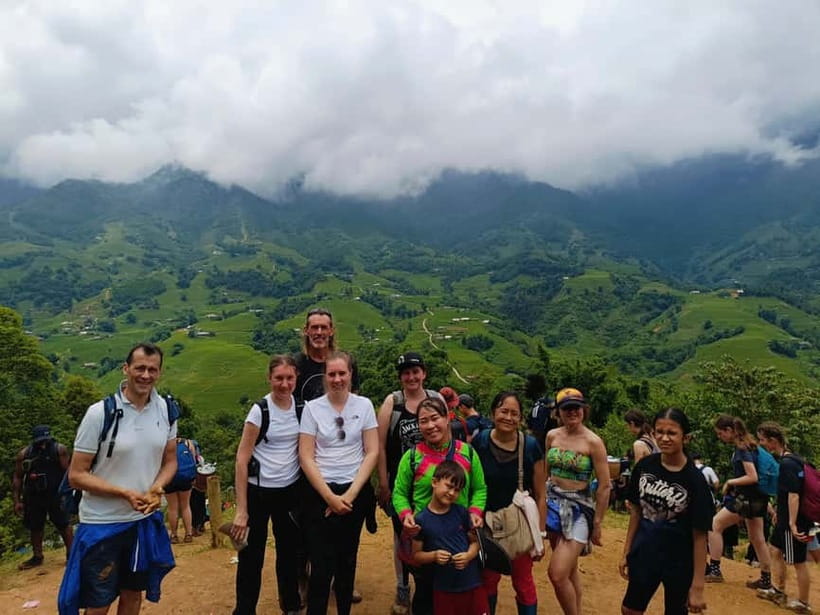
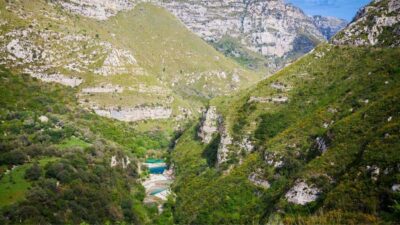
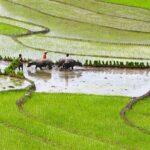
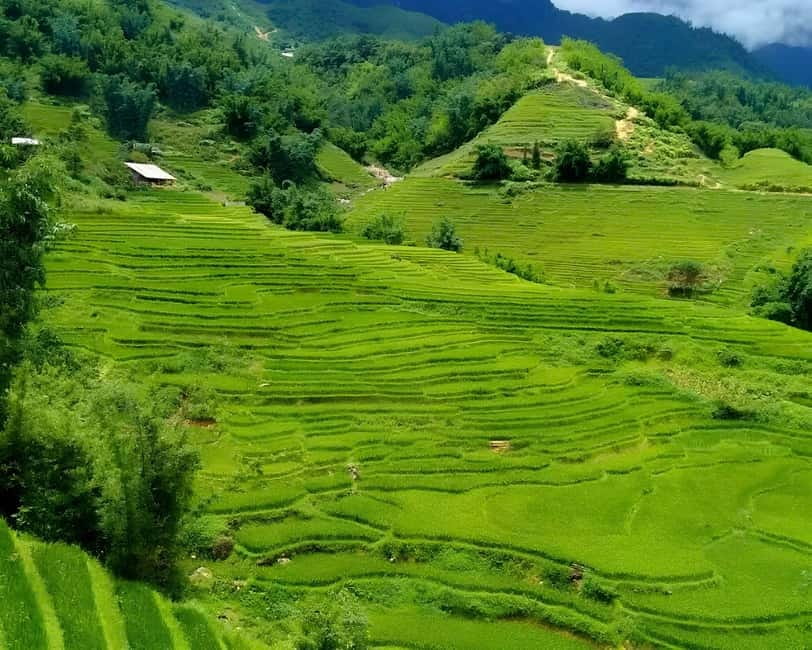
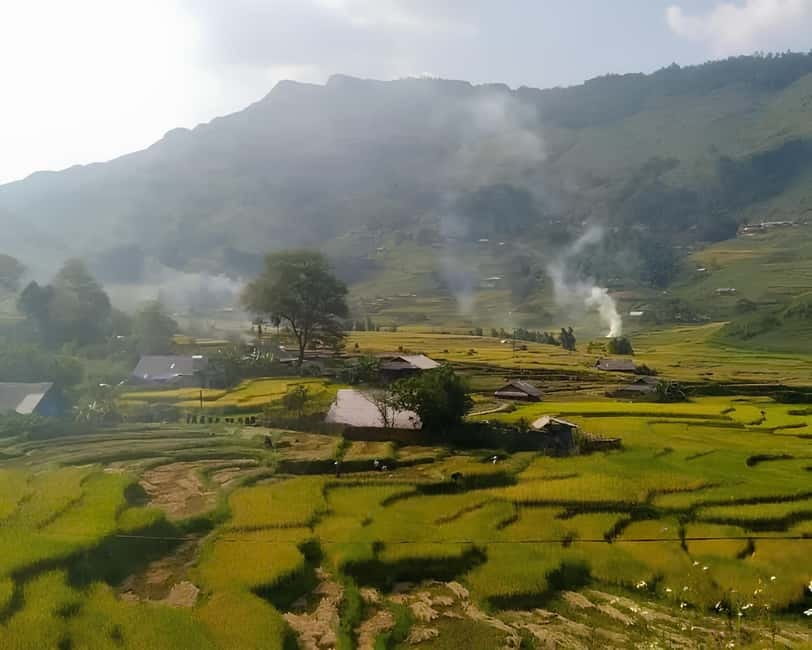
Once you’re up near Sa Seng, the route continues downhill toward the next villages, with opportunities to look over the Muong Hoa Valley. This valley is known for its rice terraces, and what changes on a trek is the angle. From ground level, terraces look like steps. From higher up, they start to look like patterns—water channels, contour lines, and the way farming follows the land.
If the day is clear, you’ll get those big-distance views toward Fansipan. If it’s foggy, you may not see the peak—but you can still see the valley shape and the terrace layout in breaks of visibility. Recent feedback points out that even when fog limits everything, the day still works because you’re still moving through varied terrain and getting guided context.
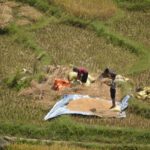
Season matters here. The route can pass through different farm rhythms—depending on when you go, you might see planting or harvesting in action. That’s valuable because it stops the terraces from feeling like a postcard and turns them into an active food landscape.
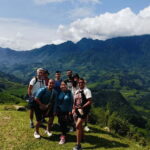

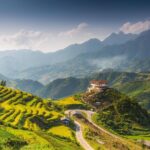
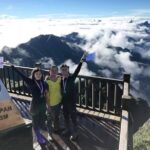
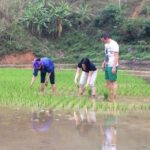
Hang Da Village: meeting Black Hmong life mid-trek
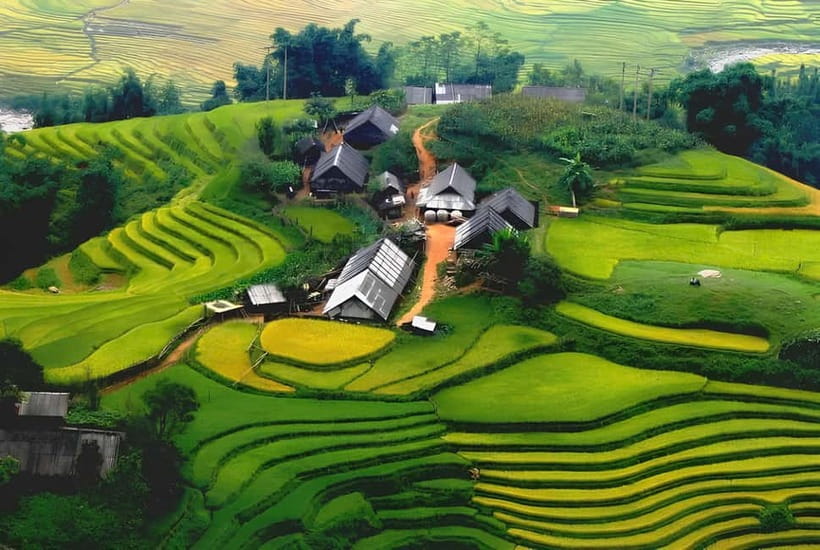
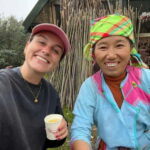
As the trek descends, you reach Hang Da Village, where you’ll be welcomed by the Black Hmong community.
This part of the day usually hits a sweet spot: you’ve already climbed and earned your views, but you’re not tired enough to miss what’s happening around you. Your guide can point out daily life elements, and you’ll likely notice small details that make the culture feel real rather than staged.
Expect animals and open-air farm life
On the way to Hang Da (and along the trail at points), you might see free-roaming animals like buffaloes, pigs, and horses. This is part of why the trek feels grounded. It’s not just a trail lined with scenery—it’s a working route through livestock and farmland zones.
The lunch break that actually matters
Around midday, you’ll stop for lunch at a family-run local restaurant. People often praise this lunch as genuine and filling. One practical takeaway: even when the weather is rough, the lunch stop gives you a break before the next walking segment.
Also, plan on carrying your own snack energy. Bottled water is provided during the trek, but nothing says you won’t want extra water or a little something for your personal rhythm.
Hau Thao Village and the cultural walk: houses, farming, rituals
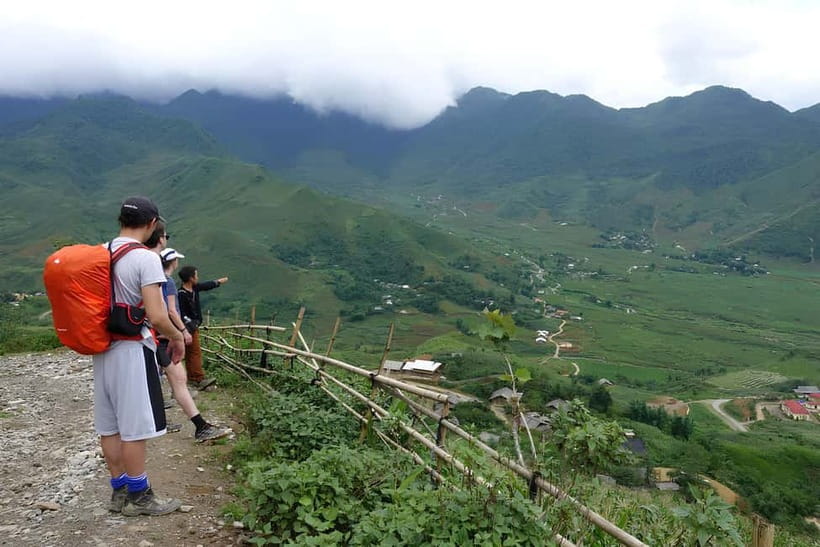
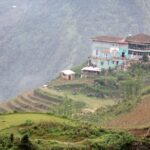
After lunch, the trek continues toward Hau Thao Village, another Black Hmong community tucked into the mountains.
This is where the guide explanations become more than background noise. You’ll learn about traditional Hmong customs—things like marriage rituals and house-building techniques—along with how rice cultivation fits into mountain life. When you pair that with what you see on the ground (fields, water access, the way homes relate to the surrounding terrain), the day starts to feel coherent.
A note on what season can change
Depending on timing, you might see farmers working rice plots—planting or harvesting. That can be a major “aha” moment, because it’s one thing to know terraces exist, and another to watch the timing of farm labor on steep land.
The end point: Giang Ta Chai
You finish around 3:30 PM in Giang Ta Chai village, where a vehicle is waiting to transfer you back to Sapa town. So even though the day feels long, you’re not left improvising a way back down the mountain.
What the trek feels like in real weather: fog, rain, and mud
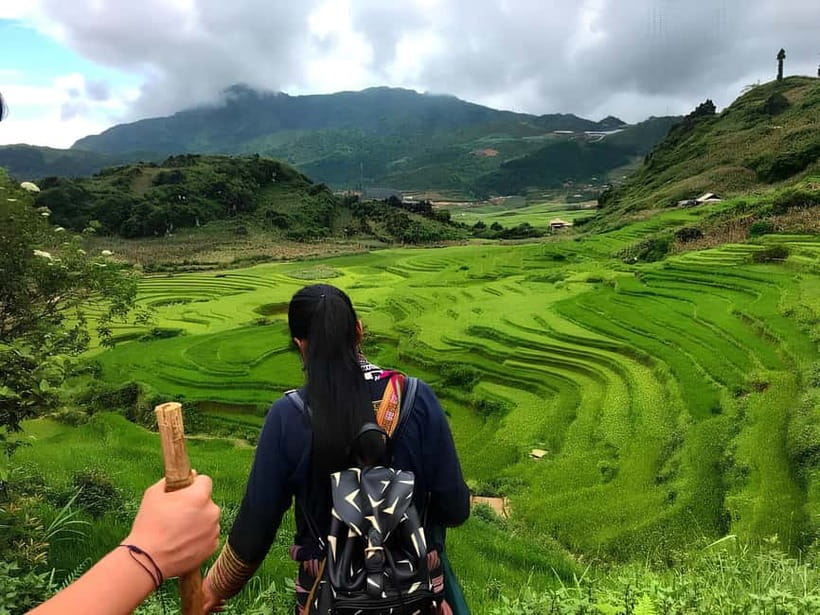
This is Sapa. Weather can turn quickly. And because the walk includes bamboo and trail segments that can get slippery, you should treat “moderate” as a range, not a promise.
Here’s the reality from recent experiences:
- In heavy fog, you may get limited visibility toward Fansipan.
- In wet conditions, bamboo forest sections can be muddy and slippery.
- Some groups have received help like gum boots when conditions were bad, but it’s not a substitute for solid shoes.
If rain is in the forecast, you’ll still likely enjoy the day if your mindset is right: focus on the route, the villages, and the cultural parts, not only on the peak view.
Shoes and gear that make sense
Bring what you can use repeatedly in Sapa:
- Sunglasses
- Sun hat / hat (yes, even in mountain weather)
- Cash (the tour says to bring it)
- Your best grip hiking shoes
And avoid anything that slows you down:
- No baby strollers
- No bare feet
- No weapons or sharp objects
- No alcohol or drugs
If you go in rain, pack extra comfort for your legs and be ready for the fact that some parts of the trail may ask for careful steps.
Price and value: why $24 can feel fair here
At $24 per person, this trek is one of those Sapa deals that looks simple on paper but includes several things that normally cost extra.
Your price includes:
- Hotel pickup and drop-off in Sapa Town
- Private transportation back after the trek
- An English-speaking local guide
- Village access/entrance fees
- Bottled water
- The traditional family-run lunch
- Ongoing support from the local operator
So you’re paying for more than “someone showing you a trail.” You’re paying for a guide who can explain Hmong farming and house-building, plus the practical logistics that keep you moving without worrying about transport or where to go next.
And the group style helps. It’s listed as small group available, and recent feedback highlights small groups like five as a nicer way to get attention and pacing that feels less crowded.
Who this trek is best for (and who should skip it)
This trek is best for you if you:
- Have one full day in Sapa and want a route that feels far from town
- Like guided cultural context, not just viewpoints
- Are comfortable with a full-day hike and uneven paths
- Want to see Black Hmong village life at Hang Da and Hau Thao
Be cautious or consider another option if you have:
- Mobility impairments or use a wheelchair
- Heart problems, kidney problems, or you’ve had altitude sickness issues
- If you’re over 80, the tour lists age limits
- If you’re under the listed minimum ages for children
Also, if you’re very sensitive to long uphill walking, note that multiple feedback comments describe the trek as not easy and heavy on elevation gain.
One last heads-up: shopping moments on the trail
This is a small cultural reality in Sapa treks: you may meet local women along the way who try to sell items at the end. Some people love the interactions; others find it pushy.
My practical advice: keep it polite and simple. If you want to buy, decide before the sellers get close to you. If you don’t, a clear and calm no works better than hovering in the middle.
Should you book this Sapa 1-day trek?
Book it if you want the best kind of Sapa day: views with context. The Sa Seng peak segment gives you the big geography toward Fansipan and the Muong Hoa Valley. The village parts give you something harder to fake—daily life explanations around Hmong farming and homes, plus a real family-run lunch.
Skip it or choose another plan if you can’t handle slippery trails or a full day of walking, or if you know you’ll be unhappy when fog blocks peak views. In bad visibility, the scenery may disappoint, but the cultural walk and the village rhythm can still carry the day.
If you do book, go in with the right mindset: bring good shoes, expect mud potential, and let your guide’s stories turn the landscape into something you understand.
FAQ
How long is the Sapa 1-day trek?
The trek duration is listed as 7–10 hours.
What does the $24 price include?
It includes hotel pickup and drop-off in Sapa Town, private transportation back to Sapa after the trek, an English-speaking local trekking guide, village entrance fees, bottled water, and a traditional lunch at a family-run restaurant, plus support from the local operator.
What time does the tour start?
Pickup is scheduled at around 9:00 AM.
Where does the pickup happen?
Pickup is included for Sapa Town accommodations. If you are not in Sapa Town, you can request pickup with a fee or meet at town meeting points provided for specific hotels/homestays.
Which villages does the route visit?
The trek includes Sa Seng, Hang Da, and Hau Thao villages, and it ends in Giang Ta Chai.
Do I get to eat during the trek?
Yes. You’ll have a traditional lunch at a family-run local restaurant around midday.
Is the tour in English?
The guide is listed as English-speaking (also Vietnamese is available).
What should I bring?
Bring sunglasses, a sun hat/hat, and cash.
Is it suitable for people with mobility or health issues?
The tour is listed as not suitable for people with mobility impairments, wheelchair users, people with heart problems, kidney problems, and those with altitude sickness, among others.
Is bottled water included?
Yes. Bottled water is provided during the trek.