REVIEW · SA PA
EXPLORE SAPA: 2D1N TREKKING & HMONG CULTURE WITH DINH
Book on GetYourGuide →Operated by Dinh Sapa Trekking Adventures · Bookable on GetYourGuide
Rice terraces and a home-cooked welcome set this trek apart. I loved the Ta Van homestay and the rice-terrace walking with Dinh’s cultural storytelling, not just photo stops. One thing to factor in: the trail can get muddy and uneven, so good shoes matter.
This is a small-group hike where you’ll also eat well and learn how life works in the villages, including an evening cooking moment and local rice wine. You’ll leave with a free Sapa T-shirt too, plus the satisfaction of supporting education in Dinh’s community.
In This Review
- Key highlights at a glance
- Why this Sapa trek feels real (not packaged)
- Day 1: Sapa to Y Linh Ho, Lao Chai, and Ta Van (terraces meet village life)
- Y Linh Ho: the first taste of the real route
- Lunch with a local Hmong family restaurant
- Lao Chai: one of the oldest and largest Hmong villages nearby
- Ta Van arrival: Giay and Hmong village experience
- What can slow you down
- The Ta Van homestay: hot shower, cozy rooms, and a family evening
- Room options that affect your view
- Evening cooking class and traditional dinner
- Kids, games, and local rice wine
- Food note: you’ll likely eat more than you expect
- Day 2: bamboo forests, Giang Ta Chai waterfall, and the Red Dao area
- Giang Ta Chai waterfall: view, pause, and swim if you want
- Entering the Red Dao ethnic area
- Final lunch and back to Sapa
- Packing and fitness: how to enjoy the hike, not just survive it
- What to bring (and why)
- Weather reality: expect mud
- Price and value: what $43 buys you (and why it’s not just a “cheap hike”)
- What’s included in your $43
- The hidden value: education support
- Your side of the equation: bring a mindset for community travel
- Guides, groups, and timing: how your day may feel in practice
- Timing: usually on target, sometimes flexes
- Bag handling: don’t carry everything
- Who should book this (and who should skip it)
- Should you book Dinh’s 2D1N Sapa trek and homestay?
Key highlights at a glance
- Dinh’s community impact: your booking helps support education for local children (Dinh shares her story at dinner).
- Real time with Hmong and other ethnic groups: village stops focus on daily life, not just quick sightseeing.
- A homestay that feels lived-in: hot shower, cozy rooms, and family meals (including evening cooking with the family).
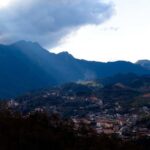
- Two full days of scenery on foot: terraced fields, bamboo forests, and the waterfall area at Giang Ta Chai.
- Hands-on food moments: lunch at a local family restaurant, plus a traditional dinner experience at the homestay.
- Optional waterfall swim: if conditions are right and you’re feeling game.
Why this Sapa trek feels real (not packaged)
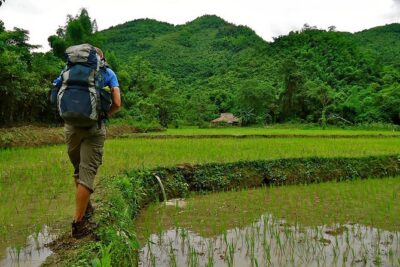
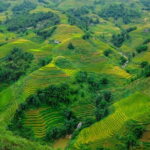
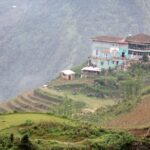
Sapa has plenty of tours that feel like a checklist. This one is different because it’s built around one family and one guide, Dinh, who lives in Ta Van village. That changes the rhythm. Instead of racing through viewpoints, you’re walking between villages and taking time to understand how people farm the terraces and live in the mountains.
Two things make it work: the pace is human, and the context is personal. Dinh doesn’t just explain Hmong culture from a distance. She talks through what you’re seeing while you hike, and then again during the homestay evening—so the culture doesn’t stay trapped in a lecture. I also like that the day is practical. You get real meals, a hot shower, and clear guidance on what to carry.
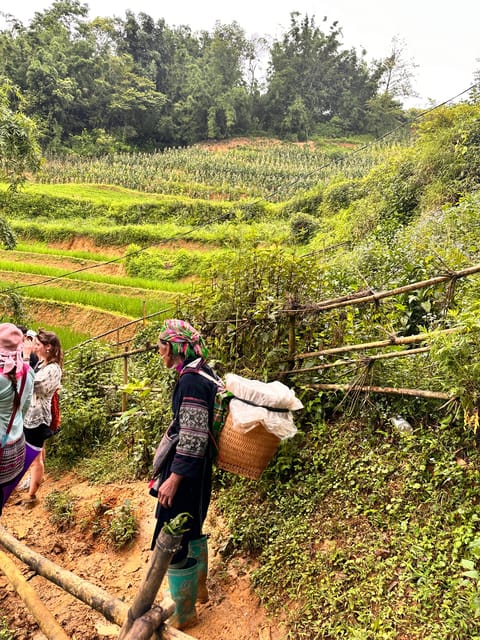
The only real caution is physical and weather-based. It’s moderate but it’s still a mountain trek: steep, uneven steps, and in rainy conditions it can be muddy enough that you’ll feel every boot tread. If you come prepared, it’s great. If you come in flimsy shoes, it won’t be.
You can also read our reviews of more tours and experiences in Sa Pa.

Day 1: Sapa to Y Linh Ho, Lao Chai, and Ta Van (terraces meet village life)
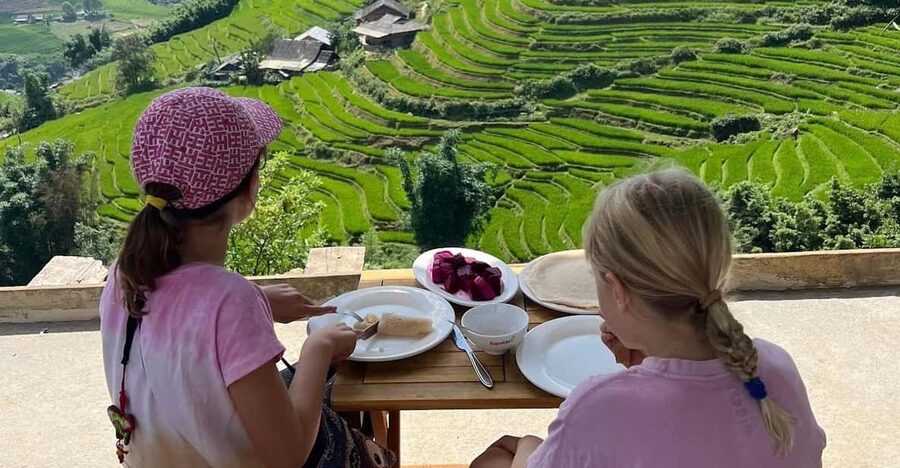
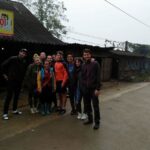
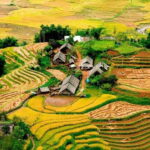
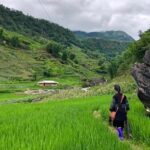
Your day starts at 9:00 AM. Dinh meets you either at your hotel in Sapa Town or in front of the local main church, then you get a quick introduction before heading out of town. The first stretch takes you down through Y Linh Ho, where you’ll start seeing the terrain that makes Sapa famous—terraced farming, valleys, and the mountain paths that locals use every day.
Y Linh Ho: the first taste of the real route
This is where I like tours to begin because it sets expectations early: you’re not cruising. You’re walking a working countryside. You’ll pass beautiful scenery, but the bigger point is how quickly the environment shifts from town into farm-and-village rhythm.
Lunch with a local Hmong family restaurant
Around midday, you stop for lunch at a small traditional restaurant run by a local Hmong family. This matters because it’s not a generic tourist stop. It’s part of how villagers support daily life—food that’s made for people who live here, using fresh local ingredients.
Lao Chai: one of the oldest and largest Hmong villages nearby
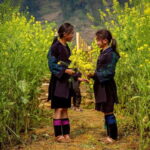
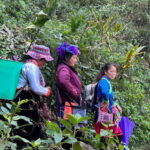
After lunch, the trek continues to Lao Chai, described as one of the oldest and largest Hmong villages in the area. This is a good moment to pay attention to clothing, household patterns, and the way fields sit around homes. Dinh shares insights on the cultural differences among ethnic groups along the way, so you can connect the visual details to the real people behind them.


Ta Van arrival: Giay and Hmong village experience
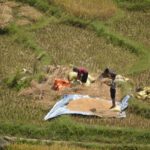
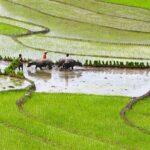
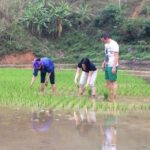
Your final leg of the day brings you into Ta Van Village, where Giay and Hmong ethnic minorities live side by side. Depending on the season, you might catch locals planting or harvesting rice, which is one of those small details that makes the whole trip feel time-specific instead of staged.
You’ll walk about 9–11 km (roughly 5.5 hours, depending on the group pace and conditions). When you arrive at Dinh’s family homestay, you get time to rest, shower hot, and settle in before the evening program.
What can slow you down
Even though the walking time is clearly planned, the day can run a bit longer if the group is bigger or the terrain is wet. One practical tip: keep your first-day energy steady. It’s long enough that you don’t want to spend it sprinting.
The Ta Van homestay: hot shower, cozy rooms, and a family evening
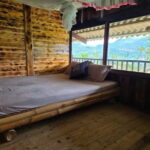
The homestay is one of the best reasons to choose this trek. Instead of a “homestay” that feels like a hotel with a different name, this one is described as simple, authentic, and cozy, with basic amenities.
Room options that affect your view
You can request:
- Shared private room
- A private-room bungalow with a mountain view, which is best for rice-terrace sightlines
If you care about waking up to the terraces, tell Dinh what you want during booking. That preference is specifically offered, so it’s worth using.
Evening cooking class and traditional dinner
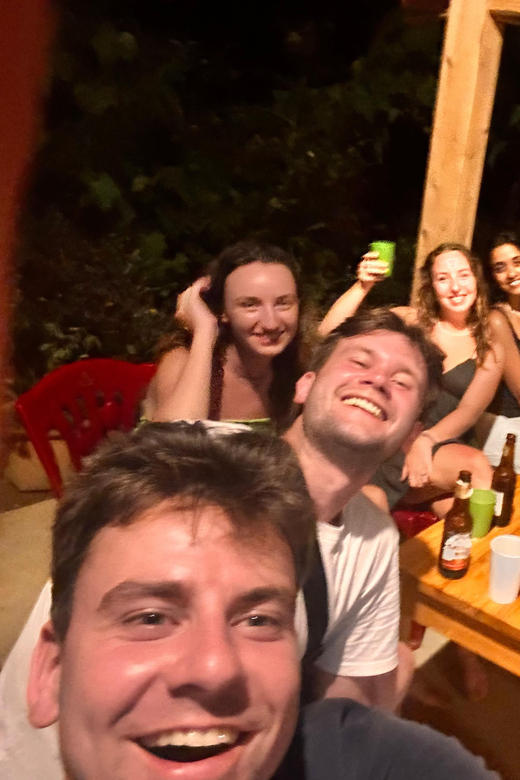
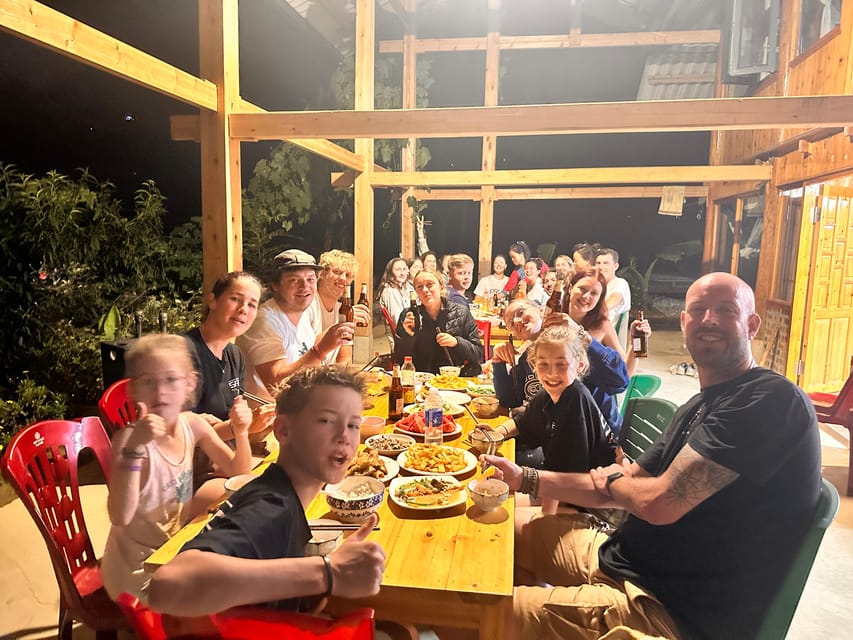
In the evening, there’s a relaxed moment that many Sapa tours skip: an informal cooking class with the family. You’re not just eating. You’re learning how the meal comes together, then sitting down for a traditional dinner while Dinh shares her personal story.
The dinner also includes a warm community element. Dinh talks about supporting 10 local children’s education, and the family’s social network shows up too—students perform a traditional dance to welcome you. After that, the night becomes more social than formal.
Kids, games, and local rice wine
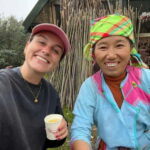
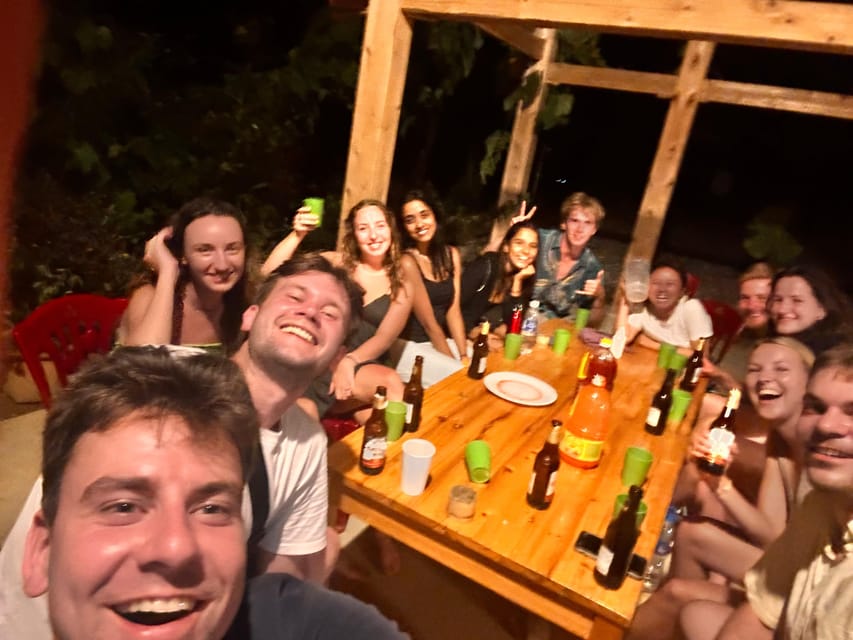
A number of guides and family members may join you during the trip (Dinh’s relatives and niece have been part of groups), but the feel stays consistent: friendly, helpful, and upbeat. You’ll also get time to play with the kids and join informal drinking games involving Happy Water, which is a local rice wine. If you’d rather skip alcohol, you can still enjoy the games and the conversation.
Food note: you’ll likely eat more than you expect
Meals are included (lunches, dinner, and breakfast), and multiple travelers highlight that portions are big and consistently tasty. Vegetarian options are reported as available for breakfast, lunch, and dinner, which is great if you eat that way.
Day 2: bamboo forests, Giang Ta Chai waterfall, and the Red Dao area
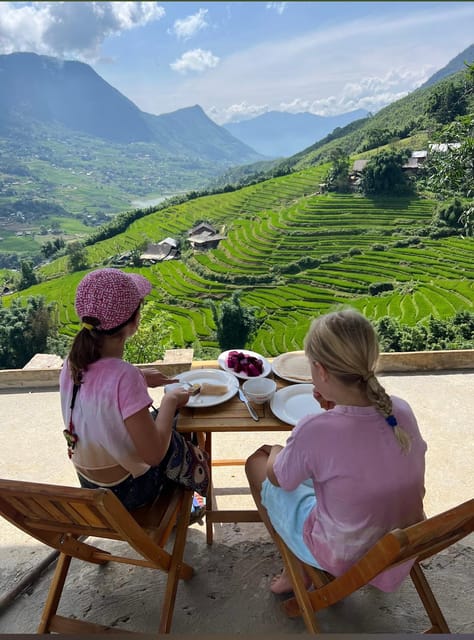
Day 2 starts with something simple and helpful: a cup of hot coffee or tea while you enjoy the quiet surroundings of the homestay. Then breakfast comes, and you’re back on the trail through bamboo forests and terraced rice fields toward the waterfalls of Giang Ta Chai.
This is a strong second-day route because it balances hard walking with payoff. The bamboo sections break up the terrain visually and physically, so your feet stay focused while your mind relaxes.
Giang Ta Chai waterfall: view, pause, and swim if you want
Giang Ta Chai is a highlight. You’ll reach the waterfall area, and if you like, you can swim in the cool water. Don’t assume you’ll swim every day—conditions can change—but the option is built into the experience.
Entering the Red Dao ethnic area
After the waterfall, the trail leads you into the Red Dao ethnic area, adding another layer of cultural context as you move toward the main road. This part is less about a single photo moment and more about connecting what you saw yesterday with what you’re seeing now: communities shaped by terrain, agriculture, and tradition.
Final lunch and back to Sapa
You’ll have a final lunch, then take a taxi back to Sapa. The planned tour ending is between 2:00 and 3:30 PM, but if your group is larger or there’s extra time needed for bags and logistics, it can end later (for example, around 4:30 PM in one case). If you have a tight bus or train, build in buffer time.
Packing and fitness: how to enjoy the hike, not just survive it
This is a moderate trek with steep and uneven sections. You’ll cover about 18 km over 2 days and 1 night. That’s not extreme distance, but it’s mountain distance, which means your legs will notice the steps and your shoes will do real work.
What to bring (and why)
Dinh’s list is practical, and you should follow it closely:
- Comfortable shoes / hiking shoes with grip
- Sun hat
- Water (and you’ll also receive a big water per person per day)
- Biodegradable sunscreen
- Mosquito spray (especially if you’re sensitive to bites)
- Daypack
- Cash for small purchases from locals along the way (a few travelers recommend bringing some so you can support artisans)
- Climbing gear is listed, which likely means gear that helps you feel secure on steeper or rougher parts
Weather reality: expect mud
If it has rained recently, the trail can be muddy and soggy, and you may end up covered in mud. One traveler said they went when it was wetter and that good shoes were essential. Plan on it. I’d rather you walk in ready boots than in shoes you’ll regret.
Price and value: what $43 buys you (and why it’s not just a “cheap hike”)
The price is $43 per person. At first glance, that can look like a budget tour. In practice, the value comes from what’s included and what it supports.
What’s included in your $43
You get:
- A local guide for 2 days
- Village entry fees for 4 villages
- 2 lunches, 1 dinner, and 1 breakfast
- 1-night homestay
- 1 big water per person per day
- Transportation back to Sapa after the trek
This matters because many low-cost hikes in Vietnam don’t bundle meals and village fees in a straightforward way. Here, the core experience—walking plus eating plus community access—is covered.
The hidden value: education support
Dinh also shares that her work supports 10 local children’s education, funded through tour proceeds. That’s not a small detail. It changes how the experience feels, because you’re not only paying for your own photos—you’re helping fund someone else’s future. It also helps explain why the evening includes stories and community performances, not just a check-in line.
Your side of the equation: bring a mindset for community travel
The main thing you add is effort and respect: hike with your group, follow guidance on safety, and keep a friendly attitude around children and family routines. That’s what makes the value feel real.
Guides, groups, and timing: how your day may feel in practice
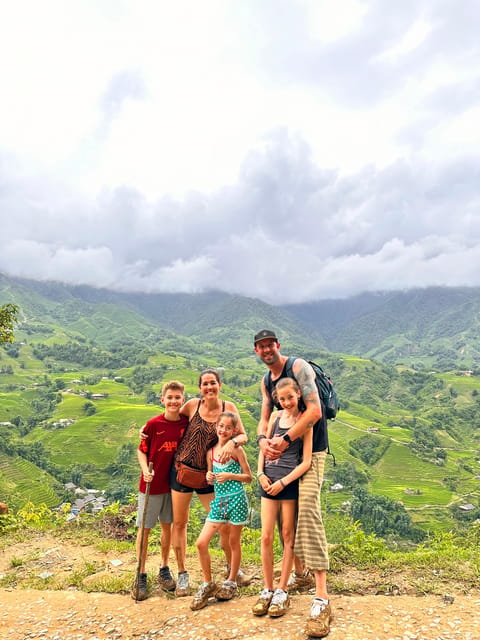
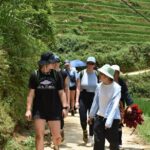
This is a group tour, and you’ll hike with other travelers. Dinh is the core host, but you may also meet other family guides during the route (including names like Zu, Ku, Mo, and Su in past group experiences). They bring different energy, but the tone stays consistent: helpful, safety-aware, and full of explanations.
Timing: usually on target, sometimes flexes
The planned day ends are clear:
- Day 1: trek to Ta Van and settle in for the evening program
- Day 2: end in Sapa between 2:00–3:30 PM
Still, larger groups can add friction. One traveler noted that lunch on day 2 took longer and the tour ended closer to 4:30 PM due to group size and bag transport. If you have a strict pickup window, plan extra buffer.
Bag handling: don’t carry everything
This tour actively helps with logistics for your big bags:
- If your hostel allows it, you can leave large luggage there and carry only essentials.
- If not, they can transport your bags to Dinh’s house so you don’t have to haul them during the hike.
You then pick them up later—so your daypack stays manageable.
Who should book this (and who should skip it)
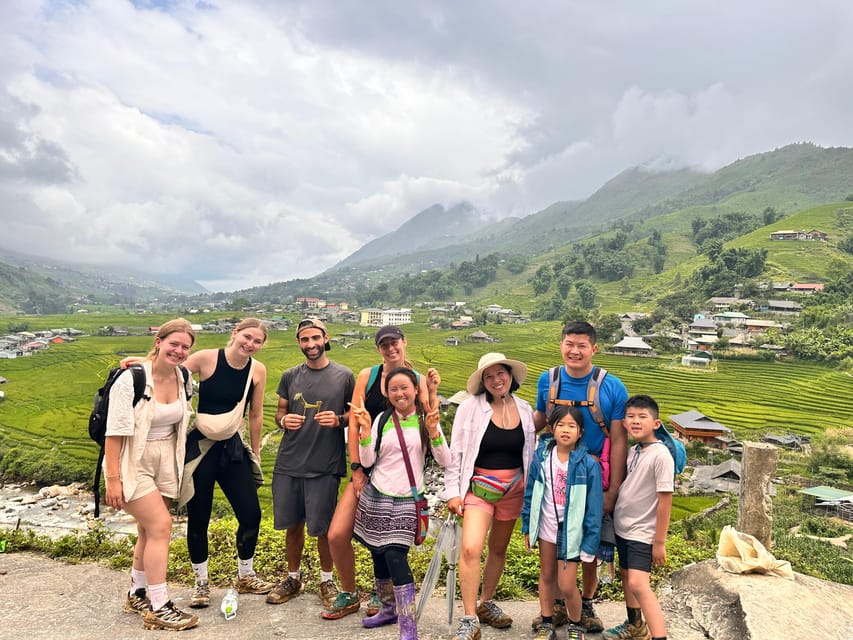
This trek fits best if you want:
- Village-to-village walking through rice terraces and bamboo forests
- A homestay experience that focuses on family life and food
- Culture you can learn by seeing it in context, not just reading about it
- A guide who talks through what you’re looking at while you walk
It may not be the right choice if:
- You want a mostly flat, easy stroll. This is uneven terrain.
- You have limited flexibility with timing, because group size and mud can shift the day slightly.
- You need high-end facilities. Expect simple, cozy, basic amenities rather than luxury.
The provider also notes it’s not suitable for people over 95 years old.
Should you book Dinh’s 2D1N Sapa trek and homestay?
If you’re choosing between a quick Sapa loop and something more personal, I’d book this. The combination of terrace trekking, a genuine Ta Van homestay, and Dinh’s family storytelling is exactly the kind of Sapa trip that doesn’t feel copy-paste.
Do it if you’re ready for moderate hikes, can tolerate mud in wet weather, and want meals that feel like they belong to the place. If those are true for you, $43 is strong value because you’re paying for more than steps—you’re supporting education and living culture at the pace of real village life.