REVIEW · SA PA
Sapa: Y Linh Ho – Lao Chai, and Ta Van Trekking Day Tour
Book on GetYourGuide →Operated by ASu Sa Pa Trekking Tour · Bookable on GetYourGuide
Rice terraces meet village life on one hike. This guided day tour from Sapa Town follows 10–12 km of paths down into the Muong Hoa Valley, with stops at Y Linh Ho, Lao Chai, and Ta Van.
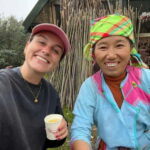
Two things I really like: Su, a local guide who can explain what day-to-day life looks like in the villages, and the included lunch (served at a local house or a riverside restaurant). You also get a short pause at a local homestay or café for snacks, which helps you keep energy for the next stretch.
One thing to consider: this is moderate trekking. Weather can change quickly around Sapa, so you’ll want shoes that grip and layers you can adjust fast.
In This Review
- Key highlights you should know
- Setting out from Sapa: what this one-day trek really feels like
- Y Linh Ho Village: Black Hmong culture, weaving, and terrace views
- Lao Chai Village: photo stops, local crafts, and a calmer rhythm
- Ta Van Village: Giay culture and a short reset with snacks
- Timing, distance, and how to plan your morning in Sapa
- Why the $19 price can make sense (when compared to doing it on your own)
- What to bring: the small gear list that protects your day
- Guide experience: English support and personal storytelling that adds meaning
- The one drawback to respect: moderate trekking means you should be honest about your fitness
- Should you book this Sapa trek or skip it?
- FAQ
- How long is the Sapa Y Linh Ho, Lao Chai, and Ta Van trekking day tour?
- What time does the tour start, and where do we meet in Sapa?
- How far will we walk during the day tour?
- Which villages and ethnic groups are visited on this trek?
- What’s included in the price, and what isn’t?
- What should I bring for this trekking tour?
- What languages does the guide speak?
- Is this tour suitable for beginners or for people with limited mobility?
- Can I reserve & pay later, and what about cancellations?
Key highlights you should know
- Su’s local perspective: He lives in the area and shares what life is like, not just facts from a script.
- Y Linh Ho and the Black Hmong: Learn about customs and weaving while you watch how people make a living.
- Village-to-village walking: A steady, scenic route through rice terraces and hill villages without feeling like a speed march.
- Lao Chai crafts and conversation time: You stop long enough to take photos and chat about everyday work.
- Ta Van and the Giay minority: A different village feel, with a distinct cultural look and slower pacing.
- Good value for a full day: For around $19, you’re covered for guide time, village visits, lunch, and the return transfer.
Setting out from Sapa: what this one-day trek really feels like
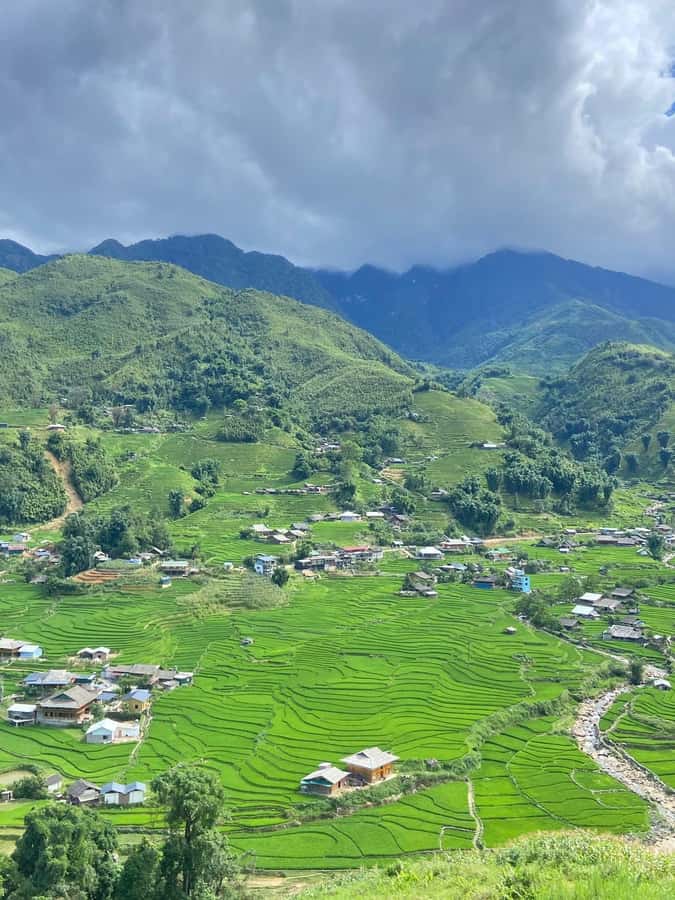
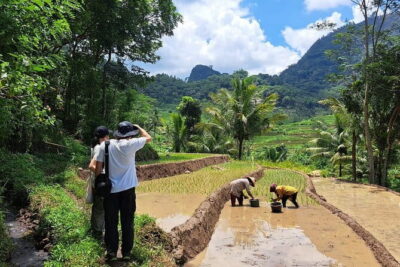
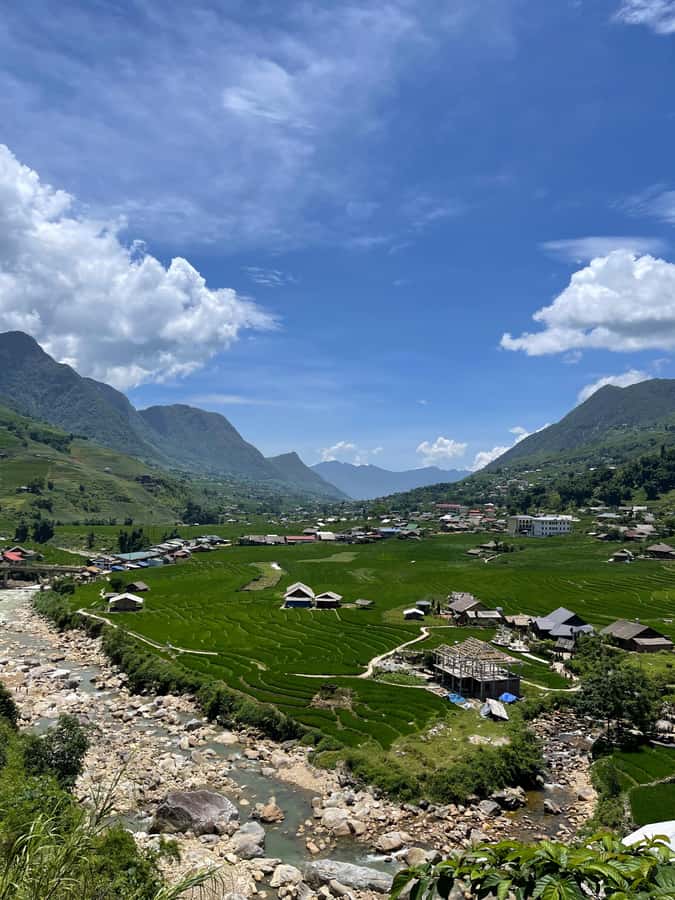
This is the kind of Sapa day trip that makes the region click. Instead of just looking from afar, you actually walk through the Muong Hoa Valley, passing rice fields, forested hills, and ethnic villages along the way. The route is designed for a one-day experience, usually clocking in around 5–7 hours total.
You start in the morning, around 8:30 AM, meeting your guide at the Sapa church or a designated meeting point. In practice, that early start matters. Mornings are when the valley feels most alive: light hits the terraces nicely, and the trails are easier before clouds and mist roll in.
Pace-wise, think moderate trekking. It’s not a long multi-day grind, but it’s also not a flat stroll. You’ll cover about 10–12 km, and you’ll want your feet to be comfortable from step one.
You can also read our reviews of more tours and experiences in Sa Pa.

Y Linh Ho Village: Black Hmong culture, weaving, and terrace views
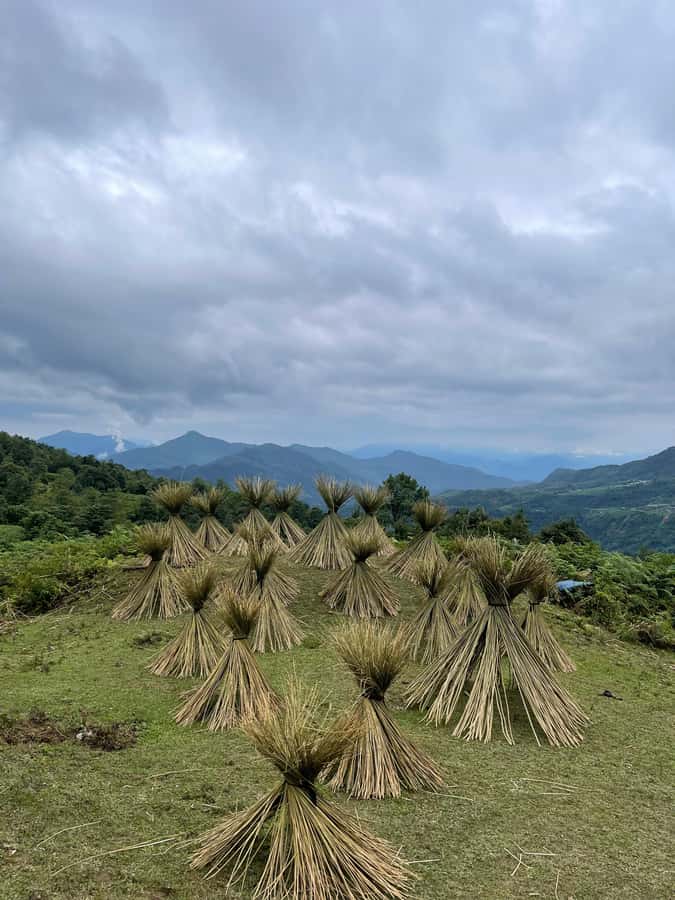
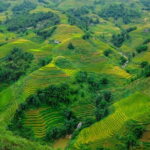
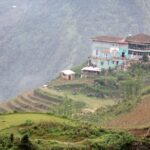
Y Linh Ho is the first big cultural anchor of the day. After you leave Sapa, you start descending into the Muong Hoa Valley, and the scenery builds as you go. Rice terraces start to show their pattern in layers, and you get those postcard angles where the mountains frame everything.
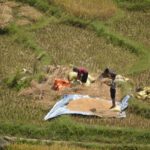
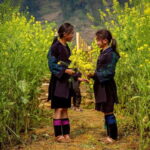
Then comes the human part. Y Linh Ho is home to the Black Hmong community, and the visit is about more than sightseeing. You get a chance to learn about their daily life and customs, including traditional weaving techniques. The best way to get value here is to ask simple questions. People often respond well to curiosity about how something is made, what it’s used for, and who in the family does what.
Practical note: this stop works even if your photos are just a side goal. If you care about culture—how people live, how work shows up in clothes and crafts—this is one of the strongest moments of the tour.
Lao Chai Village: photo stops, local crafts, and a calmer rhythm
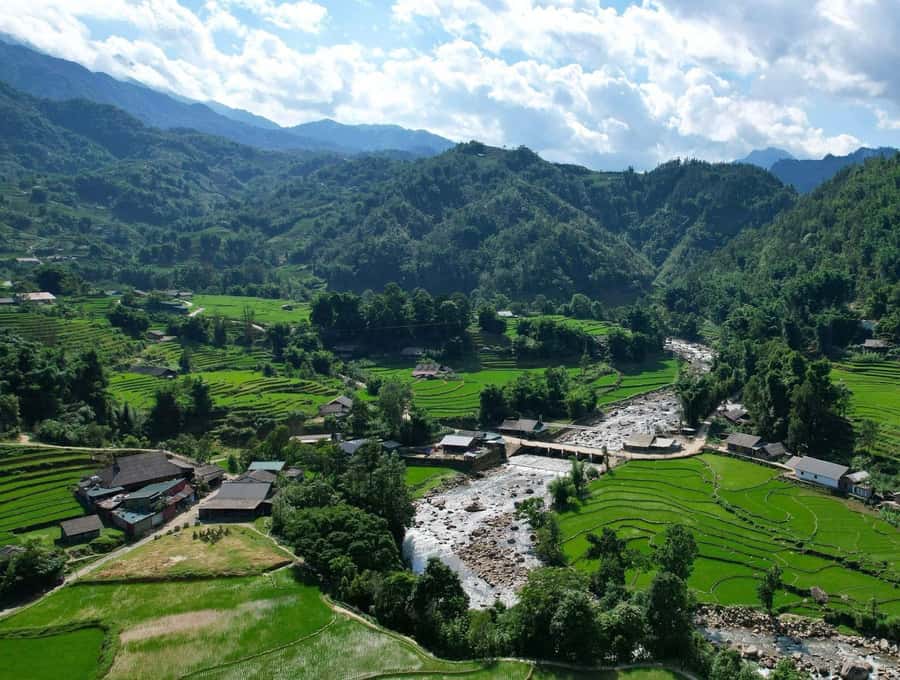
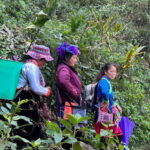
From Y Linh Ho, the trek continues along winding trails toward Lao Chai. The vibe changes slightly as the day goes on. You start to feel like you’re moving through a real living route, not a checklist. Expect more terrace views, plus the gentle rhythm of walking and stopping for photos when the scenery earns it.
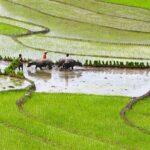
Lao Chai is where you slow down again. You’ll stop to appreciate the surroundings, then you’ll have time to interact with locals. The focus here is on everyday life and crafts—things you can see, touch if it’s offered, and ask about. This is also a good moment for perspective. Sapa can feel commercial in town, but on the trail, you’re reminded that the terraces and the villages are connected to work and seasons.
Lunch also fits around this section of the day. You’ll eat at a local house or riverside restaurant. That’s not just a convenience. A real meal right in the village circuit keeps the trek from turning into a snack-and-go scramble.
Ta Van Village: Giay culture and a short reset with snacks
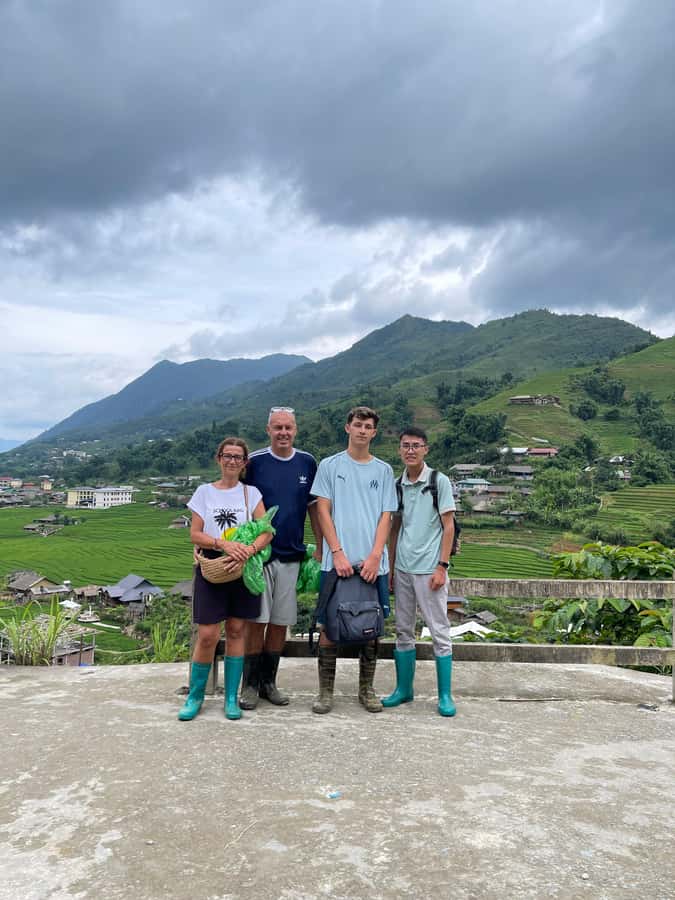
Next you head deeper toward Ta Van, home to the Giay ethnic minority. The route keeps offering valley views, but Ta Van has a slightly different feel—more room to breathe, and a more noticeable sense of village rhythm.
Here, the point is cultural contrast. You’ve already met the Black Hmong in Y Linh Ho. Now you’re seeing another community with its own look and traditions. You’ll typically get time to experience the village atmosphere and talk with people, especially if your guide prompts questions and helps translate.
Then there’s the payoff for your legs: an optional short rest at a local homestay or café, where you can sample traditional snacks. This matters more than it sounds. Long before your body complains, your energy dips. A snack break and a moment off your feet can turn the last part of the day into something you enjoy instead of just survive.
Timing, distance, and how to plan your morning in Sapa
Let’s talk logistics like a friend who hates wasted effort.
The tour starts around 8:30 AM. That’s early enough to beat the heaviest crowd energy, and it’s also when the valley feels photogenic. If you sleep in, you’ll either miss the best light or you’ll start the day rushed. Neither helps.
From start to finish you’re looking at 5–7 hours, covering 10–12 km. You’ll likely spend some time at stops for village visits, photos, lunch, and a short rest. So even though the walking distance is set, the experience depends on how long you pause and ask questions.
One thing I appreciate about this style of trek is that the route is built around breaks that actually make sense:
- village visits that connect culture to place
- a lunch stop that fuels you
- a short café/homestay break late enough to rescue your stamina
Also, the group may not be huge. Some people have done it in very small groups, even just two people, which can make conversations feel more natural and less rushed. If you love asking questions, that’s a big advantage.



Why the $19 price can make sense (when compared to doing it on your own)
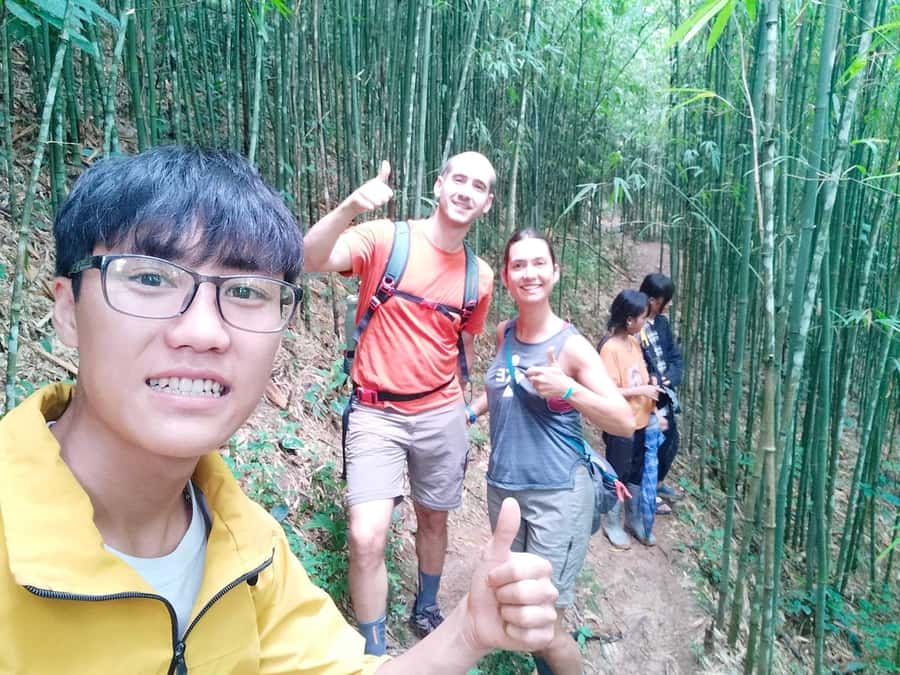
At around $19 per person, this tour is one of those prices that feels almost too simple. But the value isn’t magic—it’s in what you’re getting bundled together.
Included in the price:
- a live tour guide
- trekking and village visits (Y Linh Ho, Lao Chai, Ta Van)
- lunch
- transfer back to Sapa town
Not included:
- personal expenses
If you tried to piece it together yourself, you’d still need a guide who knows the route and can help with communication, plus transport out and back. Lunch is another cost you don’t have to guess or bargain for. When you factor in all that, the price looks more realistic: you’re paying for a full guided day, not just a walk.
And there’s a softer value too. The best parts of this trek aren’t the scenery alone. It’s the context your guide brings—especially Su’s local stories and explanations of village life.
What to bring: the small gear list that protects your day
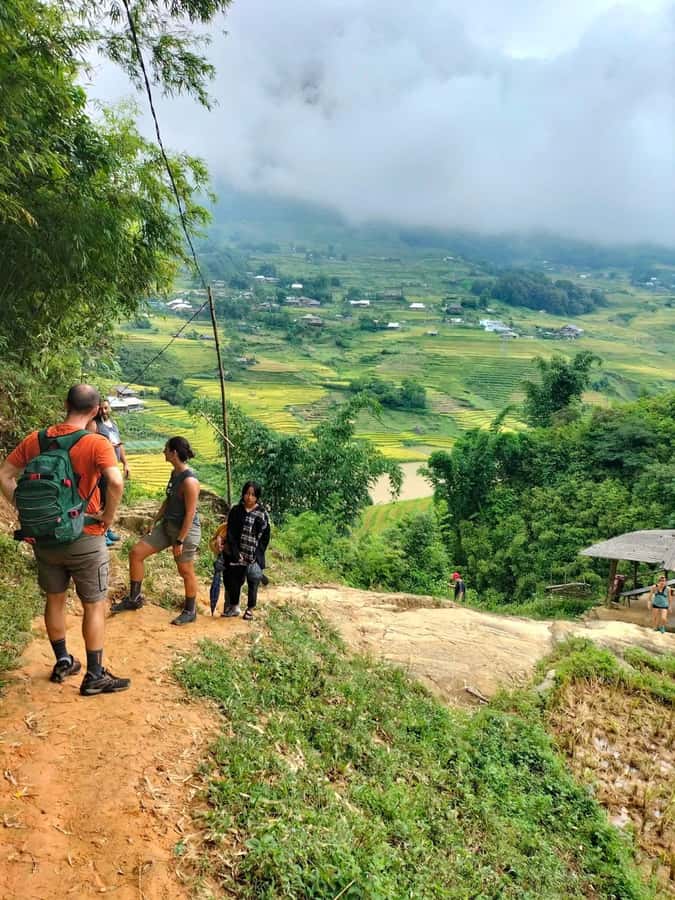
This isn’t a gear-heavy expedition, but the essentials matter because the terrain and weather can surprise you.
Bring:
- Comfortable shoes with grip
- a hat (sun or mist still hits)
- camera (you will want it)
- sunscreen
- water
Dress for quick changes. Sapa weather can shift fast, so layers are smart. If you only pack for sunshine and the clouds roll in, you’ll feel it during the colder stretches.
Also, have a light mindset. This is a trekking day. If your bag is too heavy, you’ll notice it early.
Guide experience: English support and personal storytelling that adds meaning
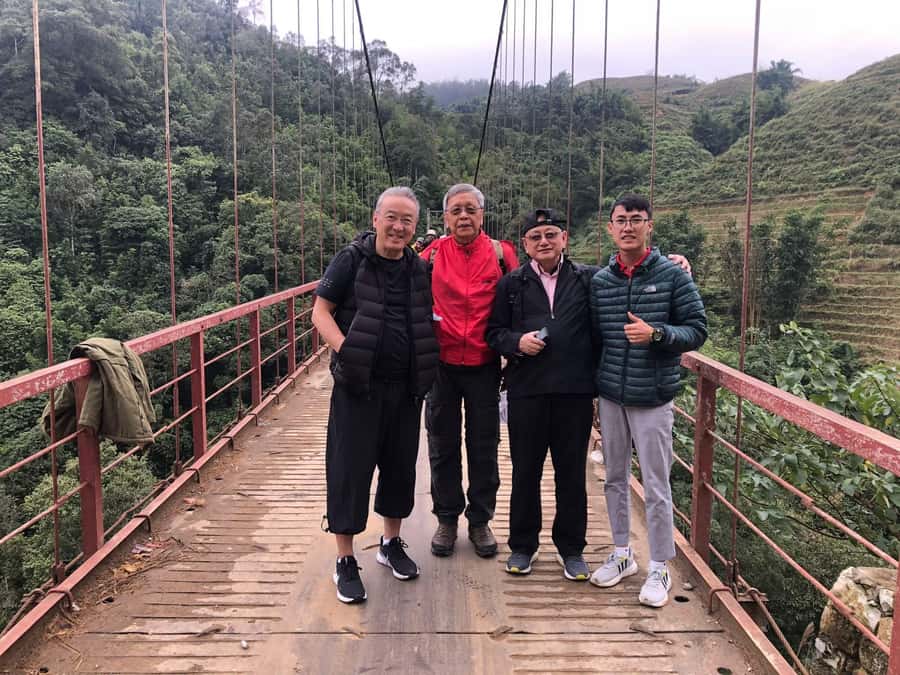
One reason this tour rates so well is the guide quality. You’ll have a live guide who speaks English and Vietnamese. That translation piece matters when you want to understand what you’re seeing instead of just passing through.
Su, in particular, is described as both kind and prepared, with a local expert angle. People also mention the way he shares personal stories—how he lives in the villages and talks about his experiences and community life. You don’t have to force deep questions. The conversation tends to flow once you show interest.
In a small-group setting, those exchanges can get even better. You’ll have time to ask follow-ups instead of watching the group drift away while you try to catch up.
The one drawback to respect: moderate trekking means you should be honest about your fitness
This tour says it clearly: it’s not for people with low fitness, and it’s not suitable for mobility impairments. That’s not just legal language. The walking is real, and the day includes uneven village trails.
So be honest. If you can handle a sustained walk and a few uphill/downhill sections, you’ll likely find the pace doable. If not, you’ll end the day tired and frustrated rather than satisfied.
Also, if you’re sensitive to weather, plan for it. The valley views are worth it, but you’ll want to be ready for mist and sun swings.
Should you book this Sapa trek or skip it?
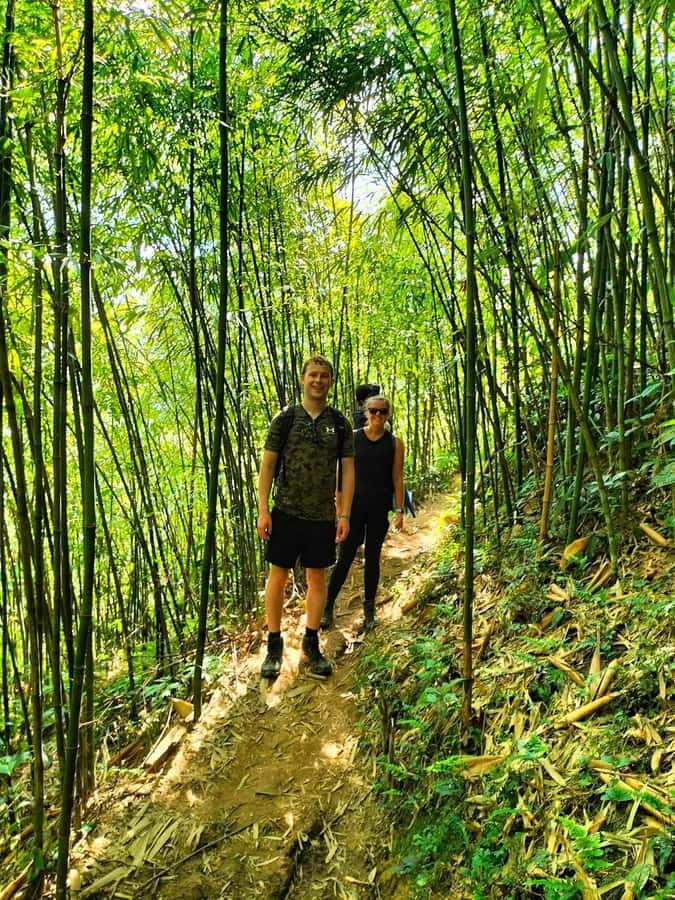
Book it if:
- you want a guided day that connects rice terraces to the people who live there
- you care about culture, especially the Black Hmong and Giay communities
- you like walking but don’t want an all-day epic that eats your whole trip
- you value having lunch and return transport handled
Skip it if:
- you have mobility limitations or low fitness and need a flatter, easier option
- you hate moderate walking and would rather enjoy Sapa from viewpoints
- you’re only in it for pure scenery with zero interest in village life or crafts
If your ideal Sapa day includes both views and conversations, this tour is a strong fit.
FAQ
How long is the Sapa Y Linh Ho, Lao Chai, and Ta Van trekking day tour?
The tour lasts about 5–7 hours.
What time does the tour start, and where do we meet in Sapa?
It starts in the morning, around 8:30 AM, and you meet at Sapa church or another designated meeting point.
How far will we walk during the day tour?
You’ll trek about 10–12 km through the valley and villages.
Which villages and ethnic groups are visited on this trek?
You visit Y Linh Ho (home to the Black Hmong), Lao Chai, and Ta Van (home to the Giay ethnic minority).
What’s included in the price, and what isn’t?
Included: a live tour guide, the trekking tour, visits to Y Linh Ho, Lao Chai, and Ta Van, lunch, and transfer back to Sapa town. Not included: personal expenses.
What should I bring for this trekking tour?
Bring comfortable shoes, a hat, a camera, sunscreen, and water.
What languages does the guide speak?
The guide can speak English and Vietnamese.
Is this tour suitable for beginners or for people with limited mobility?
It is moderate trekking and is not suitable for people with low fitness or for those with mobility impairments.
Can I reserve & pay later, and what about cancellations?
Yes, you can reserve & pay later (book your spot and pay nothing today). You can cancel up to 24 hours in advance for a full refund.