REVIEW · KATHMANDU
Annapurna Circuit Trek
Book on Viator →Operated by Glorious Himalaya Trekking Pvt. Ltd. · Bookable on Viator
High passes, clear planning. This private Annapurna Circuit trek is interesting because you get full-board trekking days plus the paperwork handled, so you can focus on acclimatizing and walking. I also like that permits and area entrance fees are included, and your guide is there for Nepal know-how and safety. One thing to consider: a past guest felt the guide training could be tighter, so you’ll want to actively check pacing and expectations from day one.
You start with airport pickup and private ground transfers, then settle into a lodge trek with real schedules. It’s built for people who want a guided route but still want room to move at their pace, especially when the route steepens near Thorung La. The physical challenge is real, but the structure helps you keep moving without turning your trip into a logistics project.
Cost-wise, it’s priced at $1,150 per person for about 14 days, and it can feel like good value because hotels and many transfers are included. Just know what’s not covered: a porter, tips, and meals in Kathmandu and Pokhara hotels are on you, and you’ll also be paying for things like Wi-Fi, hot showers, and bottled water if you want them.
In This Review
- Key highlights that matter before you book
- What you’re really signing up for on the Annapurna Circuit
- Day-by-day rhythm: from Kathmandu to Syange to your first real climb
- Chame, valley cautions, and the slower climb into Manang
- Manang rest day: acclimatize without losing your momentum
- Toward Thorang Phedi: the climb gets serious, and the details matter
- Muktinath to Pokhara: going from high pass effort to real recovery
- Lodges, meals, and what “full board” actually means for you
- Price and value: where $1,150 per person really goes
- Transport and transfers: the “getting there” portion is part of the trip
- Safety, altitude, and why pacing really matters here
- Who this trek suits best
- Should you book this Annapurna Circuit private trek?
- FAQ
- How long is the Annapurna Circuit trek?
- Where does the experience start?
- Is airport pickup included?
- What meals are included during the trek?
- Are trekking permits and entrance fees included?
- Do I get a porter with this trek?
- Is international airfare included?
- What happens if the trek can’t run due to weather?
- Is there a cancellation refund?
Key highlights that matter before you book
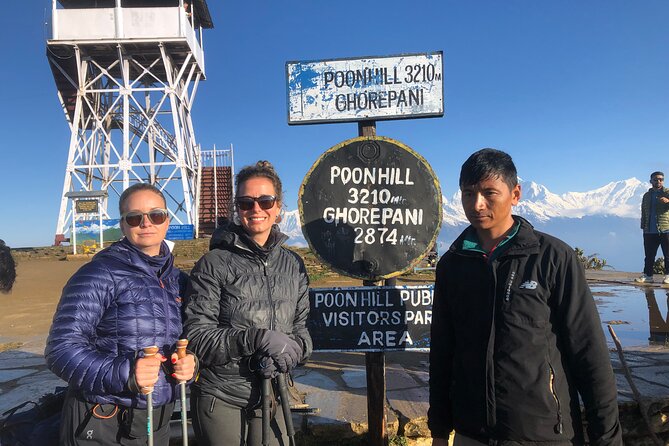
- Airport pickup and private hotel transfers keep your first day low-stress
- Full-board meals while trekking reduce the daily decision fatigue
- Permits and entrance fees included so you’re not scrambling on paperwork
- Lodges/tea houses with twin sharing make nights simple and predictable
- Manang break day gives you a built-in acclimatization buffer
- Pokhara and Kathmandu hotel nights included to help you recover in comfort
What you’re really signing up for on the Annapurna Circuit
This is a guided, private trek with a custom feel. “Private” here means it’s only your group participating, not a cattle-car mix, and that matters on the Annapurna Circuit where pacing and comfort can vary a lot. You’ll have a guide to navigate the route, explain local culture, and help manage safety as altitude rises.
The big win is that most of the planning weight is lifted: accommodation and full-board meals while trekking are included, and your trekking permits and entrance fees are covered. That combination usually means fewer surprises when you arrive. It also means you can spend your brain on the stuff that actually matters—rest, hydration, and taking the high pass seriously.
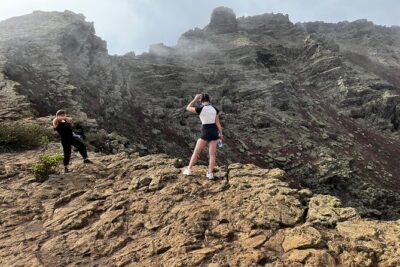
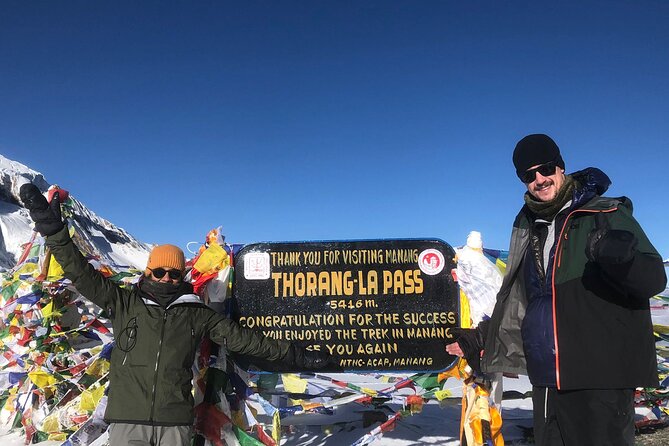
The trek is built around a moderate-to-strenuous fitness level. You should be ready for long walking days and cold, early starts as you climb toward Thorung La (5,416 m). If you want a “vacation pace” every day, this won’t be that. If you want steady progress with guidance and structure, it’s a strong fit.
You can also read our reviews of more tours and experiences in Kathmandu.
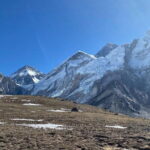
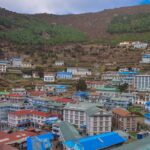
Day-by-day rhythm: from Kathmandu to Syange to your first real climb
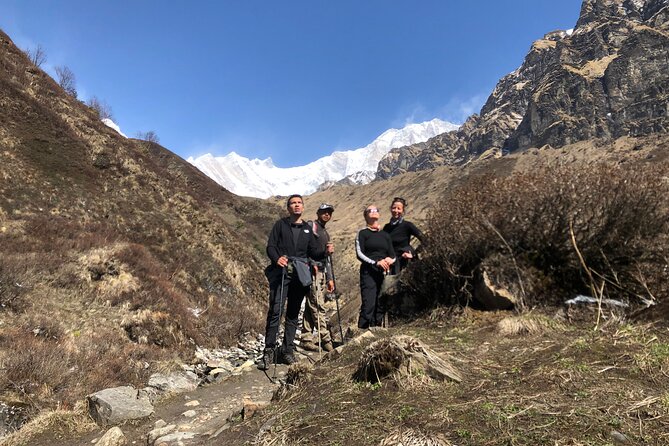
You begin in Kathmandu at Tribhuvan Airport, where an office representative meets you and transfers you to your hotel by private vehicle. After rest, your guide gives a short briefing. That matters because Annapurna isn’t just about views—it’s also about pacing, layers, and learning how altitude affects you.
Day 2 is a long ride: about 8 to 9 hours from Kathmandu to Syange. It sounds intimidating, but the itinerary treats it as your transition day. You’re not walking yet, so your body can reset after travel while the route positions you for the trek start.
Day 3 shifts into walking mode with a route to Dharapani. Expect a day around 7 to 8 hours on foot. The plan includes crossing a bridge early in the day, which is exactly the kind of small detail that helps when you’re mentally preparing. This is also where you start learning how your group moves: not fast, not slow—just consistent.
Day 4 brings you onward to Chame in about 6 hours, with steep ridges and some landslide areas along the way. That’s a good reminder that this is a working mountain trail, not a theme-park walkway. If you’re prone to rushing when you’re excited, this is where the guide’s role becomes practical: keep you steady, help with safe foot placement, and slow you down when you need it.
Chame, valley cautions, and the slower climb into Manang
Day 5 continues the trek in about 6 hours. This day is described as passing through a valley needing full caution with narrow, steep sections. When the trail gets tight, your best strategy is simple: small steps, watch footing, and don’t let the scenery trick you into speeding up.
Day 6 is where the altitude story ramps up: you walk about 7 hours to reach Manang area routes after passing through Upper Pisang. The itinerary specifically includes a day described around Thorang La Pass and then links you back into the Manang Valley positioning. Either way, you’re moving upward into a region where cold mornings and slower breathing become normal.
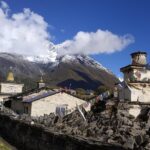
You also get an early taste of what people travel for: mountain scale, high ridges, and the feel of a Tibetan-influenced culture in this part of Nepal. That combination is a big reason the Annapurna Circuit stays popular.
Manang rest day: acclimatize without losing your momentum
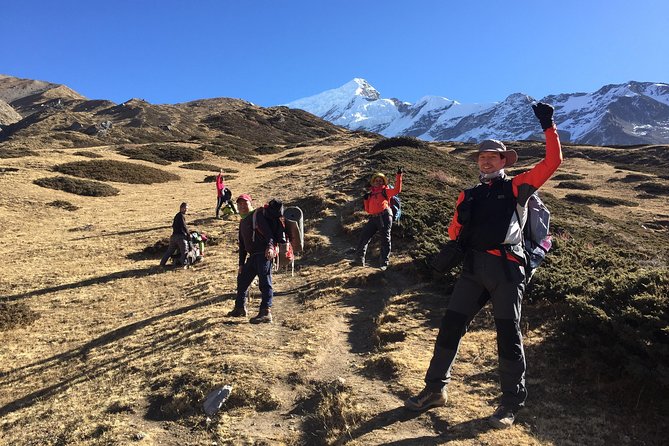
Day 7 is a rest day at Manang, with time for short hiking options like Bonjo Gumba, Gangapurna Lake, or hikes up to Vra… (the plan cuts off the full name, but the point is clear: short, optional movement). This kind of break is more than a comfort perk. It’s a functional altitude strategy that helps your body adjust before the big pass.
You’ll appreciate this day if you get that post-climb fatigue that hits after a few days at elevation. With a guide, you can choose a short walk based on how you feel rather than forcing the same plan on everyone.
This is also a smart moment to review gear and routines: how your layers fit, whether your hydration schedule is working, and how your sleep is going. The itinerary gives you this breathing space. Use it.
Toward Thorang Phedi: the climb gets serious, and the details matter
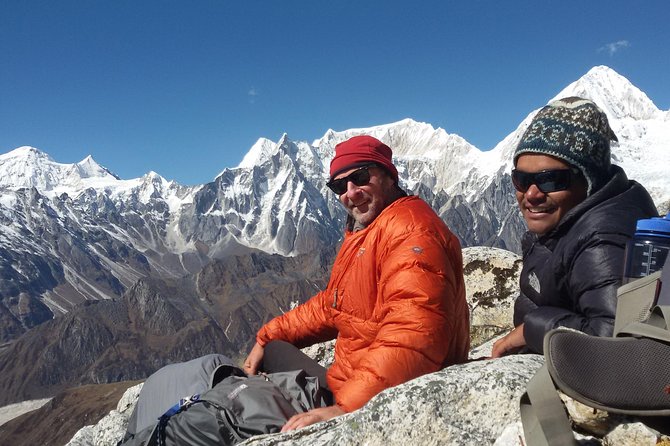
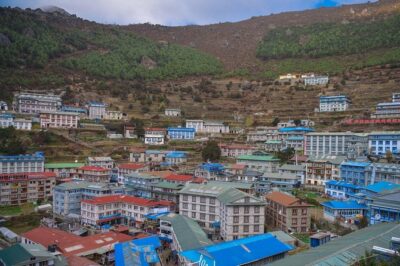
Day 8 continues the ascent with roughly 4 hours of trekking, passing through Tenki and around the Marshyangdi Valley northwest of Jharsang Khola. The route is described with juniper trees and a small Ghunsa Village segment. This is where the trek starts to feel more remote and more “mountain town to mountain town,” not just valley walking.
Day 9 is a push toward Thorang Phedi in about 4 hours with a suspension bridge and a passage toward Thorang… (again, the name is truncated, but you’re clearly moving toward the pass approach). Bridges in high country are rarely just scenic—they’re also about timing and footing. You’ll want to cross calmly, not with a big rush.
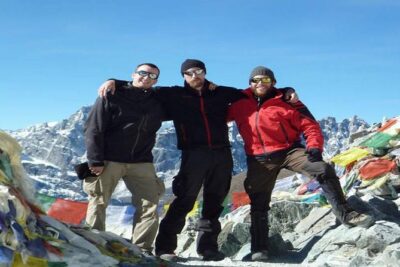
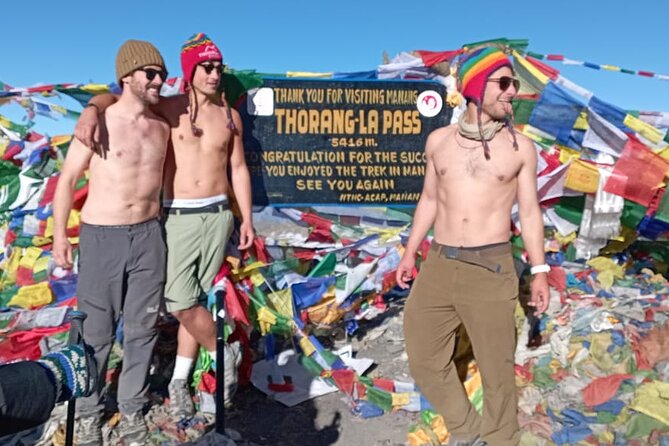
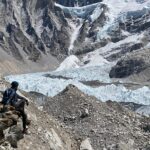
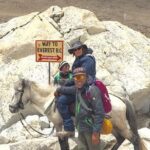
Day 10 is the long, high-stakes day. You’re crossing Lhorang La Pass (listed as 5,416 m) and then heading down toward the western side, finishing at Muktinath Temple. The itinerary lists about 8 hours on this day. Even if you feel good early, pace yourself. The pass is a mental game as much as a physical one, and a guide can help you keep perspective when the altitude starts talking back.
Muktinath to Pokhara: going from high pass effort to real recovery
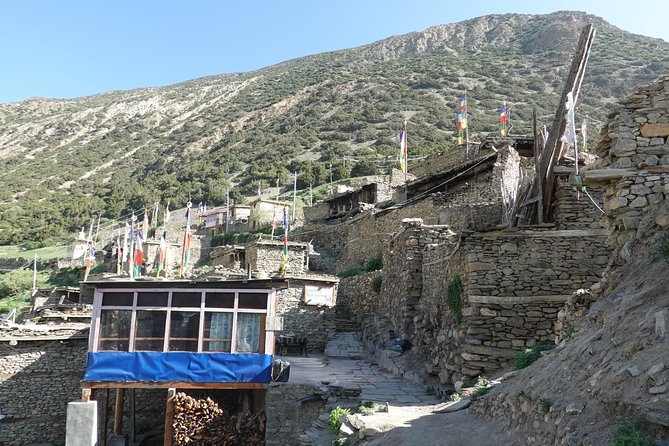
After the big pass, Day 11 takes you from Muktinath to Pokhara by bus/jeep drive shared with others, around 10 hours. That’s a lot of seated time, so expect your legs to feel it even if you’re done trekking for the day.
Then you get two nights in Pokhara with hotel accommodation inclusive of breakfast. Day 12 is a rest day at Pokhara, with time to explore Pokhara Valley on your own. This is where the trip shifts from endurance to enjoyment—warm meals, softer beds, and a chance to normalize your breathing.
Day 13 moves you to Kathmandu by tourist bus (about 7 hours) or a flight option from Pokhara to Kathmandu for an extra charge. Either way, you’ll arrive for hotel transfer with breakfast included. Day 14 is departure: you’ll be dropped to the international airport for your flight home.
Lodges, meals, and what “full board” actually means for you
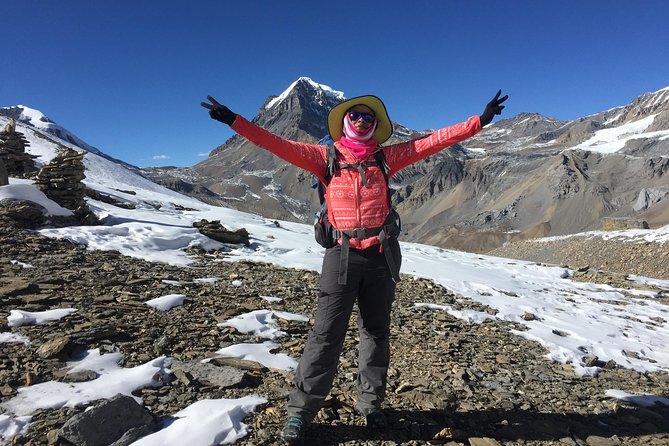
During the trek, the plan includes accommodation in lodges/tea houses with twin sharing, plus full board meals: breakfast, lunch, and dinner, along with tea during the day. That matters because tea house trekking can be a cash-and-choice routine if it’s not bundled. Here, you don’t have to make the same decisions daily about what’s available or how much it costs.
It also changes how you pack. If your meal plan is covered, you can focus your attention on snacks you genuinely like, water strategy, and layers. On the flip side, the trek does not include hot showers, Wi-Fi, alcoholic beverages, or mineral bottle water. If you’re the kind of person who needs a warm rinse daily or wants constant charging, you’ll be happier if you plan around that expectation.
One more practical note: there’s first-aid medicine carried by your local guide, and you can request a company duffel bag and sleeping bag if needed. That can be a big help if you’re traveling light or you’re not sure what you should bring.
Price and value: where $1,150 per person really goes
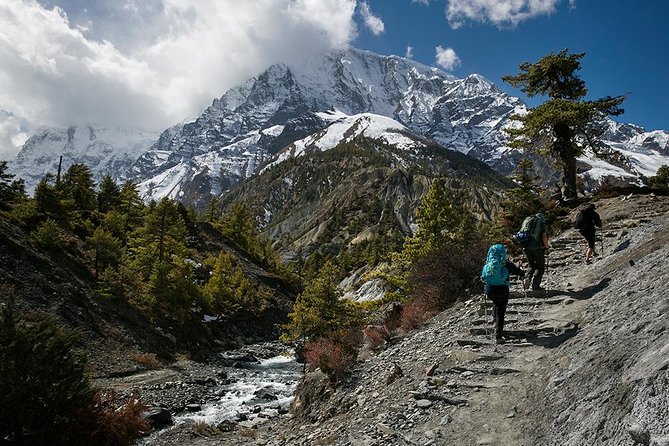
At $1,150 per person for about 14 days, the value is strongest in the parts that usually cost hidden money: permits, entrance fees, guided support, lodge accommodation, and the Kathmandu/Pokhara hotel nights. The itinerary includes:
- One professional trekking guide
- Lodges/tea houses with twin sharing
- Full-board meals while trekking
- Trekking permits and area entrance fees
- 2 hotel nights in Pokhara and 2 in Kathmandu with breakfast
- Airport and hotel transfers by private vehicle
- Tourist bus transport for long-range ground transfers (Kathmandu to Besishar & Pokhara to Kathmandu)
- Local bus/jeep drive from Muktinath to Pokhara
- A trip completion certificate
What’s not included is equally important for budgeting:
- International flights
- Tips to the guide and porter
- Nepal Travel Visa
- Porter (explicitly not included)
- Lunch and dinner in Kathmandu and Pokhara hotel stays
- Alcohol, Wi-Fi, mineral water, and charging/hot shower during the trek
So the question becomes: does the bundled structure match your travel style? If you want fewer decisions and smoother logistics, this price can make sense. If you already planned your own guide, permits, and tea-house nights, you might feel like you could do it cheaper. But doing it yourself often costs time, risk, and stress—especially around permits and timing.
Also consider booking timing. This trek averages being booked about 105 days in advance, which suggests demand stays steady. If you have a firm travel window, booking earlier tends to keep options open.
Transport and transfers: the “getting there” portion is part of the trip
A lot of trekking reviews focus only on the walking. This one also pays attention to transfers. Your airport transfer in Kathmandu is private, and the long ground days are handled by bus/jeep as scheduled. That reduces the chance you’re negotiating rides after a long travel day.
You’ll still have long travel days: Day 2 takes up the morning-to-evening range with that 8–9 hour ride, and Day 11 is about 10 hours after reaching Muktinath. If you’re sensitive to long seated stretches, consider how you’ll handle breaks and rest. The itinerary gives you the structure; your job is to make your body comfortable during it.
The return flow is also planned: trek ends near Muktinath, then you go straight to Pokhara, then back to Kathmandu for departure. That’s efficient. It also means you’ll want to plan your home flight with a little caution, because you’re not adding buffer days unless you build them yourself.
Safety, altitude, and why pacing really matters here
The guide is central to the experience: learning Nepal and staying safe by trekking with someone who manages routes and risks. The pass day is the obvious high point, but altitude problems often show up before the pass when people push too hard early.
This itinerary gives you built-in pacing tools: guided structure, a rest day in Manang, and shorter walking segments as you approach the pass. That’s a smart way to reduce the chances of you arriving exhausted at Thorang Phedi.
Still, the one drawback to keep in mind is that a review noted training could be improved among staff/trekking guides. That doesn’t automatically mean your experience will be poor, but it’s a good prompt for you: ask questions early, clarify how you’ll handle pace, and make sure you understand how the plan adjusts if weather or your body needs a change.
Who this trek suits best
This is a good match if you want:
- A private guided experience (not a group crush)
- Help with permits, fees, and route navigation
- Hotel time in Pokhara and Kathmandu so you can recover
- Full-board meals while trekking to simplify your day
It’s likely not the best fit if you want a fully independent trek with full control from start to finish. And it’s not ideal if you’re looking for porter support included automatically, because porter service is explicitly not included.
If you have moderate physical fitness and you can handle long walking days plus a high pass, you’ll probably find this itinerary workable and well paced.
Should you book this Annapurna Circuit private trek?
I’d book it if you want a guided plan that reduces logistics stress and still gives you time to acclimatize, especially around Manang. The included permits, full-board meals while trekking, and Kathmandu/Pokhara hotel nights are where the value stacks up most.
I would hesitate only if you’re expecting high-touch guide training quality every single day. If that’s your priority, ask detailed questions before you go about how your guide monitors altitude safety and adapts the schedule. And if you already know you’ll need a porter, budget for it or plan for it before departure.
If you do want an easier path through a demanding region, this trek’s structure is the selling point.
FAQ
How long is the Annapurna Circuit trek?
The duration is listed as approximately 14 days.
Where does the experience start?
Start is at Tribhuvan Airport in Kathmandu, Nepal.
Is airport pickup included?
Yes. Airport and hotel transfers are included by private vehicle.
What meals are included during the trek?
Full board meals during the trek are included: breakfast, lunch, and dinner (with tea/breakfast included as described).
Are trekking permits and entrance fees included?
Yes. Trekking permits and area entrance fees are included.
Do I get a porter with this trek?
No. Porter service is not included.
Is international airfare included?
No. International flights are not included.
What happens if the trek can’t run due to weather?
The experience requires good weather. If canceled due to poor weather, you’ll be offered a different date or a full refund.
Is there a cancellation refund?
Free cancellation is allowed up to 24 hours in advance of the start time for a full refund.