REVIEW · POKHARA
Poon Hill Trek From Pokhara – 3 Nights 4 Days
Book on Viator →Operated by Welcome Nepal Treks P.ltd · Bookable on Viator
Sunrise here feels like a front-row seat. This 4-day Poon Hill trek from Pokhara is built for big Annapurna Region views in a short window, with the main show at Pun Hill (3,190 m) plus teahouse nights along the way. I love the Pun Hill sunrise and the homely, teahouse style pace that makes the trek feel personal, not rushed. The main consideration is the stair-and-slope effort: you’ll tackle the big steps out of Ulleri and an early, uphill push for sunrise.
It’s also a logistically friendly way to do Annapurna. The trip includes hotel pickup, conservation entry permits, and a guide plus a porter (up to 25 kg), so you’re trekking, not managing paperwork and carry plans. Reviews even call out guides like Amid and Padam Bahadur Bhujel for being proactive and easy to travel with, which matters when you’re moving on a tight schedule.
In This Review
- Key Things I Think You’ll Care About
- Why Poon Hill Works So Well for a Short Trip From Pokhara
- Day 1: Pokhara to Thikhedhunga and the 3,000-Step Warm-Up
- Day 2: Ulleri to Ghorepani Through Alpine Forest and Teahouses
- Day 3: Pun Hill Sunrise at 3,190 m and the Ridge Walk Toward Tadapani
- Day 4: Ghandruk Village Finish With Annapurna South and Fishtail Views
- Tea Houses, Meals, and Sleep: What You Can Expect
- Price and Value: Is $600 Fair for This 4-Day Package?
- Fitness Level and the Real Shape of the Climb
- Who Should Book This Poon Hill Trek (and Who Should Skip It)?
- Final Thoughts: Should You Book This Trek?
- FAQ
- How long is the Poon Hill trek from Pokhara?
- What is the price per person?
- What time does the trek start?
- Do you include pickup from Pokhara?
- What kind of accommodation is provided on the trek?
- Are meals included?
- Is a guide and porter included?
- What is the maximum group size?
- What is included in the $600, and what is not?
- Who is this for and what’s the effort level?
Key Things I Think You’ll Care About
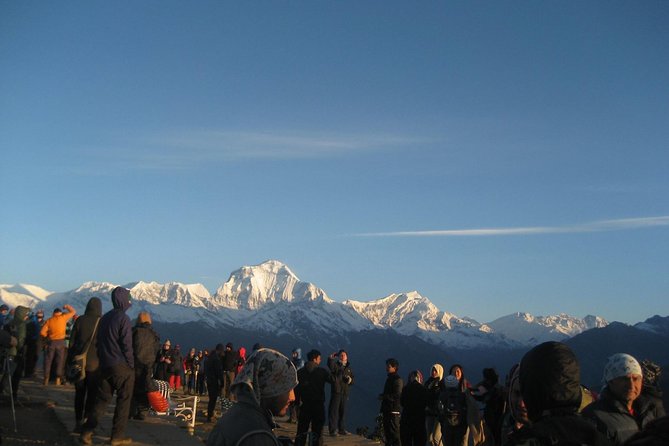
- Pun Hill sunrise with changing peak colors and wide views over major ranges
- Ulleri steps and warm-up walking on Day 1, setting you up for a smoother Day 2
- Magar village context in Ulleri and Gurung culture at Ghandruk
- Teahouse lodging rhythm (simple, but part of the experience)
- Small-group feel with a maximum of 15 travelers
- Guide + porter included, with a 25 kg porter allowance
Why Poon Hill Works So Well for a Short Trip From Pokhara
If your time is limited but you still want the classic Annapurna moment, Poon Hill is one of the most efficient choices you can make. The trekking route is short enough to fit into 3 nights and 4 days, yet you still get dramatic altitude views over the Annapurna, Dhaulagiri, and Manaslu ranges.
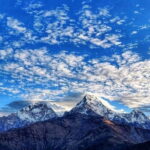
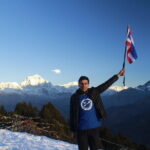
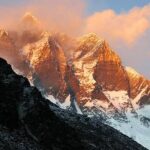
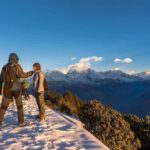
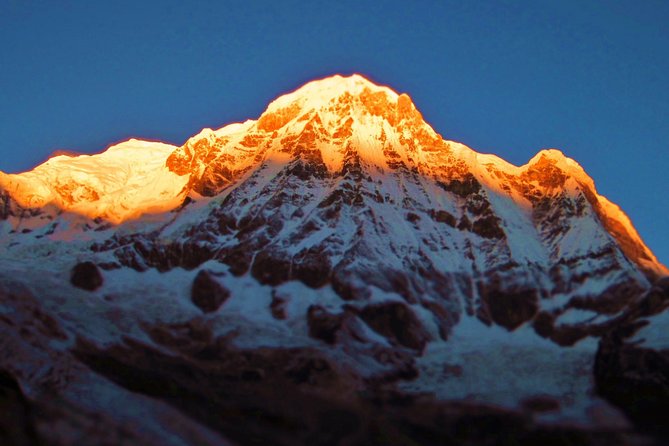
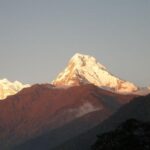
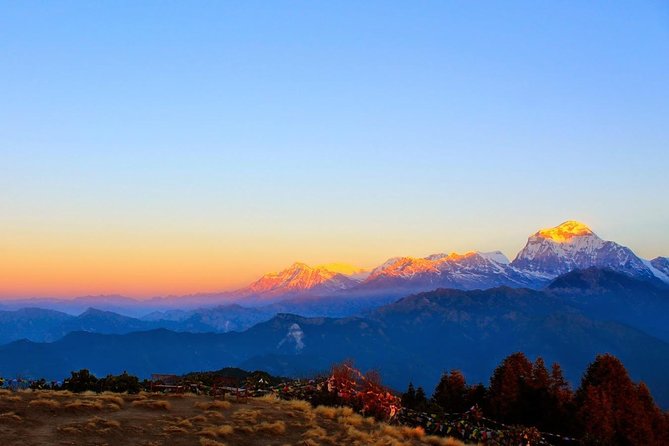
The real magic is the way the sunrise experience is timed and staged. You’re not just watching a sunrise from somewhere random—you’re going up to Pun Hill at 3,190 m, then looking out as snow peaks shift from pink to red under early light. That kind of view is why people plan whole trips around this part of Nepal.
I also like that this trek blends scenery with real village life. You pass through Ulleri, a Magar village, and later finish in Ghandruk, where thatched and slate-roofed stone houses sit around farming terraces. It’s not only trekking; it’s the sense of moving through communities that have been welcoming hikers for a long time.
You can also read our reviews of more tours and experiences in Pokhara.
Day 1: Pokhara to Thikhedhunga and the 3,000-Step Warm-Up
Day 1 starts with an easy win: a scenic drive from Pokhara to Nayapul, then a short river follow before you climb toward Ulleri’s famous steps. After breakfast, you’ll head toward the trail start point of Nayapul (about 1.5 hours by private car), then walk upstream along Modi Khola for roughly 30 minutes. From there, the route crosses near where the Modi and Burungdi rivers meet, and you continue upstream on Burungdi.
The walking time is around 4 hours on this first day, but the point is not to smash your legs—it’s to get your body into trekking mode. You’re climbing toward Thikhedhunga, described as the base of steep 3,000 steps to Ulleri. You’ll see why this is a “warm-up” day: it sets the tone for the effort to come without trying to bury you in exhaustion.
One detail worth knowing: the plan mentions you can even climb the 3,000 steps to Ulleri if you want to make tomorrow easier. In real terms, this is about pacing. If you’re an early-morning climber and you like finishing harder days sooner, it can work. If you’re cautious, you may prefer to keep it as a base-and-overnight night.
You end Day 1 at a tea house lodge. That’s the pattern for this trek: simple mountain lodging, shared spaces, and meals when you’re ready.
Day 2: Ulleri to Ghorepani Through Alpine Forest and Teahouses
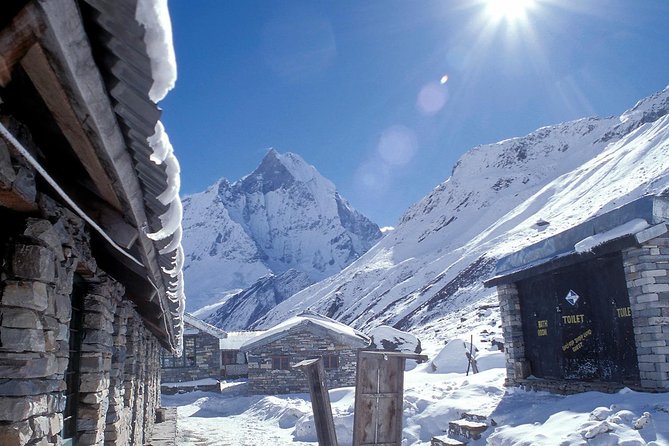
On Day 2, the stair effort becomes more real, but it’s also more interesting because the terrain changes. You’ll climb steep stone steps in the morning for about 2 hours to Ulleri (at around 2,100 m). Ulleri is a Magar village, dominated by Pun Magars, and the route doesn’t skip the moment when the mountains start opening up.
From the village, you get your first views of Annapurna South and Mt. Fishtail. That matters because it gives you a sense of scale early, before the big viewpoint day. It’s easier to keep walking when you can see what you’re walking toward.
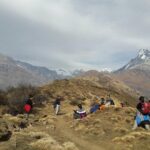
After Ulleri, the trail climbs gradually into alpine forest. Along the way, teahouses appear at intervals—so you’re not walking into emptiness. Ghorepani is the mountain pass below Pun Hill, and the views from there are tied to the Kali Gandaki valley, which runs like a deep wedge between Dhaulagiri and Annapurna ranges.
You spend the night at a tea house lodge in the Ghorepani area. This is the practical “setup day” for Pun Hill sunrise. You’re not just resting. You’re positioning yourself for a short uphill hike at dawn—so keep your pacing steady and save a bit of energy.
Day 3: Pun Hill Sunrise at 3,190 m and the Ridge Walk Toward Tadapani
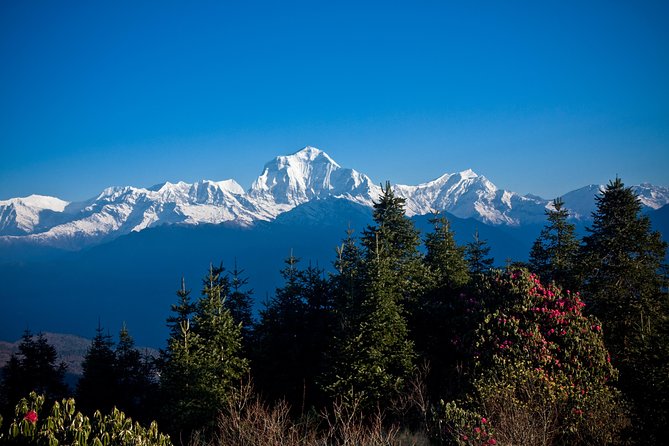
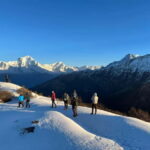
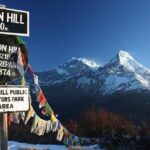
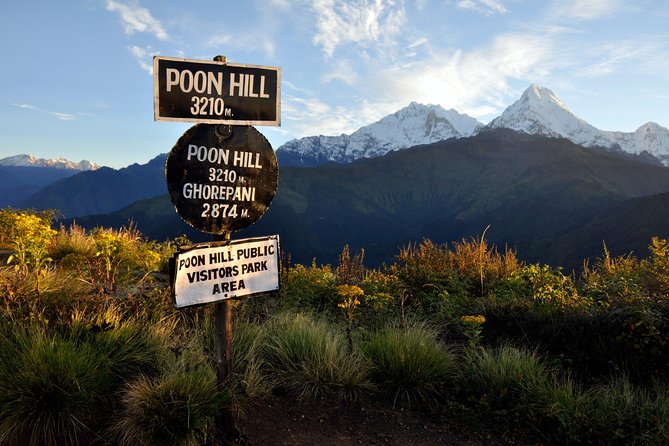
Day 3 is the main event. You start with the sunrise viewpoint from Pun Hill, which sits at 3,190 m. The hilltop is about a 50-minute climb from Ghorepani. Early light hits the snow peaks and shifts their color from pink to red, turning the viewpoint into a living color show rather than a single photo moment.
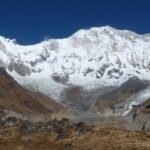
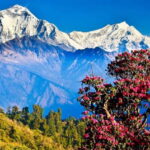
From Pun Hill, you can see panoramic views over more than 15 peaks, including Dhaulagiri (8,167 m), Annapurna I (8,091 m), and Manaslu (8,157 m). That list is part of what makes Poon Hill so famous: you’re getting a wide, dramatic sweep of major Himalayan names in a trek that still feels short.
After you climb back down to Ghorepani, the day continues with another good trekking segment. The trail heads toward Tadapani, starting with a climb to a ridge top toward the east. Then you follow a dense rhododendron ridge to Deurali. This section is where the trek feels like a trek again—less viewpoint, more movement through forest rhythm.
You’ll end the day at a tea house lodge around the Tadapani area (the plan uses Tadapani as the destination on Day 3’s walk). By this point, you’ll likely appreciate that the route isn’t nonstop climbing. It’s a sequence of effort and reward.
Day 4: Ghandruk Village Finish With Annapurna South and Fishtail Views
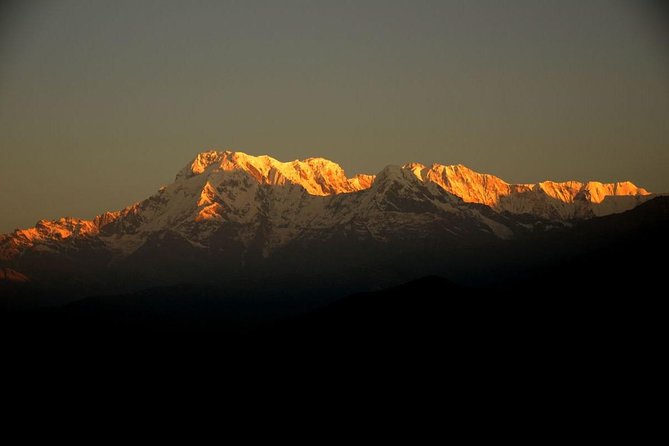
Day 4 shifts from mountain chasing to a classic village finish. You walk down toward Ghandruk, described as a charming mountain village in the forefront of Annapurna South and Mt. Fishtail. The homes are made with thatch and slate roofed stone houses, clustered around farming terraces.
Ghandruk is a Gurung village, and the trek notes the Gurung tribe’s historical reputation as Gurkha soldiers. Even if you don’t go deep into history on foot, it adds meaning to what you’re seeing. You’re not only passing buildings. You’re passing a community identity.
You’ll have lunch in Ghandruk and enjoy views of Annapurna South, Huinchuli, and Mt. Fishtail while you eat. Then you continue trekking downhill for about 1 hour to catch a ride back to Pokhara. The final leg is a shared jeep or a local bus, and then a drop at your hotel in Pokhara.
That ending is one of the reasons I like short treks like this. You get a real summit-style viewpoint experience, then you smoothly exit the mountains without an extra overnight or a complicated return day.
Tea Houses, Meals, and Sleep: What You Can Expect
This trek uses tea house lodge accommodations in the mountains. That usually means basic comfort: warm common spaces when available, simple rooms, and meals built around what trekkers need to keep moving.
The plan includes meals: breakfast on 3 days, lunch on 4 days, and dinner on 3 days. So you’re not constantly hunting for food options during your trekking window. Reviews also highlight that the food is good, and that’s consistent with how teahouse trekking typically works.
As for sleep, don’t expect hotel-level quiet or bedding. One review explicitly suggests not to expect too much from the place where you sleep, but also notes the overall experience is still worth it. If you pack smart and treat teahouse rooms as part of the adventure—not your home baseline—you’ll be happier.
Price and Value: Is $600 Fair for This 4-Day Package?
At $600 per person, this is best viewed as a supported trek package rather than a bare “route on your own.” What you’re paying for includes:
- Accommodations at tea house lodges
- Hotel pickup in Pokhara and transport to and from the trekking start point
- A guide and a porter (porter max 25 kg)
- Conservation entry permits and necessary paper work
- Meals (breakfast 3x, lunch 4x, dinner 3x)
- Group discounts (as offered)
- A mobile ticket
So the value is in the support layer. If you tried to stitch this together yourself, you’d still need permits, a guide for local navigation and logistics, and the movement between Pokhara and trailheads. Here, you’re also not managing the “carry” problem because the porter carries up to 25 kg.
The two places where value can feel different for different people are comfort expectations and your fitness. Tea houses are simple by nature, and the route includes step climbing and a morning push for sunrise. If you come with realistic expectations, $600 reads as a fair all-in number for a short, guided Annapurna trek.
Fitness Level and the Real Shape of the Climb
The trip is described as suitable for travelers with moderate physical fitness. That fits the route design: you get multiple uphill sections, but the trek is paced across four days rather than all at once.
Day 1 is the warm-up lead-in, with the approach to Thikhedhunga at the base of the steep 3,000 steps. Day 2 brings a 2-hour climb on stone steps to Ulleri, plus additional forest and pass walking toward Ghorepani. Day 3 starts with the sunrise climb to Pun Hill (about 50 minutes) before shifting into ridge walking with rhododendrons.
If you’re the type who hates stairs, you’ll feel it here. If you can manage controlled uphill walking without sprinting, you should do fine.
Practical note: start early on sunrise days with a calm mindset. Even if you’re fit, dawn trekking has a different feel—quiet, cold air, and less time for delays. That’s also where having a guide helps your pace and timing.
Who Should Book This Poon Hill Trek (and Who Should Skip It)?
You’ll likely love this trek if you:
- Have only a short holiday window but want a “big-view” sunrise moment
- Want guided support with permits and a porter, without complicated planning
- Enjoy mountain villages like Ulleri (Magar) and Ghandruk (Gurung)
You might skip it if:
- You expect cushy lodging and a low-effort route
- You can’t handle steep steps at least a couple times during the trek
- You dislike early-morning starts, since Pun Hill is the highlight and requires dawn timing
Also, since the maximum group size is 15, you should get a group feel without it turning into a packed herd.
Final Thoughts: Should You Book This Trek?
My take: this is a strong pick for the first-time Annapurna trekker or anyone who wants the Poon Hill payoff without a long itinerary. The price makes sense because it bundles the support parts—guide, porter, permits, meals, and transport—around a route whose highlight is clearly defined.
If you’re choosing between a do-it-yourself idea and a guided short trek, I’d lean guided for this specific route. Not because you’re incapable—because it saves you time and energy for the parts that matter: walking, sunrise, and village stops.
If you book, go in with two expectations. First, tea house lodging is simple. Second, the stairs are real. If you’re ready for both, you’re setting yourself up for a memorable Annapurna sunrise day.
FAQ
How long is the Poon Hill trek from Pokhara?
It runs about 4 days and 3 nights.
What is the price per person?
The price is $600 per person.
What time does the trek start?
The start time is 9:15 am.
Do you include pickup from Pokhara?
Yes. Pickup from your hotel in Pokhara and transfers to the trekking start point and after trekking are included.
What kind of accommodation is provided on the trek?
You stay in tea house lodges in the mountains for the nights during the trek.
Are meals included?
Yes. Breakfast is included for 3 days, lunch for 4 days, and dinner for 3 days.
Is a guide and porter included?
Yes. The package includes 1 trekking guide and 1 porter, with the porter carrying a maximum of 25 kg.
What is the maximum group size?
The group has a maximum of 15 travelers.
What is included in the $600, and what is not?
Included are accommodations, transfers, paper work and conservation entry permits, guide and porter service, and the meals listed above. Not included are personal expenses and tipping.
Who is this for and what’s the effort level?
It’s described as best for travelers with moderate physical fitness.