REVIEW · POKHARA
From Pokhara: 3-Day Ghorepani Poon Hill Trek with Guide
Book on GetYourGuide →Operated by Linkage Tour & Travel · Bookable on GetYourGuide
Morning starts with a Himalayan promise. This 3-day hike in Nepal’s Annapurna region is built around Poon Hill sunrise and the classic trekking rhythm of stairs, tea houses, and small villages. I especially like the panoramic mountain viewpoints you get in a short time, and I love how the guides keep the pace sane and the experience human, not rushed. One thing to plan for: it’s not “easy” by non-trek standards. Expect a lot of stairs and serious elevation (about 2000 meters of gain over the first two days).
From Pokhara, you roll out early, trek for a couple of days through lush forest and settlements, then wake up again for that pre-dawn climb to Poon Hill. I found this route works well if you want real mountain time without committing to a long trek, and the private guide format helps a lot. If your guide is Bidur, Dipak, Mukunda, Paras, or Santosh, you’ll likely get the same vibe people rave about: patient pacing, practical trail advice, and plenty of local stories—plus calm problem-solving when weather or energy levels change.
Key takeaways before you go
- Poon Hill sunrise, with Annapurna and Dhaulagiri views: that pre-dawn climb pays off fast.
- A genuinely manageable 3-day plan: 2 nights and a simple route, not a complicated logistics puzzle.
- Stairs and elevation are real: lots of steps in the first two days, even if the trail is well-known.
- Teahouse village trekking: you’ll eat, rest, and socialize along the way, not just hike through empty scenery.
- English guide + included permits: you’re covered on the paperwork side and get a human translator of the region.
- Standard vs premium choices: decide how much you want meals/porter handling to be taken care of for you.
In This Review
- Poon Hill Sunrise: Why This 3 Days Feels Like a Much Bigger Trip
- Day 1 From Pokhara: Rolling Out to Ulleri the Easy Way, Hopping Into Reality on Foot
- Day 2 Ulleri to Ghorepani: Forest Footpaths, Village Stops, and the Pace Your Body Wants
- Day 3 Poon Hill at Sunrise and the Long Descent Back to Nayapool
- Permits, Permitted: The Value Hidden in the Included Paperwork
- Guide Power: Why English Support Changes the Whole Trek
- Standard vs Premium: Choosing Between Lower Hassle and Lower Cost
- Gear and Logistics: The Little Inclusions That Matter More Than You Think
- Who This Trek Suits Best (and Who Might Want Another Option)
- Getting Your Body Ready: Stairs, Elevation, and Smart Pace
- Weather Reality Check: When Sunrise Looks Different
- Should You Book This 3-Day Ghorepani Poon Hill Trek?
- FAQ
- How long is the Ghorepani Poon Hill trek?
- Where does the trek start and end?
- What’s included in the price?
- Are meals included?
- Is a porter included?
- Is the guide English-speaking?
- What do I need to bring?
- Is there a cancellation option?
Poon Hill Sunrise: Why This 3 Days Feels Like a Much Bigger Trip
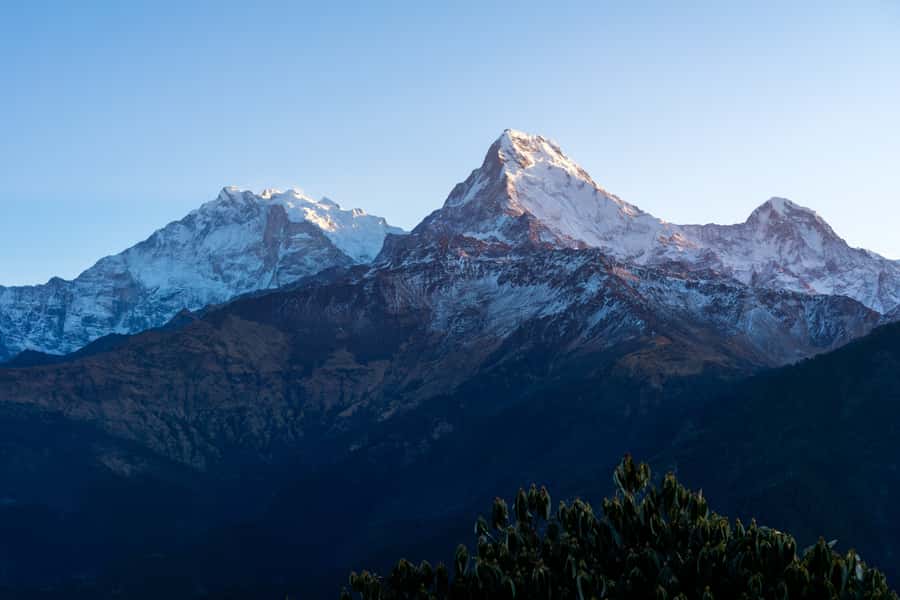
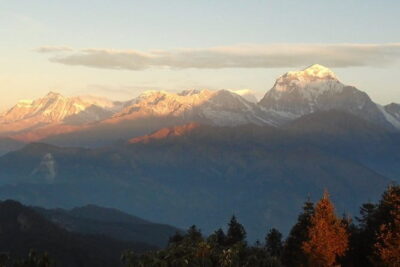
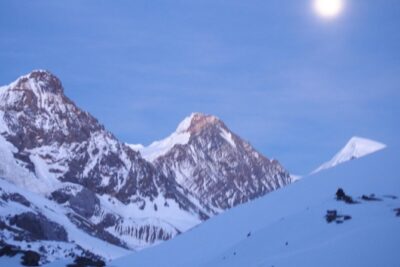
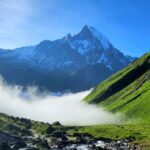
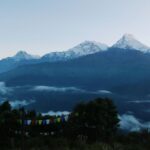
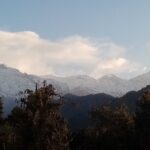
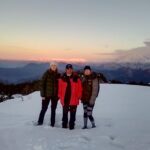
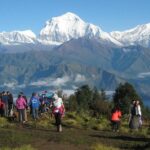
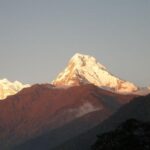
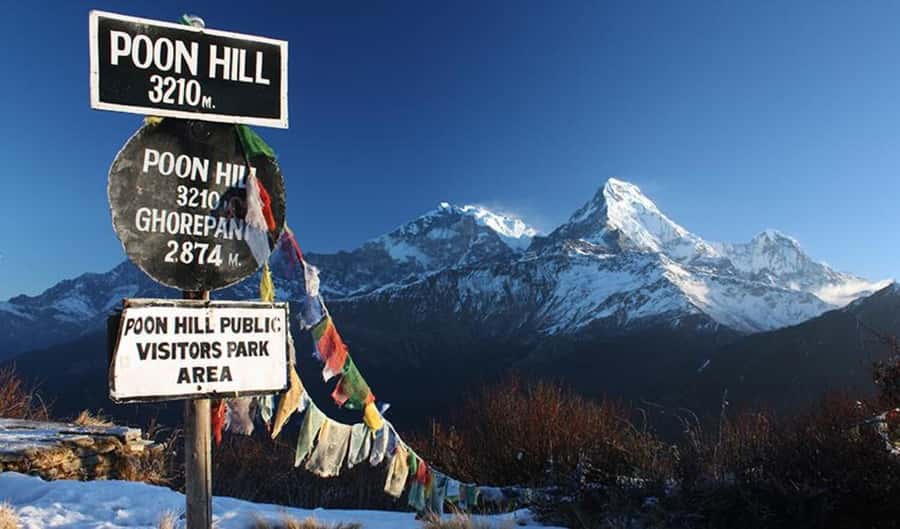
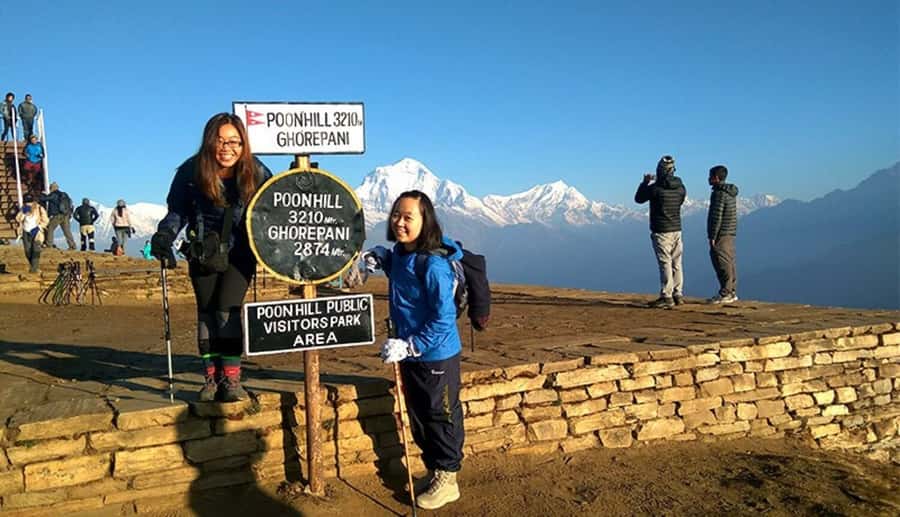
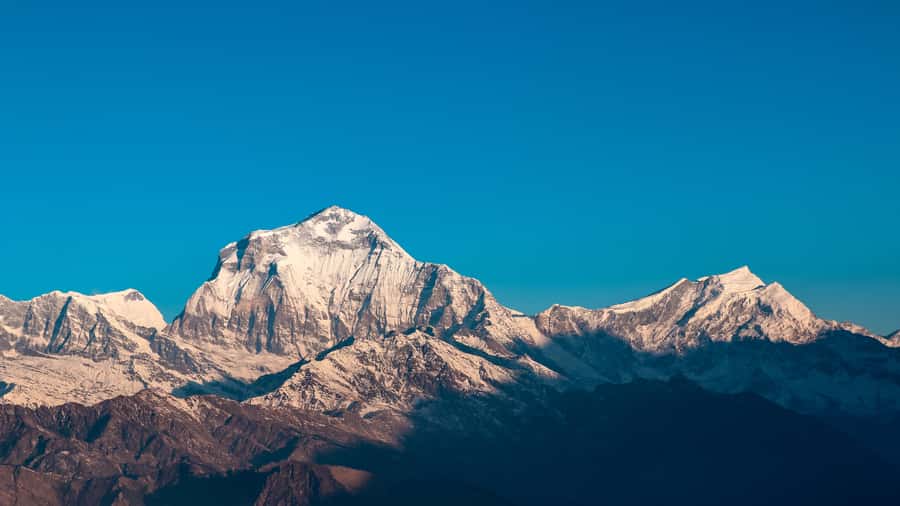
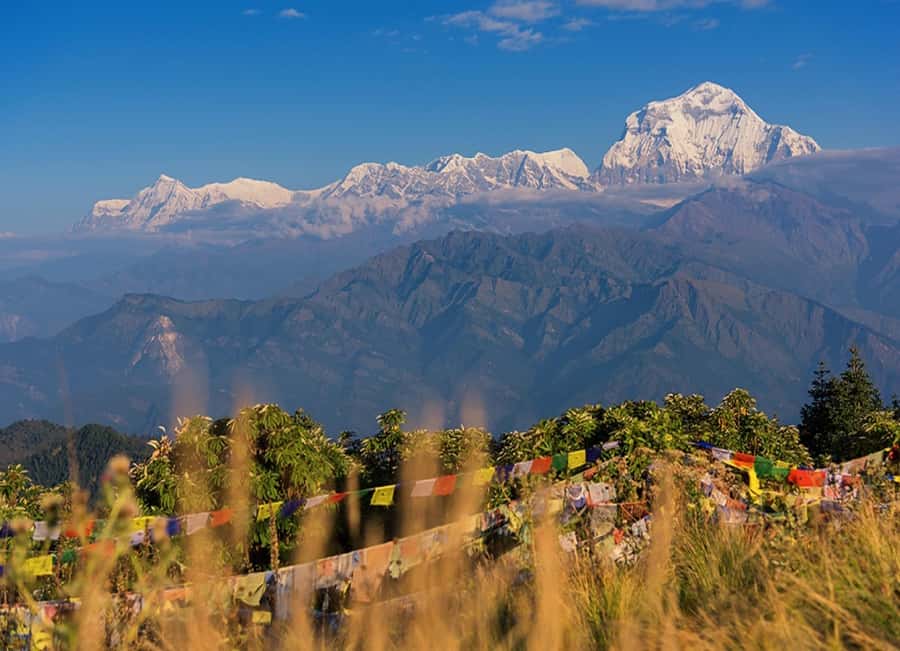
The headline here is Poon Hill at sunrise. You start your day in the dark, hike uphill for about 1–2 hours, then step into that moment when the mountains slowly show up—one ridge at a time. The payoff is panoramic views across the Annapurna and Dhaulagiri ranges, and it’s the kind of sight that makes early wake-ups feel like a good deal.
What makes this trek feel extra satisfying is timing. You don’t just get a view at the end. You also get repeated mountain glimpses while trekking between Ulleri, Ghorepani, and the final push to Poon Hill. That means even if you’re not a sunrise person, the day still delivers.
Weather can play tricks, though. If it’s cloudy, the sunrise show may not be as dramatic. Still, guides like Paras have handled mixed skies while keeping the mood and expectations right—so you don’t waste the morning staring at fog like it’s personal.
Day 1 From Pokhara: Rolling Out to Ulleri the Easy Way, Hopping Into Reality on Foot
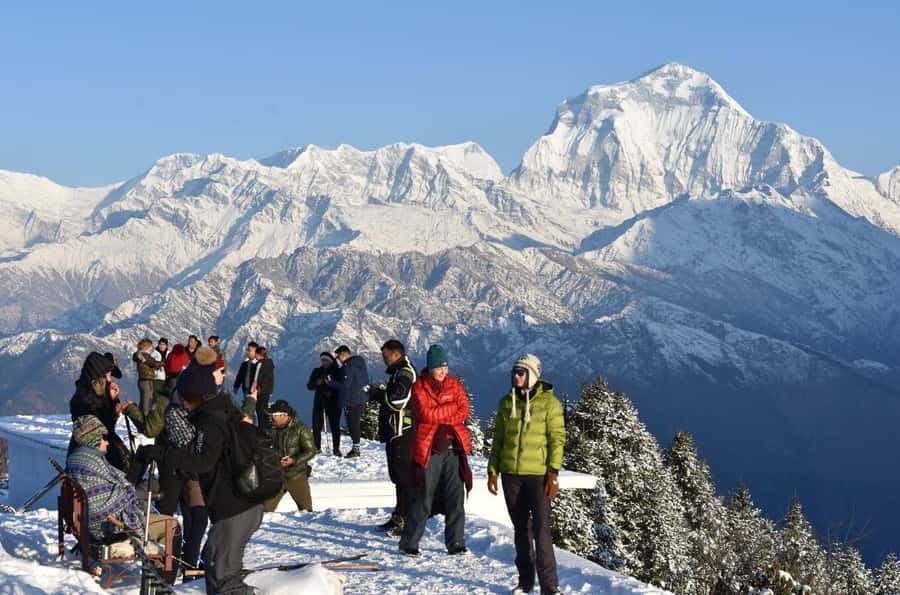
Most days start with a drive, and this one does too. You’ll travel from Pokhara to Nayapul (about 1–2 hours), then begin trekking toward Tikhedhunga. That first walking day is long enough to feel like you’ve actually joined the trail—about 3–4 hours to Tikhedhunga, then another 2–3 hours onward to Ulleri.
Ulleri is where you sleep, and it’s a good “base” for what comes next. You’re not just passing through; you settle into the rhythm of mountain lodging and village life. By the time you’re in Ulleri, you’ll likely feel the stairs that make this trek feel more work than a casual walk.
One practical note I’d take seriously: people often say this is accessible for beginners, but access doesn’t mean it’s effortless. If you’re used to flat-city walking, this first day can still be a leg burner—especially with frequent steps.
You can also read our reviews of more tours and experiences in Pokhara.
Day 2 Ulleri to Ghorepani: Forest Footpaths, Village Stops, and the Pace Your Body Wants
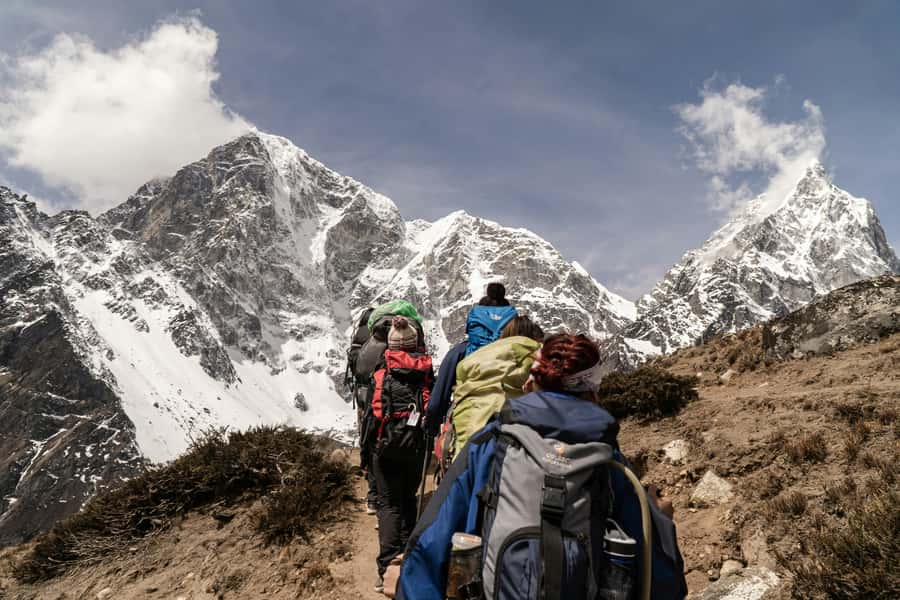
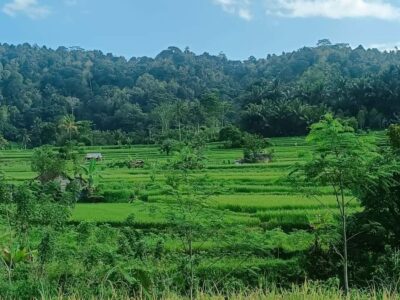
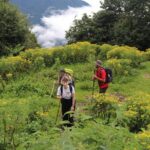
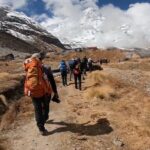
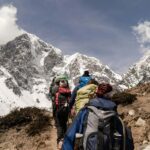
Day 2 runs roughly 5–6 hours from Ulleri to Ghorepani. This is where you get the trekking mix: forest walking, village scenery, and longer stretches where the trail feels like it’s going somewhere. Along the way, you’ll see more of the Annapurna and Dhaulagiri views (depending on the light and cloud cover).
This is also the day where your guide’s pacing decisions really matter. Many of the standout guides in this trek’s orbit—Bidur, Dipak, and Paras come up again and again—are praised for keeping people comfortable with lots of stops. That matters because you’re not just managing distance; you’re managing breath, legs, and the small decisions that prevent you from turning the whole hike into a suffer-fest.
If you choose a standard option, you may buy meals during the trek. In practice, that’s usually fine because tea houses are common along the route. Still, if you want the least decision-making possible—especially on Day 2 when you’re tired—premium can simplify your life by including meals.
Day 3 Poon Hill at Sunrise and the Long Descent Back to Nayapool
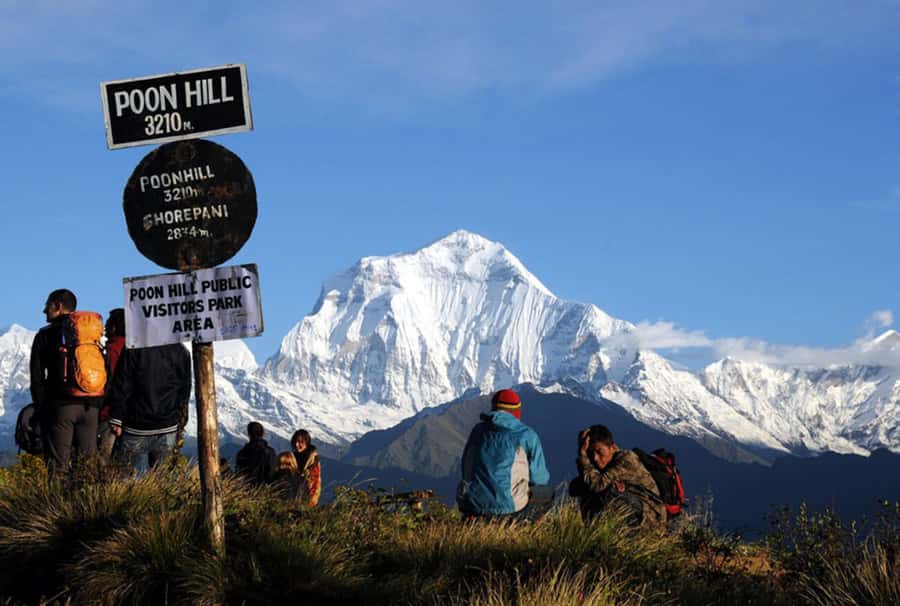
The Day 3 plan is simple on paper and demanding on legs: an early hike (about 1–2 hours) to Poon Hill, then trek downhill from Ghorepani to Nayapool (about 4–5 hours), followed by a drive back to Pokhara (1–2 hours).
The sunrise part is short and intense. The longer satisfaction is what happens after you reach Poon Hill: the views, the photos, and then the steady work of coming down. This is where you’ll feel the hours you put in on Day 1 and Day 2.
At Ghorepani, breakfast after sunrise gives you a clean reset before the descent. Some tea houses along the way can have comforts like toilets and showers, but don’t treat that as guaranteed for every stop. I’d plan for basics, then appreciate any “bonus” facilities when they show up.
Also, think ahead about descent strategy. Your knees will notice a steep, step-heavy downhill. When guides adjust pace and plan breaks well (many guides do), it can turn a painful ending into a controlled finish.
Permits, Permitted: The Value Hidden in the Included Paperwork
This tour includes an Annapurna Conservation Area permit and all required trekking permits. That’s not glamorous, but it’s practical value. Paperwork issues can waste time fast in Nepal, and having it handled makes your trip feel smoother from day one.
Permits also help support the conservation system around the Annapurna region. It’s one of those “boring but important” line items that you’ll feel good about later.
Guide Power: Why English Support Changes the Whole Trek
A trekking guide here is more than a human GPS. The guides connected with this trek are repeatedly praised for being helpful with accommodations, organizing tea house stops, and keeping the pace comfortable. People also mention stories and explanations about peaks, culture, and the trail itself.
That’s not just for fun. When you understand what you’re looking at—Annapurna ridges, Dhaulagiri in the wider view, or why certain villages show up at certain points—you walk differently. You stop more, but not to “check out.” You stop to make meaning from the trail.
English live guide is included, and in a country where daily life can shift languages quickly, that support makes it easier to ask questions and get what you need without turning your day into a guessing game.
If you get Mukunda, people highlight how he kept everything running smoothly and maintained an enjoyable pace. If you get Bidur, the tone tends toward attentive and encouraging, with lots of care for comfort and safety. If you get Dipak, there’s often extra emphasis on sunrise motivation and trail context.
Standard vs Premium: Choosing Between Lower Hassle and Lower Cost
Here’s the decision that actually affects your comfort.
- Standard option: you’ll have private standard lodging and all trekking logistics like permits, transportation, guide, and the gear provided. Meals aren’t included, so you purchase them during the trek. You can also add a porter if you want, for $15 per day.
- Premium option: meals are included and a porter is included (per the premium setup).
What I’d do: if you’re the kind of trekker who likes simple choices and you’d rather not think about meal budgeting every day, premium can feel like value. If you’re cost-conscious or you enjoy picking your food choices along the way, standard can work well—especially because the route runs through places where tea houses are accessible.
Gear and Logistics: The Little Inclusions That Matter More Than You Think
This tour includes several comfort helpers that add up:
- trekking pole
- duffel bag
- first aid kits
- luggage storage facilities in Pokhara
- pickup and drop-off (pickup optional if you prefer to meet elsewhere)
The trekking pole is especially useful for those step-heavy sections. A lot of people start thinking they need stronger legs; what they actually need is better leverage for the downhill.
Luggage storage is also a quiet win. Trekking feels lighter when you don’t have to drag extra bags around Pokhara and then keep reorganizing everything at tea houses.
Who This Trek Suits Best (and Who Might Want Another Option)
This is a good match if:
- you want short trekking commitment with a real payoff
- you’re okay with moderate fitness and lots of steps
- you want a guide who helps with pace and comfort
- you’re excited about sunrise views in the Annapurna region
It may feel like more than you bargained for if:
- you’re expecting a walk-with-a-stroll level of effort
- you don’t handle stair-heavy uphill/downhill well
- you’re not prepared for early mornings twice (sunrise climbs are no joke)
That said, plenty of beginners do this successfully when they pace correctly and use the breaks and guidance offered.
Getting Your Body Ready: Stairs, Elevation, and Smart Pace
Let’s talk honestly about effort. Even though this is often described as accessible, there’s a warning worth respecting: roughly 2000 meters elevation gain over the first two days and lots of stairs. That means your biggest enemy isn’t speed—it’s going out too fast.
My practical advice:
- go slower than you think you need to early on
- plan for frequent stops; a “breathing break” beats a “forced stop” later
- keep an eye on hydration and simple snacks between tea house stops
Guides on this route tend to encourage pace control, and that’s a big part of why people feel the trek is doable.
Weather Reality Check: When Sunrise Looks Different
One of the joys of Poon Hill is that the sky can change the vibe fast. Clear mornings look like a postcard. Cloudy mornings can still be worth it—just different.
If it’s cloudy, don’t treat it like a failed day. Treat it like a chance to practice patience and still get a mountain morning. Guides have handled this with the right attitude, including when conditions weren’t perfect.
Should You Book This 3-Day Ghorepani Poon Hill Trek?
I’d book it if you want a high-reward trek in limited time and you like the idea of sunrise plus village trekking without long, complicated travel days. The included permits, English guide, transportation, and standard private lodging make it feel structured and low-stress for a first trek.
Skip the “impulse booking” mindset if you hate stairs or you’re carrying big leg fatigue into Day 1. In that case, you’ll want to build fitness first—or consider a different route with less vertical grind.
If you do book, do this: ask your guide what pace plan makes sense for you, be honest about your fitness, and treat the sunrise morning as a mission with flexible expectations.
FAQ
How long is the Ghorepani Poon Hill trek?
It runs for 3 days with 2 nights. The day-by-day schedule includes trekking from Pokhara to Ulleri, then Ulleri to Ghorepani, and finally an early hike to Poon Hill before returning toward Nayapool and Pokhara.
Where does the trek start and end?
You start in Pokhara and travel by vehicle to Nayapul to begin trekking. The trek ends with trekking back to Nayapool and a drive back to Pokhara.
What’s included in the price?
The package includes hotel pickup and drop-off (pickup optional), private accommodation in standard lodging, roundtrip transportation, Annapurna Conservation Area permit, trekking permits, a trekking guide, first aid kits, a duffel bag, trekking pole, and luggage storage facilities in Pokhara.
Are meals included?
Meals depend on the option you choose. If you select the standard option, you may purchase meals during your trek. If you select the premium option, meals are included.
Is a porter included?
A porter is included only if you select the premium option. If you choose the standard option, you may purchase porter services for $15 per day.
Is the guide English-speaking?
Yes, the live tour guide is English.
What do I need to bring?
You should bring a passport or ID card, warm clothing, and hiking shoes.
Is there a cancellation option?
Yes. Free cancellation is available up to 24 hours in advance for a full refund, and you can also reserve now and pay later.