REVIEW · POKHARA
Pokhara: 4-Day Ghorepani, Poonhill & Ghandruk Mountain Trek
Book on GetYourGuide →Operated by Snow Peak Tours and Travels pvt. ltd. · Bookable on GetYourGuide
Sunrise is the big headline here. This 4-day trek from Pokhara to Ghorepani, then up Poon Hill and onward to Ghandruk puts you in the middle of the Annapurna and Dhaulagiri mountain theater—fast enough to fit most schedules, but long enough to feel like real trekking.
I especially like the way the route layers experiences: first an easy-start climb through village life, then rhododendron forest hiking, and finally a sunrise moment that really does reset your perspective. I also love that the trek ends in a proper cultural stop—Ghandruk is where Gurung traditions feel close, not staged. One thing to consider: early mornings and cold nights in tea houses are part of the deal, so pack for temperature swings and don’t expect a hotel bed.
In This Review
- Key takeaways before you go
- Why Poon Hill and Ghandruk fit together so well
- Day 1: Pokhara to Ulleri via Naya Pul (easy-start Nepal walking)
- Day 2: Ghorepani and the rhododendron forest rhythm
- Day 3: Poon Hill sunrise, then Tadapani calm to Ghandruk
- Day 4: Ghandruk down to Nayapul, then back to Pokhara
- Price and logistics: what $181 buys you (and what it doesn’t)
- Guides, pace, and the small comforts you will feel
- What the itinerary stops feel like on the ground
- What to bring so the cold nights don’t spoil the fun
- Who should book this trek, and who should slow down
- Should you book this Pokhara to Poon Hill and Ghandruk trek?
- FAQ
- What is the duration of the Pokhara to Ghorepani, Poon Hill, and Ghandruk trek?
- Where does the trek start and how do you get there?
- What kind of accommodation and meals are included?
- Are permits included?
- Is travel insurance included?
- Do I need a porter?
Key takeaways before you go
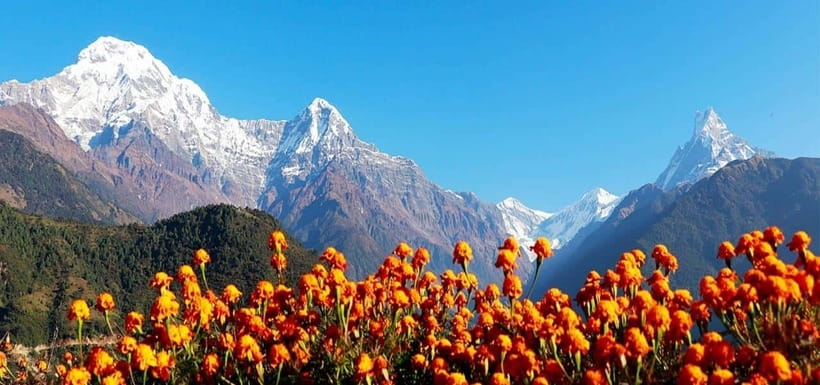
- Poon Hill sunrise, properly timed: you’ll wake early for the payoff over the Annapurna and Dhaulagiri ranges
- Ghandruk village time: Gurung culture at walking pace, not just a quick stop
- Rhododendron forest walking: color and shade on Day 2, with chances for wildlife sightings
- A manageable 4-day plan: beginners can do it, but you still need decent walking stamina
- Simple tea houses, real trekking rhythm: cozy enough, but basic—especially at night
- Guide support that can shape your experience: pace, food stops, and local explanations matter on this short trek
Why Poon Hill and Ghandruk fit together so well
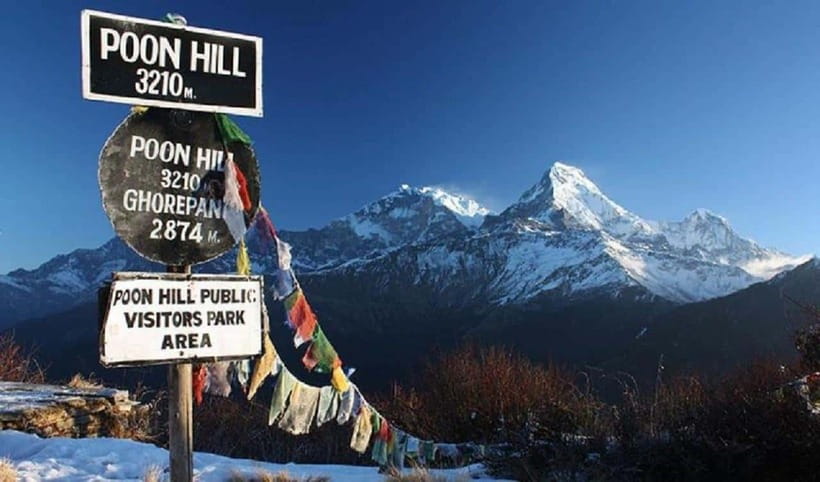
The magic of this trek is timing plus variety. In four days you get a classic Himalayan sunrise at Poon Hill, then you move down into the human scale of villages like Ulleri and Ghandruk. It is not just about pictures. The path gives you that sense of moving through Nepal—Magar hospitality early on, rhododendron forest energy in the middle, and Gurung community life at the end.
The other smart piece is that this itinerary is designed around steady progress. Day 1 is described as a gentle trek (around 5–6 hours). Day 2 and Day 3 keep the walking manageable, even though you’re gaining elevation and waking up early. That pacing is why so many people do this as their first real trekking experience, and why the guide’s job is more than pointing the way.
One more thing: the trek is built around a private group. That changes the feel. You can keep a calmer pace, ask questions in English/Hindi/Nepali, and generally avoid the chaos that can come with larger group schedules.
You can also read our reviews of more tours and experiences in Pokhara.
Day 1: Pokhara to Ulleri via Naya Pul (easy-start Nepal walking)
Your day starts with a drive from Pokhara to Nayapul, with a bit of a break and a photo stop along the way. Then the trek begins toward Ulleri. Expect roughly 5–6 hours of hiking—enough time to get warmed up, but not so much that you’re crushed on day one.
Why Ulleri works:
- It is a gentle introduction to the Annapurna region without forcing you into the steepest parts immediately.
- It is tied to local community life. You’re told to expect Magar hospitality here, and that matters because it sets expectations. This is not wilderness-only trekking. You’re passing through places where people live, cook, and run tea houses.
What I’d watch for on Day 1:
- Foot fatigue. With shorter treks, people sometimes overpack their day with ambition. You’ll do better if you start steady and save energy for the sunrise morning.
- Layering. It can feel fine in the daytime and colder as you hike and settle for the night.
By evening, you’ll have dinner and a simple tea house or lodge setup in Ulleri. This is the kind of “comfortable enough” base you want—because tomorrow is about an early start.
Day 2: Ghorepani and the rhododendron forest rhythm
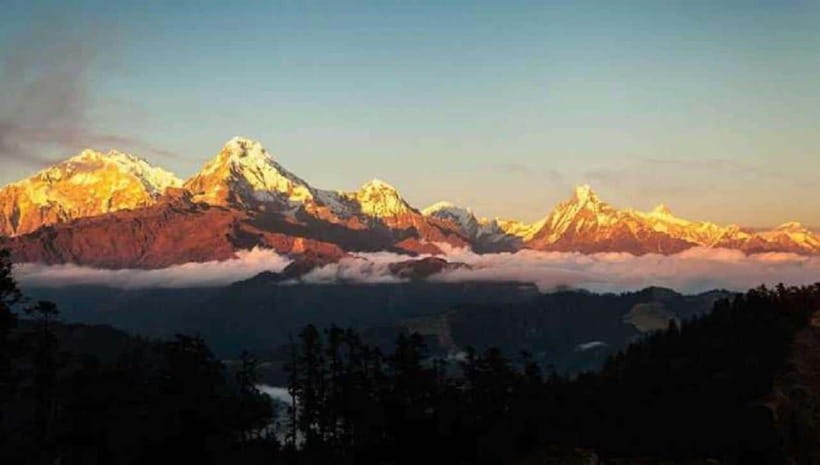
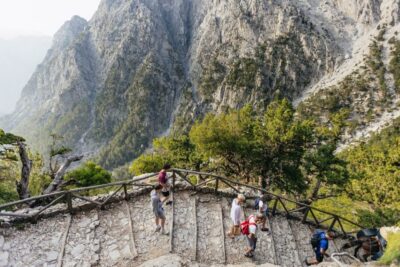
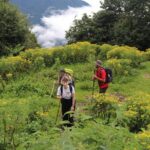
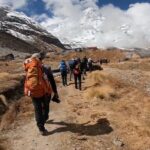
Day 2 is your forest day. After breakfast, you hike toward Ghorepani, described at 4–5 hours of walking, passing through rhododendron forests and local villages.
This is where the trek becomes more than just moving upward:
- Rhododendron forests bring color and shade, and they also break up the monotony. The trail feels alive instead of purely scenic-from-a-distance.
- You get a real chance at spotting wildlife. The plan explicitly suggests encounters with Himalayan fauna along the route, which is one of the fun surprises that makes a short trek feel bigger.
Lunch is planned at Nangethati. Stops like this are underrated on a short itinerary. They prevent the “power through everything” mentality that leads to getting cold, slow, or cranky later.
How to make Day 2 enjoyable:
- Don’t chase every photo. Let the forest pacing do its job. A 4–5 hour day feels easy until you’re tired and your steps start to slip.
- Keep an eye on pace. With Day 3 sunrise, arriving at Ghorepani rested is worth more than speed.
You’ll overnight in the Ghorepani area, where you’re positioned to hit Poon Hill at the right time.
Day 3: Poon Hill sunrise, then Tadapani calm to Ghandruk
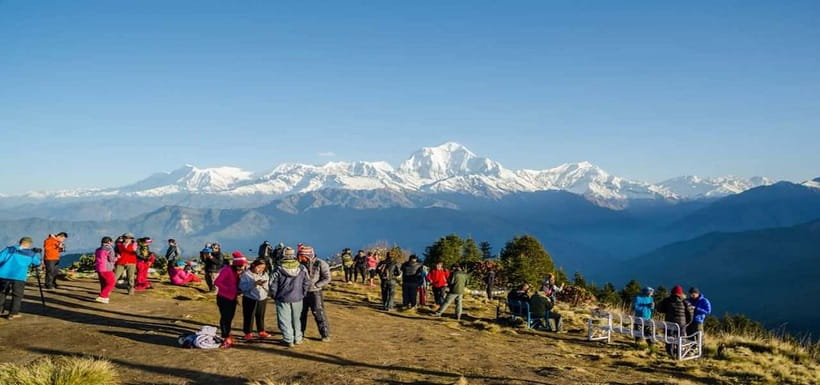
This is the day that defines the whole trek.
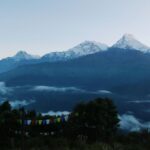
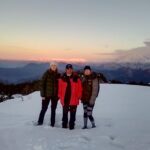
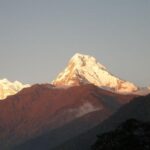
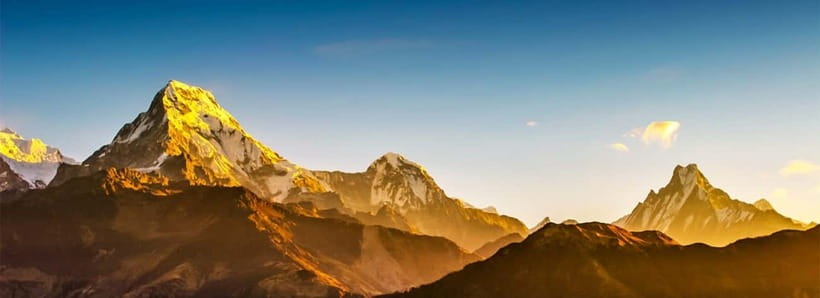
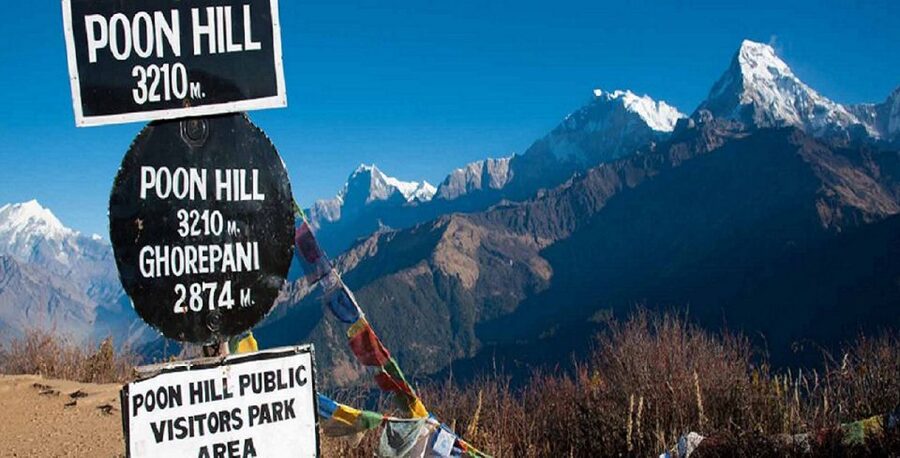
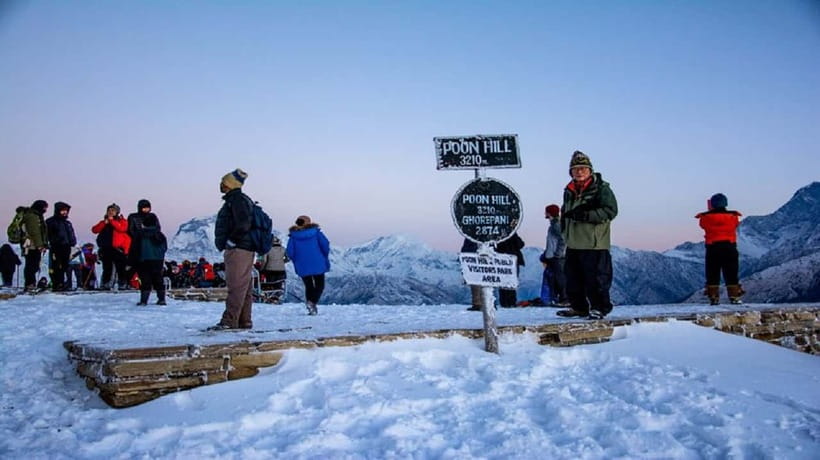
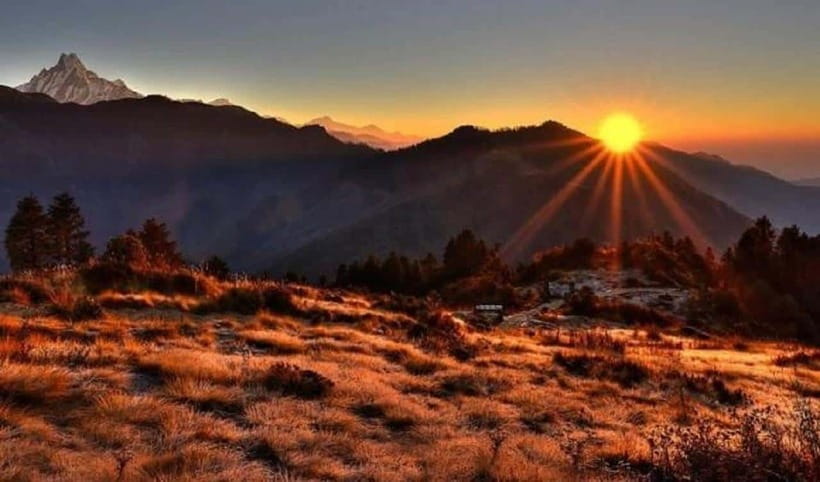
You wake up early to go to Poon Hill for sunrise. The timing is typically very early—one review notes 4 am as the wake-up point—and the plan allocates about 1 hour at the viewpoint for sunrise and photos. At Poon Hill (3210m), you’re in that classic spot where peaks turn golden as the light hits.
What to expect from the sunrise:
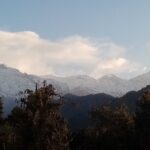
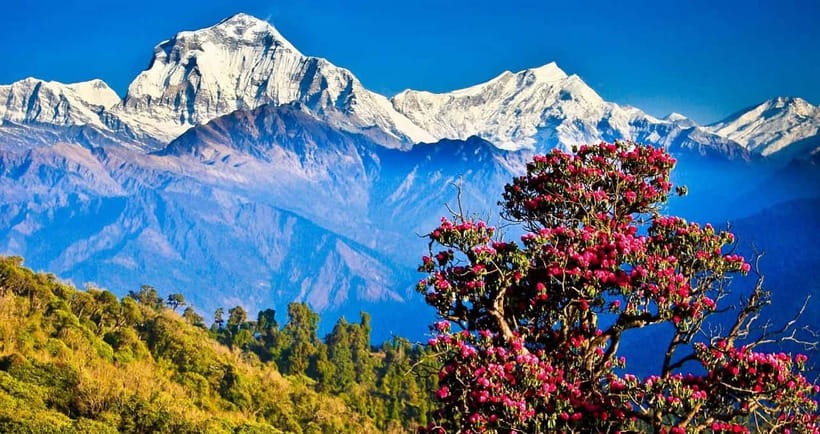
- It’s not just one mountain. You’re looking at broad views framed by the Annapurna and Dhaulagiri ranges.
- Conditions matter. Clear skies make it spectacular, while clouds can soften the effect. Even when visibility is not perfect, the early-morning atmosphere is still part of the experience.
After sunrise, you return for breakfast, then continue trekking toward Ghandruk. Along the way, you’ll pass through Tadapani for tranquility and a planned lunch. The hike is designed to feel more settled than the sunrise chaos—more about rhythm than sprinting.
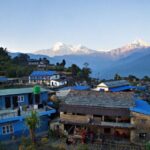
Ghandruk is where the cultural side hits:
- You’ll spend the rest of the day in the village.
- The focus is Gurung culture, and because this is your final night, you can actually slow down and watch daily life instead of constantly counting minutes.
If you like village trekking, this is your payoff. If you want only views, you might feel like the trek “changes gears” here—but it’s a good change.
Day 4: Ghandruk down to Nayapul, then back to Pokhara
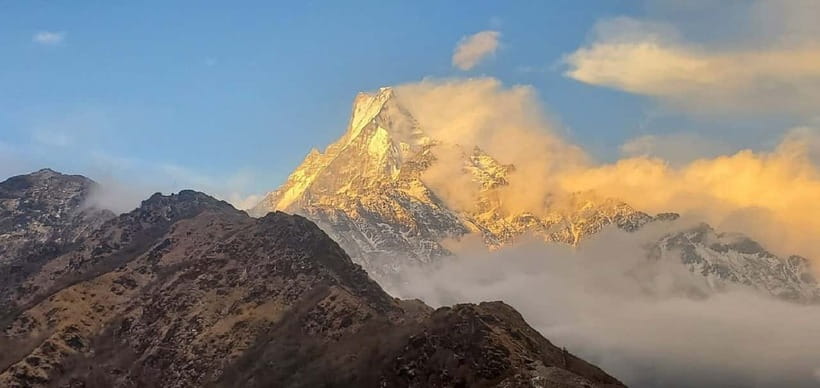
Your final day is a descent back toward Nayapul, followed by a drive to Pokhara. It is meant to feel like a reset after the sunrise day and the overnight in Ghandruk.
This day matters for two reasons:
- It gives your legs a chance to recover from the uphill effort.
- It turns your trek back into a travel loop—mountains to town, not mountains to another overnight.
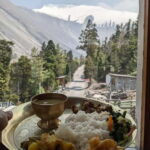
You’ll have a traditional Gurung breakfast before you hike. Then you finish with that “we actually did it” feeling as the transport picks you up.
Price and logistics: what $181 buys you (and what it doesn’t)
For about $181 per person for a 4-day / 3-night trekking experience, the value comes from what’s included for a short trek like this:
Included in the plan:
- Round-trip transportation between your Pokhara hotel (and listed pickup areas), the trail starting point, and back
- Meals throughout the trek (depending on the option you select)
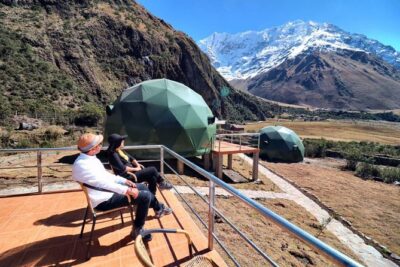
- Accommodation in simple tea houses or lodges
- A certified trekking guide
- Permits and fees
- Guide expenses
- Trekking gear like trekking sticks and sleeping bags as needed
- Luggage storage in Pokhara
- A first aid kit
Not included:
- Travel insurance (mandatory)
- Personal expenses/snacks and beverages
- Emergency rescue services (if needed)
- A porter if you choose one ($20 per day)
Here’s how I’d think about the cost: for a short trek, the expensive part is usually not the bed. It’s logistics—permits, route planning, food coordination, and guide time. This package covers that base, which is exactly what you want when you have limited days.
If you’re deciding whether to add a porter, be honest about your backpack weight and your energy. Even with “gentle” days, Day 1 and Day 2 involve hours on your feet.
Guides, pace, and the small comforts you will feel
The guide experience is a big part of why people rate this trek so highly. Names that come up with strong feedback include Jeet Bhadur Nepali, Chandra, Santosh, Bala, Purushottam, Tanka, and Anil. The consistent theme is that the guide does more than explain scenery.
In practice, that means:
- You get help managing pace when you’re tired. Multiple guides are described as keeping groups comfortable and adjusting when someone is unwell or slower.
- You get better food choices. A guide who knows where people actually enjoy eating makes meals feel less like a chore.
- You get local context. Even a short trek can feel deeper when someone explains what you’re seeing—mountain ranges, local life, and why certain places look the way they do.
One more comfort detail: tea houses are simple. Some days include hot showers; other times you may find basic setups. The good news is that your guide and planning keep expectations realistic, and you’re not left guessing.
What the itinerary stops feel like on the ground
Here’s a quick “what each place means” guide, without turning it into a checklist.
- Pokhara → Nayapul: you transition from city rhythm to trail rhythm. The short breaks and photo stops help you settle.
- Nayapul: a practical gateway. Think of it as where you start committing to the trek.
- Ulleri: first village night. This is where you learn the tempo—walk, eat, sleep, repeat.
- Ghorepani: your sunrise staging point. It’s where you shift from daytime hiking to early-morning goals.
- Poon Hill: the payoff viewpoint. You’ll feel the scale of the region immediately.
- Tadapani: calm contrast. It helps break the effort of the day and gives you a more relaxed feel before Ghandruk.
- Ghandruk: culture finale. This is where you finish with more than scenery.
What to bring so the cold nights don’t spoil the fun
Even with a short trek, nights can get cold. The plan recommends warm clothing, a sun hat, and a sleeping bag. If you’re tempted to skip the sleeping bag because “it’s only 4 days,” don’t. Tea houses are not climate-controlled.
Bring:
- Passport or ID card
- Warm layers and a sun hat
- Hiking shoes (proper grip helps on slopes)
- Comfortable clothes for daytime
- A camera for the sunrise and village moments
- Cash for personal snacks/beverages
- Travel insurance documents
- Sleeping bag (or confirm you’re covered if the package provides one “as needed”)
Also, submit a copy of your passport at least one day prior. That’s for your permits.
Who should book this trek, and who should slow down
This trek is especially good if:
- You want a first Nepal trek without committing to a long trek timeline
- You love sunrise moments and want them without weeks of logistics
- You want both scenery and village culture in the Annapurna region
- You like a guide-led route where meals, permits, and stays are handled
Consider thinking twice if:
- You struggle with early mornings. Sunrise at Poon Hill requires you to get moving very early.
- You are very sensitive to cold nights. Tea houses are basic, and warmth depends on your layers and sleeping setup.
- You don’t feel ready for multi-hour hiking days even if they are considered manageable. Good health and reasonable fitness matter here.
Should you book this Pokhara to Poon Hill and Ghandruk trek?
If your goal is to see the big-name Annapurna-area views in a realistic time frame, I’d book it. The combination is strong: sunrise at Poon Hill, classic trekking atmosphere at Ghorepani, and a meaningful finish in Ghandruk with Gurung culture.
I’d lean this way especially if you want an organized trek with a certified guide, meals handled, and permits arranged—because those “invisible” logistics can be the difference between a smooth trip and a stressful one.
If you want everything to feel like a resort vacation, you may be happier with a different style of travel. This is mountain trekking with tea house reality. But if you pack smart and keep a steady pace, four days is a sweet spot.
FAQ
What is the duration of the Pokhara to Ghorepani, Poon Hill, and Ghandruk trek?
The trek is 4 days.
Where does the trek start and how do you get there?
You get transport from your hotel in Pokhara (pickup areas include Pokhara Lakeside, Sarangkot area, and Pokhara International Airport) to the trek starting point near Nayapul.
What kind of accommodation and meals are included?
Accommodation is in simple tea houses or lodges, and meals are provided throughout the trek depending on the option selected.
Are permits included?
Yes. All required permits and fees are included, but you need to submit a copy of your passport at least one day prior so the permits can be processed.
Is travel insurance included?
Travel insurance is not included and is listed as mandatory for your safety.
Do I need a porter?
A porter is not included. If you want one, it’s available for $20 per day.