REVIEW · KATHMANDU
Everest Base camp Trek-12 days
Book on Viator →Operated by Exciting Nepal Treks and Expedition · Bookable on Viator
In This Review
- A tough trek, handled like a tour.
- Key highlights at a glance
- Everest Base Camp Trek in the real world: what you’re signing up for
- Kathmandu: the pre-trek setup and your 6:00 am reality
- Kathmandu to Lukla: the 40–45 minute flight that feels bigger than Everest
- Day 2 to Phakding: your first Dudh Koshi day and learning the group rhythm
- Monzo to Namche: steep climbs, UNESCO park energy, and a Khumbu river crossing
- Acclimatization with purpose: Namche, Khunde, Khumjung, and Everest View Hotel
- Tengboche day: passes, gompas, and the kind of walking that tests patience
- Dingboche climb: birch, conifer, rhododendron, and big mountain names
- Day 7 near Dingboche: Nangkartshang hike for views and controlled altitude gains
- To Dusa and beyond: Dusa narrowing, Everest-area history, and 4,950 m day
- Gorak Shep and Everest Base Camp at 5,364 m: the glacier day
- Kala Pathar sunrise: the 3–4 hour hike that turns Everest into a panorama
- The return: Pangboche and Tengboche down to Namche, then Lukla
- Day 13 flight back to Kathmandu: window-seat payoff
- Value for $1,400: what’s included that actually matters
- Guides, small-group pacing, and why names show up for a reason
- Trek fitness and pacing: who will feel great, and who might struggle
- What to pack: rely on provided gear, then fill the gaps
- Booking call: should you choose this Everest Base Camp trek?
- FAQ
- What location does this Everest Base Camp trek start from?
- What time does the experience start?
- How long is the flight from Kathmandu to Lukla?
- What is the maximum altitude on this trek?
- What kind of lodging do you use during the trek?
- What’s included in the price?
- What isn’t included?
- What happens if the trek is canceled due to poor weather?
- Is there free cancellation?
A tough trek, handled like a tour.
An Everest Base Camp trek feels big because the Mt. Everest region logistics are handled for you, not because the hiking is easy. Two things I really like: the Lukla flight lands at a narrow airstrip that feels unreal, and the trek includes teahouse accommodation so you’re not scrambling for lodging each night. One consideration: this route climbs fast enough that you’ll need moderate fitness and hiking experience to enjoy the high-altitude days rather than just survive them.
What makes this option practical is the mix of guided planning and realistic pacing. You get a group trek with a guide and porters arranged, plus meals, park fees, and most of the gear—so your time goes to breathing, walking, and taking in the Sherpa villages and mountain views.
Key highlights at a glance
Lukla flight drama: 40–45 minute flights from Kathmandu to Lukla with that famous airstrip approach.
Acclimatization built in: climb high, sleep low on rest/exploration days near Namche and Dingboche.
Teahouse lodging included: you’re sleeping in local tea houses during the trek.
Everest Base Camp day: reach 5,364 m and see the Khumbu Glacier and Icefall views from the right side of the valley.
Kala Patthar sunrise viewpoint: early hike for panoramic Everest + glacier + Icefall views.
You can also read our reviews of more tours and experiences in Kathmandu.
Everest Base Camp Trek in the real world: what you’re signing up for
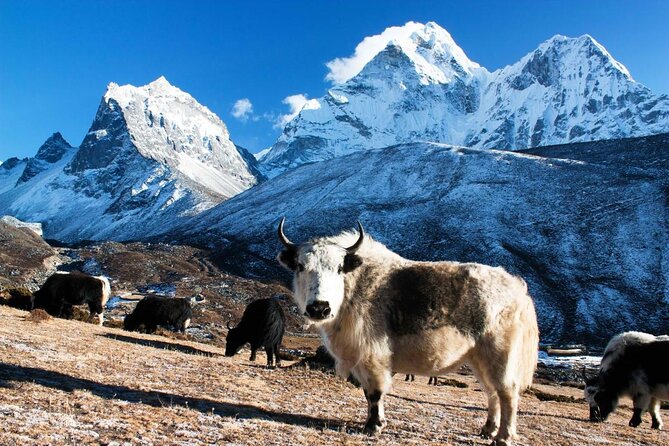
Let’s be straight: Everest Base Camp is a long mountain hike. The reward is the sense of arrival—then the sense that you’re standing in a place that doesn’t care how hard you trained, it just asks that you show up and move steadily.
This particular trek is designed for moderately fit people with hiking experience. The route and timing suggest a steady pace rather than a speed challenge. You’ll gain altitude through multiple days, then get scheduled breathing room via acclimatization days, which matters because altitude doesn’t follow your plans. It follows physics.
Also, this is an economical group trek. That doesn’t mean it’s rough. It means they’re concentrating value where it counts: guide, group logistics, domestic flights, meals, national park fees, and teahouse stays.
Kathmandu: the pre-trek setup and your 6:00 am reality
Your trip starts in Kathmandu. The schedule lists a 6:00 am start time, with pickup offered and staff guiding you to Tribhuvan International Airport for your Lukla flight. Practically, that early start is good news because you avoid losing a whole day to airport delays and morning indecision.
The rest of Day 1 is basically about getting organized: meet the team, confirm the plan, and set your expectations. Since the trek relies on clean timing (especially for those Lukla flights), this “airport day first” structure keeps the whole thing on track.
Kathmandu to Lukla: the 40–45 minute flight that feels bigger than Everest
The Lukla leg is one of the main headline moments of the whole trek. You fly from Kathmandu to Lukla, with a flight duration of about 40 to 45 minutes, then immediately start trekking.
Here’s what you should plan for mentally: the Lukla airport is the kind of place where you notice the approach. The trek description calls it adventurous for a reason—landing over a narrow airstrip is thrilling. Even if you’re not a nervous flyer, you’ll feel it.
Once you land, you meet porters and staff and then begin the first trek day out of Lukla. In other words, you’re not “touring” Kathmandu and then later trekking. You’re switching modes fast.
Day 2 to Phakding: your first Dudh Koshi day and learning the group rhythm
Day 2: you trek from Lukla toward Monzo, then follow the trail toward the Dudh Kosi River and on to Phakding. The hike is 5 to 6 hours over roughly 10 km, with a max altitude around 2,804 m.
This is a useful first day because it teaches you the main thing you’ll keep doing for the next two weeks: controlled effort. You’re descending at the start, then you move along a river corridor. The Dudh Kosi is described as chalky-colored because the glacier-fed water carries sediment.
Also, river-following trails help with orientation. You’re walking, but you’re not constantly questioning where the path goes—exactly the kind of “get lost in the experience, not on the trail” setup you want.
Monzo to Namche: steep climbs, UNESCO park energy, and a Khumbu river crossing
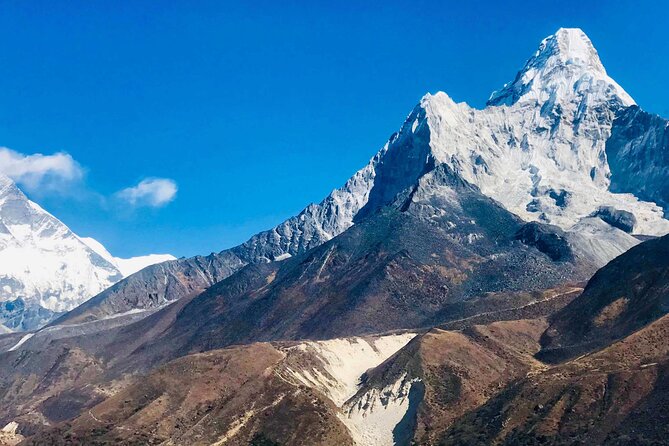
Day 3 is where the trekking starts feeling more serious. You hike 3 to 4 hours over about 4 km, climbing to around 3,445 m.
The route includes rhododendron forest scenery and a move into Sagarmatha National Park (UNESCO World Heritage Site). You’ll pass the trail toward Jorasele and then take a steep, rugged climb into Namche. The plan also includes a break in Jorasele.
Namche itself is a key checkpoint in your acclimatization. The route mentions the Khumbu river as well, including crossing details along the way. For you, that just means: keep your footing, move slowly on descents and climbs, and stay consistent—this trek rewards steady foot rhythm.
Acclimatization with purpose: Namche, Khunde, Khumjung, and Everest View Hotel
Day 4 is an acclimatization and exploration day. The trek description is explicit that rest doesn’t mean doing nothing; it’s more like trekking high and sleeping lower.
You ascend above Namche toward the Everest View Hotel and then walk through Khunde (a large Sherpa village) toward Khumjung. Khumjung is described as wealthier with good houses, and Ama Dablam views are mentioned from this area. Then you continue uphill to the Everest View Hotel for views of Everest.
Two practical reasons this day is worth it:
- You practice altitude behavior: walking uphill without rushing, and giving your body time to adjust.
- You get early big-view payoff before the later high passes and base camp day.
This is also where Sherpa village life starts feeling more than “background.” Khunde and Khumjung are part of what makes the trek feel like a real place, not just a hiking route.
Tengboche day: passes, gompas, and the kind of walking that tests patience
Day 5 heads from Namche toward Tengboche, with 5 to 6 hours of walking and about 9.5 km, reaching around 3,975 m.
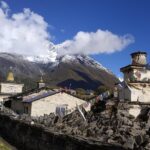
You’ll start early, see Buddhist monuments like gompas and stupas, and move through contour trails with stone steps toward Mongla Pass (3,975 m). Ama Dablam views are highlighted on the way.
Then comes the physical reality: descending to the Dudh Kosi River and then climbing again. That “down-up” rhythm repeats throughout the Everest region, and it’s one reason this trek is classed as best suited to moderately fit hikers. It’s not just about max altitude—it’s about how often your legs have to work.
You end in the Tengboche area (the description mentions Tengboche Villa, so you’ll likely be placed in that lodge category).
Dingboche climb: birch, conifer, rhododendron, and big mountain names
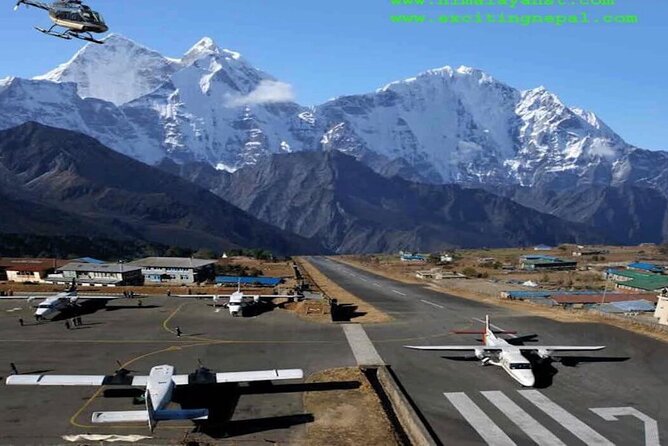
Day 6 is another climb day: 5 to 6 hours, 11 km, max altitude around 4,350 m.
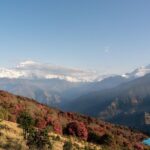
The description emphasizes forest trekking through rhododendron forests, then birch, conifer, and rhododendron again. You’ll pass through several small villages and see local lifestyles. The route also mentions views of peaks including Mt. Taboche, Mt. Nuptse, Mt. Cholatse, and others.
If you want an honest mental strategy for this day: treat it like “hours, not minutes.” When you keep your pace steady, the constant uphill sections feel manageable even if the altitude doesn’t get any easier.
Day 6 ends in the higher settlements zone, setting you up for Dingboche and the next acclimatization plan.
Day 7 near Dingboche: Nangkartshang hike for views and controlled altitude gains
Day 7 is planned as an acclimatization day with a hike to Nangkartshang Peak just above Dingboche. The goal is viewpoint access—especially for Ama Dablam.
The route description adds a weather-dependent detail: if conditions are clear, you may get a stunning Ama Dablam view from summit to its feet. After that, you’re free to stroll around Dingboche or rest.
This day matters because the next segment climbs higher fast. You want your body to learn the routine now: short hike, slow pace, then quiet time to recover.
To Dusa and beyond: Dusa narrowing, Everest-area history, and 4,950 m day
Day 8: 5 hours trekking over about 11 km, reaching a max altitude around 4,950 m.
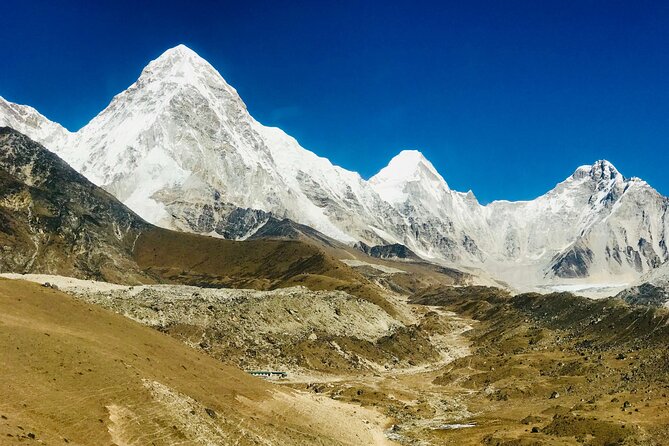
The route starts with wide valley trekking and then narrows near Dusa. You’ll pass the campsite of the first successful Everest expedition (not a random stop—this is a historical marker that makes the trek feel connected to the mountain’s real story). The plan also mentions continued views of Mt. Pumori.
The hike includes stream crossing and an ascent to Duglha, a small village where prayer flags are mentioned. It’s another village-feeling day, not just altitude grind.
Gorak Shep and Everest Base Camp at 5,364 m: the glacier day
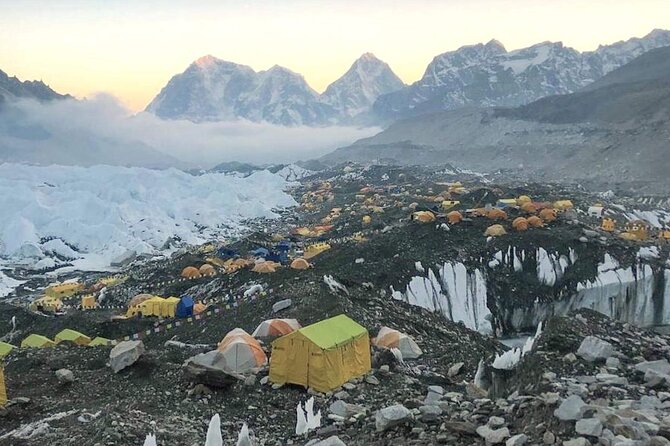
Day 9 is one of the emotional anchors of the whole trek: 7 to 8 hours, about 15 km, reaching max altitude around 5,364 m at Everest Base Camp.
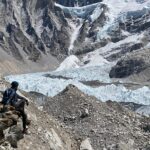
You trek toward Gorak Shep and get sights of the Khumbu Glacier. The route description says the trail is gradual ups and downs at first, but becomes rough near Gorak Shep. You’ll walk over a large rock section, up and down, then continue uphill slowly to manage altitude.
This is where “walk slowly to avoid altitude sickness” becomes a real instruction, not a generic warning. You’re at high altitude and the body needs time.
After several hours, you reach Everest Base Camp (5,364 m). The description notes it’s a mixed feeling of flu… (the text cuts off), but the intent is clear: the arrival can be emotional and physical at the same time. You’ll likely have that mix of triumph and exhaustion.
Kala Pathar sunrise: the 3–4 hour hike that turns Everest into a panorama
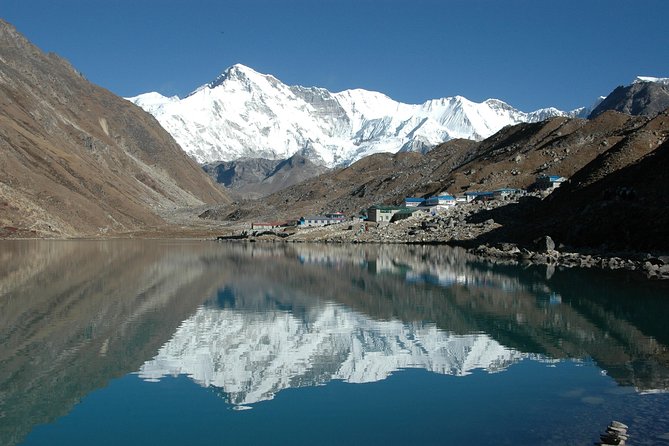
Day 10 starts very early. You do a 3 to 4 hour hike to Kala Pathar, described as the best viewpoint for Everest, Khumbu Glacier, and the Icefall.
The plan calls sunrise magic: when the weather is clear, the snowy peaks glow and the Himalayan range looks close enough to feel surreal. The description promises a 360-degree panorama and urges you to capture photos.
Even if you don’t care much about photography, do care about timing. Sunrise views are weather dependent, and early starts can be difficult, but this is the day you’re training toward since you first left Lukla.
The return: Pangboche and Tengboche down to Namche, then Lukla
Day 11 is descent with scenery and village passes. The route mentions you leave the mountains behind and trek down through Pangboche and Tengboche before continuing to Namche Bazaar, arriving in the afternoon.
This is a useful day because descending is still work. Your knees will notice. But you also gain a sense of closure because you’re moving out of the highest zones and into places you’ve already seen before.
Day 12: you walk back to Lukla over about 10 km, with max altitude around 2,840 m. The route follows Manjoo to Lukla via Benkar, Phakding, and Lukla. You cross multiple suspension bridges over the Dudh Kosi River, and the description highlights forests and small Sherpa settlements along the way.
Then you arrive back in Lukla, a busy town with lodges, tea houses, and shops.
Day 13 flight back to Kathmandu: window-seat payoff
Your last day is a flight from Lukla to Kathmandu early morning. The trek description encourages a window seat for aerial views of the region.
At this point, you’ve already seen enough mountains to understand the scale. Looking down turns everything you walked into a map you can feel.
Value for $1,400: what’s included that actually matters
At $1,400 per person, the biggest question isn’t just price—it’s what you avoid paying separately or organizing yourself.
This trek includes:
- Flight to Lukla and back (plus all arrival/departures)
- National park fees
- Teahouse accommodation during the trek
- Meals: breakfast and lunch and dinner are included across trekking days
- Gear like sleeping bags and down jackets
- Seasonal fruits
- Normal medical kits
That’s a lot of cost and hassle packaged together. For many independent travelers, flights to/from Lukla and the logistics of park fees and consistent lodging are the time-eaters and budget-busters. Here, those are handled.
The reviews add one more practical note: equipment quality seems to be taken seriously. One account described provided items like sleeping bag, jacket, and even sticks as clean and in good condition.
Guides, small-group pacing, and why names show up for a reason
This is a group trek with a maximum of 26 travelers. In practice, that size is often where you get a real group vibe without losing individual attention.
The reviews include specific guide names that come up repeatedly:
- Ram Tamang is described as fantastic, taking care of everything and being mindful about safety and needs.
- Suman is called helpful and honest, with clear trip information.
- Basu is described as friendly, patient, and professional through harder stretches.
- Shasi and Tika are paired in accounts as excellent guides, with careful planning and smooth organization.
You’re also working with an owner/office contact named Subash, who is praised for fast responses before and during the trip and for being helpful with planning and problems like airport rescheduling. That matters because Everest region trips can change due to weather. Fast communication reduces stress.
Trek fitness and pacing: who will feel great, and who might struggle
This trek is described as best suited to moderately fit travelers with hiking experience. That’s accurate in the way it avoids “marketing hero” vibes.
You’ll likely do best if you:
- can walk for 3–8 hours most days (the schedule includes 5–6 hour and longer days)
- accept that max altitude reaches 5,364 m at Everest Base Camp
- keep a slow pace on rough uphill sections and high-altitude days
If you’re new to altitude, don’t treat this like a casual hike. The plan includes acclimatization days for a reason, but your body still has the final vote.
What to pack: rely on provided gear, then fill the gaps
The tour includes key cold-weather gear like sleeping bags and down jackets. That’s huge because many first-time trekkers don’t want to buy gear only to use it once.
The trip data doesn’t list every clothing item you must bring, so you’ll still want to cover your basics for walking and staying warm at night. Since the route climbs to the 5,000+ meter range, plan for cold and layered conditions.
Also think about personal items. Alcohol/cold drinks and laundry are not included, so bring money for personal purchases if you want them. And if you need a porter carrier, that isn’t included automatically.
Booking call: should you choose this Everest Base Camp trek?
I’d recommend booking this option if you want Everest Base Camp with the hard parts handled: Lukla flights, park fees, meals, teahouse lodging, and a planned acclimatization rhythm. The price also feels fair because those items aren’t small add-ons.
I would hesitate if you hate early mornings, you’re not comfortable with altitude, or you want maximum flexibility day-to-day. This route follows a schedule and does what it says: climb, acclimatize, hike high, then go for Kala Pathar and base camp.
If you want a group trek that feels organized without feeling like a factory line, this one is a solid match.
FAQ
What location does this Everest Base Camp trek start from?
The trek is based in Kathmandu, Nepal.
What time does the experience start?
The meeting/start time is listed as 6:00 am.
How long is the flight from Kathmandu to Lukla?
The flight duration is listed as 40 to 45 minutes.
What is the maximum altitude on this trek?
The highest point listed is 5,364 meters at Everest Base Camp.
What kind of lodging do you use during the trek?
Teahouse accommodation during the trek is included.
What’s included in the price?
Included items list accommodations during the trek, national park fees, flights to Lukla and back, sleeping bags and down jackets, arrival and departures, seasonal fruits, and a normal medical kit, plus breakfast, lunch, and dinner during the trek.
What isn’t included?
Not included are personal items like alcoholic drinks and cold drinks, laundry, and porter/carrier services if you need one.
What happens if the trek is canceled due to poor weather?
If it’s canceled because of poor weather, you’ll be offered a different date or a full refund.
Is there free cancellation?
Yes. You can cancel up to 24 hours in advance for a full refund. Canceling less than 24 hours before the start time is not refunded.