REVIEW · KATHMANDU
Everest Base Camp Trekking
Book on Viator →Operated by Incredible Treks Pvt. Ltd. · Bookable on Viator
Everest Base Camp changes your sense of scale fast. What makes this trek click is that it handles the hard logistics for you and keeps the focus on getting fit and enjoying the route. You start in Thamel, fly into Lukla, and follow the classic Khumbu path toward Everest Base Camp.
I especially like that permits and park fees are built in, along with tea-house stays and meals during the trek. I also like the human support: a government-licensed English-speaking guide plus a porter set up so you’re not lugging everything yourself.
One consideration: this is not a “comfortable walk.” You need strong physical fitness for the altitude and daily effort, and you’ll be in basic tea-house accommodation with limited comforts.
In This Review
- Key points to know before you go
- A 12-day Everest plan that keeps the stress off your shoulders
- Getting from Kathmandu to Lukla: Thamel start and the flight experience
- Tea-house days: food included, comfort kept basic
- Permits, fees, and insurance: what’s covered and what you should still plan for
- Your support team: guide, porter, and communication that matters
- The route itself: Namche to Base Camp, plus Kalapatthar and Tengboche
- Namche Bazaar: your first real taste of Khumbu life
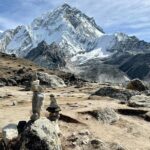
- Panoramic views above 8,000 meters
- Following the Hillary and Tenzing path
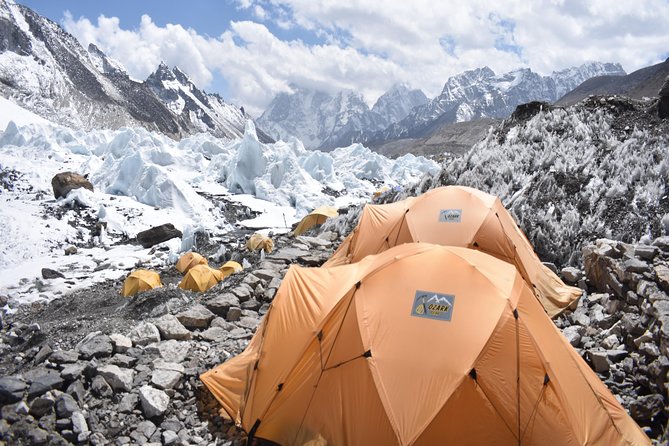
- Everest Base Camp: the finish line that feels like a beginning
- Kalapatthar: a closer view of Everest’s mass
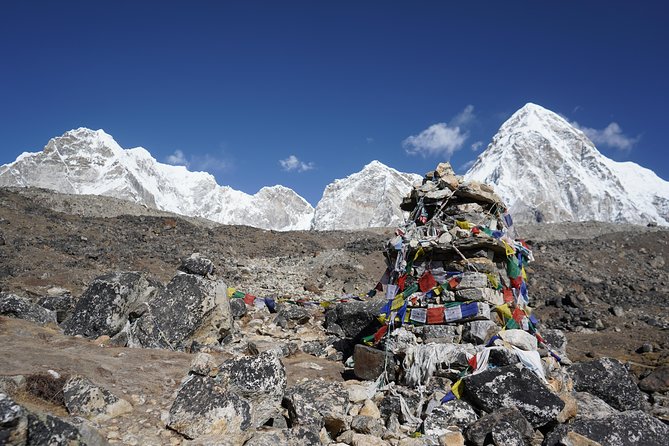
- Memorial hill: a sobering stop in the middle of awe
- Tengboche monastery and blessings from a monk
- The Khumbu glacier: the mountain’s power up close
- Who should book this trek, and who might want a different style
- Price and value: what $1,350 covers and what you still pay for
- Should you book this Everest Base Camp trek?
- FAQ
- Where is the trek based, and what’s the start point?
- What time does the tour start?
- How long is the Everest Base Camp trek?
- What’s included in the trekking accommodation and meals?
- Are flights included?
- Are permits and entry fees included?
- Is airport pickup provided in Kathmandu?
- Is vegetarian food available?
- What gear is provided, and what should I bring?
- Can I cancel for a full refund?
Key points to know before you go
- Permits and national park fees included (plus TIMS/VDC and other applicable taxes)
- Flights included on the Kathmandu–Lukla route via Ramechhap
- Tea-house trekking support with meals provided for 11 nights on trek
- Guide and porter staffing (a 2 trekkers : 1 porter ratio)
- Real Khumbu culture stops, not just viewpoints
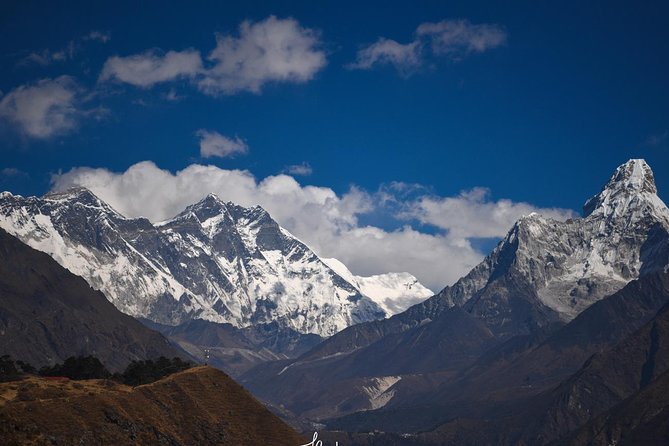
- Everest moments at multiple levels (Namche, Kalapatthar, Base Camp, glacier)
A 12-day Everest plan that keeps the stress off your shoulders
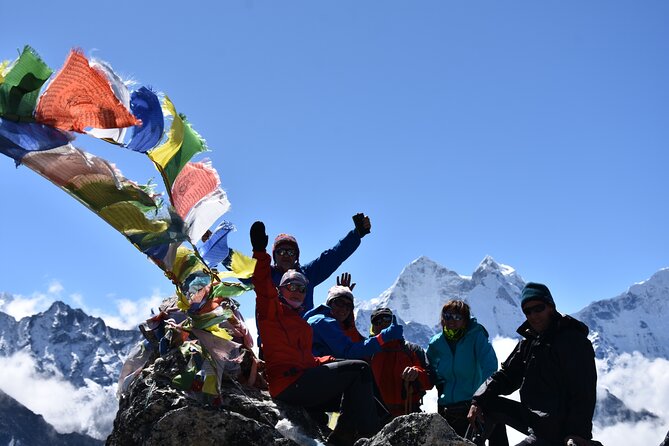
Everest Base Camp is one of those trips where the planning can eat up your time even before you leave. This 12-day format helps because it’s structured: you’re not bouncing between agencies trying to piece together permits, logistics, flights, guides, and food. The big value for me is how much uncertainty it removes.
You’re also trekking with a clear rhythm. You’ll be spending time in the Khumbu region and adjusting along the way, with cultural stops that actually explain the landscape and the people, not just point at it. And because the trek includes core trip items like accommodation and food during the hiking days, you can budget your energy and money without guessing what’s missing.
The trade-off is that it’s still Everest country. Even with a guided schedule, you’re hiking in thin air, often on stone-and-stair routes, and you’ll want to be ready for the daily grind. If you know you’ll struggle with sustained climbs and altitude days, you’ll feel it here.
You can also read our reviews of more tours and experiences in Kathmandu.
Getting from Kathmandu to Lukla: Thamel start and the flight experience
You meet the group in Thamel, Kathmandu, with a start time of 6:15 am. The trip includes airport pickup in Kathmandu, plus domestic airport pick up and drop, so you’re not trying to figure out transport while you’re still half-awake.
A standout part of many people’s Everest stories is the Lukla flight, and this trek includes round-trip airfare Ramechhap–Lukla–Kathmandu (via Ramechhap). That matters because the Lukla leg is one of the most expensive parts to arrange on your own—and it’s also the part that can be hardest to manage if plans change at the last minute.
Keep expectations grounded: flights to Lukla are weather-dependent in real life, and this route is built around that reality. What you can control is your flexibility and your readiness. If you’re the type who hates delays and schedule risk, you’ll want to think carefully before booking any Lukla-based itinerary.
Tea-house days: food included, comfort kept basic
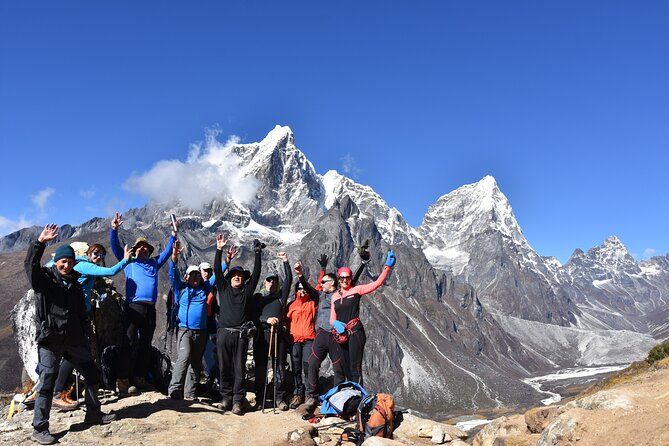
During the trek, you get 11 nights of basic tea-house accommodation plus breakfast, lunch, and dinner each day on trek. That’s a big deal for value and peace of mind. It reduces the number of decisions you have to make each afternoon when you’re already tired.
You also have practical options for your meals. A vegetarian option is available, and you just need to request it when booking. On route, tea houses can vary in what they can serve, but having planned meals reduces the odds of ending up hungry or scrambling.
Now for the part you should be honest about: this is basic. Hot shower, hot water, battery charge, and Wi‑Fi during trekking are not included. In practice, that means you’ll want to plan around frequent cold hands, limited charging opportunities, and lots of time off your phone. If you request gear, you can add comfort where it counts: the trip provides a sleeping bag, duffel bags, and a down jacket upon request during trekking.
Your personal equipment isn’t included, so bring what you need to stay warm and protect yourself from weather swings. The mountains don’t care how excited you are.
Permits, fees, and insurance: what’s covered and what you should still plan for
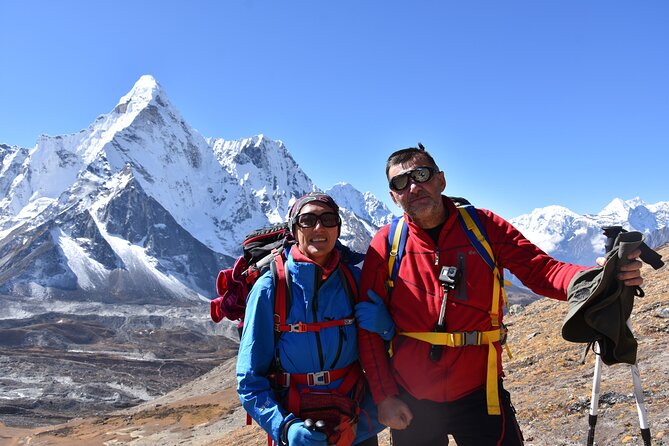
This trek includes a long list of the stuff that often gets forgotten until paperwork time: National Park fees, VDC, TIMS fees, and other applicable taxes. It also includes insurance, plus salary and accommodation for the guide and porters. That combination is one of the biggest reasons I’d consider a package like this over DIY.
Here’s the balancing note: emergency evacuation expenses are not included, and the trip also calls out that personal insurance like medical, accidental, and rescue costs (including helicopter) aren’t included as part of the package. In other words, the trip’s insurance may help, but you should still look closely at what your own policy covers before you go.
I like that you also get a trekking map for the group and a trekking certificate after the trip. It’s small, but it turns your effort into something you can show for it later.
Your support team: guide, porter, and communication that matters
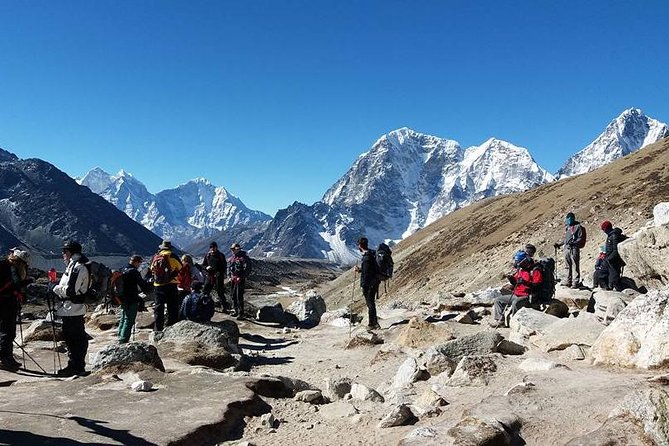
This itinerary runs with a government-license holder English-speaking trekking guide and a porter. The staffing is listed as 2 trekkers : 1 porter, which is a realistic way to keep you moving without turning the trek into a heavy-carry contest.
In the real world, the guide’s job isn’t only route-finding. It’s explaining the cultural and natural values of what you’re seeing, helping you pace, and keeping your day-to-day plan sensible at altitude. That guidance is especially helpful when the trail gets crowded or when the air feels thinner than you expect.
Communication is also part of quality. In the experience’s reported service, names like Nadin (manager) and guides such as Dillip and Ram Dhakal come up in a positive way. The point for you isn’t star names—it’s the effect: you want a team that responds, stays organized, and looks after the moving pieces so you can focus on trekking.
The route itself: Namche to Base Camp, plus Kalapatthar and Tengboche
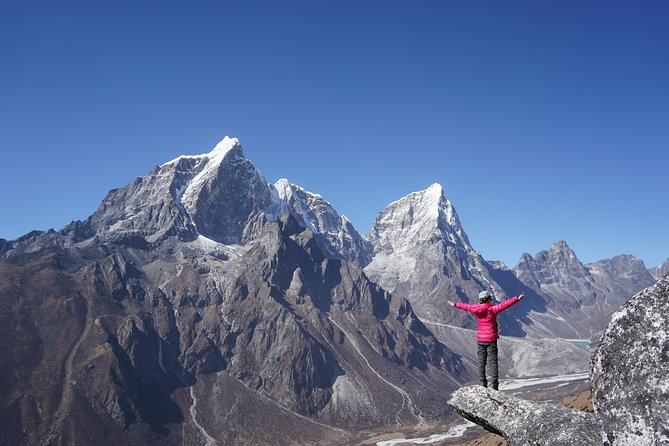
You’ll pass through some of the most meaningful waypoints in the Everest region. Here’s what each one adds, and what to watch for.
Namche Bazaar: your first real taste of Khumbu life
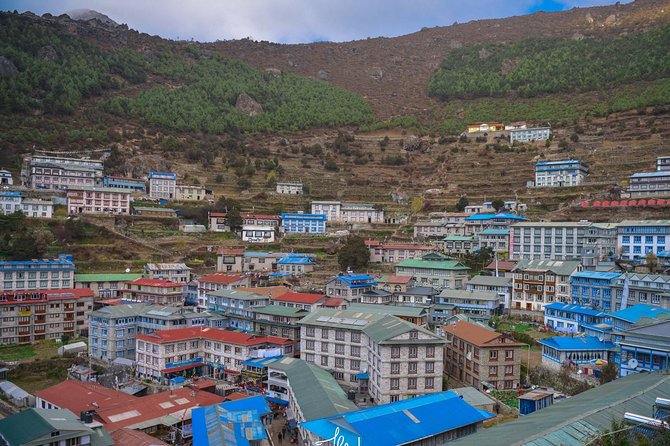
You’ll see Namche Bazaar, described as the gateway to Everest and a high-altitude market. This is where you start noticing how mountain communities live: shops, tea houses, and the daily flow of people moving goods and news.
Why it matters: Namche helps you read the region before you’re deep into the quieter stretches. It also gives you early context for the names you’ll hear later, especially Sherpa culture and lifestyle.
Panoramic views above 8,000 meters
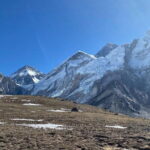
The itinerary includes panoramic mountain views above 8,000m. That’s the kind of sight that can trick you into thinking the hike will be easy because the views steal your attention.
Reality check: when the air is thin and your breathing is working, you want to enjoy the view without rushing. Take a moment, then get back to steady breathing.
Following the Hillary and Tenzing path
You’ll follow the route associated with the famous mountaineers Sir Edmund Hillary and Tenzing Norgay Sherpa. This isn’t just trivia. On this trek, the path itself carries meaning, and the names connect you to the long history of exploration and risk in the region.
Watch for moments where the trail feels both ordinary and historic. That contrast is part of what makes the trek stick with you.
Everest Base Camp: the finish line that feels like a beginning
At Everest Base Camp, you finally set foot at the destination everyone talks about. This is where the goal becomes real, not just a photo.
The drawback: Base Camp can also feel crowded, and the air can make you short on patience. Plan to slow down, take photos quickly, and then give your body time to recover.
Kalapatthar: a closer view of Everest’s mass
There’s a famous viewpoint stop at Kalapatthar for a close view of the mighty Everest. If Base Camp is the headline, Kalapatthar often feels like the plot twist, because you get scale in a different way—more direct, more intimidating.
Why it matters: it helps you understand why climbing Everest is less about one day of effort and more about enduring extreme conditions.
Memorial hill: a sobering stop in the middle of awe
You’ll have a chance to see the memorial hill of deceased climbers. This is where the emotional temperature changes. It’s quiet, reflective, and a reminder that this journey is about more than stamps and selfies.
If you’re sensitive to loss or prefer lighter narratives, you still should go through this stop thoughtfully. The trek’s meaning won’t fully land if you treat it like another checkpoint.
Tengboche monastery and blessings from a monk
You’ll explore Tengboche monastery, and the itinerary mentions the chance to seek blessings from a monk. This is one of the best cultural additions in the whole Everest region because it connects daily life, faith, and the seasonal rhythm of the mountains.
Practical note: monastery visits often come with timing and respectful behavior expectations. It’s worth being ready to slow down and behave quietly, even if your legs are yelling for the next step.
The Khumbu glacier: the mountain’s power up close
Finally, the trek includes a chance to see the Khumbu glacier. Glaciers have a way of making you feel small, even when you know you’re surrounded by big mountains.
This part can be visually dramatic, but also a reminder that the terrain is moving and shaped by forces you can’t control. Enjoy the view, then keep moving with respect for what’s underfoot.
Who should book this trek, and who might want a different style
This tour is best for people who want an organized Everest Base Camp experience without spending months on logistics. You get a small group cap of max 15 travelers, which usually means less chaos than the big-factory tours.
It also suits you if you like practical structure. You’ll have a trekking guide throughout, meals handled on trek, and a porter support setup. If you’re doing this as a bucket list trip, that matters: you’re here to trek, not to manage paperwork.
Think twice if you want luxury comfort. Basic tea houses are included, but hot shower and reliable charging are not. And if you don’t want to take altitude seriously, remember the requirement for strong physical fitness.
Also, accommodation in Kathmandu is not included, and meals in Kathmandu (breakfast/lunch/dinner) are not included. So you’ll need to budget for at least a hotel stay and your city meals while you’re in Nepal.
Price and value: what $1,350 covers and what you still pay for
At $1,350 per person, the value is mostly about risk reduction. You’re not just buying guided walking. You’re buying a bundle that includes tea-house accommodation (11 nights), trekking meals (breakfast/lunch/dinner during trek), permits and park fees, insurance, porter and guide costs, and flights between Ramechhap and Lukla.
Many solo planners end up paying more in time and stress, even when the total cost looks similar on paper. Here, the inclusions are the real win: they cut out the admin hassle, and they keep the budget from quietly creeping up with add-ons.
What you should plan separately for:
- Emergency evacuation expenses
- Personal insurance for medical/accident/rescue (including helicopter)
- Personal trek equipment
- Extra comforts like hot showers, hot water, battery charge, and Wi‑Fi
- Personal expenses and tipping to guide and porters
- Kathmandu meals and Kathmandu accommodation (not included)
If that list fits your expectations and you’re already planning to bring proper gear and buy solid personal coverage, the price looks like a sensible deal for a guided Everest Base Camp trek.
Should you book this Everest Base Camp trek?
I’d book this kind of itinerary if you want the classic Everest story with fewer moving parts. The biggest reasons are the included permits, flights, and full trekking food and tea-house base, plus real guide-and-porter support. You’ll spend your attention where it counts: pacing, acclimatizing, and enjoying the route from Namche Bazaar to Everest Base Camp, then on to Kalapatthar and Tengboche.
I’d hesitate if you’re hoping for lots of creature comforts, or if you know you won’t meet the fitness demand. Also, make sure your own insurance and rescue coverage is solid, since evacuation costs are called out as not included.
If you want a straightforward way to make Everest happen without turning your trip into a spreadsheet project, this one is a strong candidate.
FAQ
Where is the trek based, and what’s the start point?
The trek starts in Thamel, Kathmandu 44600, Nepal, and the activity ends back at the meeting point.
What time does the tour start?
The start time is listed as 6:15 am.
How long is the Everest Base Camp trek?
The duration is listed as 12 days (approx.).
What’s included in the trekking accommodation and meals?
You get 11 nights of basic tea-house accommodation and breakfast, lunch, and dinner during the trek.
Are flights included?
Yes. Airfare Kathmandu (Ramechhap)-Lukla-Kathmandu (Ramechhap) is included.
Are permits and entry fees included?
Yes. National Park fees, VDC, TIMS fees, and other applicable taxes are included.
Is airport pickup provided in Kathmandu?
Yes. Airport pickup in Kathmandu is included, plus domestic airport pick up & drop facilities.
Is vegetarian food available?
Yes. A vegetarian option is available if you advise at the time of booking.
What gear is provided, and what should I bring?
Upon request, the trip provides a sleeping bag, duffel bags, and a down jacket during trekking. Personal trek equipment is not included, so you’ll need to bring your own.
Can I cancel for a full refund?
Yes. Free cancellation is available if you cancel up to 24 hours in advance for a full refund.