REVIEW · KATHMANDU
Everest Base Camp Trek
Book on Viator →Operated by Outfitter Nepal · Bookable on Viator
Everest Base Camp feels real on day one. This trek works like a well-run expedition: you fly to Lukla, follow a steady climbing pattern with acclimatization stops, and keep your time focused on walking and altitude. I really like that guides and porters are included and that permits and paperwork are handled, so you’re not buried in admin while you’re trying to stay healthy at altitude.
A standout detail from past trekkers: some guides, like Arjun, are known for small morale boosters like fresh fruit for dessert each night. The one thing to watch is this trip is weather-dependent and non-refundable, and the package doesn’t include extras like hot showers, snacks, or water/battery charges during the trek.
In This Review
- Quick highlights
- Price and logistics: what you’re actually paying for
- Lodging and meals: comfortable enough for altitude reality
- The route that builds you up: day-by-day, in plain terms
- Day 1: Kathmandu to Lukla, then Phakding
- Day 2: Phakding to Namche Bazaar
- Day 3: Rest day in Namche Bazaar
- Day 4: Namche Bazaar to Tyangboche
- Day 5: Tyangboche to Dingboche
- Day 6: Rest day in Dingboche
- Day 7: Dingboche to Lobuche
- Day 8: Lobuche to Everest Base Camp via Gorakshep
- Day 9: Gorakshep to Kala Patthar, then Pheriche
- Day 10: Pheriche to Namche Bazaar
- Day 11: Namche Bazaar back to Lukla
- Day 12: Fly Lukla to Kathmandu
- Guides, porters, and the small choices that keep you safe
- Gear you don’t have to buy: sleeping bag, down jacket, duffle
- What’s not included: costs that can creep up
- Weather and the non-negotiable reality of Lukla flights
- Who should book this trek (and who should think twice)
- Should you book Outfitter Nepal’s Everest Base Camp trek?
- FAQ
- Will I need to bring a guide and permits, or are they arranged?
- How do I get to the start of the trek?
- What flights are included?
- Are meals included during the trek?
- What kind of lodging do we use on the trail?
- What about acclimatization and rest days?
- What is the highest altitude on this trek plan?
- Is a sleeping bag and winter gear included?
- What costs are not included that I should plan for?
Quick highlights
- Dawn start at Tribhuvan Airport (meeting at 6:15 am) so you get moving early
- Flights Kathmandu–Lukla–Kathmandu included, plus private-vehicle airport/hotel transfers
- Two acclimatization rest days at Namche Bazaar and Dingboche to help your body adjust
- Gear is provided: sleeping bag, down jackets, and a duffle bag (with a trekking map)
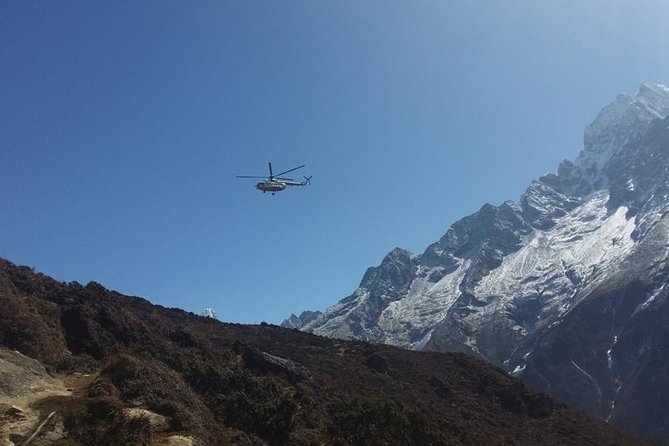
- Emergency helicopter is arranged through your travel insurance, if needed
- Max group size 14, which helps keep things organized on the trail
Price and logistics: what you’re actually paying for
The price is $1,300 per person for about 12 days. On paper, that can look like a lot until you map it to what’s covered here. You’re not just paying for a guide and a route. You’re also paying for the big-ticket logistics that make the Everest Base Camp trek manageable: round-trip domestic flights to Lukla, airport taxes, private transfers in Kathmandu, and lodging plus breakfast/lunch/dinner during the trekking days.
Another value point people often miss: you’re traveling in a group with a max of 14. Smaller groups tend to feel less chaotic when you’re negotiating lodge space, meal timing, and the daily flow of people moving uphill.
Now the tradeoff: extras are limited. The package explicitly doesn’t include things like drinks, sweet snacks (like chocolate), water/battery charging, and hot showers during the trek. If you love to snack your way through altitude, you’ll want to budget for that yourself.
You can also read our reviews of more tours and experiences in Kathmandu.
Lodging and meals: comfortable enough for altitude reality
During the trek, you’ll stay in lodges/tea houses, and the meals included are breakfast, lunch, and dinner. That matters because it removes the daily “where do we eat” stress on a route where tea houses can fill up. It also helps you keep a consistent routine, which is useful when you’re trying to eat and drink enough while climbing.
You’ll also have four nights in Kathmandu included as part of the overall package, but the trip also lists Kathmandu hotel and food as not included. My practical read: plan to cover any meals you want on your own in Kathmandu and any extra hotel time beyond what’s clearly packaged. If you’re sensitive to details, confirm exactly which nights are covered and whether meals are included for those Kathmandu days.
Bottom line: the trek side is handled. You’ll still make choices—what you buy, what you pack, and how you manage hydration—but the daily structure is there.
The route that builds you up: day-by-day, in plain terms
This trek isn’t about one heroic push. It’s about a rhythm: climb, pause, climb again. Here’s what your days look like and what each one is doing for you.
Day 1: Kathmandu to Lukla, then Phakding
You start with a flight from Kathmandu to Lukla (2,886m), then hike about 4 hours to Phakding (2,610m). Even though Lukla is high, going down slightly to Phakding helps your body settle before you start rising again.
Practical tip: on travel day, you’ll feel rushed even if the trek time is moderate. Keep your pack light, take short steps, and don’t sprint just because you’re excited.
Day 2: Phakding to Namche Bazaar
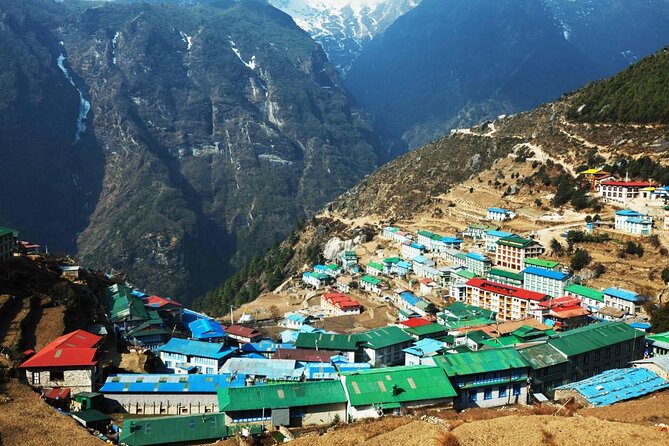
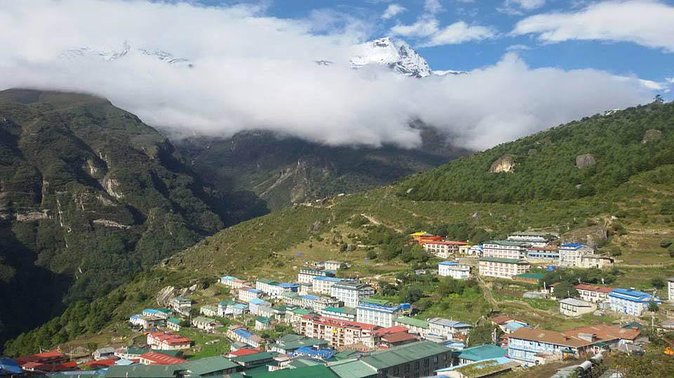
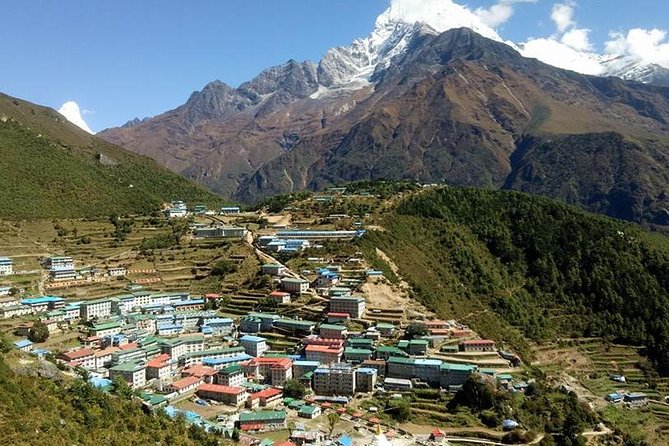
Next is about 6 hours trekking from Phakding to Namche Bazaar (3,440m). This is your first real altitude jump of the trip, and Namche is where many people start to feel the air thinning.
What I’d focus on: pacing. Your guide helps, but you still have to choose your effort. If you feel like your breathing is “too hard too fast,” slow down. The trail rewards steadiness.
Day 3: Rest day in Namche Bazaar
You stay in Namche Bazaar for acclimatization. Rest days aren’t wasted days here—they’re part of the safety plan. You’re at 3,440m, and your body uses this time to adjust.
If you’re tempted to treat it like a sightseeing day only, don’t. Use it to recover, eat well, and keep hydrated.
Day 4: Namche Bazaar to Tyangboche
You trek about 5 hours from Namche Bazaar to Tyangboche (3,867m). That’s a gradual climb, and the payoff is you keep moving upward without going from zero to intense overnight.
Day 5: Tyangboche to Dingboche
About 5 hours from Tyangboche to Dingboche (4,260m). Dingboche is higher and will feel different. Expect slower steps and more frequent pauses just to catch your breath.
Day 6: Rest day in Dingboche
Again, you rest—this time at Dingboche (4,260m) for acclimatization. This day can make or break how you feel later. If you can, treat this as a recovery day: easy walking only, early sleep, and consistent fluids.
Day 7: Dingboche to Lobuche
About 5 hours trekking to Lobuche (4,930m). Here the climb becomes more noticeable, and fatigue starts to accumulate. Even if you feel okay, keep your pace controlled.
Day 8: Lobuche to Everest Base Camp via Gorakshep
This is one of your biggest days: about 6–7 hours from Lobuche to Everest Base Camp via Gorakshep. You’ll feel the altitude, and you’ll likely notice that your body needs time to warm up.
A useful mindset: you’re not just trying to reach a spot on a map. You’re also trying to arrive with enough energy to enjoy it, not just survive the last hour.
Day 9: Gorakshep to Kala Patthar, then Pheriche
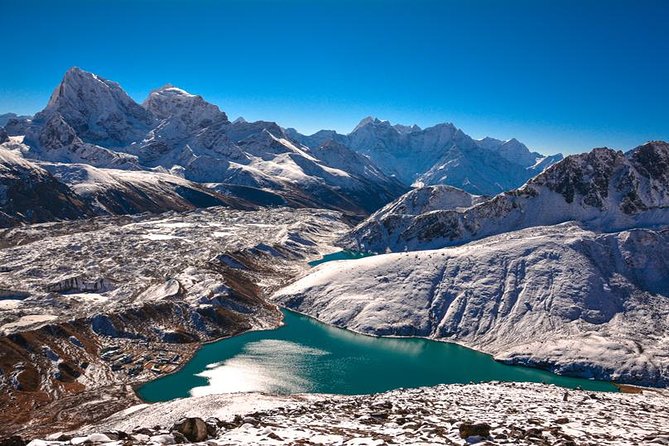
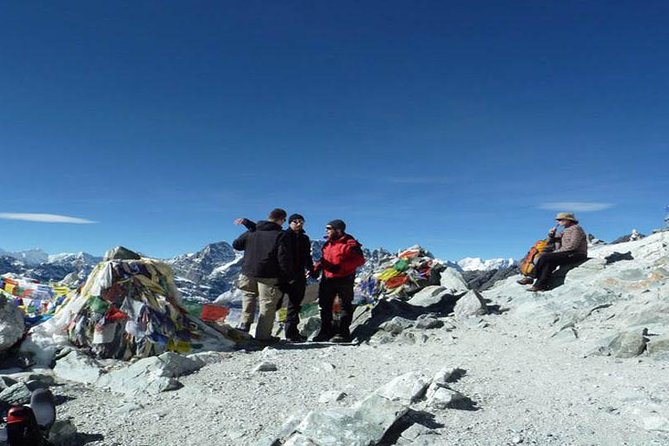
You’ll trek from Gorakshep up to Kala Patthar (5,545m), then continue to Pheriche (4,243m) in about 7 hours. Kala Patthar is your highest point on this plan, and it’s where you’ll feel the altitude most sharply.
Then comes the good part: you descend to Pheriche, which helps your body recover for the final run back down.
Day 10: Pheriche to Namche Bazaar
About 6 hours from Pheriche down to Namche Bazaar (3,441m). Descending helps altitude pressure, but it can be rough on knees and ankles. Take downhill steps carefully.
Day 11: Namche Bazaar back to Lukla
About 6 hours trekking from Namche to Lukla (2,886m). This is a long day when your legs are already tired. Don’t let your excitement about the finish push you into overdoing it.
Day 12: Fly Lukla to Kathmandu
You fly back to Kathmandu and transfer to a hotel. This is your reset day. Eat something comforting, hydrate, and plan to move slowly even if you feel better.
Guides, porters, and the small choices that keep you safe
A big reason people trust a guided trek is simple: someone else handles the moving pieces. In this package, that includes an experienced guide, plus support via porters (and you can add a porter if you need one for extra help, listed as $20 per day).
You also get help with the non-trek stuff:
- paperwork and permits are taken care of
- if there’s an emergency, there’s an arrangement for helicopter service paid through your travel insurance company
Safety at altitude is partly about equipment and partly about behavior. Your guide pushes you to keep a pace you can sustain, helps with route decisions, and keeps you from making mistakes when you’re tired.
From past experiences shared in the reviews, I also like that certain guides focus on morale. One detail that stuck with me: Arjun was described as kind and patient and bringing fresh fruit for dessert each night. That’s not a technical safety feature, but it can change how you experience hard days.
Gear you don’t have to buy: sleeping bag, down jacket, duffle
One of the most practical inclusions is that they provide a sleeping bag, down jackets, and a duffle bag, plus a trekking map that you get back after the trek. For Everest region cold, this can save you money and packing space.
This matters because cold can sap energy faster than you expect. When you’re comfortable enough to sleep well, you bounce back better the next day.
Even so, don’t assume this replaces every item you’ll want. You’ll still need your own essentials (based on your comfort), and the trip doesn’t include bottled water or charging costs—so plan for that.
What’s not included: costs that can creep up
Here’s what you should budget for beyond the $1,300:
- Nepal entry visa fee: listed as $40 for a 1-month visa, plus 2 passport-size photos you can get arranged at the airport
- Travel insurance: compulsory, and it’s the mechanism for that emergency helicopter arrangement
- Everest Base Camp entrance fee: listed as $40 per person
- Tips for guide and staff (not included)
- Drinks and personal expenses, including water/battery charge
- Optional extra porter help if you need it: $20 per day (listed as an added service)
The hidden time cost: you’ll spend energy deciding what to carry. With gear provided, you can pack smarter, but you still need to plan for items you’ll want at altitude.
Weather and the non-negotiable reality of Lukla flights
This trek requires good weather. The route relies on domestic flights between Kathmandu and Lukla, and the trip notes that if the trek is canceled due to poor weather, you’ll be offered a different date or a full refund.
That matters because it shapes your risk tolerance. If you hate schedule uncertainty, plan to keep flexibility around your Nepal days.
Also, the booking is non-refundable and cannot be changed for any reason. That’s a big deal. If you’re likely to change plans last minute, you’ll want to think hard before committing.
Who should book this trek (and who should think twice)
This fits best if you:
- have moderate physical fitness
- want a guided experience where most logistics are handled
- like structured pacing with acclimatization days
- want value from included gear and meals
You might think twice if you:
- dislike altitude and are not comfortable with the idea of slow climbs and high points like Kala Patthar at 5,545m
- want lots of comfort add-ons like paid snacks, hot showers, and charging services during the trek
- can’t handle flight-weather uncertainty around Lukla
Should you book Outfitter Nepal’s Everest Base Camp trek?
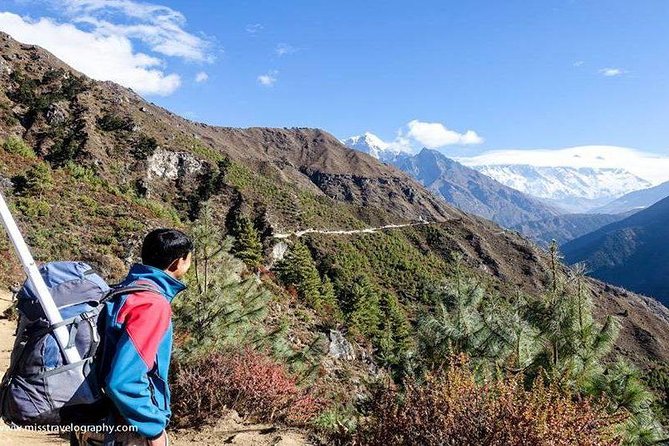
If you want the Everest Base Camp trek with less planning stress, this is a strong package. Flights, transfers, lodge meals, guide support, permits, and cold-weather gear are all folded in, which is where most DIY trips get messy.
I’d book it if you’re ready for a real trekking rhythm and you understand what’s not included: charging, drinks, personal snacks, and extra costs like the base camp entrance fee. I’d pause if your schedule is rigid or you’re uncomfortable with weather-dependent flying.
FAQ
Will I need to bring a guide and permits, or are they arranged?
The trip includes an experienced guide and the paperwork and permits are taken care of.
How do I get to the start of the trek?
You meet at Tribhuvan Airport in Kathmandu at 6:15 am, and the trip includes domestic hotel/airport transfers by private vehicle.
What flights are included?
The package includes flight fare (Kathmandu–Lukla–Kathmandu) with domestic airport tax.
Are meals included during the trek?
Yes. The trek includes breakfast, lunch, and dinner during trekking days.
What kind of lodging do we use on the trail?
You stay in lodges/tea houses during the trek.
What about acclimatization and rest days?
There are rest/acclimatization days in Namche Bazaar and Dingboche as part of the schedule.
What is the highest altitude on this trek plan?
The itinerary includes Kala Patthar at 5,545m.
Is a sleeping bag and winter gear included?
Yes. The trip provides a sleeping bag, down jacket(s), and a duffle bag (plus a trekking map).
What costs are not included that I should plan for?
Not included items include the Nepal entry visa fee ($40 for 1 month), travel insurance, Everest Base Camp entrance fee ($40 per person), tips, and personal expenses like drinks and charging costs.