Lukla to Everest Base Camp is a moving target. This private 14-day trek lines up flights, permits, and lodge nights so you can focus on altitude, Sherpa villages, and the long last push to Everest Base Camp. I love the airport pickup plus Kathmandu hotel setup, and I also like that porters handle the heavy gear while your guide organizes permits and logistics along the way. One possible drawback: the trekking pace and acclimatization days only work well if you take altitude seriously and have the fitness to keep moving comfortably.
The biggest plus here is how much the plan removes stress. A guide team that includes people like Kalyan Gurung or Romeo is often praised for safety, and the overall communication tends to be organized enough that you know what to pack and when to be ready.
In This Review
- Key things that make this EBC trek work
- Getting from Kathmandu to Lukla: day 1 plus the 40-minute flight that starts it all
- Namche Bazaar acclimatization: suspension bridges, cafes, and a real rest day
- Tengboche and Dingboche: monasteries, mani walls, and Mt. Ama Dablam
- Lobuche to Everest Base Camp: Gorak Shep, Khumbu Glacier, and the big objective
- Kala Patthar on the descent: early start energy and why it’s worth it
- Back to Lukla and home: the 40-minute return flight plus a farewell dinner
- Guides and porters: what the best team support looks like here
- Gear reality check: why the porter setup is more than convenience
- Meals and lodging: what included comfort buys you
- Price and value: what $1,600 includes and why it can be fair
- Who should book this EBC trek, and who should think twice
- Should you book this private 14-day Everest Base Camp trek?
- FAQ
- What city does this trek start from?
- Are airport transfers included?
- Do I need to arrange my Lukla flight?
- Where will I stay during the trek?
- Are permits and entrance fees included?
- Is a porter provided?
- What meals are included?
- Is this tour private?
- Is travel insurance included?
- What happens if weather is bad?
Key things that make this EBC trek work
- Private door-to-door feel in Kathmandu with airport or hotel pickup and transfers
- Lukla flights are included, so your trip starts with the right kind of momentum
- Permits and entrance fees are handled so you don’t waste time hunting paperwork
- Porters carry heavy gear, which matters a lot at high altitude
- Acclimatization is built in, including extra time around Namche Bazaar and Dingboche
- Real support on the trek, with guidance focused on pacing and staying safe
Getting from Kathmandu to Lukla: day 1 plus the 40-minute flight that starts it all
Your trek begins in Kathmandu with a welcome and a transfer to your hotel. On arrival, an airport representative explains the program, then you overnight in Kathmandu so you’re not rushing straight into jet lag plus hills.
Day 2 is the classic jump-off: you fly about 40 minutes to Lukla, landing at Tenzing Hillary Airport. It’s a short flight, but it feels like a threshold. After you land, trekking starts right away, moving you from Kathmandu logistics into the Khumbu rhythm where every climb becomes a “how’s your breathing?” check.
Practical note: this style of trip works best if you treat the first hours as a warm-up, not a race. On this route, even small early efforts can affect how you feel later.
You can also read our reviews of more tours and experiences in Kathmandu.
Namche Bazaar acclimatization: suspension bridges, cafes, and a real rest day
After the first trekking day, you shift along the northern bank of the Dudh Koshi River. Day 3 includes crossing multiple suspension bridges, including the Hillary Suspension Bridge mentioned in the plan, and this is one of those stretches that gives you both motion and big river valleys.
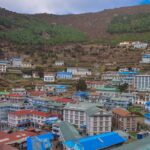
Then you land in Namche Bazaar. Day 4 is an acclimatization day, and that’s not a “sit around” day if you use it well. Namche is where you get your bearings fast: gear shops, wifi-linked cafes, souvenirs, and short hike options nearby for getting your body used to altitude without going too hard.
What I like about this setup is the balance. You’re not forced into long climbs every day, and you’re also not left unstructured. Your guide can help you pick a hike that fits your day-to-day energy.
Tengboche and Dingboche: monasteries, mani walls, and Mt. Ama Dablam
Day 5 heads toward Tengboche in about five hours, with the trail doing the usual Khumbu thing: ups and downs, forests, and some challenge before the payoff. The plan also points out the chance of wildlife sightings like musk deer, which is a nice reminder that you’re in more than just a postcard corridor.
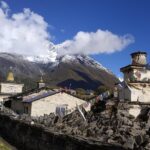
Tengboche matters because it’s tied to the spiritual side of the region. You pass Buddhist monasteries and you’ll see the way Sherpa culture shows up in daily life. Even if you don’t go inside every building, being around the prayer flags and monastery culture helps the journey feel grounded.
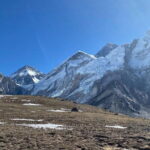
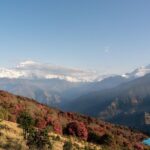
Day 6 brings you to Dingboche. Along the way, the route passes chortens, mani walls, and small villages like Pangboche. The plan highlights views of Mt. Ama Dablam, and this is one of those stretches where “rewarding views” means your lungs are working hard but your brain gets a reward too.
Day 7 is another acclimatization day in Dingboche. This one is built for altitude adjustment: you walk up the ridge above Dingboche and then come back down. It’s a simple approach that often makes a big difference later, because it trains your body to deal with thin air while keeping you from overreaching.
Lobuche to Everest Base Camp: Gorak Shep, Khumbu Glacier, and the big objective
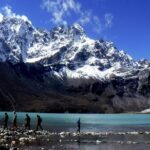
Day 8 goes toward Lobuche. The plan calls out Himalayan views right from the start and notes that the hike can feel difficult at first, then the valley narrows as you approach Dusa. This is a good day to stay steady. You’re building toward a summit-type day, and steadiness usually beats pushing.
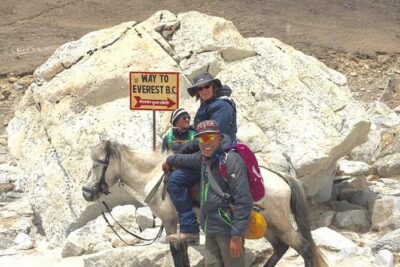
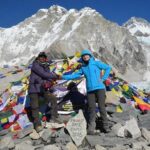
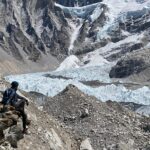
Day 9 is Everest Base Camp day. The route includes trekking along the lateral moraine of the Khumbu Glacier, then reaching Gorak Shep, a village surrounded by high, snowy scenery. This is where the experience shifts from “trek through” to “arrive at the place you came for.”
The Base Camp push is what makes this itinerary famous, but the way you get there matters. Passing glacial terrain and walking through the approach villages gives you time to absorb the scale. You’re not just stepping into Base Camp like it’s a park. You’re walking into a working staging area for big-time mountaineering.
Kala Patthar on the descent: early start energy and why it’s worth it
Day 10 brings you away from Base Camp country and down toward Tengboche, starting with an early morning trek. The plan includes passes through rhododendron forests, the Imja Khola bridge, and juniper forest. This is a welcome change after the starkness of higher zones, and it’s also a chance to feel your legs again.
Day 11 continues the descent, aiming back toward Namche Bazaar. From a planning standpoint, this matters because it’s not only about distance. Descending helps recovery, but it also taxes knees and ankles, so take your time and keep footing careful, especially where trails are rocky.
Day 12 is described as a shorter day that heads toward Phakding by following the banks of the Dudh Koshi River and crossing suspension bridges. After days of altitude, a shorter day can feel like a gift. It also sets you up for an easier travel day.
Back to Lukla and home: the 40-minute return flight plus a farewell dinner
Day 13 is your flight back to Kathmandu. It’s listed as a 40-minute hop, which makes the return feel merciful compared to the days of walking. Even if you’re tired, this is the day where you can take stock of what you accomplished and let your body settle.
Day 14 is Kathmandu with a farewell dinner and trek certificates. The plan also frames this as a moment to tell the team what you loved and what you didn’t. I like this part because it’s practical: you’re not just collecting a memory; you’re giving feedback that can shape future trips.
Guides and porters: what the best team support looks like here
This trek is private, so your guide and porter schedule is about your group and your pace, not a fixed cattle-car rhythm. You’ll travel with a professional English-speaking guide, and porters are arranged to carry your heavy gear, with the package listing a porter for two trekkers.
From the people involved, you can see the pattern that matters: safety, pacing, and communication. Guides referenced in past experiences include Kalyan Gurung, Parkhidhan Tamang, Kaylen, Ram, and Romeo. One of the strongest themes tied to these guides is how they adjust the hike when someone gets sick or needs more time.
That matters on EBC because altitude issues can show up even when you plan well. If you want a trip where the guide treats slow days as a win instead of a failure, this is the kind of structure that tends to deliver.
Gear reality check: why the porter setup is more than convenience
High altitude trekking punishes sloppy packing. If you carry too much, you pay for it with slower breathing and worse recovery. Here, the porter arrangement is designed to reduce that specific pressure.
Still, don’t go to the extreme of handing over everything. Keep essentials with you: items you’ll need quickly on the trail, plus layers for wind and cold. The goal is to avoid hauling a heavy load uphill for hours, especially after acclimatization days.
If you’re wondering whether you’ll manage without a porter, this package is built for the opposite: you should plan your day so you can hike comfortably and focus on acclimatization rather than carrying your whole life on your back.
Meals and lodging: what included comfort buys you
Your accommodation is split in two parts. In Kathmandu you get two nights in a 3-star hotel with breakfast. On the trek, you stay in lodges or tea houses.
Food coverage is also part of the value equation. The package lists 12 breakfasts, 10 lunches, and 10 dinners, which usually means you’re not constantly searching for meals or paying every time you stop. The tradeoff is that you still need to be smart about hydration and what you eat, but having most meals covered lets you focus on altitude and daily progress.
A practical takeaway: lodge life at altitude is simple. That’s not a complaint; it’s a feature. You’re trading luxury for access, warmth, and routine.
Price and value: what $1,600 includes and why it can be fair
At $1,600 for a 14-day private Everest Base Camp trek, the real question is what you’re paying for beyond the view. This package includes airport pick up and drop by private vehicles, English-speaking guiding, Kathmandu lodging, trek lodges/tea houses, permits and entrance fees, and domestic air fare for Kathmandu–Lukla–Kathmandu with airport tax.
It also includes a porter for two trekkers, plus a farewell dinner and a trek certificate. That means you’re not paying separately for all the pieces that can quietly add up: flights, paperwork support, and the human logistics that keep the day-to-day moving.
What’s not included is personal expenses and travel insurance, which is pretty standard for treks at this altitude. My advice: if you’re budgeting, make sure insurance is in your plan early, because altitude trekking is the sort of scenario where you’d truly want coverage.
Who should book this EBC trek, and who should think twice
This is best for people who want a private, structured plan with a guide who handles permits and pacing, and who value the comfort of pre-arranged Kathmandu stays. It’s also a good fit if you prefer to hike with porters for heavy gear and would rather spend your energy on acclimatization and enjoying the route.
This may be a tough fit if you’re looking for a laid-back trek with no altitude pressure. The itinerary includes multiple days at higher elevations and acclimatization walks. The plan expects moderate physical fitness, so you should be honest about your endurance and your willingness to slow down if needed.
It’s also a fit for groups that want flexibility within the structure. Because it’s private, only your group participates, which can reduce waiting and confusion on trail days.
Should you book this private 14-day Everest Base Camp trek?
I’d book it if you want an EBC trip that takes the heavy planning work off your plate: Lukla flights built in, permits handled, hotels arranged, meals largely covered, and porters available. The strongest selling point is that the itinerary includes acclimatization days in key towns like Namche and Dingboche, plus a guide and team that can pace you and respond if the altitude starts to bite.
I’d think twice if you’re short on fitness, prone to pushing through discomfort, or hoping for a purely easy walk. This is a high-altitude trek. It’s doable, but it asks you to respect the mountain and the schedule.
If you’re ready for that, you’ll get a clear path to Everest Base Camp, plus the Nepal-to-Khumbu journey that makes the destination feel earned.
FAQ
What city does this trek start from?
The start point is Tribhuvan Airport in Kathmandu, Nepal.
Are airport transfers included?
Yes. Airport pick up and drop are included by private vehicles.
Do I need to arrange my Lukla flight?
No. Domestic air fare for Kathmandu–Lukla–Kathmandu, including airport tax, is included.
Where will I stay during the trek?
You’ll have accommodation in Kathmandu and on the trek. Kathmandu includes 2 nights in a 3-star hotel with breakfast, and on the trek you’ll stay in lodges or tea houses.
Are permits and entrance fees included?
Yes. All necessary permits and entrance fees during the trekking are included.
Is a porter provided?
Yes. A porter is included for two trekkers to carry your heavy gear.
What meals are included?
The package lists 12 breakfasts, 10 lunches, and 10 dinners.
Is this tour private?
Yes. It’s a private tour/activity, and only your group will participate.
Is travel insurance included?
No. Travel insurance is not included.
What happens if weather is bad?
This experience requires good weather. If canceled due to poor weather, you’ll be offered a different date or a full refund.