REVIEW · KATHMANDU
Dive into Spirituality: 6 Days Trek to Gosaikunda Lake
Book on Viator →Operated by Mountain Hike Nepal · Bookable on Viator
Holy lake energy in six days.
This spirituality-focused trek from Kathmandu to Gosaikunda Lake is a fast route into the Langtang region, where Hindu and Buddhist traditions meet big mountain scenery. You start with a drive to Dhunche, then walk up through Chandanbari before reaching the lake early in the day for a short, meaningful circuit around multiple kundas. If you like your trips with purpose and payoff, this one is built that way.
What I like most is the combination of spiritual stops and real trekking effort. You don’t just arrive at a photo spot; you visit Surya Kunda, Saraswoti Kunda, Bhairab Kunda, and other sacred points around Gosaikunda, with worship at the lake. Second, the support is practical: an English-speaking trekking guide plus a Sherpa porter (with a 2 trekkers to 1 porter setup), and permits handled so you can focus on walking and breathing.
One consideration: the trek is condensed, so you’ll be doing early starts and sustained uphill effort (especially on the climb to Chandanbari). Also, “comfort extras” are limited on the trail since drinks, hot showers, and internet are not included.
In This Review
- Key highlights that matter on the ground
- Why Gosaikunda feels different on a short trek
- Day 1: Kathmandu to Dhunche, then sleeping in trek mode
- Day 2: The Chandanbari uphill (6 to 7 hours of earned effort)
- Day 3: Early trek to Gosaikunda, kundas, worship, and mountain views
- Day 4: Back to Chandanbari, taking in what you arrived for
- Day 5: Chandanbari to Dhunche, downhill trekking and leg management
- Day 6: Drive back to Kathmandu and a reality check
- Price and what you’re really buying for $735
- What’s included on the trail: meals, teahouses, and the twin-sharing reality
- Wildlife and the Langtang Conservation Area factor
- Who this trek fits best, and who might want a different plan
- Practical tips that make the trek feel easier
- Should you book this trek?
- FAQ
- What is the start time?
- How long is the trek?
- Is the trek guided?
- Are meals included?
- Do I need travel insurance?
- Which permits are included?
Key highlights that matter on the ground
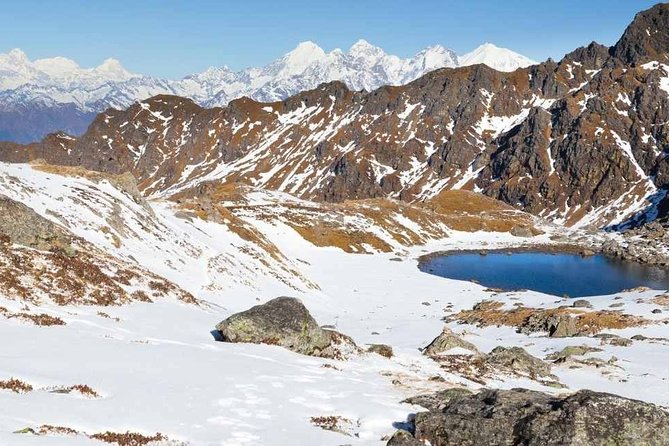
- Sacred kunda visits at Gosaikunda: Surya Kunda, Saraswoti Kunda, Bhairab Kunda, plus worship time at the lake
- Condensed 6-day format: You get a high-impact Langtang experience without a longer multi-week commitment
- Teahouse rhythm with twin sharing: Local meals and simple overnight stays keep the schedule moving
- Wildlife potential in Langtang Conservation Area: Red pandas and snow leopard are mentioned as rare possibilities
- Guided logistics from Kathmandu: Public transport connection, permits (TIMS + Langtang Conservation Area), and an organized plan
Why Gosaikunda feels different on a short trek
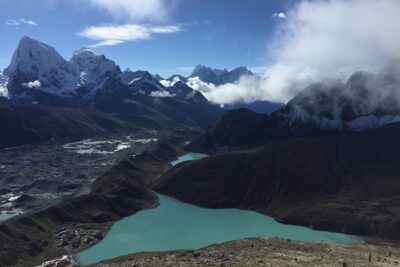
Gosaikunda is the kind of destination where the walking matters, but the place has gravity. The lake is considered sacred by Hindus and Buddhists, and the route is designed around that meaning. When you reach the area early, you’re not just collecting views. You’re joining the spiritual rhythm of the site—visiting several kundas and having time for worship at Gosaikunda Lake.
What makes this trek especially good for time-conscious travelers is that it doesn’t drag. In about a week (including your Kathmandu travel day), you move from city noise into forested trails and up toward alpine country. You still get the classic Himalayan payoff—Langtang Himal and Ganesh Himal are mentioned as visible mountain highlights—but you do it in a focused, straightforward itinerary rather than a slow, meandering trek.
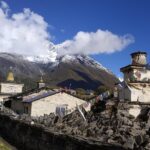
You’ll also pass through culturally diverse ethnic villages. That’s not a marketing checkbox here. When you’re on a route used by local communities, village life becomes part of your pacing—where you eat, how people greet you, and what the trail feels like day to day.
You can also read our reviews of more tours and experiences in Kathmandu.
Day 1: Kathmandu to Dhunche, then sleeping in trek mode
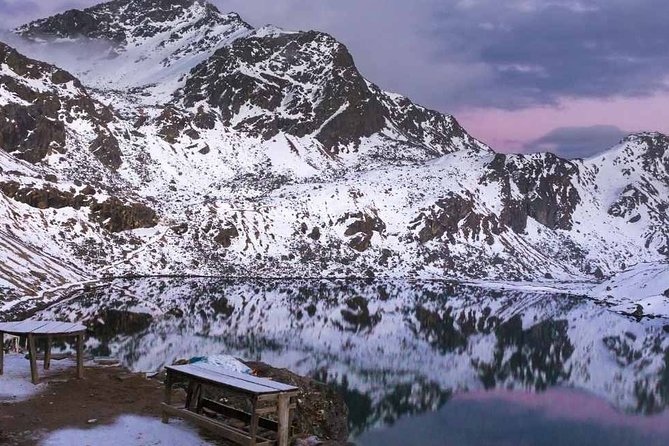
The experience kicks off with a drive from Kathmandu to Dhunche. The route goes via Trisuli Bazar, which helps you get out of the Kathmandu bowl without burning energy on the first day of hiking.
You’ll overnight in Dhunche, a common starting point for Langtang region trekkers. For me, this matters because you want your body to transition from travel posture to walking posture gradually. On a trek like this, the less you cram on Day 1, the easier your uphill work feels later.
Timing note: the start time is 5:45 am, so treat the first day as an early launch. If you’re the type who hates rushed mornings, build in calm the night before so you’re not running on stress.
Day 2: The Chandanbari uphill (6 to 7 hours of earned effort)
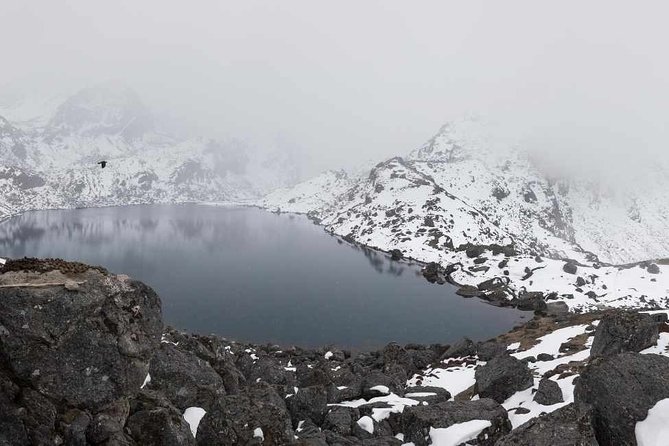
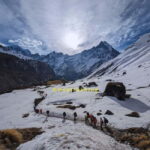
On Day 2 you trek to Chandanbari, and this is the first real test. Expect a dissent uphill trek of about 6–7 hours. The description is clear: you’ll be climbing, not just strolling.
This day is where you learn the trekking pace that will carry you to the lake. Go steady. If you sprint uphill to impress your legs, they’ll collect their payment later on the descent and around Gosaikunda. The good news: because the itinerary is short, you’re only doing this kind of sustained effort for a limited number of days.
You’ll be moving through a mix of trail character. The experience overview calls out lush forests and rugged terrain across the full journey, and Day 2 is usually where the trail begins to feel more “mountain serious.” It’s also when the air tends to feel cooler and drier, so your hydration habits matter.
Overnight is at Chandanbari, setting you up for the big spiritual day ahead.
Day 3: Early trek to Gosaikunda, kundas, worship, and mountain views
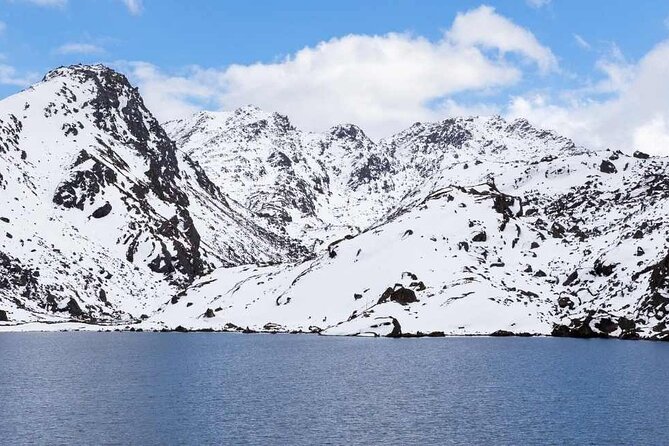
Day 3 is the reason most people choose this trek. You’ll start with an early morning trek to Gosaikunda, the holy lake. And importantly, you don’t just reach a destination and leave. You visit multiple sacred points around the lake: Surya Kunda, Saraswoti Kunda, Bhairab Kunda, and more.
This is the part that turns a physical route into a meaningful one. Even if you’re not coming for religious practice, the atmosphere at the kundas changes how you experience the landscape. People move with intention. You see offerings and hear snippets of worship. For many visitors, that’s the emotional highlight.
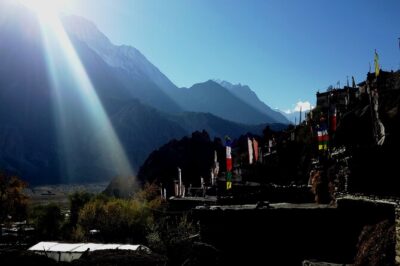
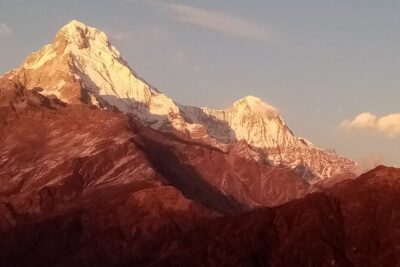
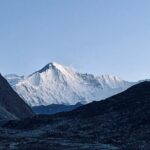
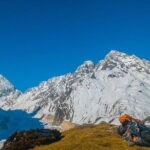
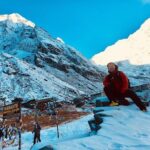
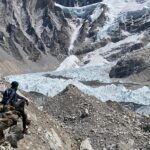
Then there are the views. The itinerary highlights breathtaking mountain scenery, including Langtang Himal and Ganesh Himal. When the light hits the peaks in the morning, you get that “wow” feeling that makes the early starts feel worth it. This isn’t guaranteed every moment—weather can shape visibility—but the route is timed so you’re on the lake area when conditions are often best.
You’ll overnight at Gosaikunda. That’s a big deal for two reasons. First, it keeps you from rushing away the moment you arrive. Second, sleeping near a sacred site changes the feel of the experience—morning and evening have different moods, even when you’re in simple teahouse accommodation.
Day 4: Back to Chandanbari, taking in what you arrived for
Day 4 brings you back to Chandanbari. The trek is a return, but the purpose shifts. After Day 3, the lake is already in your head. Walking back is the chance to notice how your body and mind recalibrate.
This is also where you’ll likely appreciate the short itinerary. You’ve already spent a full day at the lake, so your return walk doesn’t feel pointless. Instead, it feels like a cooldown with views still around you, plus a bit of village interaction you can take slower.
You’ll overnight again at Chandanbari. That means you’re not switching accommodations every day. In a trekking schedule, fewer changes usually equals less hassle and more energy for rest.
Day 5: Chandanbari to Dhunche, downhill trekking and leg management
On Day 5 you trek back to Dhunche. The description says the trekking is downhill here, and that’s both good and tricky. Downhill can feel easier because you’re not fighting for height. But it can punish your knees if you let your speed creep up.
Keep steps short. Place your feet deliberately. If you’re carrying a pack, hold your balance with a relaxed upper body so your legs do the work instead of your whole torso bouncing.
This is also your day for “finish strong.” You’re still in trek mode, and you’ll likely be tired from walking days. The win is that you’re not climbing again, so you can focus on controlled, steady movement.
Overnight is at Dhunche, then your final drive back to Kathmandu starts on Day 6.
Day 6: Drive back to Kathmandu and a reality check
The last day is driving from Dhunche back to Kathmandu. This is when you get to swap trekking rhythm for city rhythm.
What I like about ending with a drive day is that you can arrive without needing to squeeze in additional walking. After a trek that includes early starts, uphill climbing, and an overnight near the lake, you want an easy transition.
In Kathmandu, you’ll want a meal that feels like a celebration and a shower that feels like a reward. Just note: hot showers are not included on the trek. That doesn’t make the trip less fun, but it’s smart to mentally pack for basic trail comforts.
Price and what you’re really buying for $735
At $735 per person, you’re paying for more than the idea of a hike. Here’s what the package includes:
- Kathmandu to Dhunche to Kathmandu by public transport
- All local meals (breakfast/lunch/dinner) during the trek
- Teahouse accommodation on twin sharing
- Langtang Conservation Area Permit and TIMS card
- An experienced trekking guide (English speaking) and a Sherpa porter
- Government taxes and service charges
What’s not included is also important to plan for:
- Tips for guide(s) and porter(s)
- Meals and accommodation in Kathmandu
- Drinks (tea/coffee/water/soft drinks/alcohol) and hot shower and internet
So the value equation looks like this: the trek itself is structured and supported, and the paperwork is handled. Your extra costs are mostly about what you choose to add on top—Kathmandu nights, drinks, and tips.
One more practical point: this is a private tour/activity, meaning only your group participates. That can matter if you want a more tailored pace and fewer people to manage in a tight schedule.
What’s included on the trail: meals, teahouses, and the twin-sharing reality
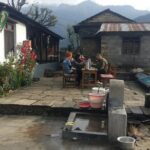
During the trek, you’ll get breakfast, lunch, and dinner, plus teahouse accommodation on twin sharing. Teahouses in trekking areas usually mean basic rooms and shared dining spaces. You’re not booking a hotel, but you are getting a reliable place to sleep and eat so the itinerary stays smooth.
If you’re sensitive to comfort differences, aim to travel with patience. The big tradeoff for staying efficient in a short trek is that simplicity is part of the deal.
Also remember what isn’t included: drinks and internet, plus hot showers. Water access and bathroom setups vary by location, so treat the trek as a more outdoors-focused experience, not a stay-connected vacation.
Wildlife and the Langtang Conservation Area factor
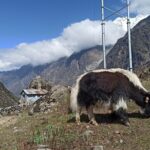
The experience overview specifically calls out Langtang National Park as home to rare species like red pandas and snow leopards. Real talk: you shouldn’t plan your trip around guaranteed wildlife sightings. Still, it’s a comforting reminder that you’re hiking through a protected region with real ecological value.
On a trek, wildlife moments tend to be spontaneous. If you do see something, you’ll feel extra lucky, because the trek isn’t just about peaks and kundas—it’s also about being in habitat.
Who this trek fits best, and who might want a different plan
This route is a strong fit if:
- You want a short trek with a spiritual focus rather than a long multi-week hike
- You can handle early starts and a sustained uphill day (Chandanbari is a 6–7 hour climb)
- You’re okay with simple teahouse living and limited trail comforts
- You prefer a guided setup with permits, meals, and porters handled
You might reconsider if:
- You need lots of downtime between walking days
- You’re very uncomfortable with downhill days that can feel hard on knees
- You expect unlimited drinks, hot showers, or internet coverage
The fitness note is “moderate physical fitness.” That’s not code for couch-to-mountain. It usually means you should be comfortable walking for hours, keeping a steady pace, and handling some elevation exposure.
Practical tips that make the trek feel easier
Here are a few things that help on this exact kind of itinerary:
- Bring layers. You’re moving from Kathmandu to Dhunche to higher ground, and mornings can feel colder.
- Pack for dry comfort. Drinks aren’t included, so your water strategy matters.
- Plan for early mornings. The day starts are front-loaded, and Day 3 especially is early to reach the lake.
- Take downhill seriously. Controlled steps beat fast steps every time.
- Ask your organizer about weather expectations. The experience requires good weather, and the plan depends on it.
One more useful angle: if you’re short on holiday time, ask Mountain Hike Nepal for guidance. A traveler specifically mentioned Manish from Mountain Hike Nepal recommending the Langtang region because it’s one of the nearest trekking areas from Kathmandu. If you’re deciding between options, that kind of honest comparison helps you choose wisely.
Should you book this trek?
I’d book this trek if you want a meaningful, compact Himalayan experience: sacred Gosaikunda Lake, multiple kundas to visit, and guided support that makes logistics simple. The $735 price makes sense when you factor in permits, meals during the trek, and the guide and porter setup.
I’d think twice if you want maximum comfort, lots of downtime, or a slow pace. This is a schedule you follow, not a flexible wandering trip.
If your goal is a short adventure with purpose and strong scenery, this one is a solid bet.
FAQ
What is the start time?
The meeting/start time is 5:45 am.
How long is the trek?
It’s about 6 days.
Is the trek guided?
Yes. You’ll have one experienced trekking guide (English speaking) and a Sherpa porter (with a 2 trekkers to 1 porter arrangement).
Are meals included?
Yes. The package includes all local meals (breakfast/lunch/dinner) during the trek, plus teahouse accommodation on twin sharing.
Do I need travel insurance?
Yes. Travel insurance is compulsory for this adventure trip.
Which permits are included?
The trip includes the Langtang Conservation Area Permit and a TIMS card.