REVIEW · KATHMANDU
8 Days Short Trek and Tour in Nepal
Book on Viator →Operated by Sabbatical Explore Nepal · Bookable on Viator
Some trips feel like a checklist; this one feels like a story. You’ll start in Kathmandu with UNESCO sites, switch gears to hill-town charm in Bandipur, then move into the Annapurna region for a soft trek that still delivers big mountain drama. It’s built for career breakers, sabbaticals, and solo travelers who want meaning, not rushing.
Two things I really like: the mix of spiritual sightseeing (Swayambhunath, Pashupatinath, Boudhanath) with real-life community feel in the mountains, and the logistics support that keeps you from playing transport Tetris in crowded traffic. Also, the operator behind it, Sabbatical Explore Nepal, is represented by Shiva—people highlight how well he organizes and how easy he is to work with.
One possible drawback: a few key meals are on your own schedule. For example, lunch in Kathmandu on Day 1 isn’t included, and in Pokhara you’ll choose where to eat on at least one full day—so you should budget a bit of extra cash and plan simple meal options.
In This Review
- Key highlights you’ll remember
- Kathmandu’s spiritual circuit: Swayambhunath, Pashupatinath, Boudhanath
- Why Bandipur is a smart reset between Kathmandu and trekking
- Pokhara’s lake time plus Sarangkot sunrise (aka the “good morning” day)
- Dhampus and Australian Camp: the soft trek that still feels real
- Patan Durbar Square: Newari artistry in walking distance from old Kathmandu
- Bhaktapur and Namo Buddha: culture, then calm
- Price and what you’re really paying for ($1,395 value math)
- Who should book, and who might want a different Nepal plan
- What stands out most (based on real traveler patterns)
- Should you book this 8-day Nepal trek and tour?
- FAQ
- What time does the tour start?
- Where does the tour begin and end?
- Is pickup available?
- Is this a private group tour?
- What’s included in the price?
- Are temple admissions included?
- How much trekking is involved?
- What should I budget for that isn’t included?
- What cancellation terms are available?
Key highlights you’ll remember
- Kathmandu’s triple-hit spirituality: Swayambhunath, Pashupatinath, and Boudhanath in one packed day
- Bandipur’s slow stroll: an old trading-route hill town with an easy exploration vibe
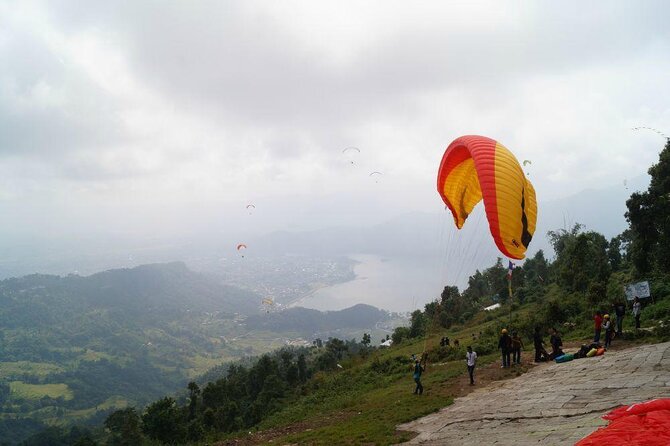
- Sarangkot sunrise: early drive for panoramic views of peaks including Machhapuchhre
- Australian Camp tea-house night: a real night in the Annapurna foothills with Himalayan views
- Newari architecture focus: Patan Durbar Square plus Bhaktapur’s living heritage feel
- Namo Buddha calm time: Buddhist monastery visit near Kathmandu with a peaceful break
Kathmandu’s spiritual circuit: Swayambhunath, Pashupatinath, Boudhanath
Day 1 is a full cultural immersion, and it works because the sites are different enough to avoid museum fatigue.
Swayambhunath Temple (Monkey Temple) sits on a hill above Kathmandu, packed with small shrines, temples, Tibetan monastery elements, and even a museum/library area within the complex. What makes it special is the rhythm of the place: people walk around the stupa spinning praying wheels, and the whole area has that quiet hum you can feel in your shoulders. You also get an excellent overall view of the valley from up there, which helps you “map” Kathmandu fast.
Next is Pashupatinath Temple, one of the most important Hindu temples for Lord Shiva and also a UNESCO World Heritage site. It’s on the Bagmati River, and the setting matters—you’re seeing religion in a landscape that people treat as holy. This stop is also where you should expect a small practical snag: the admission ticket isn’t included, so you’ll want to have a little cash and keep some flexibility.
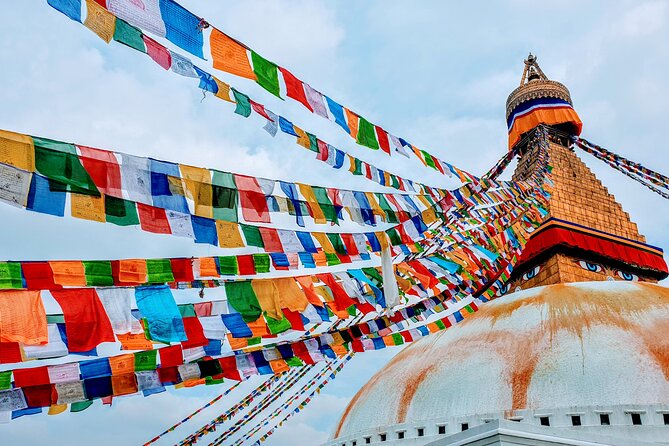
Then you end the day at Boudhanath Stupa (Boudha). If Swayambhunath is about climbing up into Kathmandu’s view, Boudhanath is about staying grounded. The area carries Tibetan influence from the old trade-route history, and the stupa itself has those iconic Buddha eyes that look out over the square. Expect monks chanting, prayer flags moving in the wind, and that unmistakable Tibetan Buddhist atmosphere around the monument.
Tip for your first day: wear shoes you can climb in. Even if you’re not “trekking,” Kathmandu temple areas can mean steps, uneven stone, and a steady flow of people.
You can also read our reviews of more tours and experiences in Kathmandu.
Why Bandipur is a smart reset between Kathmandu and trekking
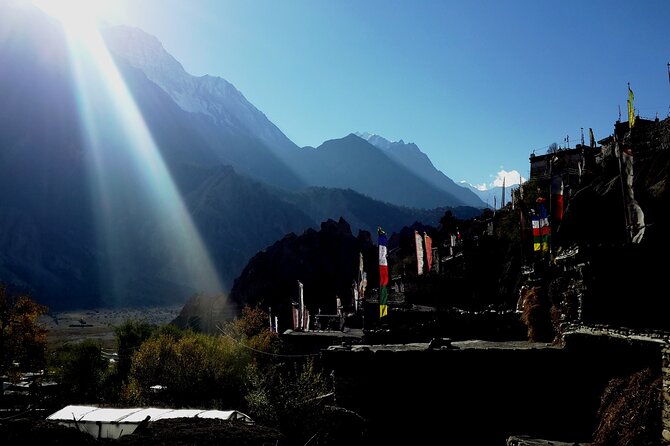
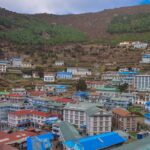
Day 2 is your transition day, and I love this strategy. After Kathmandu’s density, you head to Bandipur, a hill town known as a former trading route between India and Tibet and especially recognized for Newari culture.
The drive is about 5–6 hours, and you’re not just stuck in a vehicle the whole time. You pass hills, villages, rivers, and vegetation, which turns the trip into a moving postcard. Along the way there’s a local lunch stop in the middle of the route.
Once you arrive, you check in at a hotel and do the best kind of sightseeing: walking. Bandipur is the sort of place where you can wander old lanes and feel how the town works. Dinner is at the hotel, and you sleep overnight in Bandipur—perfect for letting your body adjust before you start the Annapurna segment.
Potential drawback to note: Bandipur is relaxing, but it’s not a beach getaway. You’ll still be moving through another country day-to-day, so keep expectations realistic and pack for cool mountain evenings.
Pokhara’s lake time plus Sarangkot sunrise (aka the “good morning” day)
You travel from Bandipur to Pokhara on Day 3 (again, about 5–6 hours). Pokhara is where the trip starts feeling more like classic Nepal: hills, open views, and water. After checking in and resting, you head out to Phewa Lake for an evening hangout. This matters more than it sounds. After temple-heavy sightseeing, lake time gives you a mental breather.
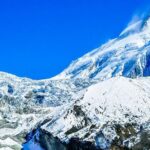
On Day 4, you wake up early and drive to Sarangkot for sunrise. This is the stop that makes a lot of people understand why they came to Nepal. From Sarangkot you get views that include Machhapuchhre, Annapurna peaks, and other surrounding mountains. Then you head back for breakfast and spend the rest of the day exploring Pokhara.
You’ll cover highlights like David’s Falls, the World Peace Stupa, Bindabasini Temple, and Mahendra Cave. There’s a good balance here: one part scenic and one part sightseeing/curiosity. And because lunch and dinner are on you in Pokhara, you can adapt to what you’re craving—simple comfort food or something more local.
Real-world advice: sunrise days are fun, but they’re also early. Bring a layer that actually keeps you warm in the morning. The early start is worth it, but being underdressed can turn sunrise from magic into misery.
Dhampus and Australian Camp: the soft trek that still feels real
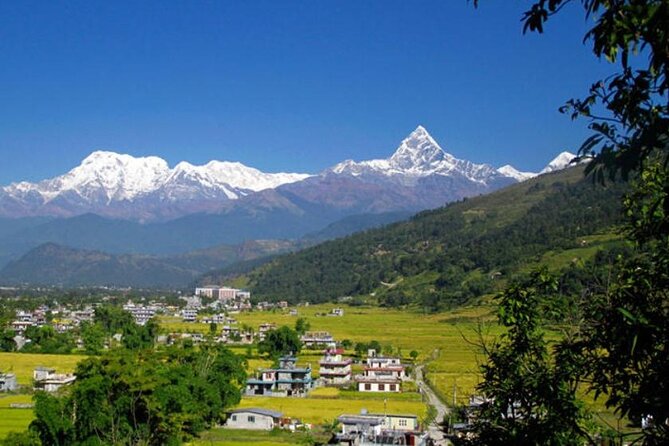
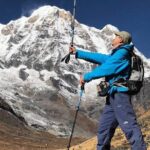
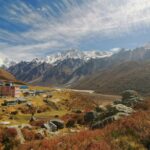
Day 5 shifts from town exploring into mountain hiking with a softer pace than the major Annapurna circuits. You reach Dhampus, a classic transit point for treks heading toward Annapurna Base Camp and Ghorepani Poon Hill. Even if you’re not doing the full famous routes, Dhampus gives you mountain context fast.
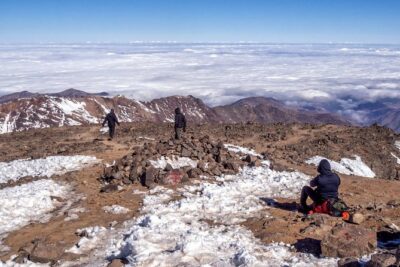
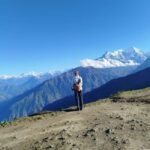
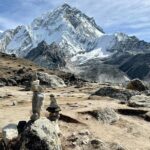
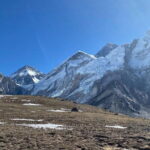
From Dhampus you’re looking at multiple named peaks including Dhaulagiri (8167m), Annapurna South (7219m), Himchuli, Lamjung Himal, and Fishtail. That variety matters because it changes the feeling of the horizon—your view isn’t one single mountain, it’s a whole lineup.
Meals are included on this day: breakfast, lunch, and dinner, and you sleep overnight in Dhampus. This is a big quality-of-life point. With trekking portions, it’s easier when you’re not constantly making decisions about food.
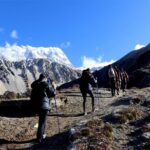
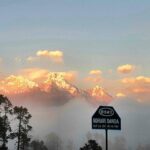
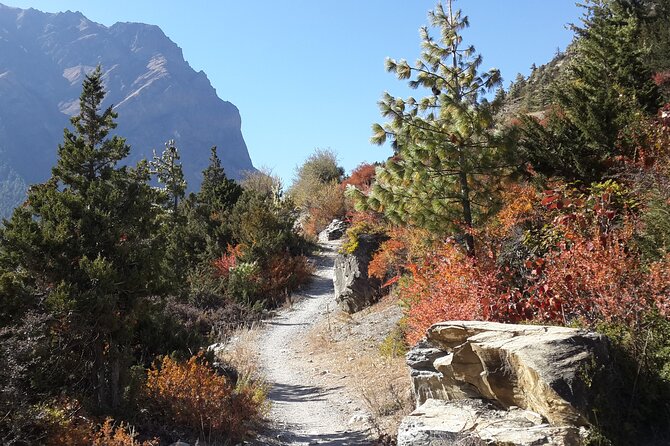
Then on Day 6 you hike to Australian Camp, the payoff day for many people. The promise here is not just a view at the destination. The route includes forest walking, moving along hillsides, and passing through mountain villages. The best part is the timing: sunrise through sunset shifts the colors in the Annapurna range, and you’re in the right spot to watch it happen.
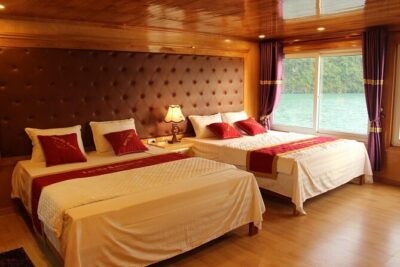
You spend the night at a tea house at Australian Camp, and again all three meals are included. This is where the trip earns its “community and culture” claim. You’re not just photographing scenery; you’re spending time in a living trekking pocket where life keeps moving even when the hikers come and go.
One consideration: tea-house style overnight means you should expect simpler lodging than city hotels. The tour does include the basics through meals and organization, but it’s still a mountain-night experience.
Patan Durbar Square: Newari artistry in walking distance from old Kathmandu
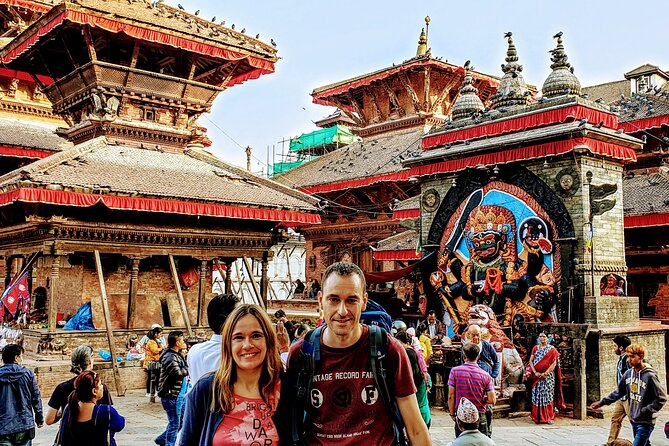
Day 7 brings you back to Kathmandu, but it doesn’t feel like a return to Day 1. This is more about architecture and craft.
You visit Patan Durbar Square, one of three Durbar Squares in the Kathmandu Valley known for Newari architecture. It’s not just one monument. The area includes ancient monuments, temples, shrines, statues, and idols. The scale is part of the awe: you have mention of hundreds of stupas, courtyards, and major temples across the area.
The square itself is known for a red-brick paving style from ancient periods, so you get a clear sense that this isn’t a recreated theme-park. It’s built into the city fabric.
From a pacing point of view, this day feels great after trekking. Your legs may be tired, but you’re in a place where walking is meaningful rather than strenuous.
Bhaktapur and Namo Buddha: culture, then calm
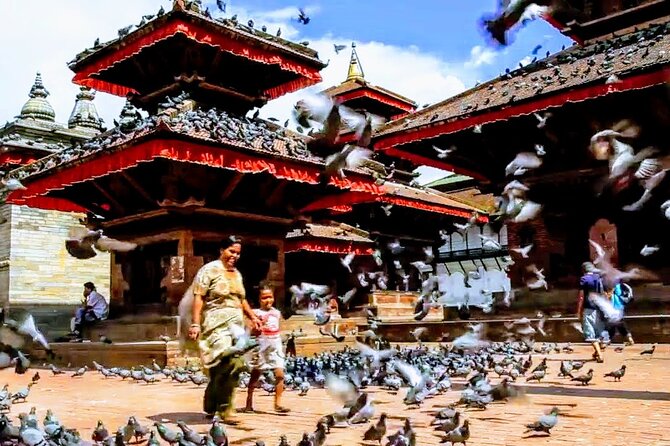
On Day 8 you start with Bhaktapur, described as City of Culture and Living Heritage. It’s also framed as an open museum and a place tied to spiritual devotion. The key idea here is that Bhaktapur isn’t only about sightseeing buildings—it’s about how Newari culture shows up in daily life: festivals, traditional dances, and local crafts.
Then you drive to Namo Buddha, one of the sacred Buddhist pilgrimage sites near Kathmandu. This stop is more quiet and reflective than the Durbar Square energy. You visit around the monastery for a spiritual, peaceful time and also get a panoramic view of the region. Lunch is included around the area.
After that, you return to Kathmandu and share a farewell dinner together to wrap up the trip and trade notes on what you noticed and what surprised you.
Why this ending works: you close with calm after a week of motion. It makes the memories easier to absorb.
Price and what you’re really paying for ($1,395 value math)
At $1,395 per person for an 8-day Nepal mix, this package isn’t trying to be the cheapest option. It’s more like you’re paying for less friction—private transport, organized timing, accommodations, and the fact that many admissions and key meals are handled.
Here’s what you get that tends to cost more when you plan solo:
- Private transportation throughout the core route
- Accommodation included for the nights built into the plan
- All fees and taxes included
- A structured food plan in the trekking days: Dhampus and Australian Camp have breakfast/lunch/dinner included
- Some admissions included (not all)
What’s not included matters too:
- Lunch in Kathmandu on Day 1 isn’t included, and in Pokhara you’ll choose meals.
- Tips and donations aren’t included, and that’s normal in Nepal travel.
So, is it good value? For most first-timers, yes—especially if you’d rather spend your energy on the temples and mountains than figuring out transport and timing. The reviews also suggest the operator is responsive and serious about planning, with Shiva noted for English/German communication and a calm approach even when traffic can feel chaotic for Europeans.
Who should book, and who might want a different Nepal plan
This tour is a good fit if:
- You’re a career breaker, sabbatical traveler, or solo traveler who wants both meaning and movement
- You want Kathmandu’s spiritual sites plus a soft trekking experience without committing to a long multi-week trek
- You prefer private group comfort and clear logistics
It might not be ideal if:
- You hate early mornings (Sarangkot sunrise is part of the deal)
- You want every single meal included, every day (some meals are on your own in Kathmandu and Pokhara)
- You’re looking for only one focus (this is a mix by design: temples + hill towns + Annapurna foothills)
What stands out most (based on real traveler patterns)
When people rate this type of Nepal trip highly, it usually comes down to one thing: the plan feels like it’s under control. The feedback you can trust here is about organization and the human side—Shiva is repeatedly described as friendly, easy to work with, and able to answer questions about Nepal trekking and spiritual travel. People also mention that English/German communication helped, and that accommodations and arrangements felt well-matched to the group.
The other consistent win is pace with variety. You get Kathmandu’s spiritual density, then hill-station calm in Bandipur, then scenic Pokhara, then mountain walking and a tea-house night at Australian Camp, then Newari heritage in Patan and Bhaktapur.
Should you book this 8-day Nepal trek and tour?
If you want an 8-day Nepal experience that gives you Kathmandu spirituality and a real Annapurna-region trekking night without grinding your body into dust, I’d say this is a strong option. You’re not buying a “hard adventure” package—you’re buying a balanced route with private transport and meal support on the trekking portion.
Book it if you like the idea of sunrise views, temple wandering, and a guided plan that keeps the day-to-day stress low. Just be ready for a couple of meals on your own schedule and pack for cool mornings and mountain evenings.
FAQ
What time does the tour start?
The start time is 8:00 am.
Where does the tour begin and end?
It ends back at the meeting point, and it’s a private tour/activity for your group.
Is pickup available?
Yes, pickup is offered.
Is this a private group tour?
Yes. This is private, meaning only your group participates.
What’s included in the price?
Included items are private transportation, all fees and taxes, accommodation, and meals as listed (breakfast 7, dinner 4, lunch 4).
Are temple admissions included?
Some are included. For example, admission is included for Swayambhunath and Boudhanath, while Pashupatinath admission is listed as not included. Other days are marked free for admission in the plan.
How much trekking is involved?
It’s described as a soft trek. You’ll hike from Dhampus area to Australian Camp and spend the night at a tea house at Australian Camp.
What should I budget for that isn’t included?
Personal expenses and tips/donations are not included.
What cancellation terms are available?
Free cancellation is available if you cancel up to 24 hours in advance for a full refund.
If you want, tell me your travel month and whether you prefer early starts or slower mornings, and I’ll suggest what to pack and how to plan your own meal strategy for the days that aren’t fully included.