REVIEW · NAYA PUL
Pokhara: Amazing 7-Day ABC Trek with Natural Hot Spring
Book on GetYourGuide →Operated by Himalayan Nomad Treks Pvt. Ltd. · Bookable on GetYourGuide
Annapurna Base Camp feels like a finish line. This 7-day trek from Pokhara builds up to the big 4130m payoff, then rewards you with a soak in Jhinu Dada hot spring to loosen those hiking legs.
Two things I like most: the way the route mixes jeep days with satisfying hiking, and how the trek is run with an English-speaking guide who keeps the trip smooth and safe. One possible consideration is altitude plus long walking days, so you’ll want to pace yourself and be ready for a real trek week.
In This Review
- Key Takeaways Before You Go
- Why This ABC Trek From Pokhara Feels Like Good Value
- Day 1: Lakeside Pokhara (800m) to Chhomrong (2200m)
- Day 2: Chhomrong to Dovan (2400m) and the Modi River Moments
- Day 3: Dovan to Deurali (3200m) Through Rhododendron and Bamboo
- Day 4: Deurali to Annapurna Base Camp (4130m) for the Big Day
- Day 5: Annapurna Base Camp to Sinuwa (2200m) and the Art of Letting Go
- Day 6: Sinuwa to Jhinu Dada Hot Spring (1600m) for Real Recovery
- Day 7: Jhinu Dada to Lakeside Pokhara and That Last View Moment
- Guides, Safety, and Pace: Why This Trek Can Feel Smooth
- What’s Included (and What You’ll Still Need to Pay For)
- Who This Trek Fits Best
- What to Pack for ABC Comfort (From the Given Checklist)
- Should You Book This Annapurna Base Camp Trek?
- FAQ
- What is the highest altitude on this trek?
- How long is the Annapurna Base Camp hiking day?
- Are meals included during the trek?
- Is pickup from Pokhara included?
- Do I need trekking permits?
- Is a porter included?
- How does cancellation work?
Key Takeaways Before You Go
- Jeep-to-trail pacing: shorter trek days up top make the week feel doable
- Real Annapurna Base Camp day: a clear goal at 4130m with dramatic mountain views
- Forest, villages, and river crossings: you’ll get variety, not just uphill
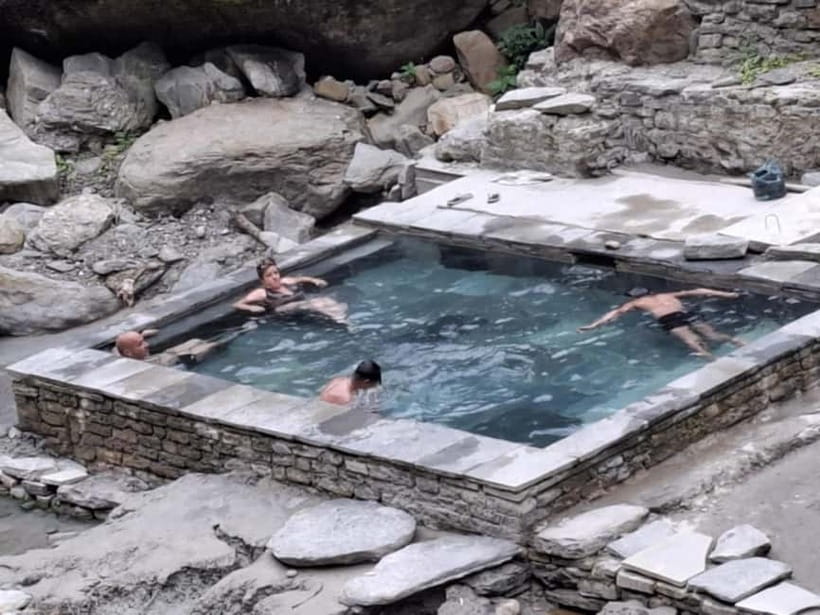
- Jhinu Dada hot spring recovery: warm water at 1600m to reset aching muscles
- Full package support: permits, meals on the mountain, and an experienced guide are handled for you
Why This ABC Trek From Pokhara Feels Like Good Value
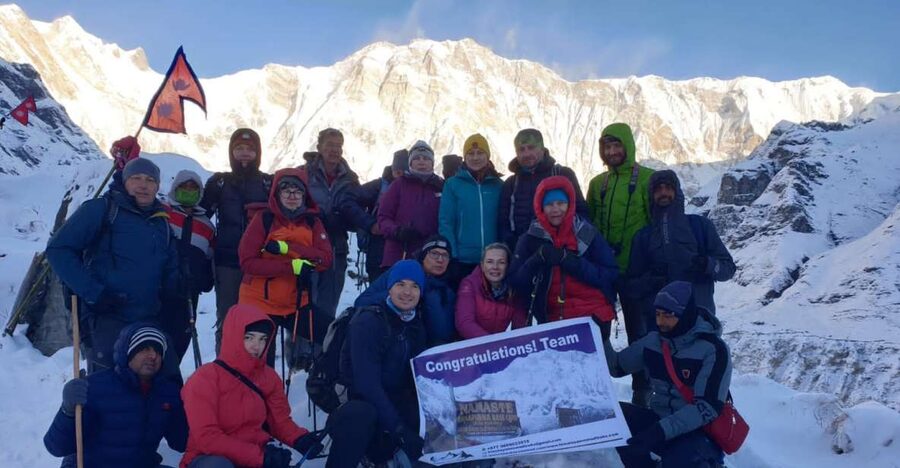
At $200 per person for a 7-day Annapurna Base Camp itinerary, the value isn’t just the price tag. It’s what that price typically covers in a well-run trek: permits and paperwork, a guide (with insurance and all their trek costs), medical kit support, and lodging and meals during the trek when you choose the full package.
This one starts in Pokhara’s Lakeside area (and your pickup can be anywhere in the Pokhara Valley), then uses a sensible mix of driving and walking. That matters because Annapurna treks can feel like pure slog if you’re doing too much travel and too much uphill in the same day. Here, you’ll hike long enough to feel like you earned the views, but not so long that each day becomes a survival test.
And then there’s the hot spring ending. Not a tiny symbolic dip—Jhinu Dada hot spring is part of the itinerary at 1600m, after your base-camp climb and descent. It’s a smart way to end the week with something you can feel the next day.
You can also read our reviews of more tours and experiences in Naya Pul.
Day 1: Lakeside Pokhara (800m) to Chhomrong (2200m)
This is your “get your feet moving” day, but it’s not all hiking. You’ll leave Lakeside Pokhara after breakfast, and spend about 4 hours by jeep heading out toward the trailhead area (the route includes views of the Seti River, mountains, and green paddy fields). The drive portion helps you start the trek already focused, without burning daylight just to reach altitude.
After the jeep segment, you hike for about 3 hours to Chhomrong, gaining from 800m up to 2200m. Chhomrong is one of the classic Annapurna villages because it sits at the right height to make the mountain scenery start feeling serious. It’s also a good cultural first stop: you’ll pass through local farmland scenery and get a feel for village hospitality before the route gets steeper and wilder.
What to watch: jeep days can make you feel like you did something easy—then the uphill hike hits. Keep your pace calm and don’t try to “win day one.”
Day 2: Chhomrong to Dovan (2400m) and the Modi River Moments
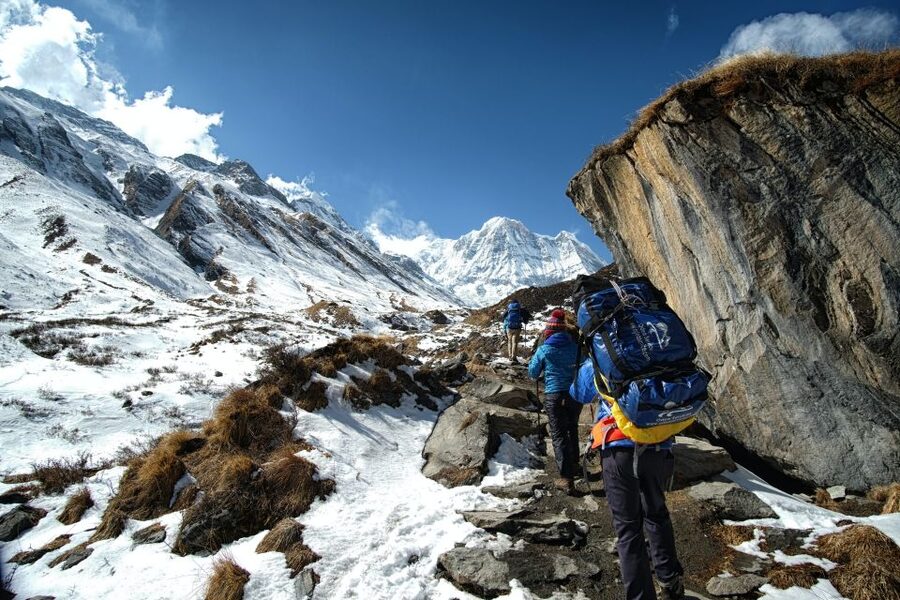
Day 2 is where the Annapurna region shows you why people come here again and again. You’ll hike around 5–6 hours from Chhomrong up and onward to Dovan at 2400m.
The route goes through lush forest sections and includes suspension bridge crossings. Those bridges aren’t just scenic photo stops—they help break up the monotony of continuous uphill. Plus, you’ll get your first real sense of scale from river valleys as you cross and look out toward the Modi River.
You’ll also see big views of the Annapurna and Machhapuchhre area along the way. Machhapuchhre (the fishtail peak) often gets attention in Nepal for a reason: when it lines up in the distance, it can make the day feel like it has a soundtrack.
A practical note: forest trails can be slippery when conditions change. Use hiking shoes you trust, not your “good enough” pair.
Day 3: Dovan to Deurali (3200m) Through Rhododendron and Bamboo
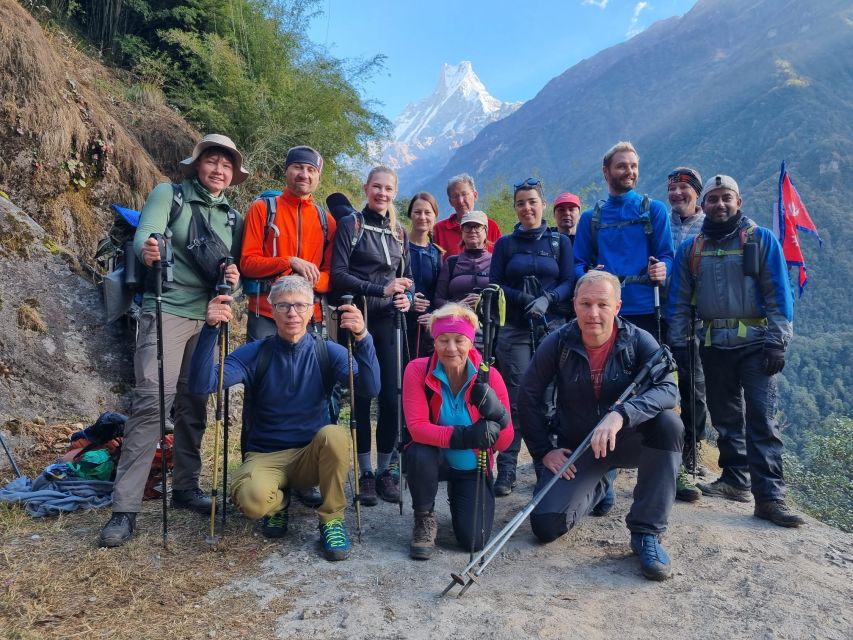
This day goes to 3200m in about 6 hours, so it’s a bigger altitude step than day two. The route continues through rhododendron and bamboo forests, which is a nice mix because it changes both the scenery and how the trail feels underfoot.
Along the climb, you may encounter waterfalls—exactly the kind of thing you notice more when you’re not rushing. When the trail winds and your effort is steady, waterfall interruptions become mental resets instead of distractions.
Reaching Deurali is a turning point. You’ll arrive surrounded by high-country scenery and a calmer, more “Himalaya” feel than lower villages. This is also a day where the temperature can shift noticeably: cool air at elevation is part of the deal, even if Pokhara feels mild.
Your best move: hydrate consistently and keep snacks ready. If you wait until you feel hungry, you’ll end up walking slower and more stressed.
Day 4: Deurali to Annapurna Base Camp (4130m) for the Big Day
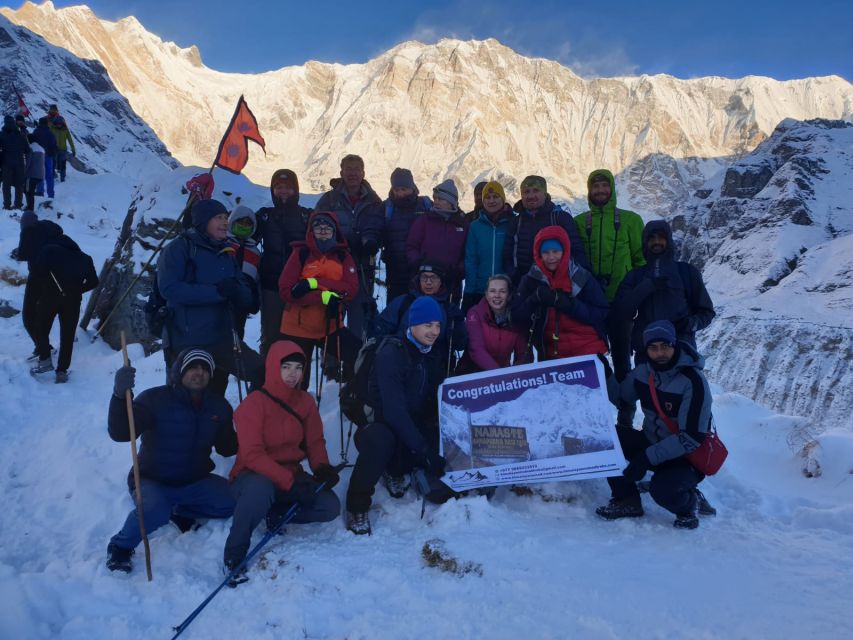
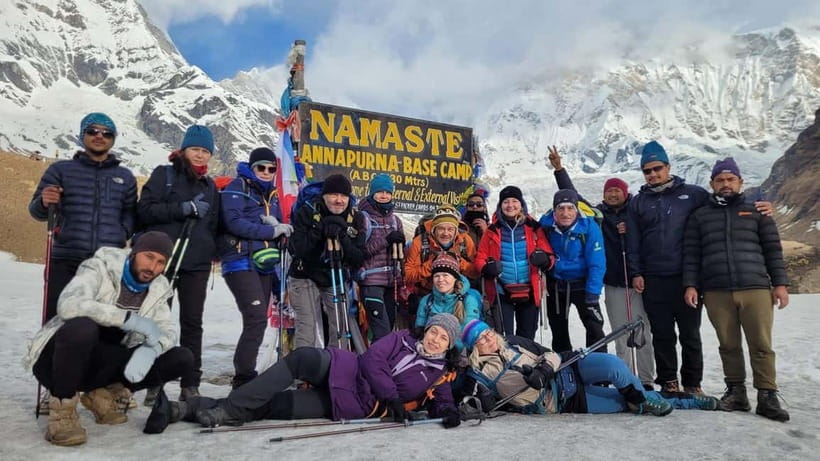
Day 4 is the reason you booked: the trek from Deurali (3200m) to Annapurna Base Camp at 4130m in about 6 hours.
You start climbing toward the legendary amphitheater of peaks. It’s described as an iconic mountain setting because the terrain funnels your attention upward. The views at base camp tend to feel dramatic because you’re surrounded by towering slopes, glaciers, and snow-capped peaks—not one mountain, but a whole cluster working together.
This is also where you feel the altitude most. Even if you’ve been fine on prior days, the final push can take longer than you expect. That’s why pacing matters and why a good guide is more than a translator. In practice, experienced guides like Jeet or Prakash (names seen in the trek’s history of guiding) help match the tempo to the group and keep you safe during the final climb.
What I’d tell you to do here: treat the last stretch like a steady jog, not a sprint. You want to arrive able to enjoy it, not arrive wrecked.
Day 5: Annapurna Base Camp to Sinuwa (2200m) and the Art of Letting Go
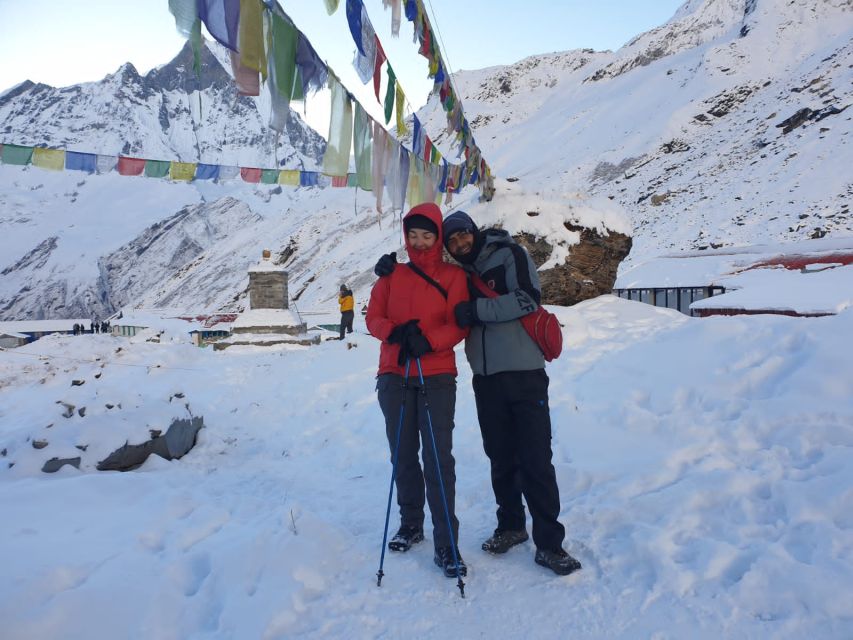
After the base-camp day, you head back down to Sinuwa (2200m). The plan is about 7 hours, and it’s a return along the route you used earlier.
This day is long, but it’s not the same kind of hard as uphill. Descent requires focus. Your knees and ankles do the work now, and the trail can feel endless if you don’t break it into sections mentally.
I like this design because it gives you a chance to reflect. When you’re descending, you can re-notice things: how the forest density changes, how rivers look from a different angle, and how the mountains keep reappearing through gaps in the trail.
Sleeping in Sinuwa at 2200m also helps you reset after the 4130m high. You’re not back to sea level, but your body gets a bit of a break before the final hot spring day.
Day 6: Sinuwa to Jhinu Dada Hot Spring (1600m) for Real Recovery
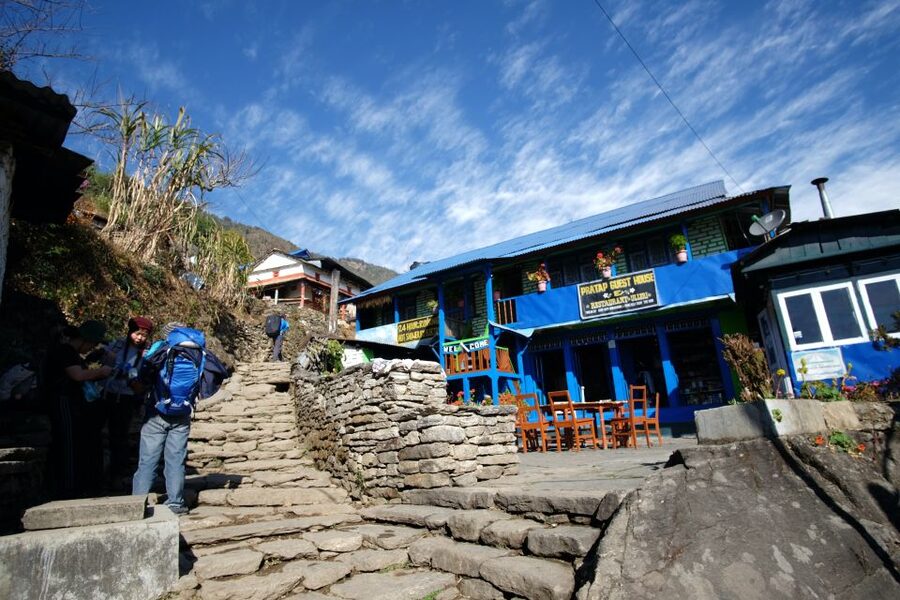
Day 6 is the payoff for all the walking. You’ll trek from Sinuwa down toward Jhinu Dada Hot Spring (1600m) in about 5 hours.
This descent sets you up for the warm-water reward. The hot springs are a natural way to ease tired muscles after days of climb and then a long descent. When your body feels heavy, warm water can do something cold air and motivation can’t.
The setting also matters. Natural hot springs tend to feel quiet and simple—no need to make it a big ceremony. You’ll just soak, rinse off, and enjoy the fact that tomorrow is mostly getting back to Pokhara.
Practical consideration: bring a towel. The checklist includes one for a reason.
Day 7: Jhinu Dada to Lakeside Pokhara and That Last View Moment
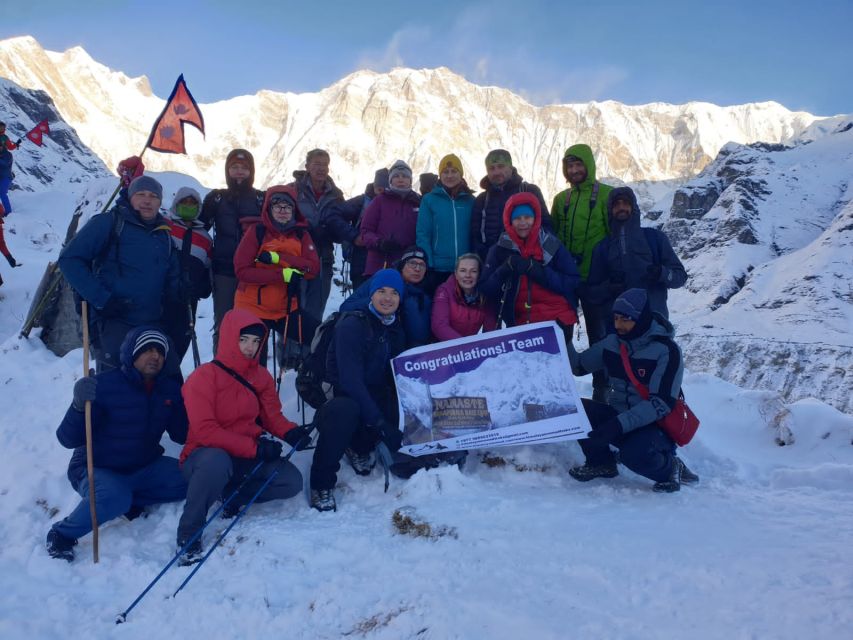
Your final day is lighter. After breakfast, you’ll trek about 2 hours, then take a jeep back to Pokhara. The goal is to end in Lakeside with enough time to decompress and enjoy the post-trek feeling.
It’s also a good day to double-check your trekking gear and personal items, because the trek week can blur together. A quick inventory now helps you avoid that classic Nepal-travel mistake: realizing you left something essential behind after you’ve already reached town.
When you return to Lakeside, you’ll likely feel a mix of relief and calm. That’s normal after an ABC trek: you’ve climbed to a famous altitude, you’ve walked through villages and forest, and now your body wants to say thanks.
Guides, Safety, and Pace: Why This Trek Can Feel Smooth
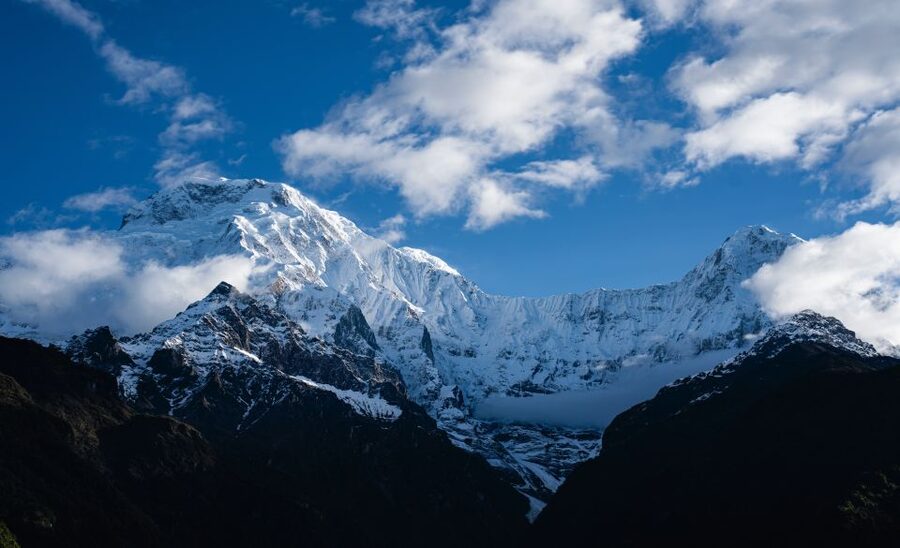
A trek can be “good on paper” and still feel chaotic in real life. What makes this style of ABC trek work is that a guide handles the running parts that most people don’t want to think about: route timing, on-the-ground decisions, and keeping an eye on the group.
English-speaking guidance is part of the offering (English, Hindi, and Nepali). That matters because you’ll get explanations that make the region feel understandable, not just scenic. In past experiences with this trek format, guides like Niraj and Ghanshyam Silwal have been noted for being extra helpful with pace and safety—adjusting tempo to the hikers, staying alert to how people feel, and keeping the mood upbeat.
There’s also a social side to the week. In many ABC treks, the evenings can get repetitive unless your group gets a spark. Some guides bring a playful energy—games, light conversation, and a steady reminder to keep the focus on hiking rather than stress.
Even with a guide, you should still own your personal safety: take altitude seriously, don’t push when you feel off, and speak up early if something feels wrong.
What’s Included (and What You’ll Still Need to Pay For)
Here’s the practical picture of what’s covered, based on the offering details.
Included:
- Hotel pickup and drop-off (including anywhere in Lakeside and Pokhara Valley)
- Trekking permits and required paperwork (including TIMS fee(s))
- A medical kit
- Accommodation during the trek
- Meals during the trek for the full package option (breakfast, lunch, dinner)
- Guide support (including guide insurance and all guide-related costs)
- Transportation as per itinerary for full package (shared bus for non-full package)
Not included:
- Soft and hard drinks
- Travel and rescue insurance
- Entrance fees during sightseeing
- International flights and Nepalese visa fee
- Porter (available to purchase)
- Lunch and evening meals in Pokhara
- Personal expenses (phone calls, laundry, charging, extra items)
- Extra nights in Pokhara if your schedule changes outside the planned itinerary
My take on value: this package reduces the amount of logistics you have to manage on your own. That’s worth money. But you still need to budget for personal costs and you should not skip travel insurance, especially for a trek that reaches 4130m.
Who This Trek Fits Best
This ABC trek suits hikers who want a classic route without turning the whole week into nonstop misery. You get real mountain goals, plus enough downhill and recovery time to keep momentum.
You’ll likely enjoy it if you:
- like steady daily hikes around 4–7 hours rather than extreme day-to-day suffering
- want village + forest variety, not just a single trail type
- appreciate a clear finish with natural hot spring recovery
- prefer a guide who manages the moving parts and keeps the group comfortable
It may feel less ideal if you’re brand-new to trekking or you expect a fully relaxed vacation pace. There’s walking every day, and the altitude is real.
What to Pack for ABC Comfort (From the Given Checklist)
The provided packing list is simple and practical. Use it.
Bring:
- Passport or ID card
- Trekking shoes
- Long pants and a jacket
- Sunscreen and sunglasses
- Sunscreen matters more at altitude than you think
- A sleeping bag
- Towel (important for the hot spring day)
- Hiking gear and a basic t-shirt
- Camera
- Cash
My advice: double-check your shoe comfort before you leave. On trek weeks, foot pain spreads fast, and there’s no shortcut once you’re on the trail.
Should You Book This Annapurna Base Camp Trek?
If you want the famous ABC experience, but you don’t want to manage permits, timing, and daily logistics yourself, this is a strong pick. The itinerary makes sense: jeep segments reduce wasted travel, the hiking days build gradually, base camp is a clear high point, and the hot springs give you a satisfying way to recover at the end.
I’d recommend booking if:
- you’re ready for 7 days of hiking with changing altitude
- you want the hot spring finish (it’s not an optional add-on here)
- you value having an experienced English-speaking guide
I’d think twice if:
- you’re not comfortable with altitude or long walking days
- you expect everything to be lightweight and easy from start to finish
If you can handle a real trek week with good pacing, this looks like an excellent way to see the Annapurna region and come back feeling restored, not just tired.
FAQ
What is the highest altitude on this trek?
Annapurna Base Camp is listed at 4130m, which is the highest point on the itinerary.
How long is the Annapurna Base Camp hiking day?
On Day 4, the trek from Deurali to Annapurna Base Camp is listed as about 6 hours.
Are meals included during the trek?
Yes, meals (breakfast, lunch, dinner) are included during the trek for the full package option.
Is pickup from Pokhara included?
Yes. Hotel pickup and drop-off are included, and pickup is available from Lakeside, Pokhara Airport, and the entire Pokhara Valley.
Do I need trekking permits?
Trekking permits and the required paperwork are included in the package.
Is a porter included?
A porter is not included, but porter service is available for purchase.
How does cancellation work?
The offer includes free cancellation up to 24 hours in advance for a full refund.