REVIEW · POKHARA
4 Day Mardi Himal Base Camp Trek from Pokhara
Book on Viator →Operated by CAN Travels · Bookable on Viator
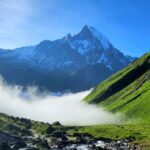
Mardi Himal is short enough to fit. This 4-day trek from Pokhara is a practical way to chase big Himalayan views without committing to weeks on the trail. You’ll climb from Kande through forests and villages toward Mardi Himal Base Camp, with peaks like Machhapuchhre, Annapurna, and Hiunchuli often in your sights.
Two things I really like about this trip: the smooth organization built around official permits and transport, and the human touch from guides such as Krishna and Biru. The experience is also designed around tourist-standard guest houses, which keeps your nights simple and predictable.
One drawback to consider: the trek includes food and drinks are not included, so you’ll need a daily budget for meals along the way. Also, day 1 and day 3 are not just a stroll—some steeper sections show up when you least want them.
In This Review
- Key Highlights Worth Your Time
- From Pokhara to Kande: The Drive That Sets the Tone
- Day 1 to Forest Camp: Forest Trails, Villages, and Steeper Footing
- Day 2 to High Camp: Gradual Ascent, Mountain Views, and a Longer Day
- Day 3 to Mardi Himal Base Camp: The Steeper Push for the Big Moment
- Day 4 Back to Pokhara: Forest Descent, Villages, and Timing the Ride Home
- Price and Logistics: What $290 Covers (and What You Must Budget)
- The Guide Factor: How Krishna, Biru, and Birendra Change the Trek
- Accommodation on the Trail: Tourist-Standard Guest Houses
- Pacing and Fitness: Who This Trek Fits Best
- Should You Book the 4-Day Mardi Himal Trek from Pokhara?
- FAQ
- How long is the 4 Day Mardi Himal Base Camp trek?
- Where does the trek start from?
- What time is the meeting point?
- Is an English-speaking guide included?
- Is accommodation included during the trek?
- Are meals included in the price?
- Does the tour include permits and official documents?
- How do you get back and forth from Pokhara?
- Is there a cancellation refund if plans change?
Key Highlights Worth Your Time
- A tight 4-day schedule that focuses on reaching Mardi Himal Base Camp without dragging out the days.
- Permits, entrance fees, and documents included, so you’re not scrambling for paperwork.
- English-speaking guide support (and the trail coaching you get from guides like Krishna, Biru, and Birendra).
- Guest house nights during the trek, with accommodation arranged for you.
- Forest-to-summit hiking rhythm: rhododendron-style forest trails up, then a descent through villages on day 4.
From Pokhara to Kande: The Drive That Sets the Tone

This trek starts in Pokhara, then you’ll transfer about an hour to Kande. That short ride matters more than it sounds. It helps you begin with momentum instead of losing half a day to transportation, and it also gives you time to settle before the first real climb.
One detail to plan around: the listed meeting start time is 7:15 pm. That’s an evening time, while the trek itself is clearly structured by hiking days starting from Kande. So treat 7:15 pm as your meetup time for coordination, not as a guarantee that you’ll start hiking immediately at night. Before you go, confirm the exact timing for your pickup and when you’ll depart for Kande.
You’ll also be dealing with the usual Nepal reality: schedules can flex a bit depending on road conditions and group timing. That’s not bad, as long as your operator is organized. The best part of this setup is that hotel pick up and drop off are included, so you’re not guessing how to get back after the trek.
Bottom line: if you want a trek that feels efficient from the moment you leave Pokhara, this is one of the more straightforward ways to get to the Mardi Himal trailhead.
You can also read our reviews of more tours and experiences in Pokhara.
Day 1 to Forest Camp: Forest Trails, Villages, and Steeper Footing
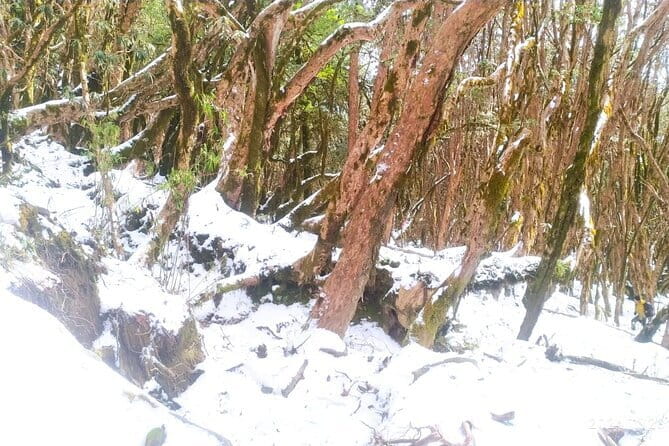
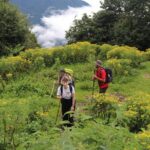
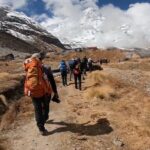
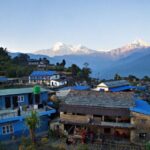
Day 1 is where you feel the Annapurna region in your legs. After arriving at Kande, the hike goes through lush forest and village paths, which makes the early miles feel human and alive rather than empty trail.
You should expect about 5 to 6 hours of hiking to reach Forest Camp. The important word here is steep. The route includes sections that are uphill enough to slow you down, even if you’re otherwise fit. This is also the day you want to start with steady pacing. If you go hard early, you’ll feel it later when you’re climbing on tired legs.
Why Forest Camp works as a first-night stop: it’s a buffer. It’s not “summit day,” so you can get into rhythm without being crushed right away. And since the trek passes through villages, you’ll likely notice local life along the trail—houses, terraces, and the everyday fabric of the area rather than just mountain scenery.
Also, remember this is a tea-house/guest-house style trek. You’ll be staying in tourist-standard accommodations arranged for you, which is a relief on day 1. You don’t want to spend your energy worrying about beds or finding the next place to eat.
If you’re the kind of traveler who likes a warm start, this day is a good mix: forest shade, village atmosphere, and a climb that sets you up for the next leg.
Day 2 to High Camp: Gradual Ascent, Mountain Views, and a Longer Day
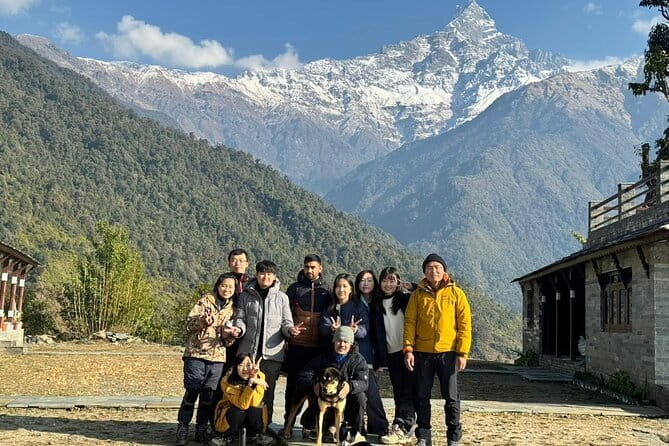
Day 2 stretches longer, roughly 6 to 7 hours to reach High Camp. The good news is that the day begins with a gradual ascent through the forest. That matters because it gives you a chance to work your heart rate into the climb instead of spiking it immediately.
The itinerary highlights a Low Camp guest house and restaurant stop. Even if the names sound a little confusing, the practical point is simple: you’ll have a place to pause, eat, and reset while you keep gaining height. Then you continue up to High Camp.
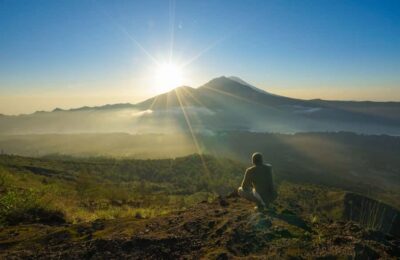
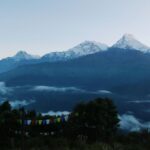
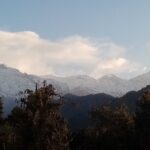
As you climb higher, you’ll get better mountain views. Peaks are the main attraction of Mardi Himal, and day 2 is often when the sky opens up and you can start picking out silhouettes. This is where the trek starts feeling like more than just hiking—it becomes navigation by view.
One thing to watch: day 2 is long enough that you shouldn’t plan big breaks. Take short rests, drink steadily, and keep moving. High Camp as a destination also sets up day 3, which is when the trail gets steeper again and your final effort begins.
You’ll stay in tourist-standard guest house accommodation arranged by your operator, and that reduces friction. Food itself is not included, though. So if you like predictable meal planning, budget for lunches and dinners on this day too.
Day 3 to Mardi Himal Base Camp: The Steeper Push for the Big Moment
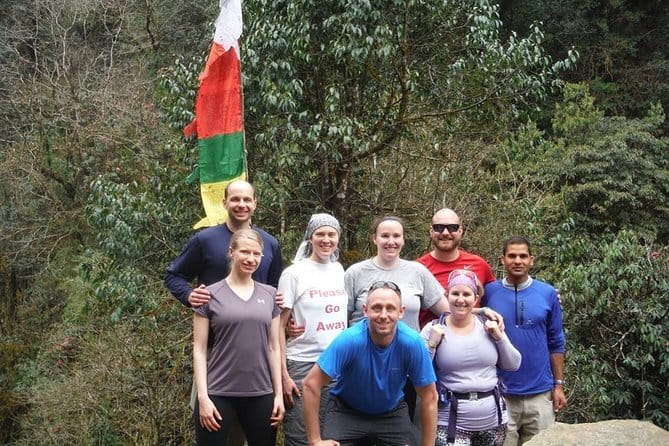
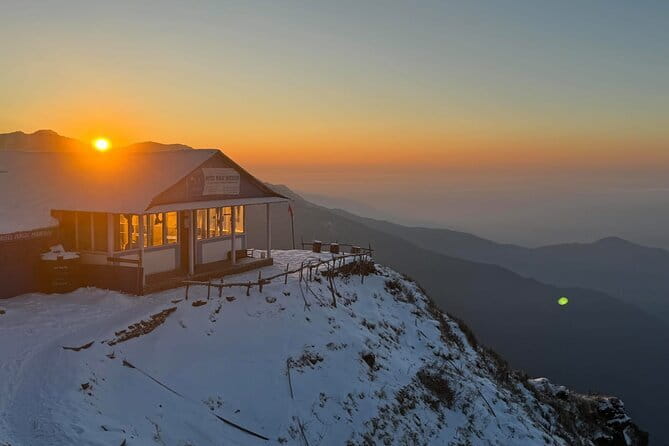
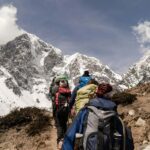
Day 3 is the day most people are here for. After starting from High Camp, the climb becomes steeper. The hike time listed is about 3 to 4 hours to reach Mardi Himal Base Camp, but steep terrain can feel longer than the clock.
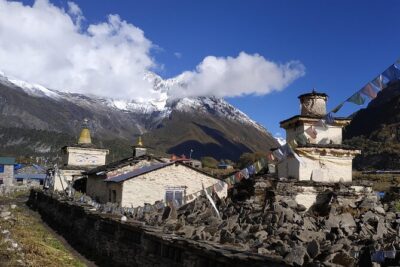
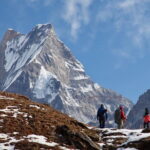
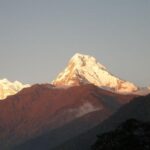
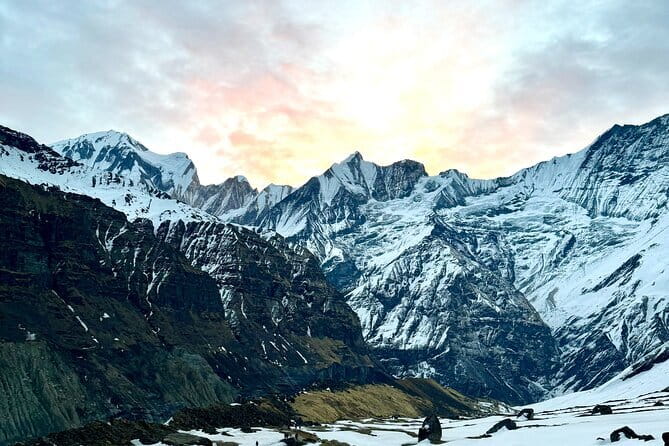
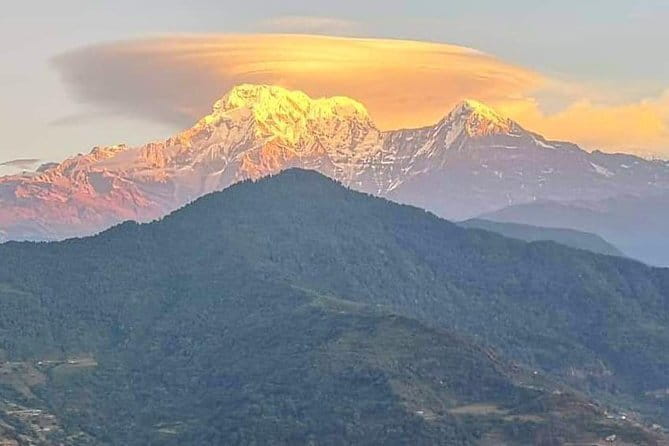
This is also where panoramic views start taking over. From this elevation, you’re looking down and out—valleys, ridgelines, and the huge backdrop of the Annapurna region. The trek overview specifically calls out views of Machhapuchhre, Annapurna, and Hiunchuli, and day 3 is the most likely point in the plan where those features start feeling real.
What I like about this day’s structure is that it’s short-to-moderate in duration, even if it’s physically tougher. That’s a smart compromise for travelers who want a real summit-style payoff without spending half the day fighting elevation fatigue.
Also, you get a guide. The trek includes an experienced English-speaking guide, and multiple guides have been highlighted by name in participant experiences: Krishna, Biru, and Birendra. Real value here isn’t just translation. It’s pacing advice and confidence on the trail when the route tilts upward.
Practical tip: bring your patience for the final stretch. Steep doesn’t mean impossible. It means you’ll be moving slower and using your breathing, not your speed.
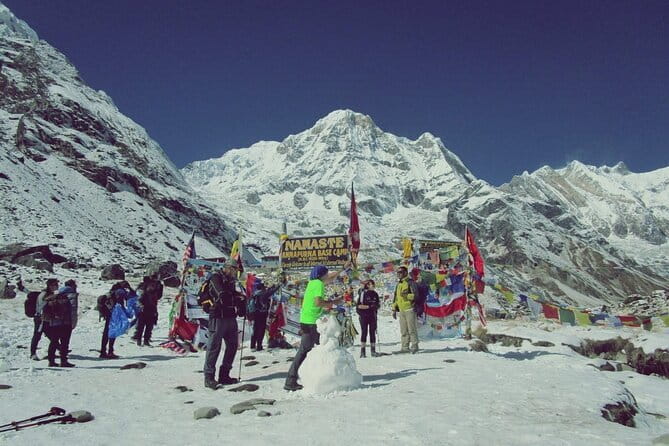
Once you reach Mardi Himal Base Camp, you’ll have earned it. This is the day where the trek stops being a project and becomes a moment.
Day 4 Back to Pokhara: Forest Descent, Villages, and Timing the Ride Home
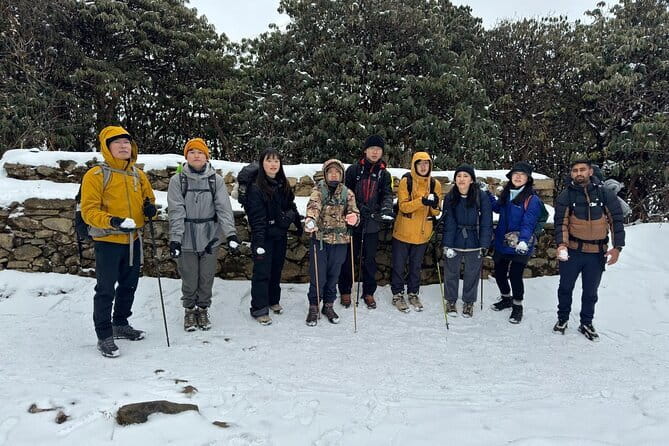
Day 4 is the release day. The trek descends through forests and villages, which usually feels easier mentally than climbing. But don’t confuse descent with rest. Downhill travel can be hard on knees and ankles if you don’t manage your step length and footing.
You’ll hike about 5 to 6 hours to Siding Village. Then you’ll drive back to Pokhara, about 2 to 3 hours. That makes day 4 longer than you might expect, especially if you’re eager to get cleaned up and fed in Pokhara.
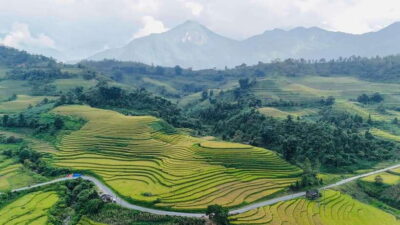
The route continues to show traditional Nepalese houses and terraced fields along the way. This is a nice balance to the earlier days. Instead of only looking up at peaks, you get to focus on the human view: how people live, cultivate, and shape the hillsides.
Accommodation is the only part you’re not thinking about now. The operator handles transport and hotel pick up/drop off, which is a big convenience. Just remember you’ll likely be tired by the end, so plan a relaxing evening in Pokhara after you arrive.
If you’re the type who likes a simple finish—eat, shower, sleep—day 4 delivers that. It’s also a good reminder to bring a little extra energy for the drive home, because you’ll have done the hard part on foot already.
Price and Logistics: What $290 Covers (and What You Must Budget)
At $290 per person, you’re paying for a package that takes care of the big logistics: trekking permit and official documents, an experienced English-speaking guide, round trip transfers from Pokhara by shared bus or jeep, and tourist-standard guest house accommodation during the trek. Entrance fees are included too.
That’s the real value equation. Without a package, you’d still need permits, transport coordination, and a guide to manage the trail and paperwork. Even if you could handle some of that yourself, it’s rarely “cheaper once you count time and stress.”
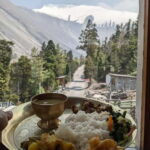
What’s not included is food and drinks. That’s common in trekking packages, but it still affects your total cost. If you budget only for the trek price, you’ll be surprised by the daily spend on meals along the way. I suggest you treat food as a separate budget line, especially on day 2 and day 3 when you’ll be hungry from higher effort.
Gratuities are also optional. That means your guide is supported through tips rather than a fully bundled service charge. If you’re happy with the guidance and how your pace was managed, it’s fair to show appreciation.
One more detail: the tour is listed as private, meaning only your group participates. Private doesn’t always mean you’re alone on the trail, but it does mean the organization is geared to your group’s needs rather than stacking unrelated people into your experience.
For me, this price makes sense if you value planning peace and guided pacing more than DIY time.
The Guide Factor: How Krishna, Biru, and Birendra Change the Trek
A good guide can turn a tough trail into an experience you remember for the right reasons. This trek includes an experienced English-speaking guide, and multiple guides have been specifically named in participant stories: Krishna, Biru, and Birendra.
What that usually signals is consistency. You’re not hoping the person who meets you in the morning is prepared. The guide has trail know-how, helps you manage pace, and keeps you moving with confidence—especially on steeper parts like day 1 and the push toward Base Camp on day 3.
I also like the way the package supports the guide’s role with practical basics: there’s an emergency normal first aid kit with the guide. That doesn’t remove the need for common sense, but it adds comfort when you’re spending days on remote trails.
And this guide support is especially valuable if you’re traveling solo or as a smaller group and don’t want to translate, negotiate, and troubleshoot daily logistics on your own.
If your travel style is independent but not reckless, this is a great middle ground: you still hike, you still set your rhythm, but the key moving parts are handled.
Accommodation on the Trail: Tourist-Standard Guest Houses
You’ll sleep in tourist-standard guest house accommodation during the trek. This is a big deal for a short itinerary like 4 days because it reduces uncertainty. You can focus on the hike rather than chasing the next bed.
Expect guest house life to be simple. The overview also points to cozy tea houses along the way, which fits the overall rhythm of the Annapurna region. In practice, it means your schedule is built around places where hikers actually pass through and where meals are available for purchase.
Comfort level is not luxury, but the value is predictability. Tourist-standard guest houses generally mean you can count on basic shelter, a bed, and a place to warm up after hiking.
One thing to remember: since food and drinks are not included, guest house stays do not automatically mean your meals are handled. Plan to spend for dinner and breakfast at the places you stay.
On a trek this short, the best accommodation strategy is consistency. This package gives you that.
Pacing and Fitness: Who This Trek Fits Best
The trek is recommended for travelers with moderate physical fitness. That’s a useful label because it doesn’t demand marathon-level endurance, but it does require you to handle steep steps and longer walking days.
Here’s how I’d translate the itinerary into effort:
- Day 1: steep spots, 5 to 6 hours. Expect your thighs to complain.
- Day 2: 6 to 7 hours. Longer than it looks, even if the climb is gradual at first.
- Day 3: steeper trail, 3 to 4 hours to Base Camp. Shorter time, harder angle.
- Day 4: 5 to 6 hours descent. Hard on joints, not on motivation.
So if you can handle a few hours of hiking with elevation change and you’re comfortable with stairs and uneven ground, you’re likely in the right zone.
Also consider the weather. The trek overview doesn’t specify seasons, and the itinerary doesn’t mention snow or storms, so you should plan around seasonal conditions you’ll experience in Nepal at your travel time. Ask your operator what they expect for trail conditions in your month.
Should You Book the 4-Day Mardi Himal Trek from Pokhara?
Book it if you want a focused trek with a real summit-style goal, plus the comfort of arranged logistics. The best fit is travelers who:
- want to start in Pokhara and be guided step-by-step by an English-speaking team,
- like guest-house trekking where you’re not hunting for permits and beds,
- and enjoy mountain views like Machhapuchhre, Annapurna, and Hiunchuli without spending weeks hiking.
Maybe skip or ask for more details if you:
- hate steep climbs (day 1 and day 3 have them),
- or don’t want to manage extra daily spending for food and drinks,
- or need very exact timing with minimal schedule uncertainty (the listed meeting time is 7:15 pm, so confirm departure and trek start).
If you’re okay with some uphill grind for a compact adventure, this trek is a strong value package at $290.
FAQ
How long is the 4 Day Mardi Himal Base Camp trek?
It’s listed as 4 days approximately, with hiking days that total around 5 to 8 hours depending on the day.
Where does the trek start from?
You’ll transfer from Pokhara to Kande (about an hour), and the trek starts from Kande.
What time is the meeting point?
The meeting start time is listed as 7:15 pm. Confirm the exact departure time with your provider.
Is an English-speaking guide included?
Yes. The package includes an experienced English-speaking trekking guide.
Is accommodation included during the trek?
Yes. You’ll have accommodation in tourist standard guest house(s) during the trek.
Are meals included in the price?
No. Food and drinks are not included, but they are available to purchase along the way.
Does the tour include permits and official documents?
Yes. The trekking permit and all official documents are included.
How do you get back and forth from Pokhara?
Round trip transfer is included by sharing bus or jeep according to the itinerary, plus hotel pick up and drop off.
Is there a cancellation refund if plans change?
Free cancellation is available. You can cancel up to 24 hours in advance for a full refund. If you cancel less than 24 hours before the start time, the amount is not refunded.