REVIEW · KATHMANDU
14 days Everest Base Camp Trek
Book on Viator →Operated by Ambition Himalaya Treks & Expeditions · Bookable on Viator
Everest Base Camp is one of those trips that can’t really be faked. You get real altitude, Sherpa country village life, and the big-day payoff at Kala Patthar with sunrise-style views.
I like how the trek is built around the rhythm you want on Everest: a flight into Lukla, steady days through Khumbu villages, and built-in time to adjust. I also like the solid package feel here, with domestic flights, permits, and full-board meals included, plus support that stays reachable (Shishir has shown up repeatedly as a responsive point of contact).
The main thing to consider is that mountain travel has weather and flight delays. If you’re the type who hates uncertainty, you’ll want flexibility for the Lukla legs, and you should plan for long, cold, early mornings once you get high.
In This Review
- Key highlights worth paying attention to
- Price and logistics: what you’re really buying for $1,499
- Day 1 in Kathmandu: easy start, early bedtime
- Day 2: Lukla flight and the first steps to Phakding
- Day 3: River walking into Sagarmatha National Park, then Namche
- Day 4: Namche market plus the Everest View Hotel
- Day 5: Tengboche monastery area and rhododendron trails
- Day 6: From Tengboche to Dingboche via Pangboche
- Day 7: Acclimatization day—Nangkartshang Hill and a monastery visit
- Day 8: Lobuche and the Thukla Pass memorials
- Day 9: Gorakshep and Everest Base Camp at dawn
- Day 10: Kala Patthar sunrise—headlamps, cold wind, big payoff
- Day 11: Down to Namche through Tengboche and conifer forests
- Day 12: Namche to Lukla, with river crossings and a lunch stop
- Day 13: Flight back to Kathmandu and a real chance to rest
- Day 14: Wrap-up day in Kathmandu
- What’s included vs not included: the money math that matters
- Safety and altitude: what the route tells you to do
- Guides, communication, and why it matters on Everest
- What I’d pack (based on what’s stated, plus what Everest usually asks for)
- Who this trek suits best
- Should you book this Everest Base Camp trek?
- FAQ
- Where does this Everest Base Camp trek start?
- What’s included in the trek price?
- Are flights to Lukla included?
- What’s the highest altitude on the trek?
- Do you get permits and national park entry covered?
- What kind of lodging and meals should I expect?
- Is gear provided for cold weather?
- What costs are not included?
- How does cancellation work if plans change?
- Are airport transfers and pickup included?
Key highlights worth paying attention to
- Lukla timing support: you may route via Ramechhap and get private-vehicle transfer if needed
- Tea-house comfort with twin sharing: simple rooms, meals covered, and a guide who handles the flow
- Namche acclimatization day options: Everest View Hotel plus a Sherpa-focused museum stop if you want it
- Monastery and prayer-wheel details: Tengboche area views, Mani walls at Pangboche, and cultural context on the trail
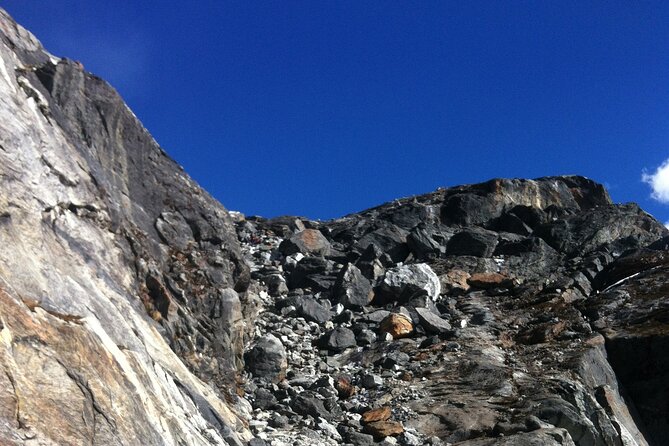
- Thukla Pass memorials: a sobering moment that gives the trek more weight than photos alone
- Kala Patthar in the dark, with headlamps: a classic “start early, suffer a bit, then win big” summit day
Price and logistics: what you’re really buying for $1,499
This trek is priced at $1,499 per person, and that matters because Everest costs add up fast once you include flights, permits, and meals. Here, you’re getting Kathmandu-to-Lukla round-trip domestic flights (with taxes), national park and local entry permits, and full-board meals along the way.
You’re also paying for experienced, government-licensed trekking guidance, plus the team handles the practical parts like day-to-day routing and tea-house stays (twin sharing). That’s not just convenience. On Everest, small logistics failures waste oxygen and time—your money is buying fewer problems.
What you don’t pay in the base price is also important. Personal snacks and drinks, WiFi/battery charging, and tipping for guides and porters are listed as extra. If you’re aiming to keep the budget tight, carry some cash for these daily add-ons.
Finally, this is described as a private tour/activity. That usually means less waiting around with strangers and a smoother experience for your group’s pace.
You can also read our reviews of more tours and experiences in Kathmandu.
Day 1 in Kathmandu: easy start, early bedtime
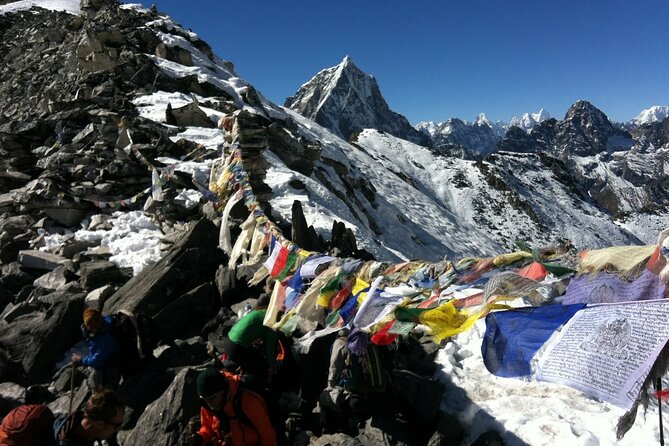
Day 1 is straightforward: airport pickup, hotel check-in, and a briefing by the guide. You get a welcome dinner in the evening, then the plan pushes you toward sleep because the next day starts with an early flight.
This is a smart setup. Kathmandu can be noisy and chaotic, and Everest trips punish poor rest. I like that the itinerary doesn’t pretend you’ll hit the ground running after travel.
If you arrive with jet lag, use the hotel time for hydration and a slow walk near your lodging. Save big sightseeing for after the trek, when your legs are done with the climbing.
Day 2: Lukla flight and the first steps to Phakding
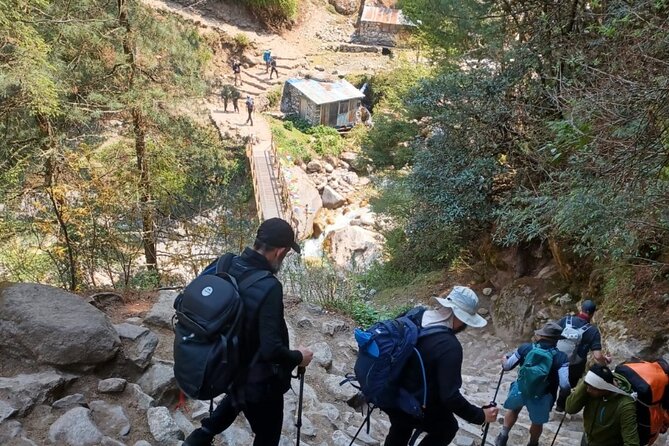
You’ll fly from Kathmandu to Lukla. If flights are busy during peak season, the itinerary notes a possible reroute: transfer to Ramechhap by private vehicle for about a four-hour drive, then flight onward to Lukla.
That detail is more than trivia. It changes your day. If the reroute happens, you’ll want to leave Kathmandu calm and unhurried in the morning.
Once in Lukla, the trek starts right away with breakfast, then a walk to Phakding. The trail passes places like Cheplung and Ghat, and you’re generally in “find your legs” mode, not “go hard.”
Phakding is a good first overnight because it’s still in the easier altitude range before you climb into Namche territory.
Day 3: River walking into Sagarmatha National Park, then Namche
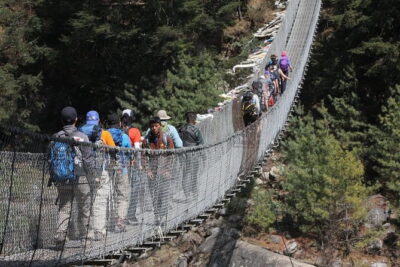
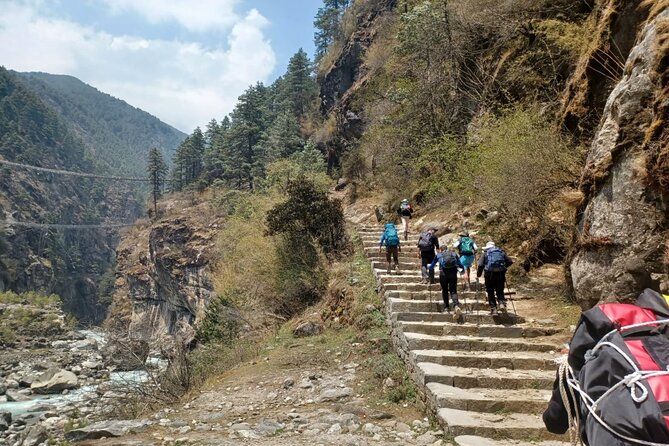
Day 3 follows the Dudh Koshi River as you hike toward Benkar, cross a suspension bridge, and continue through a rocky gorge section. You then enter Sagarmatha National Park, and the itinerary even flags your first clear sense of Everest in this stretch.
Namche Bazaar is where the trek starts to feel like a real mountain town. You check into a lodge and recharge with dinner, but you also start learning the Everest pattern: eat early, walk steadily, and don’t chase exhaustion.
This is a day where “fast” is the wrong strategy. Even if you feel good, take breaks when your guide suggests them.
Day 4: Namche market plus the Everest View Hotel
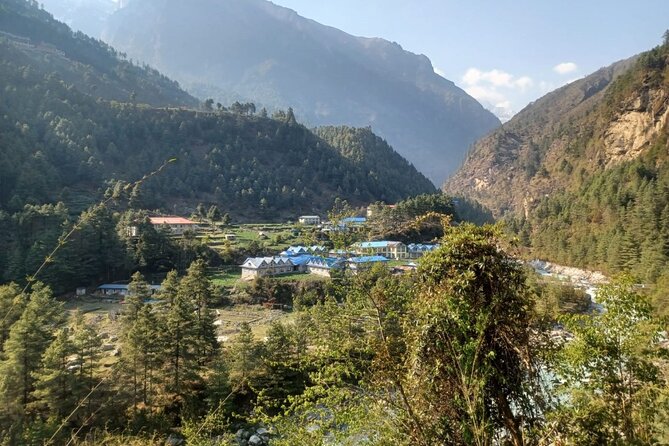
In the morning you can use Namche’s market area for photos and small gear needs. Then the itinerary takes you up to the Everest View Hotel, described as being at a very high elevation for the region, with wide views of Everest, Ama Dablam, Lhotse, Nuptse, and more.
There’s also an optional cultural add-on: the Sagarmatha National Park museum. If you’re into Sherpa history and the way people live with these mountains, it’s a nice reset from just staring upward.
The big drawback on a day like this is that it can tempt you to spend too long outside taking photos. That’s fine once, but the cold waits for nobody. Dress for the wind, not for the sunlight.
Day 5: Tengboche monastery area and rhododendron trails
Day 5 brings you toward Tengboche, including a bridge over the Imja Khola and a stop in Phungithanga, a Sherpa village known for colorful prayer wheels. You’ll then hike through rhododendron forests, and the trail levels out near the Tengboche monastery area.
This is one of the classic Everest feel-days: monasteries, prayer flags, and the sense that the trail is part of a living culture—not just a route to a summit.
Tengboche is also a reminder that sunrise views are not guaranteed. Morning weather can change fast. Still, the views around here are consistently strong on clear days.
Day 6: From Tengboche to Dingboche via Pangboche
The trek continues upward through rhododendron terrain, with rope-bridge crossings and stops like Deboche. Then the route moves through Pangboche, where you’ll see Tibetan-inscribed Mani walls, before reaching the ancient village of Dingboche.
From Dingboche, the itinerary highlights vistas toward Lhotse, Island Peak, and Ama Dablam. The key practical point: Dingboche is high enough that you’ll feel the altitude more in daily life, not just while walking.
Your lodge night here matters. You want a real early dinner and an even earlier bedtime so your body can recover.
Day 7: Acclimatization day—Nangkartshang Hill and a monastery visit
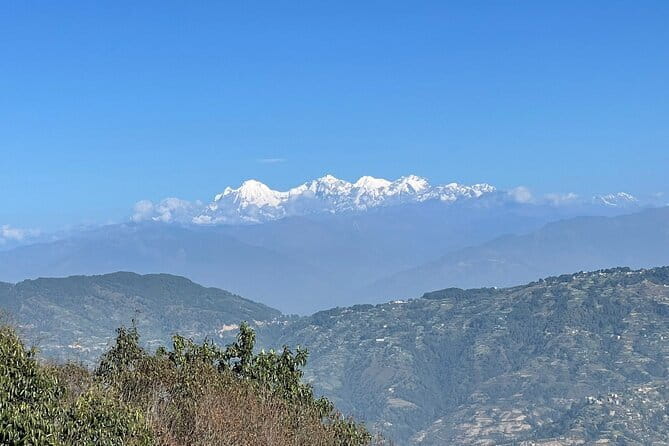
Day 7 is an acclimatization day, which is the difference between finishing strong and feeling wrecked later. Most of the day is a rest block, then you climb toward Nangkartshang Hill for big views, including Makalu and Amphu Laptse.
The itinerary also includes a short tour of the Nangkartshang monastery when you’re descending. That’s a nice touch because it breaks up the day and gives your mind something to focus on besides oxygen levels.
When you do these acclimatization climbs, keep the effort light. The goal is adaptation, not fitness bragging rights.
Day 8: Lobuche and the Thukla Pass memorials
On Day 8 you head toward Lobuche, with scenery that gets more dramatic and drier as you go. You pass through Dughla, cross the Thukla Pass, and the itinerary notes memorials to deceased climbers.
That stop can hit hard because it makes the mountain’s risk feel real. I actually like having it on your schedule rather than finding it later after you’ve built zero context.
The trail here includes a rocky, narrow section leading to Lobuche for the night. Expect your pace to slow compared with earlier village days, and plan your energy carefully.
Day 9: Gorakshep and Everest Base Camp at dawn
Day 9 is your major Base Camp push. You start at dawn, hike north past the southern flank of Lhotse, cross glacial sections, and reach Gorakshep. The plan includes breakfast in Gorakshep, then you continue to Everest Base Camp.
The itinerary highlights views of the Khumbu Icefall and nearby peaks like Nuptse, Pumori, and Khumbutse. This is the day where photos feel almost too small compared to the reality of the ice and scale.
If you’re sensitive to cold, this is a day to be extra disciplined about layers. At dawn, the wind can turn your fingertips into honest-to-goodness problems.
Day 10: Kala Patthar sunrise—headlamps, cold wind, big payoff
Day 10 is the big-ticket summit day: Kala Patthar at 5,545 meters. You start early with headlamps, and the climb typically takes around two to three hours, according to the itinerary.
Then comes the reason people do it. The plan calls out sunrise over Everest, with illuminated views of Nuptse, Pumori, and Ama Dablam. This is one of those moments where you’ll understand why everyone keeps talking about Everest.
After Kala Patthar, you descend back toward the Base Camp area and enjoy a hot meal. That hot food isn’t a luxury. It’s recovery.
A practical note: even when you feel strong, don’t force pace on steep sections. Kala Patthar is often less about strength and more about staying steady in cold air.
Day 11: Down to Namche through Tengboche and conifer forests
After the hard climb days, Day 11 turns into a long descent back toward Namche Bazaar. The itinerary notes mostly downhill hiking through forests of conifers and rhododendrons, plus village stops like Dingboche and Tengboche.
Your legs may feel tired even if the trail isn’t as steep. Descents can be tough on knees, so use slow steps and good trekking poles if you have them.
This is also your last real chance for Namche-area vibes before Lukla and then Kathmandu.
Day 12: Namche to Lukla, with river crossings and a lunch stop
Day 12 continues the descent. The route crosses the Bhote Koshi and Dudh Koshi rivers and returns to Phakding for lunch, then continues on to Lukla.
Lukla can feel busier on the return day because everyone is thinking about flights and showers. The itinerary suggests you unload backpacks, explore the village, and potentially shop for souvenirs.
If you’re buying small gifts, do it here. Kathmandu is nice, but you’ll have less time and a more frantic mood during your final travel day.
Day 13: Flight back to Kathmandu and a real chance to rest
You head to Lukla airport early for the flight back to Kathmandu. The itinerary notes about 30 minutes in the air, then you check in, shower, and unwind.
A massage is mentioned as an option. Whether or not you book it, plan for at least one real decompression evening. Everest days are long, and sleep quality often improves dramatically at lower elevation.
Day 14: Wrap-up day in Kathmandu
The last day is transfer to the international airport. There’s time to pack, and the plan suggests you ask the guide for recommendations for other Nepal trips if you’re hungry for more.
After an EBC trek, you may find you’ve got a short list of places you want to return to. This part is a good time to ask smart questions.
Maybe you’ll want a different route next time, or maybe you’ll just want another crack at a new season.
What’s included vs not included: the money math that matters
Here’s what’s covered:
- Airport transfers on private vehicle as per itinerary
- Kathmandu hotel in a 3-star category with breakfast
- Kathmandu–Lukla–Kathmandu domestic flights including taxes
- National park and local permits
- Full-board meals (breakfast, lunch, dinner) as per the itinerary
- Twin sharing tea-house accommodation during the trek
- Government-licensed trekking guide (with meals, accommodation, and insurance)
- Down jacket, sleeping bag, and duffel bag on request
- All government/local taxes and company service charges
Not included:
- Personal nature expenses, hot and cold drinks, WiFi/internet, battery charging
- Tipping for guides and porters
Value note: the included loaner gear is a big help if you don’t already own insulated layers and a sleeping bag rated for cold tea-house nights. Still, if you run cold easily, bring your own gloves and a hat if you can. The rental items reduce hassle, not discomfort.
Safety and altitude: what the route tells you to do
The trek is set up for acclimatization, including a dedicated rest day in Dingboche and a more gradual climb rhythm through the Khumbu villages. The itinerary’s inclusion of Nangkartshang Hill on Day 7 is exactly the type of “go up a bit, return down a bit” strategy that helps your body adjust.
Also, the trek uses early starts on key days like Base Camp and Kala Patthar. That’s not just for dramatic sunrise. It also helps you beat weather windows and reduce time spent in harsh conditions.
In past experiences with operators like this, the team approach tends to be careful and safety-first, with guides who pay attention to pacing and altitude comfort. When you choose a tour with an experienced guide, your day-to-day decisions improve.
Guides, communication, and why it matters on Everest
A strong guide can make Everest feel organized instead of chaotic. Here, communication is part of the brand, with Shishir repeatedly described as responsive and easy to reach if anything goes off plan.
On the trekking side, named guides show up in the experience history, including Ghaman and Purna. Porters like Santha and Rai are mentioned too, with the overall impression that the team works as a unit and keeps things moving without you constantly managing details.
Even if you never need help, knowing someone has your back lets you focus on the walk and the views instead of logistics.
What I’d pack (based on what’s stated, plus what Everest usually asks for)
You can request a down jacket, sleeping bag, and duffel bag, which takes one big shopping headache off your list. You’ll still want your own base layer and cold-weather accessories, especially for dawn starts.
Practical must-haves:
- Warm hat and gloves for pre-sunrise walking
- Good sunglasses (high altitude glare can be intense)
- A headlamp (the trek uses headlamps for Kala Patthar, so plan to be ready)
- Layers you can remove quickly while hiking
Bring cash for drinks and small purchases. The tea-house system is simple, but charging fees for anything beyond the package is common.
And don’t forget blister prevention. Long days on stone paths are not the place to test new socks.
Who this trek suits best
This is best for people with moderate fitness who are comfortable with multi-day trekking and altitude changes. The route length and the “big day” days mean you can’t treat Everest like a casual hike.
It also fits solo travelers and couples well because it’s structured and guided, and the private-group setup should keep things calm. If you want clear support with communication and a plan that’s already mapped out, this is a strong fit.
If you want zero early mornings, zero cold, and zero uncertainty, you’ll probably find Everest frustrating anywhere. But if you’re okay with that tradeoff, you’ll likely love the payoff.
Should you book this Everest Base Camp trek?
Book it if you want a clean, guided package that reduces hassle: flights, permits, full-board meals, tea-house stays, and even key cold-weather gear on request. You’re also getting a trek that’s designed around acclimatization and built-in cultural stops like monasteries, prayer-wheel villages, and the Sherpa museum option.
Skip it or think twice if you hate weather and flight uncertainty, since Lukla connections can change. Also consider your tolerance for long walking days and the cold that comes with dawn starts.
If you’re ready for Everest in a practical, well-supported way, this one offers a lot of value for what’s included—and the Kala Patthar sunrise is the kind of moment you’ll remember long after your legs stop complaining.
FAQ
Where does this Everest Base Camp trek start?
It starts with pickup in Kathmandu after you arrive at Kathmandu International Airport, then the itinerary continues with a domestic flight to Lukla for the trek.
What’s included in the trek price?
The price includes Kathmandu hotel (3-star category) with breakfast, Kathmandu–Lukla–Kathmandu domestic flights with taxes, permits, full-board meals during the trek, tea-house twin sharing accommodation, and a government-licensed trekking guide. It also includes airport transfers on a private vehicle.
Are flights to Lukla included?
Yes. The itinerary includes Kathmandu to Lukla and Lukla back to Kathmandu domestic flights, including all taxes.
What’s the highest altitude on the trek?
The trek reaches Kala Patthar at about 5,545 meters. The base camp itself is listed as 5,316 meters above sea level.
Do you get permits and national park entry covered?
Yes. The package lists all required national park and local entry permits as included.
What kind of lodging and meals should I expect?
You’ll stay in tea houses on a twin-sharing basis during the trek. The package includes meals on full board as mentioned in the itinerary, including breakfast, lunch, and dinner.
Is gear provided for cold weather?
Yes, down jacket, sleeping bags, and duffel bags are available on request.
What costs are not included?
Personal expenses, hot and cold drinks, WiFi/internet, battery charging, and tipping for guides and porters are not included.
How does cancellation work if plans change?
You can cancel up to 3 days in advance of the experience for a full refund. If you cancel less than 3 full days before the start time, the amount paid is not refunded.
Are airport transfers and pickup included?
Yes. Airport transfers on a private vehicle are included as per the itinerary, including pickup in Kathmandu and transfer back to the international airport.