REVIEW · KATHMANDU
Langtang Valley Trekking
Book on Viator →Operated by Himalayan Social Journey · Bookable on Viator
First-rate mountain days start with smart planning, and this Langtang Valley trek is built for that. You get a private guide, organized transport, and lodge nights in the quieter Langtang region with forests, waterfalls, farms, and Sherpa villages along the way. I like that the trip includes the stuff that usually causes stress—permits and national park fees, plus professional guiding. You’ll also appreciate the practical rhythm: breakfast most mornings, bottled water to help you stay on track, and transportation handled end to end. The main drawback to keep in mind is fitness: the walk includes long days and some steep going, so you’ll want a moderate fitness level and realistic expectations.
Langtang is often less crowded than the famous alternatives, which is exactly why I think this trek works so well. You’ll spend time moving through shaded forest paths, then into wider valley views as the trail lifts—plus you get time at Kyanjin Gompa to slow down. I’ve also seen repeated praise for guides by name in similar Langtang departures with Himalayan Social Journey—people have highlighted guides such as Raam, Mingmar, Krishna, and Shankar Timalsina for being supportive and stress-reducing.
In This Review
- Key things that make this Langtang trek worth your time
- Langtang Valley: quiet trekking with real village life
- Price and logistics: what $700 buys you (and what it doesn’t)
- The 8-day trek outline: from Syabrubesi up to Kyanjin Gompa
- Day 1: Kathmandu pickup to Syabrubesi (Rasuwa area)
- Day 2: Syabrubesi to Lama Hotel
- Day 3: Lama Hotel to Langtang Village
- Day 4: Langtang Village to Kyanjin Gompa
- Day 5: Rest and excursion time at Kyanjin Gompa
- Day 6: Kyanjin Gompa down to Lama Hotel
- Day 7: Lama Hotel down to Syabrubesi (Rasuwa area)
- Day 8: Drive back to Kathmandu, drop off near Thamel
- Lodges, meals, and hydration: the comfort details that matter
- Guides and permits: fewer headaches, better hiking
- Who should choose this Langtang Valley trek (and who should pause)
- Packing and prep tips for Langtang conditions
- Should you book Langtang Valley trekking with Himalayan Social Journey?
- FAQ
- How much does the Langtang Valley Trekking tour cost?
- How long is the trek?
- What time does the tour start?
- Is this a private tour?
- What’s included in the price?
- What is not included?
- What kind of accommodations can I expect on the trek?
- Is this trek suitable for children?
Key things that make this Langtang trek worth your time
- Private guidance, real pace control: you get personalized attention rather than a chaotic pack.
- Permits handled: TIMS and national park fees are included, so you’re not scrambling paperwork.
- Lodge sleeping with breakfast: you’ll stay in local lodges on a twin-sharing basis with breakfast provided on trekking mornings.
- Transport from Kathmandu: sharing jeep KTM–Syabrubesi–KTM keeps the start and finish simple.
- Time at Kyanjin Gompa: a rest-and-excursion day that helps you adjust instead of rushing every step.
- Long travel days plus trekking days: the schedule includes big blocks of time on the trail and in jeeps, so build in stamina.
Langtang Valley: quiet trekking with real village life
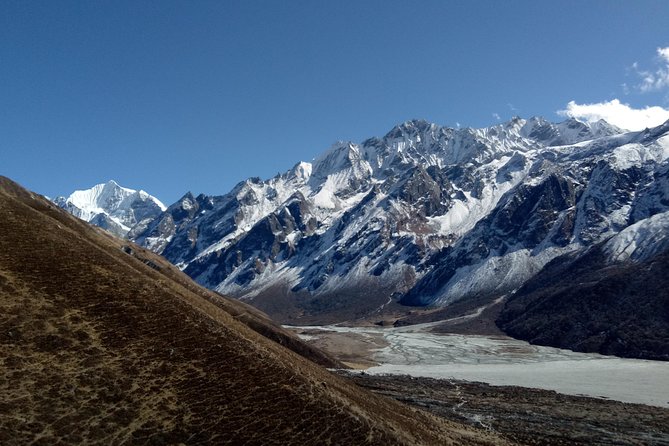
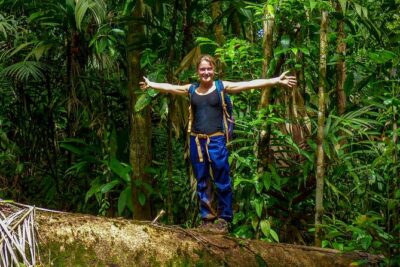
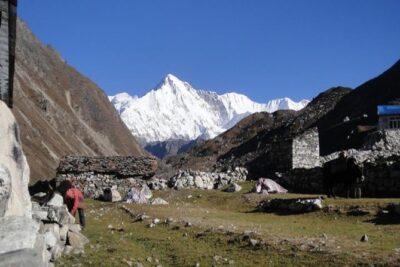
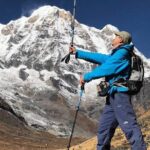
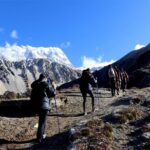
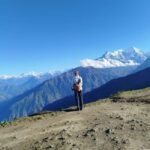
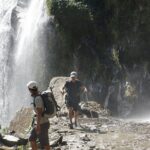
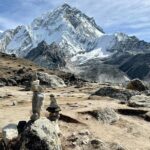
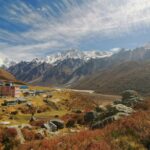
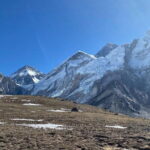
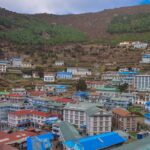
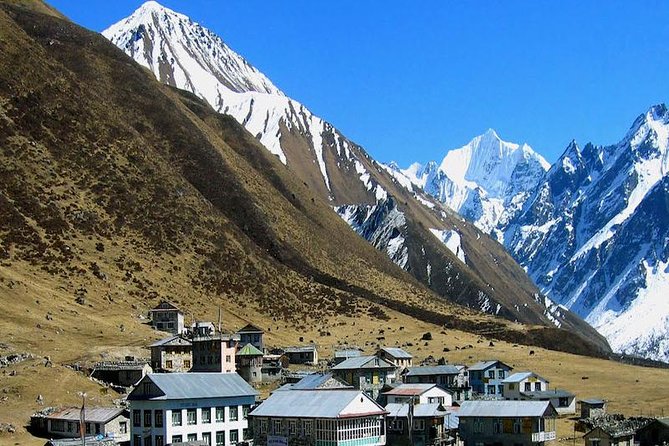
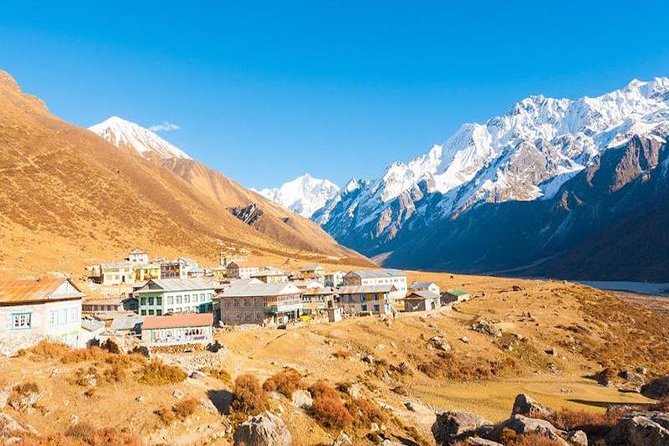
Langtang Valley trekking is special because it mixes big mountain views with everyday mountain living. On this route, you pass through forests, see waterfalls in motion, walk by farmlands, and meet Sherpa villages that feel lived-in rather than staged for tourists.
I like that you’re not just hiking past scenery. You’re actually moving through a working valley where people grow food, run small guesthouses, and keep their communities going despite the altitude and weather. That changes the whole feel of the trek. It becomes less about ticking boxes and more about reading the landscape with your own legs—quiet pauses included.
The tradeoff is that you should expect rugged conditions. This isn’t a flat stroll. Reviews from past hikers describe steep and long ascents/descents on Langtang routes, so treat this as a serious hike, even if your guide keeps the pace reasonable.
You can also read our reviews of more tours and experiences in Kathmandu.
Price and logistics: what $700 buys you (and what it doesn’t)
At $700 per person for an approximately 8-day trek, this is a “buy the planning” kind of trip. You’re paying for a guide, the legal hiking paperwork, transport, and basic comfort on the trail—plus the coordination that keeps you from spending your limited Nepal time figuring things out.
Here’s what’s clearly included:
- Professional trekking guide
- Hotel pickup and drop-off
- Sharing jeep transport KTM–Syabrubesi–KTM
- Necessary permits including TIMS and national park fees
- Local lodge accommodation during trekking days on twin sharing
- Meals and accommodation for the trekking crew
- Breakfast provided (listed as 6 breakfasts)
- Necessary equipment like a sleeping bag and duffle bag (if needed)
- Bottled water to help with hydration
- Insurance for the trekking crew (your own travel insurance is separate)
What’s not included (so you can budget):
- Alcoholic drinks (available to purchase)
- Food and drinks beyond breakfast (so lunches/dinners are on you)
- Your travel insurance
- Accommodation in Kathmandu
Value test: if you’d otherwise pay separately for a guide, permits, jeep transfers, and a lodge-based itinerary, this price starts to look fair. The “catch” is that it’s still a lodge trek, not a fully all-inclusive package—so you’ll want some spending money for non-breakfast meals and any extras.
The 8-day trek outline: from Syabrubesi up to Kyanjin Gompa
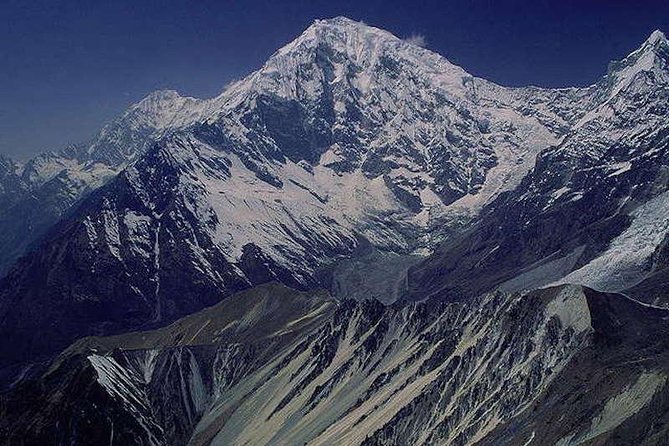
The schedule is paced like a classic Langtang itinerary: drive in first, then work your way up through the valley, reach Kyanjin Gompa, rest there, then retrace steps downhill. Day timings can be long, especially the first couple of trekking days, so think in terms of stamina rather than hours on a clock.
Day 1: Kathmandu pickup to Syabrubesi (Rasuwa area)
You start with a hotel pickup in Kathmandu at 4:45 pm, then travel to Syabrubesi. The drive is listed as about 12 hours, which basically means you’ll switch from city time to trekking time fast—eat, settle, and rest your body for a long day ahead.
Why I like starting this way: you’re already positioned for the trek without losing extra days to transport logistics. A possible drawback: if you’re sensitive to long rides, this opening day can feel heavy.
Day 2: Syabrubesi to Lama Hotel
After the transfer, you trek from Syabrubesi to Lama Hotel. This day is also listed at around 12 hours, so it’s likely the longest “legs-on-time” day in the plan.
What this does for the trip: it establishes your rhythm and gets you into the valley’s walking groove early. What to watch: this is where beginners often feel the difference between hiking and trekking. Go steady, hydrate, and don’t treat it like a sprint day.
Day 3: Lama Hotel to Langtang Village
Next you trek to Langtang Village, listed at about 5 hours. This is the kind of day that feels like transition: less grind than the big-time day before, with more time to notice the living parts of the valley.
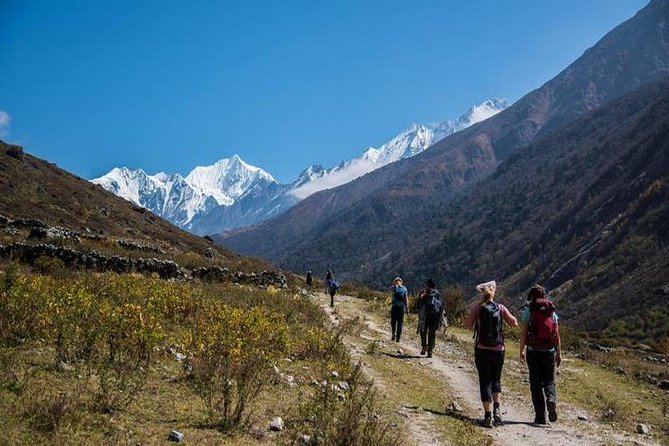
You’ll be moving through the kind of terrain that changes textures—forest and farm edges, plus the sense that villages are spaced just far enough apart to make the trek feel like an ongoing journey, not one straight line.
Day 4: Langtang Village to Kyanjin Gompa
Today you hike to Kyanjin Gompa, also around 5 hours. This is the part of the route where the view stakes rise, and the air often feels cooler as you lift into the Gompa area.
The big win here is the destination itself. Kyanjin Gompa is a meaningful place for the route—a base where the valley’s vibe turns from village life to mountain-focused stillness.
Day 5: Rest and excursion time at Kyanjin Gompa
Day 5 is your buffer day. The plan calls for time to rest and for an excursion around Kyanjin Gompa. This is listed at about 3 hours, which suggests lighter activity rather than a full additional trek.
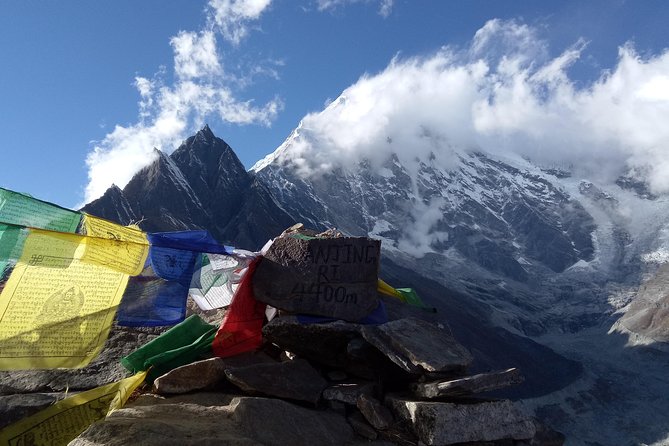
Why this matters: it lets you absorb the altitude changes and gives you a moment to enjoy where you are instead of constantly moving. If you want a bigger viewpoint moment, some Langtang itineraries around this area can include hikes toward Kyanjin Ri, a summit that past hikers have reported near 5,000 m—but your exact options depend on conditions and your guide’s call.
Day 6: Kyanjin Gompa down to Lama Hotel
You head back down to Lama Hotel in about 5 hours. Downhill walking can still be tough—your quads do most of the work, and loose stones can turn a “short” day into a slow day.
This is where trekking technique pays off: shorter steps, controlled descents, and smart pauses.
Day 7: Lama Hotel down to Syabrubesi (Rasuwa area)
Then it’s back down to Syabrubesi for about 5 hours. The trail here is familiar, but the experience shifts. You’re no longer chasing new scenery—you’re closing the loop, collecting memories, and feeling the relief of nearing the end.
Day 8: Drive back to Kathmandu, drop off near Thamel
Finally, you drive from Syabrubesi back to Kathmandu, listed around 4–5 hours, and arrive near Thamel. It’s a quick transition back into traffic and city noise, so if you can, keep your final evening flexible for rest and a calm meal.
Lodges, meals, and hydration: the comfort details that matter
This trek uses local lodges for overnight stays during trekking days, on a twin-sharing basis. That’s a practical setup: you’re not packing a tent, and you’re not hunting for food at random points.
The comfort reality to plan for: lodges are designed for trekkers, but they’re still local mountain businesses. Expect simple rooms and basic amenities. You can travel lighter because the operator also lists sleeping bag and duffle bag support if you need it.
Food is not fully all-inclusive. You get breakfast (listed as 6), but lunch and dinner aren’t included. That’s normal for Nepal treks, and it also gives you flexibility: you can choose what you can stomach that day, especially if weather or altitude affects your appetite.
Hydration is handled the smart way—bottled water is included to help you stay on top of it. Still, I’d treat water as a daily priority. If you’ve ever finished a long trek and realized you didn’t drink enough, you already know why.
Guides and permits: fewer headaches, better hiking
A good guide doesn’t just point the way. On a trek like this, the guide affects pacing, safety, and how quickly you start feeling confident on uneven ground.
This trip includes a professional and experienced trekking guide and includes the paperwork: TIMS plus national park fees. That matters because permits are not optional box-checking in Nepal—they’re part of the system that keeps trails managed and legal.
In past Himalayan Social Journey Langtang experiences, guides by name like Raam, Mingmar, Krishna, Shankar Timalsina, and Tikaram have been highlighted for support and for taking the stress out of the trip. I can’t promise any one guide will be assigned to you, but the pattern is clear: when the guide is steady, the trek feels smoother.
One more practical point: this is a private tour, meaning only your group participates. That matters for pace. On a crowded trail, slower hikers can clog the day. Here, your guide can adjust more cleanly to your group.
Who should choose this Langtang Valley trek (and who should pause)
This trek is listed for travelers with moderate physical fitness, and it’s not recommended for children under 12. That’s a straightforward signal: you’re signing up for real walking time, not casual sightseeing.
Who this fits well:
- You can handle long hiking days without getting cranky after a few hours.
- You want a quieter trek with village stops and a real sense of place.
- You prefer an organized plan with transport and permits handled.
Who should reconsider or prepare more:
- You dislike long drives and early nights. Day 1 includes a very long transfer to Syabrubesi.
- You want short days every time. The first trekking day in the outline is listed as 12 hours, so plan for that effort.
- You’re looking for a fully all-inclusive food setup. Breakfast is included, but lunch/dinner aren’t.
If you’re on the fence, a good rule: if you can hike for several hours on uneven ground at home, and you’re comfortable with steep sections, you’ll likely be fine. If not, build up with stair walks and longer weekend hikes before you go.
Packing and prep tips for Langtang conditions
The tour data doesn’t spell out every weather detail, but Langtang’s altitude swings and valley terrain mean conditions can change fast.
Pack for layers, not for one perfect temperature:
- A warm mid-layer and a weatherproof outer layer
- Gloves and a hat for cooler mornings or higher points
- Trekking shoes or boots with decent grip
- A daypack for water and small essentials
- Basic power bank and your usual cold-weather comfort items
Also, take the included sleeping bag option seriously if you’re sensitive to cold. Night temperatures at elevation can surprise people, even when the day feels manageable.
Finally, plan your mindset. Trekking days work best when you treat them like a steady process: slow early, consistent middle, and smart rest stops. That’s how you’ll arrive fresh enough to enjoy the villages and viewpoints.
Should you book Langtang Valley trekking with Himalayan Social Journey?
If you want a guided, organized Langtang Valley trek with permits handled, transport arranged, and lodge nights built into the plan, I think this is a solid choice. The best reason to book is simple: it removes the hassles that can make a trekking trip stressful before it even starts.
I’d book it if:
- You’re comfortable with moderate fitness and longer trekking blocks.
- You want private guidance and a quieter valley experience.
- You like the idea of Kyanjin Gompa with a rest and excursion day instead of rushing every day.
I’d hesitate if:
- You’re expecting a fully all-inclusive food and comfort package (lunch/dinner aren’t included).
- Long travel days and an early 4:45 pm start sound miserable.
- You want an easy, beginner-only hike with short walking times.
In short: this is a well-structured Langtang trek for people who want authentic mountain days without micromanaging logistics.
FAQ
How much does the Langtang Valley Trekking tour cost?
It’s listed at $700.00 per person.
How long is the trek?
The duration is listed as approximately 8 days.
What time does the tour start?
The start time is 4:45 pm, with pickup from your hotel.
Is this a private tour?
Yes, it’s a private tour/activity, and only your group will participate.
What’s included in the price?
The tour includes a professional trekking guide, hotel pickup and drop-off, sharing jeep transport KTM–Syabrubesi–KTM, permits (TIMS and national park fees), local lodge accommodation on twin sharing during trekking days, and breakfast (6). It also lists necessary equipment such as a sleeping bag and duffle bag if needed, plus bottled water for hydration.
What is not included?
Alcoholic drinks are not included (they’re available to purchase). Food and drinks besides breakfast are not included. Your travel insurance and accommodation in Kathmandu are also not included.
What kind of accommodations can I expect on the trek?
You’ll stay in local lodges during trekking days on a twin-sharing basis, and breakfasts are provided on the trekking days.
Is this trek suitable for children?
It’s not recommended for children under 12. The trip is suggested for travelers with moderate physical fitness.