REVIEW · KATHMANDU
Kathmandu: 6-Day Limitless Langtang Trek
Book on GetYourGuide →Operated by Himalayan Nomad Treks Pvt. Ltd. · Bookable on GetYourGuide
Langtang hits different. It mixes big mountain views with Tamang villages and calm monastery stops. With a guide like Mahesh Aryal, the route feels organized and safe, even when the trail turns steep.
What I like most is the balance: you get culture without crowds, and you get scenery that actually stays in your head after the hike. The best “wow” moment is Kyanjin Gompa and the jump to the viewpoint near Kyanjin Ri, where guides have helped people reach around 4,700m. One heads-up: this is still a trekking trip—expect long, sometimes uphill walking, and the higher viewpoint can be hard for some folks.
In This Review
- Key highlights worth planning for
- Why the Langtang Valley feels quieter and more personal
- Getting from Kathmandu to Syabrubesi: the long road start
- Forest trails and waterfalls toward Ghoda Tabela (2,900m)
- Kyanjin Gompa: Tamang community life, monasteries, and cheese factory
- Kyanjin Ri viewpoint: the uphill day and the choice to press higher
- The descent back: Thangsyap to Syabrubesi and your relief day
- Your guide makes the difference (and these guides get praised for it)
- Lodges and meals: the comfort details that keep you moving
- Difficulty and altitude: moderate doesn’t mean effortless
- Price and value: what $181 really buys you
- What to pack for this Langtang trek (use the list as your checklist)
- Best fit: who will love this trek and who should reconsider
- Should you book this 6-day Langtang Valley trek?
- FAQ
- How long is the Kathmandu to Langtang Valley trek?
- Where does the trek start and where do you return to?
- What’s the highest point on this trek?
- How difficult is the hiking?
- What’s included in the price?
- Are meals included?
- Do I need travel or rescue insurance?
- Is a porter included?
- What should I bring for the trek?
- Is the tour cancellable or flexible to book?
Key highlights worth planning for
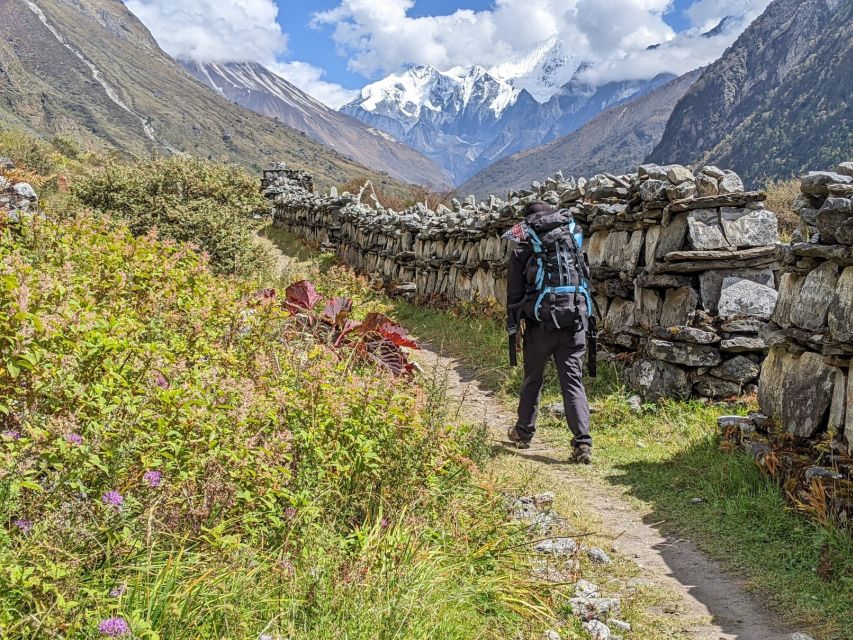
- Tamang culture in real places like villages, monasteries, and community hospitality
- Kyanjin Gompa stop with monasteries and a cheese factory experience
- Kyanjin Ri viewpoint option (around 4,770m) for dramatic early-morning views
- A manageable 6-day rhythm with moderate daily trekking and time to acclimatize
- Guide support that protects your energy (including help with timing and gear)
- Comfort-focused logistics with private accommodation for five trek nights and well-rated transport
Why the Langtang Valley feels quieter and more personal
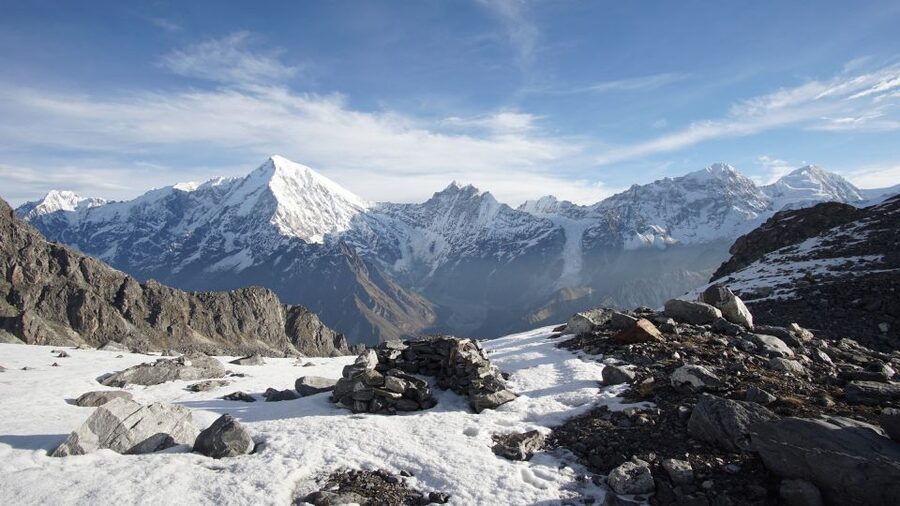
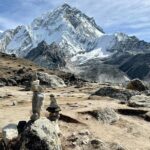
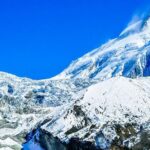
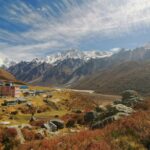
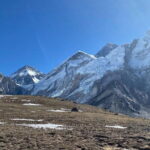
Langtang Valley is one of those regions where you can feel the Nepal Himalaya without the noise of huge crowds. The trek works because it’s not just about the top of a mountain. It’s about walking through forests, along rivers, and into villages where you’ll actually see how people live with the mountains as their daily backdrop.
I also like that this route is described as rewarding but moderate. That matters if you’re not trying to prove anything on a checklist. You’re there for time outside, good pacing, and the sense that each day has a purpose.
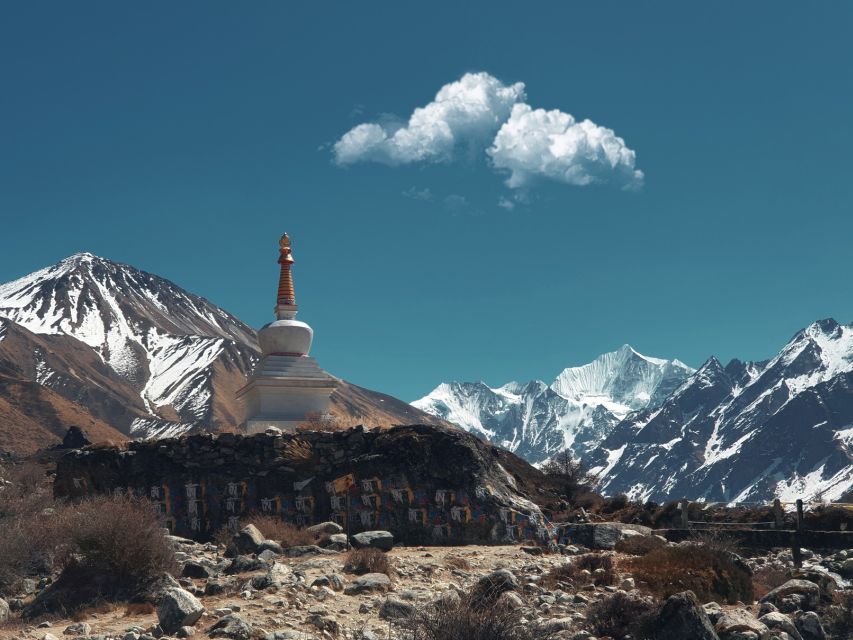
The third piece is the spiritual calm. Monasteries and sacred stops come into the picture in a practical way, not as a rushed photo stop. If you enjoy stillness, this trek has that.
You can also read our reviews of more tours and experiences in Kathmandu.
Getting from Kathmandu to Syabrubesi: the long road start
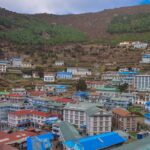
Your trek begins with a drive out of Kathmandu. Expect around 6 hours to reach Syabrubesi, with winding mountain roads and plenty of changing scenery. This is not just “getting there.” It sets your mood and helps you understand the valley shape before you start walking.
After the drive, you begin with a short trek segment (about 2 hours on the first day). You’ll follow forest trails and a river corridor, which is a nice warm-up. It’s the kind of start that helps first-time trekkers settle into rhythm without getting crushed on day one.
You’ll spend the first night in Pahiro, which helps you transition from road travel to trekking life. That little buffer is underrated.
Forest trails and waterfalls toward Ghoda Tabela (2,900m)
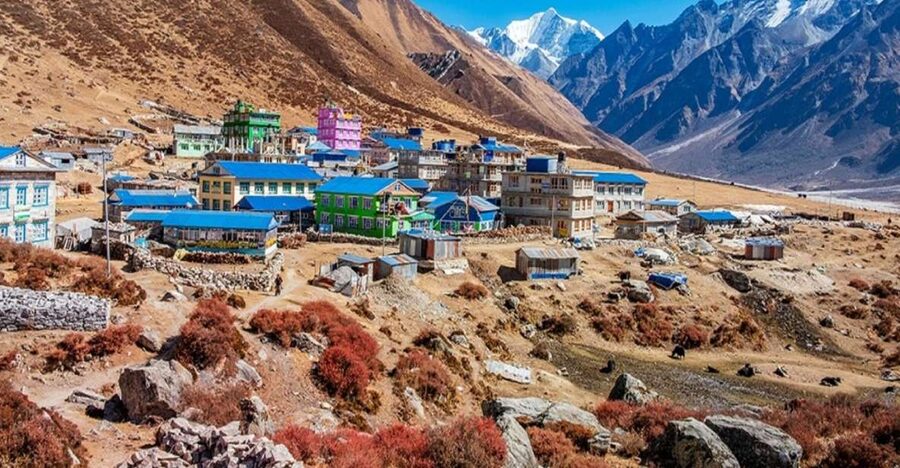
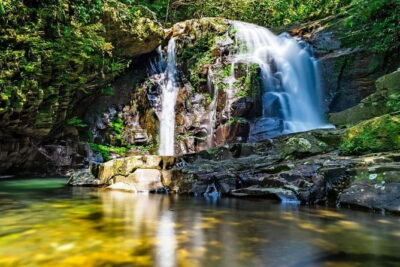
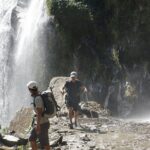
Next comes a full hiking day from Pahiro toward Ghoda Tabela, with roughly 6 hours of walking. This is where Langtang’s “everyday beauty” shows up: lush forest paths, village passes, and the steady soundtrack of water.
Along the way, you’ll notice how the trail threads through the valley’s resources. The route keeps you close to the river system, which often means gentler walking than you might expect at this altitude. It’s still uphill and you’ll work, but the day feels like progression rather than punishment.
Overnight at Ghoda Tabela gives you a mid-trek base before the higher, more exposed parts of the valley. If you’re the type who likes to feel your lungs working a bit but not panic, this pacing helps.
Kyanjin Gompa: Tamang community life, monasteries, and cheese factory
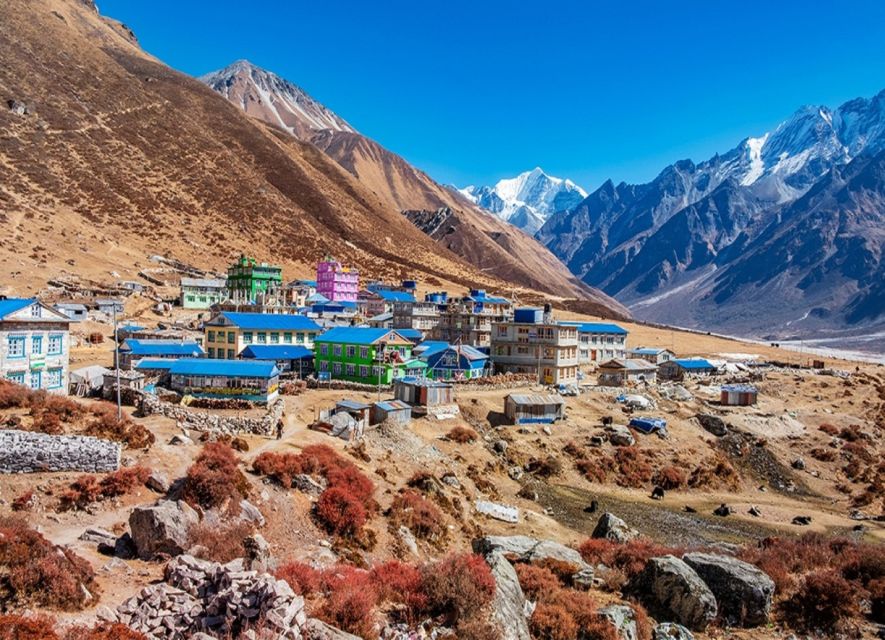
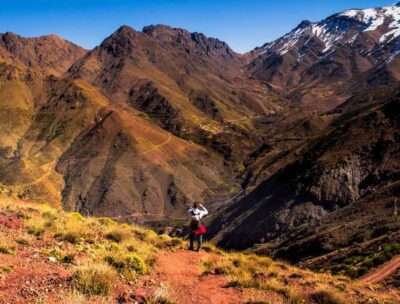
Kyanjin Gompa is the emotional center of this whole trek. The climb from Ghoda Tabela to Kyanjin Gompa takes about 6 hours and lands you around 3,870m, where the views start to feel sharper and the air gets thinner.
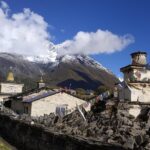
This stop isn’t just about altitude. You’re there for the village side of Langtang: Tamang culture, monasteries, and real community rhythms. One detail I’d highlight is the cheese factory experience. Even if you don’t buy anything, seeing how local food connects to mountain life makes the trek feel grounded.
At Kyanjin Gompa, the spiritual atmosphere is part of the day. You’ll have time to explore the village and spend time in the monastery areas. That’s a key reason this trek works for cultural explorers, not only hikers.
Sleep high, take it slow. You’ll likely want an early night here. Cold nights at elevation are a real thing.
Kyanjin Ri viewpoint: the uphill day and the choice to press higher
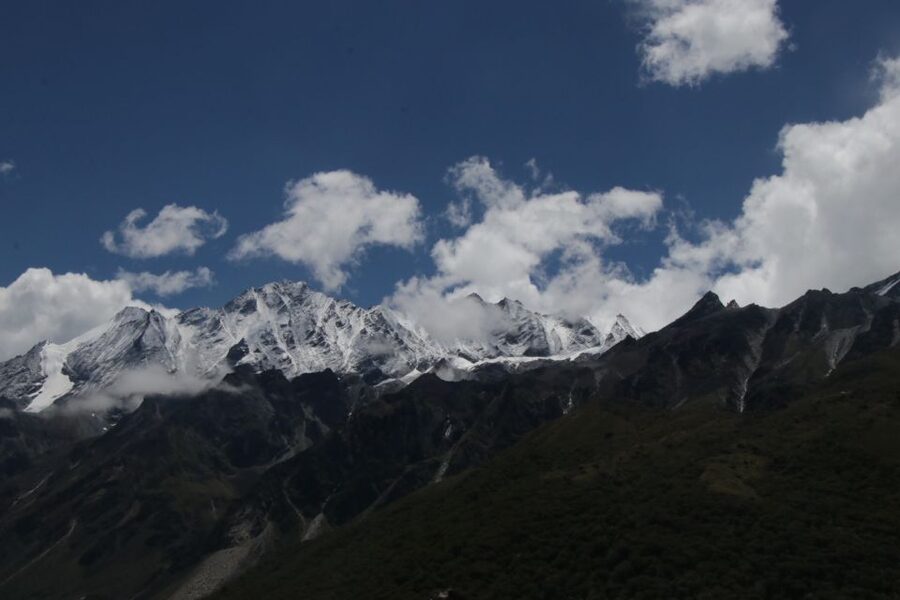
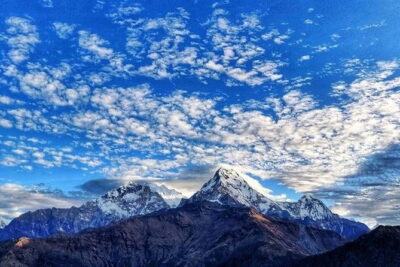
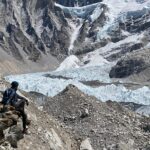
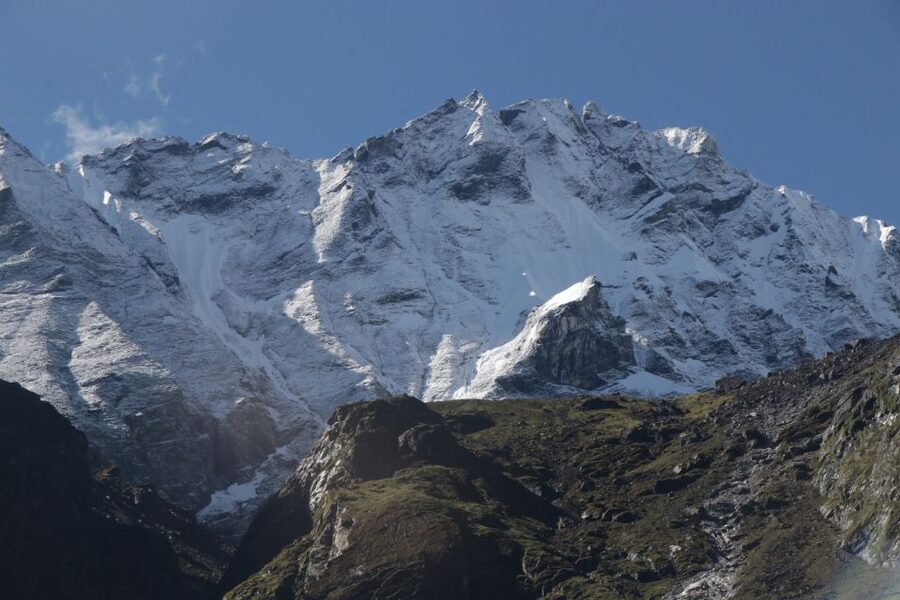
From Kyanjin Gompa, you head toward Thangsyap at about 3,200m, but the big event is the push to the viewpoint near Kyanjin Ri (around 4,770m). The route notes that this peak push can be optional, because the ascent is steeper and harder for some people.
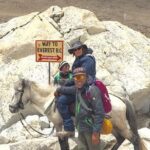
This is where guides earn their money. One guest credited Niraj with support that helped them reach around 4,700m, and another shared that sunrise from the Kyjiang/Kyanjin Ri area was a major highlight. If your goal is “views with payoff,” this is the day where it happens.
A practical way to think about it: if you feel good in the morning, you might want to go for the viewpoint. If you don’t, Thangsyap and the surrounding glacial valley views still deliver. The trek is built so you’re not forced into a single outcome.
After the peak time, you trace back and return to the quieter spiritual mood near Thangsyap. That back-and-forth can be tiring, but it keeps the experience meaningful without turning into an endless day.
The descent back: Thangsyap to Syabrubesi and your relief day
The return walk from Thangsyap to Syabrubesi puts you back down around 1,550m. Expect a longer descent day with about 6 hours of trekking, retracing the scenic trail beside the Langtang river.
This is the day your knees negotiate. Even when it feels easier than the ascent, downhill can be harder on your body. Take shorter steps, keep your pack snug, and use trekking poles if you’ve got them.
You’ll overnight in Syabrubesi, then wrap up with a drive back to Kathmandu. The transfer is done by shared bus, which is usually fine because the day is about recovery more than “scene chasing.”
That final drive is when you start to feel the trek settle in. You’ll have time to reflect, review your photos, and notice how you’ve changed your pace and priorities.
Your guide makes the difference (and these guides get praised for it)
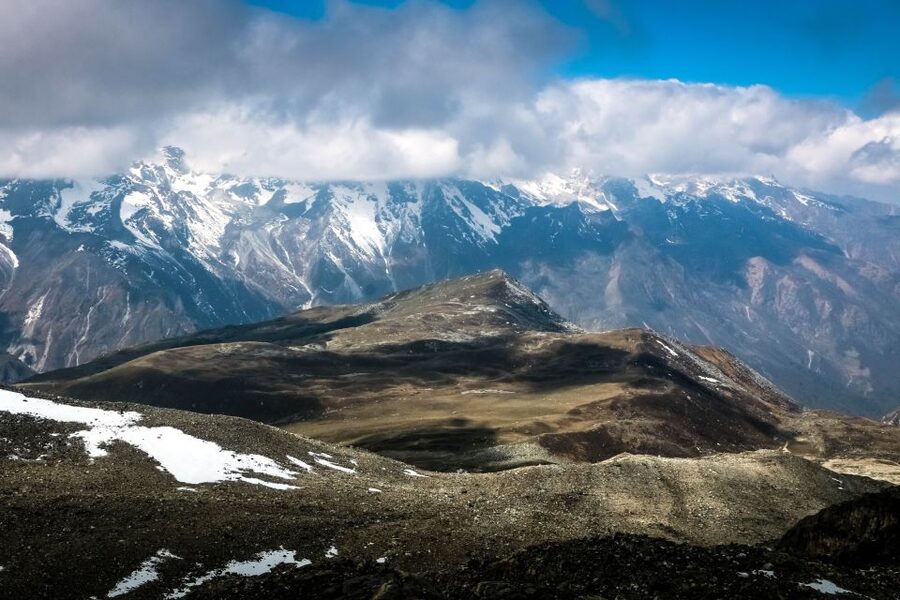
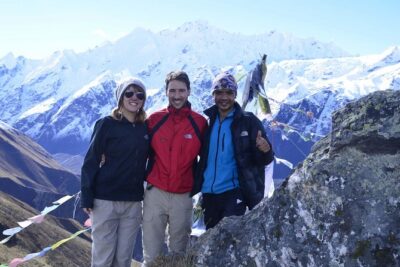
This is one of those tours where the guide isn’t just present. The guide shapes the entire experience: pacing, food timing, lodge choice, and how you handle the higher air.
Across the experience, several guides stood out by name. Mahesh Aryal was praised for staying attentive and for checking in regularly, even recapping the day and setting expectations for the next one. Bipin was highlighted for handling details like ordering food and helping people navigate lodge choices and daily timing.
Niraj and Niraj Aryal also came up in standout ways, including support that helped someone reach the highest point area (around 4,700m). Dipesh was described as patient and humorous, especially helpful for first-time trekkers who want to feel safe and informed.
What that tells you is simple: you’ll get more than directions. You’ll get someone who helps you feel in control of your effort, which makes altitude and weather less scary.
Lodges and meals: the comfort details that keep you moving
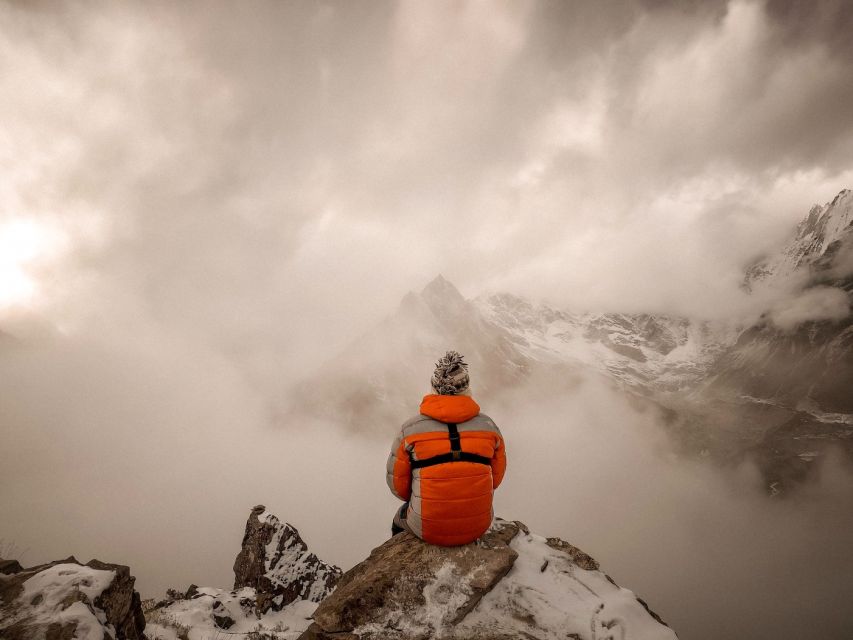
The package includes private comfortable accommodation for five nights during the trek. It doesn’t mean a five-star hotel vibe, but it does mean you’re not stuck sleeping rough after a long day.
Meals are included for the full package (breakfast, lunch, dinner) during the trek. That matters because trekking nutrition is not just about calories. It’s about timing and choosing foods you can digest when the air is thin.
One January note worth keeping in mind: in colder months, accommodations were described as more comfortable, with a dining area that often had a fire. You might also find it helpful to plan for hot drinks and early rest, even if the day felt manageable.
Soft drinks and hard drinks are not included, so if you want extra comforts like soda, you’ll pay out of pocket.
Difficulty and altitude: moderate doesn’t mean effortless
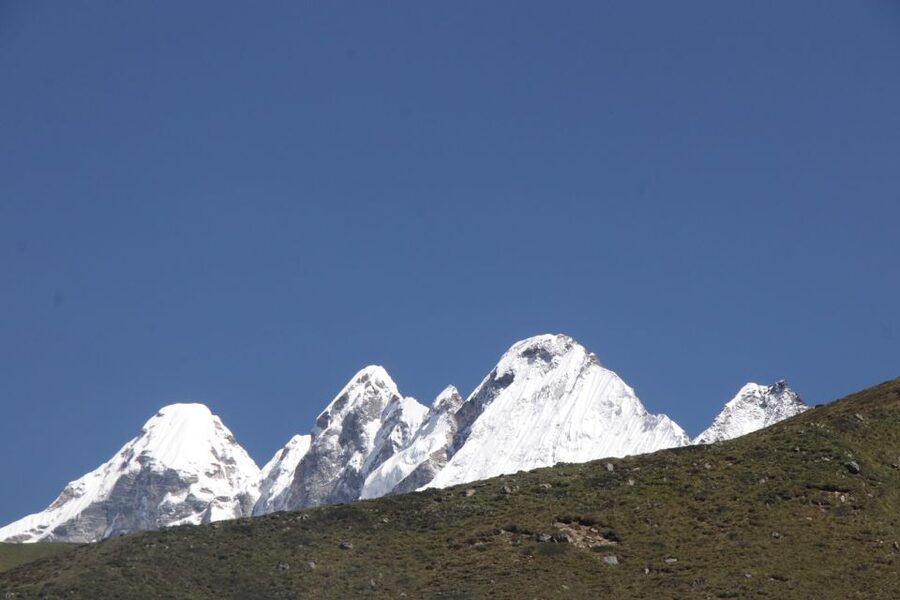
The trek is described as moderate and suitable for first-time trekkers, couples, families, and solo adventurers. But “moderate” in the mountains still means you should be ready for consistent hiking, some steep sections, and days around 6 hours of walking.
One review detail that’s useful: plan for trekking days that can feel closer to 8 hours when the trail gets steep. That doesn’t mean you must be a mountain athlete. It means you should train a bit, pack smart, and trust your pace.
Altitude-wise, the route rises to about 4,770m near Kyanjin Ri. You’ll also spend nights around 3,200–3,870m, which is high enough that sleep can feel different. If you’re sensitive to altitude, take the day seriously: hydrate, keep moving at a steady effort, and don’t race the climb.
Cold is another real factor. One guest specifically mentioned that nights get cold in winter and to bring warm clothes and medication. Plan for it and you’ll enjoy the trek more.
Price and value: what $181 really buys you
At $181 per person, the best way to judge value is by looking at what’s included. You’re not only paying for a guide and a route. You’re paying for permits and paperwork, trek administration fees (including the TIMS fee), accommodation for five trek nights, and all staff costs (including insurance and equipment costs for the team).
Hotel pickup and drop-off are included. Transport is arranged as per group size, and the trek includes shared road transport when you’re moving between Kathmandu and the trailhead areas.
Two “watch-outs” for your budget:
- Porter charge extra. Your guide is included, but if you want a porter to carry more of your load, you’ll pay additional costs.
- Not included: drinks, travel and rescue insurance, and personal expenses like phone calls, laundry, battery recharge, and bottled/boiled water.
So yes, the base price can look low for a 6-day trek. But your real cost depends on how much you spend on comfort and safety add-ons. If you travel with good daypack skills and plan your hydration, you can keep it tidy.
What to pack for this Langtang trek (use the list as your checklist)
The provided packing list is solid, and it matches what you’ll need at elevation. Bring:
- Hiking shoes, jacket, hat, and sunglasses
- Sunscreen and gloves
- A sleeping bag
- Flashlight
- Trekking gear
- A towel
- Your passport or ID card
The most practical tip is to treat layering like it’s part of your route plan. Cold nights at altitude can surprise people who packed for daytime comfort. If you’re going in colder months, extra warmth is not optional.
Also, pack your patience. Even when the scenery is great, weather and pace can change how you feel by the end of the day.
Best fit: who will love this trek and who should reconsider
This trek fits best if you want:
- Real Himalayan trekking without huge crowds
- Tamang culture, monasteries, and community stops
- A moderate trek that still delivers a top-viewpoint day
It’s also a good match if you want a trip that works for different experience levels. The route is challenging enough to feel meaningful, but it includes an optional peak approach so you can adjust to your day.
It’s not suitable for pregnant women, based on the activity info. If that applies to you, you’ll need a different plan.
Should you book this 6-day Langtang Valley trek?
Book this if you want a well-run, culturally focused trek with strong guide support and a realistic shot at the big viewpoint day. The included permits, paperwork, accommodation, and guide make it easier to travel light on planning.
Skip or rethink if you know downhill walking hurts your knees, or if you’re not comfortable with high-altitude trekking around the 4,700m range. Also, if you prefer full independence with no organized support, this might feel too guided.
If you’re aiming for that mix of mountain views, monastery calm, and Tamang community life, this is one of the more thoughtful ways to do Langtang in a week.
FAQ
How long is the Kathmandu to Langtang Valley trek?
The trek duration is 6 days.
Where does the trek start and where do you return to?
You travel from Kathmandu to Syabrubesi, then trek through the Langtang Valley. At the end, you return by shared bus from Syabrubesi back to Kathmandu.
What’s the highest point on this trek?
The route includes a trek to Kyanjin Ri near 4,770m.
How difficult is the hiking?
The trek is described as rewarding yet moderate. You should be ready for steep uphill sections and long walking days.
What’s included in the price?
Included items include hotel pickup and drop-off, an authorized English-speaking guide, trekking permits and paperwork (including TIMS fee[s]), government tax, private comfortable accommodation for five trek nights, and all meals during the trek for the Full Package only, plus luggage storage and transportation as per the itinerary.
Are meals included?
Yes, all meals (breakfast, lunch, dinner) are included during the trek for the Full Package.
Do I need travel or rescue insurance?
Travel and rescue insurance is not included.
Is a porter included?
An authorized English-speaking guide is included, but porter charge is listed as extra.
What should I bring for the trek?
You should bring passport or ID card, towel, sunscreen, gloves, sleeping bag, flashlight, hiking shoes, jacket, hat, trekking gear, and sunglasses.
Is the tour cancellable or flexible to book?
There is free cancellation up to 24 hours in advance for a full refund, and you can reserve now and pay later.