REVIEW · KATHMANDU
12 Days Annapurna Circuit Trek from Kathmandu
Book on Viator →Operated by CAN Travels · Bookable on Viator
High passes, tidy planning, and strong guide care. This trek strings together thick-green valleys, high desert air, and big Himalayan panoramas, with Thorong La Pass as the headline. I like how the trip is built around a real rhythm of altitude—especially the time in Manang to get your body ready—and I also like the human side: guides such as Biru, Amrit, Milan, and Krishna are repeatedly praised for pacing you and explaining mountain and village culture. One drawback to plan for: Day 8 is a long, physical push (often 8–9 hours) and winds can add extra difficulty near the high pass zone.
At $680 per person, the value is in what’s covered: airport-to-hotel transfers in Kathmandu, guided trekking support, permits and official documents, Kathmandu (2 nights) plus Pokhara (1 night) lodging with breakfast, and guesthouse stays during the trek. Food and drinks are on you (you’ll buy as you go, about US$25/day), so your real “on the ground” budget will be more than the trip price. If you expect someone to package every meal and snack, you’ll want to adjust.
You’ll start in Thamel, move by road into the trekking region, then do a series of daily hikes that steadily climb—ending with a drive back through to Kathmandu and a smooth airport drop-off. The meeting start time is listed as 4:15 pm, and the trip is designed for people with strong physical fitness.
In This Review
- Key highlights you’ll actually feel on the trail
- How this Annapurna Circuit itinerary strings together different worlds
- Your guide experience: where the real trip quality shows up
- Days 1–3: Kathmandu setup and the drive into trekking country
- Day 4–6: Braga in Manang, then acclimatization and Yak Kharka
- Day 7–9: Thorong Phedi, the long day to Muktinath, and down to Jomsom
- Days 10–12: Pokhara lake time and the return to Kathmandu
- Price and logistics: what you’re really paying for
- Who this trek fits best (and who should be cautious)
- Should you book this Annapurna Circuit trek?
- FAQ
- What’s included in the $680 per person price
- What’s not included for this Annapurna Circuit trek
- How many days is the trek
- Where do you start and what’s the start time
- Do I get help with permits and documents
- What kind of guide language and support should I expect
- How does cancellation work if I need to change plans
Key highlights you’ll actually feel on the trail
- Experienced English-speaking trekking guidance that focuses on both safety and plain explanations of what you’re seeing
- Built-in acclimatization in Manang, so you’re not just “climbing to climb”
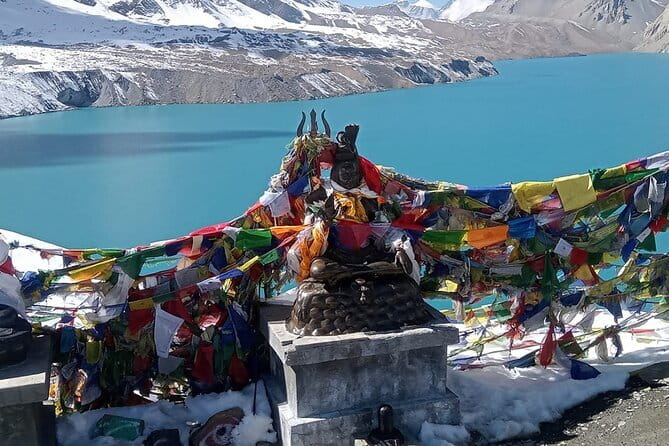
- Thorong La Pass timing from Thorong Phedi, with a staged approach to altitude
- Guesthouse trekking support (less to manage each night) plus trekking poles included
- A full circuit flow: trekking into the Kali Gandaki Valley, then bus to Pokhara for lake time
- Guide names you’ll hear in the field—Biru, Amrit, Milan, and Krishna—show up again and again for a reason
How this Annapurna Circuit itinerary strings together different worlds
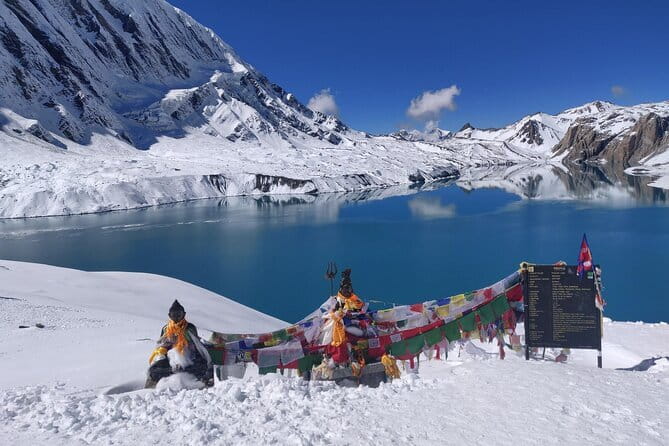
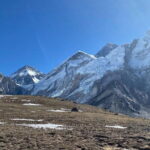
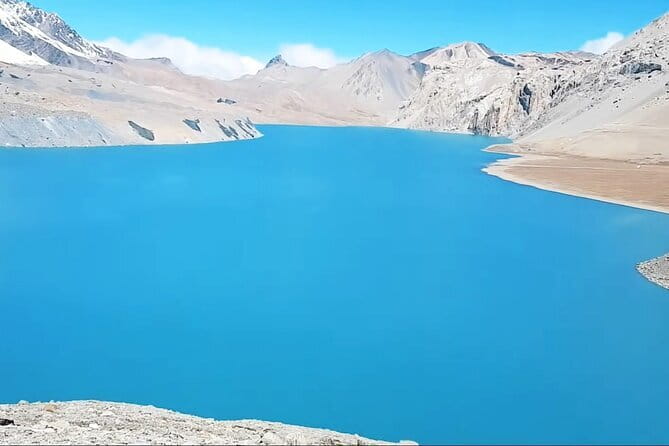
This trek is the classic Annapurna Circuit arc: you start with greener valley scenery in the Marshyangdi area, then climb into cooler forests and high grazing country, and later you get the thinner, drier air of places like Manang and the arid zones beyond. The route also lines up major viewpoints, so you’re not just walking through one kind of scenery—you’re moving through Nepal’s altitude “zones” over and over.
You’ll also get a real sense of how different communities live near these mountains. The route is described as passing through Gurung areas, Manangis, and Tibetan-influenced communities. In practice, that matters because villages and monasteries aren’t just decoration. They show up as daily context: where people build, how they worship, and why that high-altitude life looks the way it does.
One more practical point: this is a trek with road days and bus segments. That’s not a flaw—it’s part of the value. It reduces the number of long transfers you’d otherwise need to arrange yourself, especially when the program ends by driving you to Pokhara and then back to Kathmandu.
You can also read our reviews of more tours and experiences in Kathmandu.
Your guide experience: where the real trip quality shows up
The biggest difference between a good trek and a great one is how your guide handles pace, comfort, and communication. This trip is specifically set up with friendly English-speaking Sherpa trekking guides, and the standout theme in the provided feedback is care plus clarity.
Guide names that come up often include Biru, Amrit, Milan, and Krishna. Across their mentions, the patterns are consistent:
- They explain the mountain culture you’re walking through, not just the trail.
- They help with pacing so the day doesn’t explode in your face.
- They’re described as helpful and honest in how they manage the experience.
That last piece matters. A circuit trek isn’t only about fitness—it’s also about decision-making (how fast to go, when to rest, how to handle altitude discomfort). When the guide is good at adapting to your group, you spend more energy enjoying the views instead of second-guessing your own body.
Days 1–3: Kathmandu setup and the drive into trekking country
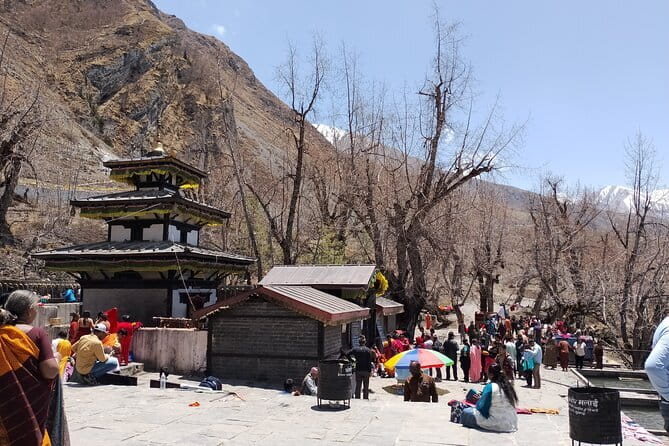
You begin in Kathmandu—specifically Thamel—with an airport meet-up and private vehicle transfer to your hotel. After checking in, the program shifts toward the trekking region. It’s a sensible start: Kathmandu is busy and a little chaotic, so having that first transfer handled helps you get your bearings fast.
Then comes the road run. On Day 2, you travel toward Chame, crossing rivers like the Trishuli and the Marsyangdi along the way. Even if you don’t plan to do anything fancy in a river gorge, these drives are useful because they physically launch you into the Annapurna region before your first big day of hiking.
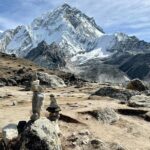
Day 3 takes you onward to Upper Pisang. Here you start seeing higher views of the Annapurna range (including Mt. Pisang at 6,091m), and you also get the classic trail element of suspension bridges. That matters because suspension bridges often become part of your mental map of the route: you learn where the trail “connects,” how steep the terrain can feel, and how the walk changes when the path goes from valley floor to more exposed ridges.
What to watch for early: road days can make you feel like you’re not really “toughing out” altitude yet. Then the first long climbs hit, and your body reminds you who’s in charge. Keep your boots and socks ready from the start, and use the early days to settle into a consistent pace.
Day 4–6: Braga in Manang, then acclimatization and Yak Kharka
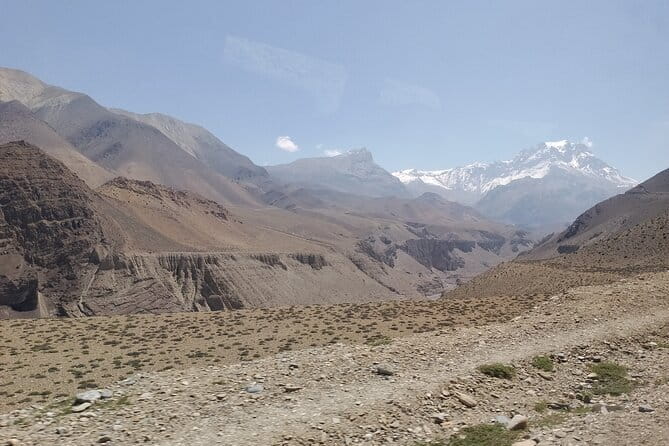
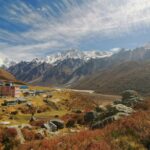
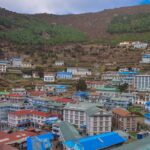
Day 4 centers on Manang area trekking, with a climb to Braga, described as a Tibetan village with distinctive, stacked architecture—houses built one on top of another. This is a good day for culture, because villages here aren’t random stops. They’re built responses to terrain, weather, and daily life.
Then you hit Day 5, which is important in a way that might not look exciting on paper: it’s the acclimatization focus in Manang. Health and climbing professionals recommend time to adapt to higher elevations, and this itinerary builds that in. You’ll also be encouraged to stay active, not just sit and hope altitude behaves.
Day 6 is the move up toward higher grazing country—Yak Kharka. You’ll trek about 10.4 km uphill, passing through juniper forests, and you may see yak grazing on the alpine pastures. You’ll also pass the only teahouse at Thorong Khola (as described), which adds a classic trekking reality: there’s often a “single hub” where you plan your timing, snacks, and water refills.
How this section feels: the terrain starts to get more demanding, but you’re not thrown into a “max altitude, max effort” situation without warning. That’s exactly why acclimatization days matter—they turn the scary days into manageable ones.
Day 7–9: Thorong Phedi, the long day to Muktinath, and down to Jomsom
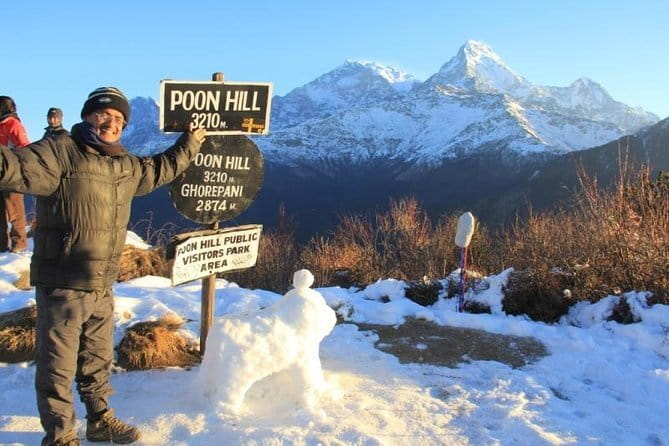
Day 7 is your slow ascent into pass country. You follow the Jarang Khola (river) along its east bank, with steep bluffs and increasing exposure as you go. The day ends at Thorong Phedi, described as meaning foot of the pass. In other words: you’re setting yourself up for the big crossing by sleeping and resting close to where you’ll begin.
Day 8 is the physically hardest day in this itinerary description—often 8 to 9 hours—as you hike to Muktinath. High altitude makes everything harder, and the route notes that strong winds can be a factor. This is where you’ll want to be disciplined about your breathing and your energy. Don’t sprint to prove anything. The pass zone is not a place for ego.
Day 9 continues the downhill sweep into the Kali Gandaki Valley toward Jomsom. You’ll pass through lush meadows, orchards, and streams, and you also go through Kagbeni before reaching Jomsom. The change in vegetation and the valley feel is a relief after the higher, windier air—often your biggest “mental reset” of the trek.
Practical advice for this phase: if you’re feeling okay at Thorong Phedi, that doesn’t always mean you’ll feel okay later on the long day. Wind, temperature, and altitude stack up. Bring layers you can adjust quickly and keep your day plan simple: walk, breathe, pause, repeat.
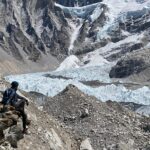
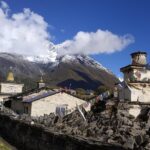
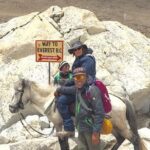
Days 10–12: Pokhara lake time and the return to Kathmandu
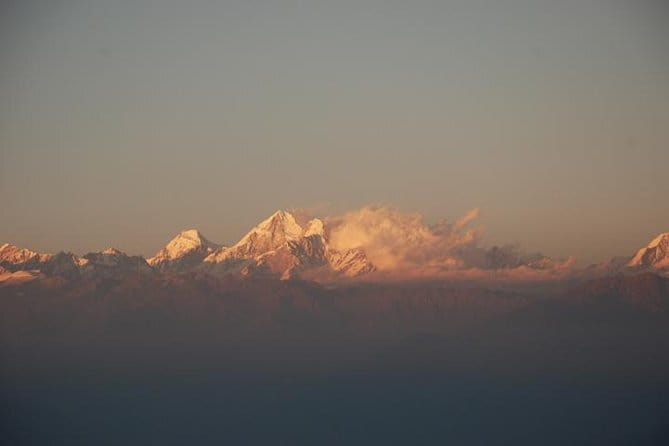
After Muktinath and Jomsom trekking, the program shifts from hiking to road. On Day 10 you drive to Pokhara by local bus, a 7–8 hour journey. You arrive via Tatopani and pass through Beni Bazaar on the way. Then you reach Pokhara—famous for Phewa Tal (lake) and popular with travelers because it has the services you actually need after trekking: places to eat well, exchange money if needed, and decompress.
Day 11 is the return drive to Kathmandu, again about 7–8 hours. This day is less about “things to do” and more about landing softly. If your body is sore, use the time like a reset: hydrate, eat something warm, and let your sleep catch up.
Day 12 is airport transfer with an early plan: you’ll be taken to Tribhuvan International Airport at least three hours before your scheduled departure. That buffer is smart in Nepal, where timing can swing and airport logistics can take longer than you expect.
Price and logistics: what you’re really paying for
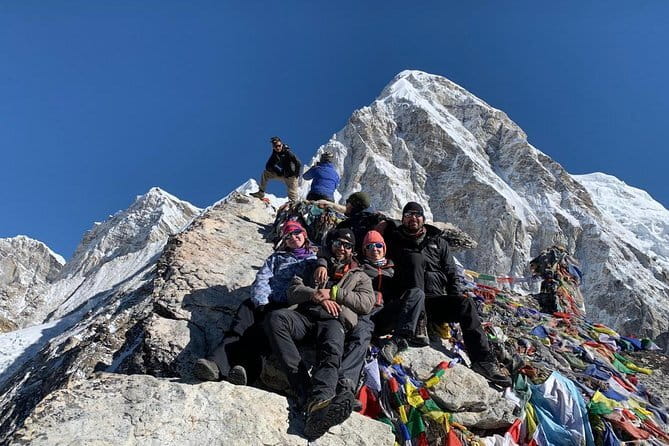
This trek is listed at $680 per person for about 12 days. The included items do a lot of work for you:
- Hotel pick-up and drop-off in Kathmandu
- A friendly English-speaking trekking guide
- Trekking permit and official documentation handled
- Kathmandu 2 nights and Pokhara 1 night lodging with breakfast
- Guesthouse accommodation during the trek
- Round trip transfer by shared bus following the itinerary
- Private tour (only your group participates)
- Trekking poles included for each trekker
What’s not included is also clear: food and drinks are available to purchase, around US$25/day, plus optional gratuities.
When I look at value, I think about risk and effort. Permits, paperwork, and guide logistics reduce the “guessing.” Lodging support reduces nightly decision fatigue. And a pass-focused route that includes acclimatization support reduces the chance your trip becomes a stop-start medical situation.
Still, keep one consideration in mind: a private tour doesn’t automatically mean private transport all the way down to every segment. The itinerary mentions shared bus transfers according to the route, so you should be comfortable with some group movement.
Who this trek fits best (and who should be cautious)
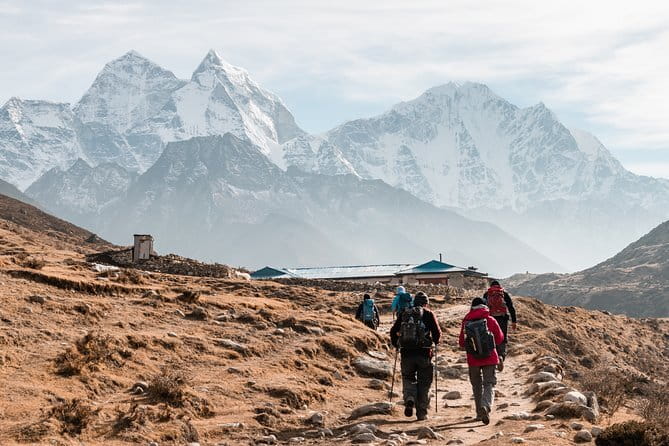
This is a great match if you:
- Want one of Nepal’s most famous trekking routes with high-altitude milestones like Thorong La and Muktinath
- Prefer having permits, documentation, and guiding handled for you
- Like a mix of culture stops (villages, monasteries and stupas are included in the overall description) and serious walking days
Be cautious if:
- You’re not confident with long hiking days and altitude pressure. The trip explicitly says travelers should have strong physical fitness.
- You hate wind and cold at higher elevations. Day 8 can be long and exposed, with strong winds possible.
Should you book this Annapurna Circuit trek?
Yes, if you want the Annapurna Circuit with a structured altitude approach and guides who focus on pace and communication. The mix of included permits, guided support, lodging coverage (Kathmandu and Pokhara), and guesthouses during the trek is the backbone of the value. And the repeated guide names—Biru, Amrit, Milan, Krishna—signal that people care about how the experience feels, not just whether you reach the pass.
Skip it or pick a different option if you’re aiming for an easy hike, or if you want a fully all-inclusive food plan. You’ll be buying meals and drinks along the way, and the high pass day requires real endurance and smart pacing.
FAQ
What’s included in the $680 per person price
The price includes hotel pick-up and drop-off round trip, a friendly English-speaking trekking guide, trekking permit and all official documents, Kathmandu (2 nights) and Pokhara (1 night) accommodation with breakfast, guesthouse accommodation during the trek, round trip transfer by shared bus according to the itinerary, a private tour, and trekking poles for each person.
What’s not included for this Annapurna Circuit trek
Food and drinks aren’t included. They’re available for purchase, with an approximate cost of US$25 per day, and gratuities are optional.
How many days is the trek
It’s listed as 12 days approximately.
Where do you start and what’s the start time
In Kathmandu, you’ll start from Thamel, and the meeting start time is listed as 4:15 pm.
Do I get help with permits and documents
Yes. Trekking permits and all official document handling are included.
What kind of guide language and support should I expect
You’ll have a friendly English-speaking trekking guide, and the overall guidance is described as focused on safety, comfort, and sharing mountain history and culture.
How does cancellation work if I need to change plans
You can cancel up to 3 days in advance for a full refund. If you cancel less than 3 days before the experience’s start time, the amount paid is not refunded.