REVIEW · SAPA
Sapa Mountain View and Villages Trek
Book on Viator →Operated by Sapa Trekking Hiking Tours · Bookable on Viator
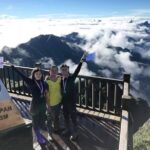
Muong Hoa starts with one viewpoint. This Sapa trek strings together panoramic views over Sapa town and the Muong Hoa valley, plus visits to Hmong villages perched on the mountainside and down in the fields. You get the sense that you’re not just passing through—you’re reading the region from up high.
I especially like the local guide experience, and one guide named Gio really stood out for his English and his patience with our pace, including multiple breaks. I also like that the route is built around village life and real geography, so you understand why homes are small and wooden when the terrain is steep.
One thing to plan for: this is still a trek with some walking and downhill segments, and it depends on good weather. If your fitness is limited, you’ll want to keep the pace easy and lean into the breaks.
In This Review
- Key things I’d circle before you book
- Why the Sapa mountain-view trek feels better than a quick stop
- The view game: Muong Hoa valley panoramas and what they teach you
- Meeting point at Sapa Church and the 9:00 am start
- Hau Thao stop: Hang Da village, downhill views, and the “small house” explanation
- What to watch for at Hau Thao
- A realistic consideration
- Giang Ta Chai Village: Muong Hoa river setting and cultural context on the way back
- Why this stop is worth the time
- Timing note
- What’s included (and why it’s good value for the money)
- Pace, fitness level, and how the day actually feels
- Weather matters more than you think
- Who this Sapa trek suits best
- Should you book this tour?
- FAQ
- What is the duration of the Sapa Mountain View and Villages Trek?
- Where is the meeting point for the tour?
- What time does the tour start?
- Is lunch included?
- Does the price include transportation back to Sapa?
- What is included in the tour besides the guide?
- Does the tour require any fitness level?
- What happens if weather isn’t good?
- Can I cancel for a full refund?
Key things I’d circle before you book
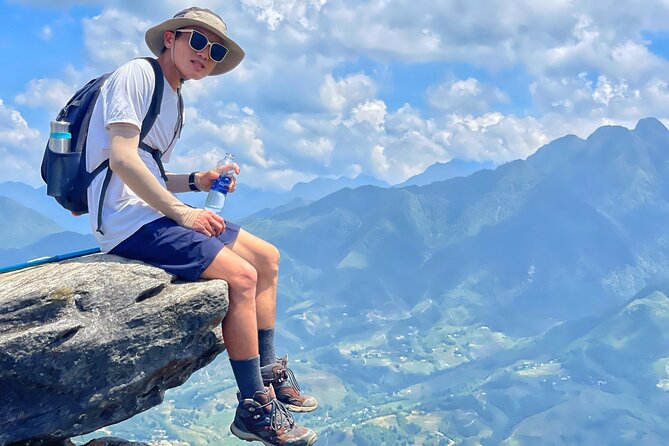
- Big valley views before village time, so your photos start at the top
- Max group size of 15, which keeps the pace human and questions possible
- Lunch plus village fees included, not just a “look and leave” stop
- Hau Thao and Giang Ta Chai on/near the Muong Hoa valley and river area
- Guide Gio’s helpful, English-friendly approach, including break-friendly pacing
- Transportation back to Sapa, so you’re not stuck figuring out the return
Why the Sapa mountain-view trek feels better than a quick stop
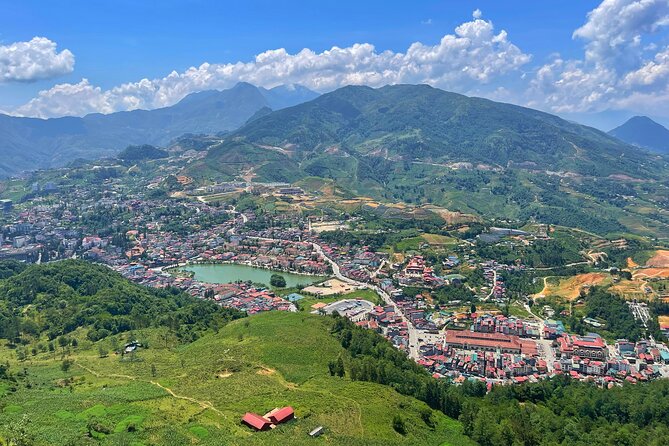
Sapa can be busy, but this experience is designed around a simple idea: see the mountains first, then learn how people live on them. From high ground, you look down toward terraced fields, corn and rice areas, and scattered village houses that make the valley feel like one connected system.
What makes it interesting is the way the route explains “why.” You’re not just told the facts about the Hmong and their traditions—you get the geographic clues that make those facts make sense. As you move from elevated viewpoints down toward the Muong Hoa valley, the terrain itself becomes part of the lesson.
And at a price around $35 for a 6-hour outing with guide, lunch, village fees, and transport, it’s hard to beat as a value day. It’s not a full multi-day trek, so you’ll trade depth of hiking time for a broader “taste test” of the valley and villages.
The view game: Muong Hoa valley panoramas and what they teach you
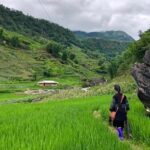
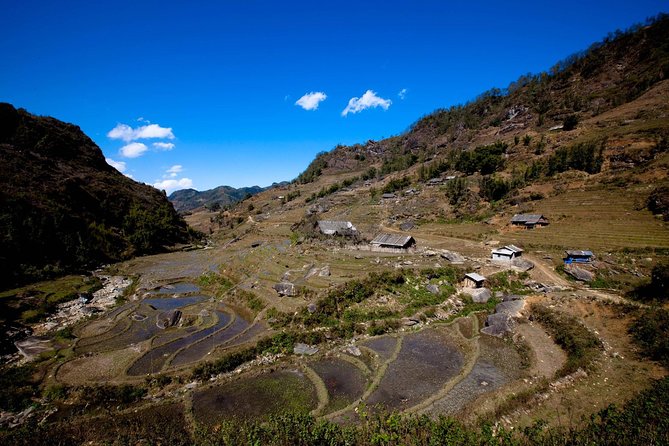
The tour highlights panoramic viewpoints over the Muong Hoa valley, plus scenes of the fields and traditional houses you only really understand from the mountain. When you’re up high, you can see how villages sit along the slopes and how the fields step down the hillsides.
This matters for two reasons.
First, it’s easier to grasp why the houses you pass tend to be compact. The tour specifically calls out that the terrain influences house size and materials—small, wooden structures that fit the mountain logic. Second, the views help you understand daily life as something shaped by the land, not something staged for visitors.
You’ll also notice differences among ethnic groups in the villages you pass through. The tour is framed as a look at daily life, culture, and traditions across the mountain communities—so expect more than one kind of household and more than one way of living in this area.
Meeting point at Sapa Church and the 9:00 am start
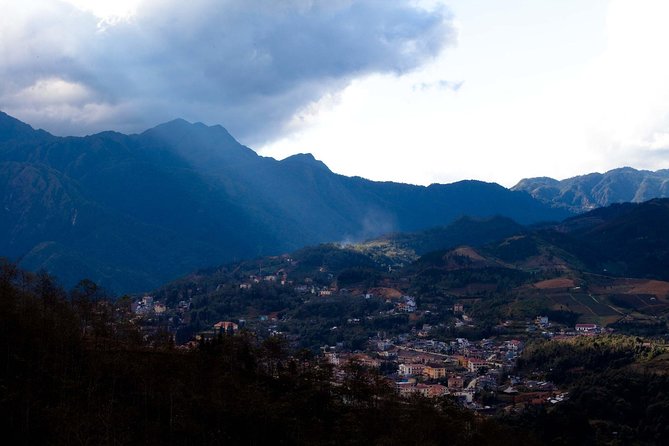
You meet at Sapa Church on P. Hàm Rồng in the town center. The start time is 9:00 am, and the experience ends back at the meeting point.
Two practical benefits here:
- Being in town makes it simpler to get there early without long transfers.
- Starting at 9:00 means you’re out during daylight, which is important because the tour requires good weather.
Pickup is offered, but since you’re also given a clear town meeting point, you can choose what fits your day. Either way, you’ll want to arrive a few minutes early so your group can set off smoothly.
Hau Thao stop: Hang Da village, downhill views, and the “small house” explanation
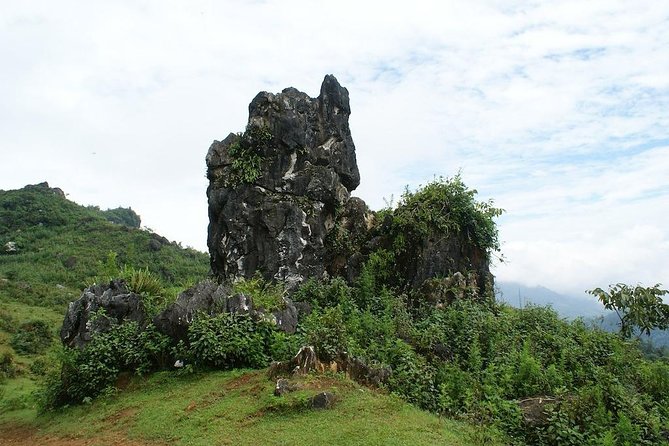
After lunch, the tour shifts into downhill scenery and village sightlines. You’ll start with a visit to Hang Da village, then head down toward the Muong Hoa valley and onward to Hau Thao village.
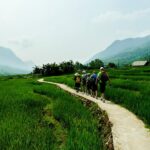
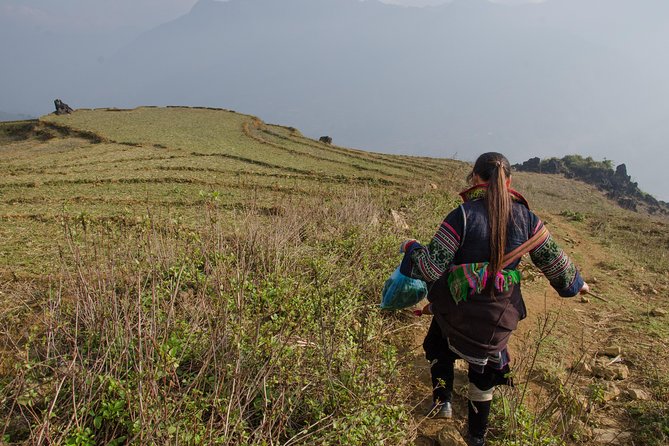
This part of the day is where the experience gets most visual. From the trail and viewpoints, you see the valley laid out below—villages, terraced fields, and the patchwork of agriculture. You’ll also observe daily life as you walk through, and the tour’s framing puts special attention on how the landscape influences building choices.
What to watch for at Hau Thao
- Traditional houses and materials: the tour highlights why they’re small and made of wood in steep terrain.
- Valley scale: at this point, you can finally connect the villages you saw from above with the valley communities below.
- Hmong daily life cues: you’ll see everyday patterns tied to where people live and farm.
A realistic consideration
This segment is more “tread” than “stroll.” Even if the pace feels manageable, you should assume downhill walking and uneven terrain. If you prefer steady breaks, you’ll likely appreciate the break-friendly style of guides like Gio—at least that’s how one English-speaking guide impressed people who took this tour.
Giang Ta Chai Village: Muong Hoa river setting and cultural context on the way back
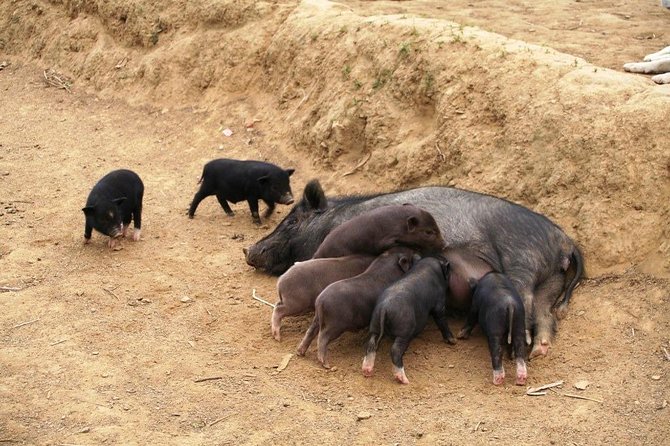
From Hang Da, the route continues to Giang Ta Chai village, described as a small village on the Muong Hoa river of the Hmong people. This is also a strong “context” stop—your guide provides information about topography and culture while you’re moving through the area.
One detail I like in this section: the tour doesn’t only talk about villages as isolated places. It also includes a history-style explanation of how the Sapa tourist resort was established, tied to the land and settlement patterns you’re seeing.
Then it’s back to Sapa by car.
Why this stop is worth the time
Giang Ta Chai works because it blends setting and understanding. The river location matters in a mountainous region, and the guide’s explanations help you connect what you’re seeing (slopes, fields, river-adjacent life) with how Sapa’s tourism developed in the first place.
Timing note
This stop is around one hour. It’s long enough to feel like a real village visit, but it’s not so long that you feel stuck. If you like your days to move, this structure tends to fit.
What’s included (and why it’s good value for the money)
For about $35, you get a package that covers the big costs people often forget:
- Village entry fees
- Lunch
- Local guide
- Transportation back to Sapa
- 1 small bottle of water
That’s a key point: you’re not paying separately for entry fees or scrambling for lunch plans mid-trek. For a short, single-day mountain program, that “everything handled” feeling is real value.
What’s not included:
- Personal travel insurance
- Extra drinks (like bottled water or beer) at restaurants
- Tips for the tour guide and driver
If you’re trying to keep the day budget predictable, this tour is helpful. Just remember that the included water bottle is small—so if you sweat easily or get thirsty, you may want extra.
Pace, fitness level, and how the day actually feels
This experience asks for moderate physical fitness. That doesn’t mean you need to be an athlete, but you should be comfortable with:
- some walking on uneven terrain
- a downhill portion
- breaks along the way
One of the best practical signals from the experience’s overall feedback is that guides can be patient with your pace. In particular, Gio was praised for being helpful and for taking multiple breaks when needed, while still keeping the trip moving.
So if you’re the kind of traveler who likes to stop for photos, ask questions, and take it slowly, you’re likely to enjoy this format.
Weather matters more than you think
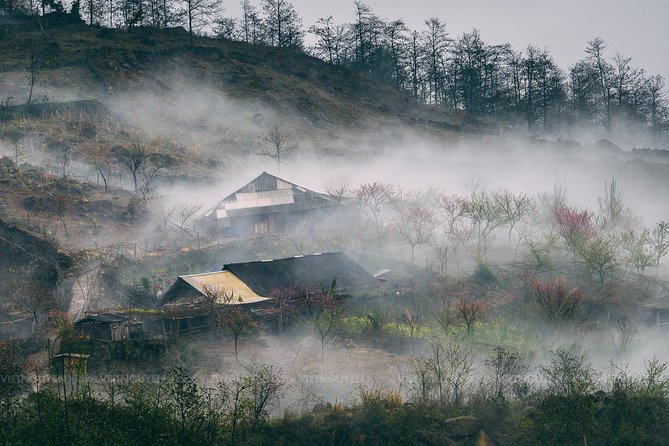
The tour requires good weather. That sounds obvious until you’re in a mountain valley where cloud, rain, or mist can erase the very thing you came for: the panoramic view.
If conditions aren’t right, you’ll be offered a different date or a full refund. In practice, that means you should treat the day as weather-dependent. If you’re on a tight schedule, consider keeping at least some flexibility.
Who this Sapa trek suits best
This is a strong fit if you want:
- mountain viewpoints over Muong Hoa valley
- a real village route rather than a single photo stop
- a guided day with lunch and transport included
- a manageable time commitment (about 6 hours)
It may not be the best choice if you want a long, hardcore hiking day with big elevation gains and lots of time on trails. This is more of a guided “mountain views + village life” circuit than an endurance trek.
Families with kids might find it challenging depending on age and walking comfort, since the tour calls for moderate fitness. For solo travelers and couples, the small group size (up to 15) is often a good balance: social enough for questions, not so large that you get lost.
Should you book this tour?
If your priority is a worthwhile, guided day that combines panoramic mountain views, village life, and clear explanations about how the terrain shapes daily culture, this one makes a lot of sense—especially at the $35 price point.
I’d book it if you like guided pacing, you appreciate cultural context, and you can handle moderate walking. I would think twice only if you’re very limited on mobility or you know you’ll be unhappy in case the day is affected by weather.
FAQ
What is the duration of the Sapa Mountain View and Villages Trek?
The duration is approximately 6 hours.
Where is the meeting point for the tour?
The tour starts at Sapa Church on P. Hàm Rồng, TT. Sa Pa, Sa Pa, Lào Cai 333100, Vietnam.
What time does the tour start?
The start time is 9:00 am.
Is lunch included?
Yes, lunch is included.
Does the price include transportation back to Sapa?
Yes. Transportation back to Sapa is included.
What is included in the tour besides the guide?
Village entry fees, a local guide, 1 small bottle of water, lunch, and transportation back to Sapa are included.
Does the tour require any fitness level?
Yes. You should have a moderate physical fitness level.
What happens if weather isn’t good?
This experience requires good weather. If it’s canceled due to poor weather, you’ll be offered a different date or a full refund.
Can I cancel for a full refund?
Yes. You can cancel up to 24 hours in advance of the experience for a full refund.