REVIEW · POKHARA
Pokhara: 3-Day Ghorepani and Poon Hill Trek
Book on GetYourGuide →Operated by Himalayan Nomad Treks Pvt. Ltd. · Bookable on GetYourGuide
Poon Hill sunrise hits hard, even briefly. This 3-day trek out of Pokhara centers on Poon Hill sunrise and big Annapurna range views, with tea-house stops and a real stair-and-slope workout along the way. You reach a top viewpoint around 3,210m, so the effort feels earned fast.
I like how the day-by-day plan stays simple and paced around where you sleep: Tikhedhunga, then Ghorepani, then back down. I also like the human side—guides such as Deepist, Keshab, and Kaji show up ready to explain what you’re walking past and help you keep going. One consideration: the climb includes over 3,000 stairs and can feel steep at 3210m, so you should be comfortable with a demanding hike.
In This Review
- Quick takeaways
- Why Poon Hill and Ghorepani work in just 3 days
- Day 1: Pokhara to Tikhedhunga, with Nayapul and Modi Khola in the mix
- Day 2: Ulleri stairs to Ghorepani at 2,840m
- Day 3: Poon Hill sunrise, then down through Ulleri and Hile to Pokhara
- Guides on this trek make or break your pace
- Altitude, steps, and weather: plan like it’s real mountain time
- Tea houses, meals, and Wi-Fi: what comfort looks like
- Price and what $127 buys you (and why it can be good value)
- Transportation and the Pokhara finish you can actually enjoy
- Who should book this trek, and who should skip it
- Should you book Pokhara: 3-Day Ghorepani and Poon Hill Trek?
- FAQ
- What are the dates and duration for this trek?
- Where does the trek start and end?
- What altitude do you reach on this itinerary?
- What is the hardest part of the hike?
- Is accommodation included?
- Are meals included?
- Do I need trekking permits or paperwork?
- Is this trek suitable for everyone?
Quick takeaways
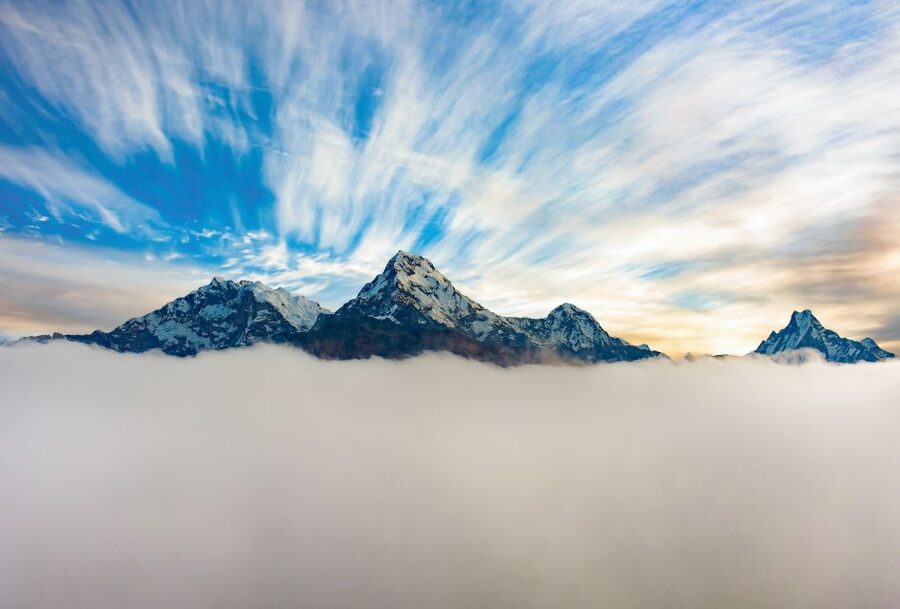
- Sunrise from Poon Hill gives you a front-row view of the Himalayas when conditions are right.
- A stair-heavy ascent to Ulleri (often described as thousands of steps) is the main physical challenge.
- Tea-house nights at Tikhedhunga and Ghorepani are part of the charm, with reports of comfort and Wi-Fi.
- English-speaking guidance (English, Hindi, Nepali support) keeps the route and pace under control.
- Your end in Pokhara feels complete: Hotel Orchid for the last night plus a Nepalese farewell dinner in Lakeside.
- Permits and paperwork are handled via trekking permits and the TIMS fee(s), so you’re not scrambling.
Why Poon Hill and Ghorepani work in just 3 days

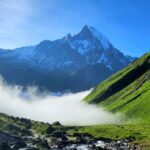
This is a good trek if you want the Annapurna feel without eating a whole week. You get multiple altitude “moments” in a short time: river-and-village walking early on, a tough climb to Ghorepani, and then a steep pre-sunrise push on day three.
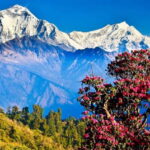
The other win is variety. You’re not only looking at mountains—you’re moving through small settlements, rhododendron forests, and river valleys. That mix makes the time pass faster, even when your legs are protesting.
You can also read our reviews of more tours and experiences in Pokhara.
Day 1: Pokhara to Tikhedhunga, with Nayapul and Modi Khola in the mix
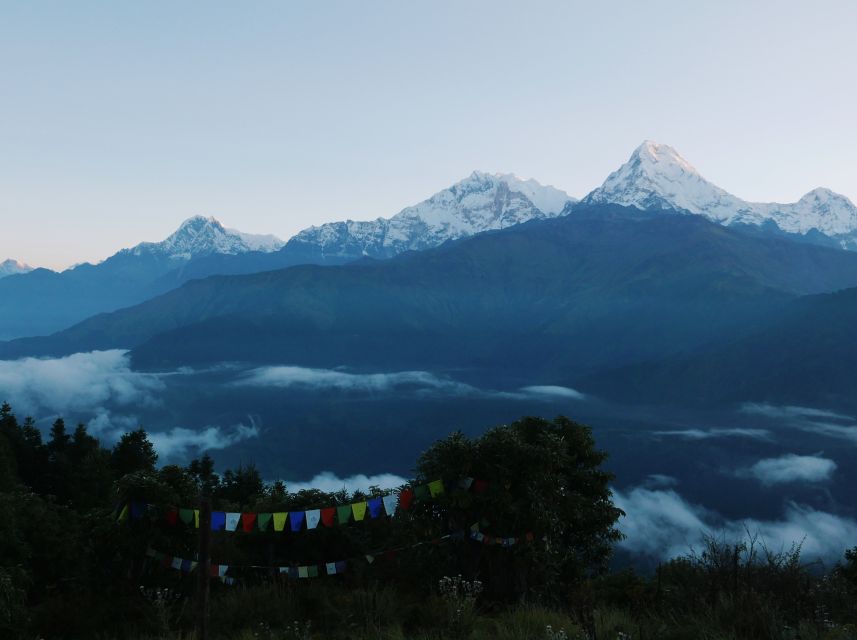
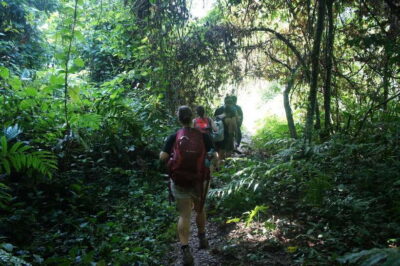
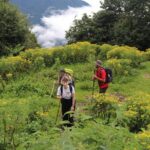
You start with a scenic drive from Pokhara to Nayapul. From there, you walk alongside the Modi Khola River through small villages and forest stretches, including rhododendron country.
Why this day matters: it’s your rhythm-setter. You’re gaining elevation gently compared to what comes later, so it’s the day to test your footwear, your daypack fit, and how often you realistically want to stop.
You finish in Tikhedhunga at about 1,570m and sleep in a tea house. It’s a practical night—no long logistics, just settle in, eat, and get ready for the stair climb ahead.
Day 2: Ulleri stairs to Ghorepani at 2,840m
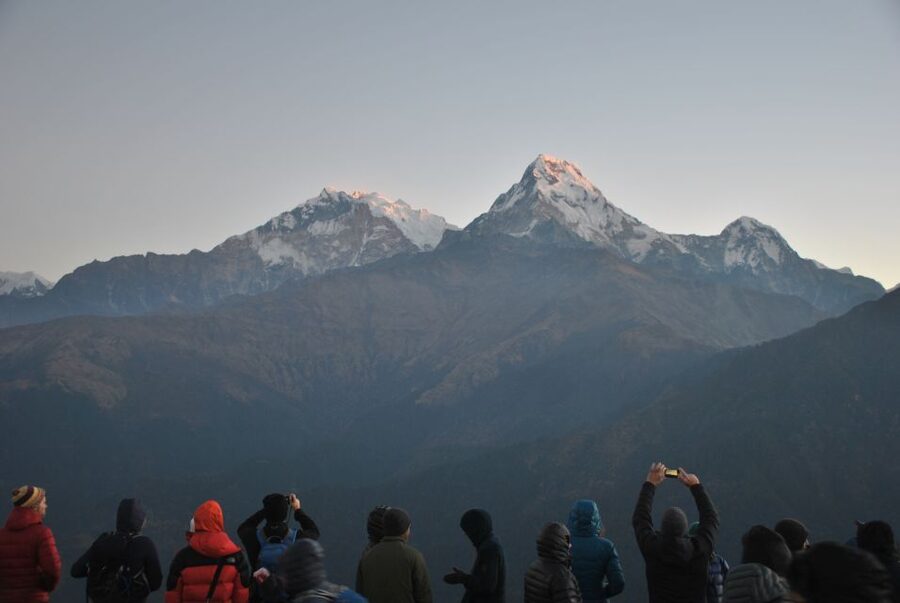
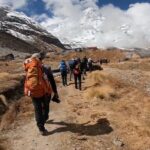
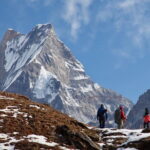
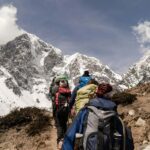
Day two is where the trek becomes a workout. You climb up toward Ulleri village via a steep section with over 3,000 steps, then continue through rhododendron forests until you reach Ghorepani at about 2,840m.
What I like about this structure: you’re not guessing. The hardest part is built into the plan as a clear block, so you can pace it instead of burning out early. Take it slow, count your breaths, and use short breaks. This route is the kind that rewards steady effort.
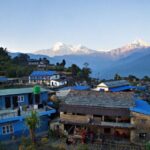
When you arrive in Ghorepani, you stay in another tea house for the night. Based on what’s been reported, the tea houses are often comfortable and may offer hot showers and Wi-Fi—useful when you want to cool down and check messages without turning the night into a logistics project.
Day 3: Poon Hill sunrise, then down through Ulleri and Hile to Pokhara
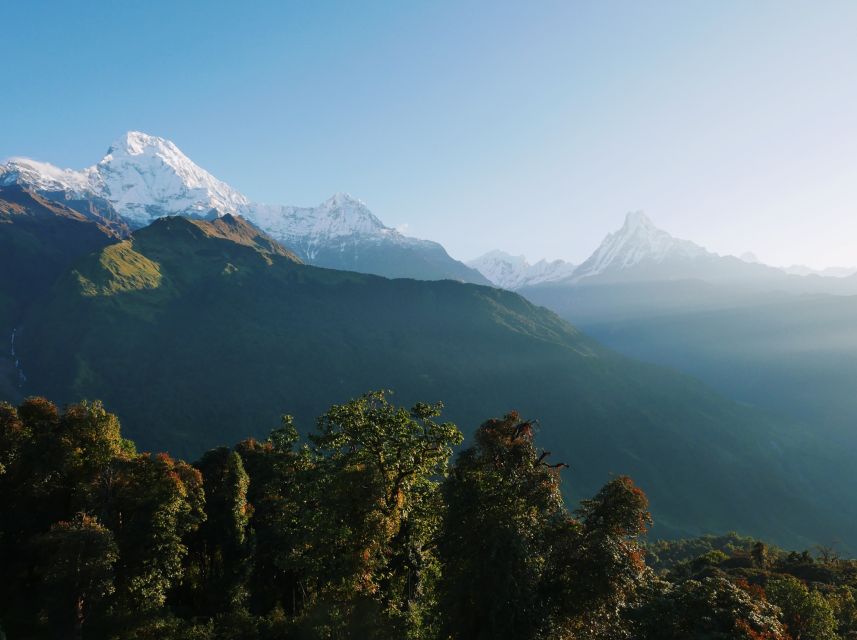
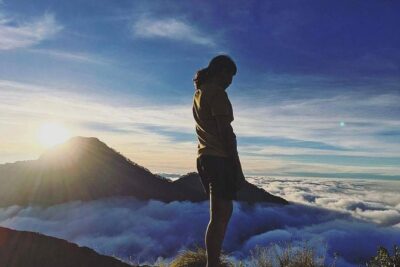
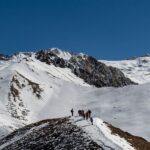
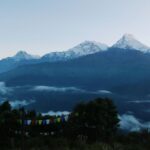
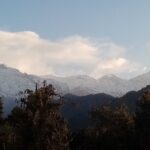
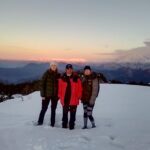
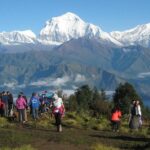
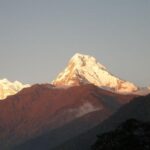
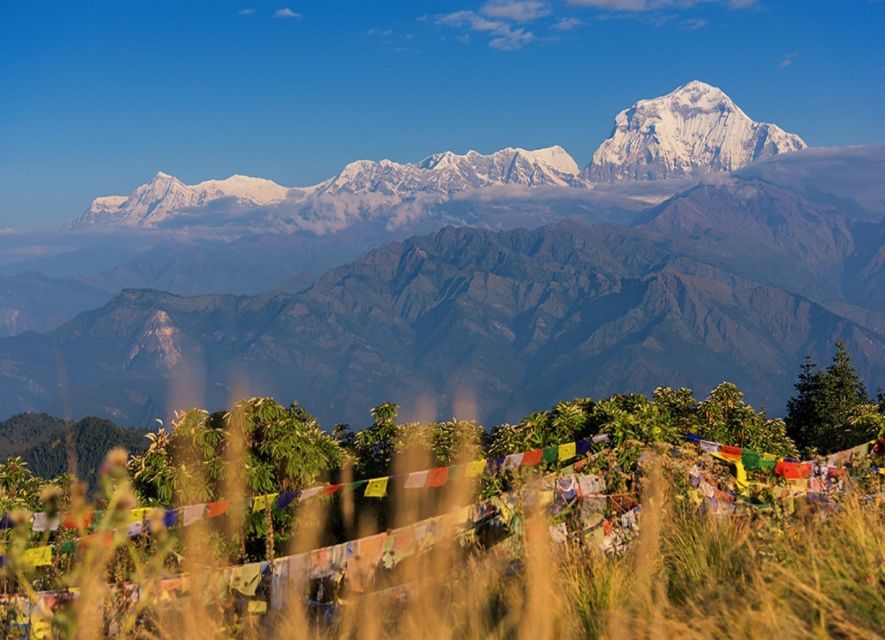
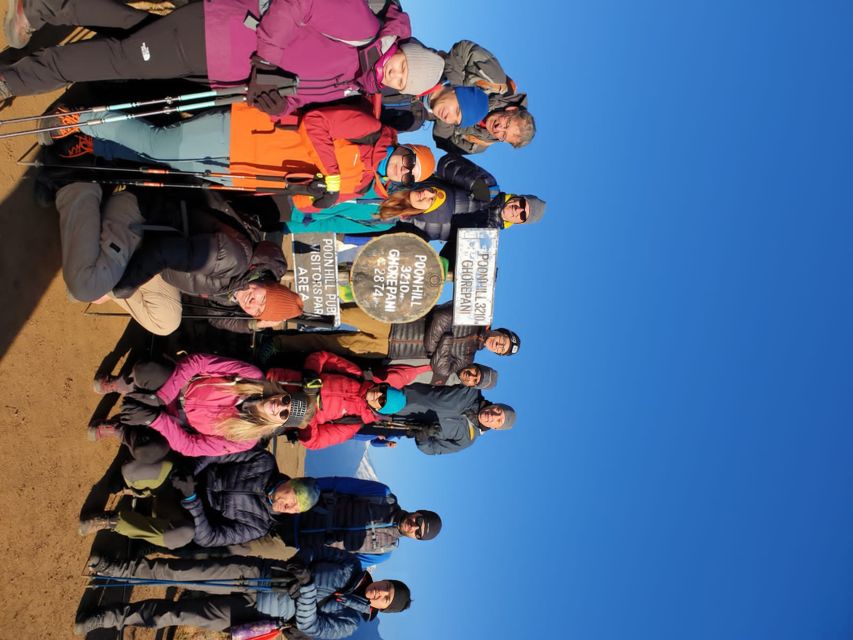
Day three starts early because the payoff is timing. You climb up to Poon Hill to see sunrise over the Himalayas and the wider Annapurna range. The viewpoint is the trip’s big altitude moment—around that 3,210m level—so the cold can feel sharp before the sun shows up.
Once you’ve had that view, you descend the same general route back toward Ulleri. This is described as a steep descent, followed by reaching Hile. Then the route turns practical again: you continue through forest and jungle areas with scenery along the Modi River, and you reach Nayapul by jeep.
From Nayapul, you’re driven back to Lakeside Pokhara on the highway to end the trek. The “get your breathing back” feeling after a steep descent is real, and this ending logistics keeps it from turning into a long travel day.
Guides on this trek make or break your pace
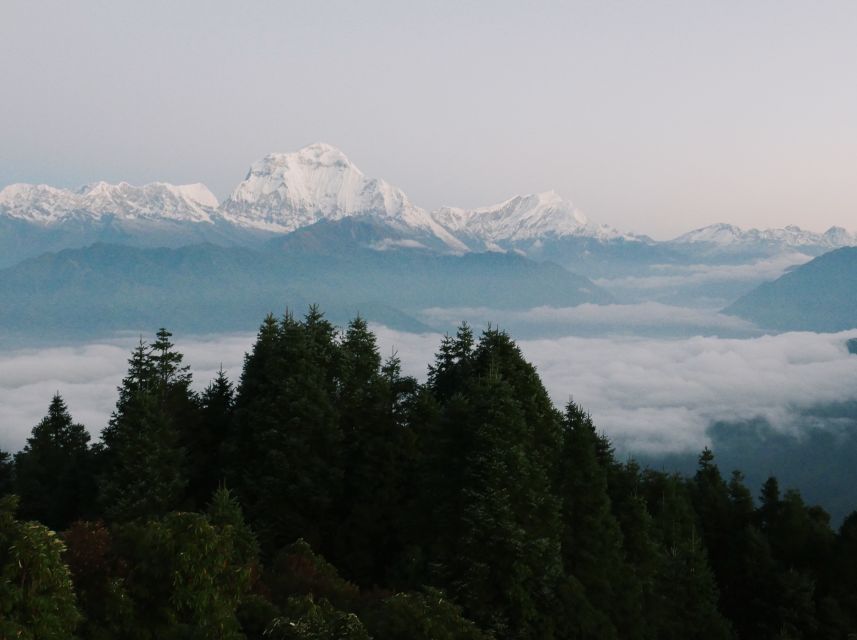
This trek is short, so guide quality matters. You’re not just paying for a route—you’re paying for someone to manage timing, pace, and small decisions on the ground.
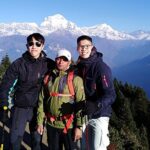
In the feedback for this experience, guides like Deepist, Keshab, and Kaji show up as hands-on and helpful. People specifically mention the guide being attentive, flexible with schedules and needs, and willing to explain what you’re walking past. That can make a big difference when the trail gets repetitive in your legs but not in your eyes.
Also note: the included plan covers the guide and includes his insurance, plus staff expenses such as accommodation, meals, salary, equipment, insurance, and transportation. That kind of coverage usually means fewer gaps during the trek.
Altitude, steps, and weather: plan like it’s real mountain time
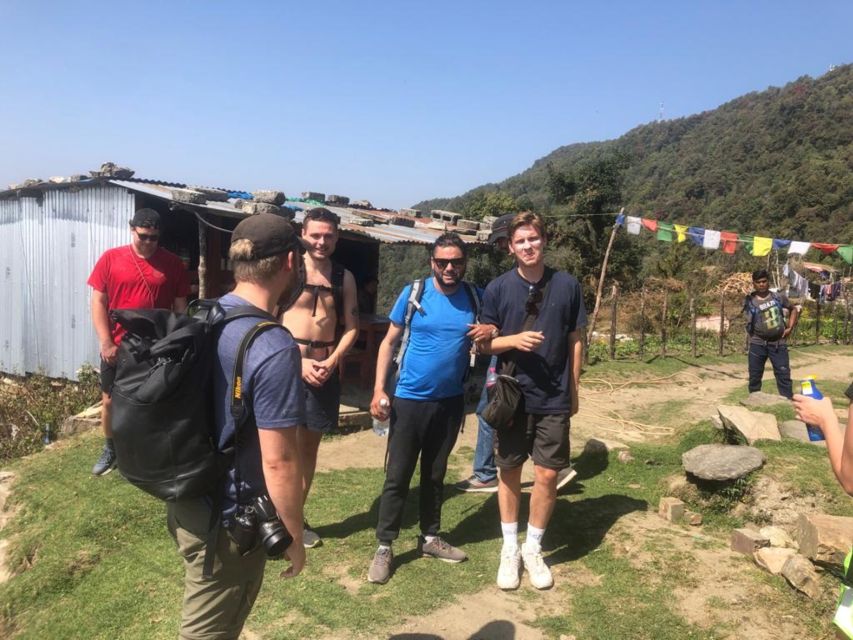
Even though this is a 3-day trek, you still move into higher air quickly. Ghorepani sits at about 2,840m, and the Poon Hill viewpoint is around 3,210m. That means you should expect the usual reality: cold mornings, tired breathing, and a need for steady pacing.
Your packing list matches this well. Bring a jacket, hat, sunglasses, and a flashlight for early starts. A sleeping bag is listed too, which is a helpful detail if you’re sensitive to temperature changes at night.
If you’re someone who likes a steady pace and can handle stairs, you’ll probably enjoy this. If not, this is where you feel the trek most. The route isn’t built for a slow amble.
Tea houses, meals, and Wi-Fi: what comfort looks like
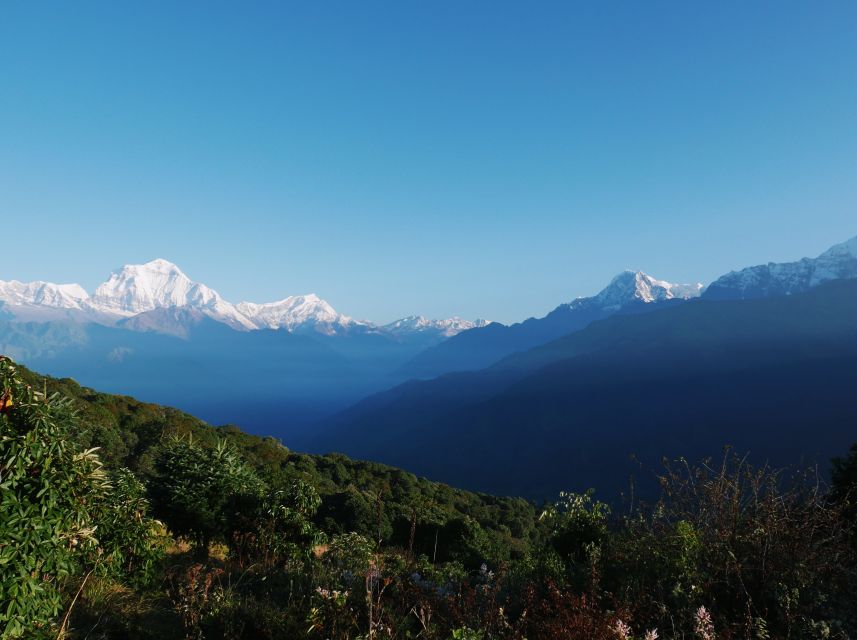
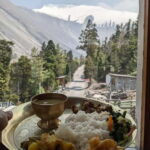
Tea houses are the backbone of this itinerary. You sleep at tea houses in Tikhedhunga and Ghorepani, and you’ll have meals during the trek if you choose the full package.
Here’s the practical bit: meals are listed as included during the trek for the Full Package only. If you’re booking a non-full package, you may need to cover some food costs yourself. Before you go, confirm what your package covers—simple questions save money and stress later.
As for comfort, reports include Wi-Fi and hot showers in tea-house stays. That’s not a guarantee you should bank on, but it’s a good sign that these places are geared for hikers who want basic creature comforts.
Price and what $127 buys you (and why it can be good value)
At $127 per person for 3 days, you’re paying for more than just a trail. This package covers the full backbone: hotel pickup/drop-off, trekking permits and TIMS fee(s), and accommodation during the trek. It also includes a last night in Pokhara at Hotel Orchid for x1 night and a Nepalese farewell dinner in Lakeside.
Then there’s the human part. You get an authorized English-speaking guide, and staff costs are covered. That’s part of why the trek feels organized, instead of like you’re coordinating everything day by day.
A couple value checks to keep in mind:
- Porter is listed as not included. Still, your guide team may coordinate support informally. Don’t assume it’s free or automatic—ask ahead if you want help carrying.
- Meals are included during the trek for the Full Package only. If you’re trying to keep costs down, make sure you know what’s covered in your specific option.
If you want a short trek with permits handled, guides included, and basic comfort managed, this price can make sense. If you’re already an independent trekker who can handle permits and logistics on your own, you might compare against self-guided costs. But for most people, this feels like money spent on reducing friction.
Transportation and the Pokhara finish you can actually enjoy
The trek doesn’t start and end with a random shuffle. You get pickup and drop-off, and there’s also a defined return to Lakeside Pokhara after the jeep to Nayapul.
Your last night in Pokhara is Hotel Orchid x1 night (tourist standard luxury hotel per the package notes). You also get a farewell dinner with Nepalese typical food in Lakeside, so the end of the trek isn’t just a ride and then good luck.
One more detail that helps: there’s an AC transportation line described in the included list. The exact form depends on your package type, but it signals that the team is thinking about comfort for the ground travel portion.
Who should book this trek, and who should skip it
This trek fits best if you:
- Want classic Annapurna views in a short time
- Can handle steep, stair-heavy hiking
- Prefer tea-house stays over camping
- Like the idea of a guided route with someone helping with pace and decisions
It’s not suitable for pregnant women, based on the activity notes. If you have medical concerns or mobility limits, you should ask detailed questions before committing.
If you’re traveling solo, you can still do well here since the structure is guided and safety is supported by staff and planning. One review also highlighted feeling extremely safe while traveling by yourself, which is the kind of reassurance that matters on a mountain trail.
Should you book Pokhara: 3-Day Ghorepani and Poon Hill Trek?
I’d say yes if you’re craving the Poon Hill sunrise experience and you’re honest with yourself about the stair climb. This itinerary is short, but it’s not gentle. If you’re comfortable hiking with steep sections, you’ll likely feel the reward quickly.
Book if you want a guided, organized version of the Ghorepani trek with permits and transport handled, plus tea-house nights and a proper Pokhara finish at Lakeside. Skip or ask for advice first if stairs or altitude changes worry you, or if you want porter support but don’t want to pay extra.
If you want my practical “go/no-go” checklist, keep it simple: jacket for early mornings, shoes you trust on stairs, and a pace that lets you survive the descent on day three. Do that, and you’ll be set for one of Nepal’s best-value view moments.
FAQ
What are the dates and duration for this trek?
The trek duration is 3 days. Starting times depend on availability.
Where does the trek start and end?
It starts in Pokhara, with a drive to Nayapul. It ends back in Lakeside Pokhara after the jeep from Hile/Nayapul and the return drive.
What altitude do you reach on this itinerary?
The experience notes a top viewpoint around 3,210m above sea level. Ghorepani is listed at about 2,840m, and Tikhedhunga is listed at about 1,570m.
What is the hardest part of the hike?
The second day includes a steep ascent toward Ulleri with over 3,000 steps. Day three also includes a climb to Poon Hill and a steep descent afterward.
Is accommodation included?
Yes. You’ll stay in tea houses during the trek, and there is also a last night accommodation at Hotel Orchid in Pokhara (x1 night) included.
Are meals included?
All meals during the trek are included for the Full Package only. Soft drinks and hard drinks are not included.
Do I need trekking permits or paperwork?
Yes, trekking permits and the TIMS fee(s) are included in the package, along with necessary paperwork.
Is this trek suitable for everyone?
It is not suitable for pregnant women. You should also plan to bring appropriate trekking gear since the itinerary includes early mornings and steep hiking.