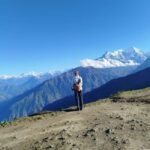
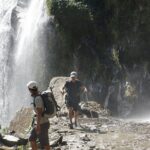
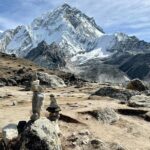
Manaslu Circuit with Tsum Valley is a high-pass trek built for people who want fewer crowds and big mountain payoff. You’ll follow the Budhi Gandaki River, soak in Tatopani hot springs, and cross Larkya La (5420 m) for wide-open views of Manaslu and nearby giants. I like that the package handles the hard parts—licensed guiding, porters, permits, and transport—so you can focus on walking and altitude pacing. One drawback to plan for: this is not a casual hike, and you’ll be dealing with long days early on and the stress of a major pass.
This itinerary also mixes scenery and culture in a way that feels practical rather than performative. You’ll see chortens, mani walls, and monasteries, and you’ll pass through communities tied to Gurung, Magar, and Sherpa life. If you’re short on conditioning, you’ll feel it. If you’re comfortable with steady effort and basic teahouse life, it’s a rewarding mix.
In This Review
- Key things that make this trek worth your time
- Why Manaslu plus Tsum Valley feels less crowded and more real
- Your route in plain English: Budhi Gandaki, Tatopani, and Larkya La
- Along the Budhi Gandaki River
- Tatopani hot springs for sore legs
- Larkya La Pass (5420 m): the day everyone plans for
- Teahouses, meals, and what a trekking day really means
- Altitude reality check (without scary movie drama)
- Guides and porters: how logistics become part of your safety
- Kathmandu orientation: half-day sightseeing + 3-star basecamp
- Price and value: is $1,250 actually fair here?
- What’s included that saves you money and planning
- What’s not included (the part that can surprise you)
- Who this trek suits best (and who should think twice)
- A practical packing and pace strategy you can use
- Is it worth booking? My decision checklist
- FAQ
- What does the tour include for the trekking portion?
- What’s included in Kathmandu before or after the trek?
- Do I need to arrange permits?
- What about guides and porters—are they part of the price?
- How are meals handled?
- Are drinks included?
- What level of fitness do I need?
- What’s the group size limit?
- Where and when does the experience start?
- Is cancellation free?
Key things that make this trek worth your time
- Larkya La views, not just bragging rights: the pass is the big event, and it’s the moment your effort turns into panorama.
- Teahouse trekking with meals handled: you won’t be guessing food plans day to day on the trail.
- A calmer route choice: the Manaslu region is known for fewer trekkers than Nepal’s busiest corridors.
- Tsum Valley culture stops: monasteries, mani walls, and local villages add texture beyond mountain photos.
- Hot spring break at Tatopani: recovery time matters when you’re climbing and descending for days.
- Small group size (max 16): easier coordination, especially around weather and pacing decisions.
Why Manaslu plus Tsum Valley feels less crowded and more real
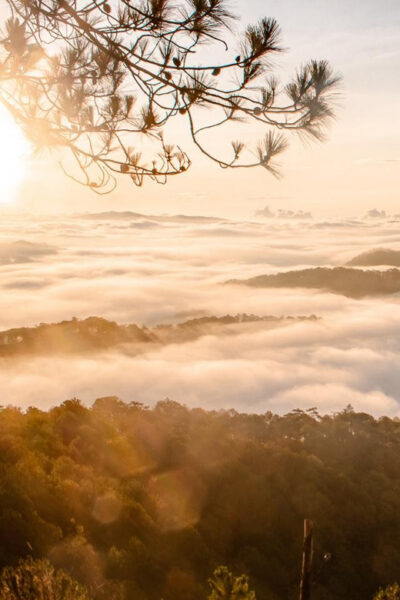
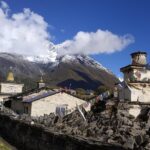
Manaslu’s appeal is simple: it gives you serious Himalayan scenery without forcing you into Nepal’s most overloaded trekking lanes. That matters on two levels. First, you get fewer traffic jams of hikers at viewpoints and tea houses. Second, the route has room for you to slow down and notice what’s actually around you—village life, prayer flags and stone inscriptions, and the rhythm of people going about their day.
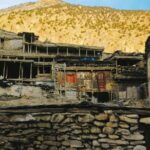
Tsum Valley adds a different flavor than a straight circuit. You’re not only moving through high-altitude terrain; you’re also moving through a cultural zone where monasteries, mani walls, and chortens show up as part of the everyday landscape. In practice, it means more frequent moments where you stop, look, and understand what you’re seeing instead of only pushing onward to the next ridge.
Your best experience comes when you treat this trek as a long sequence of small wins: steady walking days, a few memorable breaks, and then that big Larkya La crossing.
You can also read our reviews of more tours and experiences in Kathmandu.
Your route in plain English: Budhi Gandaki, Tatopani, and Larkya La
Think of the trek as three phases: river days, recovery + culture days, and pass day.
Along the Budhi Gandaki River
Most of the time, you’ll be hiking alongside the Budhi Gandaki River. That’s not just a cute description. A river route often gives you a more predictable walking rhythm than constant cliff edges. It also tends to feel less dramatic in the moment, which is helpful when you’re managing energy for altitude later.
Tatopani hot springs for sore legs
At Tatopani, you get hot spring baths. That’s a big deal on a trek like this because your body is doing repeated climbs and descents. Even a short soak can make the next day easier, and it gives you a mental reset too.
Larkya La Pass (5420 m): the day everyone plans for
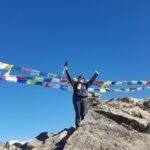
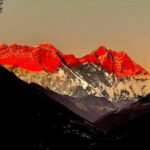
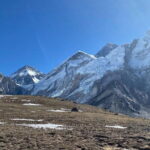
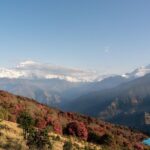
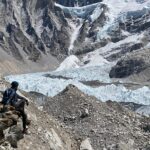
The high point is crossing Larkya La at 5420 m. You’ll want to be mentally ready for the way altitude changes effort. The goal isn’t to race—it’s to move steadily and avoid going out too hard. Once you’re at the pass viewpoint, the views are the reward: wide panoramas of the mountain range, including the major Manaslu region peaks you’ve been working toward.
If you’re the type who wants a clear photo moment, this is it. If you’re the type who prefers gradual scenery, you’ll still appreciate how different the pass feels—higher, colder, and more exposed.
Teahouses, meals, and what a trekking day really means
This trek uses teahouse lodging during the hiking portion. That typically means simple rooms, shared dining areas, and food that’s designed to keep hikers fueled rather than to impress with Michelin-star plating. The good news here is that meals during the trek are included, so you can focus on pace and hydration instead of planning meals.
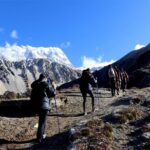
From the walking perspective, plan for real effort. One trip report noted about 7 to 8 hours of walking during the first four days. That lines up with what you’d expect on a circuit with major altitude changes later. Your best strategy is to treat early days as foundation days, not a test of toughness.
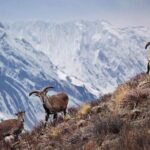
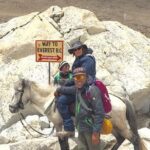
Also, expect animals and local movement. Donkeys, yaks, and goats show up along trekking routes in this region, and that’s part of the normal scene, not a surprise cameo.
Altitude reality check (without scary movie drama)
The data you’ve been given flags the pass at 5420 m and positions this as one of the more difficult trekking challenges in Nepal. That doesn’t automatically mean you’ll struggle. It does mean you should bring a moderate fitness level and be ready to climb at a steady tempo. If you’re even slightly unsure about your conditioning, train before you go and don’t compare yourself to the fastest people on the trail.
Guides and porters: how logistics become part of your safety
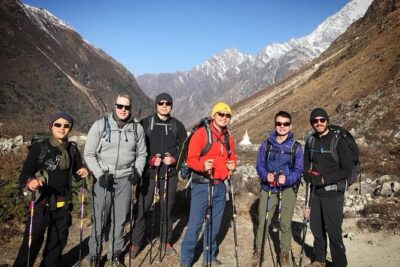
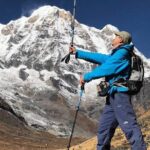
This is not a self-guided trek. You’ll travel with a professional trekking guide with a government license and porters with a clear ratio: 1 porter for 2 people. That ratio matters because it’s part of how your pack stays manageable while still keeping the system fair.
The benefits are practical:
- You get help with route finding, so you don’t take wrong turns and waste energy.
- You have someone who understands the pace needed for altitude and weather shifts.
- You get a smoother day when you’re tired, cold, and ready for tea and dinner.
On the human side, the name recognition from past groups is helpful. People have trekked with guides such as Pasang, Indra Baram, Santosh, Raj, Ram, and Aitey, and porters like Padham Gurung have been specifically mentioned as supportive. You might not get the same team, but it signals the kind of experience people are getting: informed guiding, real problem-solving, and day-to-day encouragement.
And yes, there’s also the service side: the tour includes rescue help in emergencies, covered by guest insurance. That detail is worth paying attention to because it ties your trip safety to your own insurance planning.
Kathmandu orientation: half-day sightseeing + 3-star basecamp
Your trek starts and ends in Kathmandu, with an included 3-star hotel in Kathmandu and half-day Kathmandu sightseeing using transportation. This matters because it gives you time to reset jet lag and learn the basics of where you are before you start hiking for days.
The package also includes airport pickup and drop, which is the kind of small comfort that helps you arrive calm. One note to keep you from surprise-sticker stress: monument fees in Kathmandu are not included.
In addition, the tour uses mobile tickets, and the meeting time is set for 9:15 am. The meeting point is also near public transportation, which gives you a simple backup if you need to get there without complicated logistics.
Price and value: is $1,250 actually fair here?
At $1,250 per person, the price looks low or high depending on what you compare it to. Here’s the value logic I’d use.
What’s included that saves you money and planning
- Trekking permits
- Professional licensed guide and porters
- Meals during trekking and tea house accommodation
- Overland transport
- Kathmandu hotel (3-star) + half-day sightseeing + transportation
- Airport pickup and drop
- Insurance for guide and porters
- Government and local taxes
- Necessary equipment for guide and porters
- Rescue help in emergencies (linked to your insurance)
That’s a lot of operational weight. For many independent treks, the permits, guide, porter systems, and coordination can add up quickly and create stress when weather changes.
What’s not included (the part that can surprise you)
- Lunch and dinner in Kathmandu and Pokhara
- Drinks (soft and hard)
- Personal travel insurance
- Monument fees only at Kathmandu
So the real question isn’t just the headline price. It’s whether you’ll spend similar money on your own permits, guide/porter coordination, and safety coverage. If you want the trek to run like a system—not a puzzle—this package structure is usually good value.
Who this trek suits best (and who should think twice)
This trek is a strong match if you:
- Want epic views without the biggest trekking crowds
- Prefer guided navigation over route anxiety
- Like a mix of nature + local culture stops
- Are okay with teahouses and simpler lodging during the trek
It may not be the best match if you:
- Struggle with sustained walking. Early days can run long.
- Hate cold, exposed, high-altitude conditions. Larkya La is a serious moment.
- Don’t want to handle the personal insurance requirement. Rescue help is tied to guest insurance.
Group size is also capped at 16 travelers, so you’re not in a massive herd. That tends to make pacing and tea house coordination easier.
A practical packing and pace strategy you can use
You aren’t given a specific kit list here, so I’ll stick to what the trip data implies. The key is to match your gear and pace to the trekking facts: teahouses, long walking days, and one major pass at 5420 m.
- Pack to stay comfortable for repeated days in simple rooms.
- Keep your pack light enough that the porter system actually helps you, not just carries extra weight.
- Start the first days with discipline. If days run 7–8 hours early, don’t turn day one into a sprint.
If you do that, the trek feels more like a steady, satisfying effort instead of an ongoing fight.
Is it worth booking? My decision checklist
If you meet these three conditions, I’d lean yes:
- You want the Manaslu region’s calmer feel plus Tsum Valley’s cultural stops.
- You’re comfortable with moderate fitness and the idea of a high pass at 5420 m.
- You like the security of a licensed guide, permits handled, and meals plus teahouse lodging included.
If you’re unsure about your fitness, do training first and consider whether you’re truly ready for long walking days. Also budget for what’s not included: Kathmandu meals, drinks, and your own travel insurance.
With the route structure, included logistics, and the pass viewpoint payoff, this is the kind of trek that tends to leave people feeling like they got real Nepal—just with the hard parts managed for them.
FAQ
What does the tour include for the trekking portion?
The trekking portion includes teahouse accommodation and all meals during the trek, plus a professional licensed guide, porters (1 porter for 2 people), trekking permits, and necessary trekking equipment for the guide and porters.
What’s included in Kathmandu before or after the trek?
You get a 3-star hotel in Kathmandu, plus half-day Kathmandu sightseeing with transportation. Airport pickup and drop are also included.
Do I need to arrange permits?
No. Necessary trekking permits are included in the tour.
What about guides and porters—are they part of the price?
Yes. The package includes a professional trekking guide with a government license and porters, along with food, salary, and necessary equipment for them.
How are meals handled?
All meals during the trekking and tea house accommodation are included. Lunch and dinner in Kathmandu and Pokhara are not included.
Are drinks included?
No. All drinks (soft and hard) are not included.
What level of fitness do I need?
The tour lists moderate physical fitness as the expectation. It also involves crossing a high pass (Larkya La at 5420 m) and long walking days.
What’s the group size limit?
The maximum group size is 16 travelers.
Where and when does the experience start?
The start time is 9:15 am, with the meeting point near public transportation.
Is cancellation free?
Free cancellation is offered. You can cancel up to 24 hours in advance for a full refund, and cutoff times are based on local time. The experience also requires good weather.