REVIEW · KATHMANDU
Everest Base Camp Trekking
Book on Viator →Operated by Trek Mania Nepal · Bookable on Viator
Everest feels close, then reality hits. This 12-day trek pairs Namche acclimatization with the high drama of Kala Patthar (about 5,550m) and an emotional visit to Everest Base Camp. I especially like how the route builds altitude gradually (so you’re not just grinding uphill), and I like the steady mix of Sherpa culture stops and big-view moments. One drawback to plan around: Lukla flights can be weather-dependent, so timing can shift.
I also like that the package covers the stuff that usually creates chaos on a trek—permits, a licensed guide, and core gear rental (sleeping bag, down jacket, duffle bag). Price-wise, $1,300 starts to look more reasonable when you add domestic flights, meals, and lodging into the same deal. Still, you’ll want solid moderate physical fitness, because several long hiking days are part of the plan.
In This Review
- Key Points I’d Focus On Before You Go
- From Kathmandu to Lukla: Why the opening days matter
- Namche Bazaar acclimatization: your altitude insurance policy
- Sherpa culture and monastery stops that don’t feel like filler
- Day-by-day feel: what each major segment does to your body
- Kala Patthar and Base Camp: two kinds of awe
- Price and value: what you’re really paying for
- What’s included (and why it reduces stress on a trek)
- Practical considerations before you commit
- Should You Book This Everest Base Camp Trek?
- FAQ
- FAQ
- How long is the Everest Base Camp trekking experience?
- What does the trek cost per person?
- When are the best months to go?
- Are permits included in the price?
- Does the package include domestic flights to Lukla?
- Is trekking gear included?
- Are meals included?
- What important items are not included?
- What if poor weather cancels the experience?
Key Points I’d Focus On Before You Go
- Ramechhap as a backup gateway: You start with a road transfer to Ramechhap, which can help during peak season when routes get tight.
- Altitude pacing with a dedicated Namche rest day: You slow down on purpose, not by accident, before going higher.
- Monastery and prayer stop variety: Tengboche and the prayer wheel stop at Phunke Tenga add culture without feeling like a detour.
- Two headline viewpoints: Kala Patthar for the clearest Everest summit view from this area, plus Base Camp for the raw glacier-at-the-feet moment.
- Guide quality is a real theme: Multiple named guides (Moti, Bhim, Ram, Tika Dhakal, and Him) are praised for care and professionalism.
- The deal includes meals and key gear: That reduces day-to-day decision fatigue on the trail.
From Kathmandu to Lukla: Why the opening days matter
This trip starts in Kathmandu, then quickly moves toward the Everest corridor. You’ll do a road journey about five hours to Ramechhap, an alternate jumping-off point during busy trekking season. That alone is a practical win: it lowers the odds that you’re stuck waiting around in Kathmandu while plans get rearranged.
Then comes the jump to Lukla via flight. Lukla Airport is famous for a short, challenging runway and dramatic mountain views. The good news? The landing itself is part of the thrill. The heads-up? Flights can be unpredictable due to weather. If you’re the type who hates uncertainty, this is where you’ll feel it first.
Once you’re on the trail, you move to Phakding along the Dudh Koshi river corridor—far from the Everest hype, just calm villages, suspension bridges, and prayer mani stones. It’s the kind of beginning that helps your body settle into the rhythm before the higher climbs start.
You can also read our reviews of more tours and experiences in Kathmandu.
Namche Bazaar acclimatization: your altitude insurance policy
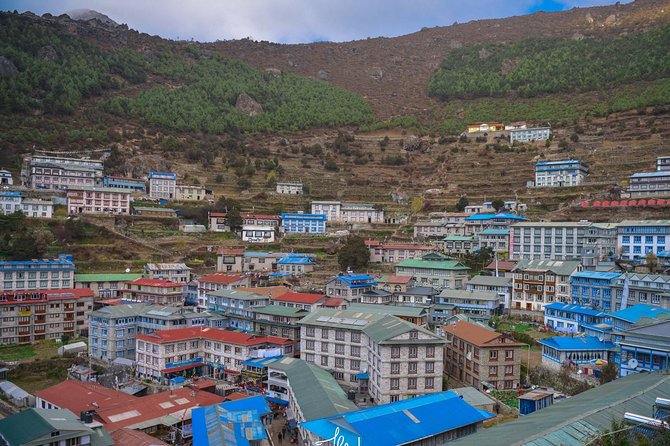
Namche Bazaar is the pivot point of the Khumbu region. It’s not only a town for trekkers—it’s a working center on the trekking route, and that means it has real services and real energy when you need them.
What I like most is the way the plan builds your breathing time. After the first approach day (Phakding toward Namche), you get a full acclimatization day. This is where you can do side hikes with a purpose: going up a bit, then returning to sleep at altitude. That approach is one of the smartest ways to reduce the misery later.
You also get culture without dragging the day out. The Sherpa Culture Museum at Namche is a strong stop if you want context for what you’re seeing—tools, clothing, and stories tied to mountaineering history. And if you like panoramic views, the Everest View Hotel option is one of the easier ways to get major peaks in sight without going full summit-mode.
Possible drawback: Namche can feel crowded on popular dates. If you need quiet to reset, go for slower walks and use the side trips to get out of the main flow.
Sherpa culture and monastery stops that don’t feel like filler
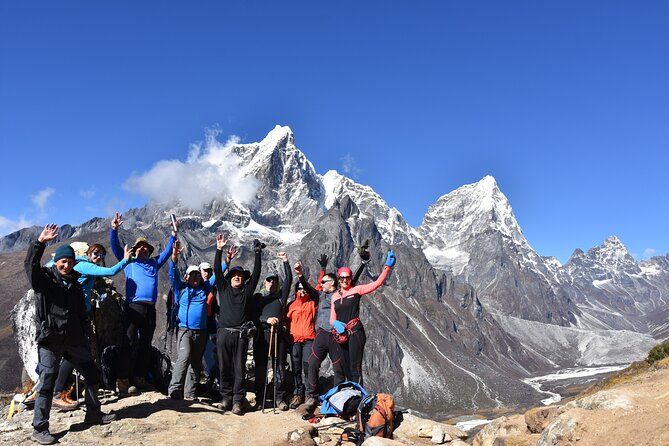
The route keeps reminding you that this trek is not only about altitude—it’s also about place. In the Everest region, religion, daily life, and survival rhythms are woven together. You see it in the details.
At Phunke Tenga, there’s a line of seven water-powered prayer wheels. Local belief says one spin equals reciting a sacred mantra. Even if you’re not religious, it’s a fascinating example of how faith becomes infrastructure.
Then you reach Tengboche, often described as the spiritual heart of the Khumbu area. The Tengboche Monastery is the big landmark here, and it’s set against dramatic peaks that make the whole spot feel staged by nature. You’ll have a chance to visit the monastery and take in the atmosphere. It’s also a useful mental break day: the pace feels lighter than the brutal hiking segments.
If you’re into learning while you walk, you’ll appreciate the way stops like Tengboche and the Sherpa museum add meaning. They turn the trek from a checklist into a story you can actually understand.
Day-by-day feel: what each major segment does to your body
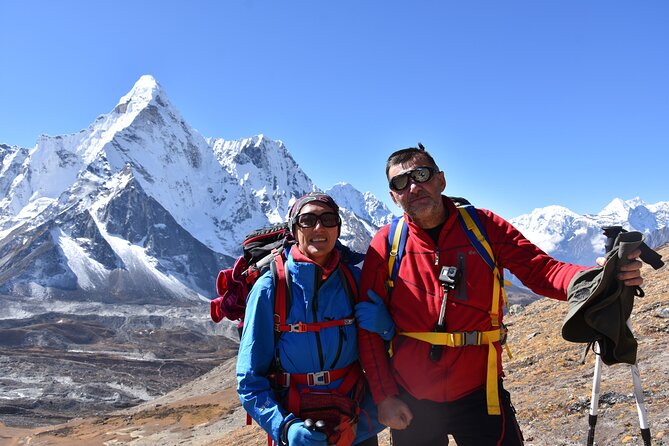
I’m going to describe the vibe of each part so you can judge whether it matches your comfort level.
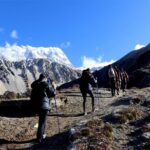
Phakding to Namche: You start with farmland, Sherpa villages, suspension bridges, mani stones, and prayer flags. It’s a gentle build with river scenes and forests, but the last push into Namche is the day’s test. You climb through pine and rhododendron zones with switchbacks, and on a clear day you can spot Everest, Lhotse, and Nuptse along the way.
Namche acclimatization day: This is not a throwaway day. You slow down so you can go higher later. You’ll explore Namche, visit the Sherpa Culture Museum, and choose a side hike like Everest View Hotel or the Khumjung and Khunde villages. The goal is to help your body adjust before higher elevations.
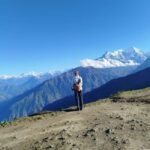
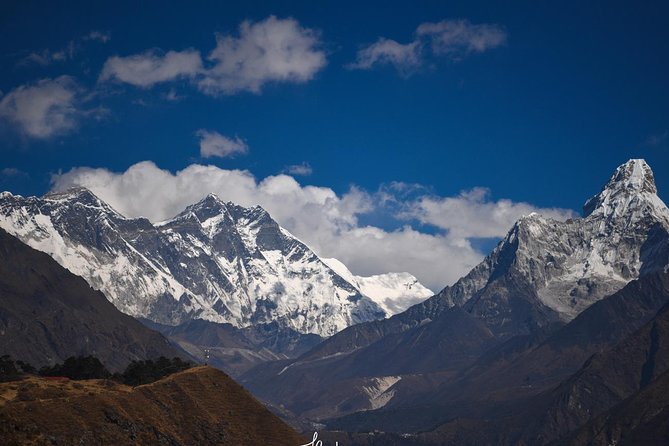
Namche to Tengboche (with Phunki Thanga / Phunke Tenga): This segment adds sweeping mountain views. Ama Dablam and other peaks are the payoff, plus that prayer wheel stop that makes a quick detour feel worthwhile. After that, you steadily climb into Tengboche.
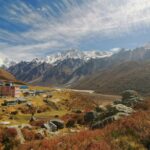
Tengboche to Dingboche: You keep gaining altitude. You’ll pass areas like Somare and cross bridges, walking parallel to the Imja Khola. Deboche is part of the route flavor, with big views rising gradually as the day goes on. Dingboche is where the trek starts to feel more high-alpine than village.
Dingboche rest / adjustment day: You get time here to recover. The stone wall feature is a small but memorable detail—locals explain it as stones separated from fields and stacked over years. It’s the kind of local logic that makes the place feel lived-in, not staged for tourists.
Dingboche to Lobuche: This is more exposed. The walk follows the moraine, with a ridge section that can be windy and hazy. Some views may be blocked depending on conditions, so it’s a day where you rely on consistency rather than scenery miracles.
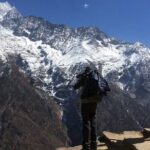
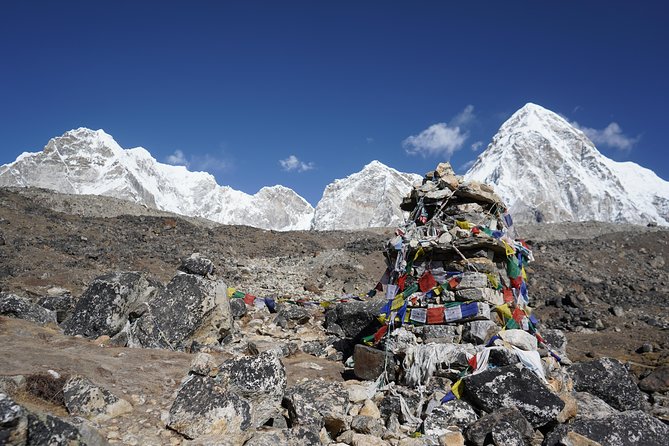
Lobuche to Gorak Shep and Kala Patthar day: This is the push into the most dramatic setting. You start early for Gorak Shep at about 5,140m, then later tackle Kala Patthar at about 5,550m. The climb involves steep, steady effort over loose rock and dusty switchbacks. If weather cooperates, the summit payoff is a near-360 panorama where Everest dominates.
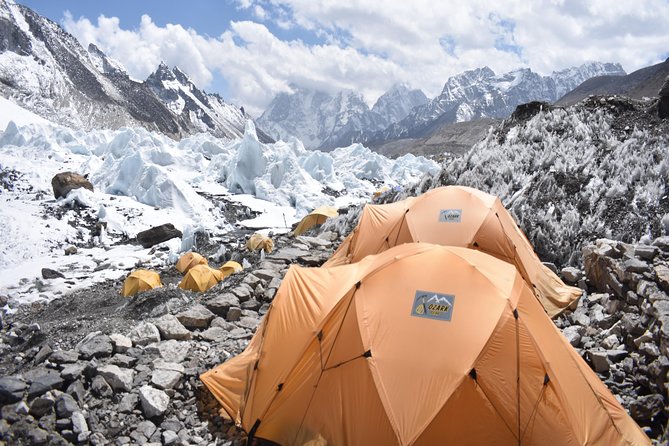
Gorak Shep to Everest Base Camp: Base Camp sits around 5,364m. You’ll travel from Gorak Shep with an early start feel. The base camp approach can be slippery and sometimes passes through narrow snow bluffs. Then the moment arrives: you’re at the Khumbu Icefall base area, with the scale of glacier and expedition infrastructure in view during climbing season. You may not see the Everest summit from Base Camp itself, but the sense of remoteness hits hard.
Return down toward Namche and Lukla: The return days are still long, but the stress usually shifts from altitude panic to leg management. You’ll stop again at Tengboche and come back through Namche before returning to Lukla for your flight back.
Kala Patthar and Base Camp: two kinds of awe
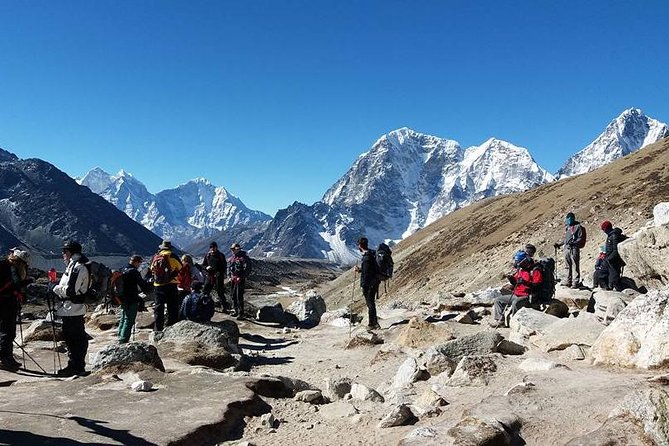
A lot of Everest trekkers want the summit view, but the region gives you two different kinds of awe.
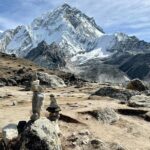
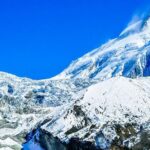
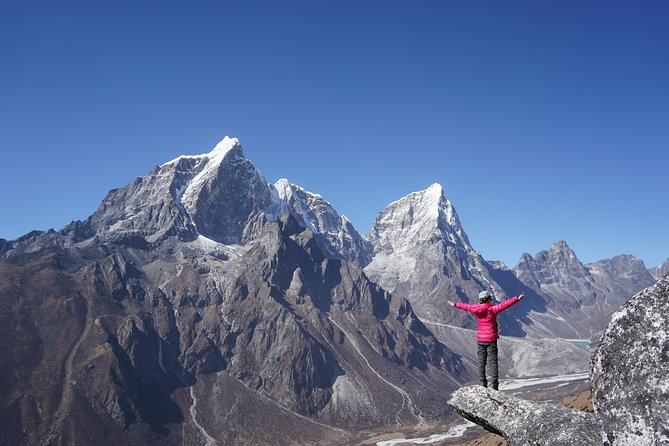
Kala Patthar is the viewpoint that’s famous for clear Everest visibility in this area. The climb is steep and steady, and because it’s high, every step feels like work. But when you’re up there, you get a wide view: Everest in the center, flanked by peaks like Lhotse and Nuptse, plus surrounding ridges and the glacier twist below.
Everest Base Camp delivers a different emotional hit. It’s less about seeing a summit and more about feeling the scale of the mission. Standing near the Khumbu Icefall zone makes expedition tents and the surrounding glacier geometry feel real, not just textbook. It’s one of those moments where you likely understand why people keep returning—even if the air is thin and your legs are tired.
Price and value: what you’re really paying for
At $1,300 per person, the big question is value. Here’s what helps this price make sense:
You get private transportation and domestic flights Kathmandu–Lukla–Kathmandu as included components. That’s often the most expensive piece of Everest logistics.
You also get permits (Sagarmatha National Park Permit and Khumbhu Pasang Lhamu Rural Municipality Tax). Without those, you’d be doing extra legwork.
Most important for budgeting: the package includes accommodations during the trek, and meals—breakfast, lunch, and dinner for 12 days. It also includes trekking gear rental: duffle bag, sleeping bag, and down jacket. Those items can be expensive to buy, and the rental approach is a practical cost control.
What’s not included matters too. Drinks, tips for your guide, travel insurance/rescue costs, Nepal visa, and international airfare are on your plate. Hot and cold showers aren’t included either. If you budget for these upfront, the trip feels more predictable.
What’s included (and why it reduces stress on a trek)
The included list is a big part of why this trek is easier to manage than a DIY plan.
You’ll have:
- A licensed trekking guide (government-licensed)
- A guide-led experience on a route with permits handled
- Core trek gear rental plus accommodation and meals
- A Kathmandu hotel included for the overall trip flow
The gear rental is especially helpful if you’re traveling from abroad. Getting the down jacket and sleeping bag sorted removes a lot of last-minute shopping stress.
Practical considerations before you commit
A trek like this is simple on paper but serious in the mountains.
- Weather and flights: Lukla is the big variable. Plan around possible schedule shifts.
- Altitude reality: You’re going above 5,500m at Kala Patthar. That’s not a sightseeing stroll.
- Physical demand: The plan includes long trekking days, including early starts. The provider lists moderate fitness as the baseline, so if you’re only casually active, consider building stamina first.
- Tips and insurance: Rescue and insurance costs aren’t included. That’s a non-negotiable line for many trekkers’ peace of mind.
If you’re the type who likes control, you’ll feel the weather uncertainty. If you’re okay with adapting day-to-day, the whole experience becomes more enjoyable.
Should You Book This Everest Base Camp Trek?
I’d book it if you want a guided, organized Everest Base Camp trek that handles the hard logistics: permits, domestic flights, meals, and core gear. The value improves because you’re not piecing together flights and meals and hunting for rentals while trying to stay calm at high altitude.
I’d think twice if you’re extremely flight-sensitive or you need a perfectly fixed schedule. Lukla weather can mess with timing. Also, if you hate hiking long days and early starts, the Everest region won’t care about your preferences.
If you match the fitness level and you go in ready for altitude plus flexible timing, this is a strong way to experience Everest Base Camp with the kind of human care guides are praised for—especially names like Moti, Bhim, Ram, Tika Dhakal, and Him.
FAQ
FAQ
How long is the Everest Base Camp trekking experience?
It’s listed as 12 days (approx.).
What does the trek cost per person?
The price is $1,300.00 per person.
When are the best months to go?
The best months listed are March, April, May, September, October, and November.
Are permits included in the price?
Yes. The Sagarmatha National Park Permit and Khumbhu Pasang Lhamu Rural Municipality Tax are included.
Does the package include domestic flights to Lukla?
Yes. Domestic flights are included as Kathmandu–Lukla–Kathmandu, following the plan.
Is trekking gear included?
Core trekking gear rental is included, including a duffle bag, sleeping bag, and down jacket (to be returned after the trek).
Are meals included?
Yes. Breakfast (12), lunch (12), and dinner (12) are included.
What important items are not included?
Not included items include drinks, extra night accommodation and meals, personal expenses (like laundry and device charging), travel insurance/rescue operation costs, airport/departure tax, Nepal visa and international airfare, hot/cold shower access, and tips for your guide.
What if poor weather cancels the experience?
The experience requires good weather. If it’s canceled due to poor weather, you’ll be offered a different date or a full refund.
—
If you tell me your travel month and current hiking level (for example: how many days you can comfortably hike uphill), I can help you sanity-check whether this pace fits you.