REVIEW · PUERTO NATALES
Trekking Base Torres – Torres del Paine trek from Puerto Natales
Book on Viator →Operated by Howlanders · Bookable on Viator
One day can change your trip. The Base Torres trek is a long, guided push to the park’s signature viewpoint, with early pickup and plenty of local context along the way. You’ll see the towers that put Torres del Paine on the map, plus you get a clear plan for timing and pacing.
I like that the day is run as a small-group hike with guide support from start to finish. You also get practical hiking gear like trekking poles (and crampons if conditions require them), which matters in Patagonia when weather can turn fast.
The one drawback to flag: this is not a casual walk. You’re signing up for a demanding 20 km (12.4 mi) day with major elevation and a steep rocky moraine section, so your shoes and fitness really need to be up to it.
In This Review
- Key things that make this Base Torres day hike work
- Why the Base Torres trek is worth a brutal-but-beautiful long day
- Morning pickup and the shuttle ride into Torres del Paine
- The hardest section is the moraine climb to Mirador Las Torres
- The Base Torres viewpoint: where the time and weather really matter
- Lunch break and the lake beach touchdown on the way down
- How demanding is this hike, and what to train for
- Guides and group size: why pacing is the real service
- What’s included, what isn’t, and what you must pack
- Price and value: $99 for a full Base Torres day
- Who should book this Base Torres day trek (and who should think twice)
- Should you book this Base Torres tour?
- FAQ
- What time does the tour pickup start?
- How long is the Base Torres trek day?
- Do I have to pay the park entrance fee?
- Is lunch included?
- What gear is provided, and what should I bring?
- Is the hike suitable for beginners?
- How big are the groups?
- What happens in winter season?
- Can I cancel for a full refund?
Key things that make this Base Torres day hike work
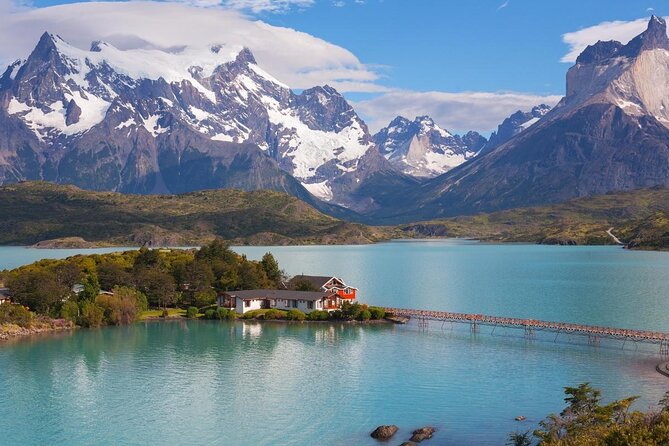
- Early departure means more daylight for the views and less stress if conditions change.
- Provided trekking poles (and crampons if needed) help a lot on rocky and icy footing.
- Guide-to-group ratios shift by season so you’re not just a number.
- A structured route through Ascensio Valley and Lenga forest keeps the day moving.
- Time at the Base Torres viewpoint is built in—but weather can still affect how long you’ll stay.
- Downhill back to Puerto Natales happens the same day (so plan for a late-night return).
Why the Base Torres trek is worth a brutal-but-beautiful long day
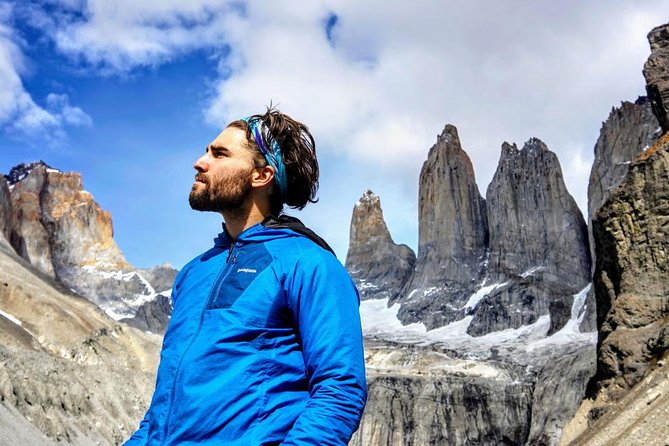
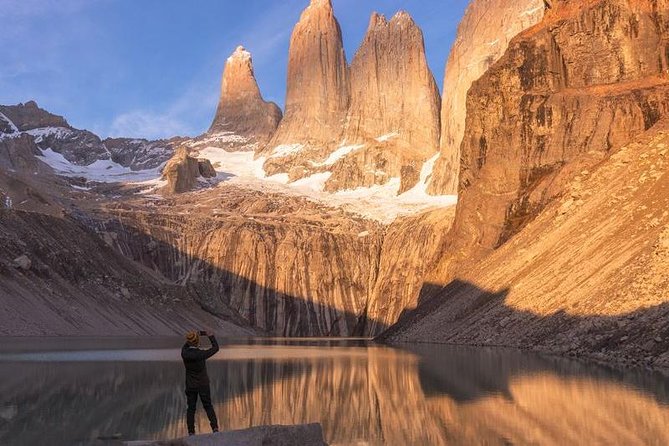
Base Torres is one of those places where the effort feels obvious the moment you see the towers. The payoff isn’t just pretty photos. It’s the feeling of earning a view in a real Patagonian setting—wind, cold air, changing light, and the kind of silence you only get when you’re far enough out.
This tour is especially appealing if you’re time-pressed. Instead of committing to a multi-day trek, you’re doing the star attraction in one go. And because it’s guided, you’re not stuck figuring out logistics at the entrance, on the trail, and at the viewpoint.
Just remember what the day really is: a hike first, sightseeing second. You’ll stop for photos and a lunch break, but the backbone of the day is forward motion. If you’re expecting a leisurely nature stroll, you’ll feel it in your legs.
You can also read our reviews of more tours and experiences in Puerto Natales.
Morning pickup and the shuttle ride into Torres del Paine
Your day starts early, with pickup between 6:30 and 7:00 AM. The company runs it this way for a simple reason: you want daylight on the trail, and you want enough time at the viewpoint even if the weather slows things down.
Once the group is assembled, the guide hands out trekking poles and gives a briefing focused on the Base Torres route. Then you head to the park by shuttle bus—about a two-hour ride—and enter through Portería Amarga.
This matters more than it sounds. Portería Amarga is your “start line” for the day, and getting in early helps you move with the flow of other groups while still having time to enjoy the iconic views. It also sets expectations: the park entrance day feels dramatic right away, but the real climb is still ahead.
The hardest section is the moraine climb to Mirador Las Torres
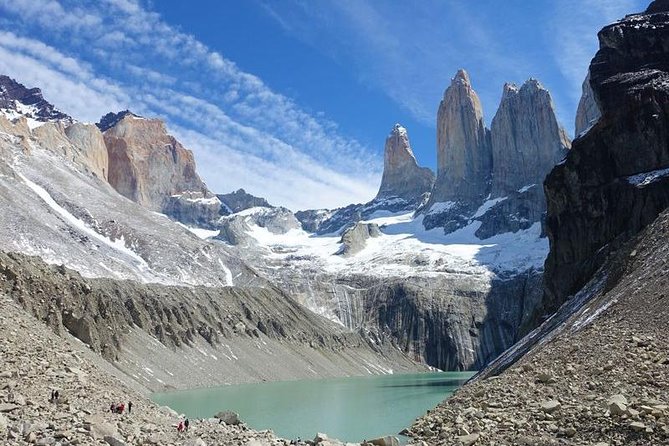
After entering the park, you begin the trek toward the Mirador Las Torres / Base Torres viewpoint. The walk up is where the day’s character turns from scenic to workmanlike.
You’ll cross the Ascensio Valley and pass through Lenga forest, which is a nice change from open wind-exposed sections. That forest stretch can feel like a small relief—dappled light, more sheltered footing, and a calmer rhythm as the group settles in.
Along the way, you’ll also see Cerro (or Hill) Almirante Nieto from different perspectives while you make your way toward the viewpoint area. These viewpoint-to-viewpoint changes are useful because they give your brain a “reason” to keep moving—rather than just counting switchbacks.
Then comes the step up: at the end of this section, you climb a glacier moraine. In plain terms, that means a rocky path with a steep, gritty slope. This is where trekking poles earn their keep. A pole tip helps on uneven rock, and it also lets you shorten your stride when the trail gets steep.
If you’re not used to descending or stepping over irregular stone, this section is the one that can surprise you. The good news is that guides can adjust pace for the group. In the day’s better moments, you’ll feel like the team is making sure you’re safe without turning it into a sprint.
The Base Torres viewpoint: where the time and weather really matter
When you reach Base Torres Viewpoint, you’re there for the big moment. This is the part where your effort starts paying rent.
The guides typically keep an eye on group pacing so everyone has a chance to reach the viewpoint, not just the fastest hikers. People have praised guides for rhythm-setting—helping faster walkers not pull too far ahead, and helping slower walkers keep confidence rather than panic. Names that have come up in a big way include Pablo, Matías, Alex, Ramiro, Sebastián, Daniel, Leo, Claudia, and Emilia/Philippe for support and knowledge.
That said, the weather can still write its own script. Patagonia loves to shift. Even on a day that starts clear, wind and changing conditions can tighten schedules at the top. That’s why you’ll want to be mentally ready for a quick “reach and enjoy” model rather than a long, relaxed hang.
If you’ve heard about the final push being steep or technical, you should take that seriously. Some participants choose not to attempt the final hardest segment, and guides may provide alternative lookouts. Your goal should be to reach a satisfying viewpoint and absorb what you can safely enjoy—because conditions are not guaranteed to cooperate.
Lunch break and the lake beach touchdown on the way down
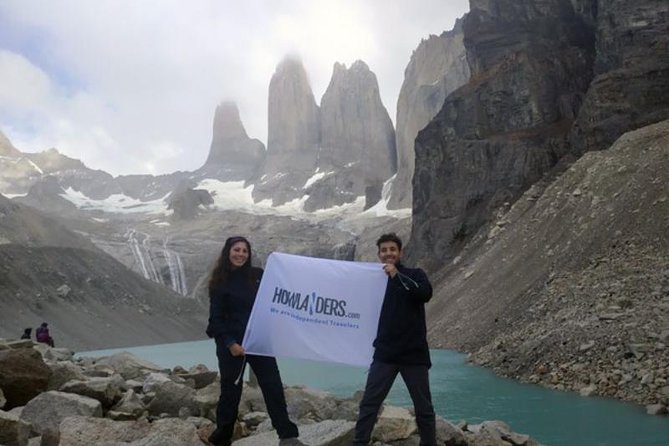
Once you’ve absorbed the towers, the day turns back toward recovery. You’ll eat lunch, take pictures, and then begin the descent.
A neat extra here is that the itinerary includes a short visit to a small beach formed by the lake after the main descent segment. It’s a simple moment, but it’s a great “reset” after hours of hiking. You get to touch the water, shake out your legs, and shift from climbing mode back into travel mode.
The descent portion is about three hours, and by the time you’re back in motion, your biggest risk is not safety equipment—it’s fatigue. Keep your footing careful on the downhill rock, and don’t assume your quads will feel normal. This is where trekking poles can help again, acting like training wheels for your knees.
The shuttle bus returns you to Puerto Natales, with arrival typically between 8:00 and 9:00 PM. That late finish is the trade-off for doing Base Torres as a one-day trek.
How demanding is this hike, and what to train for
This tour is listed as medium and it’s built around a long distance: roughly 20 km (12.4 mi), with about 8 hours on the trail plus transport time. That’s a solid day even if you’re fairly fit.
The vertical component is real. Starting altitude is listed around 295 ft (90 m) and the maximum altitude around 2,855 ft (870 m). Even if those numbers don’t look huge on paper, the steep trail segments and the moraine climb make it feel harder.
If you’re a runner or gym-goer, you might handle it better than you expect—but you still need hike-specific legs. Aim for:
- Strength in your quads and calves (stair work and hill walks help)
- Comfortable footwear with real grip
- Practice walking on uneven ground when you can
Season also changes the math. In winter (about June to September), headlamp and gaiters are mandatory, and crampons may be provided if necessary. Winter footing can be slick, and the moraine segment can be the difference between a fun challenge and a stressful scramble.
Guides and group size: why pacing is the real service
What makes this day hike feel good is less about magic and more about management. You’re in a group (the max is 15 travelers) and guides are working to keep people moving at a safe, workable pace.
Group composition can vary by season. In winter, groups are smaller with a guide for every four travelers. In summer, the guide-to-traveler ratio adjusts (around one guide for six) to handle different walking paces while keeping everyone accompanied.
In practice, that means you’re less likely to feel lost or rushed. People have been especially happy when guides manage mixed fitness levels—keeping faster hikers from vanishing and helping slower hikers keep confidence. That’s a big deal on a day where you have to cover distance, reach a viewpoint, and still come back down safely.
Bilingual guidance is also listed, which you’ll appreciate if you want to ask about trail conditions, flora, or why the route feels the way it does.
What’s included, what isn’t, and what you must pack
Here’s the practical setup you should plan around.
Included:
- Shuttle bus transportation from the Puerto Natales area
- Bilingual guide and assistant guide, with a guide ratio noted above
- First aid kit
- Trekking poles (Black Diamond or similar)
- Crampons if necessary
Not included:
- Torres del Paine National Park entrance fee
- Lunch (but you will have a lunch stop during the day)
- Headlamp and gaiters are mandatory only in winter season (June–September approx.)
You need to bring:
- Mountain shoes with good soles
- Food and drinks
- Headlamp and gaiters in winter
This tour’s “value” isn’t just price—it’s that you’re not trying to cobble together essential gear at the last minute. Poles make a real difference on rocky up-and-down sections. If you’re traveling light, that’s comforting.
Also: bring water you can actually drink. Patagonia can dry you out, and a long day with steep walking will make dehydration sneak up.
Price and value: $99 for a full Base Torres day
At $99 per person, this isn’t just “cheap”—it’s priced for the kind of day you’re getting: an early departure, shuttle access into the park, and guided hiking up to the signature viewpoint.
What you should weigh:
- Entrance to the park is not included, so your total cost is a bit higher than the headline price.
- Lunch is also not included, so plan a snack strategy and budget for food.
- You’re paying for guided organization, not a flexible itinerary built around lingering.
Still, for many visitors, the economics make sense: you get the hard logistics handled, plus support on the trail. And because the day returns you to Puerto Natales late, it’s effectively a guided “transport + hike” package.
This tour tends to be booked in advance (on average, 46 days ahead), which usually means it fits well into common Patagonia schedules. If your dates are fixed, booking early is smart.
Who should book this Base Torres day trek (and who should think twice)
This is a great match if:
- You want the famous Base Torres viewpoint but don’t have 3–5 days for longer treks
- You have moderate fitness and can handle steep walking
- You like the idea of a guide-led route with support on pacing
- You want small-group attention (max 15 travelers)
Think twice or consider another option if:
- You’re looking for an easy stroll
- You’re not comfortable with a long hike plus a steep rocky moraine
- Winter gear is a hassle for your packing style (headlamp and gaiters are mandatory in June–September)
- You might struggle emotionally with weather shifts at the top (wind and changing visibility can reduce “hang time”)
Also, if you’re traveling with limited mobility or expecting the hike to be beginner-friendly, the demanding distance and terrain are the biggest warning sign. You’d likely spend the day anxious rather than enjoying it.
Should you book this Base Torres tour?
Yes—if you want the headline view and you’re ready for a hard-working day.
Book this tour when you:
- Have one available day and want to spend it well
- Can bring proper footwear and winter gear if traveling in cold months
- Appreciate a guided plan that keeps the group moving without leaving you behind
Skip it when you:
- Want a relaxed, flexible nature day instead of a long climb and steep descent
- Can’t realistically handle 20 km of hiking and the moraine section
- Are relying on the viewpoint being guaranteed in perfect weather (it won’t be predictable)
If you’re the kind of traveler who likes earning your photos with steady effort—and you’re okay with a late return—this Base Torres day hike is a strong, efficient way to hit one of Patagonia’s most famous sights.
FAQ
What time does the tour pickup start?
Pickup is scheduled between 6:30 AM and 7:00 AM, depending on where you stay.
How long is the Base Torres trek day?
The tour lasts about 10 to 12 hours total, including transport and time on the trail.
Do I have to pay the park entrance fee?
Yes. The Torres del Paine National Park entrance fee is not included.
Is lunch included?
No. Lunch is not included, though there is a lunch stop during the day.
What gear is provided, and what should I bring?
Trekking poles are included, and crampons are provided if necessary. You must bring mountain shoes with good soles, food and drinks, and in winter you also need a headlamp and gaiters.
Is the hike suitable for beginners?
It’s listed as medium difficulty and requires moderate physical fitness. If you’re new to steep hikes or long distances, this can feel demanding.
How big are the groups?
The tour has a maximum of 15 travelers. Group size and guide ratios can vary by season.
What happens in winter season?
In winter (June to September approx.), headlamp and gaiters are mandatory, and crampons may be necessary depending on conditions.
Can I cancel for a full refund?
Yes, you can cancel up to 24 hours in advance of the experience start time for a full refund.