REVIEW · POKHARA
Annapurna Base Camp Trek from Pokhara and Kathmandu
Book on Viator →Operated by Himalayan Whisper Tours & Travels · Bookable on Viator
The mountains start working on you fast. This Annapurna Base Camp trek is a well-run 10-day package that mixes expert local guiding with the kind of logistics that can eat up a vacation if you plan it alone—pickup, transport, permits, meals, and porters included. You also get a proper break day in Pokhara plus a soak in the natural hot springs at Jhinu Danda.
I especially like two things: the trek runs like a timeline, not a guess, and the guide support feels professional and friendly (one review even called out Santosh by name for office help). I also like the pacing rhythm—hard hiking days, then recovery in Pokhara and at the springs, so you’re not just trudging from dawn to bedtime every day.
One thing to consider: this route asks for steady hiking and altitude gain in stages, and the package only includes food—not drinks—so you’ll want to plan for water and extra costs along the way.
In This Review
- Key highlights you’ll feel on the trek
- Getting set up: Kathmandu pickup, Pokhara arrival, and a smooth start
- Days 2–5: Nayapul to Chumrung, then Dovan, Deurali, and Annapurna Base Camp
- Days 6–8: Bamboo descent, Jhinu Danda hot springs, and the return to Pokhara
- Day 9 in Pokhara: reset day by the lake
- Day 10: private vehicle back to Kathmandu (wrap-up without stress)
- What’s included (and what you’ll pay for on your own)
- Guide support and small-group feel: why it changes the trek
- Pace and fitness: who this trek fits best
- Price and value: what you’re really paying for at $1,150
- Should you book this Annapurna Base Camp trek?
- FAQ
- How long is the Annapurna Base Camp trek on this package?
- Where do I start and where does the trek end?
- What’s included in the price?
- Are drinks included?
- What kind of fitness level do I need?
- Is this a private trek or a shared group?
- Do you stop at natural hot springs?
- What if the weather is poor?
- What’s the cancellation timeframe?
Key highlights you’ll feel on the trek
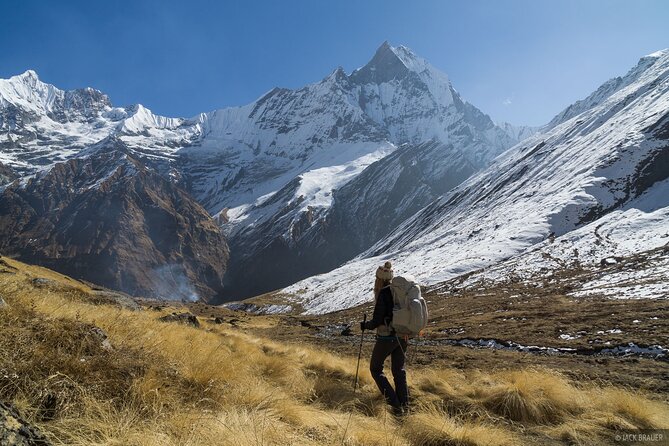
- Private, small-group style attention that keeps the experience focused on your pace
- English/Hindi/Japanese guide support so instructions are clear
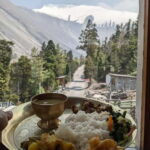
- Full meals during the main trekking days (breakfast, lunch, and dinner)
- Jhinu Danda natural hot springs as a real recovery reward
- A dedicated rest day in Pokhara for lakeside time and easy exploring
- Door-to-door private transport between key points to reduce travel stress
Getting set up: Kathmandu pickup, Pokhara arrival, and a smooth start
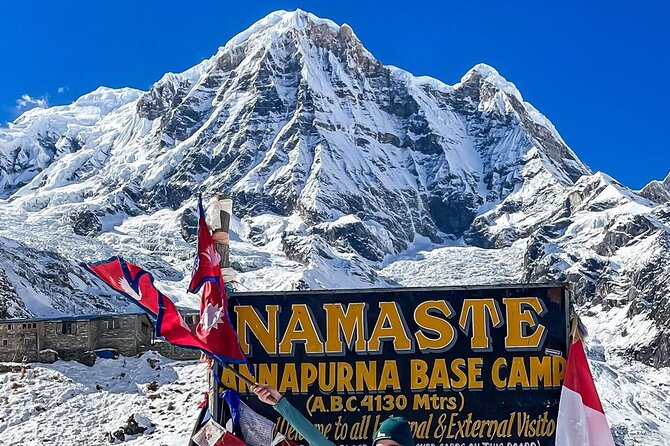
Day 1 is built around getting you from Kathmandu into the trek rhythm. You’ll be picked up from your Kathmandu hotel, and you’ll want to share your hotel name/address when booking so the handoff is clean. If you’re not in a standard hotel, make sure you send your exact pickup details early—this kind of trek goes smoother when the first logistics step is right.
By the time you’re in Pokhara, the trip starts feeling more like a plan and less like a challenge you have to manage. One of the smartest parts of this package is that it treats the trip like a whole system: you’re not just buying a hiking route, you’re buying the transport and support that make the route actually usable.
In practice, that means you can focus on what matters on your first trek day—sleep, hydration, and learning the pace your guide expects. And since the guide is there to translate and explain in English, Hindi, or Japanese, you won’t be stuck playing guessing games with trail directions.
You can also read our reviews of more tours and experiences in Pokhara.
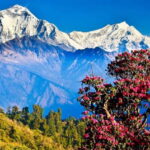
Days 2–5: Nayapul to Chumrung, then Dovan, Deurali, and Annapurna Base Camp
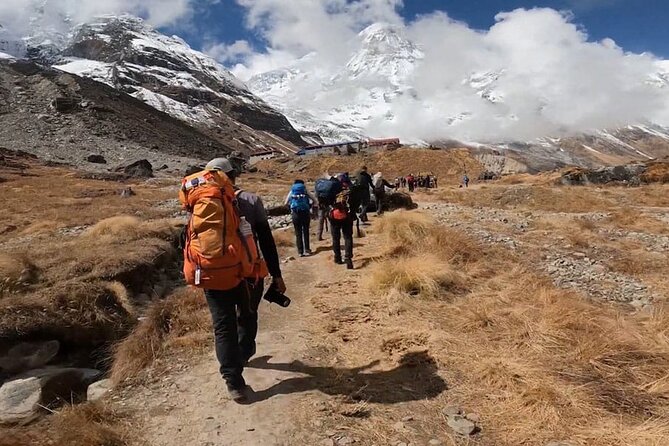
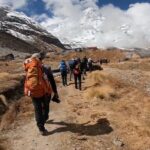
This is the core trekking stretch, and it’s set up in logical steps. You’ll start with a drive from Pokhara to Nayapul and then begin walking through villages and forest. Even though the itinerary isn’t trying to be “easy,” it is structured, with each day building you up toward the Annapurna massif.
Day 2: Nayapul to Chumrung (villages and lush forest walking)
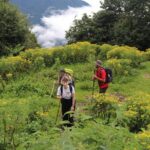
After the drive to Nayapul, you transition straight into trail time. This day is a classic warm-up with a mix of wooded sections and village life, which helps your legs adjust without going instantly from 0 to maximum effort.
Day 3: Chumrung to Dovan (rhododendron forests and higher ground)
Day 3 shifts into more altitude pressure. You’ll trek from Chhomrong to Dovan, and the route is described as moving through rhododendron forests while ascending. This is also a day where the package specifically includes breakfast, lunch, and dinner—so you’re not hunting for meals mid-day while trying to keep your energy steady.
What I like about this stage is that it gives you a clear sense of progress. You’ll feel the hike gradually steepen, and you’ll understand why the next stage matters: you’re not just walking to “arrive,” you’re walking to position yourself well for the base camp day.
Day 4: Dovan to Deurali (thicker forest, altitude gain, big mountain views)
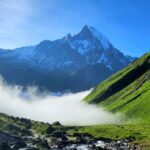
On Day 4, you hike from Dovan to Deurali. The itinerary points to gaining altitude and passing through dense forest, with spectacular mountain views. This is often where people start to notice breathing changes and where steady pacing pays off more than pushing hard.
Because the trek includes full meals on this day, you can focus on rhythm rather than food logistics. If you’re the type who hates making decisions mid-hike—should I buy snacks here or later—this is the style of trip that helps you relax into the day.
Day 5: Deurali to Annapurna Base Camp (the payoff day)
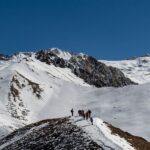
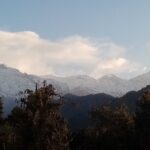
Day 5 is the big one: trek from Deurali to Annapurna Base Camp. The itinerary describes reaching the heart of the Annapurna massif with panoramic views of surrounding peaks. In other words, this is where the hard work stops being abstract and turns into something you can actually see.
This is also a good day to lean on your guide. When you’re dealing with changing weather and trail conditions, having an experienced local guide matters, especially for timing and energy management.
Days 6–8: Bamboo descent, Jhinu Danda hot springs, and the return to Pokhara
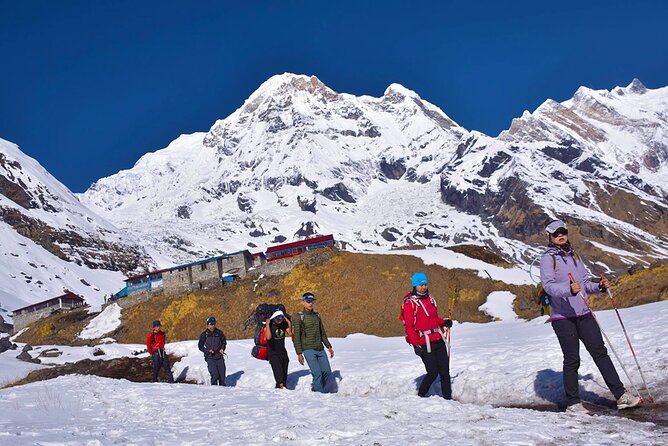
The route doesn’t just hit base camp and rush you out. It gives you a structured descent, plus one of Nepal’s great “I earned this” rewards: hot springs.
Day 6: Annapurna Base Camp to Bamboo (the descent changes the feel)
You’ll descend from Annapurna Base Camp to Bamboo. The itinerary calls out the changing landscape as you head back down. Descents can be tough on knees and feet, so I appreciate that the package keeps the day plan clear and still includes breakfast, lunch, and dinner.
Also, descending tends to be mentally easier—because you’re not chasing altitude—but physically annoying if you don’t manage your pace. A guided route keeps that pacing honest.
Day 7: Bamboo to Jhinu Danda (natural hot springs recovery)
Day 7 takes you from Bamboo to Jhinu Danda, where you can relax in natural hot springs. This is the kind of day you remember for years, because it’s both practical and emotional: your body calms down, and your mind gets to celebrate.
Full meals are included again on this day, which means you can plan your day around the springs without spending energy on where to eat. If you’ve ever come back from a trek and felt wrecked for days afterward, you’ll understand why this stop is such a strong feature.
Day 8: Jhinu Danda to Nayapul, then drive back to Pokhara
You’ll trek from Jhinu Danda to Nayapul and then drive back to Pokhara. The trek day ends and then the trip switches gears to recovery mode: rest, shower, and a chance to sleep in one place again.
This is also where the private transport part earns its keep. After a trek, you don’t want extra connections, delays, or decision-making. You want to be put back into a comfortable base and allowed to exhale.
Day 9 in Pokhara: reset day by the lake
Day 9 is a true rest day in Pokhara. The itinerary specifically calls out exploring the lakeside area, local cafes, and natural beauty at your own pace. This is valuable for two reasons.
First, it lets your body recover properly after the final descent. Second, it gives you time to experience Pokhara beyond “hotel and trek logistics,” so the trip feels like a vacation, not just a series of checkpoints.
If you want to keep it simple, lakeside cafes are an easy win: you can eat something warm, recharge your phone, and watch the day unfold without committing to another heavy activity. And because the package is private, your schedule doesn’t get hijacked by a bus group.
Day 10: private vehicle back to Kathmandu (wrap-up without stress)
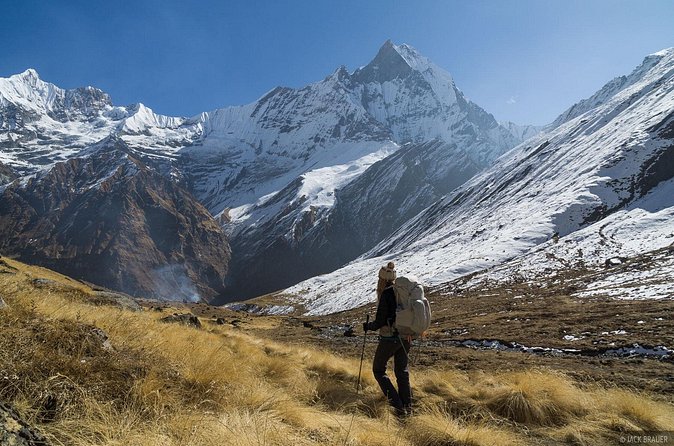
On Day 10, you travel back from Pokhara to Kathmandu by private vehicle, concluding the trekking adventure. The itinerary lists breakfast, lunch, and dinner included, which helps you avoid the common problem where the last day turns into extra sourcing and extra hassle.
One practical note: the provided booking details show a meeting point connected to Pokhara Airport and the activity ending back at the meeting point, while the trek summary also mentions Kathmandu pickup and private return to Kathmandu. I’d treat this as a “confirm it once” moment—ask your operator where you’ll meet on Day 1 and what exact end-point the vehicle drops you at on Day 10.
What’s included (and what you’ll pay for on your own)
This is an all-inclusive style package, and that matters for value. Based on the tour details, you can expect private transportation, all fees and taxes, and meals (breakfast, lunch, and dinner on the trekking days listed). You’ll also have guide support in English, Hindi, and Japanese, plus accommodation and porter support are included in the overall service description.
You’re also covered for permits and key trip logistics, which is a big deal on a trek like this. Permits and organization aren’t just paperwork; they affect whether the route runs smoothly and whether you’re meeting local requirements without scrambling.
What’s not included is also clear: drinks or other beverages aren’t provided, and personal expenses are on you. That one line can surprise people who think meals automatically covers everything you drink. It won’t. Plan on buying water, tea/coffee, and any extra snacks you want.
The cost is $1,150 per person for an approximately 10-day trek. For many people, the value comes from eliminating “hidden” costs and time. Instead of spending your vacation juggling transport, meals, permits, and a guide, you pay once and let the system run.
Guide support and small-group feel: why it changes the trek
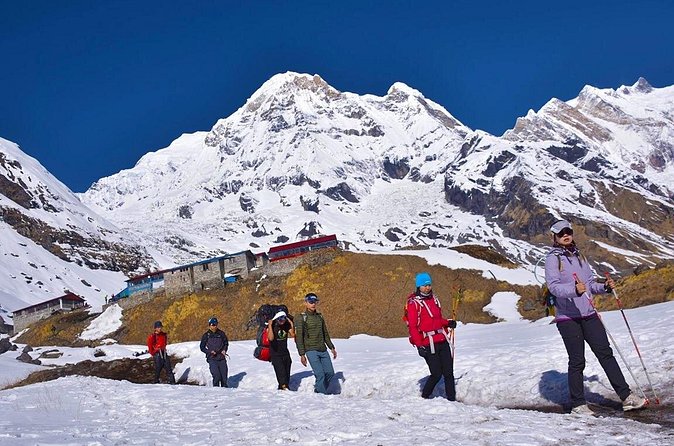
A trek like Annapurna Base Camp can be demanding, but the quality of your guide can make it feel manageable. The reviews for this operator repeatedly highlight a professional, friendly, knowledgeable guide and an office team that stays helpful during planning. One review also calls out Santosh as part of the support system, which matches the vibe you want: someone answers questions quickly before the trek begins, not after problems start.
You’ll also be in a private setup—your group only. That matters more than it sounds. When you’re not sharing your schedule with a larger crowd, you’re more likely to get pacing that fits your actual hiking style, plus fewer moments where you feel pressured to keep up or get separated.
Pace and fitness: who this trek fits best
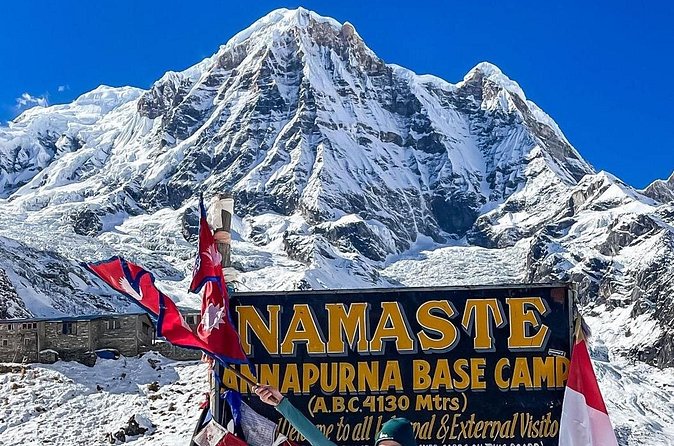
The package asks for moderate physical fitness. That’s the right warning label, because this trek includes multiple days of walking with ascending stages (for example, Day 3 toward higher altitudes and Day 4 described as gaining altitude). If you’re currently training for longer walks and you can handle uphill/downhill days, you’ll likely feel comfortable with the effort level.
If you’re newer to trekking, don’t panic—just be honest with yourself. Your best move is to go into the trip with a realistic expectation: this is not a stroll. It’s a structured hike where the “work” is spread out across days, and you get enough support (meals, guides, porters) that the challenge stays on the trail, not in the logistics.
Price and value: what you’re really paying for at $1,150
At $1,150 per person, this trek is not a budget bargain, and it shouldn’t be treated like one. The value shows up in the parts that normally cost time, coordination, and energy if you do them yourself.
You’re paying for:
- Private transportation between key points (including the drive segments)
- All fees and taxes
- Meals during the main trekking days
- Accommodation and porters
- A guide available in English, Hindi, and Japanese
- A schedule that includes recovery time (hot springs plus a Pokhara rest day)
When you add those together, the price starts to look like a “pay for peace of mind” deal. If you’re the type who hates logistical headaches—missed connections, confusing permit steps, meal hunting while tired—this package is designed to keep you out of that chaos.
Should you book this Annapurna Base Camp trek?
I’d book this trek if you want a managed Annapurna Base Camp experience that includes the big practical pieces: pickup support, private transport, guide guidance, meals, accommodation, permits, and porter assistance. I’d also choose it if you like the idea of getting to base camp, then recovering with Jhinu Danda hot springs and a real rest day in Pokhara.
I’d think twice if you’re trying to keep costs ultra-low or you’re the kind of person who plans and handles every detail yourself. This package is priced for convenience, not for DIY adventure budgeting.
If you’re deciding, my advice is simple: confirm the exact Day 1 pickup location and Day 10 end-point with the operator, then go in with moderate fitness and a plan for beverages and personal spending. Do that, and you’re set up for a trek that feels like it runs on rails—while still giving you the real mountain experience.
FAQ
How long is the Annapurna Base Camp trek on this package?
It’s listed as 10 days (approximately).
Where do I start and where does the trek end?
Pickup is offered from your Kathmandu hotel on Day 1, and the trip includes a private vehicle return from Pokhara to Kathmandu on Day 10. The meeting point details also show Pokhara Airport, with the activity ending back at the meeting point—so it’s worth confirming the exact start and end locations.
What’s included in the price?
The package includes private transportation, all fees and taxes, meals (including lunch on the provided details), and guide services (English, Hindi, Japanese). Accommodation, permits, and porters are also part of the all-inclusive service described.
Are drinks included?
No. Drinks or other beverages are not provided, so you’ll pay for those separately.
What kind of fitness level do I need?
The tour notes that you should have a moderate physical fitness level.
Is this a private trek or a shared group?
It’s a private tour/activity, meaning only your group participates.
Do you stop at natural hot springs?
Yes. Day 7 includes time to relax in the natural hot springs at Jhinu Danda.
What if the weather is poor?
This experience requires good weather. If it’s canceled due to poor weather, you’ll be offered a different date or a full refund.
What’s the cancellation timeframe?
Free cancellation is available up to 24 hours in advance for a full refund.