REVIEW · POKHARA
4 Days Amazing Trekking from Pokhara-Ghorepani Poon Hill
Book on Viator →Operated by Nepal Mountain Club Pvt Ltd · Bookable on Viator
This 4-day Pokhara to Ghorepani and Poon Hill trek is built around spectacular sunrise panoramas and village life in the Annapurna region, with time to walk, rest, and take in mountain views without committing to a longer expedition. You’ll start from Nayapul, climb through Ulleri and Ghorepani, and then hit Poon Hill at the right hour to catch the best looks across the Annapurna range.
I especially like two things about this experience: the Poon Hill sunrise viewpoint (famous for wide views over Annapurna) and the way a good English-speaking guide adds depth on culture and the mountains. From the guides named in past trips—Dhanraj Gurung, Dadhi Thapa, Krishna, and Milan—you can expect stories that make the trek feel more like a guided walk through real communities than just a photo stop.
One possible drawback: food and drinks are not included, and the Poon Hill admission ticket isn’t included either—so you’ll want some extra cash for meals along the way and that specific entry cost.
In This Review
- Key points worth knowing before you go
- Poon Hill in four days: the planning that makes it work
- Getting from Pokhara to Nayapul without the stress
- Day 1 from Nayapul to Ulleri: your first climb and first village feel
- Day 2 Ghorepani: famous mountain village energy
- Day 3 Poon Hill sunrise, then the walk toward Ghandruk
- Day 4 Old Gurung Museum and the return to Nayapul
- What you actually get for the $380 price
- Guide matters: stories from Dhanraj, Dadhi, Krishna, and Milan
- Pacing and comfort: tea houses help, but you still need a plan
- Who this trek is best for (and who should reconsider)
- Should you book this 4-day Pokhara–Ghorepani–Poon Hill trek?
- FAQ
- How long is the trek?
- What does the price include?
- Is food included?
- Do I pay for Poon Hill entry?
- What are the main stops during the trek?
- Is pickup from Pokhara included?
- Is this a private tour?
- What’s the cancellation policy?
Key points worth knowing before you go
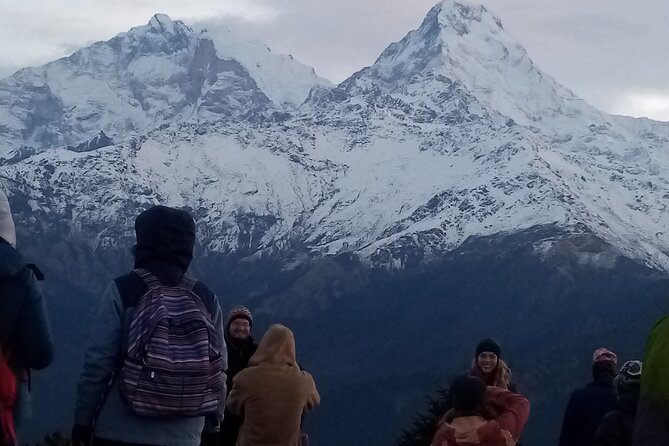
- Poon Hill sunrise is the centerpiece: you’ll do an early start to catch the best light over the Annapurna region.
- Tea houses along the route: even with a moderate effort, you should find places to refuel and warm up.
- Guest house stays included: you’re covered for overnight accommodation, so you can travel lighter.
- Permits are handled for you: ACAP/Annapurna conservation area fees plus TIMS are included.
- Short but not lazy: the day walks add up, including a longer day on day 3 and the return on day 4.
- Private tour setup: it’s just your group, with pickup and drop-off in Pokhara.
Poon Hill in four days: the planning that makes it work
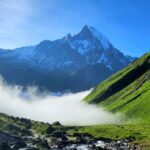
If you only have a few days in Nepal, the sweet spot is a trek that’s short on paper but still delivers the mountain drama. This one aims right at the classic highlight: early-morning views from Poon Hill, where you can scan the Annapurna range for a big, sweeping look. That part matters, because many people come to Nepal for the Himalayas, and sunrise is when the peaks look their sharpest.
It also balances mountains with people. As you move between villages, you’ll pass through areas associated with Gurung and Magar communities, where daily life feels close to the trail. Even if you’re not a hardcore culture traveler, a trek that mixes viewpoints with real villages tends to feel more satisfying when you’re done.
The trekking difficulty is described as moderate, and the route is meant to be manageable for beginners while still giving enough challenge for experienced hikers. That’s the right kind of middle ground for a short itinerary: not a “walk in the park,” but not a technical mountaineering plan either.
You can also read our reviews of more tours and experiences in Pokhara.
Getting from Pokhara to Nayapul without the stress
Your day starts in Lakeside Pokhara, with hotel pickup offered. From there, it’s about a 1-hour private car drive to Nayapul, where the trek officially begins.
That transfer is more than just convenience. On a short trek, every saved hour helps you get your body into rhythm faster. Also, since the trek ends back in Pokhara, the “round-trip” structure is clean: drive out to begin, walk your route, and then drive back for a proper night in town.
This tour is also listed as a private tour/activity, meaning it’s tailored to your group rather than you being one of many mixed groups trekking at different speeds. If you’ve ever been stuck behind a slow pace or pulled along by a faster one, you’ll appreciate the tighter control of a private setup.
Day 1 from Nayapul to Ulleri: your first climb and first village feel
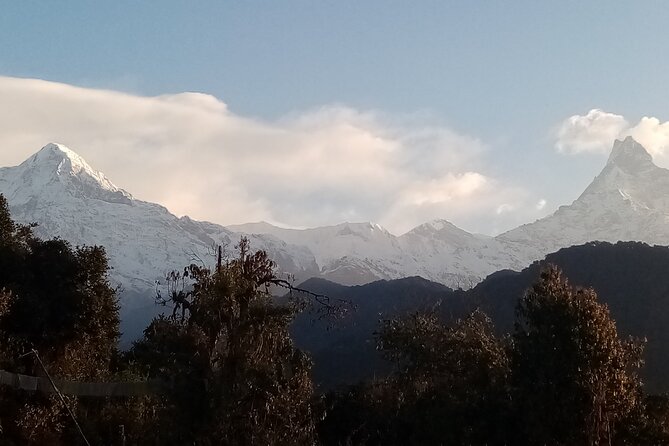
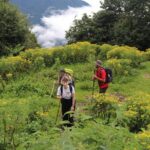
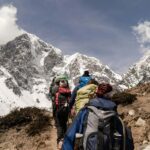
You’ll start at Nayapul and walk for roughly 5 to 7 hours before reaching Ulleri (1960 meters). Expect the first day to feel like the “wake-up” to trekking—steady climbing, changing village scenery, and a gradual adjustment to the altitude (even if you’re not chasing exact numbers).
Ulleri is also where the itinerary calls out Ulleri Football Ground, which tells you the village isn’t just a postcard stop. These are community spaces. So you’re not only moving through towns—you’re arriving in them, and that changes the vibe. Even a quick look around can make the trekking villages feel less anonymous.
This day includes an admission ticket for the stop listed. The practical point for you: it’s one less payment to worry about later, and it helps explain why your tour includes certain “ticket” costs in the first place.
By the end of day 1, the big goal is simple: eat early, rest well, and don’t overdo it. Sunrise trekking on day 3 needs you fresh.
Day 2 Ghorepani: famous mountain village energy
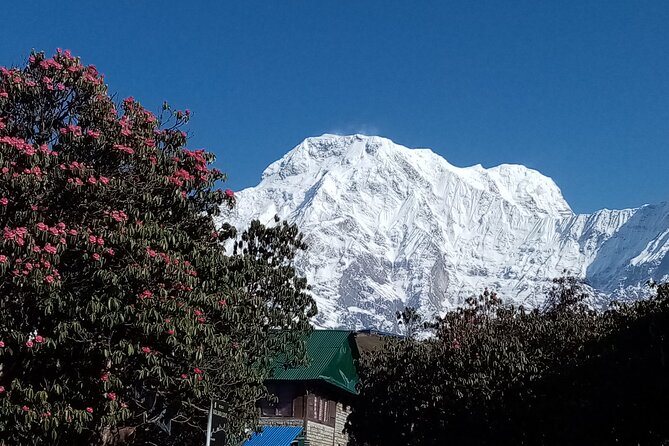
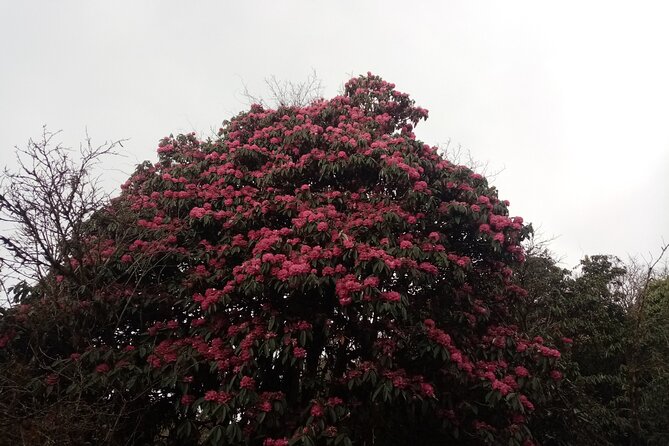
Day 2 is built around Ghorepani, which is described as very famous and popular. You’ll walk around 6 hours, and the scenery along the way is highlighted with flora and fauna—so you’re not just staring at rocks and clouds. It’s a day for steady movement and enjoying the changing views as the trail trends toward the Ghorepani area.
One stop on day 2 is Ghorepani Community Hospital. That’s a meaningful touch because it’s not a tourist-only attraction. It’s a real community institution. If you’re the type of traveler who likes to understand where money, help, and daily work actually show up, this kind of stop can add context to your trekking experience.
This stop is marked as free admission. Practically, that means your tour isn’t nickel-and-diming you for every item. Also, because food and drinks aren’t included overall, the day’s saved costs can matter. You’ll still pay for meals on your own, but the trek day itself stays more predictable.
What I’d watch for on day 2 is pacing. If you go too fast today, you can feel it in the early start on day 3.
Day 3 Poon Hill sunrise, then the walk toward Ghandruk
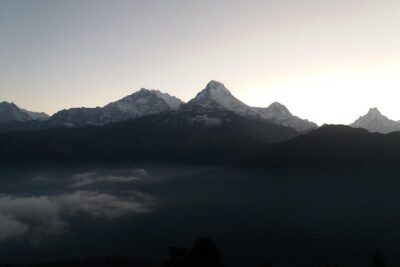
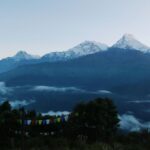
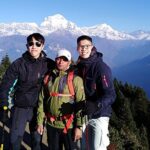
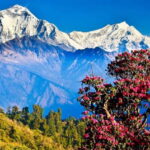
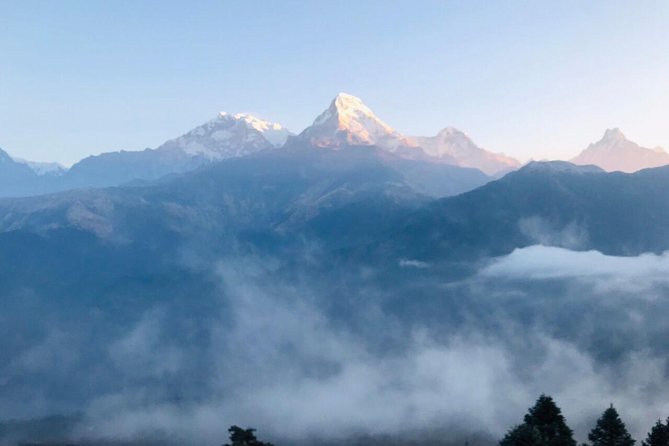
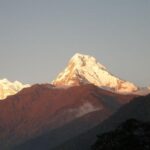
Day 3 is the star. You’ll do an early morning trek to Poon Hill, and the guidebook-level promise here is clear: Poon Hill is the best view point for panoramic mountain scenes over the Annapurna range. It’s famous specifically for sunrise, and if you’ve ever seen why people get up before dawn in mountain towns, you know this is where it pays off.
You’ll spend a couple of hours at the viewpoint, which is exactly how sunrise viewing should be. It gives you time to:
- get there in the dark,
- find your bearings,
- watch the light shift across peaks,
- and still take your photos without feeling rushed.
After that, you continue trekking to a village called Ghandruk. That part matters because it turns sunrise from a one-minute spectacle into the beginning of a fuller day. Also, it helps justify the early start: you’re not only standing still at a viewpoint—you’re moving through the region afterward.
One important logistics note: Poon Hill admission is not included. So budget for it. The good news is you’re only likely dealing with it once, since the rest of your viewpoint time is built into the timeline.
This day is listed as about 8 hours, so mentally plan for a longer push than day 2. If you’re a beginner, it’s doable, but it’s not a “casual stroll” day.
Day 4 Old Gurung Museum and the return to Nayapul
Your final day keeps the focus on culture, but with an easier ending rhythm. You’ll go to the Old Gurung Museum and then trek back to Nayapul, with about 6 hours of walking before you transfer back to Pokhara.
The museum stop is marked as free admission, which is a nice bonus. It also ties the trip together thematically: earlier days you’re surrounded by Gurung and Magar village life, and now you get a more structured way to understand that identity through a museum visit.
The return hike is also a reality check day. By day 4, your legs have learned the trail, but your motivation can dip. That’s when having a guide who keeps the pace comfortable—and offers conversation—can make a big difference.
Once you reach Nayapul, you’re done. You’ll get your ride back to your Pokhara hotel, which is a relief after trekking. No scrambling for transport, no negotiating day-of.
What you actually get for the $380 price
At $380 per person, the value comes from what’s bundled rather than the headline number. Your included items cover several costs that can quickly add up on trek logistics:
Included:
- Accommodation in a guest house
- ACAP conservation area fees and TIMS
- An English-speaking professional trekking guide
- Hotel pickup and drop-off
- Private tour
Not included:
- Food and drinks (you buy what you want/need along the way)
So the price is doing the heavy lifting for permits, guide service, and at least the big “sleeping” component. That’s helpful because the often-unpleasant part of trekking isn’t just the hike—it’s figuring out the messy pieces. Here, those pieces are handled.
There are also notes about group discounts and a mobile ticket, and confirmation is sent at booking time. Those features matter mainly if you’re planning tightly and want fewer surprises.
Bottom line: if you want a short, organized trek with permits and a guide handled, this price can be fair. If you’re already set up with your own guide, permits, and lodging, then you’d need to compare carefully. Most people booking a packaged option are doing it because they want less hassle.
Guide matters: stories from Dhanraj, Dadhi, Krishna, and Milan
This trek description puts “English speaking professional trekking guide” in the included section, and the reviews names make it feel more concrete. Guides like Dhanraj Gurung, Dadhi Thapa, Krishna, and Milan show up in past feedback, and the common thread is that they’re more than route-watchers. They talk.
One review-style theme that keeps repeating in guides’ reputations is that they connect ethnicity, mountain life, and daily work into stories you can actually picture. If you care about understanding Gurung and Magar communities beyond a quick look, that storytelling is where you get real extra value.
A good guide also improves safety and pacing, especially on a short timeline when you don’t want to “burn” your energy early. I like treks where the guide helps you hike smarter, not just harder.
Pacing and comfort: tea houses help, but you still need a plan
The route is described as having tea houses along the way, which usually means you can stop, sit, and eat rather than trekking on empty batteries. Even if you’re traveling light, you’ll likely want warm layers for the mornings and late evenings around the villages.
Because food isn’t included, you’ll choose meals yourself. That can be good—variety and flexibility—and it also means you should carry a little extra cash and expect that trekking convenience comes with trekking prices.
For packing, I’d focus on the practical items that help on a multi-day walk:
- a daypack you can carry comfortably,
- layers for cool early starts,
- and good blister prevention for your shoes.
On this route, the day 3 sunrise schedule makes timing important. You may be up early and walking before you fully “feel awake,” so plan for that mentally and with proper gear.
Who this trek is best for (and who should reconsider)
This is a strong fit if:
- you want Himalaya views without a long trek,
- you like a short itinerary with real village stops,
- you want permits and guide logistics included,
- and you’re comfortable with moderate daily walking (a few 6–8 hour days).
You might reconsider if:
- you hate early mornings or sunrise plans,
- you’re tight on budget for meals and the Poon Hill admission ticket,
- or you’re looking for an ultra-light day-by-day pace (day 3 is longer).
It’s also a tour where children must be accompanied by an adult, and the description says most travelers can participate. So if you’re traveling as a family, it can work—but you’ll want to be honest about whether your child can handle the walking hours.
Should you book this 4-day Pokhara–Ghorepani–Poon Hill trek?
If you’re trying to make the most of limited time in Nepal, I think this is a book-worthy option. The structure is clear: quick transfer from Pokhara, a steady climb through Ulleri and Ghorepani, one big highlight morning at Poon Hill sunrise, then a finishing cultural stop and return to town.
Book it if you want:
- organized trekking with permits handled,
- a guide who can add meaning to what you’re seeing,
- and a short trek that still feels like a real experience, not just a single viewpoint trip.
Skip it or compare prices if:
- you already have someone to arrange permits and guiding,
- you’d rather have meals included in the package,
- or you’re not excited about early morning walking.
FAQ
How long is the trek?
It’s listed as 4 days approximately, starting from Pokhara and trekking through Ulleri, Ghorepani, Poon Hill, and ending with a return trek back to Nayapul.
What does the price include?
The tour includes guest house accommodation, ACAP permit fees and TIMS, an English speaking professional trekking guide, and hotel pickup and drop-off. It’s also described as a private tour.
Is food included?
No. Food and drinks are not included, but they are available for purchase along the way.
Do I pay for Poon Hill entry?
The Poon Hill stop is marked as admission ticket not included, so you should expect to pay it separately.
What are the main stops during the trek?
You’ll pass through Ulleri, Ghorepani, and Poon Hill, and you’ll have a cultural stop at the Old Gurung Museum on the final day.
Is pickup from Pokhara included?
Yes. The tour offers hotel pickup from lakeside Pokhara, then you’ll be driven to Nayapul at the start.
Is this a private tour?
Yes. It’s described as private, meaning only your group participates.
What’s the cancellation policy?
It’s listed as free cancellation. You can cancel up to 24 hours in advance for a full refund.
If you want, tell me your travel month and your fitness level (beginner, intermediate, etc.). I’ll help you sanity-check whether the day 3 timing will feel comfortable for your group.