REVIEW · MARRAKECH
Ouirgane Trekking & Hiking from Ouirgane to Imlil – 4 Days
Book on Viator →Operated by Imlil Treks Toubkal · Bookable on Viator
High Atlas passes start with one long walk. This 4-day trek from Ouirgane to Imlil climbs from dusty valley country up into greener High Atlas terrain, with Berber home stays built into the route. Expect big views, real village life, and a plan that keeps you moving without turning every day into a suffer-fest.
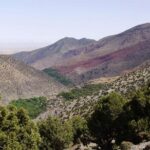
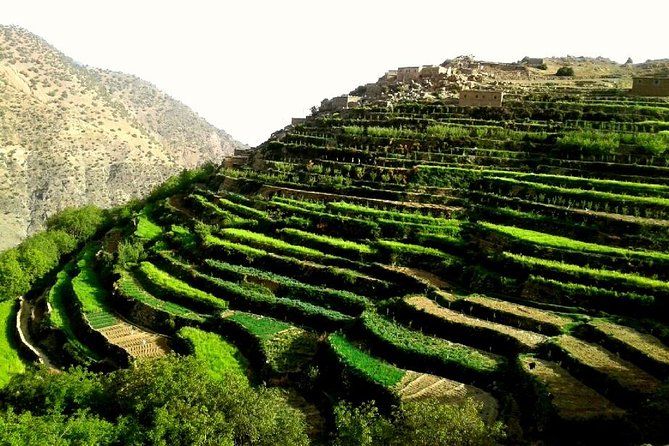
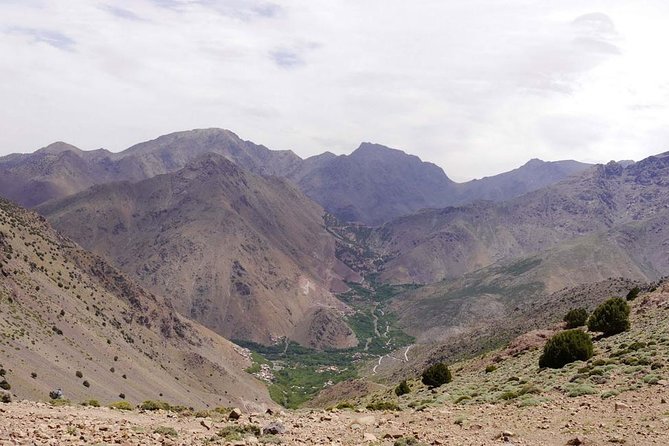
I love two things most. First, the hiking feels well-paced, with long passes and descents that reward your effort instead of just punishing your legs. Second, you get the kind of scenery that comes from altitude work—think high passes, terraces, walnut groves, and passes where snow can show up in winter.
One drawback to think about: this is still trekking. You’ll want good walking shoes and a moderate fitness base, since you’re out for around 5–6 hours on multiple days and walking happens at high elevations.
In This Review
- Key highlights you should care about
- Entering the Ouirgane valley from Marrakech
- Day 1: Ouirgane to Assif Izagzaoun (1800m) and a family-house night
- Day 2: Tizgui, Mt. Assaka (2170m), and the Tizi passes
- Day 3: Azib Assoul (2300m), the 2700m Tagoudalte pass, and Tizi Oussem
- Day 4: Azib Tamsoulte waterfall, the Azzaden Valley, and finishing in Imlil
- Guides, mules, and meals: how the trip keeps you moving
- Fitness, altitude, and what to pack (based on what you’re told to bring)
- Price and value: is $305.42 worth it?
- Who this trek fits best (and who might reconsider)
- Should you book the Ouirgane to Imlil 4-day trek?
- FAQ
- How long is the Ouirgane to Imlil trek?
- Where does the trek start and where does it end?
- What time does the tour start?
- What’s included in the price?
- Are meals provided during the trek?
- Is this trek suitable for beginners?
- What should I bring?
- What happens if weather is poor or you need to cancel?
Key highlights you should care about
- Up-and-over High Atlas passes with big elevation points along the way (including a 2,700m crossing)
- Berber village overnights in local family houses and a gite, not hotel hopping
- Mules for luggage and food, so you carry less and walk more
- Meals included across the trek (breakfasts, lunches, dinners) to keep energy stable
- Guides who focus on the route and the views, with examples like Ibrahim, Abdellatif, Mohammed, and cook Hassan in past groups
Entering the Ouirgane valley from Marrakech
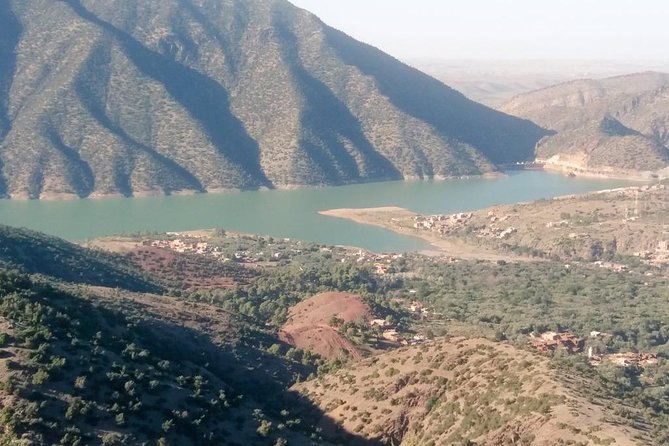
Most people start from Marrakesh and head north toward Ouirgane, so the day has that classic Atlas setup: you leave city rhythm behind and watch the countryside shift as you climb. The route is more than a transfer. It gets your eyes tuned for what’s coming—valley trails, side valleys, and the sense that the mountains are right there, not just a far-off backdrop.
You’ll travel with a local guide and transport included, and the trek is run as a private experience for your group. There are also group discounts, so if you’re traveling with friends and you like the idea of splitting costs, this setup can work in your favor.
You can also read our reviews of more tours and experiences in Marrakech.

Day 1: Ouirgane to Assif Izagzaoun (1800m) and a family-house night
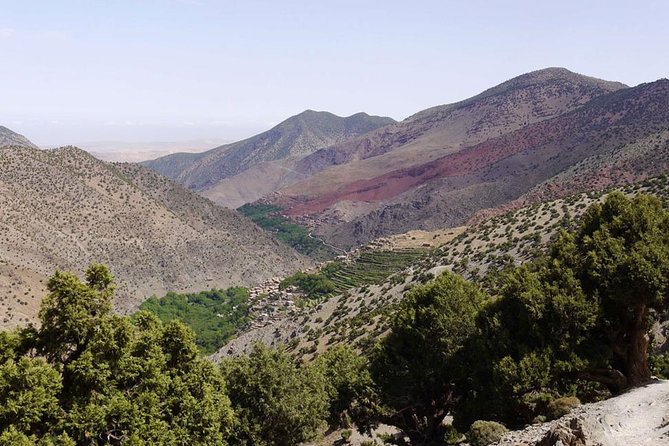
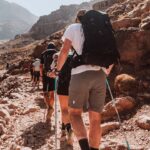
Day 1 begins in Ouirgane with a hike through changing terrain as you move up the valley. Halfway through, you stop for a picnic, then continue on toward your overnight at the Valley of Assif Izagzaoun at about 1,800m.
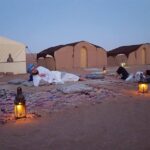
The walking time is listed at about 5 hours, which matters because Day 1 is long enough to feel like a trek but not so brutal that you arrive wrecked. The overnight is where this tour starts earning points. You sleep in a local family house for a half-family style stay, which means you’re living the rhythm of the village more than watching it.
Practical note: if you’re the type who needs your sleep, bring a bit of patience. Home stays in mountain villages are not hotel quiet, and that’s part of the charm.
Day 2: Tizgui, Mt. Assaka (2170m), and the Tizi passes
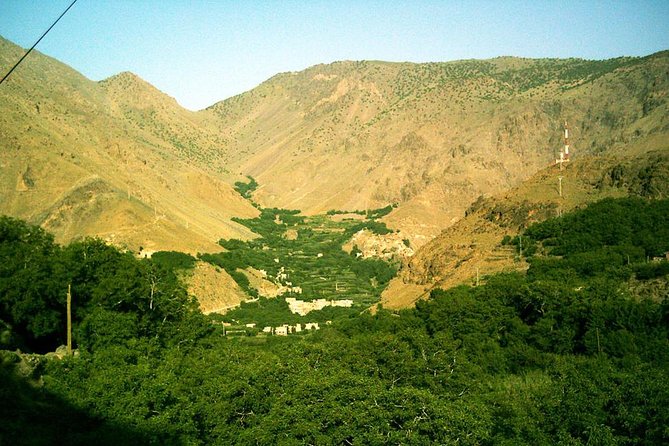
After breakfast, the hike works its way toward Tizgui (around 1,800m). This is a true high-day rhythm: you ascend up to Mt. Assaka (2,170m), then descend toward the Goudafa valley. It’s the kind of route where you feel altitude in your breathing, but the payoff comes in the views when the trail opens up.
Lunch happens as a picnic on the pass area (listed as Tizi), and then you move toward your next village stop for the night in another local house. The day is listed at about 6 hours, so plan to treat it like the main effort of the trek.
One thing I like here is how the schedule balances effort with context. You don’t just climb and climb. You crest, then you get descent scenery—valley edges, river lines, and the transition toward higher, more alpine zones.
Day 3: Azib Assoul (2300m), the 2700m Tagoudalte pass, and Tizi Oussem
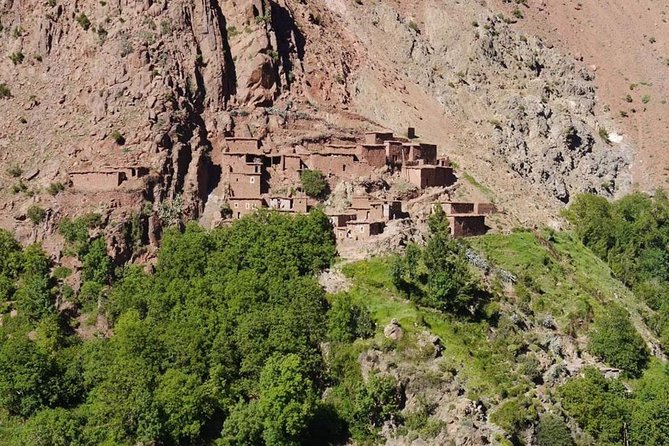
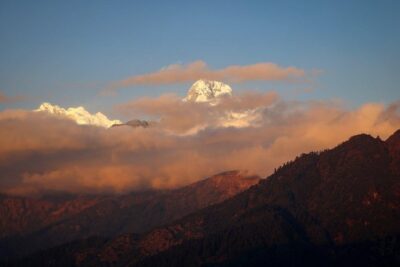
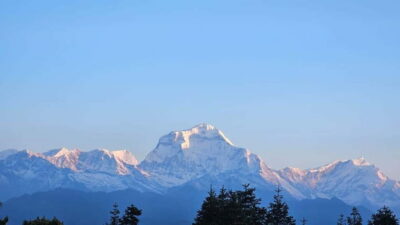
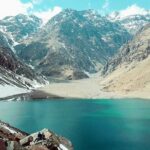
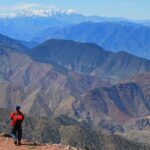
Day 3 is for people who want a serious payoff day. You start from Tizgui, heading toward Tizi Oussem, crossing Azib Assoul (2,300m) and also the Tizi ’n Tagoudalte pass (about 2,700m). At that altitude, you can get those wide High Atlas views where everything looks layered—peaks stacked, valleys branching, and weather changes becoming obvious.
After the high passes, the trail turns into a long descent through higher areas that grow with herbs and wildflowers. Then you follow a river past terraced fields and walnut groves, which gives the day a lived-in feel instead of just rocky mountain walking.
You’ll end the day in Tizi Oussem (around 1,900m). There’s also free afternoon time to relax or explore the village, plus an overnight in a gite. That free time is important. After a day with high points and lots of walking, it’s good to have breathing room—wash up, sit with people, and let your legs cool down.
Seasonal reality check: if you’re trekking in winter, passes can be snowy. Late January groups have reported fresh snow on parts of the slopes and passes, which makes the terrain more rugged. The upside is that snow can make the mountain feel even more dramatic.
Day 4: Azib Tamsoulte waterfall, the Azzaden Valley, and finishing in Imlil
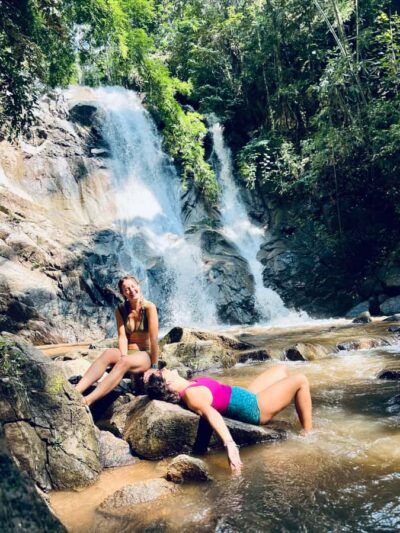
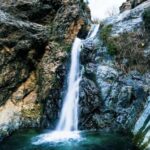
Day 4 starts with a hike to a small waterfall at Azib Tamsoulte, then you return and cross onward to the Azzaden Valley, also called the Valley of the 1000 colors. That phrase is a poetic way of describing how the valley changes tone—field colors, slope textures, and seasonal vegetation all shift the look of the place as you move.
Then you cross the Tizi ’n Mzik pass (about 2,500m) and arrive in Imlil. From there, you transfer back to Marrakesh, which makes Day 4 feel like a final stretch rather than an endless new climb.
This wrap-up is a smart design. By the time you hit Imlil, you’re likely done with the hardest altitude work of the trip, and your day ends with a transfer instead of another night out in the mountains.
Guides, mules, and meals: how the trip keeps you moving
A big reason this route gets praised is how organized it feels on the trail. The structure is built into the route: you have local guidance, scheduled breaks, and support that keeps the hike from becoming chaotic.
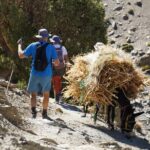
Mules handle luggage and food, which is huge for comfort. You’re there to walk and enjoy the journey, not carry everything like it’s a survival scenario. You still hike, of course, but your pack should feel manageable.
Food is also covered in a practical way. You get breakfasts, four lunches, and three dinners, which matters when you’re burning energy at altitude. It reduces the “what do we eat now?” stress and lets your body stick to a steadier rhythm.
In past groups, the human touch has been a standout. People have named guides like Ibrahim and Abdellatif, with a cook named Hassan credited for helping make the experience work day-to-day. That’s the kind of detail you want, because it points to a team that’s paying attention, not just walking you from point A to B.
Fitness, altitude, and what to pack (based on what you’re told to bring)
This trek asks for moderate physical fitness. The walking blocks are around 5–6 hours on multiple days, and you’re working near high altitude (with passes reaching roughly 2,500m to 2,700m). If you’re generally active—regular walks, a bit of stair climbing, no stranger to hills—you’ll probably be fine.
You’re also told that walking shoes are mandatory. Optional items include walking sticks and a sleeping bag. Even if you’re not sure what the bedding will be like in each village home or gite, packing a sleeping bag can add comfort and peace of mind.
A tip that’s worth taking seriously: dress in layers. High Atlas weather can shift. When you’re climbing, you’ll warm up fast. When you’re cooling down on passes or in the descent wind, you’ll want that extra layer ready.
Price and value: is $305.42 worth it?
At about $305.42 per person for four days, the price only makes sense if you look at what’s included. This isn’t a cheap “guide only” hike. You’re paying for transport, a local guide, mules to carry luggage and food, and meals (breakfasts, lunches, dinners).
If you’d tried to DIY this, you’d spend money on transport, local guidance, food, and logistics of where you sleep. Here, those pieces are already built into the plan. You also get a private group setup for your party, plus a mobile ticket option and pickup offered.
Also, the route covers multiple dramatic days—passes, long descents, and village overnights. For trekking-focused travelers, four days is a sweet spot: enough time to feel like you did something real, without turning the entire trip into a multi-week project.
Who this trek fits best (and who might reconsider)
This one is best for you if you:
- Want real walking time with mountain passes and view payoff
- Like Berber village stays where meals and nights are part of the experience
- Prefer routes that feel challenging but not like constant steep grind
- Enjoy a guided plan that handles the practical stuff so you can focus on the trail
It may be less ideal if you:
- Have very limited tolerance for long walking days
- Prefer fully hotel-based comfort every night
- Struggle with altitude changes and long descents
It’s also age-limited: the minimum age is 15, and the physical fitness requirement is there for a reason.
Should you book the Ouirgane to Imlil 4-day trek?
Book it if you want a High Atlas trek that feels like travel, not just exercise. The strongest reasons to say yes are the mix of mountain passes, village overnights, and the way mules and meals reduce friction. The route is designed to be rewarding, with hiking lengths that fit a moderate level, and with real variety from day to day.
Don’t book it blindly if you’re not comfortable walking 5–6 hours most days or if you’re expecting flat, easy trail time. Bring the right shoes, plan on altitude effort, and accept that the village nights are part of the adventure—not a luxury add-on.
If that sounds like your kind of trip, this is one of those Atlas itineraries that can give you strong memories for years, from pass views to Berber tea stops and the simple fact that you walked across mountain country the slow way.
FAQ
How long is the Ouirgane to Imlil trek?
It’s scheduled for about 4 days.
Where does the trek start and where does it end?
It starts in Marrakesh, Morocco, and ends back at the meeting point, with the trek finishing in Imlil and then a transfer back to Marrakesh on the last day.
What time does the tour start?
The start time is 8:30 am.
What’s included in the price?
Transport, a local guide, mules to carry your luggage and food, and meals are included: 4 lunches, 3 dinners, and 3 breakfasts.
Are meals provided during the trek?
Yes. You’ll have breakfast on 3 days, lunch on 4 days, and dinner on 3 days, based on the trek schedule.
Is this trek suitable for beginners?
It’s aimed at travelers with moderate physical fitness. You’re told good walking shoes are mandatory and that effort will be rewarded, which suggests a reasonable hiking comfort level is needed.
What should I bring?
Good walking shoes are mandatory. Walking sticks and a sleeping bag are listed as optional.
What happens if weather is poor or you need to cancel?
You can cancel for free up to 24 hours in advance for a full refund. If it’s canceled due to poor weather, you’ll be offered a different date or a full refund.