REVIEW · KATHMANDU
Everest Base Camp Trekking 16 Days
Book on Viator →Operated by Vyas Treks & Expedition · Bookable on Viator
Everest Base Camp hits fast, then won’t let go. This 16-day trek pairs a Kathmandu UNESCO warm-up with a scenic flight to Lukla, then carries you through Sherpa villages, rhododendron forests, and on to Everest Base Camp and the famous Kala Patthar dawn panorama.
I especially like the human touch: guides such as Shiva and Keshab are described as kind, helpful, and genuinely good company on the trail. I also like that your food and accommodation are handled for you, so you can focus on walking, breathing, and taking in the mountains instead of logistics.
The main consideration is schedule pressure from conditions. This experience depends on good weather, and if flights or trail timing get altered, you’ll want to be clear on what that means for the day-by-day plan and any refunds.
In This Review
- Key highlights you’ll care about
- Flying into Lukla: why this trek starts with drama (and beauty)
- Kathmandu UNESCO stops and a gear check that actually helps
- Phakding to Namche Bazaar: rivers, bridges, and learning pace
- Namche to Tengboche: rhododendron slopes and monastery views
- Dingboche: the acclimatization day that keeps you moving later
- Lobuche and Gorak Shep: memorials and the gritty Everest approach
- Kala Patthar at dawn: the cold test and the big payoff
- Coming down: Phakding, Lukla, and the last mountain looks
- Price and logistics: what $800 buys you (and what to watch)
- Who this trek suits best
- Should you book this Everest Base Camp plan?
- FAQ
- How many days is the Everest Base Camp trek?
- Where does the trek start?
- Is there a flight to Lukla?
- Does the itinerary include Kathmandu UNESCO sites?
- What fitness level do I need?
- Is this tour private?
- What happens if weather cancels the experience?
Key highlights you’ll care about
- Lukla flight into the Khumbu: a short hop that feels like the start of a different world
- Kathmandu UNESCO day before the trek: temples and squares, plus equipment checks and group introductions
- Acclimatization built into the route: slow days in Namche and Dingboche so your body has a fighting chance
- Sagarmatha National Park scenery: forests, rivers, bridges, and viewpoints that change every day
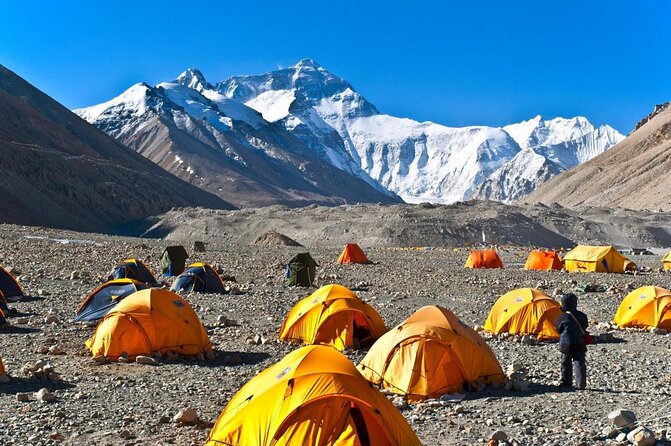
- Everest Base Camp approach: moraine, dunes, memorials, then tents against gray rock
- Kala Patthar at dawn: cold, early, and worth it for wide-angle Everest views
Flying into Lukla: why this trek starts with drama (and beauty)
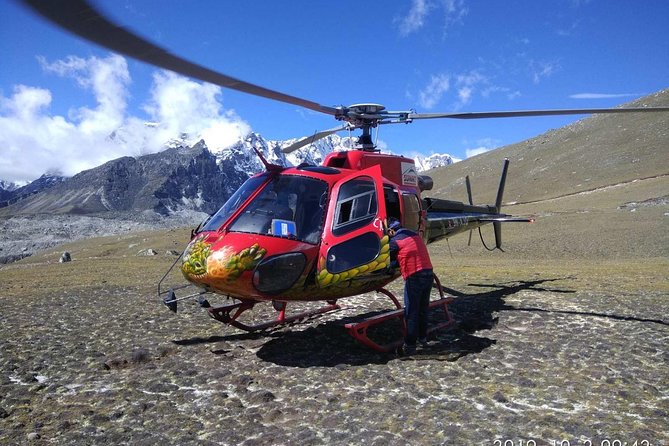
The Everest Base Camp trek doesn’t begin with a long bus ride or a sleepy walk. It starts with a 40-minute flight from Kathmandu to Lukla—one of those routes that makes everyone stop talking when the hills and peaks line up. Lukla sits high (about 9,186 ft), so even before you hike, you’re already feeling the altitude game.
From Lukla, the days start to feel very “trail real.” You meet your crew, arrange gear together, and then begin trekking toward Phakding. The early walking is a gentle setup: some gradual going, some descending, and just enough rhythm to get your legs used to the pace before the real altitude climbs.
Practical takeaway: plan to protect your energy on travel days. A short flight is still a flight. If you come in tired, the trek will charge you for it on the next uphill.
You can also read our reviews of more tours and experiences in Kathmandu.
Kathmandu UNESCO stops and a gear check that actually helps
You get a proper Kathmandu day before you head into the mountains. You’ll tour major UNESCO-listed sights including Kathupmandu Durbar Square, Pashupatinath, Swayambhunath (the Monkey Temple), and Bouddhanath with its huge stupa. This matters because it gives you context for what you’ll see later: prayer flags, Buddhist and Hindu symbolism, and a local spiritual atmosphere that isn’t just scenery.
The other useful piece is the pre-trek organization. After breakfast, you also get your equipment checked, meet your fellow participants, and talk through the trip with the climbing leader and team. That kind of prep reduces day-one confusion when weather, altitude, and trail logistics start doing their thing.
One note on costs: the Kathmandu attraction day includes entries where the admission ticket for Durbar Square is not included. Everything else is handled as part of the day plan.
Phakding to Namche Bazaar: rivers, bridges, and learning pace
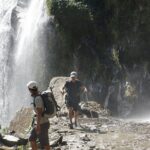
The trek from Lukla down toward Phakding lets you ease into the Khumbu valley. You’ll walk through a mix of pine forest and riverside scenery, cross the Dudh Koshi River, and pass villages along the way. The trail includes suspension bridges—rope-and-plank style—so keep an eye on your footing and don’t rush. It’s not about fear; it’s about saving your ankles for later.
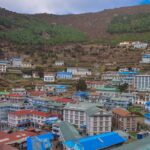
Then comes the big step: Namche Bazaar, the main hub of the Khumbu region. You’ll climb steeply to reach it, and if the weather cooperates you may catch early views of Everest and Lhotse. Namche is where altitude starts getting serious, but it’s also where the trekking becomes more social and functional: shops, internet cafes, ATMs, restaurants, and a busy market scene.
This is also where your acclimatization day pays off. You’ll spend time in Namche rather than just passing through, and the route includes optional hikes like Khumjung village for Sherpa life and views. That’s a smart approach: you get elevation exposure without stacking too many exhausting climbs back-to-back.
My advice: use Namche time to slow down, not to pack in extra suffering. If you’re tempted to “catch up” on lost energy, it usually backfires at higher altitudes.
Namche to Tengboche: rhododendron slopes and monastery views
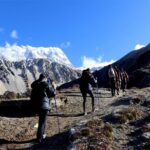
After Namche, the trail direction changes from steady valley progress to the classic rhythm of descent and ascent. You’ll drop down toward the Dudh Koshi River, then work your way up through rhododendron forests toward Tengboche.
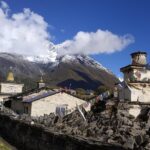
Tengboche is known for its monastery visit: you’ll go to Tengboche Gompa, described as the region’s largest monastery. The reason this stop hits is not just architecture—it’s the way the buildings frame the mountain views. Everest may be hidden for part of the walk, then appear more clearly when you reach the vantage points.
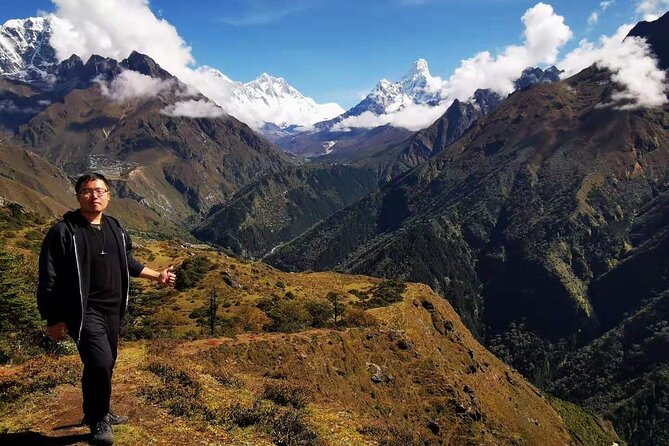
If you enjoy photo breaks, this is where you’ll use them. The views of Everest, Ama Dablam, and surrounding peaks often come and go with cloud cover, so you’ll want to stand still, let your eyes adjust, and take the moment when it’s there.
Dingboche: the acclimatization day that keeps you moving later
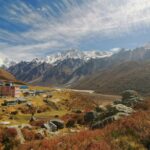
As the trek continues, the scenery becomes more open and high-altitude. You pass through areas with birch, conifers, and rhododendrons, then cross rivers and reach Dingboche, which sits in a landscape of fields and stone walls protecting crops from cold winds and grazing animals.
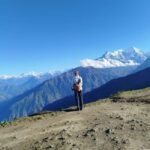
Dingboche is your acclimatization anchor. You’ll spend a day here and you’ll have day-hike options to places like Nagarjun Hill or Chukkhung Valley, with views of peaks such as Makalu and Ama Dablam (along with other surrounding giants). Even if you don’t go far, being in Dingboche gives your body time to adapt.
This is also the moment to watch your energy. If you feel unusually drained here, don’t push. Altitude doesn’t care about your itinerary enthusiasm.
Lobuche and Gorak Shep: memorials and the gritty Everest approach
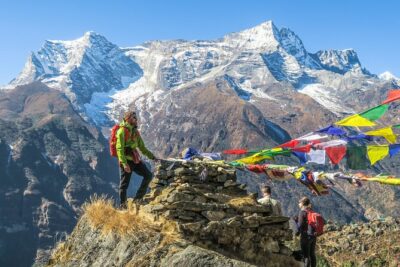
From Dingboche you keep rising toward the glacial zone. The walk to Lobuche includes a gradual climb to the Khumbu Glacier terminal moraine and then a steeper section to Chupki Lhara, where you’ll see prayer-flag memorial stones for Scott Fischer and Babu Chiri Sherpa.
It’s a sobering stop, and it changes the tone of the trek. The mountain is the star, but these memorials remind you that Everest is not a movie set. You’re walking in a real place with real risks and real history.
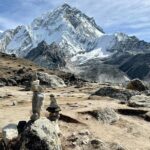
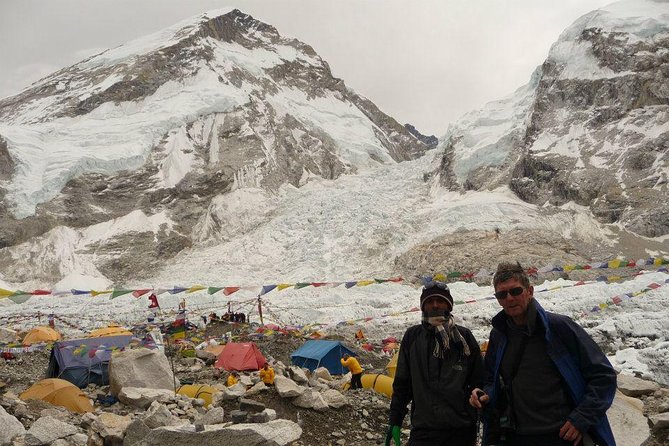
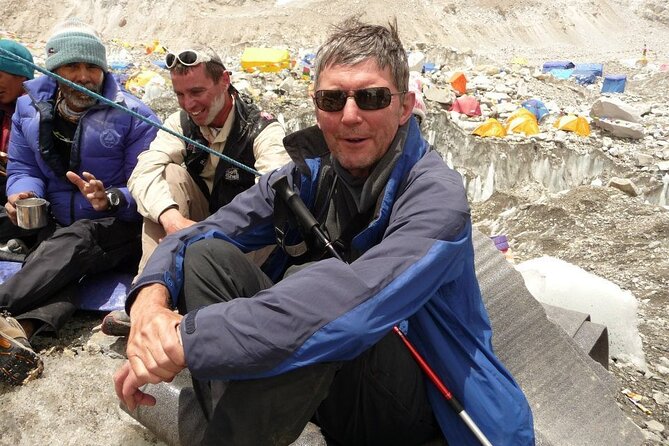
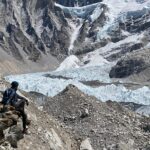
Then comes the approach toward Everest Base Camp via the once vast Gorak Shep Lake area. The route continues over rocky dunes, moraine, and streams. When you reach Everest Base Camp, you’ll see mountaineering tents in bright colors against gray terrain. The surrounding views can include Nuptse, Khumbuste, and Pumori—and when visibility is good, the sense of scale is hard to put into words.
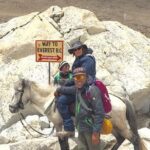
One practical note: the trail from Gorak Shep can feel confusing. The plan emphasizes following your Sherpa lead because the path can be misleading. On a high-altitude day, navigation mistakes become fatigue and missed time fast.
Kala Patthar at dawn: the cold test and the big payoff
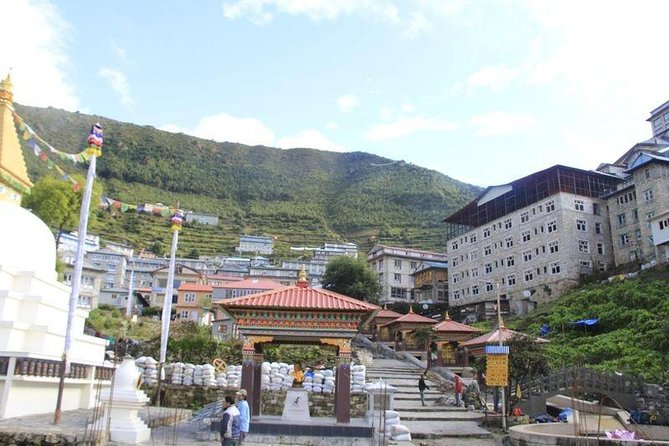
The climb to Kala Patthar is an early start, and you’ll feel it before you even see Everest clearly. The temperatures mentioned for the dawn push can drop to around -10 to -14°C, with potential for chilly winds. This is the part where warm layers and gloves matter, and where you’ll be glad you’re not stubborn.
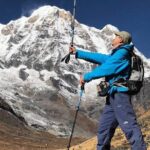
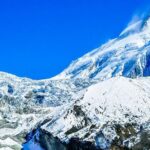
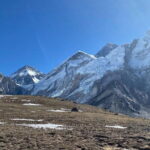
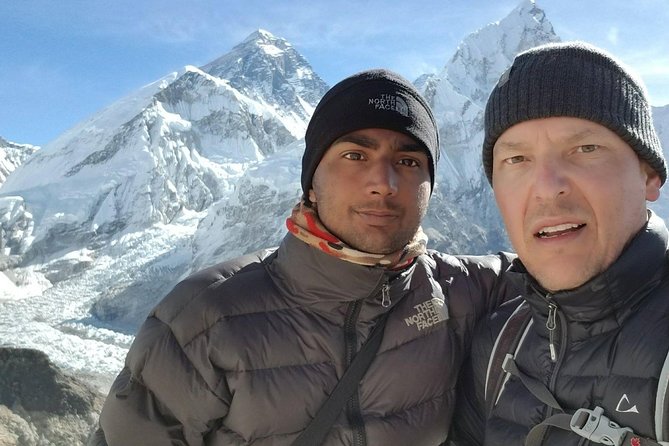
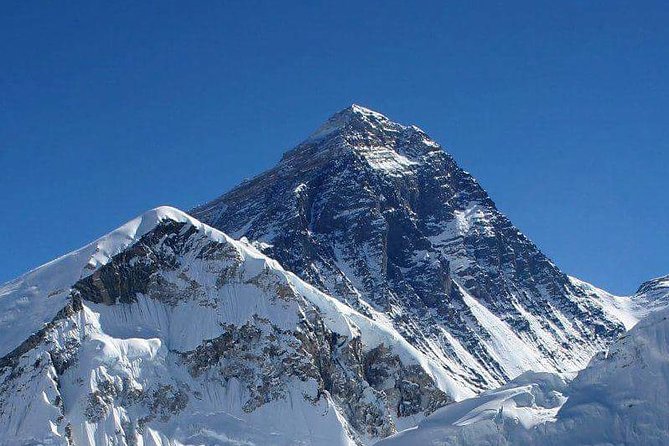
At Kala Patthar, the reward is described as 360-degree up-close views of Mt. Everest. You’ll get the classic Everest reveal—peaks appearing one by one, and the whole ridgeline looking sharper than it ever does from lower altitudes.
Then you head back to Pheriche for rest. After days of climbing and thin-air effort, that downhill recovery matters. It’s not just comfort; it’s helping your legs bounce back for the trek out.
Coming down: Phakding, Lukla, and the last mountain looks
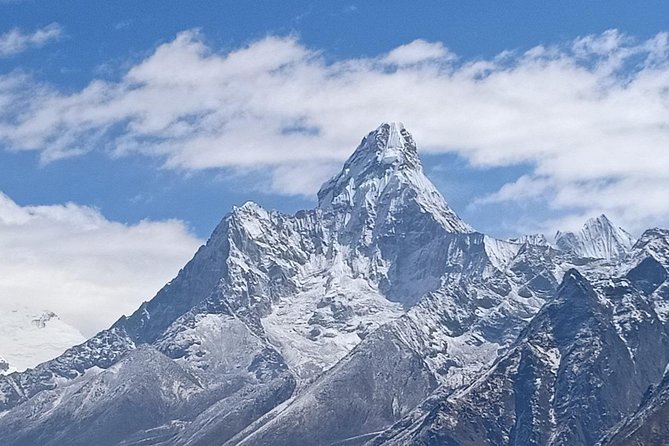
The return leg is not “easy” in the casual sense. Descents can be hard on your knees and ankles, especially on rocky terrain.
From Pheriche you trek down through rhododendron and juniper, cross prayer-flag bridges, and follow the Dudh Koshi gorge through pine forests. You may spot colorful pheasants and mountain goats along the way. The landscape shifts again as you lose altitude: less stark, more forested, and often more livable-feeling.
As you move back toward Namche, you’ll pass Sherpa villages where you’ll notice prayer stones and prayer flags in daily-life patterns, not just as trek-day decoration. Then you continue onward to Phakding, and eventually down to Lukla.
When you reach Lukla, you stretch your legs and reflect on the last couple of weeks. Then you take an early flight back to Kathmandu and have time to rest or do souvenir shopping in Thamel.
Price and logistics: what $800 buys you (and what to watch)
This plan lists at $800 per person for about 16 days, with pickup offered and group discounts. It’s also set up as a private tour/activity, meaning only your group participates.
That combination is the value story:
- You pay for guided structure: the route choices, pacing, and acclimatization days.
- You pay for the “not glamorous” parts: transfers and managing the trek flow so you’re not constantly figuring out what’s next.
- You get day-to-day support from a guide team, which matters on days involving high altitude, navigation, and early starts.
The catch is that trekking is weather-dependent. The experience states it requires good weather, and in the event of cancellation due to poor weather you’ll be offered a different date or a full refund. Still, I’d treat the itinerary as a plan, not a contract stamped in stone. One previously reported experience described the tour ending early and not seeing all promised stops, with refund disputes. So before you go, ask how the team handles weather-related reroutes and shortened schedules, and what documentation or written agreement you’ll get about those changes.
If you want predictable day counts, you should plan extra flexibility into your travel around the trek dates.
Who this trek suits best
This Everest Base Camp trek is a classic for a reason: it follows the well-known Khumbu line from Namche to Tengboche to Dingboche, then up through the glacial approach to Everest Base Camp and the dawn Kala Patthar view.
It’s best for you if:
- You have moderate physical fitness and you’re comfortable with altitude trekking.
- You like a guided structure with acclimatization breaks built in.
- You want both mountain payoff days and culturally meaningful stops in Kathmandu first.
It may feel like a lot if you’re looking for a low-effort vacation. The days are built around walking time, thin air, and cold mornings at altitude.
Should you book this Everest Base Camp plan?
If your dream is the classic Everest route with a real Shrerpa-guided plan—and you want Kathmandu UNESCO sightseeing plus a smooth handoff into Lukla—this itinerary is a strong match. The standout “yes” is the pairing of practical acclimatization with the big payoffs: Everest Base Camp and Kala Patthar.
I’d book with eyes open if you’re sensitive to schedule changes. Ask questions up front about how the team responds to bad weather, flight delays, and shortened days. If you do that homework, you’ll reduce the odds of unpleasant surprises.
If you’re the type who handles uncertainty calmly and focuses on the experience in front of you, you’re exactly who this trek is for.
FAQ
How many days is the Everest Base Camp trek?
The tour is listed as about 16 days.
Where does the trek start?
It starts in Kathmandu, Nepal, with an airport pickup and hotel transfer after you arrive.
Is there a flight to Lukla?
Yes. You take a short scenic flight from Kathmandu to Lukla, which is where the trekking begins.
Does the itinerary include Kathmandu UNESCO sites?
Yes. The Kathmandu day includes stops at Kathmandu Durbar Square, Pashupatinath, Swayambhunath, and Bouddhanath.
What fitness level do I need?
The tour notes that travelers should have moderate physical fitness.
Is this tour private?
Yes. It’s described as a private tour/activity, with only your group participating.
What happens if weather cancels the experience?
The experience requires good weather. If it’s canceled due to poor weather, you’ll be offered a different date or a full refund.